
20TH Century Episodes
83
Jan. 2, 2023
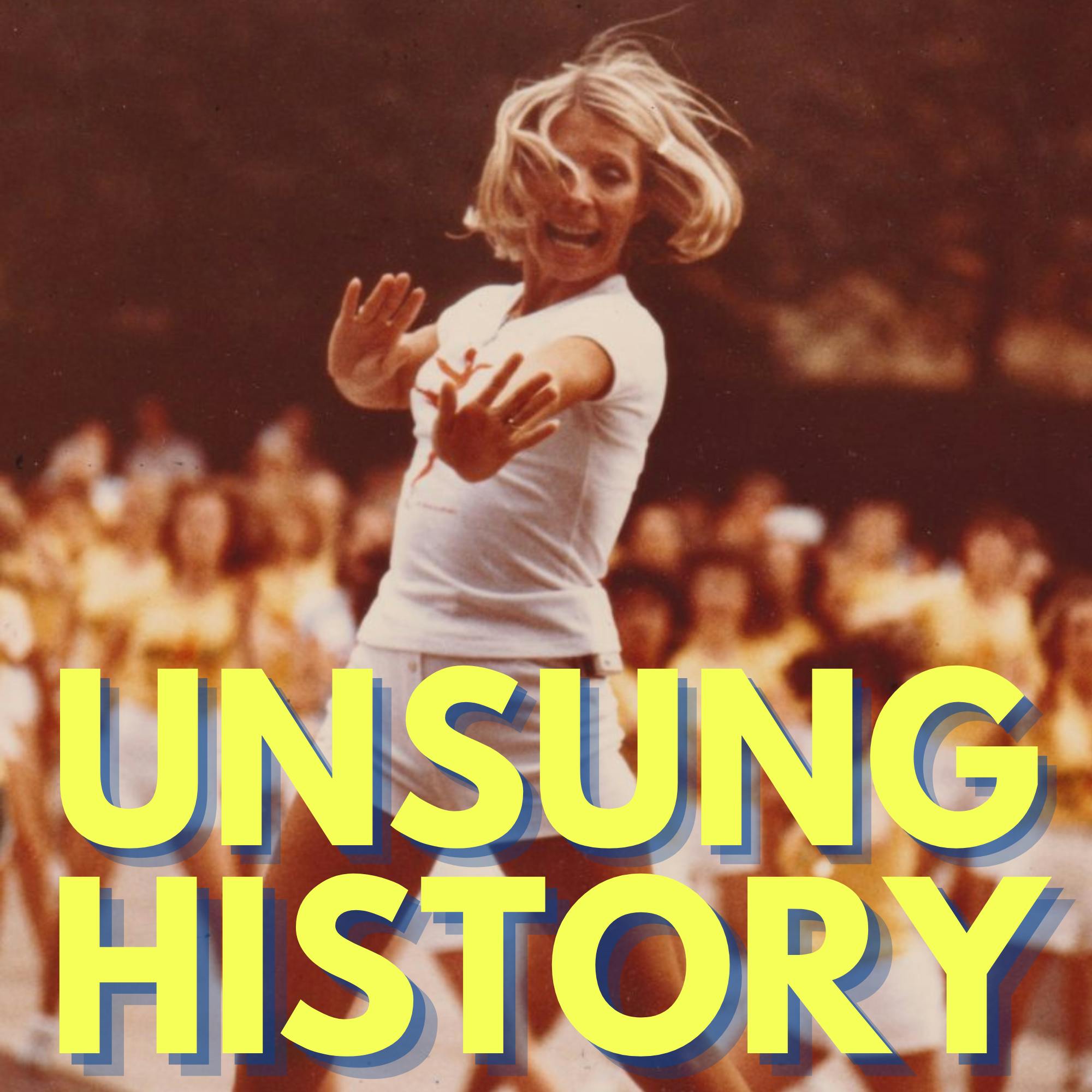
The Aerobics Craze of the 1980s
In the late 1960s, Air Force surgeon Dr. Kenneth Cooper was evaluating military fitness plans when he realized that aerobic activities, what we now call cardio, like running and cycling, was the key to overall physical health. His 1968 book Aerobics launched the aerobics revolution that followed, as he inspired women like Jacki Sorensen and Judi Sheppard Missett to combine dance with exercise, creating Dance Aerobics and Jazzercise in the process. I’m joined on this episode by Dr. Natalia Meh...
Guest: Natalia Mehlman Petrzela
77
Nov. 21, 2022
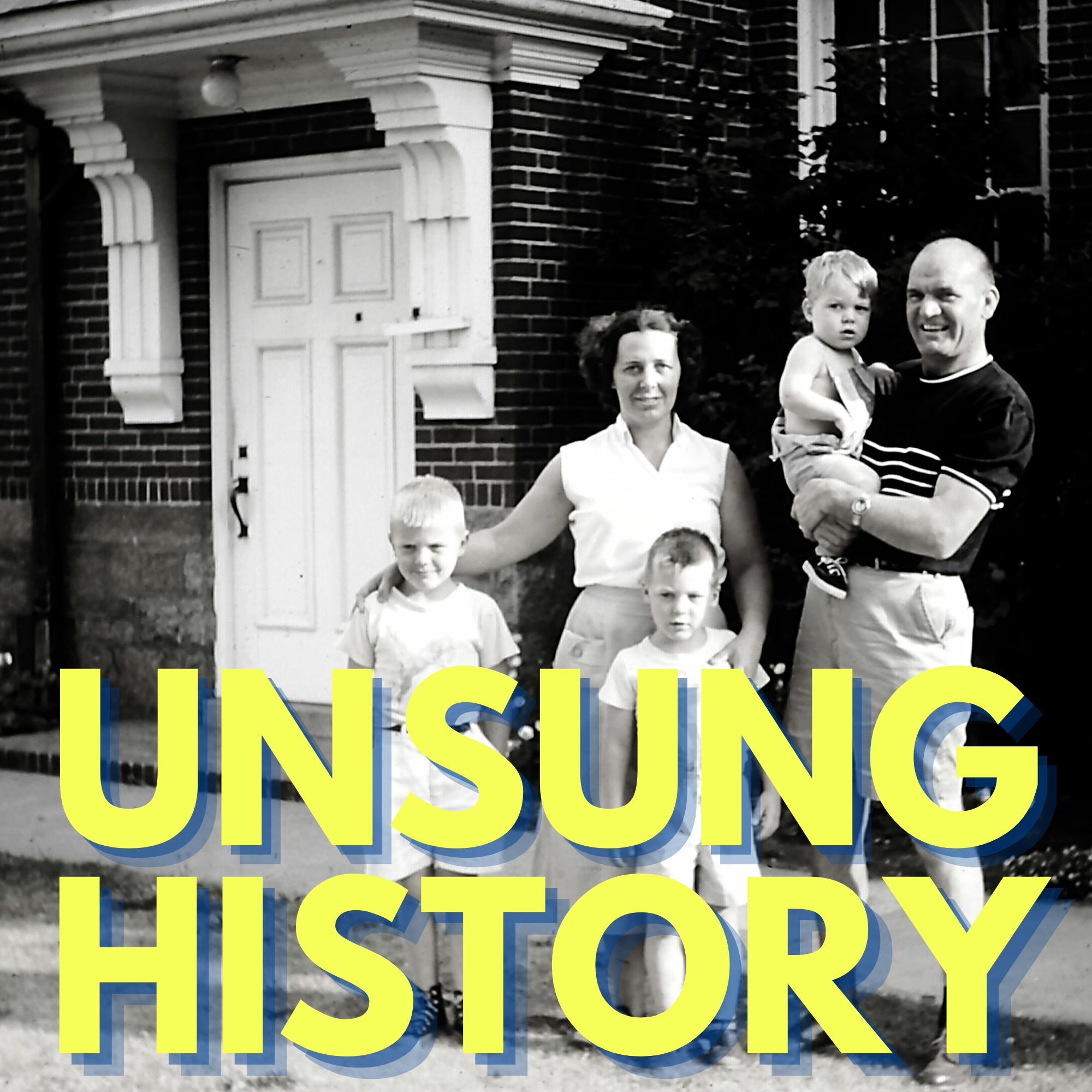
Keeping Secrets in the 1950s
Americans in the 1950s, yearning to return to normalcy after the Great Depression and World War II, got married, had lots of kids, and used their newly middle-class status to buy cookie-cutter houses in the suburbs. But not everyone conformed to the white middle class American Dream. Black Americans were largely excluded from suburban housing and the benefits of the GI Bill; girls who became pregnant out of wedlock were hidden from sight; children with developmental disabilities were sent to ins...
Guest: Margaret K. Nelson
76
Nov. 14, 2022
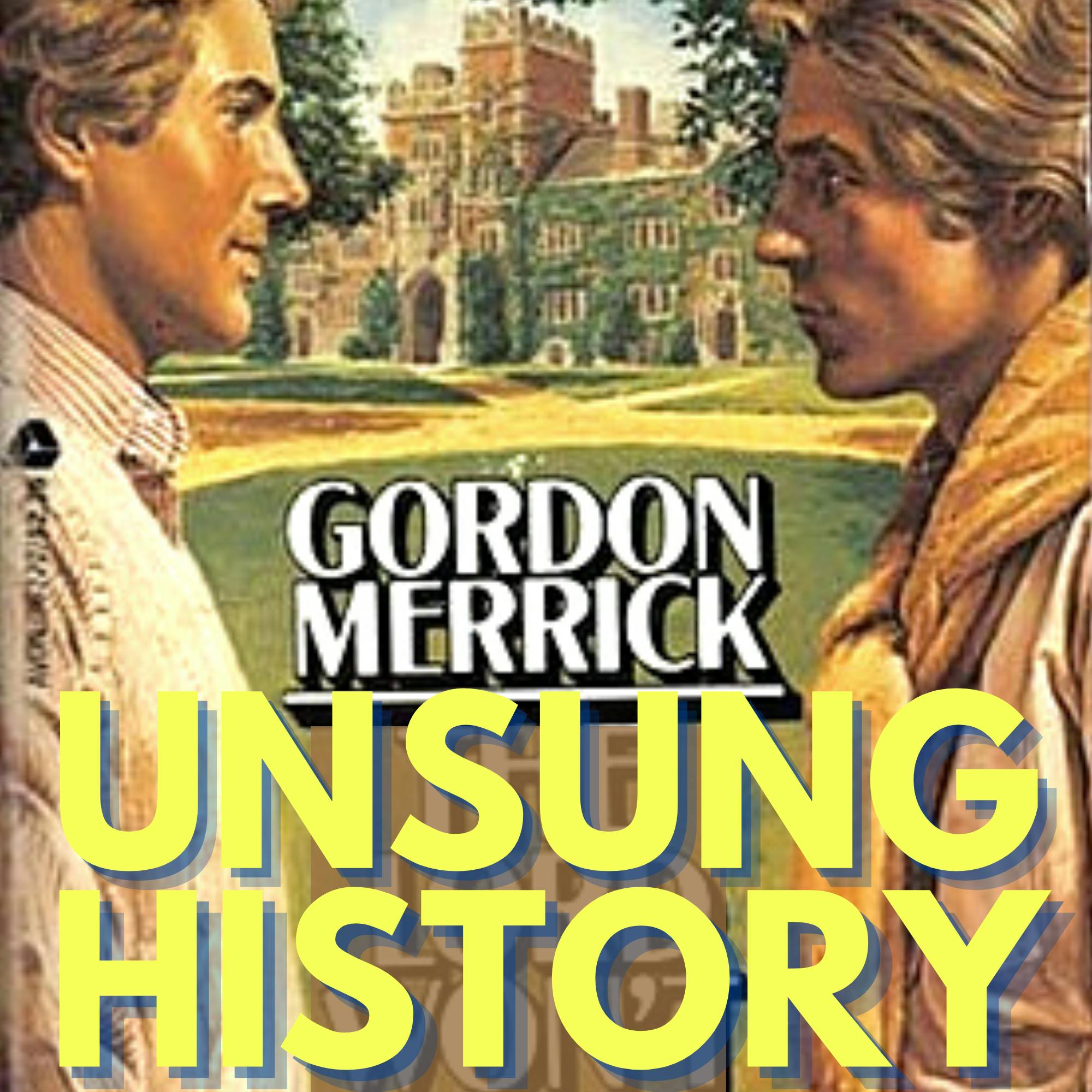
Gordon Merrick
In 1970, writer Gordon Merrick published The Lord Won’t Mind, advertised as “the first homosexual novel with a happy ending,” his fifth novel but first to focus on a gay romance story. The novel was a hit and stayed on the New York Times bestseller list for 16 weeks. Critics dismissed the work as fantastical, but Merrick, who had been a Broadway actor, newspaper reporter, and American spy before turning novelist, was writing what he knew. Despite his commercial success and enduring fan base, Mer...
Guest: Joseph Ortiz
75
Nov. 7, 2022
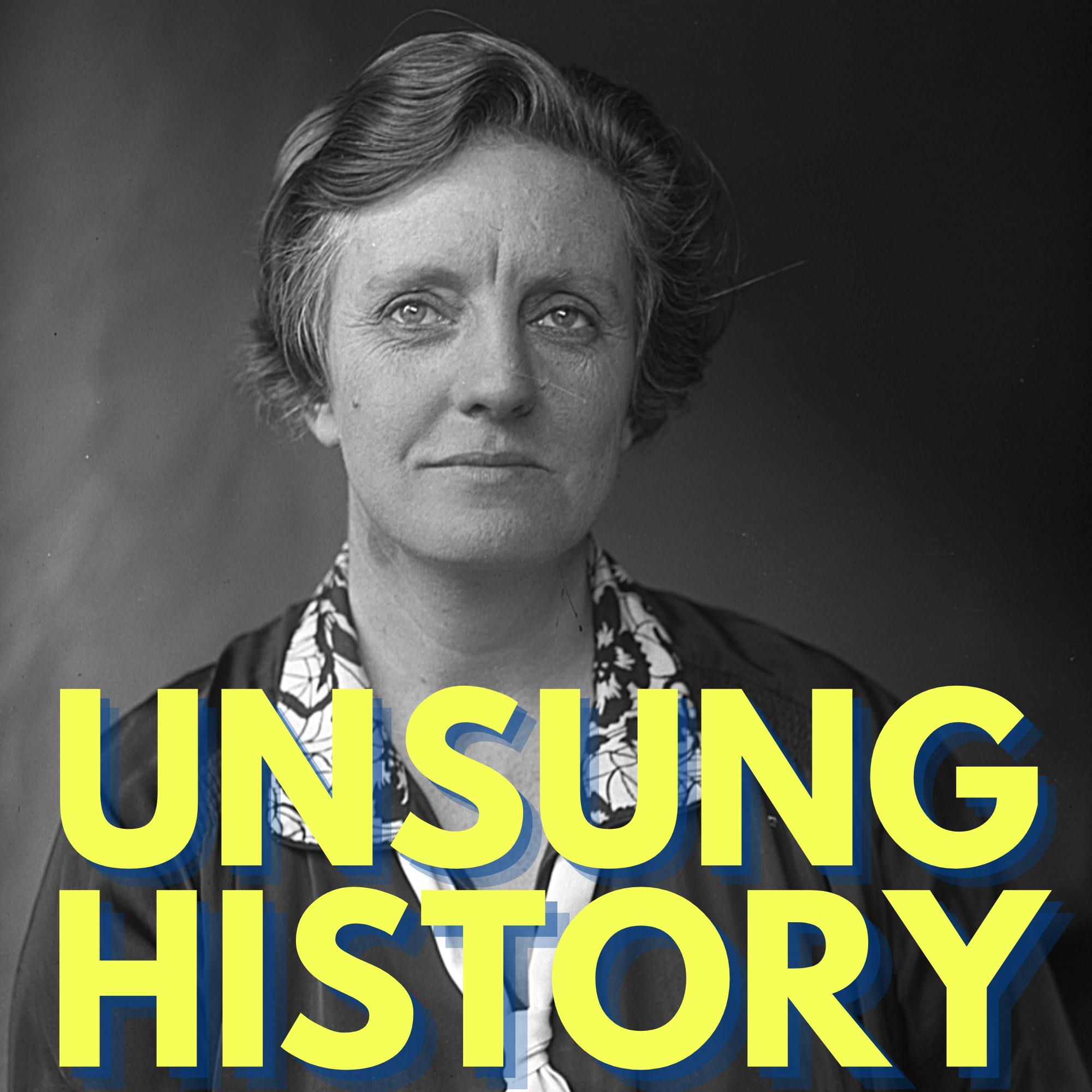
Elsie Robinson
As a girl born in 1883 to a family who couldn’t afford to send her to college, Elsie Robinson had limited options. To escape the drudgery of small-town life and then a stifling marriage, Elsie wrote. And wrote. And wrote. When her asthmatic son was home sick from school, she wrote and illustrated stories to entertain him. When she needed to make money to support herself and her son after her divorce, she wrote again. Eventually, her prolific writing caught the attention of the Hearst media empir...
Guest: Allison Gilbert
74
Oct. 31, 2022
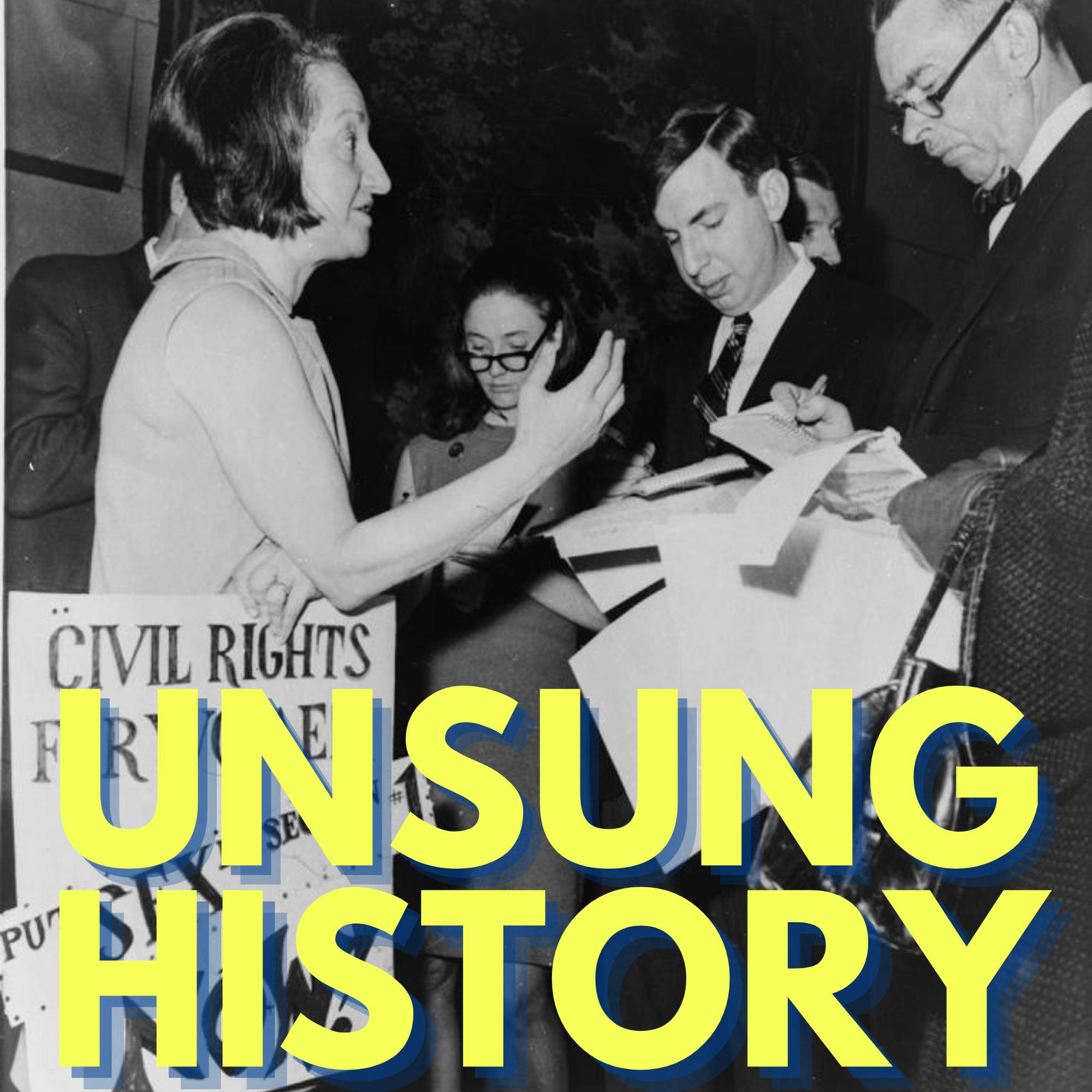
The Politics of Reproductive Rights in 1960s & 1970s New York
Prior to the Roe v. Wade decision in 1973, much of the focus of reproductive rights organizing in the US was done in the states, and nowhere was that more effective than in New York, where leftist feminists in groups like Redstockings and more mainstream activists in groups like the National Organization for Women (NOW) together pushed the state legislature to enact the most liberal abortion law in the country by early 1970. The wide range of reproductive rights activism in New York also include...
Guest: Felicia Kornbluh
73
Oct. 24, 2022
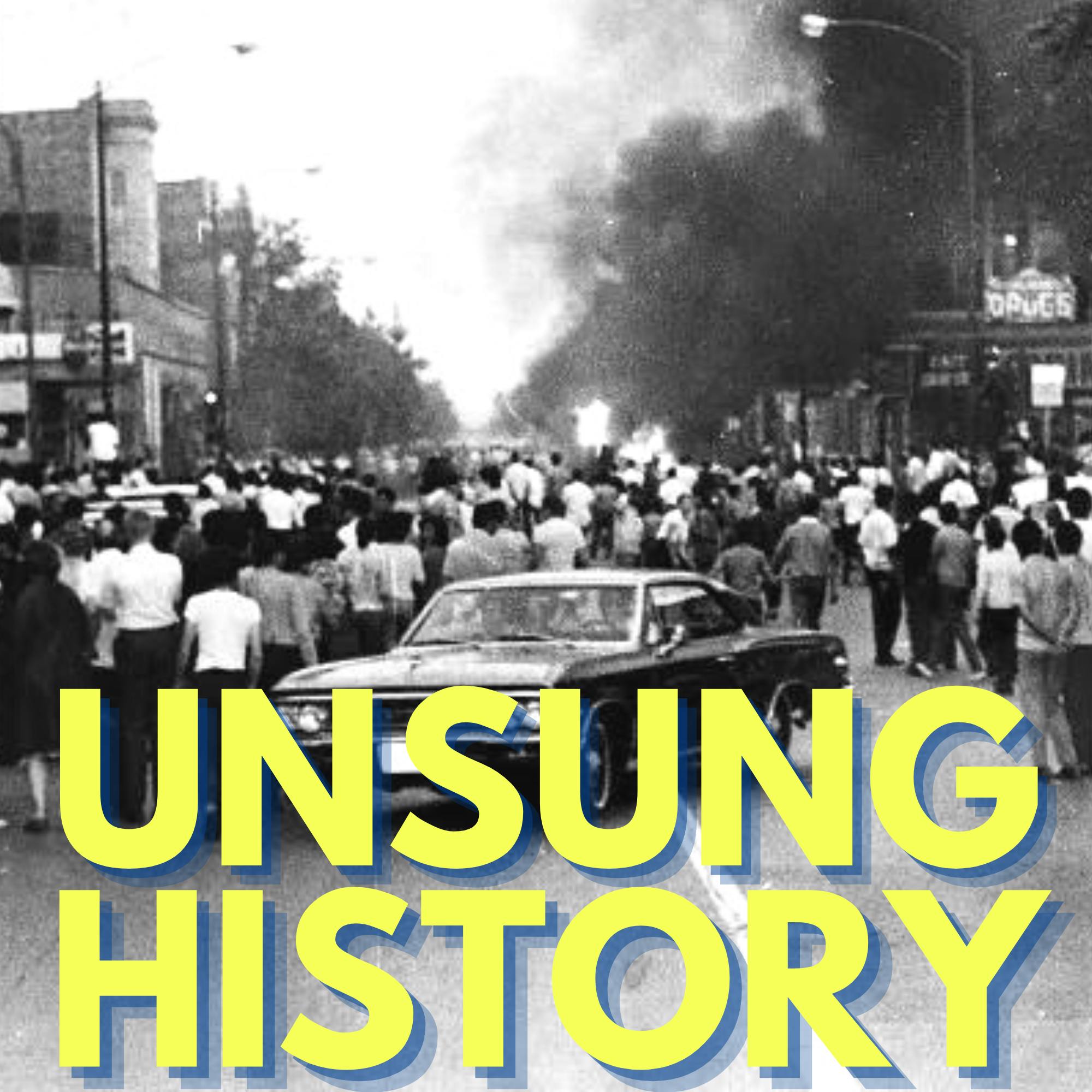
The 1966 Division Street Uprising & the Puerto Rican community in Chicago
In 1966, Chicago Mayor Richard J. Daley declared that the first week of June would be known as “Puerto Rican Week,” culminating in the first Puerto Rican Parade, to honor the growing Puerto Rican population in the city. After the parade, while people were still celebrating, police shot a Puerto Rican man in the leg, following a pattern of police violence against the Puerto Rican community, which sparked a three-day uprising in the Humboldt Park neighborhood that changed Puerto Rican history in C...
Guest: Mirelsie Velázquez
72
Oct. 17, 2022
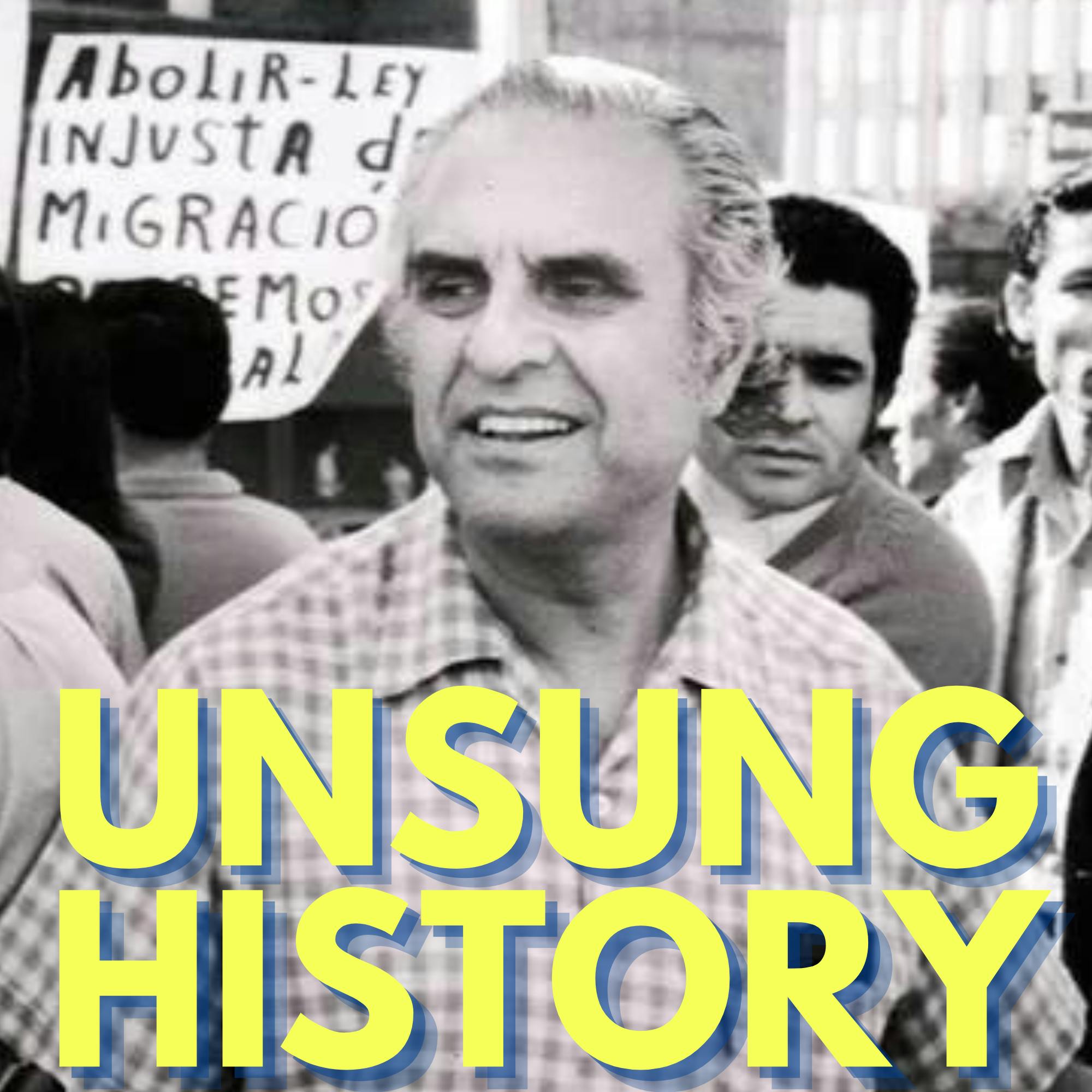
Bert Corona
Labor leader and immigrant rights activist Bert Corona viewed Mexican Americans and Mexican immigrants in the United States, both with and without documentation, as one people without borders, and he understood that their struggles were connected. While other Mexican American labor leaders were campaigning against undocumented workers, Corona fought to shift the opinions of Mexican Americans toward support for the undocumented and helped create a pro-immigrant consciousness among Latinos in the ...
Guest: Eladio B. Bobadilla
71
Oct. 10, 2022
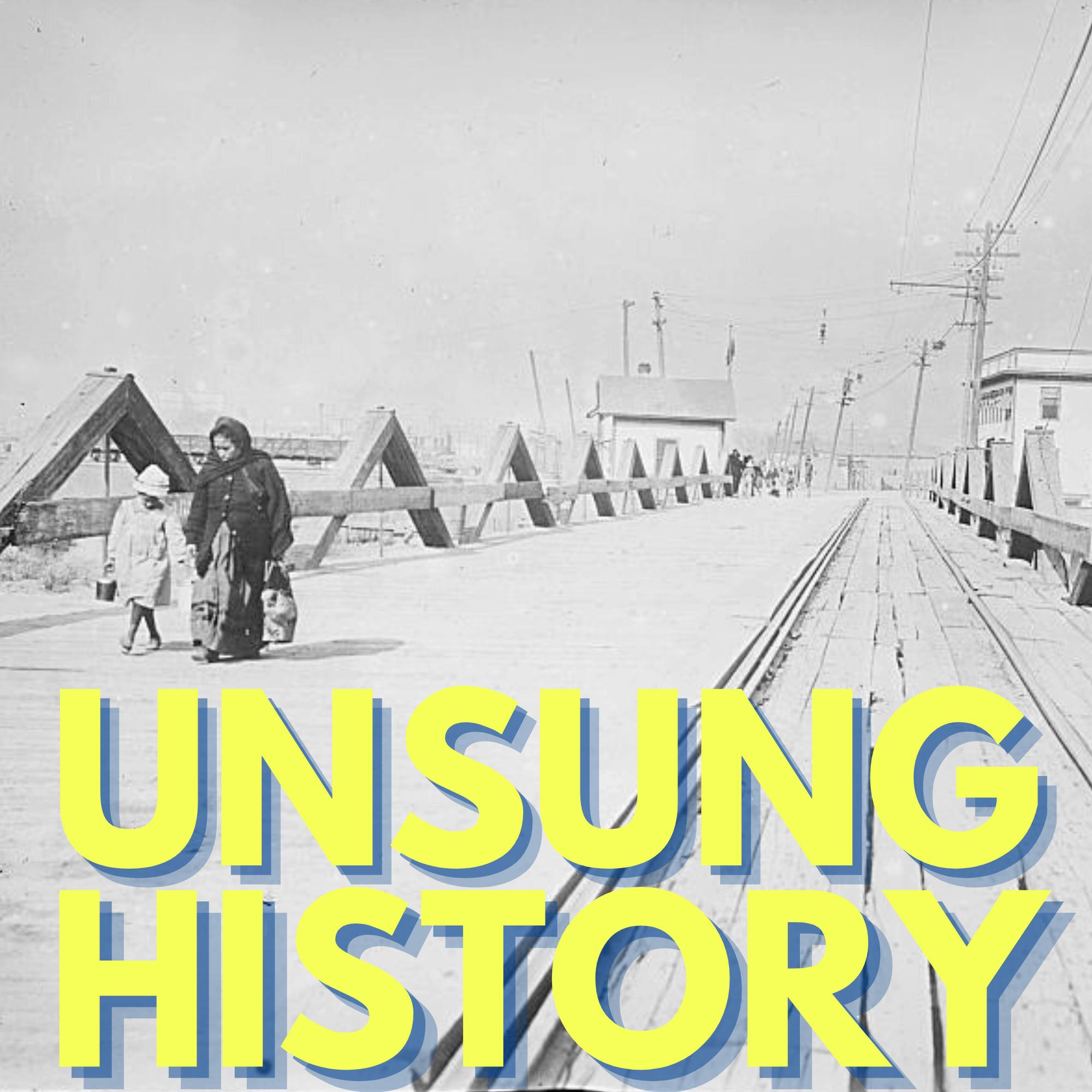
The Effect of the Mexican Revolution on Mexican Immigration to the U.S.
The Mexican Revolution in the early 20th Century was a pivotal moment in Mexican history, and it was also a pivotal moment in United States history, as huge numbers of Mexicans fled war-torn Mexico and headed to the US border. Many Mexican Americans in the US today are the descendants of refugees fleeing the Revolution. To understand more about the experience of immigrants who came to the United States during the Mexican Revolution, I’m speaking in this episode with writer Alda P. Dobbs, auth...
Guest: Alda Dobbs

69
Sept. 26, 2022
The Pacific Coast Abortion Ring
In mid-1930s, pregnant women in cities in California, Oregon, and Washington could obtain safe surgical abortions in clean facilities from professionals trained in the latest technique. The only catch? The abortions were illegal. The syndicate that provided these abortions was the Pacific Coast Abortion Ring, which operated from 1934 to 1936 with clinic locations in Seattle, Washington; Portland, Oregon; and San Diego, Long Beach, Hollywood, Los Angeles, San Francisco, Oakland, and San Jose, ...
Guest: Alicia Gutierrez-Romine
68
Sept. 19, 2022
Mary Ware Dennett & the Birth Control Movement
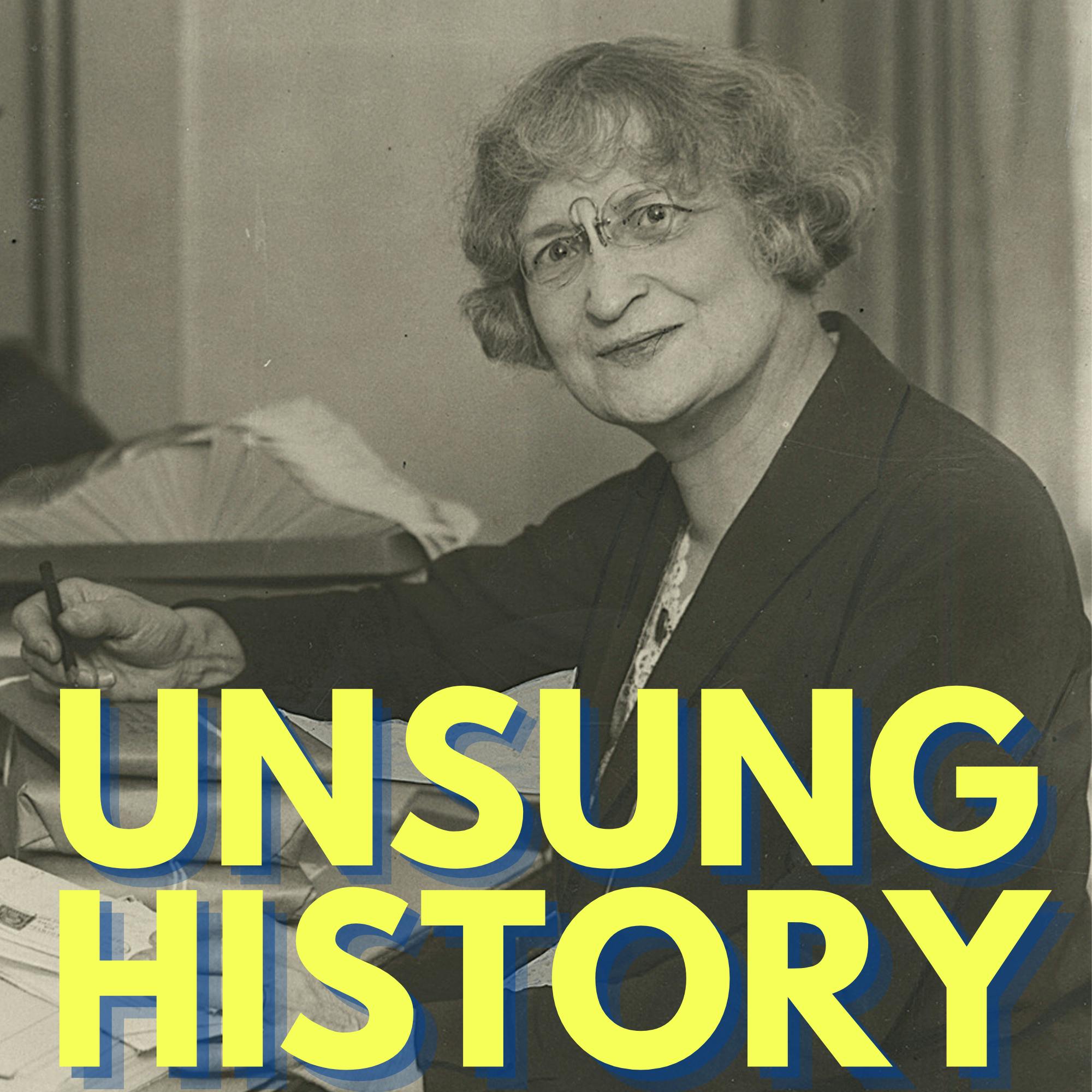
For birth control advocate Mary Ware Dennett, the personal was political. After a difficult labor and delivery with her third child, a physician told Mary Ware Dennett she should not have any more children, but he told her nothing about how to prevent pregnancy. Dennett’s husband began an affair with a client of his architectural firm, destroying their marriage, and Dennett devoted her work to ensuring that other couples could receive information about birth control. A 1930 federal court case ag...
Guest: Lauren MacIvor Thompson
66
Sept. 5, 2022
Agatha Christie
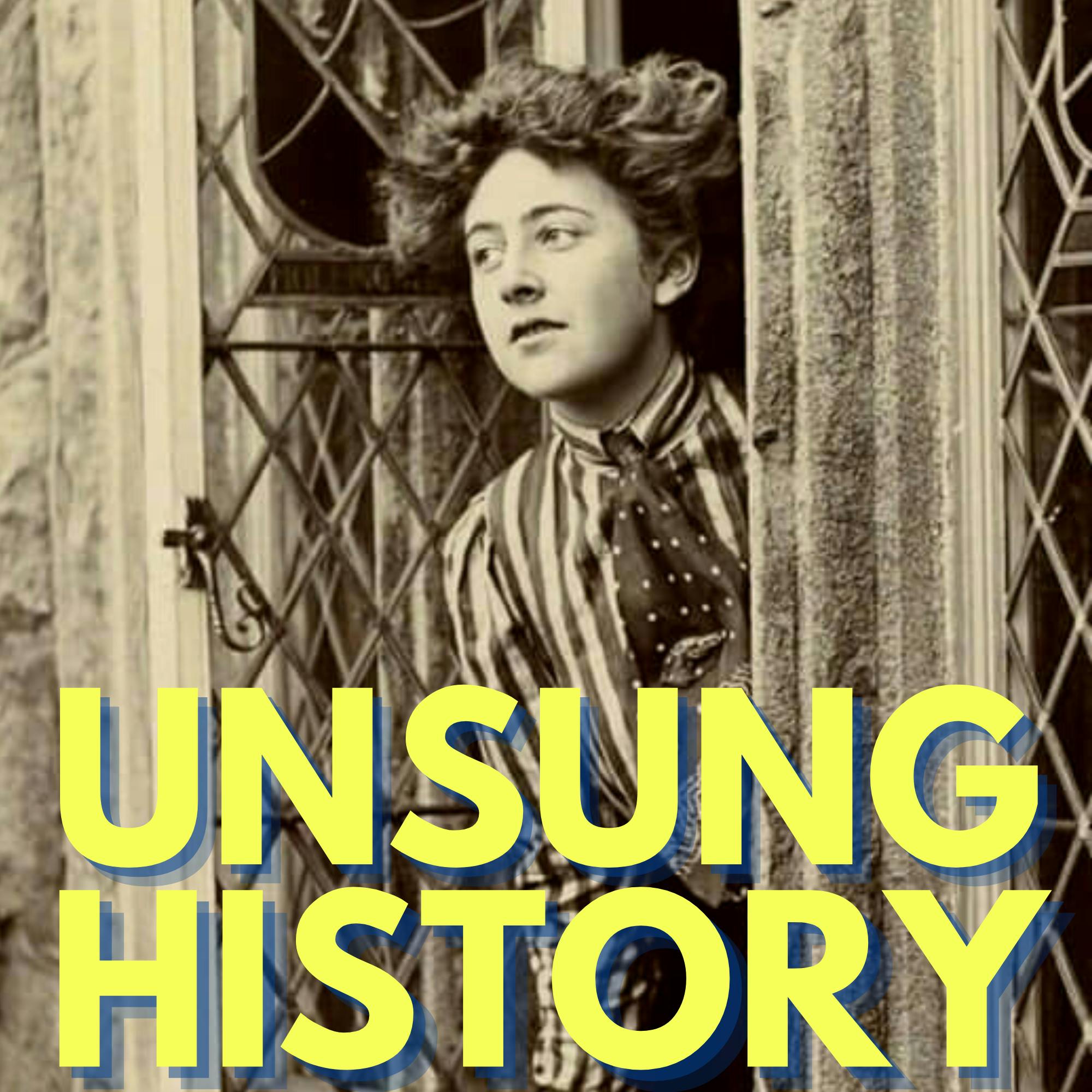
Agatha Christie is the best-selling novelist of all time, whose books have been outsold only by the Bible and Shakespeare. You can probably name several of her books and recurring characters, but how much do you know about Agatha Christie herself? In our final British History episode, we look at Agatha Christie’s life, in the hospital dispensary, at home with her daughter, abroad on archeological digs, and behind the typewriter. Joining me in this episode to help us learn more about Agatha Ch...
Guest: Lucy Worsley
62
Aug. 8, 2022
The Women who Programmed the ENIAC
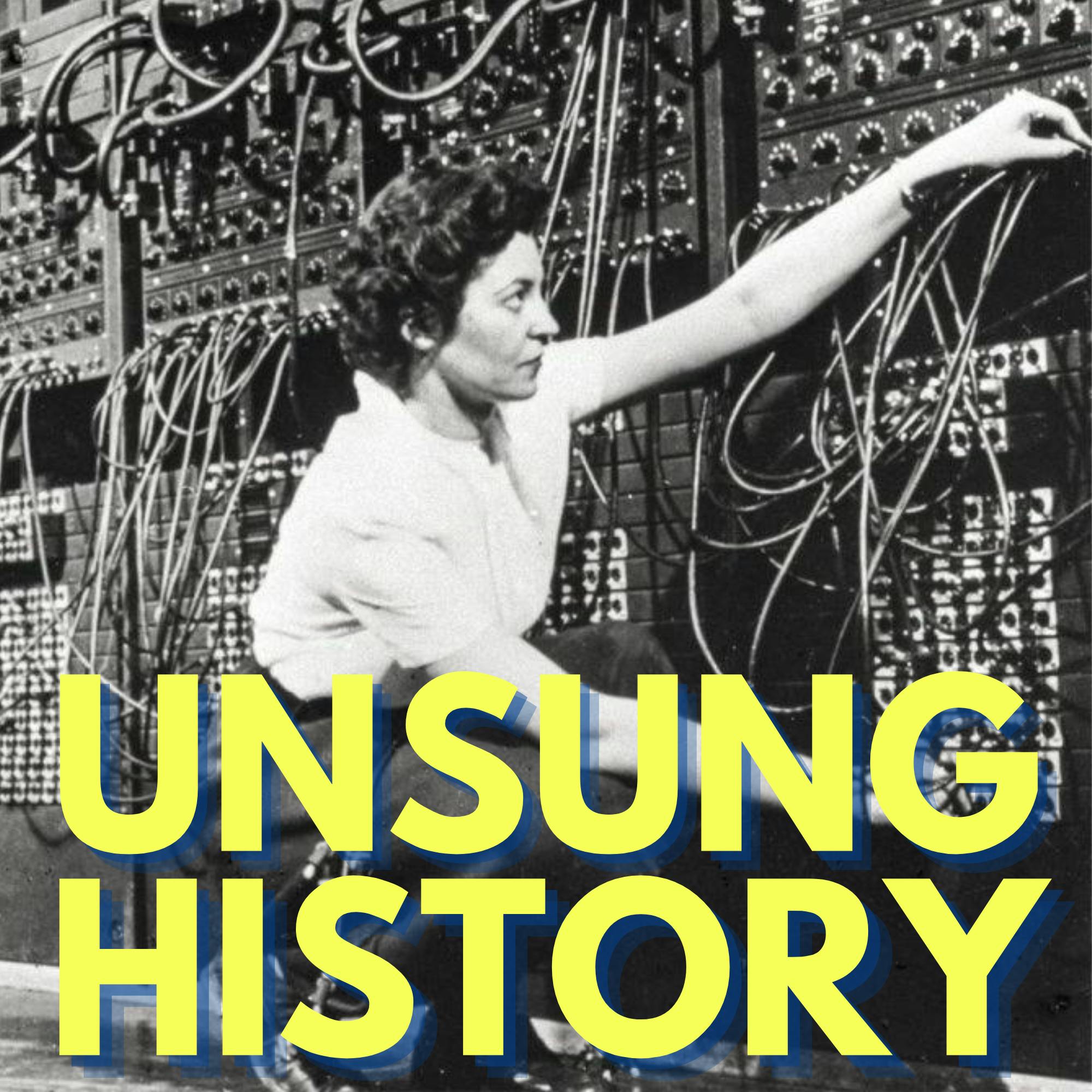
During World War II, the United States Army contracted with a group of engineers at the University of Pennsylvania Moore School of Electrical Engineering to build the ENIAC, the world’s first programmable general-purpose electronic digital computer in order to more quickly calculate numbers for ballistics tables. Once the top-secret device was built, someone needed to figure out how to program the more than 17,000 vacuum tubes, 70,000 resistors, 10,000 capacitors, 6,000 switches, and 1,500 mecha...
Guest: Kathy Kleiman
61
Aug. 1, 2022
Filipino Nurses in the United States
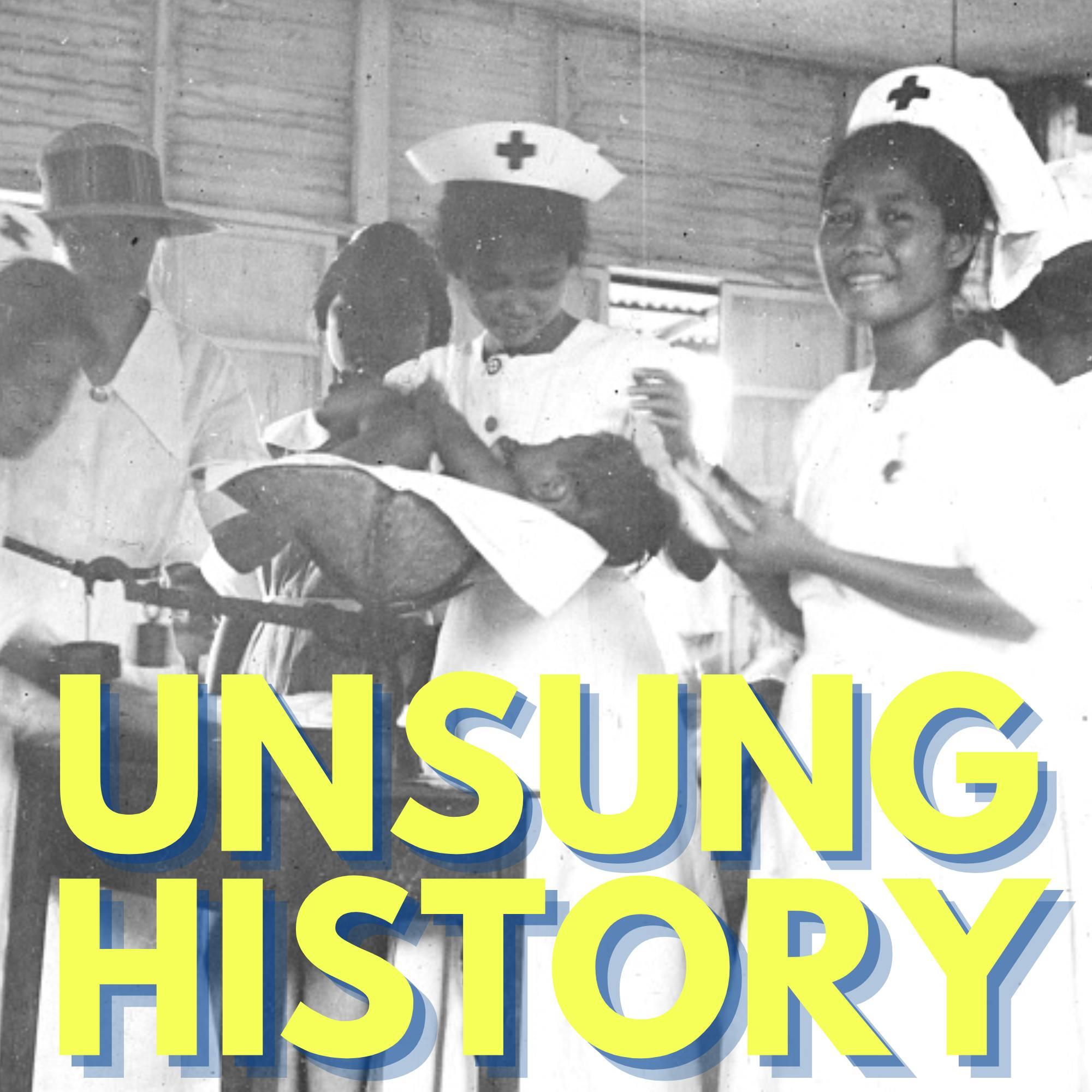
A February 2021 report by National Nurses United found that while Filipinos make up 4% of RNs in the United States, they accounted for a stunning 26.4% of the registered nurses who had died of COVID-19 and related complications. Why are there so many Filipino nurses in the United States and especially so many of the frontlines of healthcare? To answer that question, we need to look at the history of American colonization of The Philippines, United States immigration policies, and the establishme...
Guest: Catherine Ceniza Choy

60
July 25, 2022
The Townsend Family Legacy
When Alabama plantation owner Samuel Townsend died in 1856, he willed his vast fortune to his children and his nieces. What seems like an ordinary bequest was anything but, since Townsend’s children and nieces were his enslaved property. Townsend, who knew the will would be challenged in court, left nothing to chance, hiring the best lawyer he could find to ensure that his legatees received both their freedom and the resources they would need to survive in a country that was often hostile to fre...
Guest: R. Isabela Morales

58
July 11, 2022
Dale Evans, Queen of the West
Dale Evans is probably best known as the Queen of the West, the wife and co-star of the King of Cowboys, Roy Rogers. But before she ever met Roy, Dale had a successful career in singing, songwriting, and acting, and she had plans to be an even bigger star in musicals, which to Dale, meant not Westerns. This week we do a deep dive into the life of Dale Evans and how she became a cowgirl, with historian Dr. Theresa Kaminski, author of the new book, Queen of the West: The Life and Times of Dale ...
Guest: Theresa Kaminski

56
June 27, 2022
The 1966 Compton's Cafeteria Riot
On a hot weekend night in August 1966 trans women fought back against police harassment at Compton’s Cafeteria in the Tenderloin District of San Francisco. Although the Compton’s riot didn’t spark a national movement the way Stonewall would three years later, it did have an effect, leading to the creation of support services for transgender people in San Francisco, and a reduction in police brutality against the trans community. Joining me to discuss the riot, its causes, and its aftermath, i...
Guest: Susan Stryker

55
June 20, 2022
Two-Spirit People in Native American Cultures
In the summer of 1990, at the third annual Native American/First Nations gay and lesbian conference, in Winnipeg, Manitoba, the term Two Spirit was established. An English translation of the Northern Algonquin term niizh manitoag, Two Spirit describes masculine and feminine qualities within a single person. As a pan tribal term, Two Spirit both connected organizers across different Native nations and also helped them re-discover the traditional terminology used in their own cultural history. ...
Guest: Gregory Smithers
54
June 13, 2022
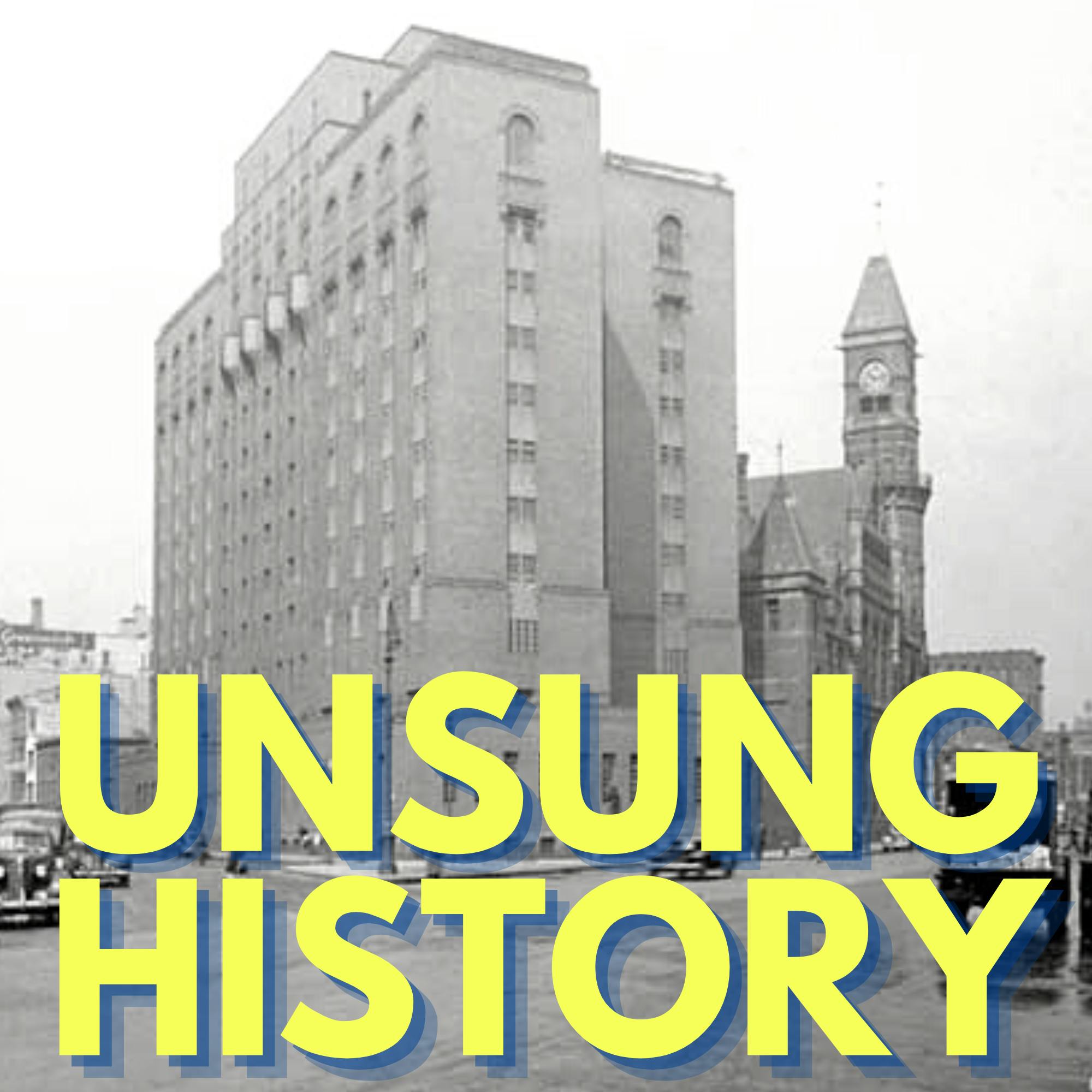
The Women's House of Detention in Greenwich Village
The 12-story Women’s House of Detention, situated in the heart of Greenwich Village in New York City, from 1932 to 1974, was central to the queer history of The Village. The House of D, as it was known, housed such inmates as Angela Davis, Afeni Shakur, Andrea Dworkin, and Valerie Solanas, and was formative in their thinking and writing. On the night of the Stonewall Riots, the incarcerated women and transmaculaine people in the House of D, a few hundred feet away from The Stonewall Inn, joined ...
Guest: Hugh Ryan
53
June 6, 2022
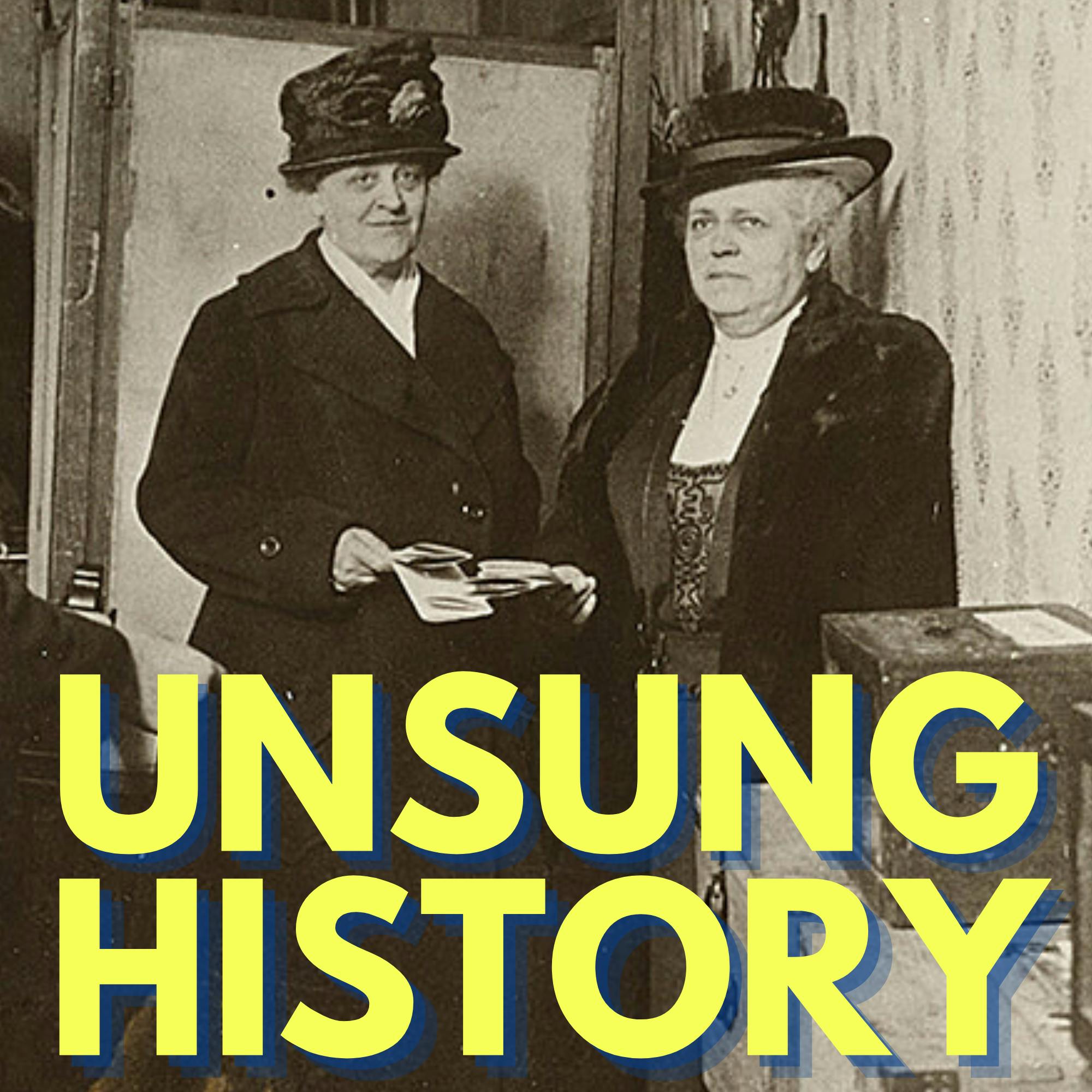
The Queer History of the Women's Suffrage Movement
Queer suffragists were central to the women’s suffrage movement in the United States from its earliest days. However, in a movement that placed great importance on public image in service of the goal of achieving the vote, queer suffragists who pushed the boundaries of “respectability” were sometimes ostracized, and others hid their queerness, or had it erased by others. Joining me to help us learn about queer suffragists is historian Dr. Wendy Rouse, Associate Professor in History at San Jos...
Guest: Wendy L. Rouse
52
May 30, 2022
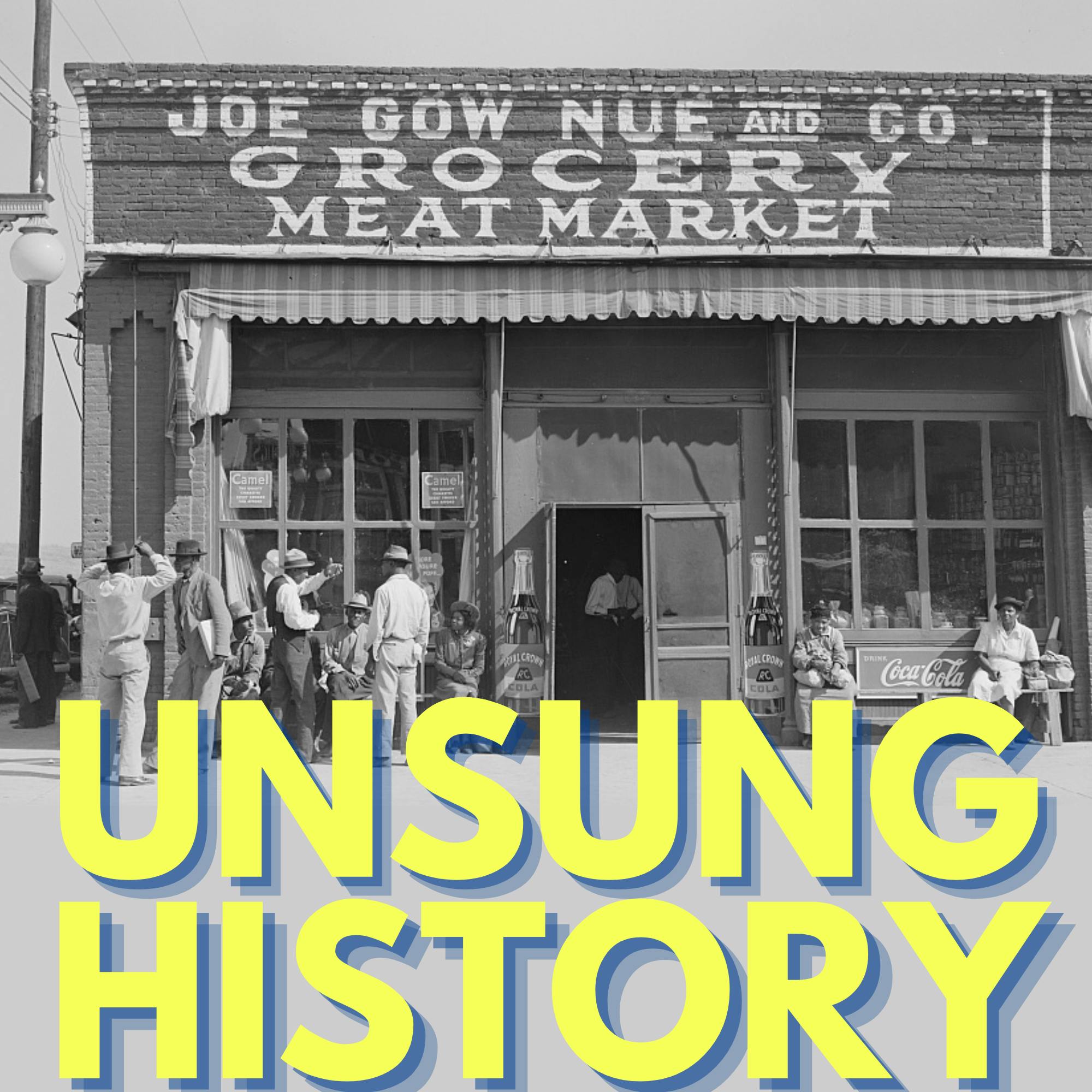
Chinese Grocery Stores in the Mississippi Delta
During Reconstruction, cotton planters in the Mississippi Delta recruited Chinese laborers to work on their plantations, to replace the emancipated slaves who had previously done the hard labor. However, the Chinese workers quickly learned that they couldn’t earn enough money picking cotton to send back to their families, and they turned instead to running small grocery stores, filling a niche in the market of the Deep South. At one point, the city of Greenville, Mississippi, had 40,000 resident...
Guest: Larissa Lam
51
May 23, 2022
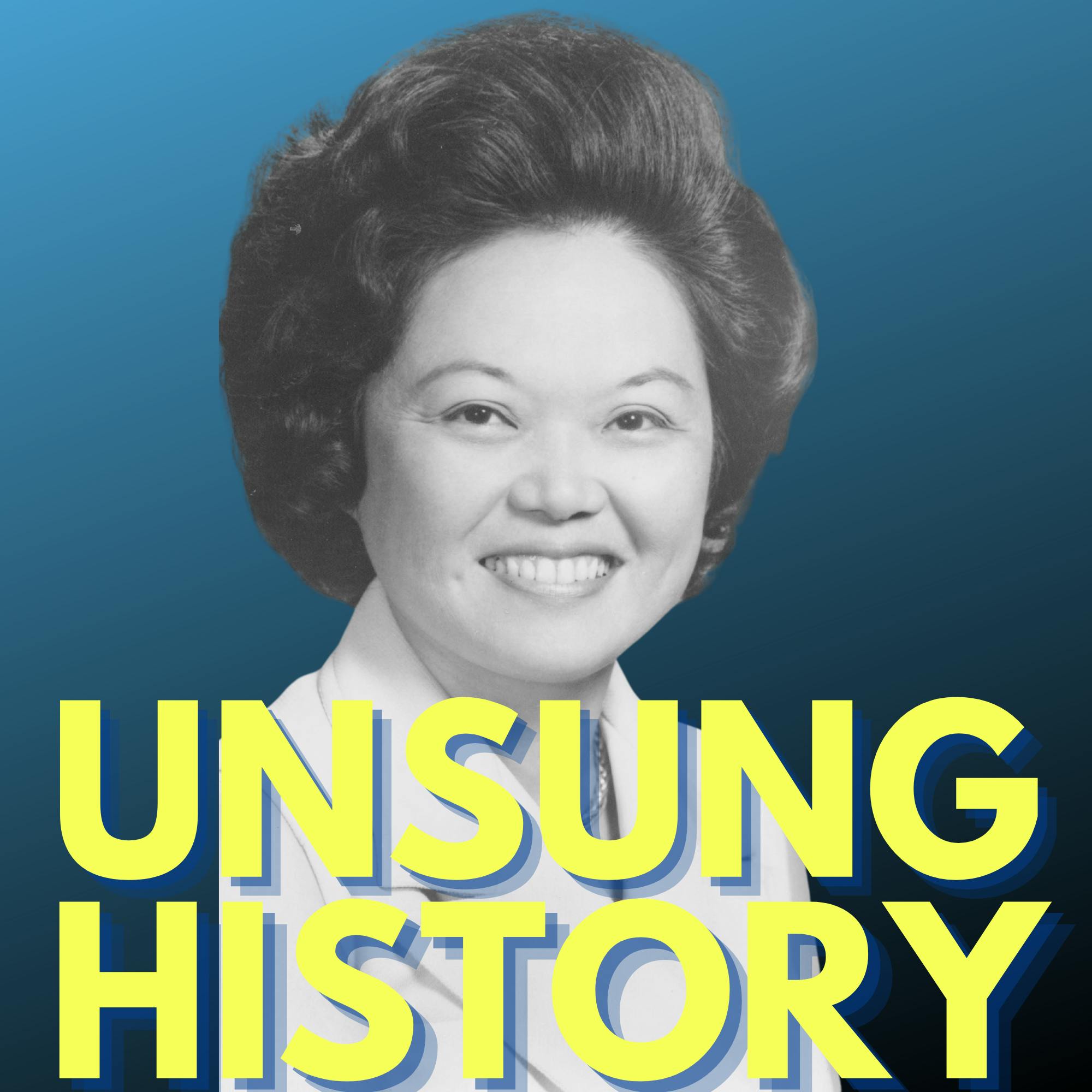
Patsy Mink
In Patsy Mink’s first term in Congress in 1965, she was one of only 11 women serving in the US House of Representatives, and she was the first woman of color to ever serve in Congress. Mink was no stranger to firsts, being the first Japanese-American woman licensed to practice law in Hawaii, after being one of only two women in her graduating class at the University of Chicago Law School. She would later be the first Asian American to run for President. Mink leaned on her own experiences of s...
Guests: Judy Tzu-Chun Wu , Gwendolyn Mink
50
May 16, 2022
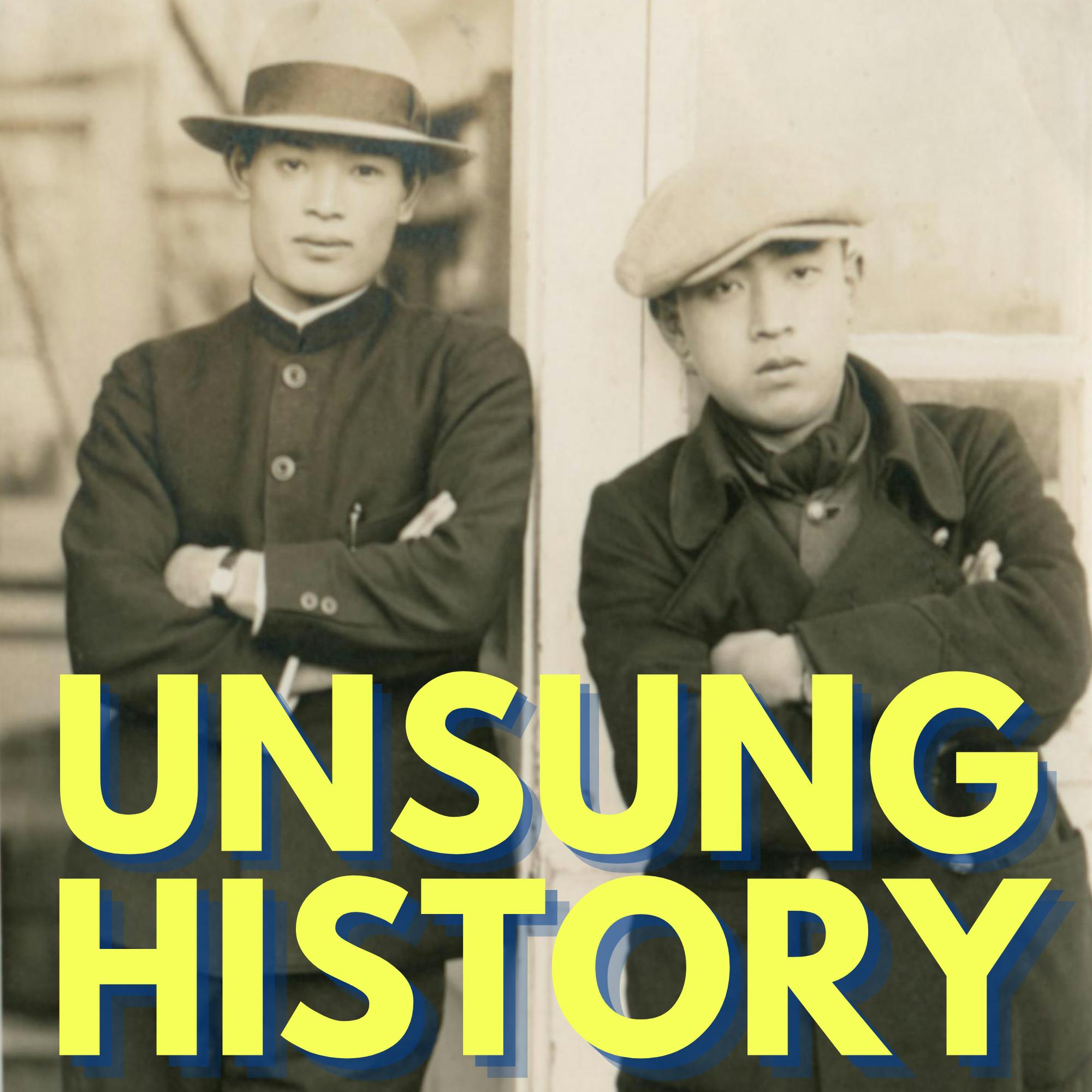
The US-Born Japanese Americans (Nisei) who Migrated to Japan
In the decades before World War II, 50,000 of the US-born children of Japanese immigrants (a quarter of their total population) migrated from the United States to the Japanese Empire. Although these second generation Japanese Americans (called Nisei) were US citizens, they faced prejudice and discrimination in the US and went to Japan in search of a better life. Joining me to help us learn about the Nisei who returned to Japan, what motivated them, and the challenges they faced both in Japan ...
Guest: Michael Jin

49
May 9, 2022
Thai Americans & the Rise of Thai Food in the United States
There are around 300,000 Thai Americans but almost 5,000 Thai restaurants in the United States. To understand how Thai restaurants became so ubiquitous in the US, we dive into the history of how Thai cuisine arrived in the US before Thai immigrants started to arrive in large numbers, and how Thai Americans capitalized on the popularity of their food to find their niche in the US economy. I’m joined in this episode by Associate Professor of Asian and Asian American Studies at the University of...
Guest: Mark Padoongpatt
48
May 2, 2022
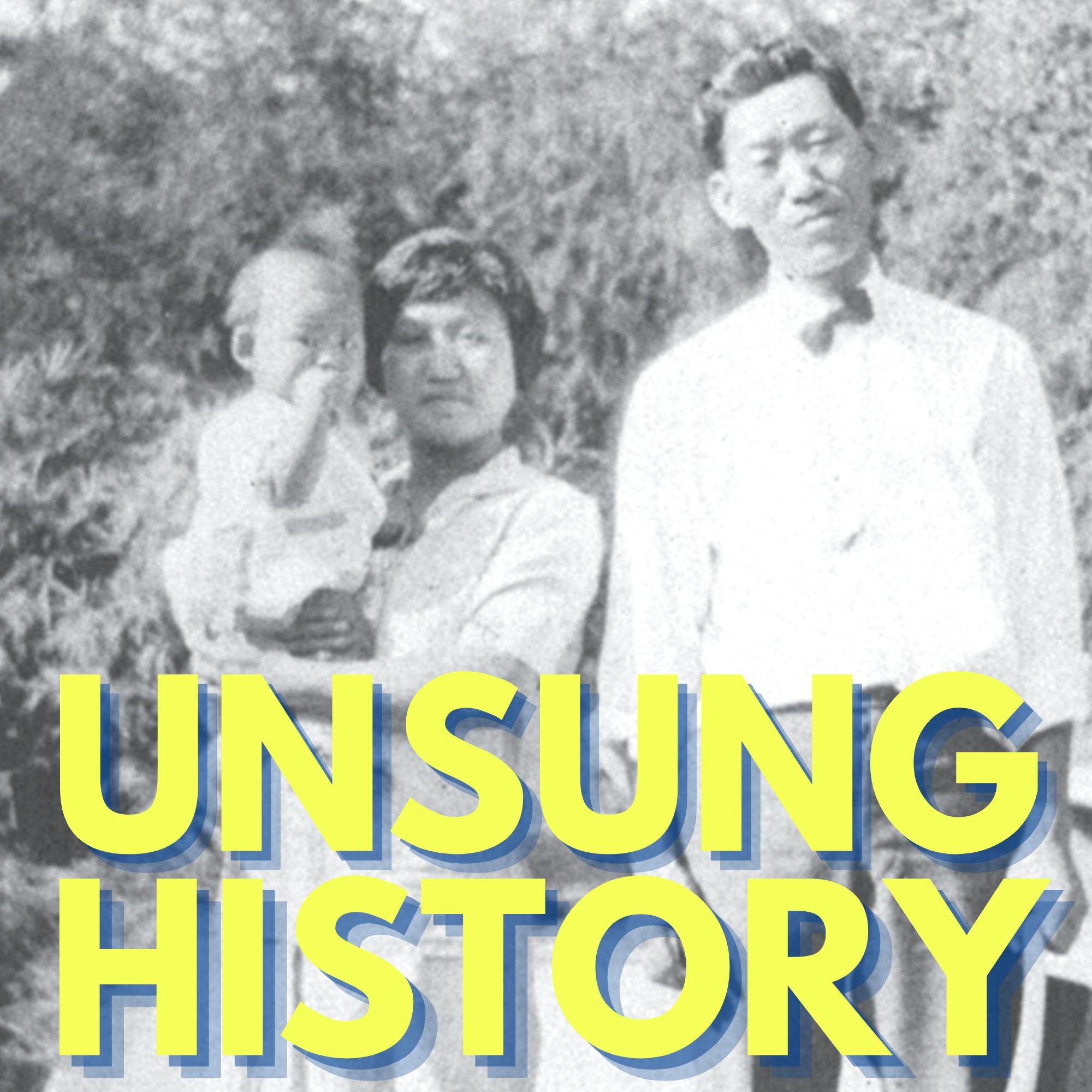
Mary Paik Lee
Mary Paik Lee (Paik Kuang Sun) was born in the Korean Empire on August 17, 1900, and was baptized by American Presbyterian minister Dr. Samuel Austin Moffett, one of the first American Presbyterian missionaries to come to Korea. In 1905, her family left Korea for Hawaii, fleeing the Japanese occupation of the Korean Peninsula. Late in her life, Mary wrote a memoir, recounting her family’s struggles in Hawaii and then California, where they faced discrimination and poverty, all while striving to ...
Guest: Jane Hong