
17TH Century Episodes

222
May 4, 2026
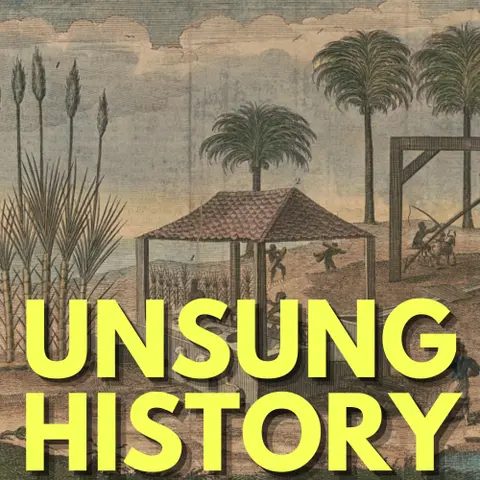
Policing Slavery & Black Rebellion in the American South
Enslaved Africans were forcibly shipped to Virginia starting in 1619 in response to a severe labor shortage. From the beginning, enslaved laborers resisted by fleeing and through violence, and white enslavers reacted by creating a racialized system of brutal policing, granting themselves authority based on skin color and a sense of superiority. Joining me in this episode is Dr. Gautham Rao, Associate Professor of History at American University in Washington, D.C., and author of White Power: Poli...
Guest: Gautham Rao
210
Nov. 17, 2025
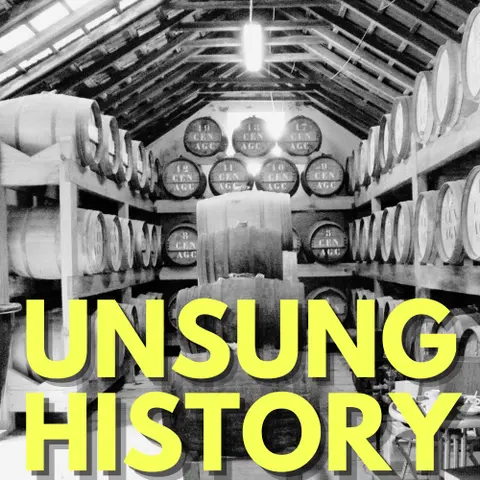
The History of Rum
Global rum sales are expected to reach nearly $28 billion USD by the year 2033, making it one of the ten most popular alcoholic beverages in the world. In this episode we look at the early history of rum, how its invention and production were intertwined with the transatlantic slave trade, and how abolitionists tried to find free-labor sources of the popular liquor. Joining me in this episode is Dr. Jordan B. Smith, Associate Professor of History at Widener University, and author of The Inventio...
Guest: Jordan B. Smith
203
Aug. 11, 2025
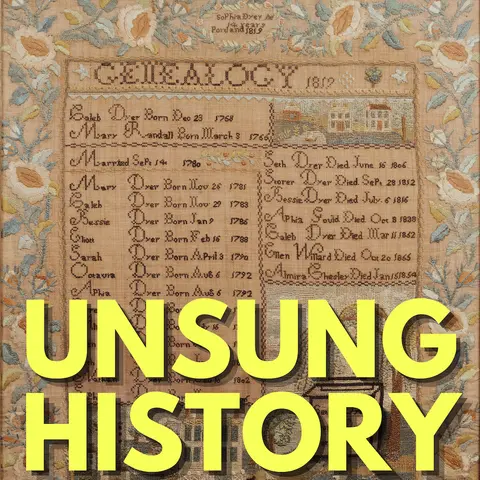
Genealogy in Early America
Both Abigail Adams and Benjamin Franklin took trips in England to trace their family histories, and they weren’t alone among 18th century Americans, many of whom took a keen interest in genealogy and family connections. Joining me in this episode is Dr. Karin Wulf, Director and Librarian of the John Carter Brown Library, and Professor of History at Brown University and author of Lineage: Genealogy and the Power of Connection in Early America. Our theme song is Frogs Legs Rag, composed by J...
Guest: Karin Wulf
202
July 28, 2025
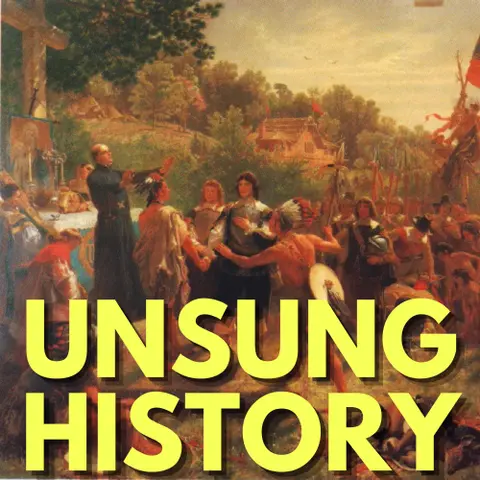
Catholicism in the American Colonies
Before American independence and the Bill of Rights promising religious freedom, the American colonies were English territory governed by English religious law that mandated worship according to the Book of Common Prayer. Even Maryland, which had been founded as a place for Catholics to worship freely, was majority Protestant and intolerant of public Catholicism by the time of the Revolution. Nonetheless, Catholics, including wealthy English landowners, Irish servants, and enslaved Africans, con...
Guest: Susan Juster
189
Jan. 13, 2025
The Women of the Rendezvous Plantation on Barbados in the 17th Century
In 1686, Susannah Mingo, Elizabeth Atkins, Dorothy Spendlove, and their children, all of whom were half-siblings, along with some of their children's other half-siblings and their children's father, boarded a ship headed from Barbados to England, where they would live out their lives. It wasn’t unusual for a plantation owner like John Peers to impregnate both his enslaved Black laborers and his white servant, but it was unusual for him to acknowledge his illegitimate offspring, baptize them, bri...
Guest: Jenny Shaw
129
Nov. 20, 2023
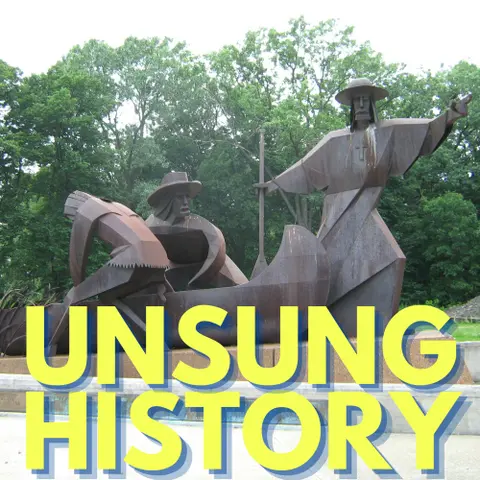
The Long History of the Chicago Portage
When Europeans arrived in the Great Lakes region, they learned from the Indigenous people living there of a route from Canada to the Gulf of Mexico, made possible by a portage connecting the Chicago River and the Des Plaines River. That portage, sometimes called Mud Lake, provided both opportunity and challenge to European powers who struggled to use European naval technology in a region better suited to Indigenous birchbark canoes. In the early 19th century, however, the Americans remade the re...
Guest: John William Nelson
64
Aug. 22, 2022
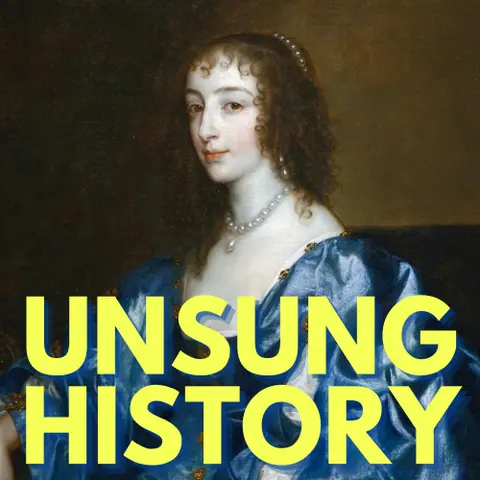
Henrietta Maria
Henrietta Maria, the French Catholic wife of King Charles I of England, Scotland, and Ireland in the 17th Century, was called a “Popish brat of France” by her British subjects, blamed for the English Civil War, and seen as a mannish and heartless mother. The reality is, of course, much more nuanced. Henrietta Maria fiercely loved Charles and their children and fought to protect them in any way she could during a time of upheaval and violence. In this episode we push past the caricature of Henrie...
Guest: Leanda de Lisle
30
Dec. 27, 2021
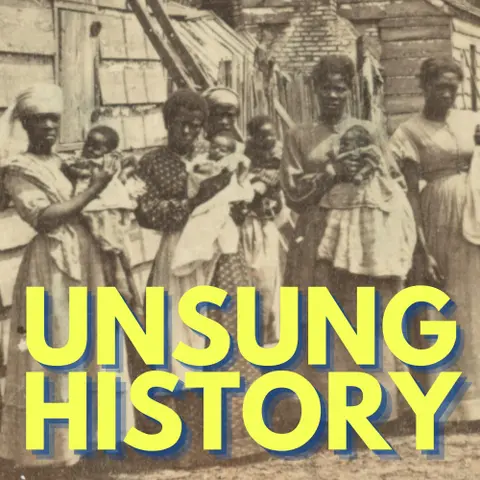
Women-Led Slave Revolts
Enslaved Africans in what is now New York State and in the Middle Passage resisted their enslavement, despite the risk of doing so. In the previously accepted history of these slave revolts, the assumption was that men led the resistance, but Dr. Rebecca Hall dug deeper into the records and read against the grain to find the women warriors who fought for their freedom. Joining me to help us learn more is Dr. Rebecca Hall, a scholar, activist and educator, who writes and speaks on the history ...
Guest: Rebecca Hall
25
Nov. 22, 2021
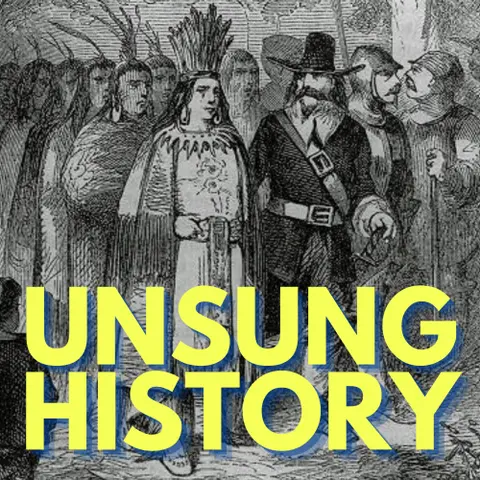
The Wampanoag & the Thanksgiving Myth
In Autumn of 1621, a group of Pilgrims from the Mayflower voyage and Wampanoag men, led by their sachem Massasoit, ate a feast together. The existence of that meal, which held little importance to either the Pilgrims or the Wampanoag, is the basis of the Thanksgiving myth. The myth, re-told in school Thanksgiving pageants and TV shows, is not accurate and is harmful to Native people, especially to the Wampanoag. In 1970, the Commonwealth of Massachusetts planned a banquet to celebrate the 350...
Guest: Kisha James