
America's Founding Episodes
226
June 29, 2026
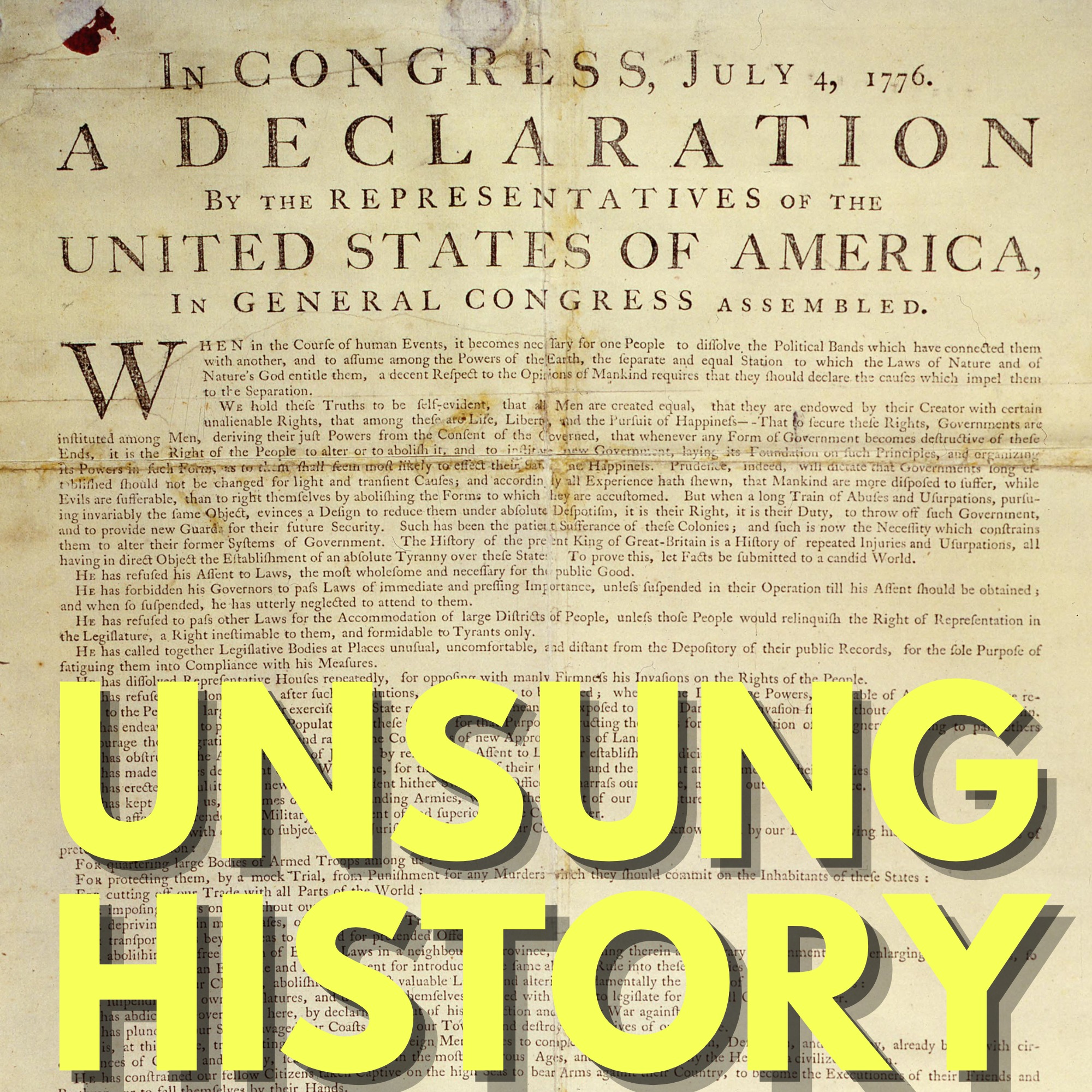
The Declaration of Independence
The Continental Congress voted to break from Great Britain on July 2, 1776, and approved the text of the Declaration of Independence on July 4, but it took weeks for the news to spread throughout the new country and even longer to reach the country they were breaking from and the countries with whom they hoped to find alliances. Along the way, people learned the news from printed broadsides, newspapers, public readings, and letters from friends. I’m joined in this episode by Dr. Emily Sneff, aut...
Guest: Emily Sneff
217
Feb. 22, 2026
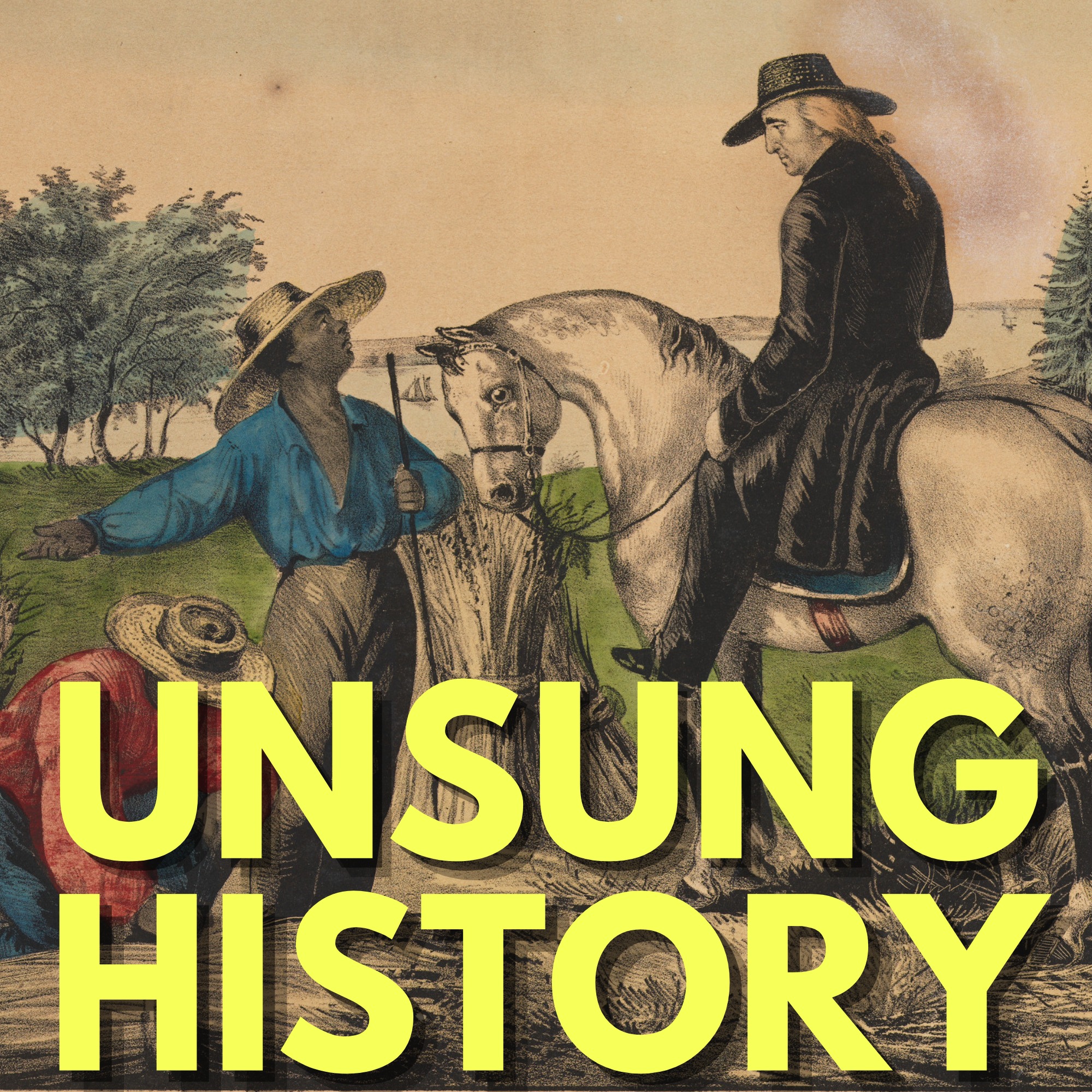
Slavery and the Complicated Legacy of George Washington
George Washington privately condemned slavery while actively holding hundreds of people in enslavement. He championed gradual emancipation plans while scheming to keep the people he enslaved from accessing them. He ruthlessly pursued a woman who escaped his enslavement and then emancipated the slaves he owned outright in his will. Washington’s complicated and contradictory legacy around slavery has been debated by Americans since his death. Joining us to discuss is Dr. John Garrison Marks, the V...
Guest: John Garrison Marks
211
Dec. 1, 2025
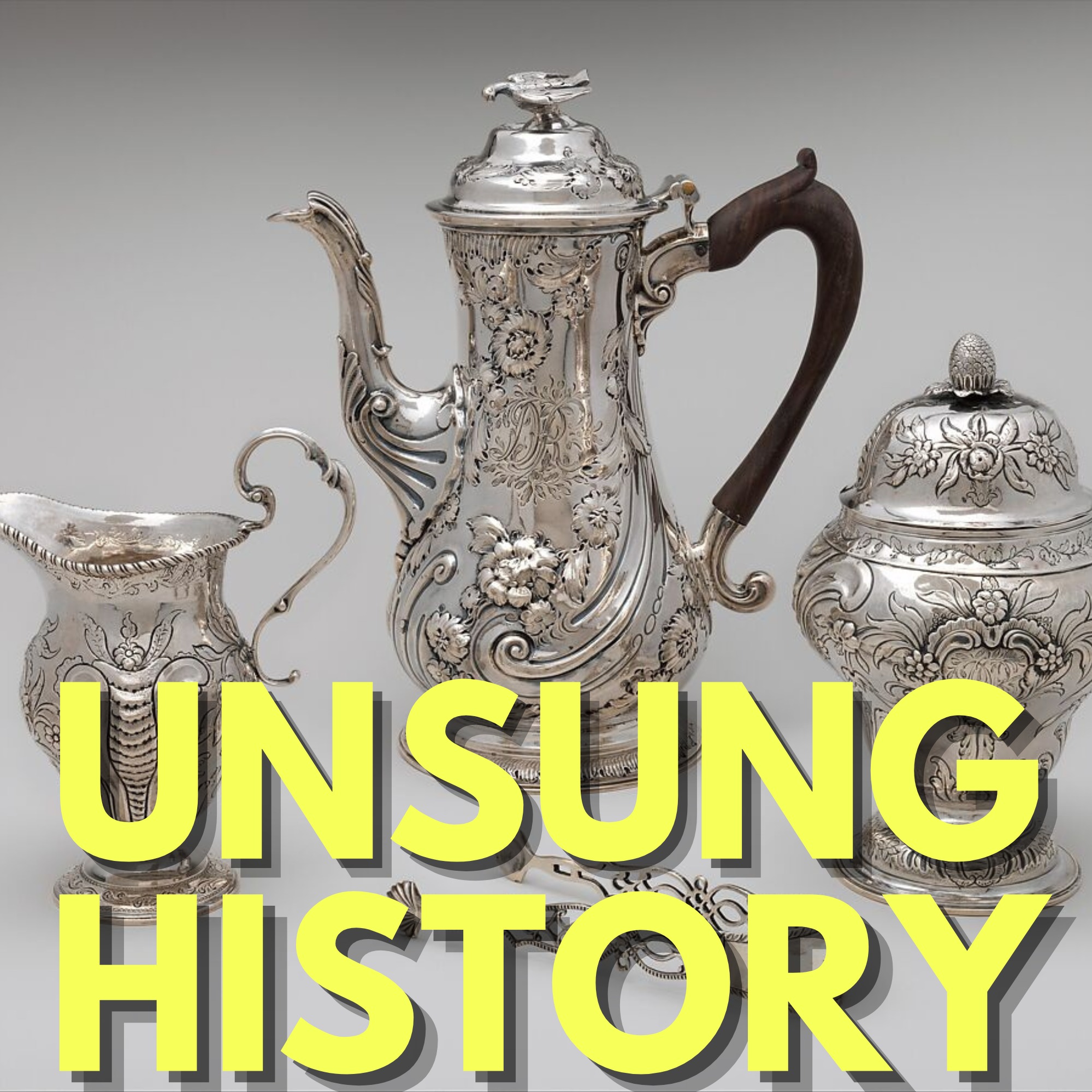
An American History of Coffee
Americans love their coffee; according to the Fall 2025 National Coffee Data Trends Report, 66% of adult Americans drink coffee every day, averaging three cups per day. This devotion to the caffeinated beverage is nothing new. Even before Bostonians dumped over 90,000 pounds of tea in the harbor, Americans were sipping cups of joe. George and Martha Washington served tea at the President’s House in New York, and after he stepped down as president, George Washington even tried growing coffee tree...
Guest: Michelle Craig McDonald
204
Aug. 25, 2025
Ideological Exclusion & Deportation
The First Amendment to the US Constitution says that Congress cannot make law abridging the freedom of speech, but by as early at 1798, Congress was restricting immigration to the country on the basis of the ideological beliefs of the people who wanted to immigrate. While the reasons for restrictions have changed over time, as has the mechanism by which they’re enforced, the basic principle continues to today. Joining me in this episode is Dr. Julia Rose Kraut, legal historian and author of Thre...
Guest: Julia Rose Kraut
203
Aug. 11, 2025
Genealogy in Early America
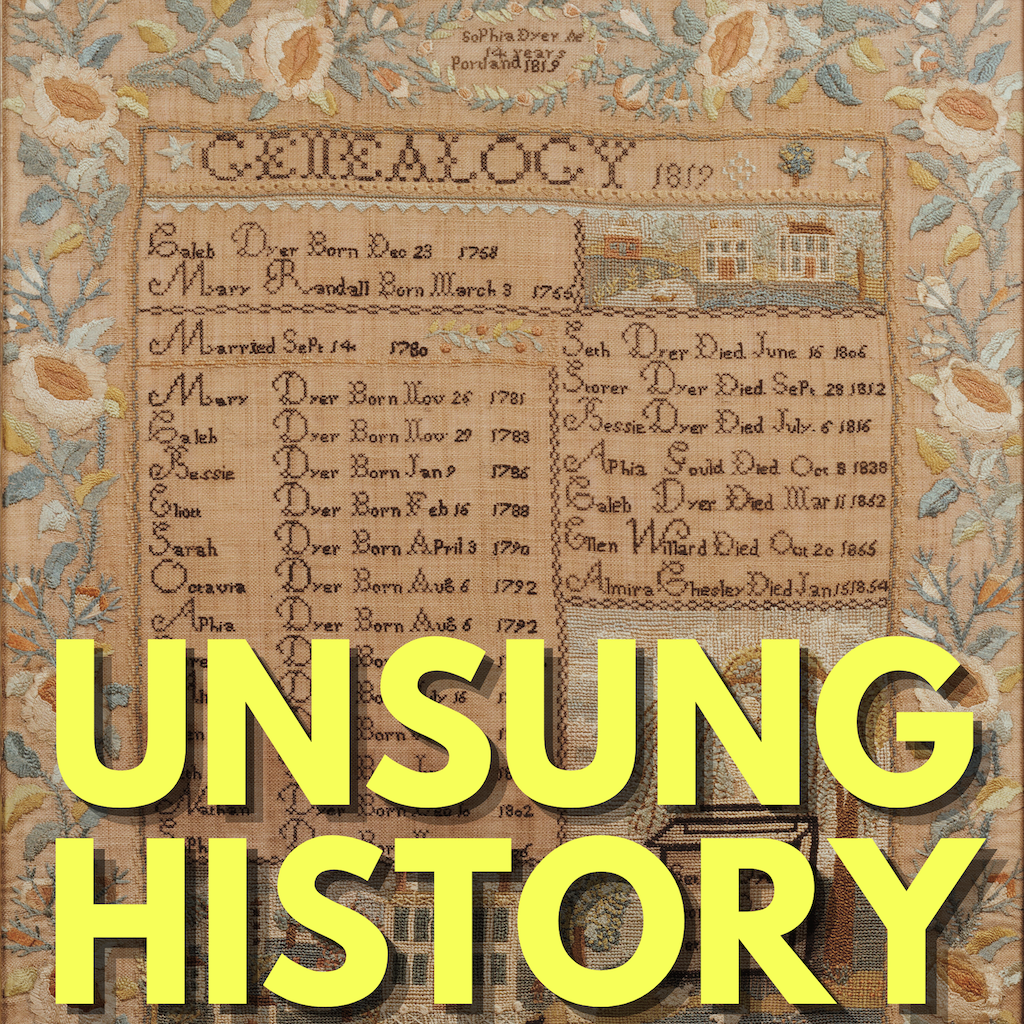
Both Abigail Adams and Benjamin Franklin took trips in England to trace their family histories, and they weren’t alone among 18th century Americans, many of whom took a keen interest in genealogy and family connections. Joining me in this episode is Dr. Karin Wulf, Director and Librarian of the John Carter Brown Library, and Professor of History at Brown University and author of Lineage: Genealogy and the Power of Connection in Early America. Our theme song is Frogs Legs Rag, composed by J...
Guest: Karin Wulf
202
July 28, 2025
Catholicism in the American Colonies
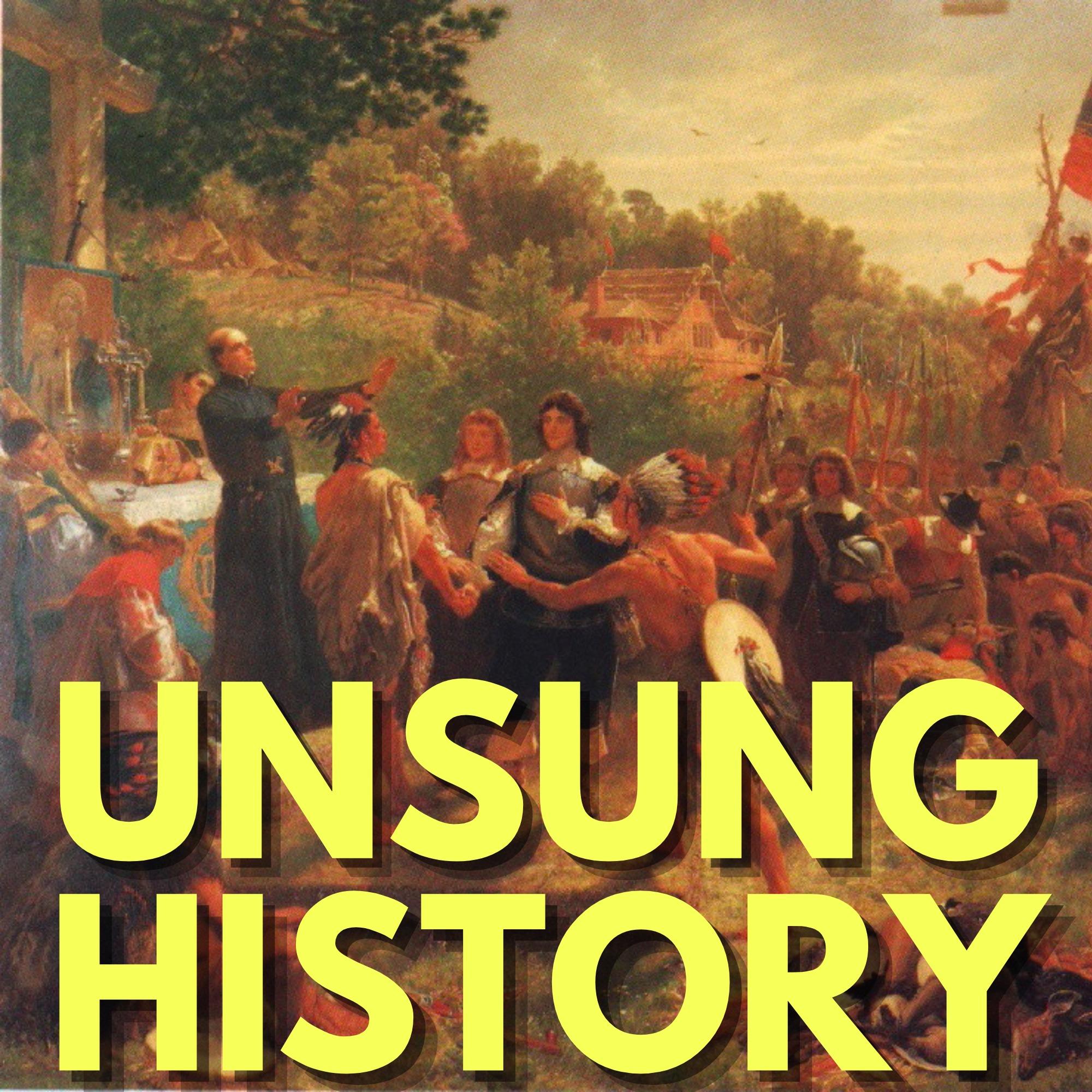
Before American independence and the Bill of Rights promising religious freedom, the American colonies were English territory governed by English religious law that mandated worship according to the Book of Common Prayer. Even Maryland, which had been founded as a place for Catholics to worship freely, was majority Protestant and intolerant of public Catholicism by the time of the Revolution. Nonetheless, Catholics, including wealthy English landowners, Irish servants, and enslaved Africans, con...
Guest: Susan Juster

179
Nov. 4, 2024
The History of the Electoral College
At the end of August 1787, after three long months of debate and deliberation, the Constitutional Convention had neared the end of its work. They were poised at that time to write into the Constitution that the President of the United States would be elected by the legislature, but at the last minute they referred the matter to the Committee on Unfinished Parts to resolve. It was that committee, guided by future president James Madison, that drafted a compromise Electors plan, answering the conc...
Guest: Carolyn Dupont

171
Sept. 9, 2024
Jewish Patriots in the American Revolution
In the Continental Army, one company of patriots in Charleston, South Carolina, was a majority Jewish, and at least fifteen Jewish soldiers in the Army achieved the rank of officer during the American Revolution, something unheard of in European armies at the time. Though their numbers were small (in proportion with their population in the colonies), Jewish patriots participated in the war, and in the Early Republic they insisted on their full citizenship in the new nation. I’m joined in this ep...
Guest: Adam Jortner

170
Sept. 2, 2024
Abigail Adams
Abigail Smith Adams, wife to the second U.S. president and mother of the sixth U.S. president, may be best known for exhorting her husband to “remember the ladies” as he worked with his colleagues to form a new government, but that was just one of her many strongly-held political views. Adams, who lacked formed education and whose legal status was subsumed under that of her husband, never stopped arguing for greater educational opportunities and legal rights for women. Because of her prolific co...
Guest: Lindsay M. Chervinsky
120
Sept. 18, 2023
The Great New York City Fire of 1776
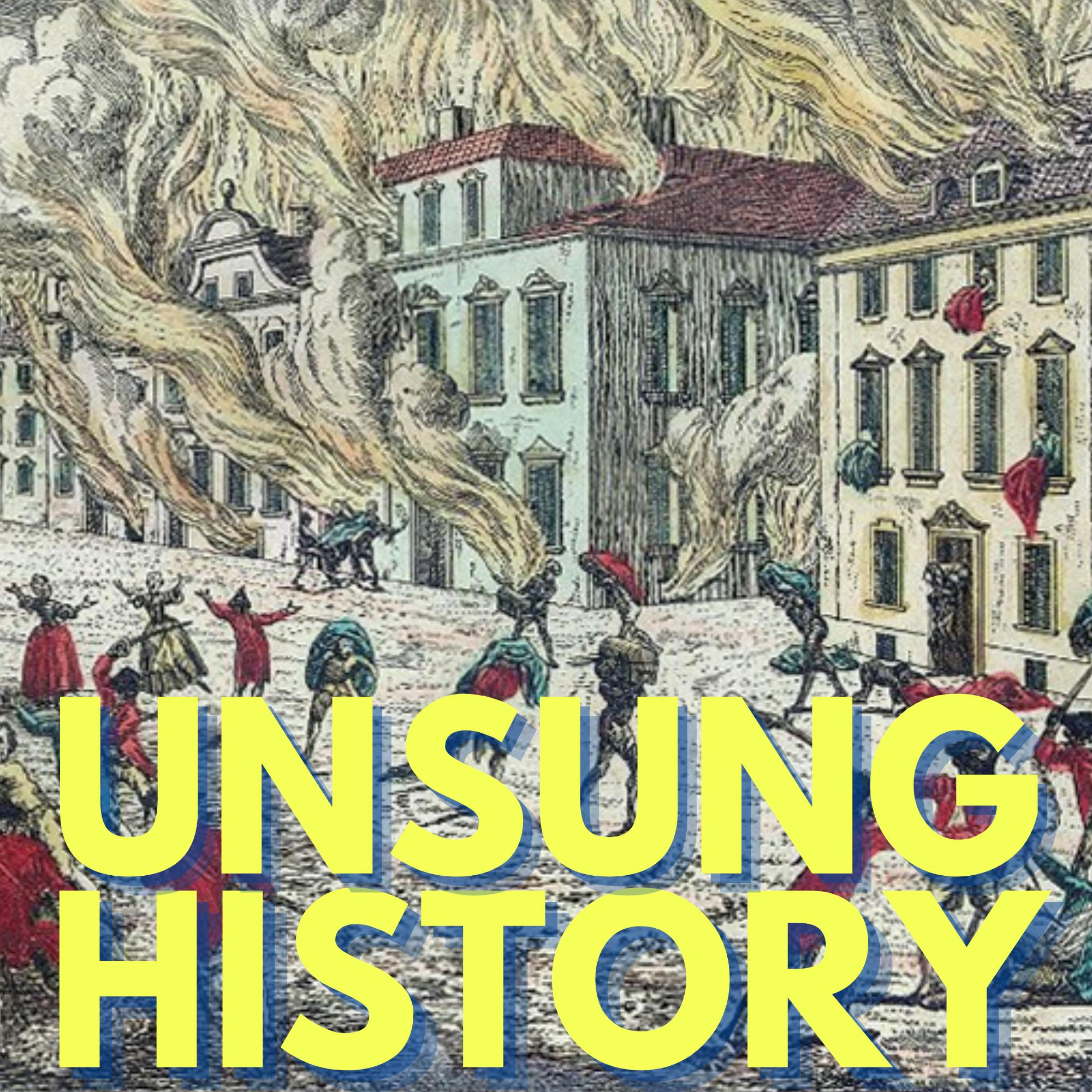
Just days after British troops captured New York City from General Washington and his army in September 1776, fire broke out, destroying a fifth of the city. The British blamed rebels who had remained hidden in Manhattan, but Washington, who had been ordered by Congress to leave the city standing on his retreat, never claimed responsibility, though he complained that the blaze hadn’t caused more destruction. So who did start the fire and why? Joining me this week to discuss the New York fire ...
Guest: Benjamin L. Carp
117
Aug. 28, 2023
Phillis Wheatley
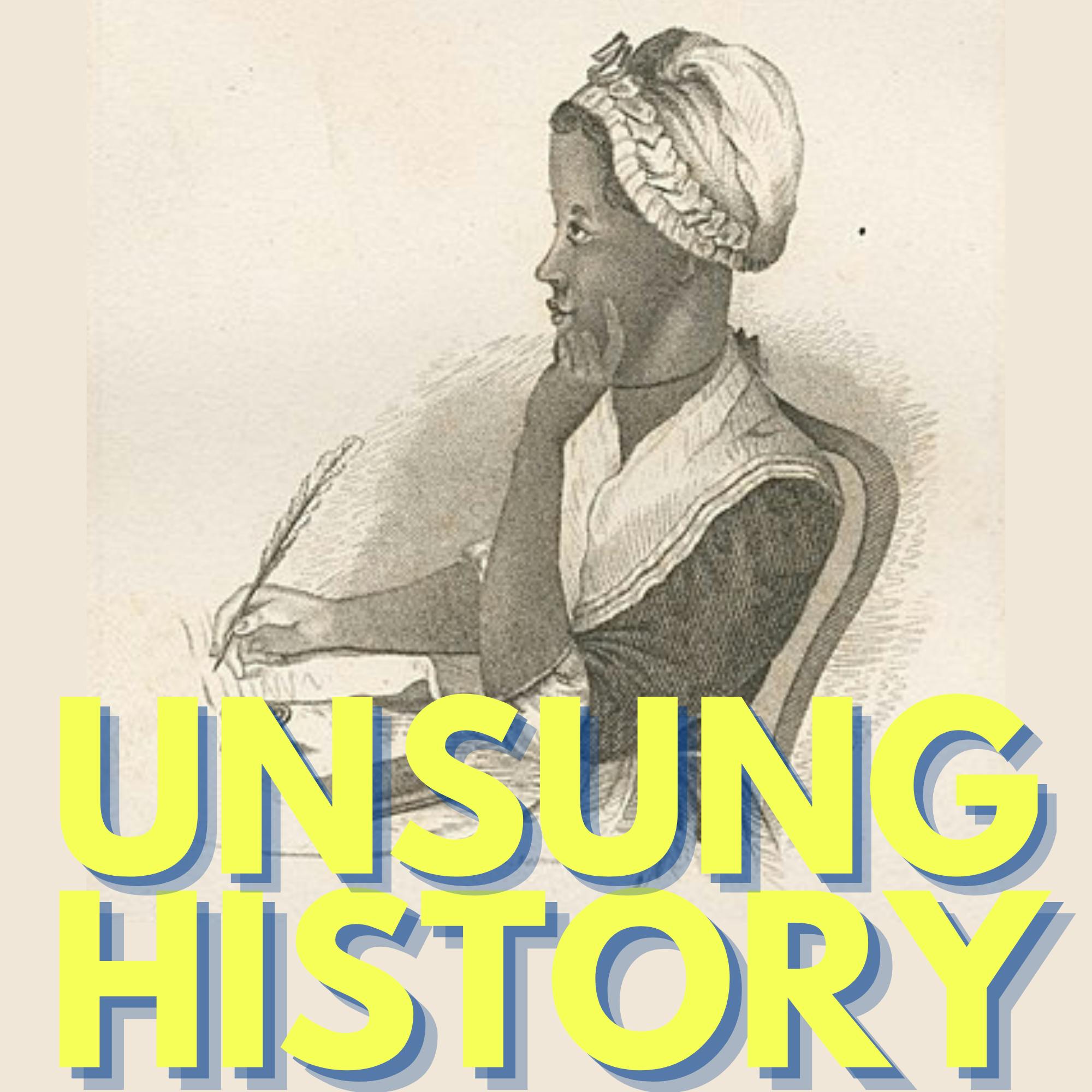
One of the best known poets of Revolutionary New England was an enslaved Black girl named Phillis Wheatley, who was only emancipated after she published a book of 39 of her poems in London. Wheatley, who met with Benjamin Franklin and corresponded with George Washington, was the first person of African descent to publish a book in English. Wheatley achieved literary success and helped drive the abolition movement, but she died young and penniless, and many of her poems were lost to history. J...
Guest: David Waldstreicher

109
July 3, 2023
"What, to the American slave, is your 4th of July?"
When Thomas Jefferson wrote in the Declaration of Independence that all men were endowed with the rights of “Life, Liberty and the pursuit of Happiness,” he did not have in mind the rights of the hundreds of human beings he enslaved. But the enslaved population of the United States, and the abolitionists who supported them, like Frederick Douglass and John Brown, adopted the American symbols of revolution and freedom in their own fight for liberty. Joining me on this episode to discuss the po...
Guest: Matthew Clavin
81
Dec. 19, 2022
Smallpox Inoculation & the American Revolution
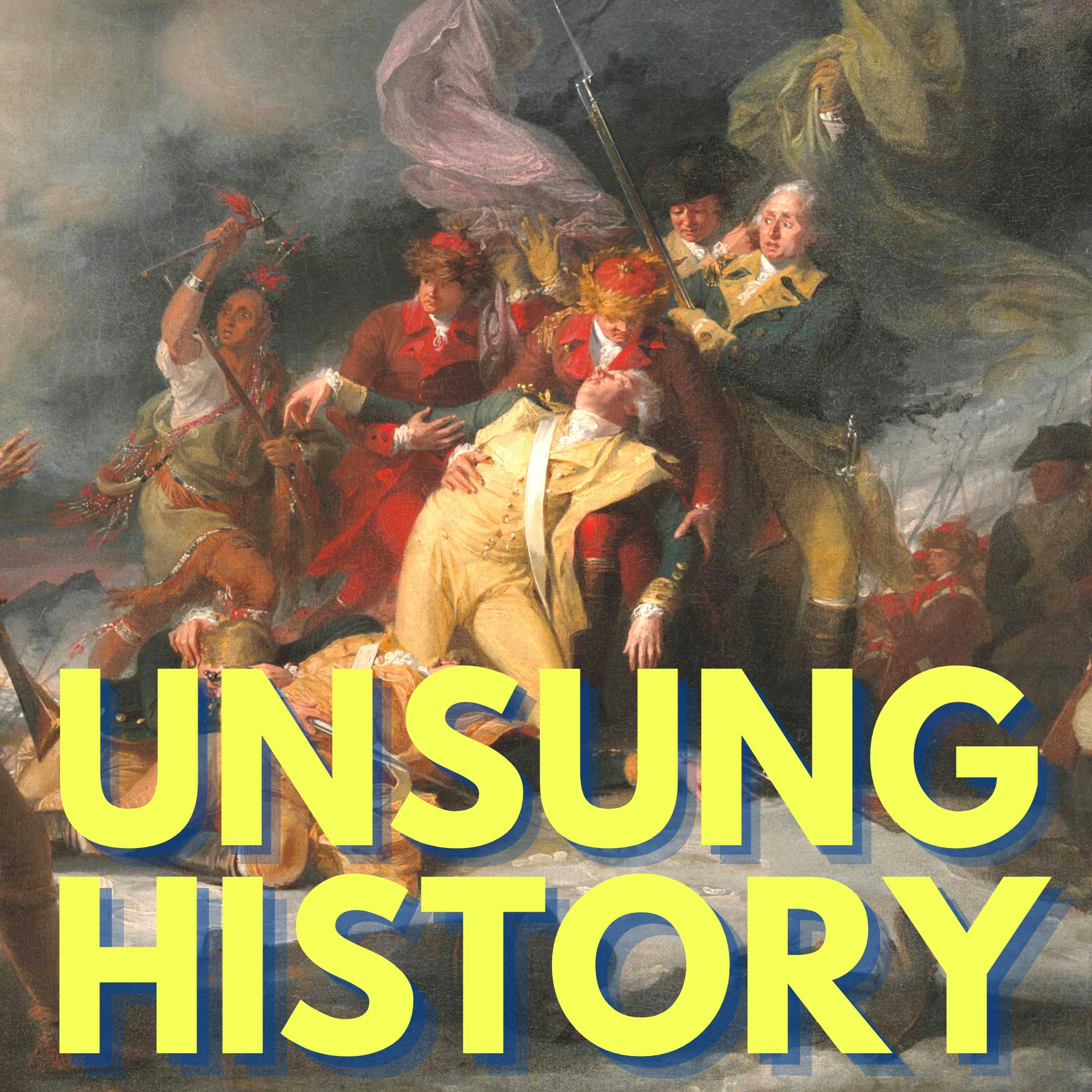
In 1775, a smallpox outbreak struck the Continental Northern Army. With many of the soldiers too sick to fight, their attempted capture of Quebec on December 31, 1775, was a devastating failure, the first major defeat of the Revolutionary War for the Americans, and cost General Richard Montgomery his life. Eventually, George Washington, the Commander in Chief of the Continental Army, realized that the only way to avoid repeated outbreaks was to order mass inoculation of the amy, a controversial ...
Guest: Andrew Wehrman

59
July 18, 2022
The Unusual Codicil in Benjamin Franklin's Will
When Benjamin Franklin died in April 1790, his last will contained an unusual codicil, leaving 1000 pounds sterling each to Philadelphia and Boston, to be used in a very specific way that he hoped would both help tradesmen in the two cities and eventually leave the cities, and their respective states, with fortunes to spend on public works 200 years later. At a moment when it wasn’t clear whether the United States would survive at all, Franklin made a gamble on the American spirit. To learn m...
Guest: Michael Meyer