
20TH Century Episodes

119
Sept. 11, 2023
The History of Drag in New York City
RuPaul’s Drag Race first aired on TV in 2009, but the New York City drag scene that launched RuPaul started over a century earlier. From drag balls to Wigstock, New York has long been considered the capital of drag culture. Joining me in this episode to discuss New York City’s rich history of drag is writer Elyssa Maxx Goodman, author of Glitter and Concrete: A Cultural History of Drag in New York City. Our theme song is Frogs Legs Rag, composed by James Scott and performed by Kevin MacLeo...
Guest: Elyssa Maxx Goodman
116
Aug. 21, 2023
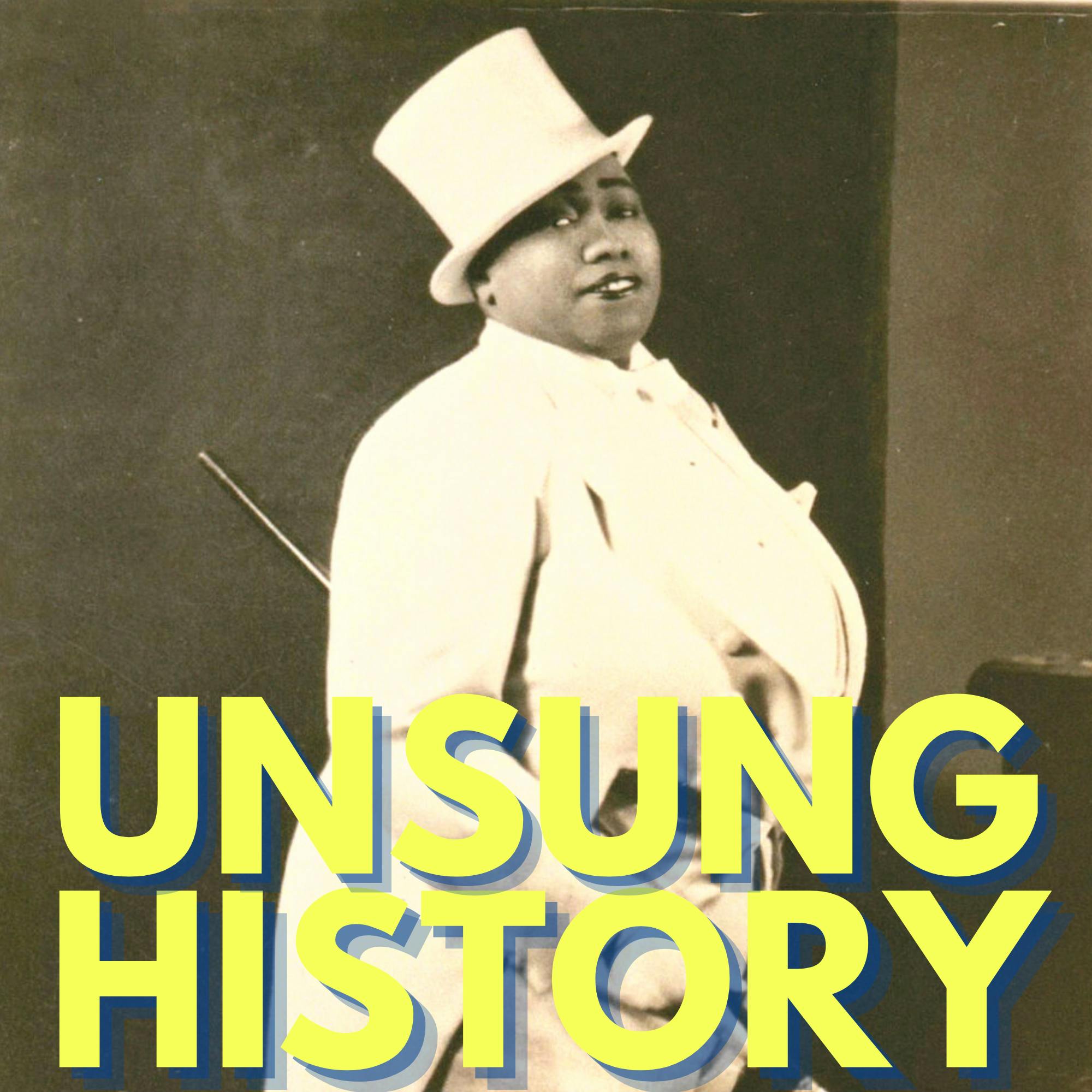
Gladys Bentley
One of the biggest stars in Prohibition Age New York was blues singer Gladys Bentley, who caused a stir in Harlem, wearing a top hat and tails, flirting with women in the audience, and singing raunchy lyrics. Despite Bentley’s phenomenal talent, the repeal of Prohibition and the end of the jazz age led to waning interest in the type of bawdy performance for which she was known. Despite attempts to change with the times, Bentley was never again able to reach the level of fame she had once enjoyed...
Guest: Cookie Woolner

115
Aug. 14, 2023
Anna May Wong
As a child in Los Angeles, Wong Liu Tsong knew she wanted to be an actress. Adopting the screen name Anna May Wong and dropping out of school to pursue her passion, Wong landed her first lead role at age 17. Despite Hollywood racism that would limit the types of roles she would receive, Wong’s impressive career spanned over 60 films, in addition to stage and television work, and she was the first Asian American woman to be awarded a star on the Hollywood Walk of Fame. Joining me in this episo...
Guest: Yunte Huang

114
Aug. 7, 2023
Anna Rosenberg
When Anna Rosenberg Hoffman died in 1983, the New York Times called her “one of the most influential women in the country's public affairs for a quarter of a century.” A skilled labor mediator and advisor to four U.S. presidents, Rosenberg, a Jewish immigrant from Hungary, stood up to Senator Joe McCarthy and was confirmed by the Senate as Assistant Secretary of Defense in 1950, making her the then-highest ranking woman in the history of the Department of Defense. It was only one of many firsts ...
Guest: Christopher C. Gorham
113
July 31, 2023
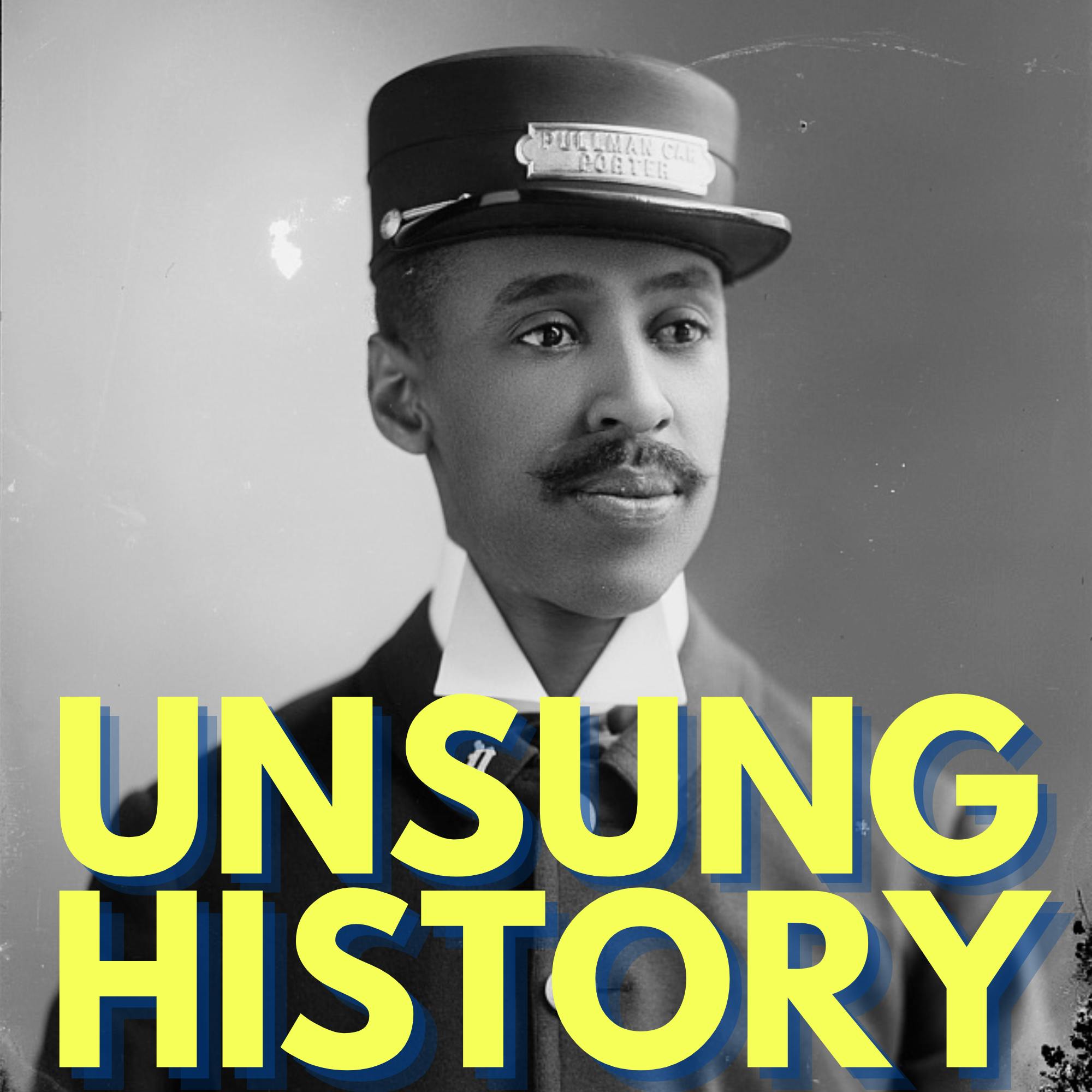
Pullman Porters & the History of the Black Working Class
In the early 20th century, career options for Black workers were limited, and the jobs often came with low pay and poor conditions. Ironically, because they were concentrated in certain jobs, Black workers sometimes monopolized those jobs and had collective power to demand better conditions and higher pay. The Pullman Company, founded in 1862, hired only Black men to serve as porters on Pullman cars, since George M. Pullman thought that formerly enslaved men would know how to be good, invisible ...
Guest: Blair LM Kelley

112
July 24, 2023
History of Black Women & Physical Fitness in the United States
In 1894, Mary P. Evans, wrote in the Woman’s Era, a Black women’s magazine, that exercise: “enables you to keep in the best condition for work with the hands or with the brain… It prepares you to meet disappointment, sorrow, ill treatment, and great suffering as the strong, courageous and splendid woman meets them. It is a great aid to clear, quick, and right thinking.” She wasn’t the only Black woman of the day encouraging Black women and girls to exercise as a way of improving not just themsel...
Guest: Ava Purkiss
108
June 26, 2023
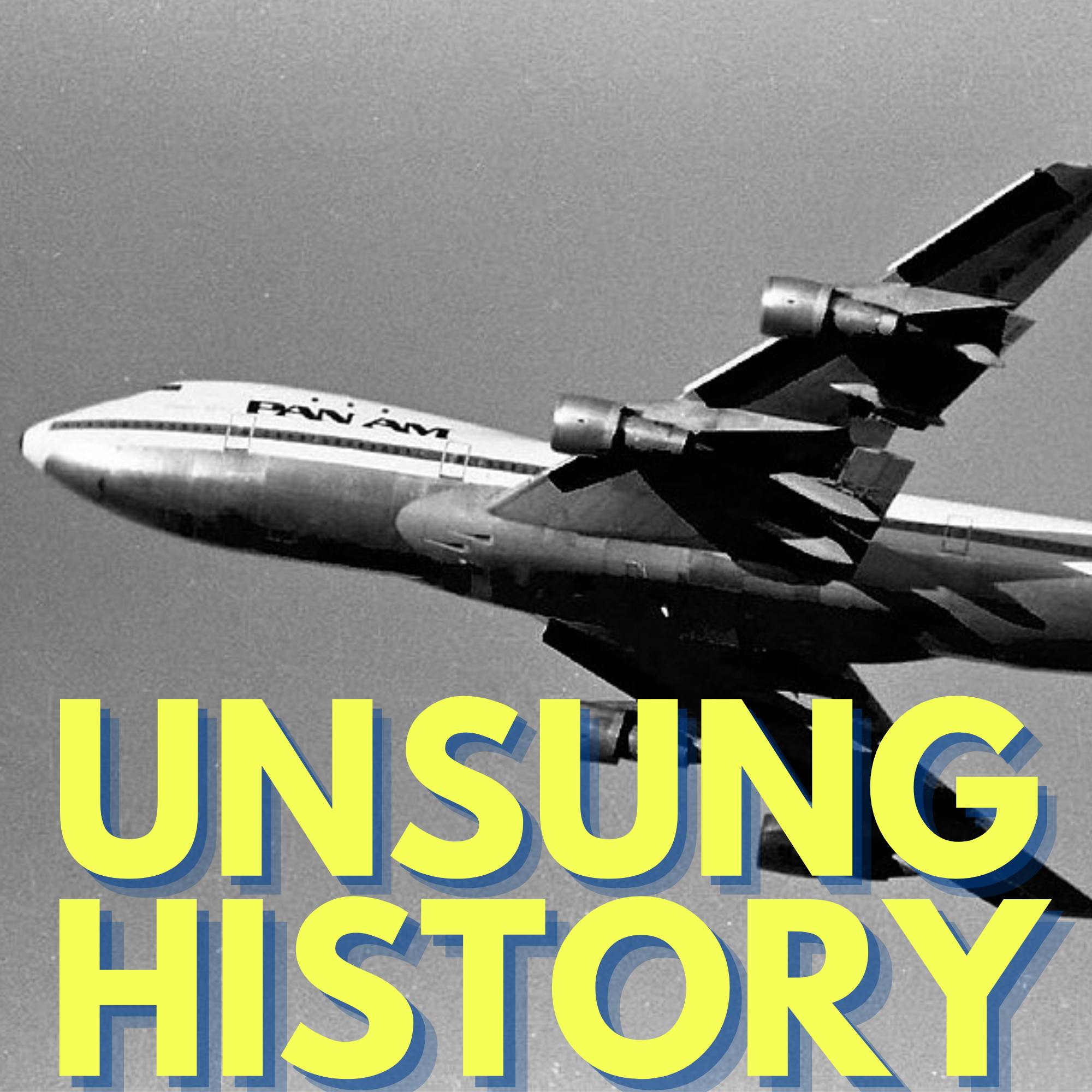
1970 Hijackings by the Popular Front for the Liberation of Palestine
In September 1970, commandos from the Popular Front for the Liberation of Palestine (PFLP) hijacked five planes, landing three of them near Zarqua, Jordan, at a remote desert airstrip called Dawson’s Field, which the commandos renamed Revolution Airport. While they held hundreds of passengers and flight crew hostage in the desert, the PFLP issued their demands for release of Palestinian militants who were imprisoned in Europe. Joining me on this episode to help us understand more is American ...
Guest: Martha Hodes
107
June 19, 2023
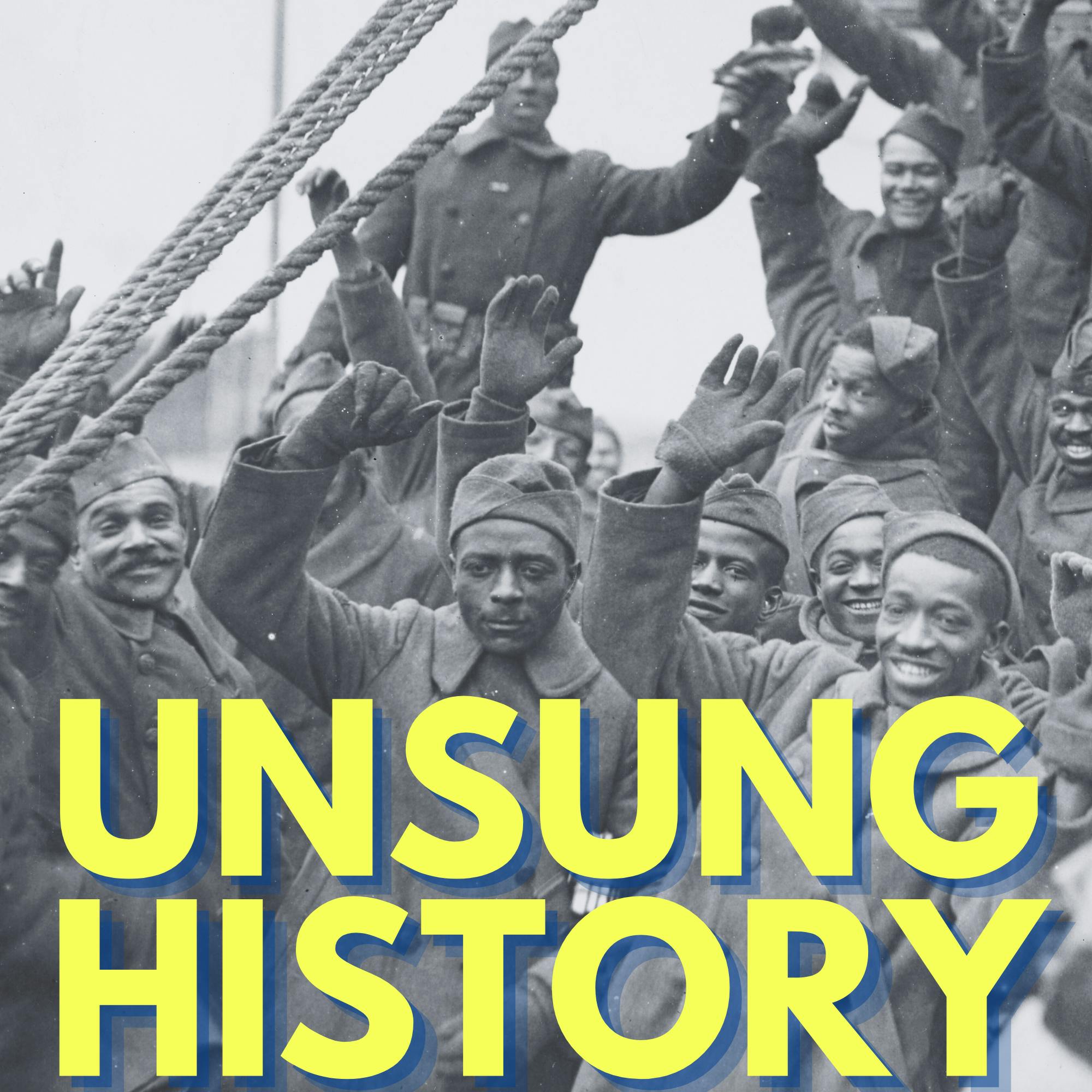
W. E. B. Du Bois & African American Contributions to World War I
Over 350,000 African American men joined the United States military during World War I, serving valiantly despite discrimination and slander. Historian and civil rights activist W. E. B. Du Bois had hoped that their patriotism would help them gain respect and equality, but after the war it was quickly evident that would not be the case. Du Bois spent the next several decades attempting to tell the full story of Black soldiers in the Great War, but despite a vast archive of materials entrusted to...
Guest: Chad L. Williams

106
June 12, 2023
The Internment of Japanese Americans during World War II & the Role of Attorneys at the Relocation Centers
During World War II, over 120,000 Japanese Americans, most of whom were US citizens, were forcibly removed from their homes in California, Washington, and Oregon, and imprisoned in relocation centers, small towns surrounded by barbed wire and armed guards. The War Relocation Authority, the government agency created by FDR that oversaw the mass relocation and internment, appointed a project attorney for each of the 10 camps. These white attorneys served the conflicted position of both advising th...
Guest: Eric L. Muller

105
June 5, 2023
Racial Conflict in the U.S. Army During the Vietnam War Era
In September 1969, African American journalist Wallace Terry reported on “another war being fought in Vietnam — between black and white Americans.” After the 1948 integration of the military, the U.S. Army had tried to be color blind, seeing not Black or white but just olive drab, but by 1970, the Deputy Chief of Staff for Personnel, Gen. Walter T. Kerwin, noted: “In the past year racial discord has surfaced as one of the most serious problems facing Army leadership.” So in the midst of fighting...
Guest: Beth Bailey

102
May 15, 2023
The Diversity Visa Lottery
In the 1980s undocumented Irish immigrants convinced United States lawmakers to create a program that would provide a path to citizenship for individuals without family connections in the United States. That program eventually became the Diversity Visa Lottery, established as part of the Immigration Act of 1990. Despite the program’s roots in demand from Irish immigrants, the majority of the recipients of diversity visas have been awarded to immigrants from Africa, with more than 480,000 individ...
Guest: Carly Goodman
100
May 1, 2023
Project Confrontation: The Birmingham Campaign of 1963
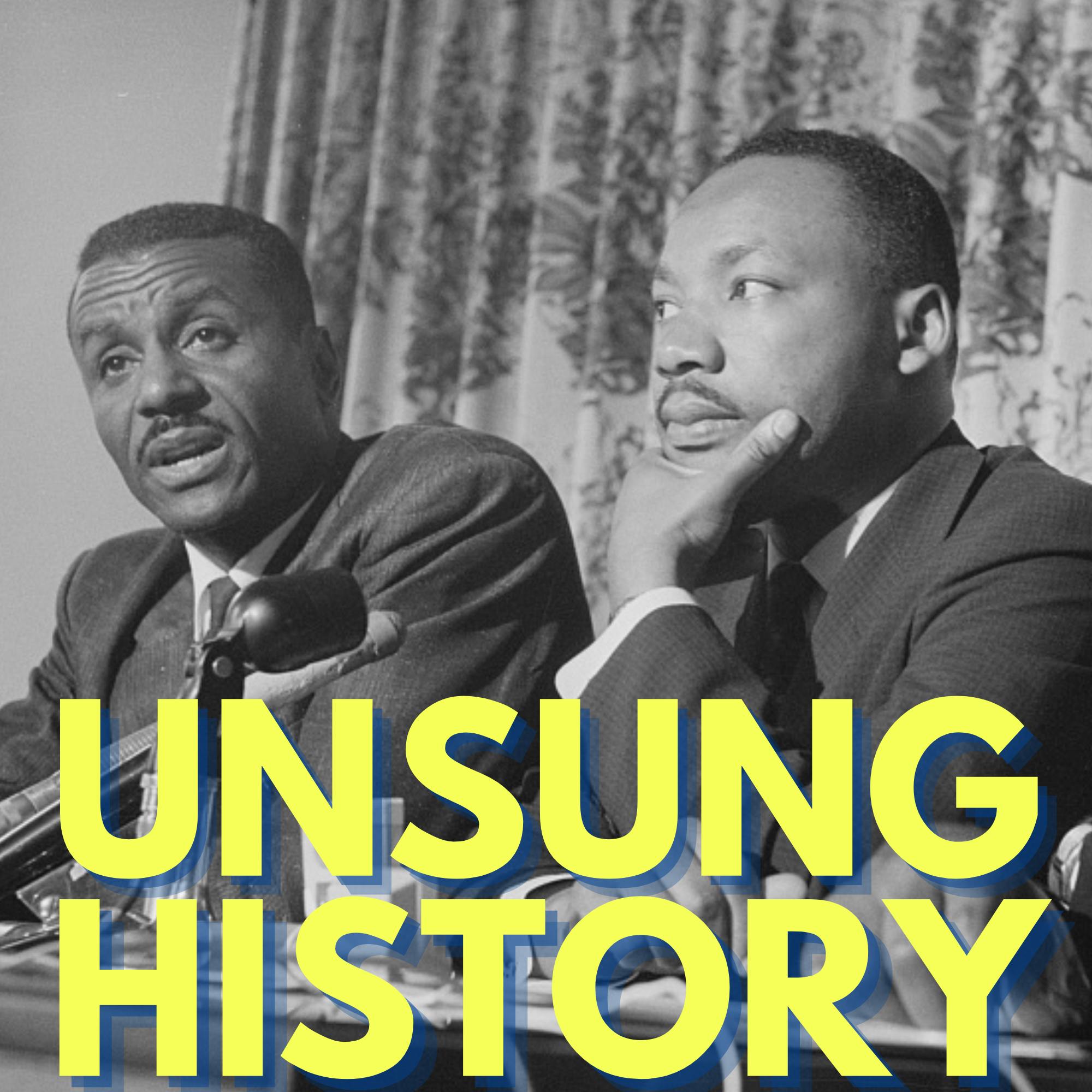
In 1963, on the heels of a failed desegregation campaign in Albany, Georgia, Martin Luther King., Jr., and the Southern Christian Leadership Conference decided to take a stand for Civil Rights in “the Most Segregated City in America,” Birmingham, Alabama. In Project Confrontation, the plan was to escalate, and escalate, and escalate. And escalate they did, until even President John F. Kennedy couldn’t look away. Joining me now to help us learn more about the Birmingham campaign is journalist ...
Guest: Paul Kix

98
April 17, 2023
The 1972 Occupation of the Bureau of Indian Affairs
While voters were casting their ballots in the 1972 presidential election, Native demonstrators had taken over the Bureau of Indian Affairs building in Washington, DC, barricading themselves in with office furniture and preparing to fight with makeshift weapons. The occupation marked the finale of a cross-country caravan, the Trail of Broken Treaties, and the activists were demanding the consideration of their Twenty-Point Position Paper, which called for a restoration of Indigenous rights and r...
Guest: Elizabeth Rule
97
April 10, 2023
The Southern Strategy
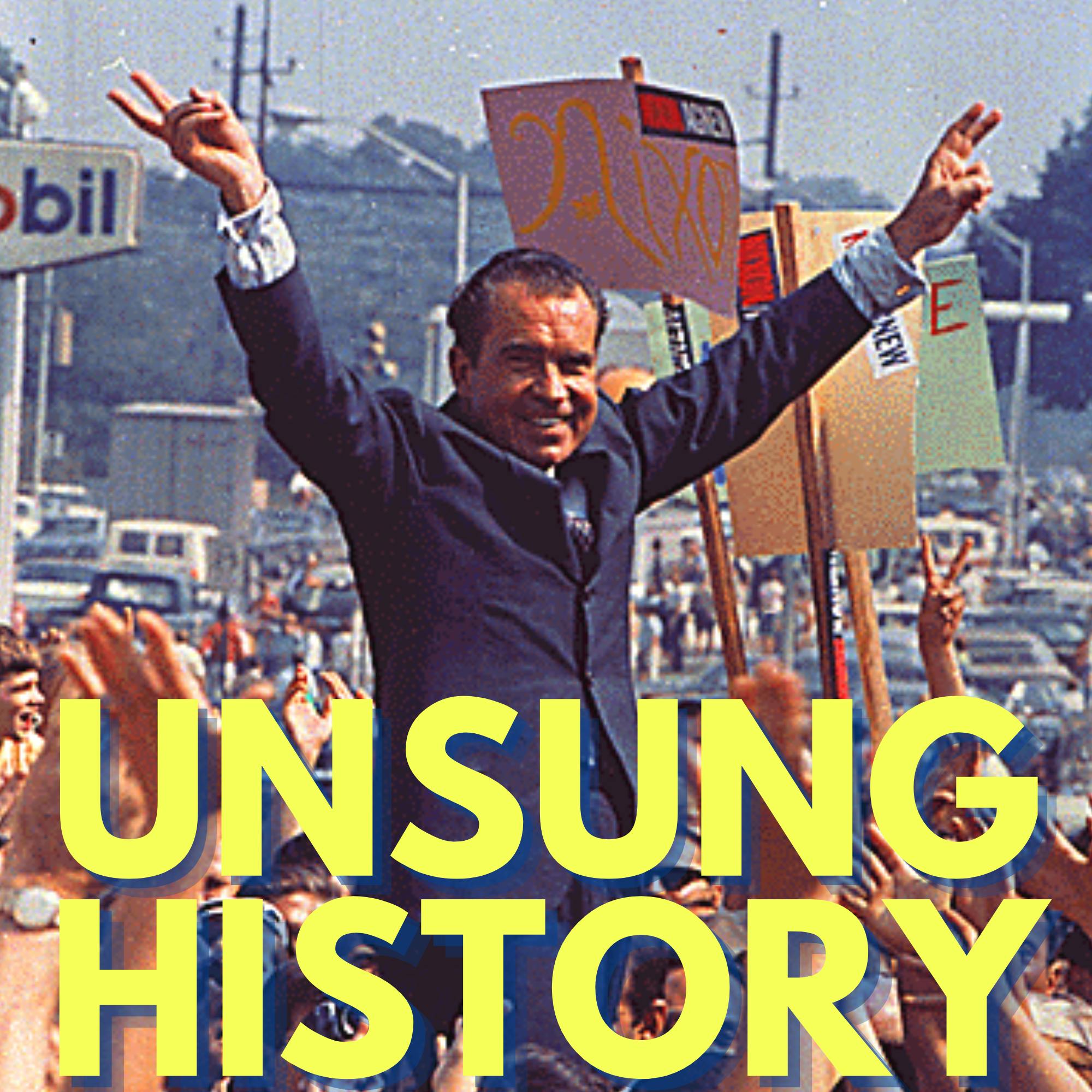
In the decades following the Civil War, African Americans reliably voted for the Republican Party, which had led the efforts to outlaw slavery and enfranchise Black voters; and white southerners reliably voted for the Democratic Party. When Black voters started to vote for Democratic candidates in larger numbers, starting with the 1936 re-election of FDR, whose New Deal policies had helped poor African Americans, Republicans began to turn their sights toward white Southern voters. By the 1964 Pr...
Guest: Kevin M. Kruse
96
April 3, 2023
Harold Washington
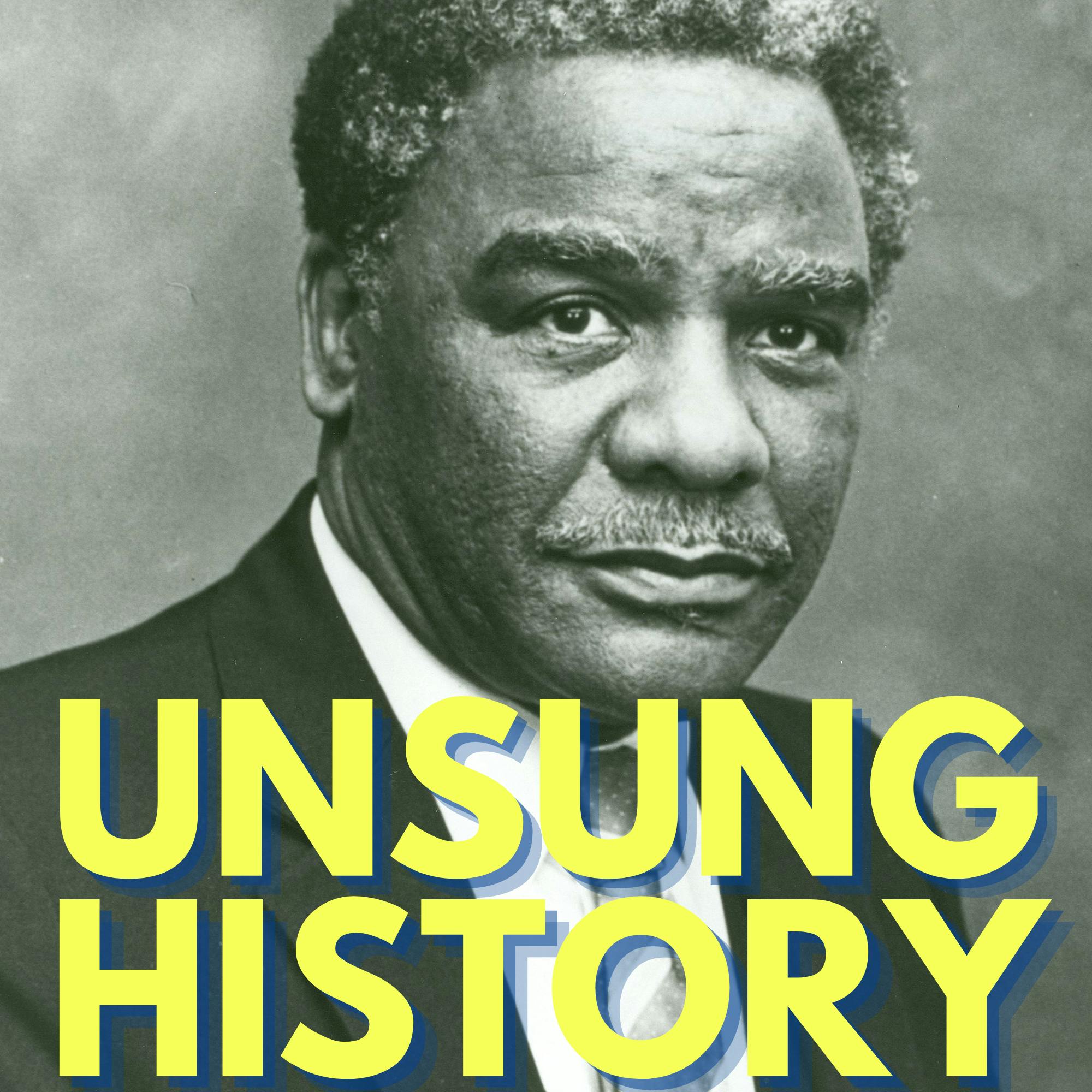
In 1983, Harold Washington took on the Chicago machine and won, with the help of a multiracial coalition, becoming the first Black mayor of Chicago. Winning the mayoral election was only the first fight, and 29 of the 50 alderpersons on City Council, led by the “the Eddies,” Aldermen Ed Vrdolyak and Edward M. Burke, opposed Washington’s every move. This week we look at Washington’s rise to the 5th floor of City Hall, who helped him get there, and the struggles he faced once elected. Joining m...
Guest: Gordon Mantler

95
March 27, 2023
The 1968 White House Fashion Show
On February 29, 1968, Lady Bird Johnson hosted the first–and last–White House Fashion Show. The fashion show, intended both to highlight the fourth largest industry in the United States and to promote domestic tourism, inadvertently became one of the many PR missteps of the Johnson administration, as it occurred in the midst of the Tet Offensive. Just one month later LBJ announced on national television that he would not seek reelection, and today the fashion show is largely forgotten. Joinin...
Guest: Kimberly Chrisman-Campbell
93
March 13, 2023
The National Women's Conference of 1977
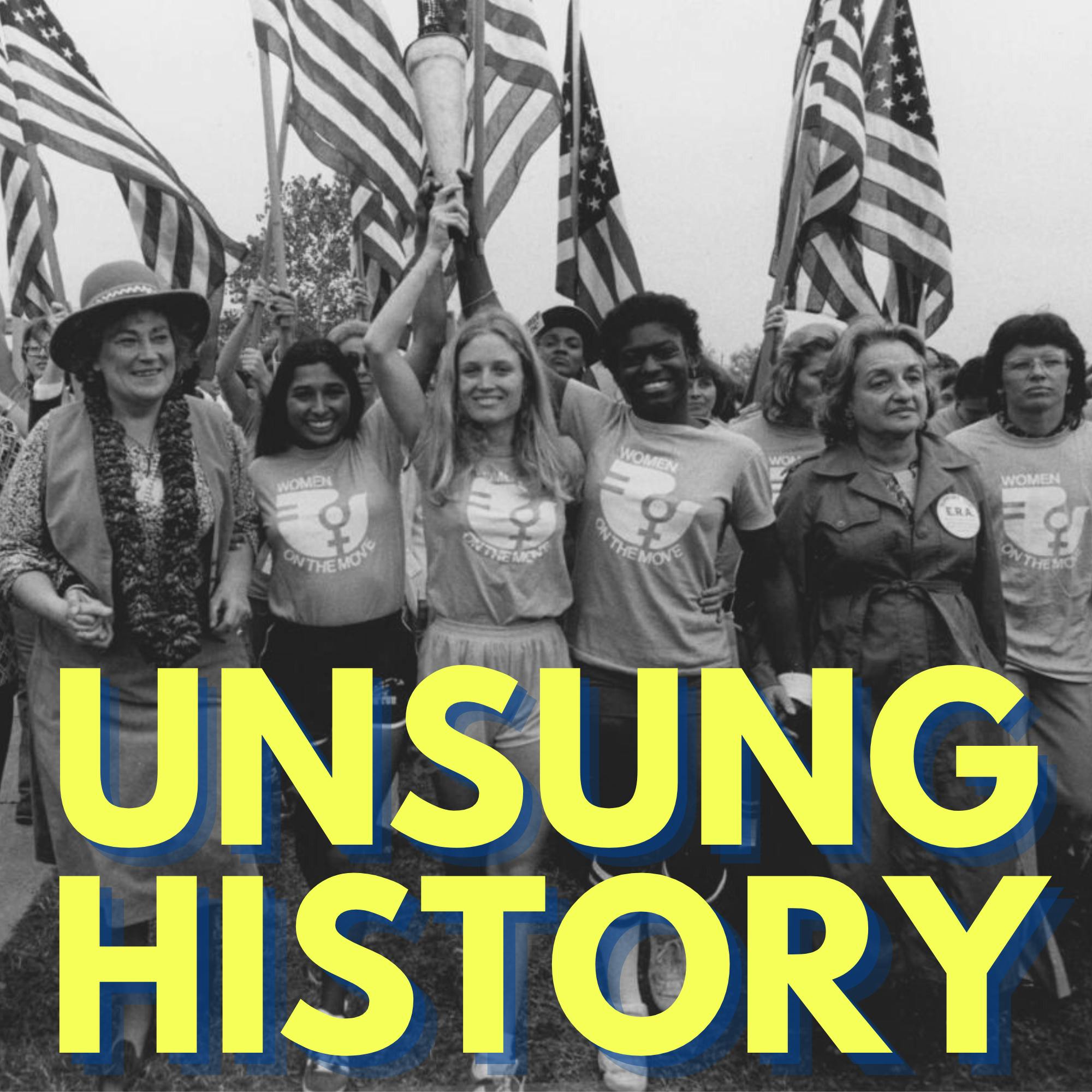
In her 2015 book, Gloria Steinem described the National Women’s Conference of 1977 as “the most important event nobody knows about.” The four-day event in Houston, Texas, which brought together 2,000 delegates and another 15,000-20,000 observers was the culmination of a commission appointed first by President Ford and then by President Carter, and was and funded by Congress for $5 million to investigate how federal legislation could best help women. The excited delegates believed that the confer...
Guests: Nancy Beck Young , Elizabeth Rodwell

91
Feb. 27, 2023
The Eastland Disaster
On the morning of July 24, 1915, employees of the Western Electric Company and their families excitedly boarded the SS Eastland near the Clark Street Bridge in Chicago, eager to set off for a day of fun in Michigan City, Indiana, during their annual company picnic. Tragically, the ship capsized just 19 feet from the wharf in the Chicago River, killing 844 people in one of the worst maritime disasters in United States history. Joining me on this episode to help us understand more about the tra...
Guest: Barb and Ted Wachholz

90
Feb. 20, 2023
The History of Polish Chicago
If you’ve ever lived in Chicago, you’ve probably heard at some point that Chicago has the largest Polish population outside of Warsaw. While that’s an exaggeration it’s certainly the case that the Chicagoland region has a large population of people of Polish descent and that Chicago is important historically to American Polonia. From the earliest Polish immigrants to Chicago in the 1830s through today, Poles have helped shape the culture, politics, religion, and food of Chicago. This week we div...
Guest: Dominic A. Pacyga
89
Feb. 13, 2023
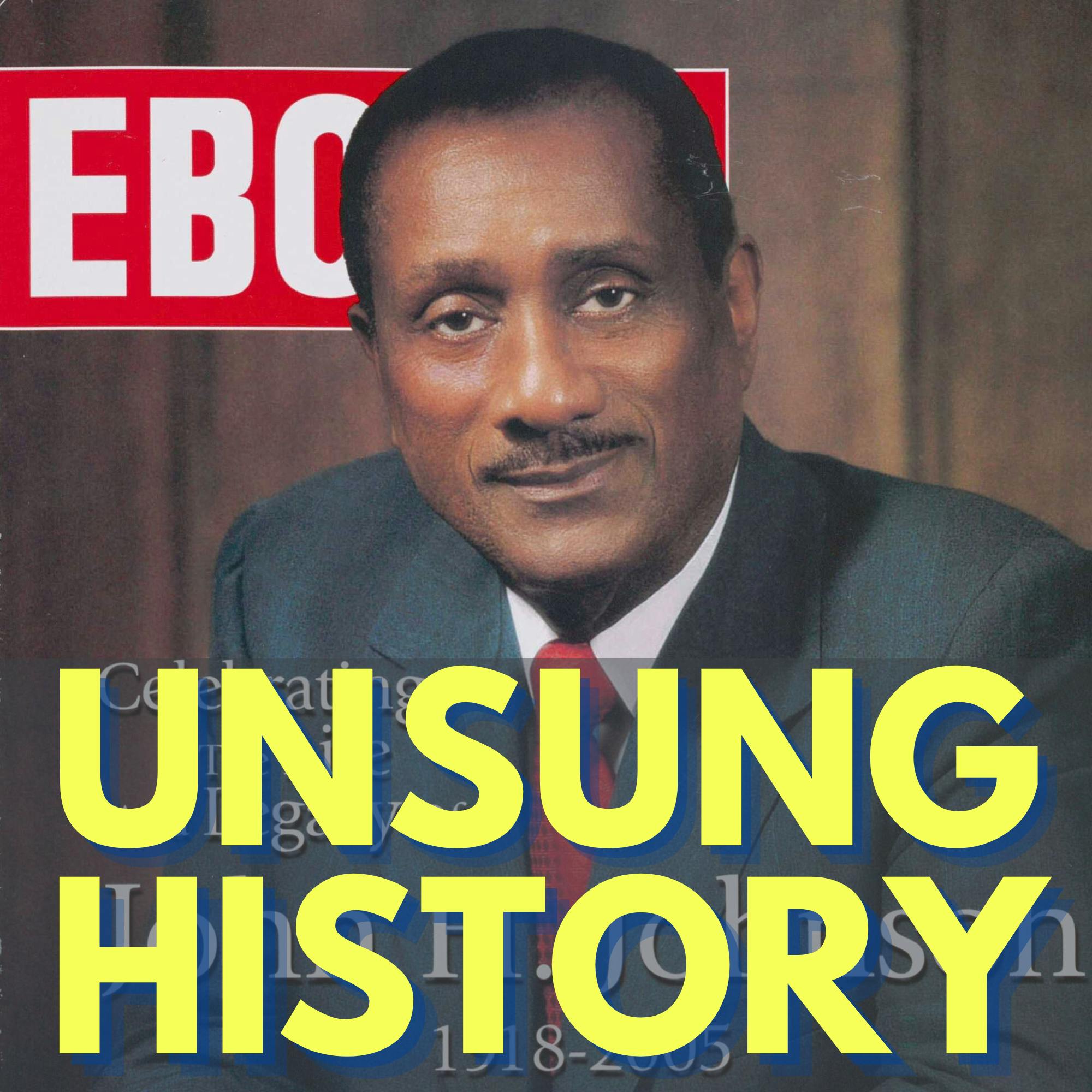
John H. Johnson & Ebony Magazine
When businessman John H. Johnson died in 2005, Ebony Magazine, the monthly photo-editorial magazine that he launched in 1945, reached an estimated 10 million readers. Under the direction of executive editor Lerone Bennet Jr. for several decades, Ebony helped shape Black culture and perceptions of Black history. Johnson Publishing Company helped shape Chicago history, too, when they opened their Loop location in 1972, at 820 S. Michigan Ave. The now-iconic 11-story, 110,000 square-foot building w...
Guest: E. James West

88
Feb. 6, 2023
The History of the Cook County Jail
The first Cook County Jail was a wooden stockade, built in 1833 in Chicago, which was then a town of around 250 people. Today, the Cook County Department of Corrections, which takes up 8 city blocks on the Southwest Side of Chicago, is one of the largest single-site jails in the country and incarcerates nearly 100,000 people a year. The history of the jail’s expansion is a story of urban politics and patronage, battles over criminal justice reform, and the racist underpinnings of mass incarcerat...
Guest: Melanie Newport
87
Jan. 30, 2023
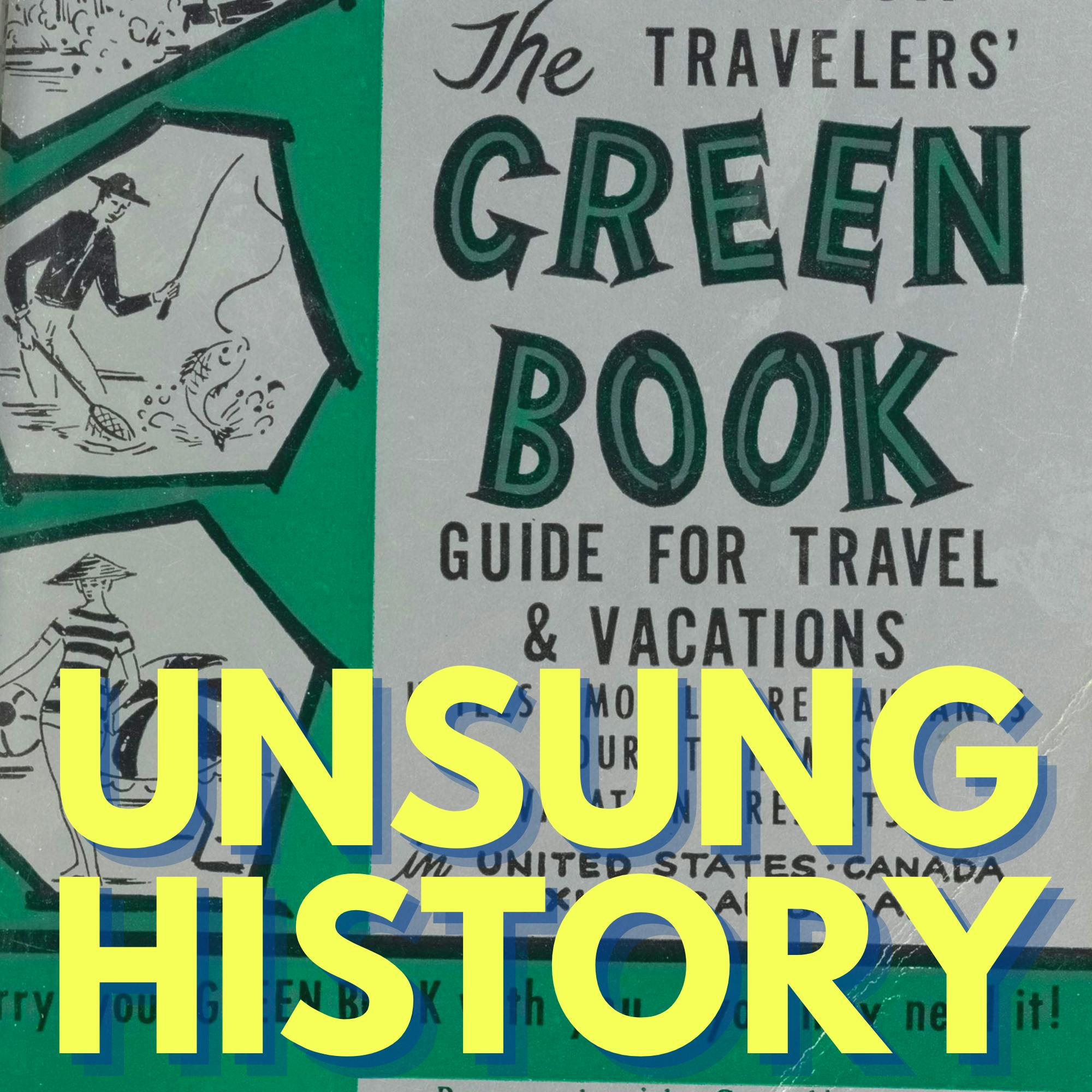
The Green Book
In 1936, Victor Hugo Green published the first edition of what he called The Negro Motorist Green Book, a 16-page listing of businesses in the New York metropolitan area that would welcome African American customers. By its final printing in 1966, the Green Book had gone international, with a 100-page book that included not just friendly businesses throughout the United States but also hotels and resorts that would be safe for African American travelers in Canada, the Caribbean, Latin America, E...
Guest: Alvin Hall

85
Jan. 16, 2023
The 1968 Student Uprising at Tuskegee Institute
Days after the assassination of Martin Luther King, Jr., and after months of increasing tension on campus, the students at Tuskegee Institute in Alabama occupied a building on campus where the Trustees were meeting, demanding a number of reforms, including a role for students in college governance, the end of mandatory ROTC participation, athletic scholarships, African American studies curriculum, and a higher quality of instruction in engineering courses. Joining me to tell the story of the ...
Guest: Brian Jones
84
Jan. 9, 2023
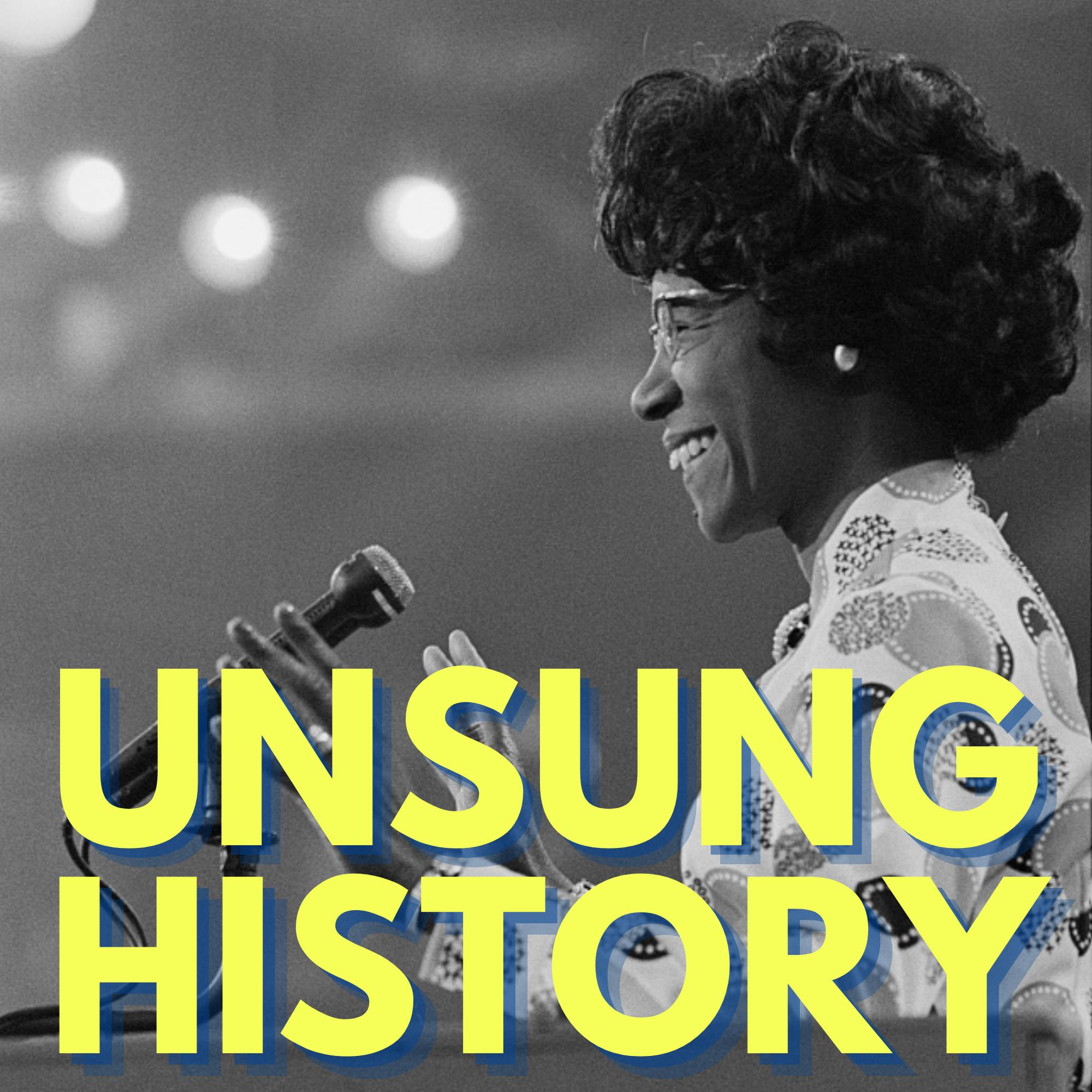
Shirley Chisholm
Throughout her life, Shirley Chisholm fought for coalitional change. She was the first Black woman elected to the United States Congress in 1968, the first Black woman to run for President of the United States in 1972, co-founder of both the Congressional Black Caucus and the National Women’s Political Caucus, both in 1971, and co-founder of the National Congress of Black Women in 1984. Toward the end of her life, Chisholm told an interviewer: “I want history to remember me … as a Black woman wh...
Guest: Anastasia Curwood