
Black History Episodes
228
July 27, 2026
Buddy Bradley
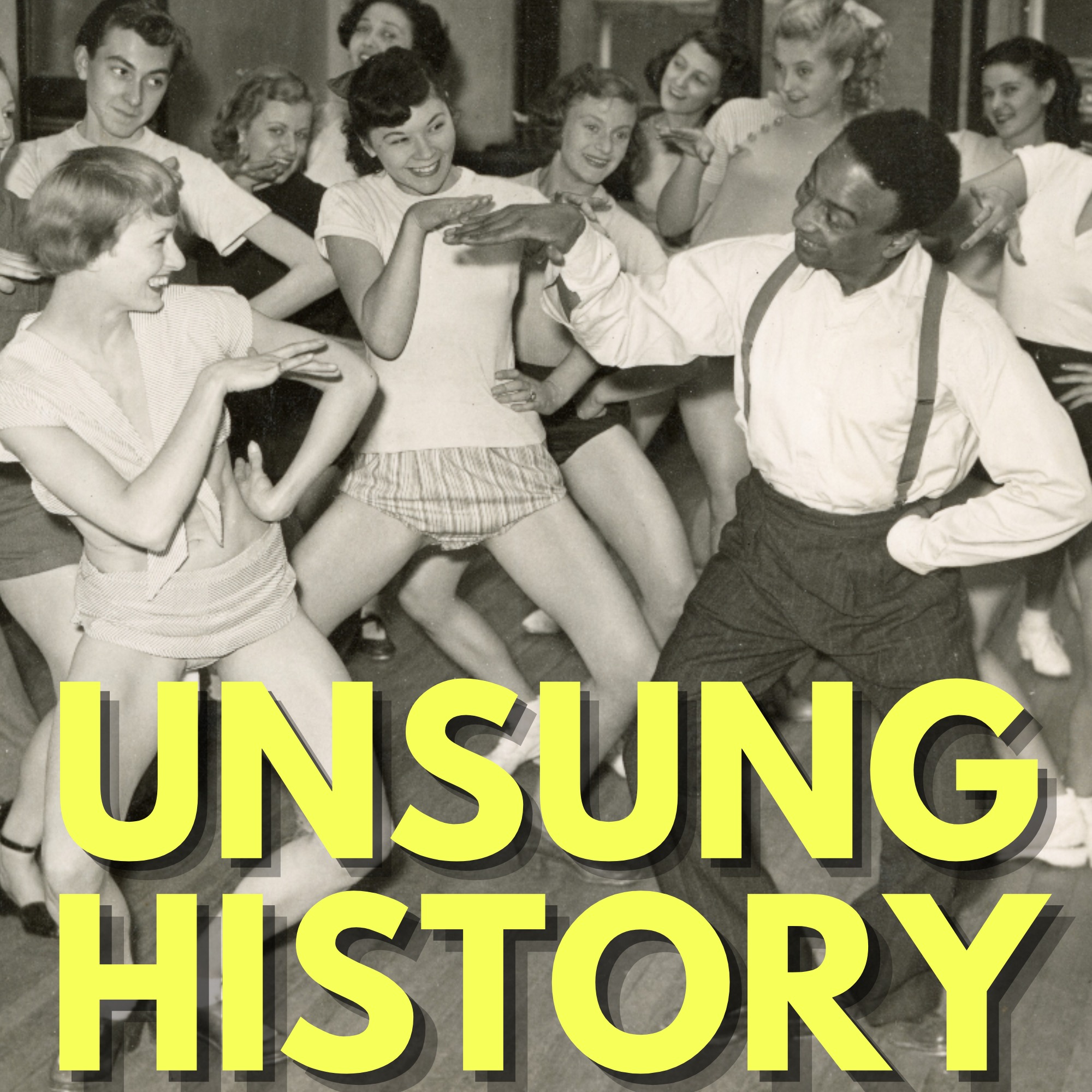
Buddy Bradley, born in the Jim Crow South in 1905, made his way to Harlem at age 16 where he learned to tap dance and became a chorus boy. He was sought out on Broadway as both teacher and choreographer, but never got the credit he deserved, and he moved to London in the 1930s where he had a hugely successful career as a dance director on stage and in film. Although his name isn’t well known today, his influence lives on in dance. Joining me in this episode is Maureen Footer, author of Feel the ...
Guest: Maureen Footer
222
May 4, 2026
Policing Slavery & Black Rebellion in the American South
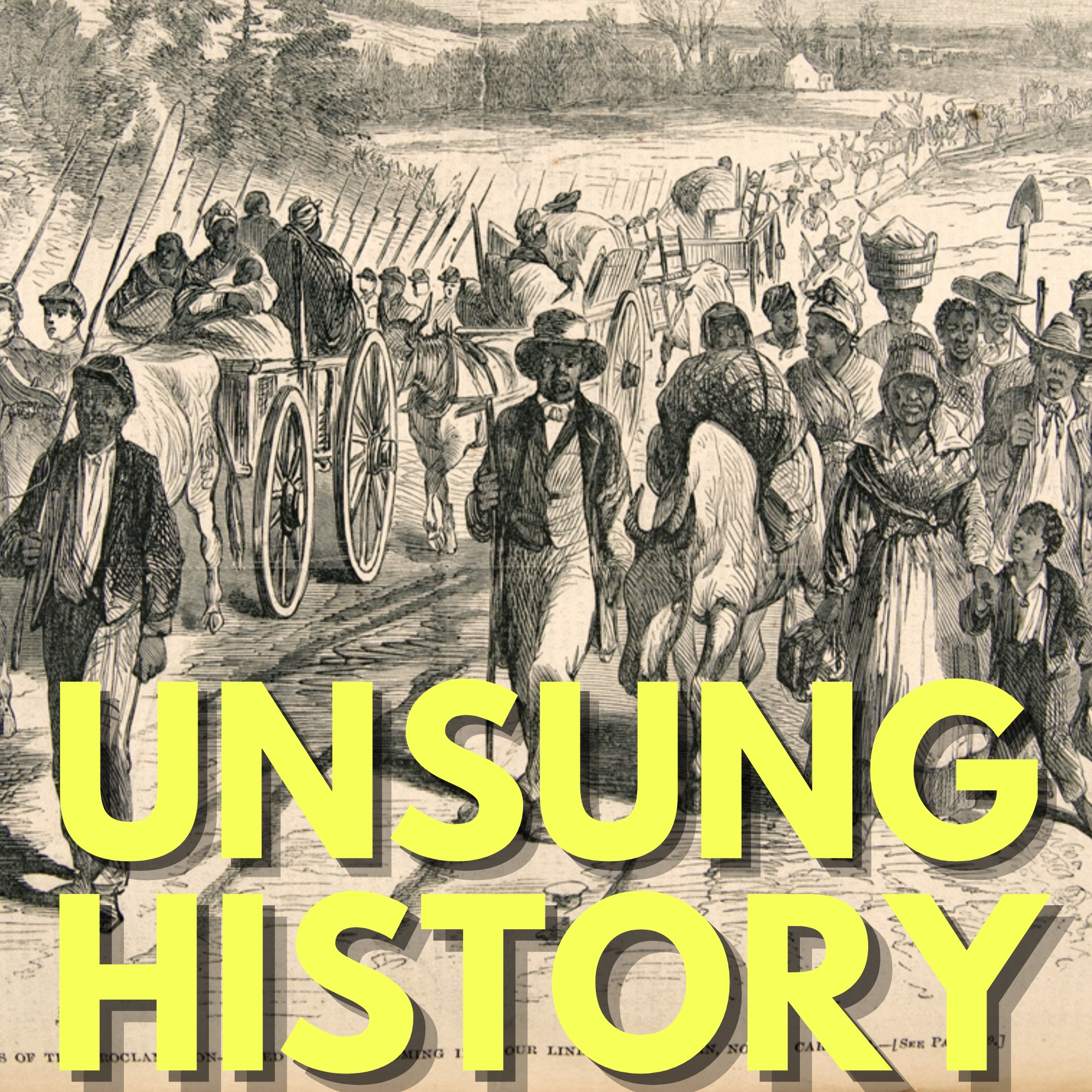
Enslaved Africans were forcibly shipped to Virginia starting in 1619 in response to a severe labor shortage. From the beginning, enslaved laborers resisted by fleeing and through violence, and white enslavers reacted by creating a racialized system of brutal policing, granting themselves authority based on skin color and a sense of superiority. Joining me in this episode is Dr. Gautham Rao, Associate Professor of History at American University in Washington, D.C., and author of White Power: Poli...
Guest: Gautham Rao
219
March 23, 2026
The Feliciana Parishes of Louisiana
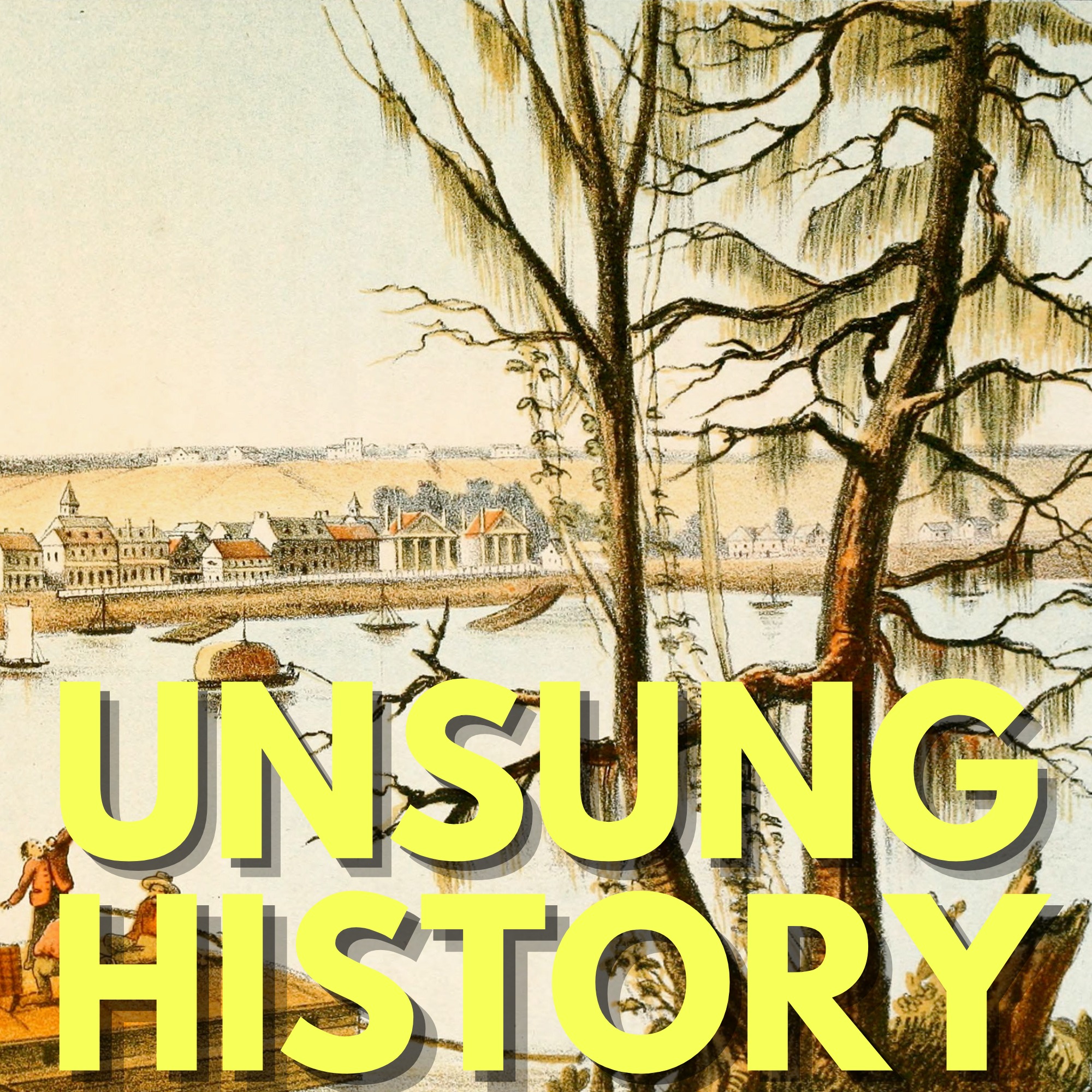
For 74 days in 1810 the current-day parishes of East and West Feliciana in New Orleans were part of the independent Republic of West Florida, which flew a lone star flag. By that point the residents of the Felicianas, including a large enslaved population, living on land that had been stolen from indigenous people, had been part of three different empires. The republic ended with the parishes annexed into yet another country, the United States, though fifty years later they would be part of stil...
Guest: Rashauna Johnson
217
Feb. 22, 2026
Slavery and the Complicated Legacy of George Washington
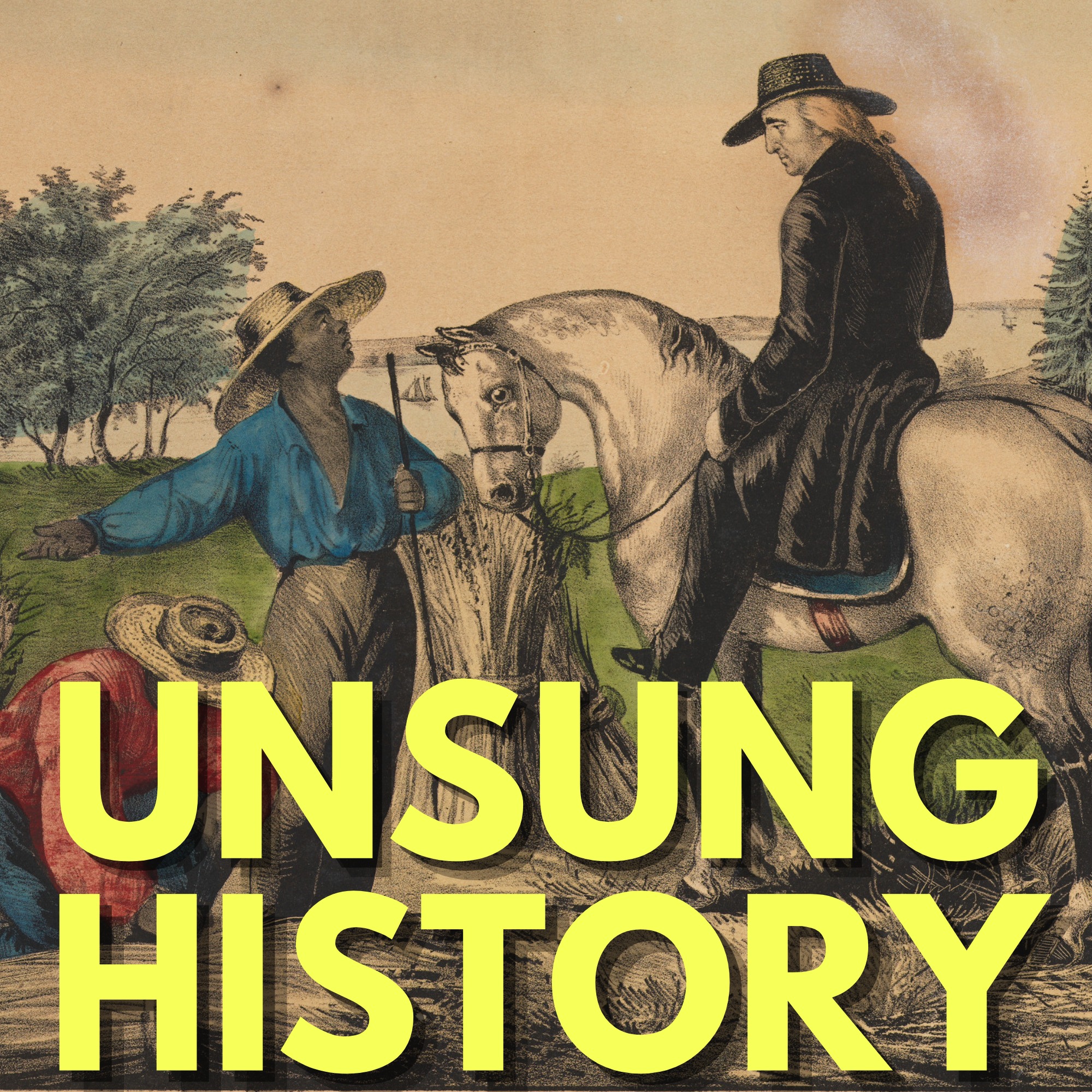
George Washington privately condemned slavery while actively holding hundreds of people in enslavement. He championed gradual emancipation plans while scheming to keep the people he enslaved from accessing them. He ruthlessly pursued a woman who escaped his enslavement and then emancipated the slaves he owned outright in his will. Washington’s complicated and contradictory legacy around slavery has been debated by Americans since his death. Joining us to discuss is Dr. John Garrison Marks, the V...
Guest: John Garrison Marks
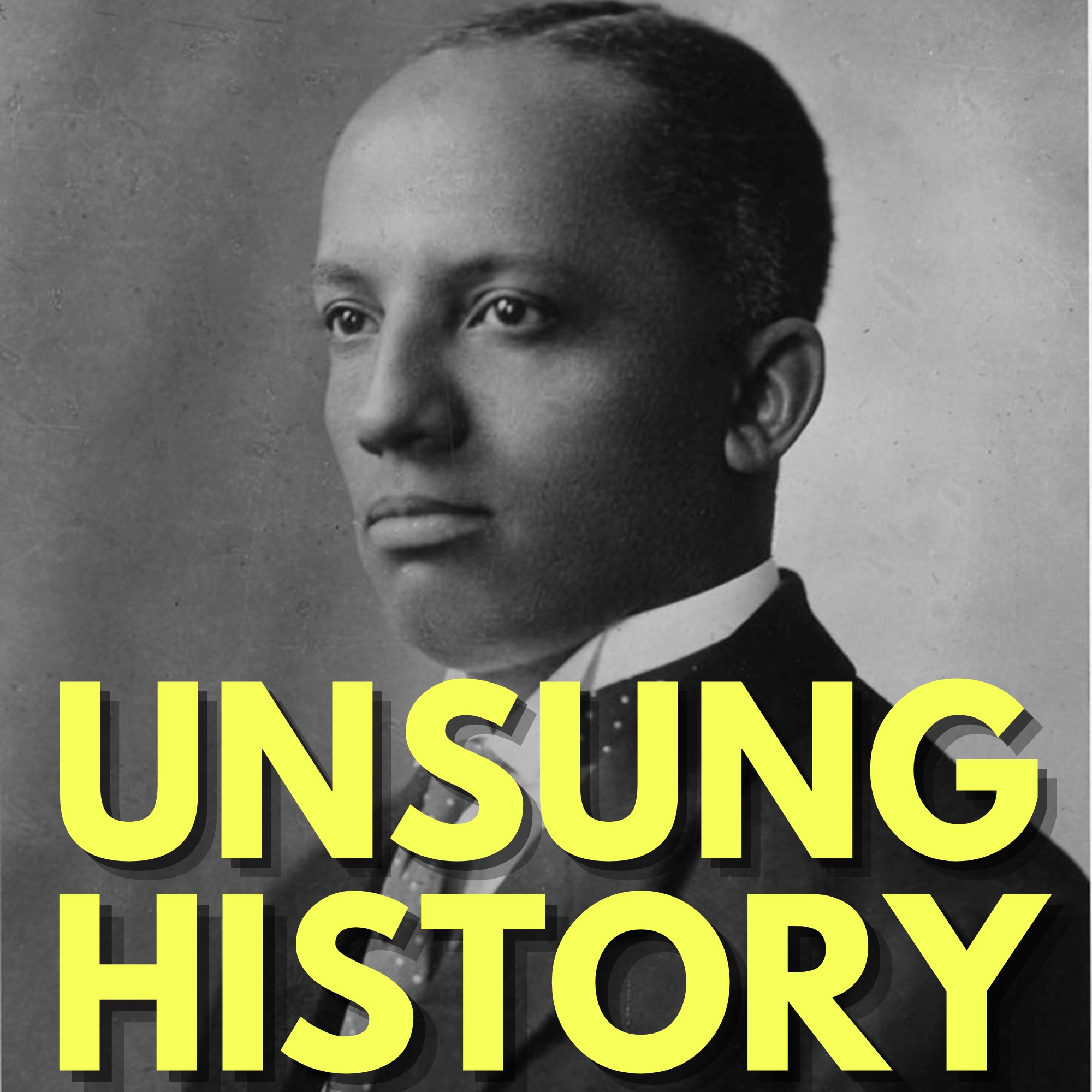
216
Feb. 9, 2026
Black History Month
One hundred years ago, Dr. Carter G. Woodson created and launched the inaugural Negro History Week after his professors told him that Black people didn’t have a history worth studying. Negro History Week built on the success of Douglass Day and quickly spread through Black communities in the United States. Fifty years later, at the urging of the Association for the Study of Afro-American Life and History, President Gerald Ford called for Americans to celebrate Black History Month, which was fina...
Guest: Jarvis Givens
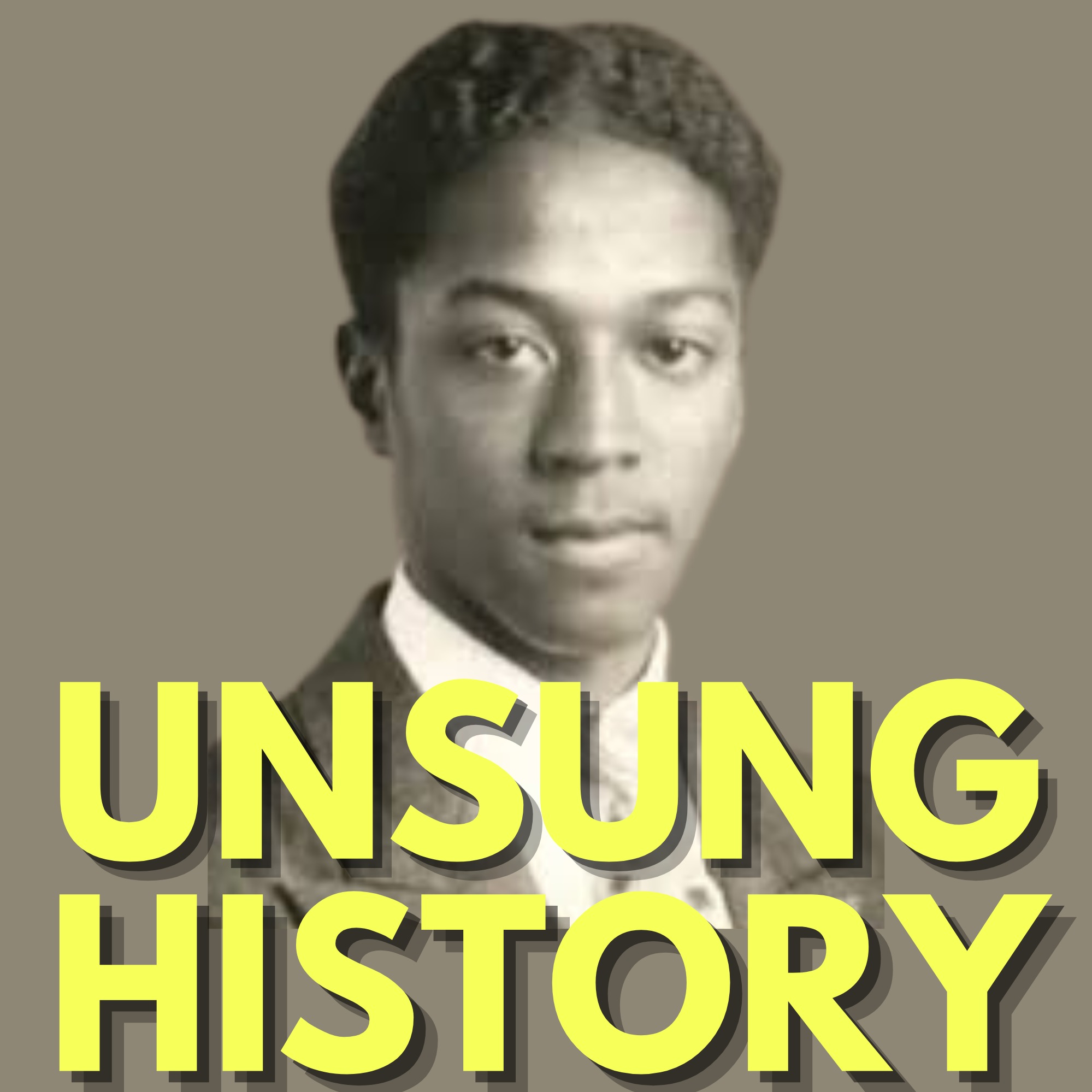
215
Jan. 26, 2026
Reed Peggram
Reed Peggram, born in Boston in 1914, a gay Black man in a world that put up barriers to his success, excelled at Harvard before heading to a Europe on the brink of war. In Europe he fell in love with a Danist artist, and despite pleas from everyone in his life and from the US government to leave the war-torn continent, Reed refused to depart without Arne, leading to his imprisonment in an Italian concentration camp. Even then, Reed overcame the barriers in his way, escaping with Arne and surviv...
Guest: Ethelene Whitmire
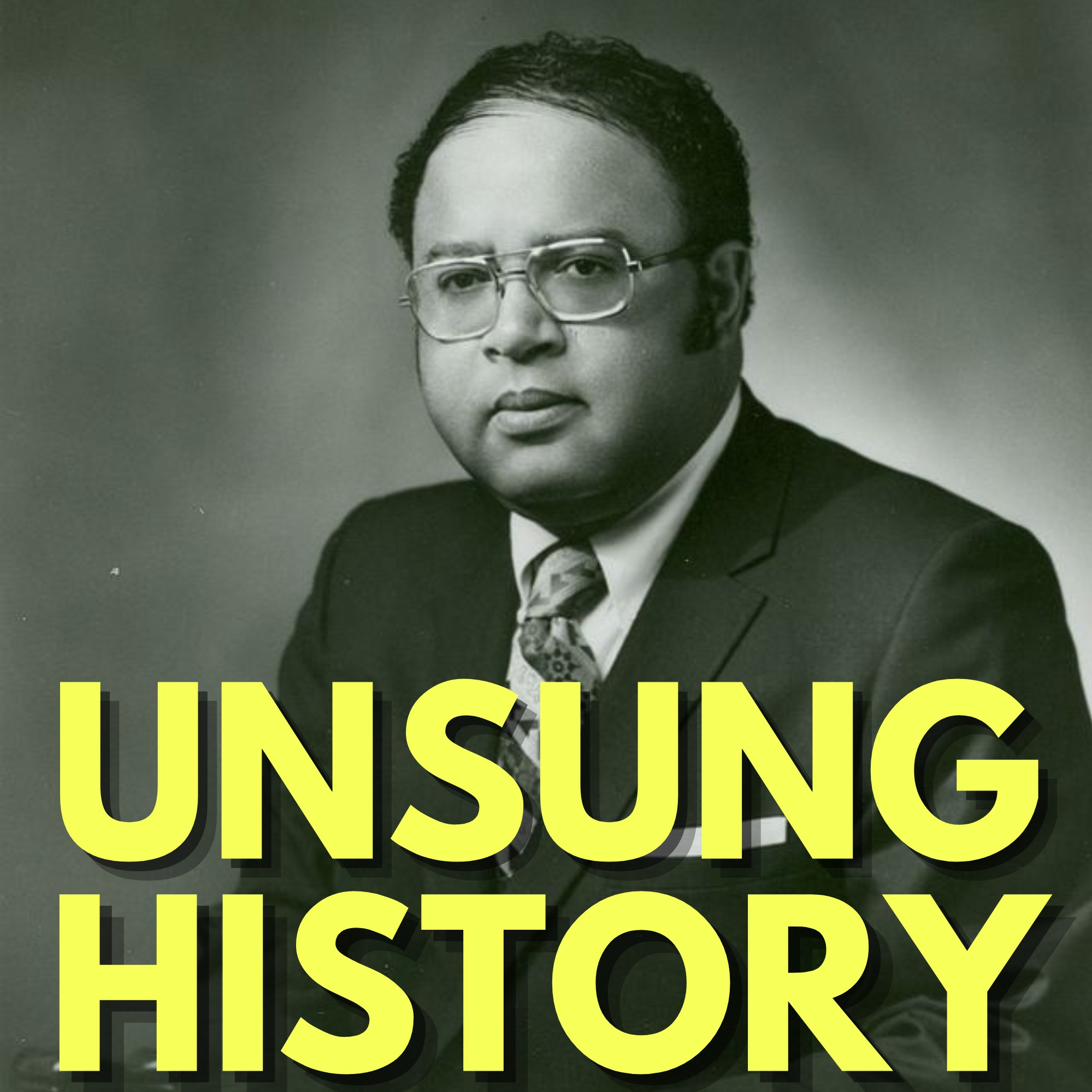
214
Jan. 12, 2026
Charles C. Diggs, Jr.
Charles C. Diggs, Jr., founder of the Congressional Black Caucus, spent 25 years in Congress, pushing for change, on issues from segregation in commercial aviation to home-rule for the residents of Washington, DC, to the anti-apartheid movement. His legislative accomplishments were overshadowed by his downfall, and today his story doesn’t receive the attention of other Civil Rights heroes. Joining me in this episode is Dr. Marion Orr, Frederick Lippitt Professor of Public Policy and Professor of...
Guest: Marion Orr
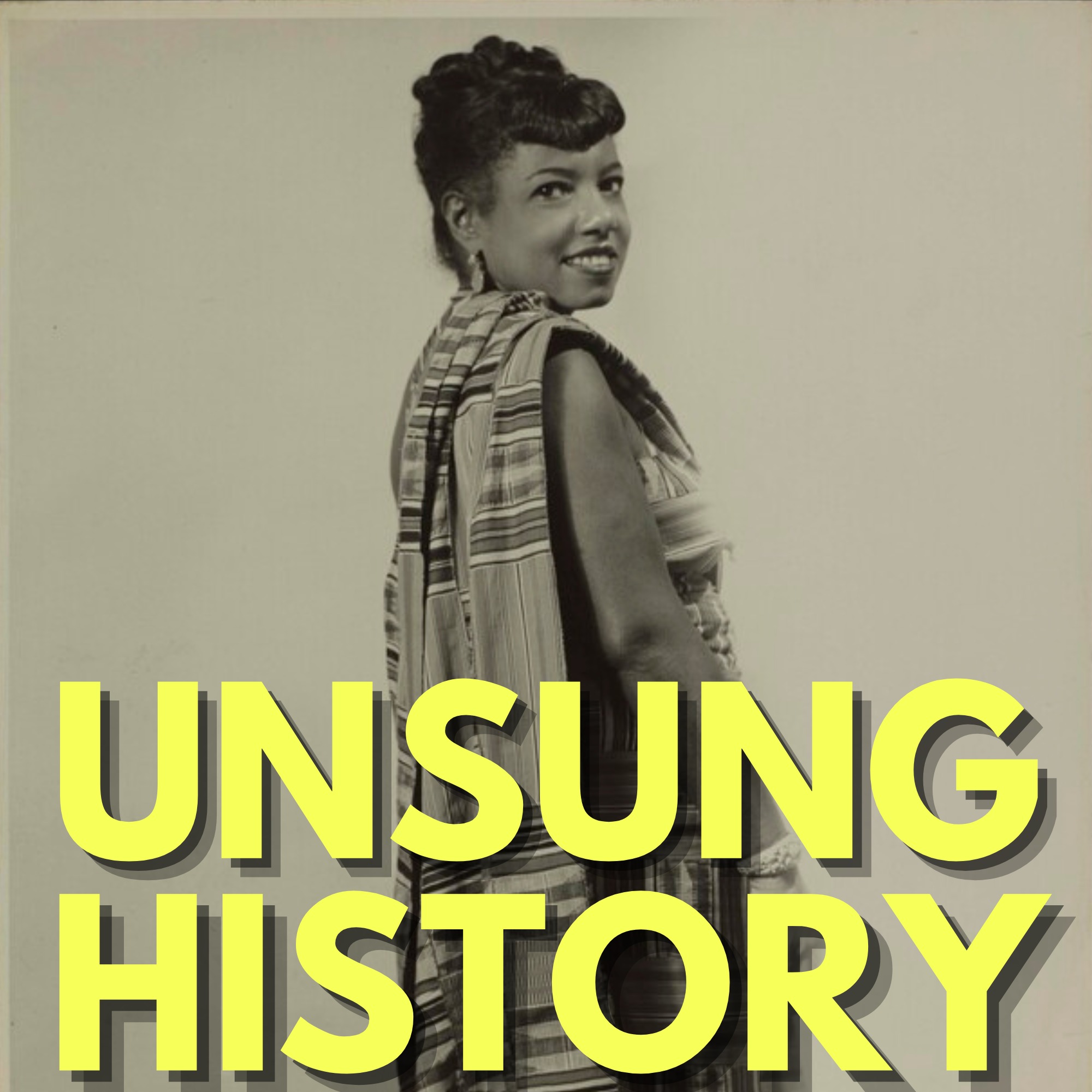
206
Sept. 22, 2025
Marguerite Cartwright
Dr. Marguerite Phillips Dorsey Cartwright, born May 17, 1910, in Cambridge, Massachusetts, was a journalist, sociologist, educator, and actress, who served as a correspondent for the United Nations, attended and wrote about both the Bandung Conference and the All-African People's Conference, and was appointed to the Provisional Council of the University of Nigeria, where she became one of five trustees. Joining me in this episode to discuss both Marguerite Cartwright and Black women’s leadership...
Guest: Keisha N. Blain
205
Sept. 8, 2025
Black Women's Anti-Rape Activism
The feminist anti-rape movement began in the late 1960s at the height of women’s liberation. As rape crisis centers relied on federal grants aimed at prosecution of those committing sexual violence, feminists worried about the conservatizing influence of those funds, and Black women in particular were not well-served by the developing model. Black women activists found their own methods to combat rape and to care for survivors. Joining me in this episode is Dr. Caitlin Reed Wiesner, Assistant Pr...
Guest: Caitlin Reed Wiesner

200
March 31, 2025
The Enslaved Mariners on the Crews of Brazilian Slave Ships
On the slave ships that sailed between Salvador da Bahia, Brazil, and the West Coast of Africa from the 16th through the 19th Centuries, the crews included not just white sailors but also Black mariners, including a significant number of crewmen who were themselves enslaved. These enslaved mariners were not just a source of inexpensive labor but were also valued for their geographic, linguistic, and cultural skills, and they, in turn, could use the opportunity of labor on slave ships as a means ...
Guest: Mary Hicks

196
March 3, 2025
The Color Line
My guest today is Dr. Martha S. Jones, the Society of Black Alumni Presidential Professor, professor of history, and a professor at the SNF Agora Institute at the Johns Hopkins University and author of The Trouble of Color: An American Family Memoir. In this book, Prof. Jones researches her family’s past to understand how each generation encountered and negotiated the color line, beginning with her great-great-great-grandmother who survived enslavement and raised a free family. Our theme s...
Guest: Martha S. Jones

195
Feb. 24, 2025
The Women of the Universal Negro Improvement Association
The Universal Negro Improvement Association is often most closely associated with Marcus Garvey, but from the beginning, the work of women was essential to the development of the organization. Amy Ashwood co-founded the UNIA with Garvey, and it was her connections and capital that launched the Negro World newspaper, but after her brief marriage to and divorce from Garvey, she was removed from the UNIA and the newspaper. Other women, like Garvey’s second wife, Amy Jacques Garvey, and actress Henr...
Guest: Natanya Duncan

194
Feb. 17, 2025
The Racist History of Property Taxes in the United States
After emancipation, formerly enslaved Black Americans knew that the key to economic freedom was land ownership, but as soon as they began to acquire land, local tax assessors began to overassess their land and exact steep penalties if they couldn’t pay the resulting inflated property taxes. For the past 150 years, all over the country, the same story has played out, with African Americans paying disproportionately higher property taxes, whether due to systemic inequities or corrupt local officia...
Guest: Andrew W. Kahrl

193
Feb. 10, 2025
Ericka Huggins & the Black Panther Party
For Ericka Huggins, the March on Washington for Jobs and Freedom, which she attended at just 15 years old, was a turning point in her life, inspiring her toward activism. She later joined the Black Panther Party, and after being incarcerated as a political prisoner, served as Director of the acclaimed Oakland Community School and became both the first Black person and the first woman appointed to the Alameda County Board of Education. She continues her activism work today in the fields of restor...
Guest: Mary Frances Phillips

191
Jan. 27, 2025
The History of Interracial Marriage in Mississippi
In 1865, when Black people in Mississippi first gained the legal right to marriage, so-called Black Codes outlawed interracial marriage, punishable by life in prison. Five years later, Republicans in the Mississippi state legislature repealed the Black Codes and legalized interracial marriage, but the law was reversed again ten years later when Democrats took control. In 1890, a new state Constitution, erasing all the racial progress of the 1868 one, enshrined a prohibition on interracial marria...
Guest: Kathryn Schumaker

189
Jan. 13, 2025
The Women of the Rendezvous Plantation on Barbados in the 17th Century
In 1686, Susannah Mingo, Elizabeth Atkins, Dorothy Spendlove, and their children, all of whom were half-siblings, along with some of their children's other half-siblings and their children's father, boarded a ship headed from Barbados to England, where they would live out their lives. It wasn’t unusual for a plantation owner like John Peers to impregnate both his enslaved Black laborers and his white servant, but it was unusual for him to acknowledge his illegitimate offspring, baptize them, bri...
Guest: Jenny Shaw

188
Jan. 6, 2025
Henry Christophe: The King of Haiti
Henry Christophe, one of the heroes of the Haitian Revolution, was, from 1811 to his death in 1820, King Henry I of the Kingdom of Haiti, the first, last, and only King that Haiti ever had. This week we look at Christophe’s meteoric rise from being born enslaved on an island hundreds of miles from Haiti to fighting in the American Revolution to serving as a general in the Haitian Revolution to being king of all he surveyed, until it all came crashing down around him. Joining me in this episode i...
Guest: Marlene Daut

185
Dec. 16, 2024
Florence Price & the Black Chicago Renaissance
On June 15, 1933, the all-white, all-male Chicago Symphony Orchestra performed Florence Price’s award-winning Symphony Number 1 in E minor, the first institution of its caliber to play the work of a Black woman composer. It was a monumental achievement, but not one that Price achieved alone. She was supported by a sisterhood of Black women who created an environment in Chicago in which composers and performers like Price and Margaret Bonds could find success. Joining me in this episode is musico...
Guest: Samantha Ege

176
Oct. 14, 2024
The Sanders Family of Philadelphia
When she was just fifteen years old, in 1830, Sarah Martha Sanders was sold to Richard Walpole Cogdell of Charleston, South Carolina. Within a year she was pregnant with his child, and just after she turned 17, Sarah Martha gave birth to Robert Sanders, the first of nine children she would bear to then 45-year-old Richard Cogdell. Because the legal status of the children followed that of the mother, these nine children were also Richard’s property. None of this was unusual for the time. The unus...
Guest: Lori Ginzberg

175
Oct. 7, 2024
Education & Reconstruction in the Washington DC Region
At the dedication for a school for African American students in Manassas, Virginia, in 1894, Frederick Douglass said: “no greater benefit can be bestowed upon a long benighted people, than giving to them, as we are here earnestly this day endeavoring to do, the means of an education.” In the Reconstruction Era, throughout the South, and especially in the Washington, DC, region, formerly enslaved people fought for educational opportunities. Even as other advances of Reconstruction were clawed bac...
Guest: Kate Masur

173
Sept. 23, 2024
Segregation Scholarships
Between 1921 and 1948, every Southern and border state, except Delaware, set up scholarship programs to send Black students out of state for graduate study rather than admit them to historically white public colleges or build graduate programs in the public HBCUs. While the individual Black students often benefited from graduate education at top-tier universities, the segregation scholarships created hardships for those same students and took money that could have been used to build up the publi...
Guest: Crystal Sanders

172
Sept. 16, 2024
Doug Williams, Vince Evans & the History of Black Quarterbacks in the NFL
In 1946, the National Football League began the process of reintegration after a “gentleman’s agreement” had stopped teams from hiring Black players for over a decade. Even as the NFL began to re-integrate, though, racist stereotypes kept teams from drafting Black players into so-called “thinking” positions like quarterback. Black players who started at quarterback in college would be drafted into the NFL, only to be converted into running backs or wide receivers. On September 30, 1979, for the ...
Guest: Louis Moore

162
July 8, 2024
Dr. Claudia Hampton & the History of Affirmative Action in California
In 1974, Republican governor Ronald Reagan appointed educator Dr. Claudia Hampton, a Democrat active in her local NAACP, as the first Black woman trustee to the board of California State University. For the next twenty years Hampton would be known as the affirmative action trustee as she advocated for policies and budgets that would help support and diversify the CSU faculty, staff, and students. To discuss Dr. Hampton’s legacy, and the history of affirmative action in California, I’m joined in ...
Guest: Donna J. Nicol
157
June 3, 2024
The Red Summer of 1919 & Black Resistance
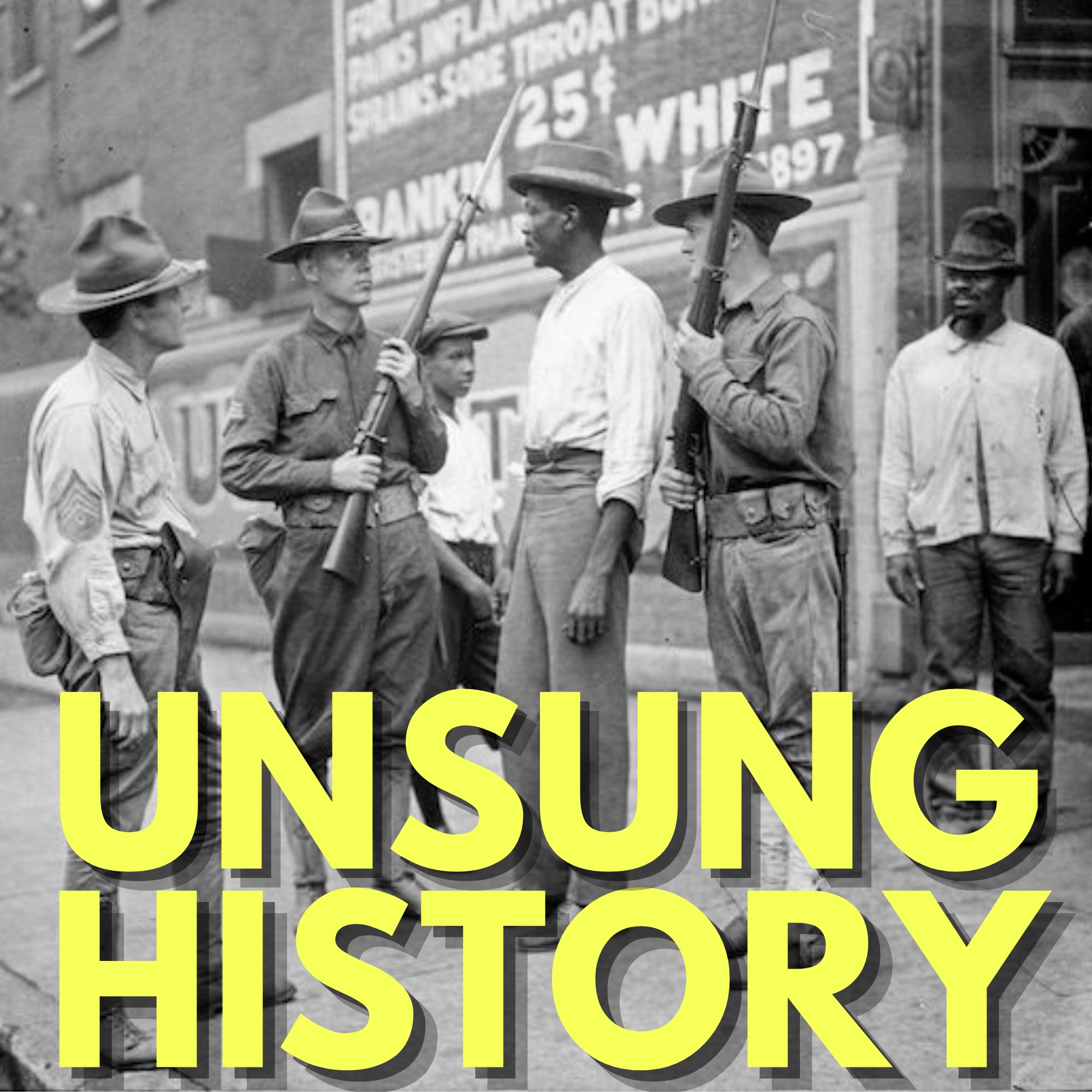
In 1919, racial tensions in the US, exacerbated by changes brought about by the first wave of the Great Migration and by the return of Black soldiers who demanded equal citizenship from the country they’d fought for, boiled over into a summer of violence. In Washington, DC, 39 people died after days of fighting between white mobs and Black citizens who stood their ground and fought back. The events of the Red Summer are just one example of the ways that Black Americans have resisted white suprem...
Guest: Kellie Carter Jackson