
Episodes
61
Aug. 1, 2022
Filipino Nurses in the United States
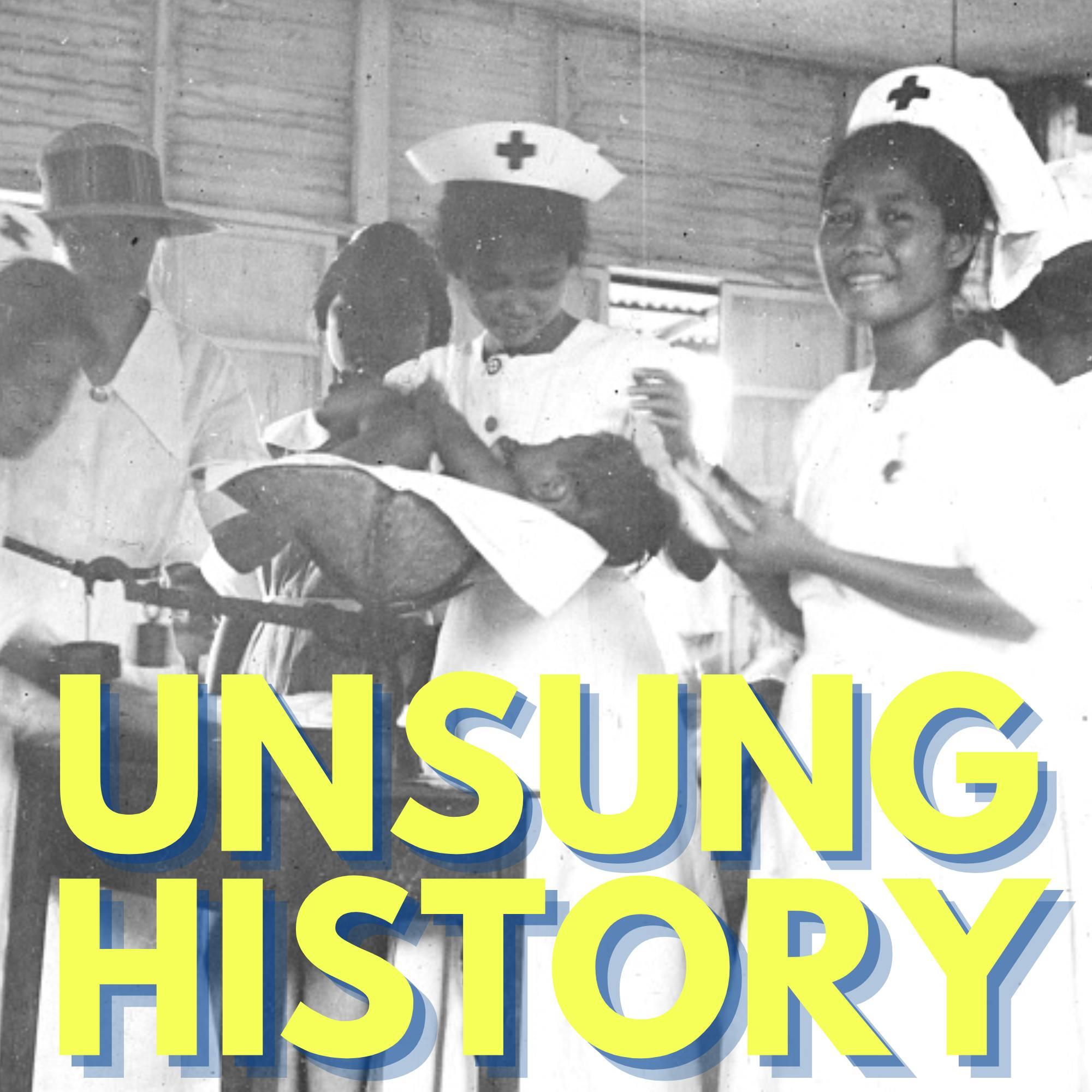
A February 2021 report by National Nurses United found that while Filipinos make up 4% of RNs in the United States, they accounted for a stunning 26.4% of the registered nurses who had died of COVID-19 and related complications. Why are there so many Filipino nurses in the United States and especially so many of the frontlines of healthcare? To answer that question, we need to look at the history of American colonization of The Philippines, United States immigration policies, and the establishme...
Guest: Catherine Ceniza Choy

60
July 25, 2022
The Townsend Family Legacy
When Alabama plantation owner Samuel Townsend died in 1856, he willed his vast fortune to his children and his nieces. What seems like an ordinary bequest was anything but, since Townsend’s children and nieces were his enslaved property. Townsend, who knew the will would be challenged in court, left nothing to chance, hiring the best lawyer he could find to ensure that his legatees received both their freedom and the resources they would need to survive in a country that was often hostile to fre...
Guest: R. Isabela Morales

59
July 18, 2022
The Unusual Codicil in Benjamin Franklin's Will
When Benjamin Franklin died in April 1790, his last will contained an unusual codicil, leaving 1000 pounds sterling each to Philadelphia and Boston, to be used in a very specific way that he hoped would both help tradesmen in the two cities and eventually leave the cities, and their respective states, with fortunes to spend on public works 200 years later. At a moment when it wasn’t clear whether the United States would survive at all, Franklin made a gamble on the American spirit. To learn m...
Guest: Michael Meyer

58
July 11, 2022
Dale Evans, Queen of the West
Dale Evans is probably best known as the Queen of the West, the wife and co-star of the King of Cowboys, Roy Rogers. But before she ever met Roy, Dale had a successful career in singing, songwriting, and acting, and she had plans to be an even bigger star in musicals, which to Dale, meant not Westerns. This week we do a deep dive into the life of Dale Evans and how she became a cowgirl, with historian Dr. Theresa Kaminski, author of the new book, Queen of the West: The Life and Times of Dale ...
Guest: Theresa Kaminski
57
July 4, 2022
Independence Day
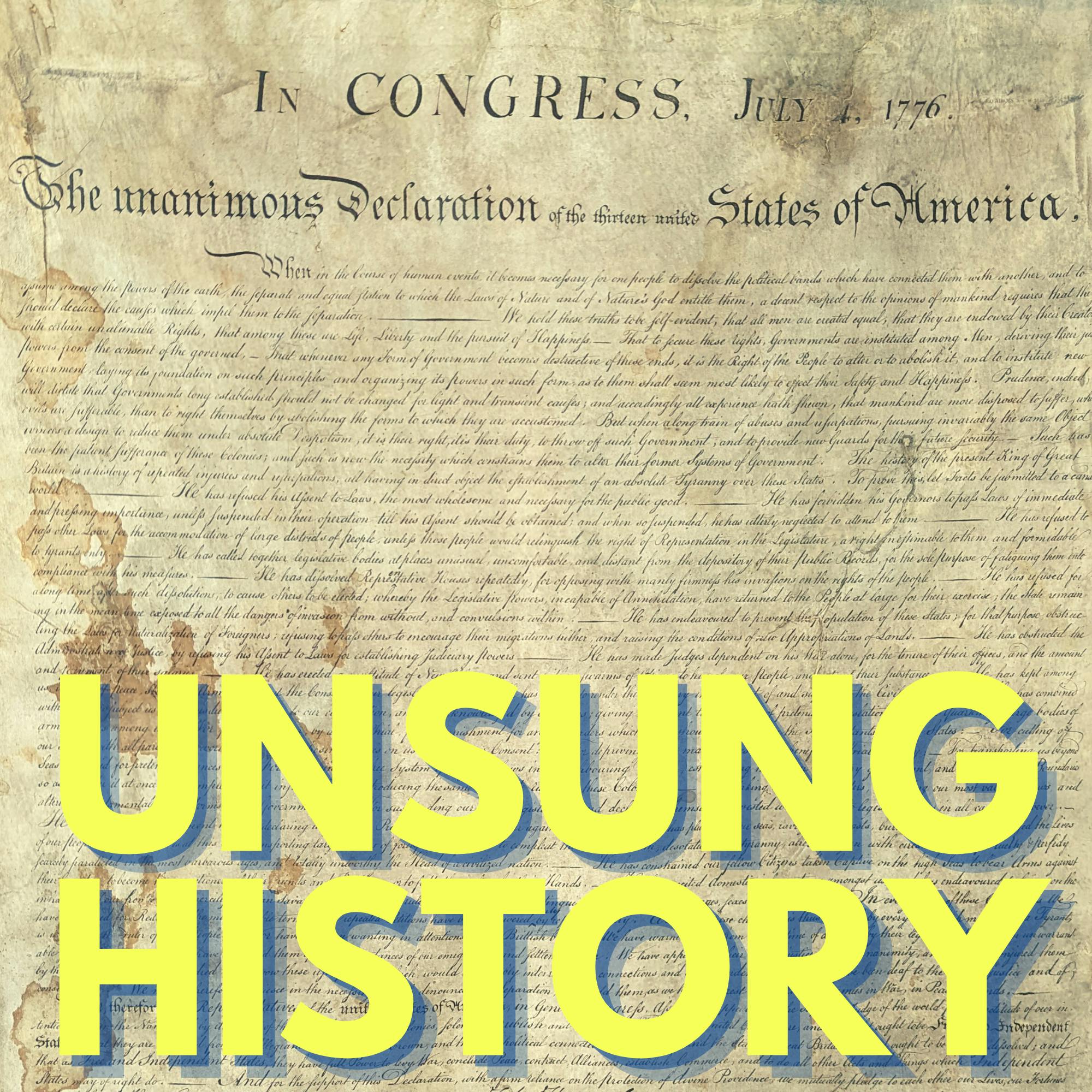
On July 4, Americans will eat 150 million hot dogs, spend $1 billion on beer, and watch 16,000 fireworks displays (and those are just the official ones). But why do we celebrate on July 4, when did it become a national holiday, and did John Adams eat hot dogs? Joining me for the story of the Declaration of Independence, why July 4th might not be the right date to be celebrating, and who the signers actually were, is historian, podcaster, and DC tour guide, Rebecca Fachner. Our theme song i...
Guest: Rebecca Fachner

56
June 27, 2022
The 1966 Compton's Cafeteria Riot
On a hot weekend night in August 1966 trans women fought back against police harassment at Compton’s Cafeteria in the Tenderloin District of San Francisco. Although the Compton’s riot didn’t spark a national movement the way Stonewall would three years later, it did have an effect, leading to the creation of support services for transgender people in San Francisco, and a reduction in police brutality against the trans community. Joining me to discuss the riot, its causes, and its aftermath, i...
Guest: Susan Stryker

55
June 20, 2022
Two-Spirit People in Native American Cultures
In the summer of 1990, at the third annual Native American/First Nations gay and lesbian conference, in Winnipeg, Manitoba, the term Two Spirit was established. An English translation of the Northern Algonquin term niizh manitoag, Two Spirit describes masculine and feminine qualities within a single person. As a pan tribal term, Two Spirit both connected organizers across different Native nations and also helped them re-discover the traditional terminology used in their own cultural history. ...
Guest: Gregory Smithers
54
June 13, 2022
The Women's House of Detention in Greenwich Village
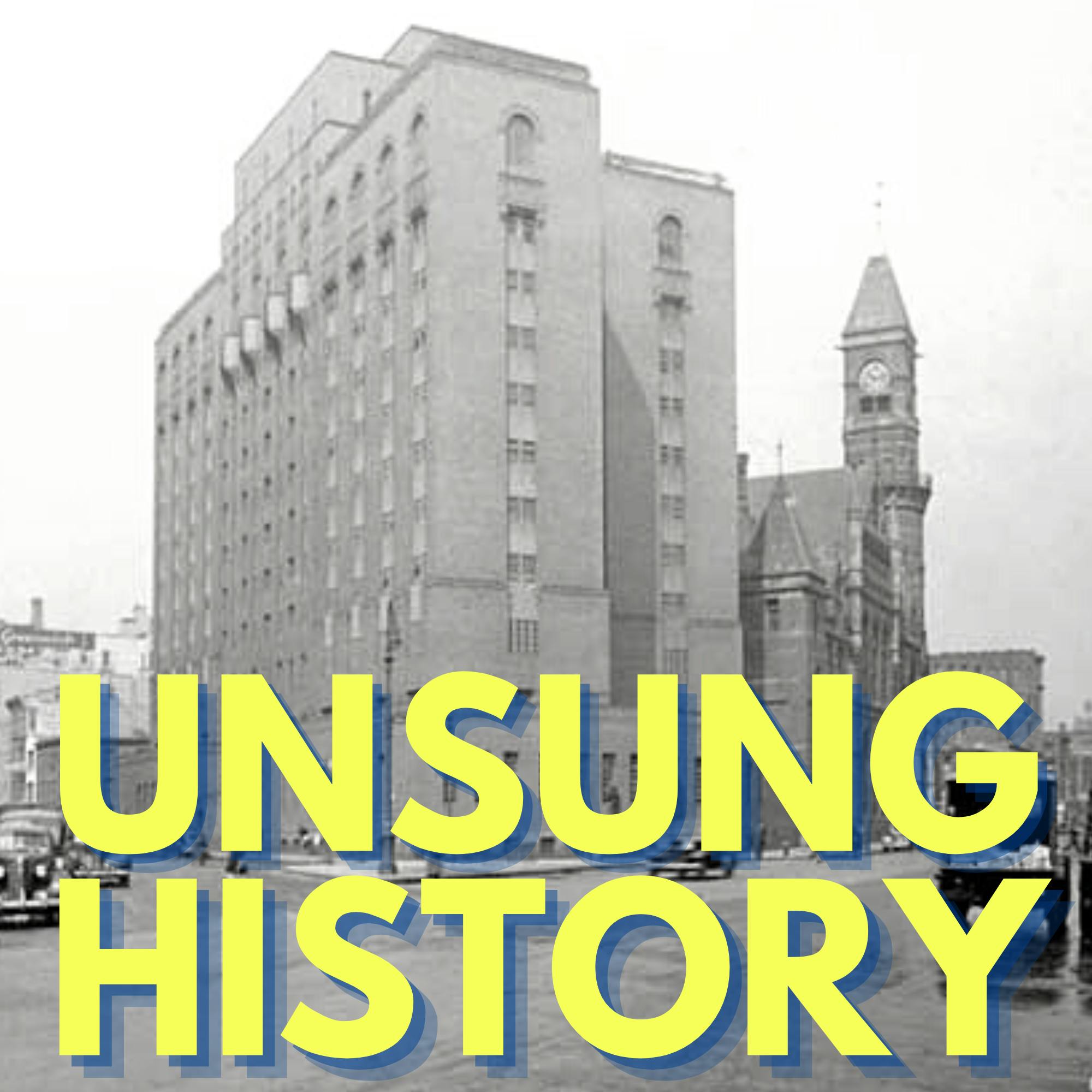
The 12-story Women’s House of Detention, situated in the heart of Greenwich Village in New York City, from 1932 to 1974, was central to the queer history of The Village. The House of D, as it was known, housed such inmates as Angela Davis, Afeni Shakur, Andrea Dworkin, and Valerie Solanas, and was formative in their thinking and writing. On the night of the Stonewall Riots, the incarcerated women and transmaculaine people in the House of D, a few hundred feet away from The Stonewall Inn, joined ...
Guest: Hugh Ryan
53
June 6, 2022
The Queer History of the Women's Suffrage Movement
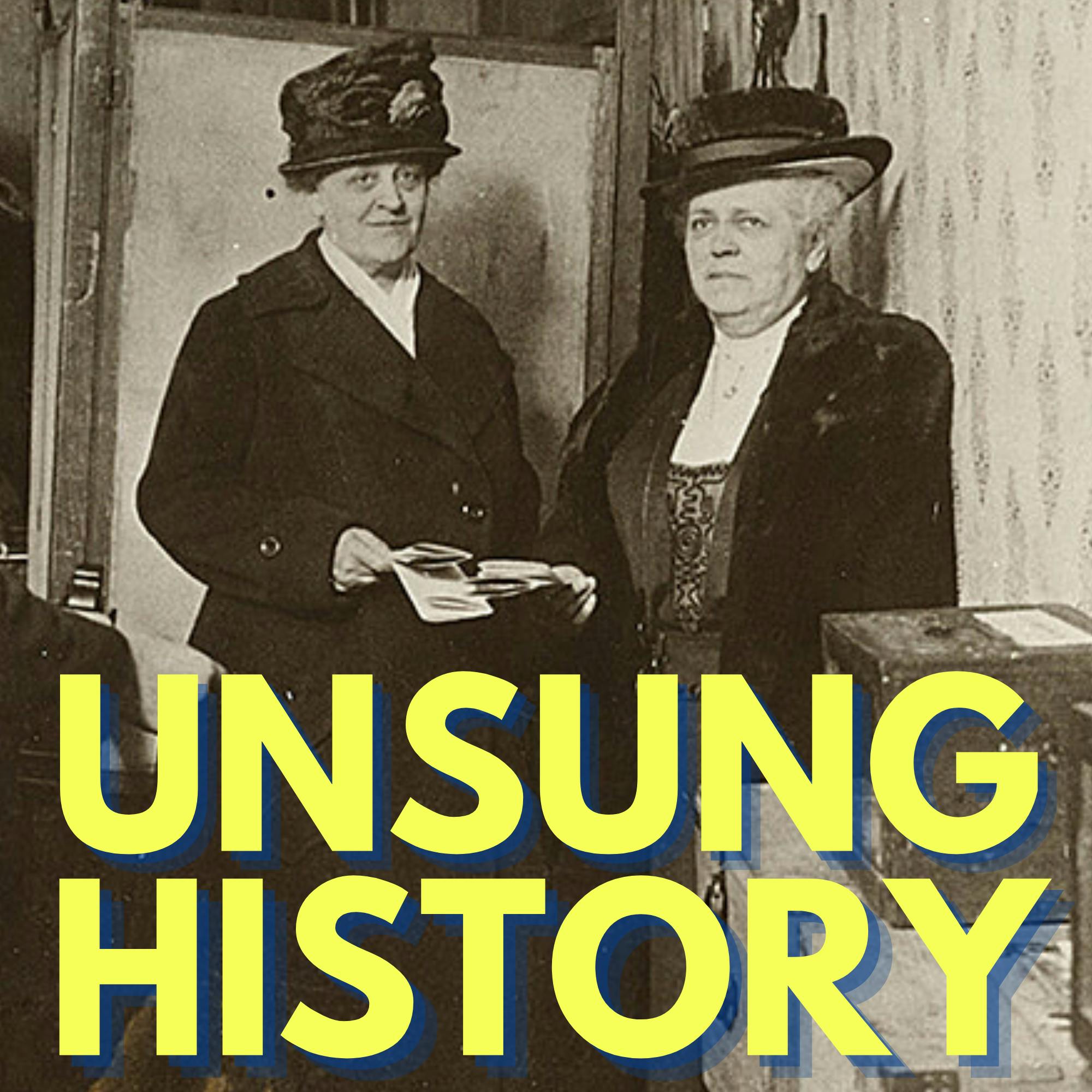
Queer suffragists were central to the women’s suffrage movement in the United States from its earliest days. However, in a movement that placed great importance on public image in service of the goal of achieving the vote, queer suffragists who pushed the boundaries of “respectability” were sometimes ostracized, and others hid their queerness, or had it erased by others. Joining me to help us learn about queer suffragists is historian Dr. Wendy Rouse, Associate Professor in History at San Jos...
Guest: Wendy L. Rouse
52
May 30, 2022
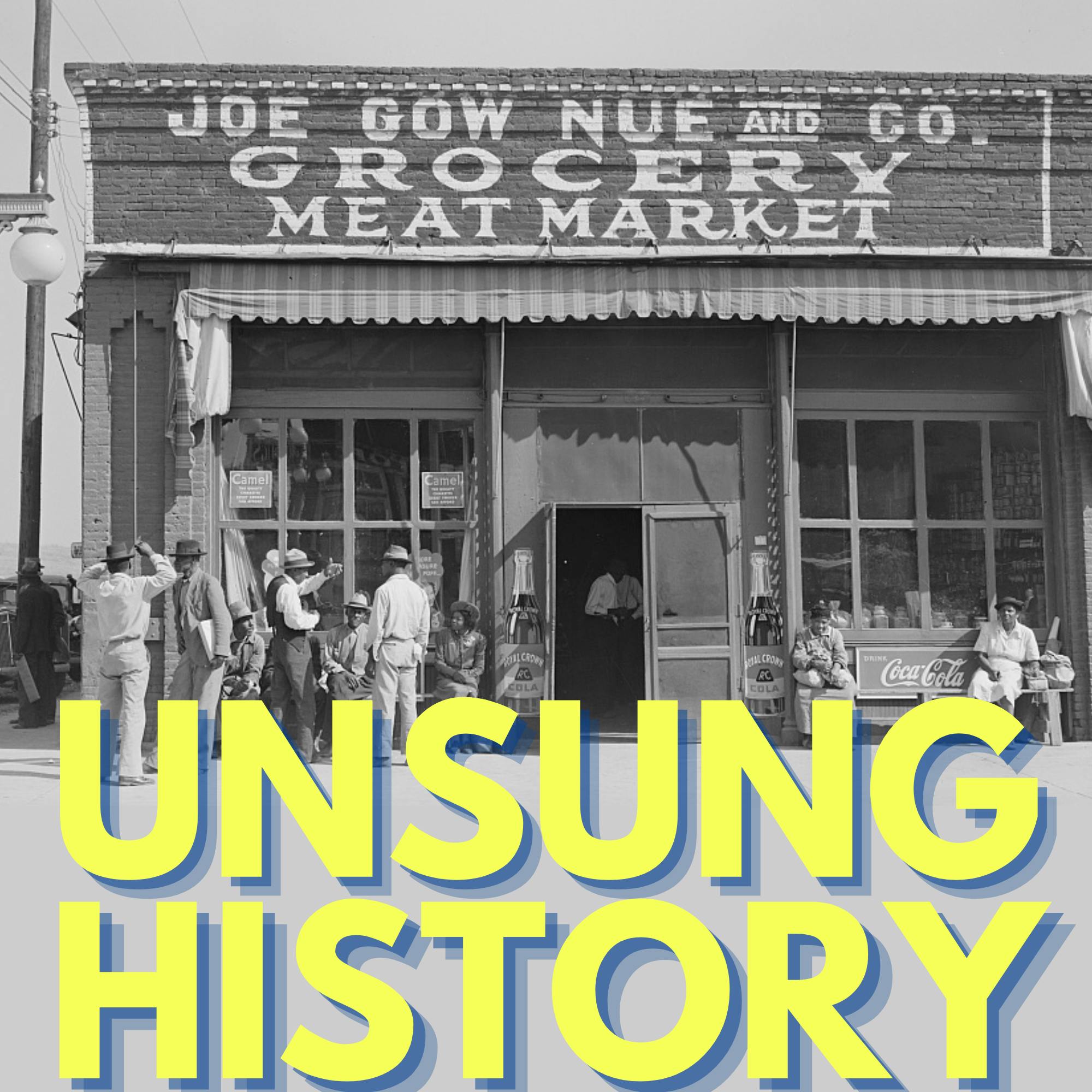
Chinese Grocery Stores in the Mississippi Delta
During Reconstruction, cotton planters in the Mississippi Delta recruited Chinese laborers to work on their plantations, to replace the emancipated slaves who had previously done the hard labor. However, the Chinese workers quickly learned that they couldn’t earn enough money picking cotton to send back to their families, and they turned instead to running small grocery stores, filling a niche in the market of the Deep South. At one point, the city of Greenville, Mississippi, had 40,000 resident...
Guest: Larissa Lam
51
May 23, 2022
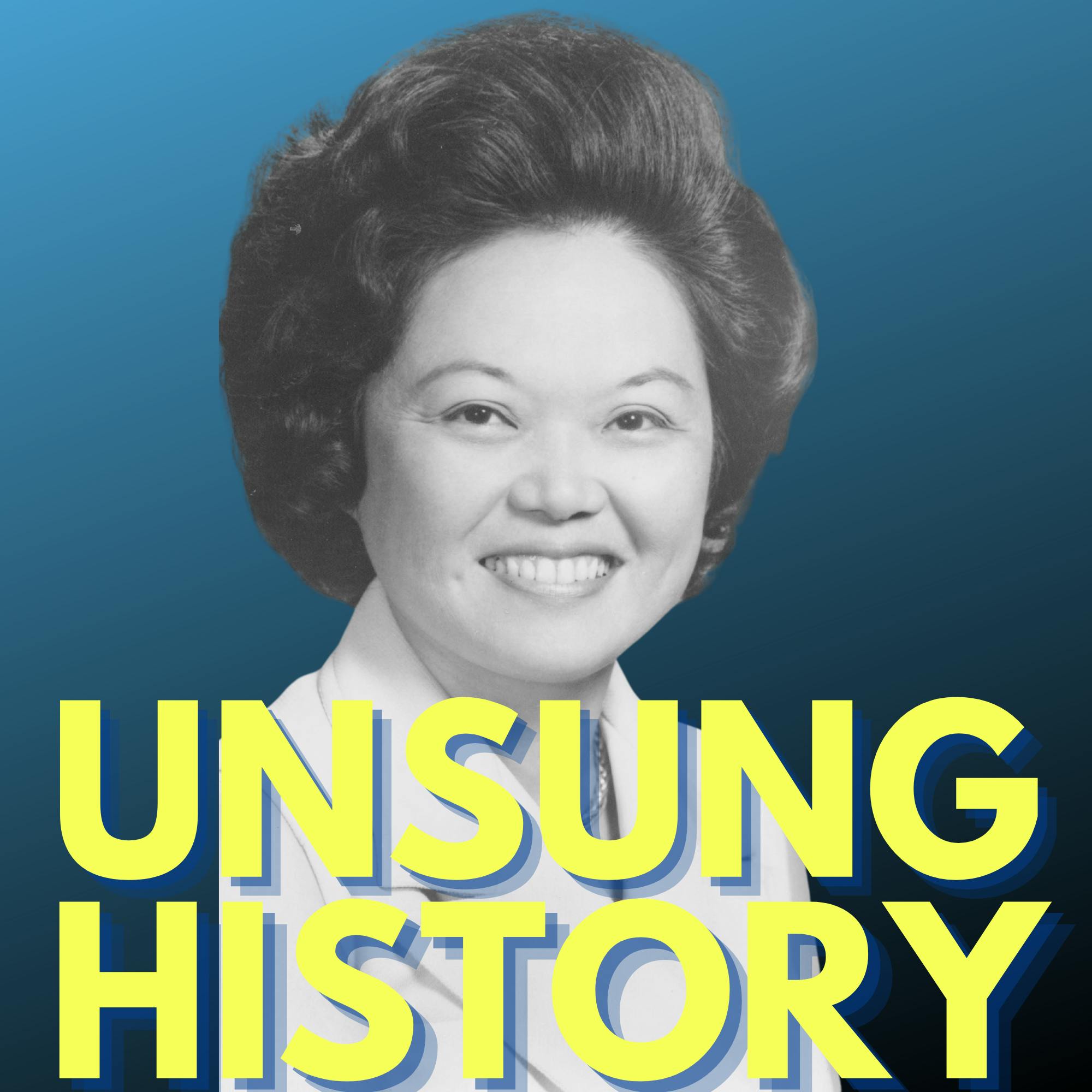
Patsy Mink
In Patsy Mink’s first term in Congress in 1965, she was one of only 11 women serving in the US House of Representatives, and she was the first woman of color to ever serve in Congress. Mink was no stranger to firsts, being the first Japanese-American woman licensed to practice law in Hawaii, after being one of only two women in her graduating class at the University of Chicago Law School. She would later be the first Asian American to run for President. Mink leaned on her own experiences of s...
Guests: Judy Tzu-Chun Wu , Gwendolyn Mink
50
May 16, 2022
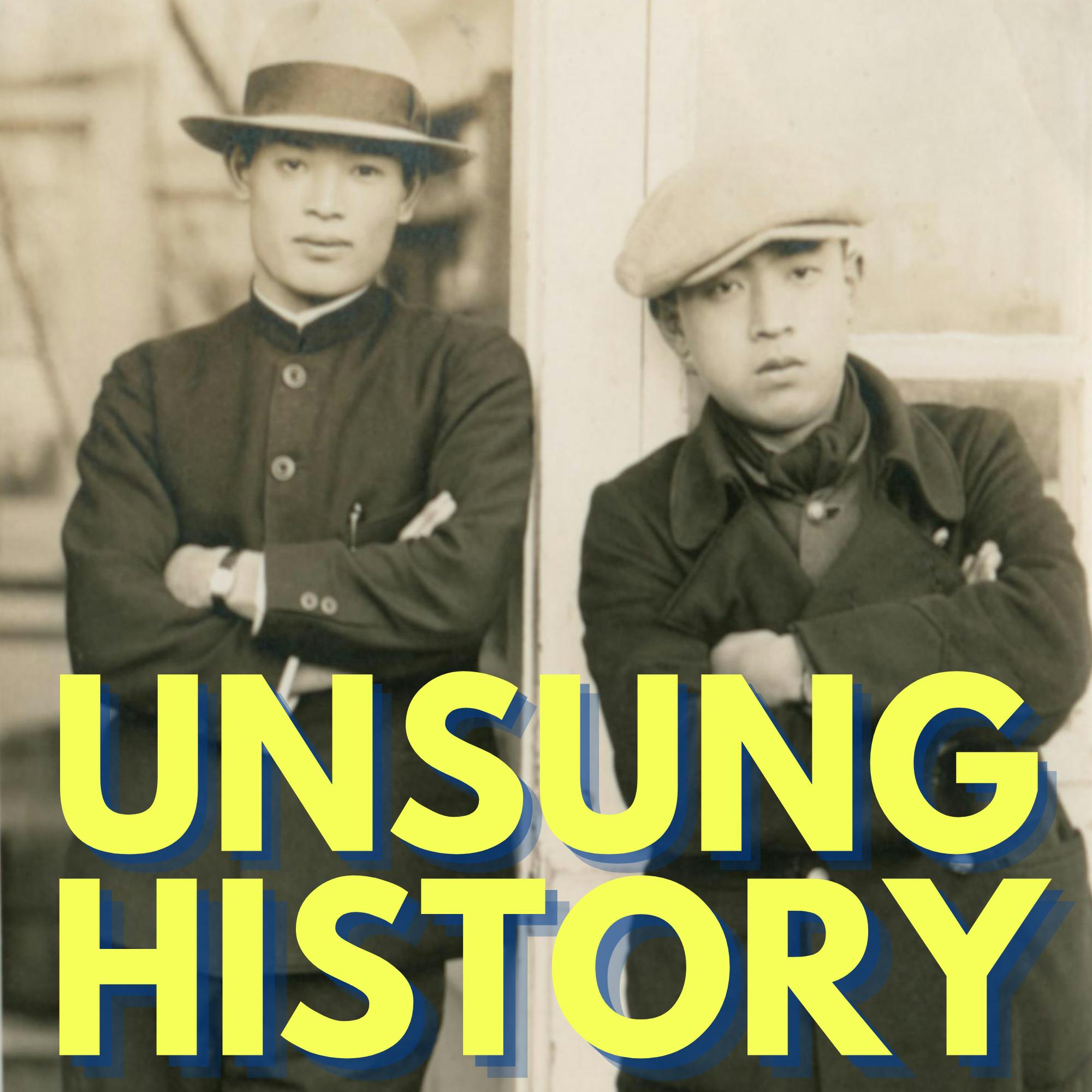
The US-Born Japanese Americans (Nisei) who Migrated to Japan
In the decades before World War II, 50,000 of the US-born children of Japanese immigrants (a quarter of their total population) migrated from the United States to the Japanese Empire. Although these second generation Japanese Americans (called Nisei) were US citizens, they faced prejudice and discrimination in the US and went to Japan in search of a better life. Joining me to help us learn about the Nisei who returned to Japan, what motivated them, and the challenges they faced both in Japan ...
Guest: Michael Jin

49
May 9, 2022
Thai Americans & the Rise of Thai Food in the United States
There are around 300,000 Thai Americans but almost 5,000 Thai restaurants in the United States. To understand how Thai restaurants became so ubiquitous in the US, we dive into the history of how Thai cuisine arrived in the US before Thai immigrants started to arrive in large numbers, and how Thai Americans capitalized on the popularity of their food to find their niche in the US economy. I’m joined in this episode by Associate Professor of Asian and Asian American Studies at the University of...
Guest: Mark Padoongpatt
48
May 2, 2022
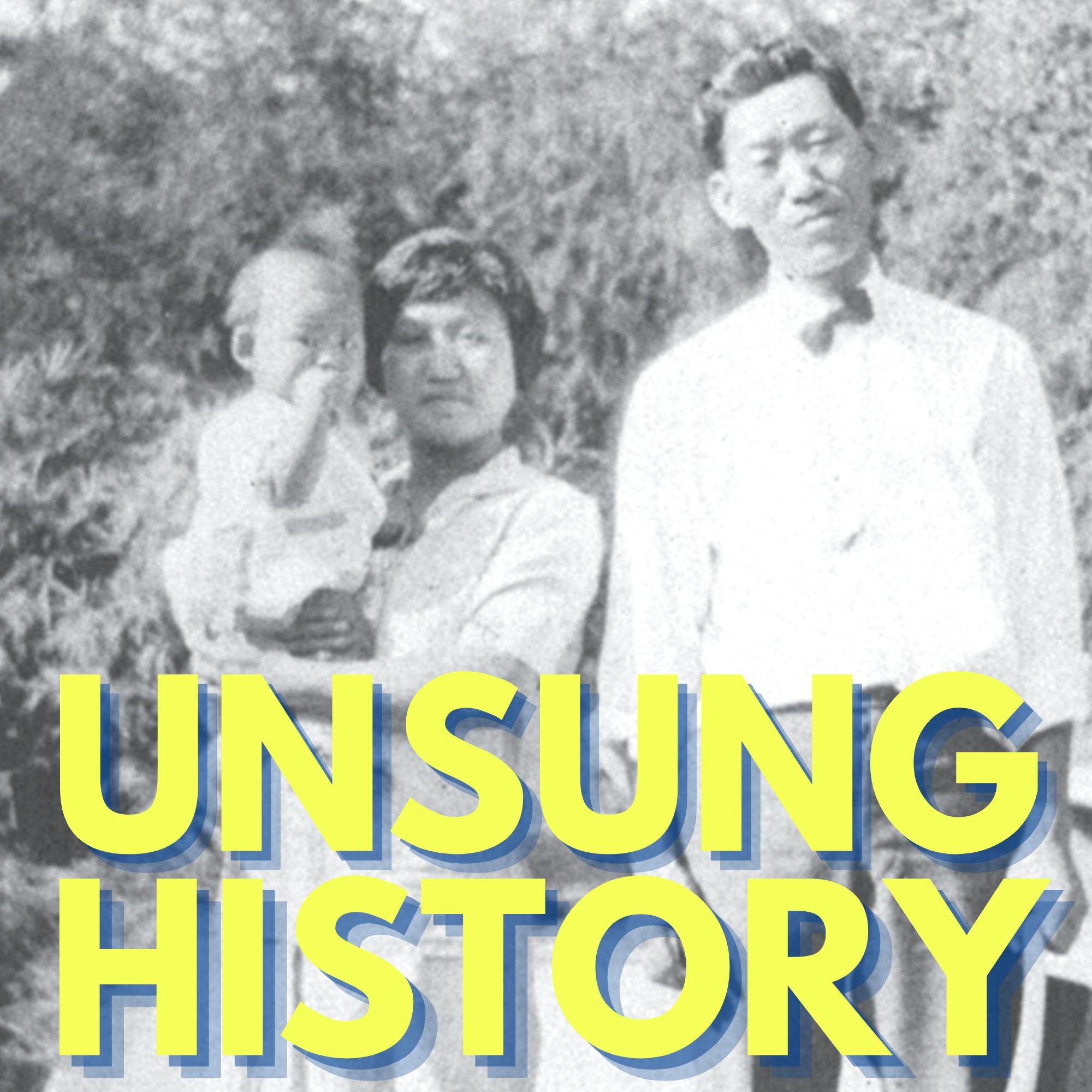
Mary Paik Lee
Mary Paik Lee (Paik Kuang Sun) was born in the Korean Empire on August 17, 1900, and was baptized by American Presbyterian minister Dr. Samuel Austin Moffett, one of the first American Presbyterian missionaries to come to Korea. In 1905, her family left Korea for Hawaii, fleeing the Japanese occupation of the Korean Peninsula. Late in her life, Mary wrote a memoir, recounting her family’s struggles in Hawaii and then California, where they faced discrimination and poverty, all while striving to ...
Guest: Jane Hong
47
April 25, 2022
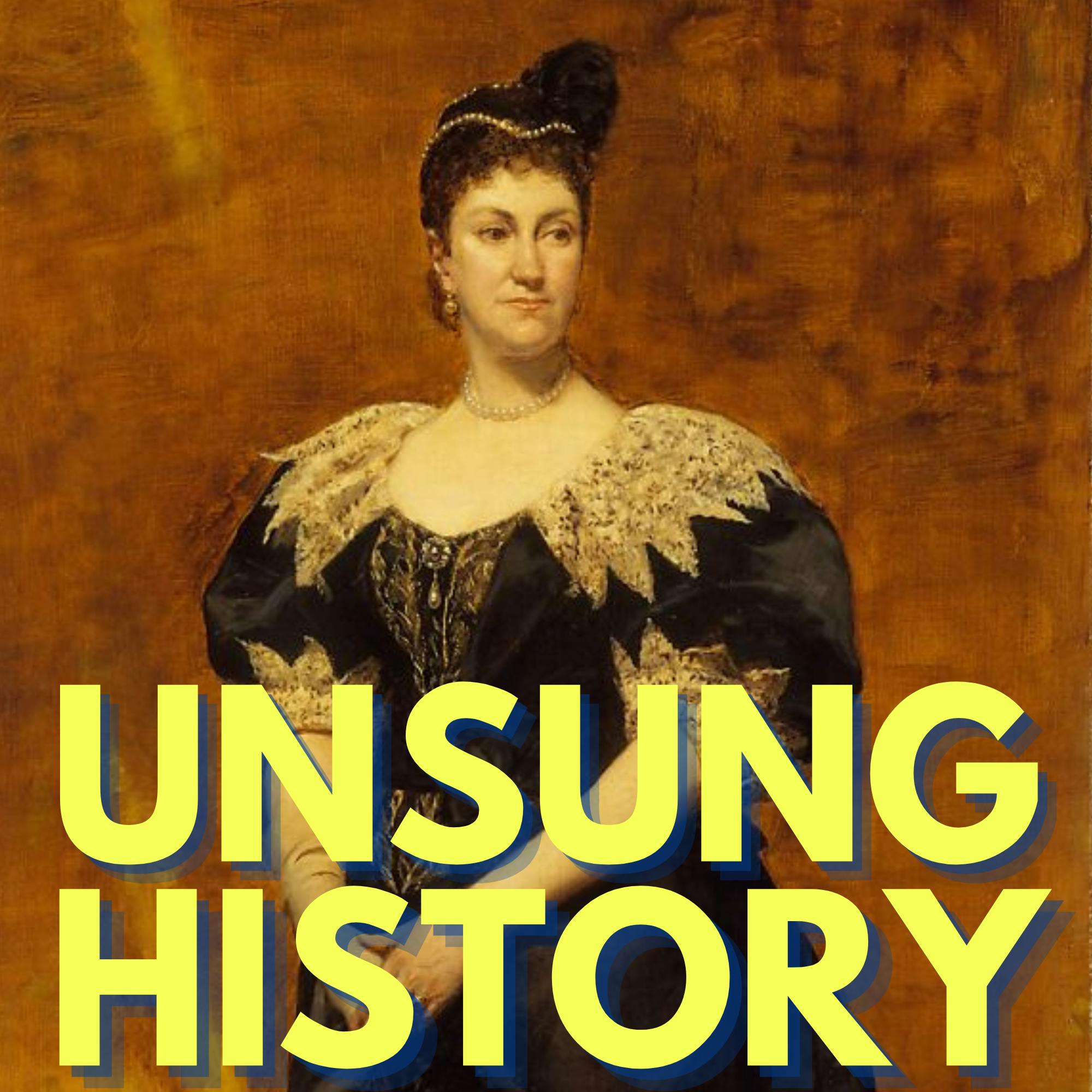
French Fashion in Gilded Age America
Paris has a long history as the fashion capital of the world. In the late 19th Century, American women, like European women, wanted the latest in French fashion. The wealthiest women traveled to Paris regularly to visit their favorite couturiers, like the House of Worth and Maison Félix, to update their wardrobes. For those women who couldn’t afford to travel, Paris came to them, via international expositions, magazines, and department stores. I’m joined in this episode by art historian Dr. E...
Guest: Elizabeth L. Block
46
April 18, 2022
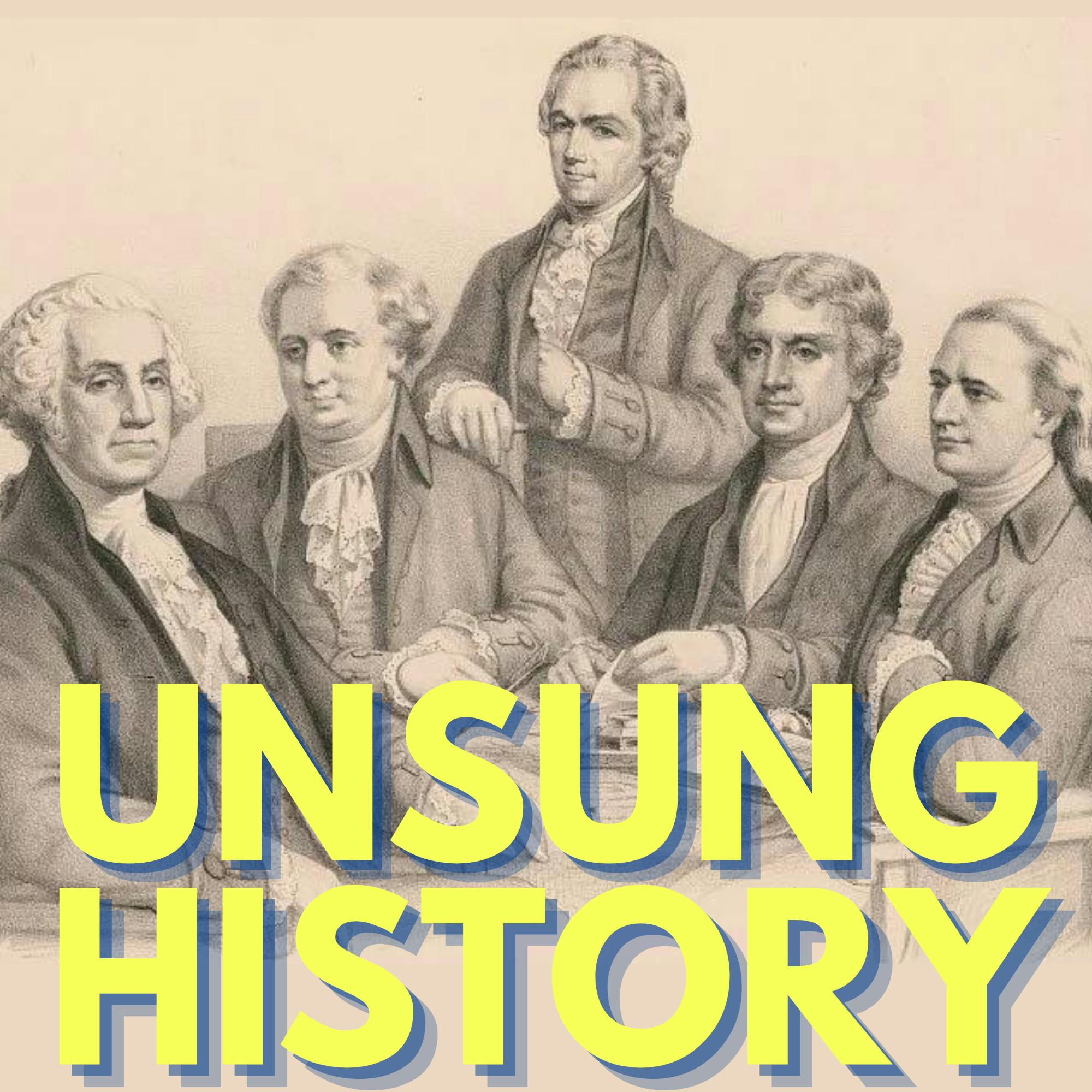
The Cabinet
Today, when Americans think of it at all, they take for granted the institution of The Cabinet, the heads of the executive departments and other advisors who meet with the President around a big mahogany table in the White House. But how did The Cabinet come into being? It’s not established in the Constitution, and the writers of The Constitution were explicitly opposed to creating a private executive advisory body. I’m joined in this episode by presidential historian Dr. Lindsay M. Chervinsk...
Guest: Lindsay M. Chervinsky
45
April 11, 2022
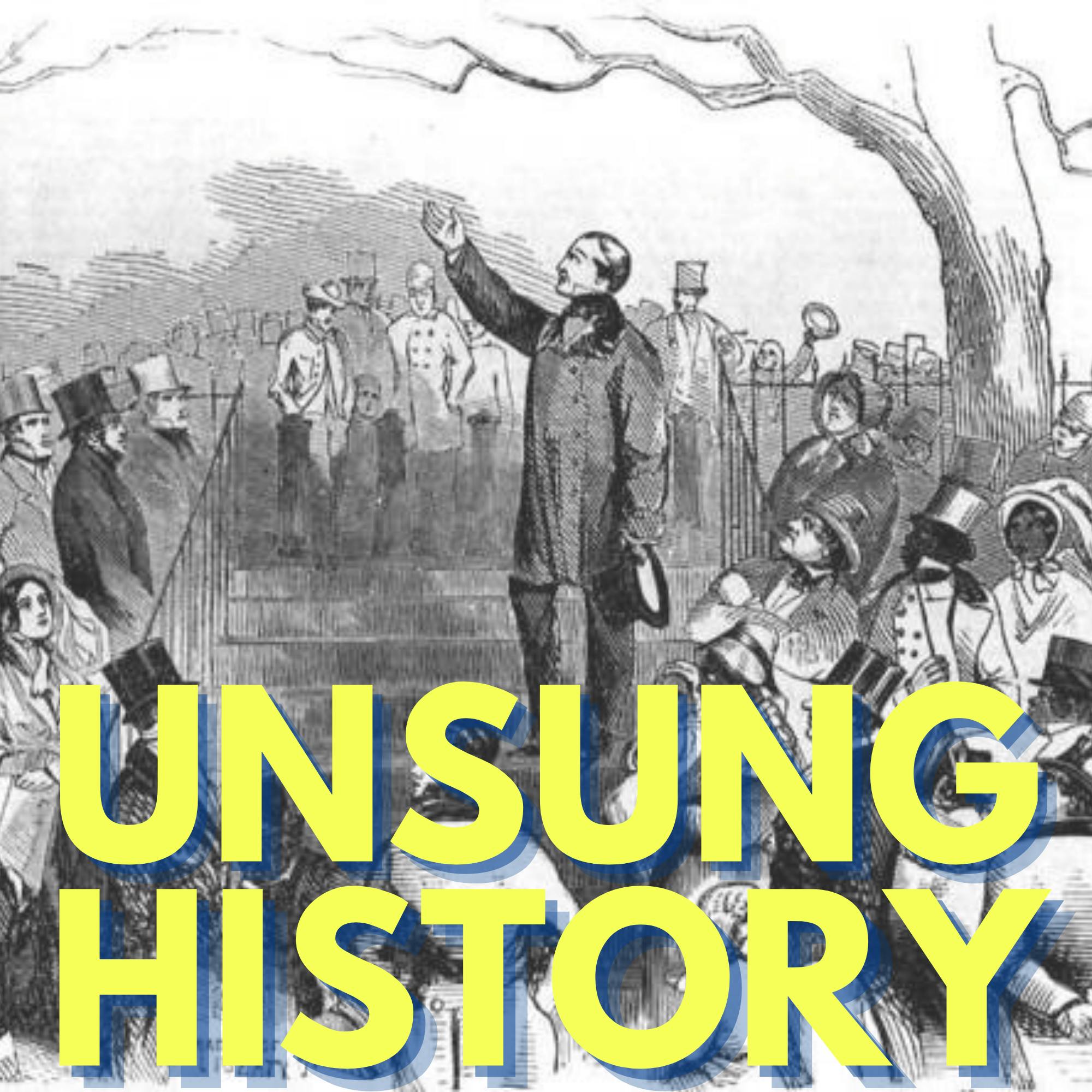
The Abolition Movement of the 1830s
From the founding of the United States, there were people who opposed slavery, but many who grappled with the concept, including slave owner Thomas Jefferson, envisioned a plan of gradual emancipation for the country. In 1817, after the establishment of the American Colonization Society, free Blacks in Philadelphia and elsewhere began to fight for immediate abolition for all enslaved people in the United States. By the 1830s, they were joined in these efforts by white allies. Although not as ...
Guest: J. D. Dickey
44
April 4, 2022
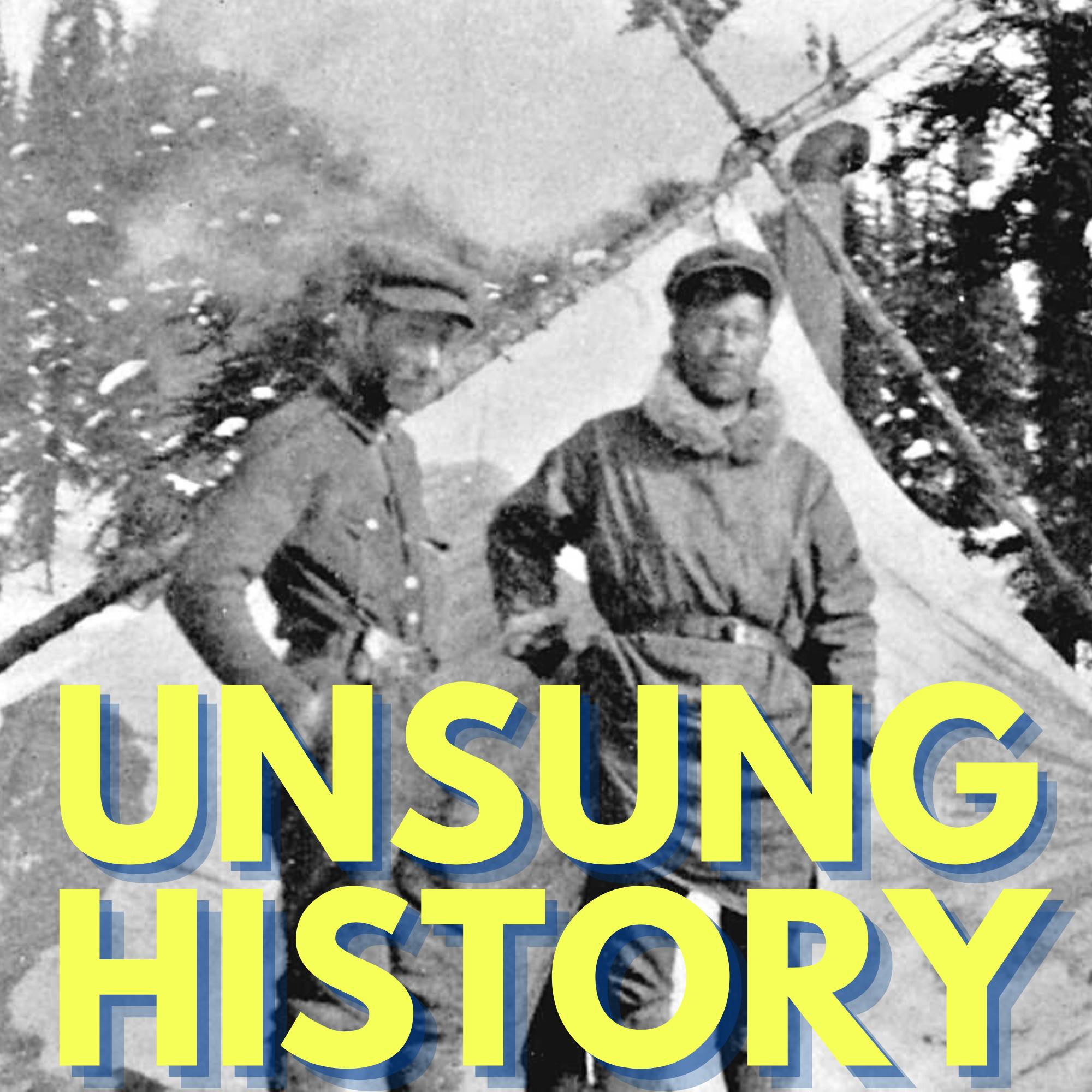
The 1913 Ascent of Denali
In June 1913, a group of four men ascended to the peak of Denali, the first humans known to have reached the highest point in North America. In a time before ultra lightweight and high-tech equipment, Hudson Stuck, Harry Karstens, Robert Tatum, and Walter Harper had to haul heavy loads of food and supplies and books up the mountain with them, battling fire and clearing away earthquake debris along the way. After nearly two months of expedition, they finally stood atop the world. I’m joined in...
Guest: Patrick Dean
43
March 28, 2022
Cordelia Dodson Hood
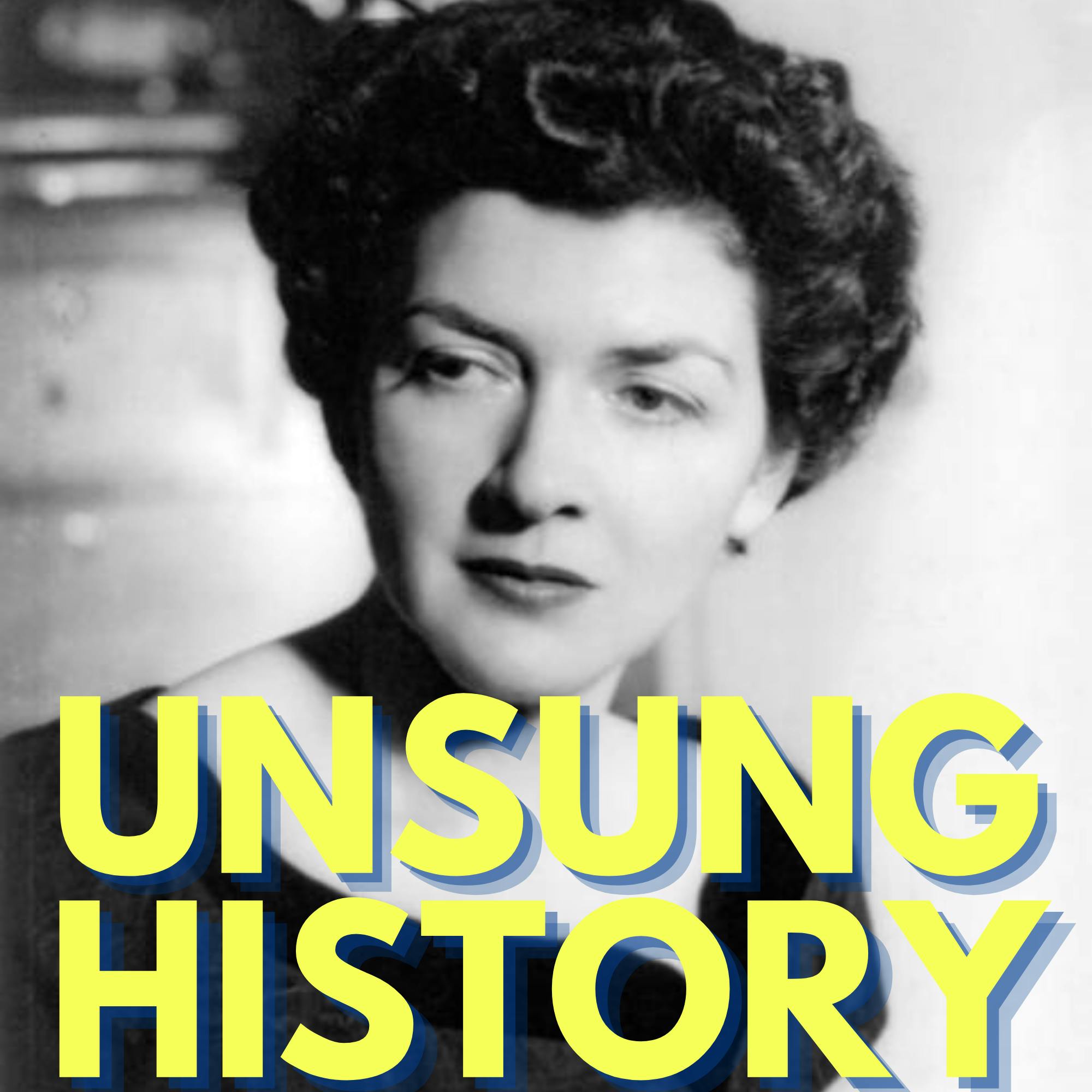
When German troops invaded Austria in 1938, Cordelia Dodson was visiting Vienna, living with her siblings as they studied German, attended the opera, and marched with Austrian students protesting against Hitler. Even with this experience, Cordelia may have settled into academic life in the United States, but when Pearl Harbor was bombed, and the US entered the war, she felt called to serve her country. In a decades-long career in Europe, Cordelia Dodson Hood combined her linguistic skill, her...
Guest: Kathleen C. Stone
42
March 21, 2022
The National Women's Football League
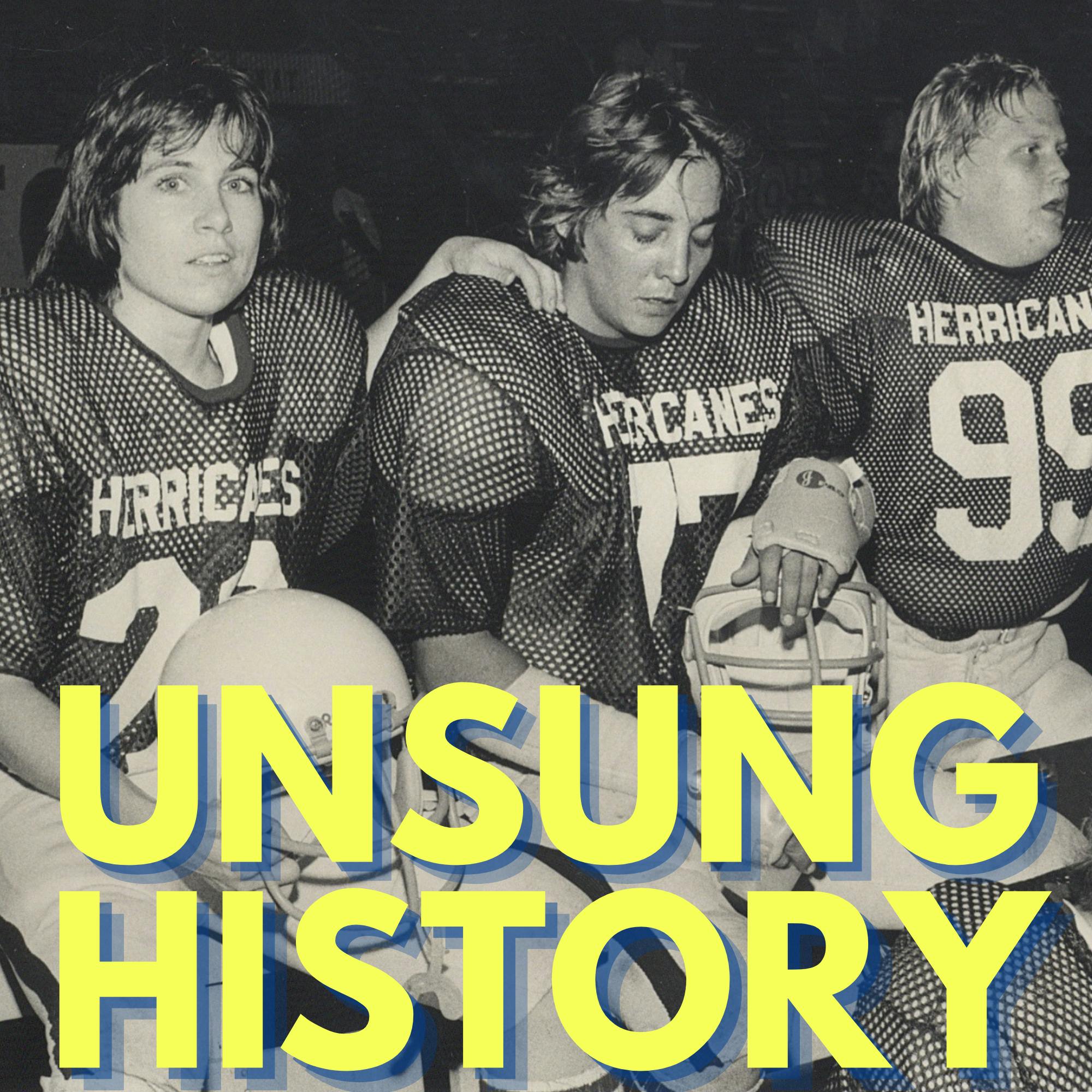
In 1967, a Cleveland talent agent named Sid Friedman decided to capitalize on the popularity of football in the rust belt by launching a women’s football league, which he envisioned as entertainment, complete with mini-skirts and tear-away jerseys. The women he recruited had other ideas, and soon they were playing competitive tackle football, not in skirts but in football uniforms. In 1974, the owners of several teams around the country, some from Friedman’s WPFL and some independent of it, f...
Guests: Frankie de la Cretaz , Lyndsey D'Arcangelo
41
March 14, 2022
Babe Didrikson Zaharias
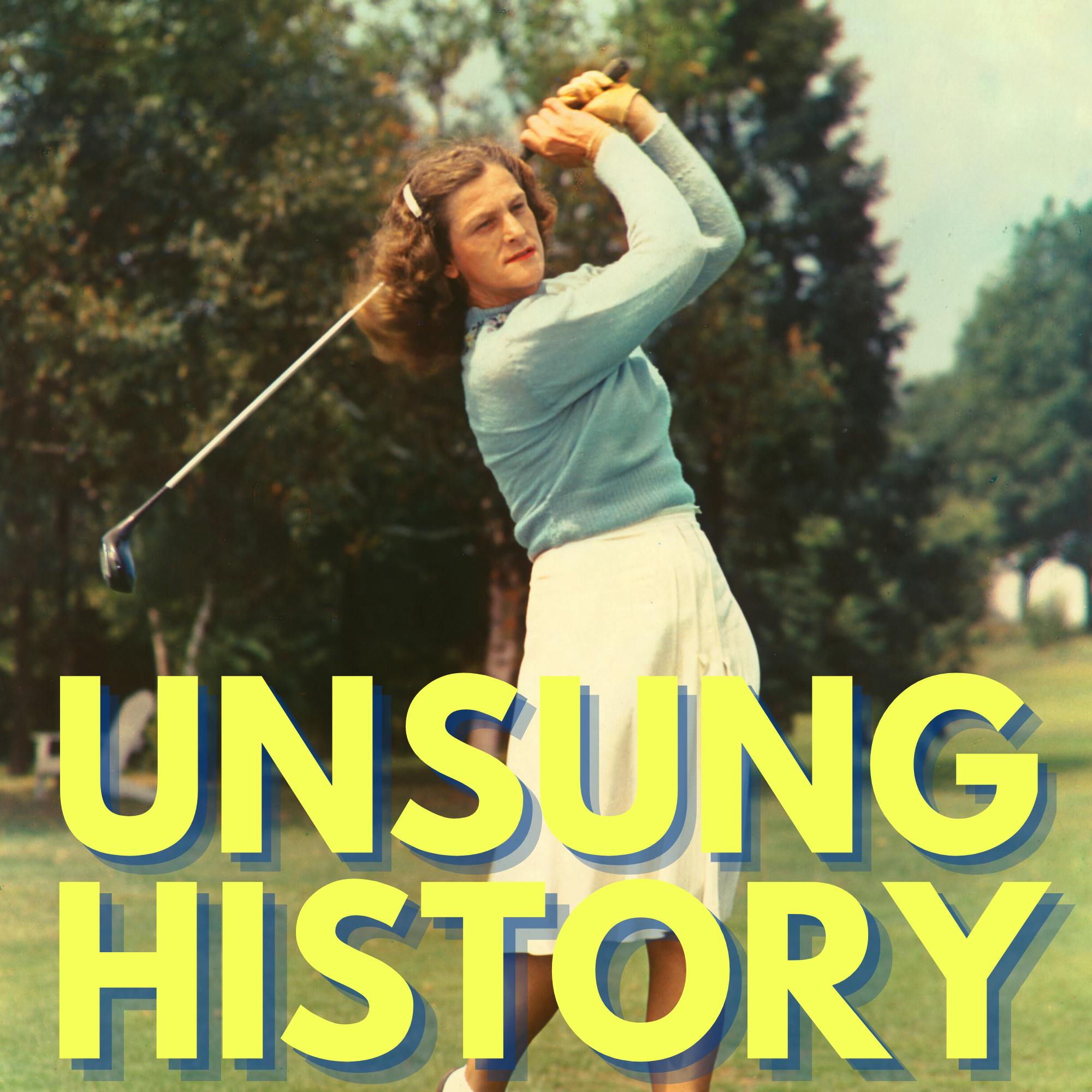
Born in 1911, Mildred Ella Didrikson Zaharias, who went by the nickname “Babe,” was a phenomenal, and confident athlete. Babe won Olympic gold in track and field, was an All American player in basketball, pitched in exhibition games in Major League Baseball, and won 17 straight women’s amateur golf tournaments, before turning pro and co-founding the LPGA.In a society that didn’t welcome women like Babe, she nonetheless forged her own path and won the hearts of fans along the way. I’m joined i...
Guest: Corye Perez Beene

40
March 7, 2022
Yellowstone National Park
One hundred fifty years ago, President Ulysses S. Grant signed an act establishing Yellowstone National Park into law, making it the first national park in the United States, and a cause for celebration in a country still recovering from the devastating Civil War. Not everyone celebrated, though, including Native Americans who had called the land home for thousands of years before white trappers and explorers first experienced the wild majesty of the landscape. To learn more about the men who...
Guest: Megan Kate Nelson
39
Feb. 28, 2022
Freedpeople in Indian Territory
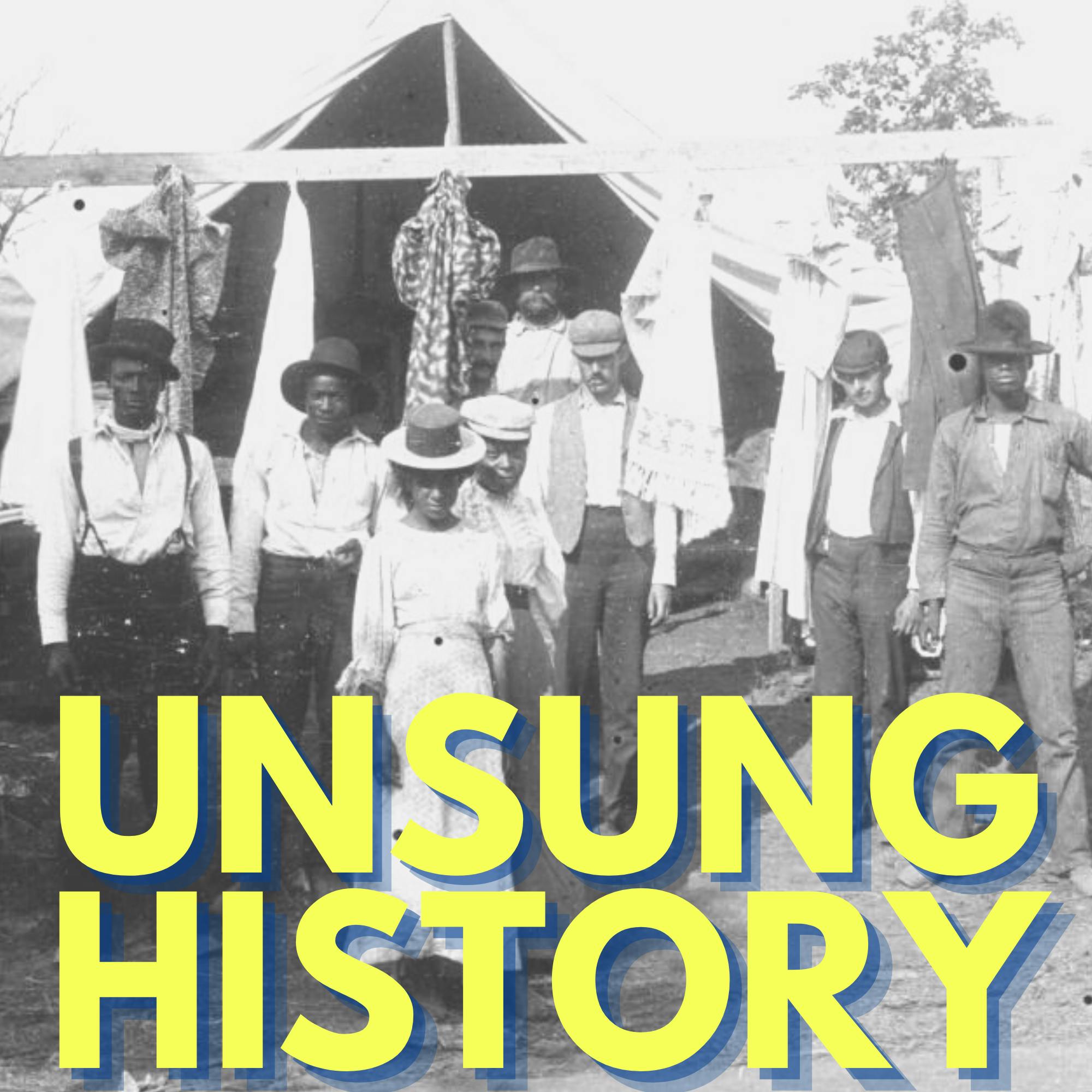
When the Cherokee, Chickasaw, Choctaw, Muskogee (or Creek), and Seminole Nations – known as “The Five Civilized Tribes” by white settlers – were forcibly moved from their lands in the Southeastern United States to Indian Territory (present-day Oklahoma), they brought their possessions with them, including the people of African descent whom they had enslaved. After the Civil War, these slaves were freed and freedpeople were included in the allocation of Native lands undertaken by the Dawes Com...
Guest: Alaina Roberts
38
Feb. 21, 2022
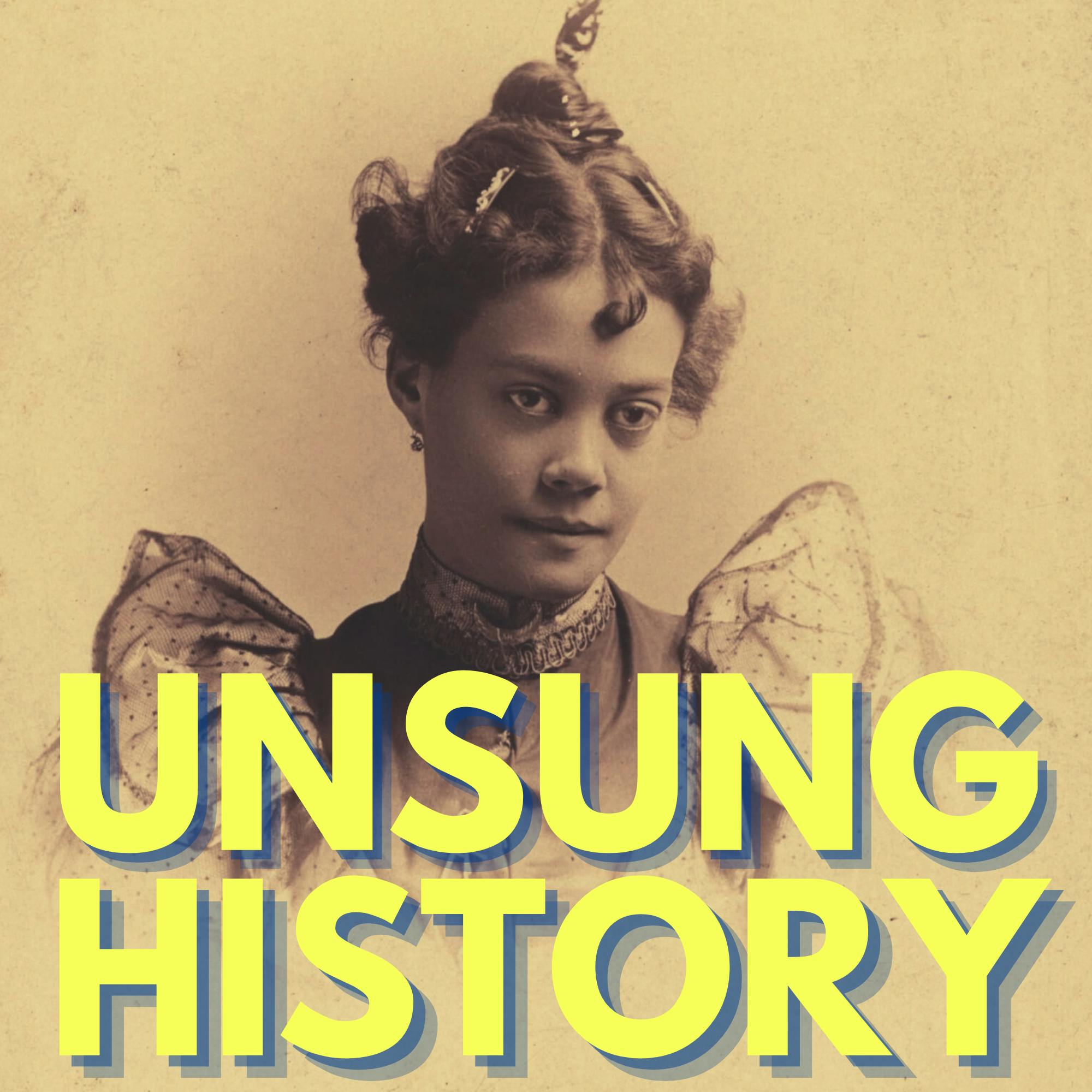
Alice Dunbar-Nelson
Poet, essayist, and activist Alice Dunbar-Nelson is perhaps best known as the widow of poet Paul Laurence Dunbar, but she is a remarkable figure in her own right. Born in New Orleans in 1875 to a mother who had only recently been freed from slavery and an unknown father, Alice graduated from Straight University (later Dillard University), became a teacher, and quickly started her own writing career. Throughout her life, Alice continued to teach and to write and to speak out on issues of women...
Guest: Tara T. Green