
Episodes

13
Aug. 30, 2021
Phrenology & Crime in 19th Century America
In Nineteenth Century America there was a strong reformist push to know and improve the self. One key tactic Americans used to learn more about themselves was phrenological readings. They would pay practical phrenologists, like Orson Squire Fowler and his younger brother, Lorenzo Niles Fowler for readings of their skulls or their children’s skulls. In Lorenzo Fowler’s reading of Emily Sawyer, he concluded a thirteen-page analysis by saying: “Cultivate as much as you can the organs marked smal...
Guest: Courtney Thompson
12
Aug. 23, 2021
Chesapeake Bay Pirates & the 19th Century Oyster Wars
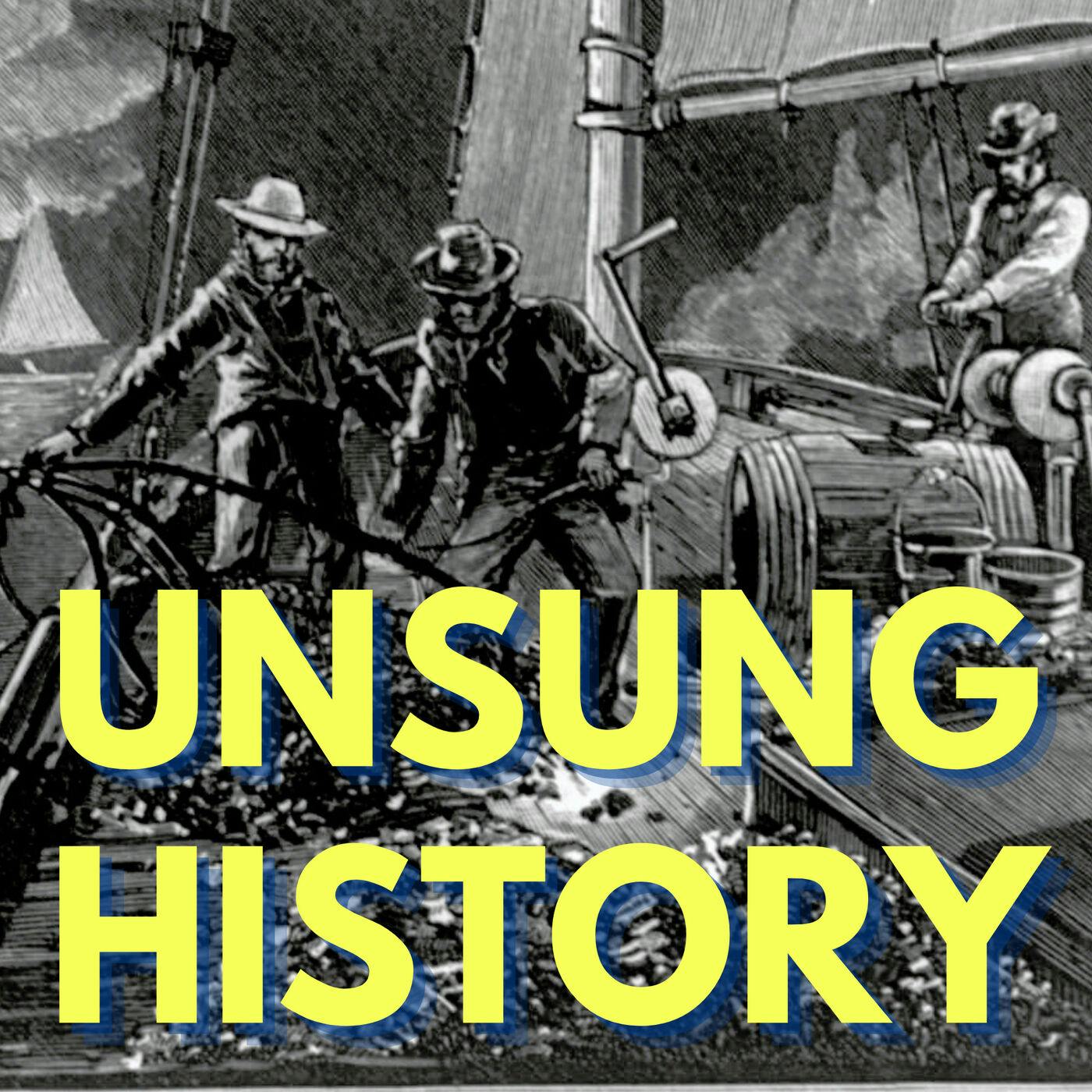
In Chesapeake Bay in the late 19th century, oyster harvesting was a big business. There were so many oyster harvesters harvesting so many oysters that the legislatures of Maryland and Virginia had to start regulating who could harvest oysters and how they could do so. Creating the regulations was the easy part; enforcing them was much harder. The illegal harvesting of oysters by oyster pirates continued, even after the creation of the Maryland State Oyster Police Force in 1868 and a similar forc...
Guest: Jamie L. H. Goodall
11
Aug. 16, 2021
Prohibition in the 1850s
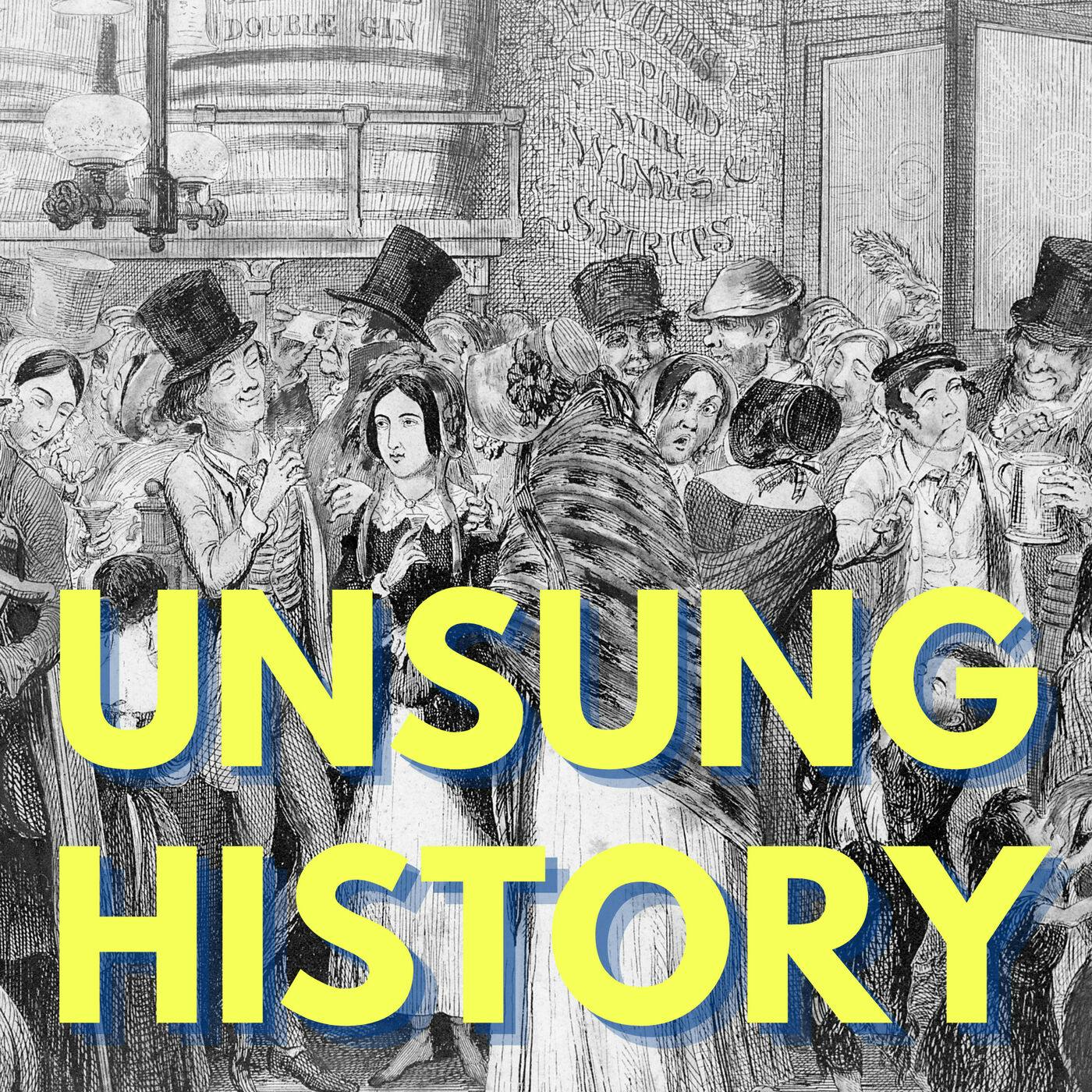
Popular depictions of prohibition in the United States usually show the speakeasies, bootleggers, flappers, and bathtub gin of the Roaring Twenties, but earlier attempts at prohibition stretch back far into the 19th century. In 1851, Maine passed the first statewide prohibition law, and 12 other states quickly followed as temperance societies preached the evils of alcohol. Anti-prohibitionists, especially liquor dealers and hotel owners, decried the “tyranny of the majority” and fought back w...
Guest: Kyle Volk
10
Aug. 9, 2021
The Nativist Riots of Philadelphia in 1844
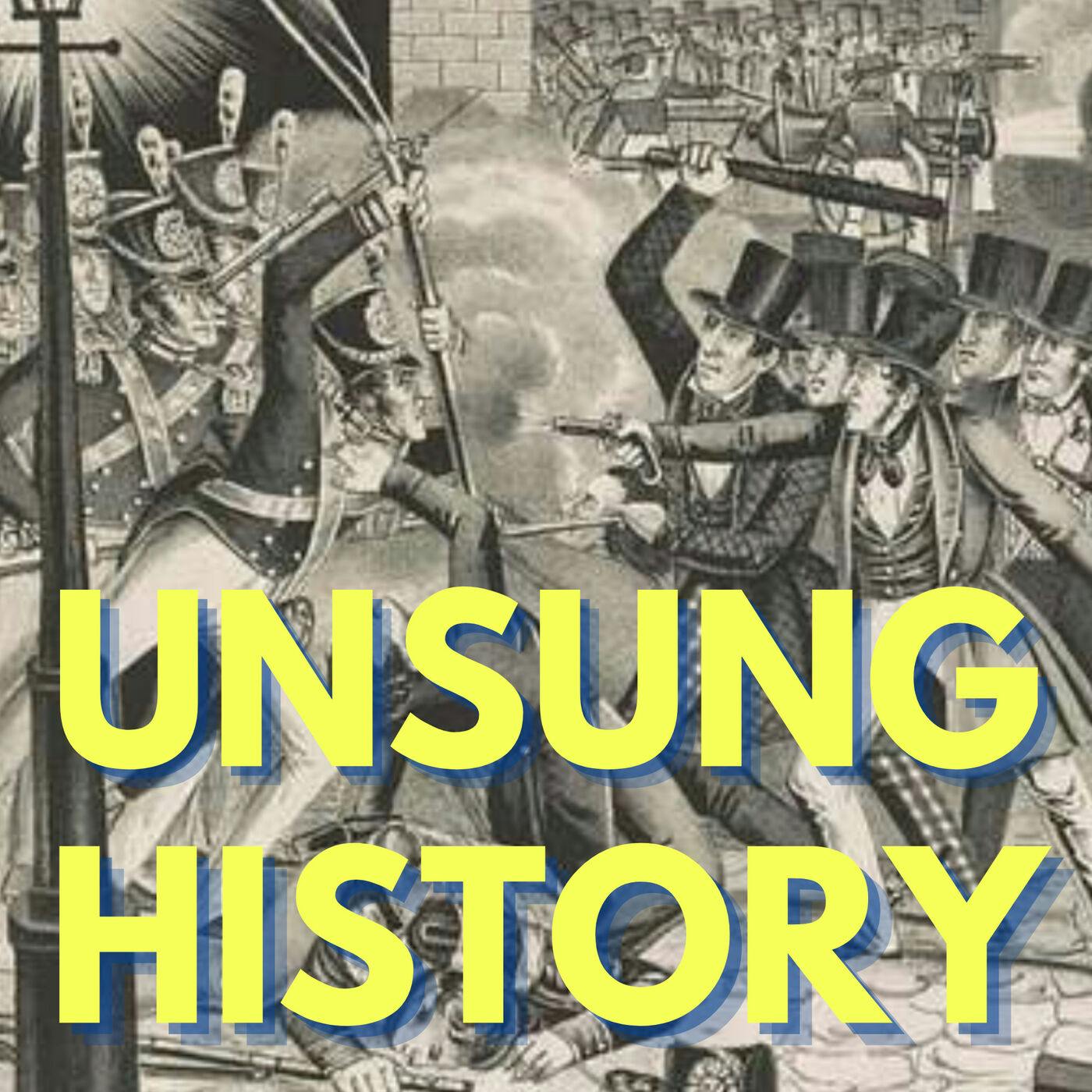
In May of 1844, growing tensions between nativists and Irish Catholic immigrants in Philadelphia erupted into violence in the streets of the Irish Catholic Kensington district, prompted in part by a disagreement over whether the King James Bible should be read in public schools. A citizen posse called by county sheriff Morton McMichael was unable to quell the violence, and the local state militia, under the command of General George Cadwalader stepped in to help, as homes and churches were de...
Guest: Zachary M. Schrag
9
Aug. 2, 2021
Elizabeth Packard
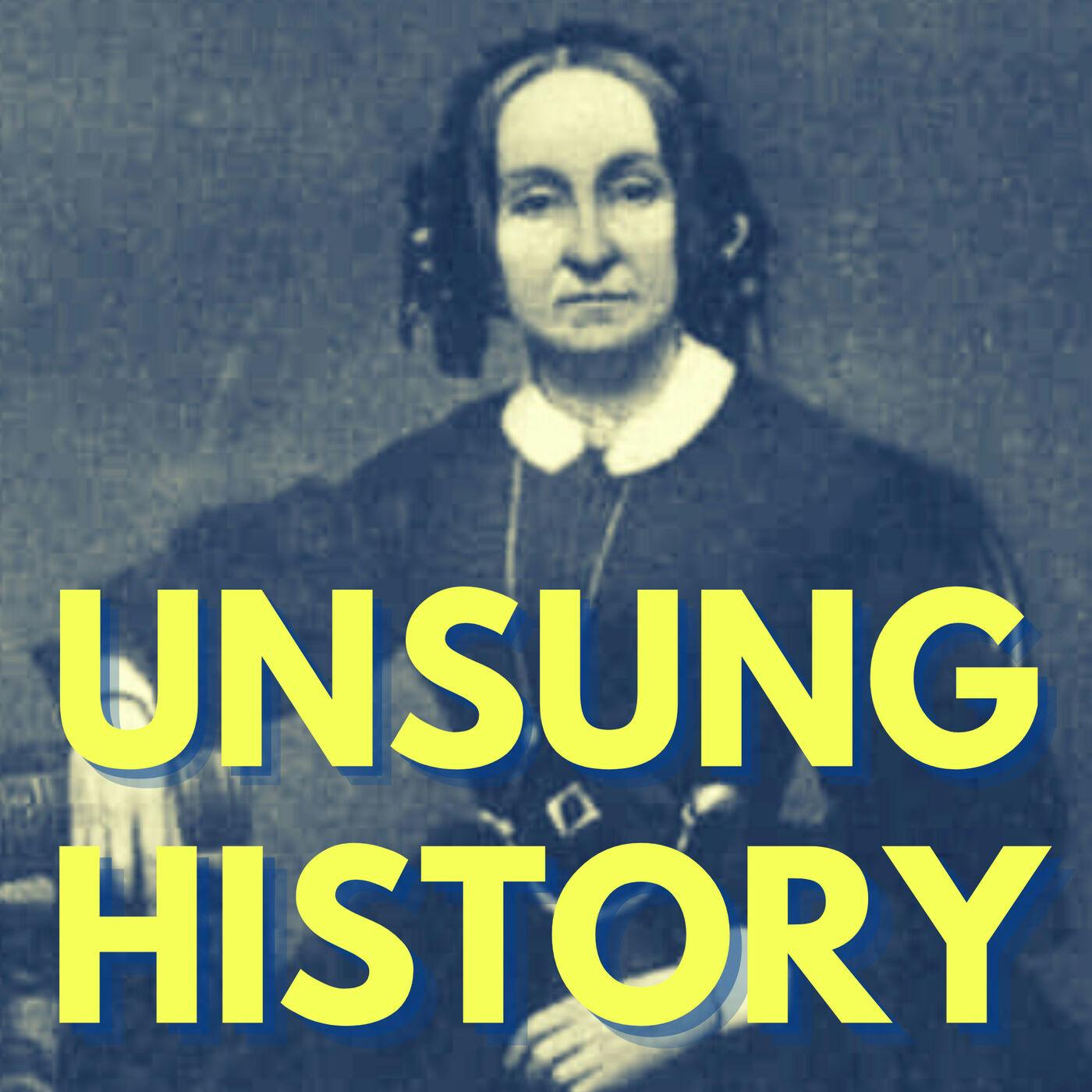
Elizabeth Packard was born in Massachusetts in 1816 into a comfortable home where her parents were able to provide for her education. She taught briefly at a girls’ school before at age 23 agreeing at her parents’ urging to marry 37-year-old Calvinist minister Theophilus Packard. Over the next 20 years Elizabeth was a devoted mother and housewife who grew the family’s vegetables and sewed clothes for their six children. To the outside world, it appeared to be a contented marriage, until Eliza...
Guest: Kate Moore

8
July 26, 2021
Mary Mallon (The Sad & Complicated Story of "Typhoid Mary")
Mary Mallon, known to history as Typhoid Mary, immigrated from Northern Ireland to New York City at age 15, around 1883. She found work as a cook, a well paying job for an immigrant woman and worked for number of different families in the early 20th Century. In March 1907, civil engineer George Soper burst into the kitchen of the home where she was cooking and told her that she was spreading typhoid via her cooking. He demanded samples of her feces, urine, and blood to test. Mallon, who belie...
Guest: Kari Nixon
7
July 19, 2021
The El Centro Hunger Strike of 1985
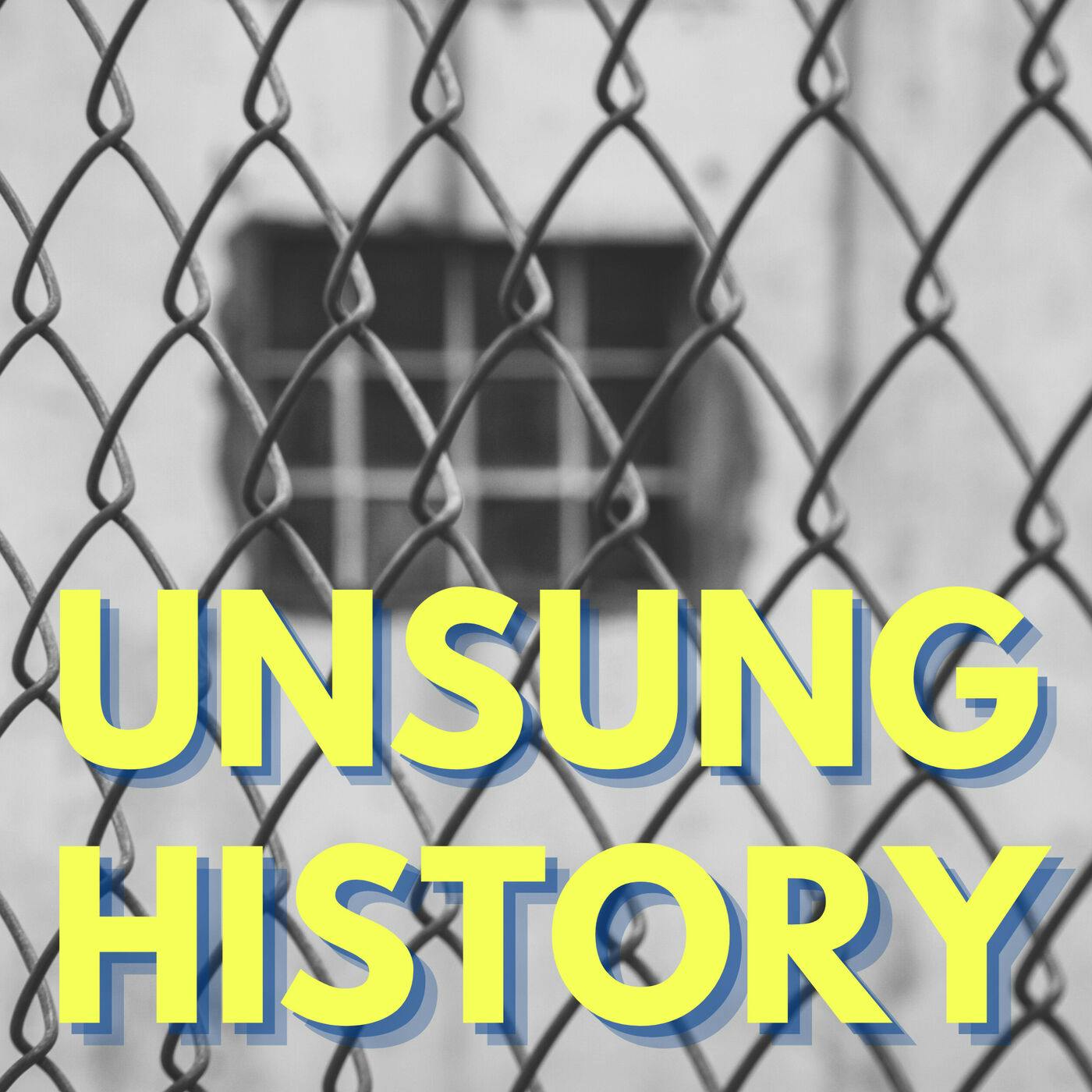
In 1945, United States immigration officials opened the El Centro Immigration Detention Camp in El Centro, California, to be an administrative holding center for unauthorized Mexican migrants, many of whom had been working on local farms and ranches. From the beginning, migrants were often detained for long periods of time while they served as the unpaid labor force of the center. Conditions were poor in the facility in the decades that followed, and in 1985 the incarcerated migrants (by this...
Guest: Jessica Ordaz

6
July 12, 2021
Black Teachers & The Civil Rights Movement in South Carolina
On May 17, 1954, the Supreme Court decided unanimously in Brown v. Board of Education of Topeka Kansas that that racial segregation of children in public schools was unconstitutional. Although the process was slow and contentious, the SCOTUS decisions in Brown and Brown II required that desegregation must occur "with all deliberate speed" to provide Black students with the equal protection under the law required by the 14th Amendment. Black teachers had no protections or guarantees under the ...
Guest: Candace Cunningham

5
July 5, 2021
Homosexuality and the Left Before 1960
Political activism of queer people in the United States started long before the Stonewall riots in 1969. One surprising place that queer people found a home for their activism was in the Communist Party. The Communist Party of the United States was established in 1919, and from the 1920s to the 1940s the Party was influential in American politics, at the forefront of labor organizing and opposition to racism. It was the first political party in the US to be racially integrated. Some queer folks ...
Guest: Aaron Lecklider
4
June 28, 2021
Sophonisba Breckinridge
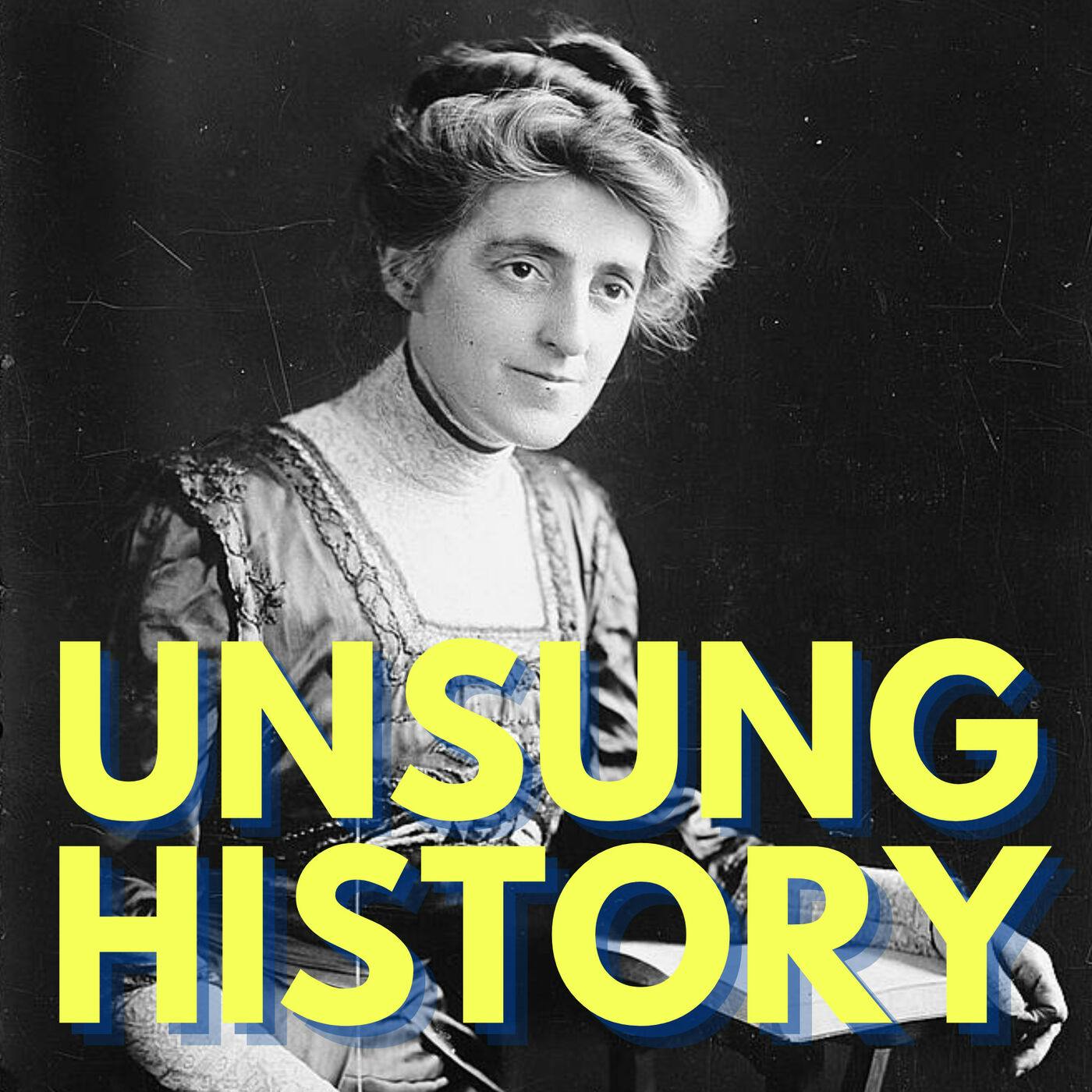
Sophonisba “Nisba” Preston Breckinridge, born April 1, 1866, was a woman of firsts. Breckinridge was the first woman admitted to the Kentucky bar to practice law in 1895; the first woman to earn a PhD in Political Science at the University of Chicago in 1901; the first woman to earn a JD at the University of Chicago Law School in 1904; the first woman professor granted a named professorship at the University of Chicago in 1929; and the first woman to serve as U.S. representative to a high-level ...
Guest: Anya Jabour

3
June 21, 2021
Susie King Taylor
Susie King Taylor was born into slavery in Georgia in 1848. With the help of family members, she was educated and escaped, joining the Union army at the age of 14, to serve ostensibly as a laundress, but in reality as a nurse, teacher, and even musket preparer. In 1902, Taylor published Reminiscences of My Life in Camp with the 33d United States Colored Troops, an autobiography that covers not just her experiences during the Civil War, but also her childhood and her later years. Taylor includes ...
Guest: Ben Railton
2
June 14, 2021
The Jackson State Shootings in May 1970
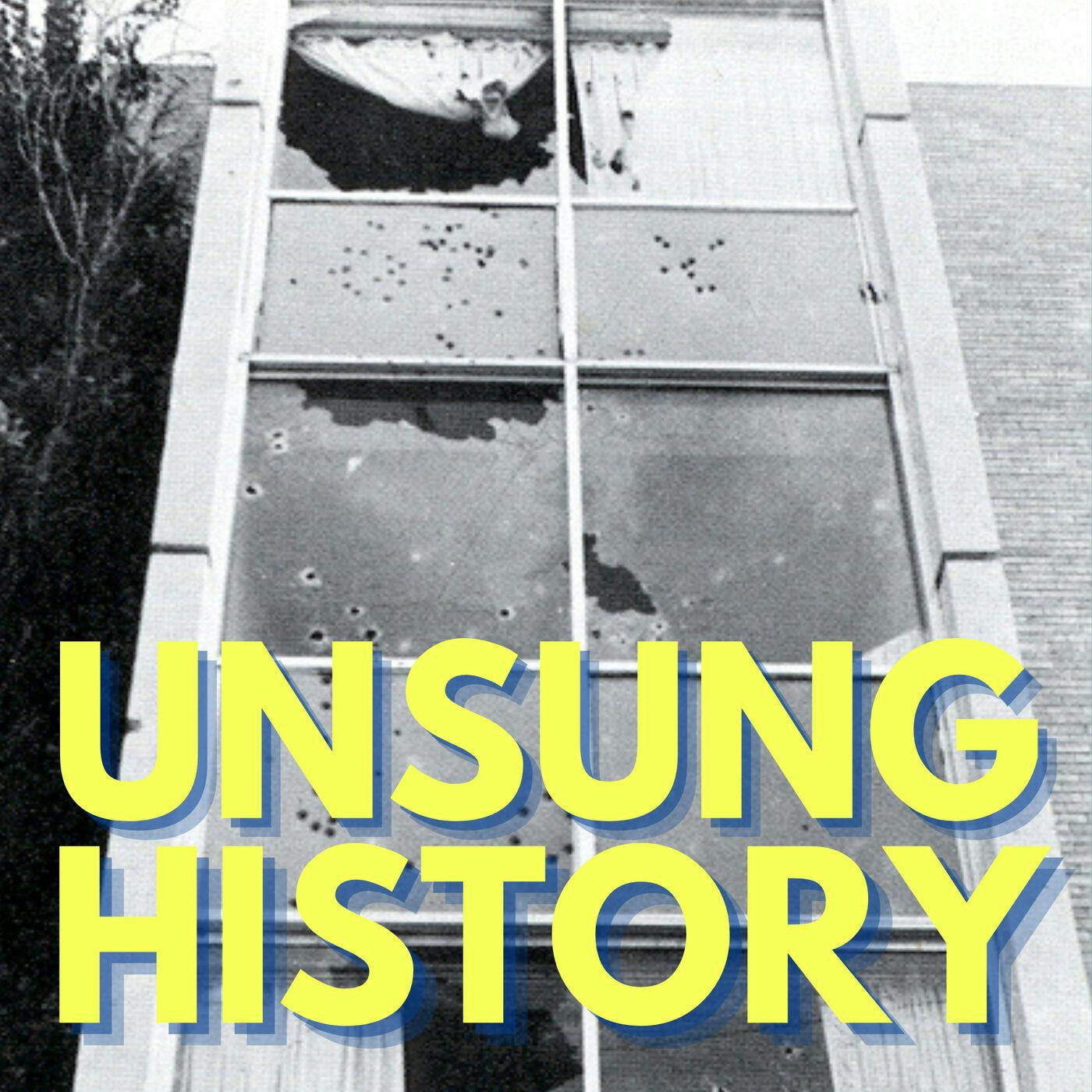
Just after midnight on May 15, 1970, officers opened fire on a group of unarmed students milling in front of a dorm on the campus of Jackson State College in Jackson, Mississippi, killing two and wounding twelve. Although the shootings took place just a week and a half after the shootings at Kent State University, the Jackson State shootings never got the attention of those at Kent State, and when they did they were often described as a second Kent State, erasing the context of white supremacy a...
Guest: Nancy K. Bristow
1
June 7, 2021
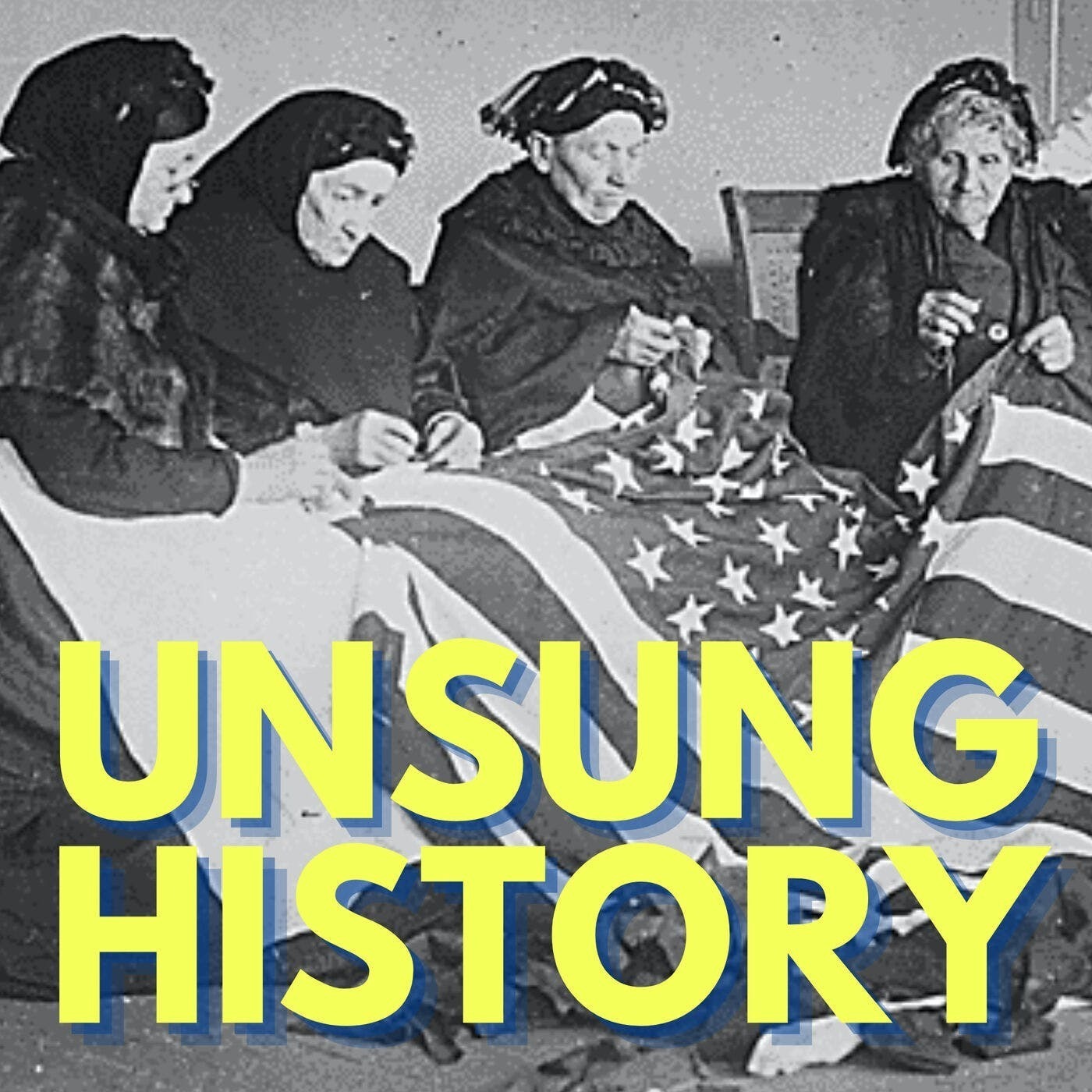
Knitting Brigades of World War I
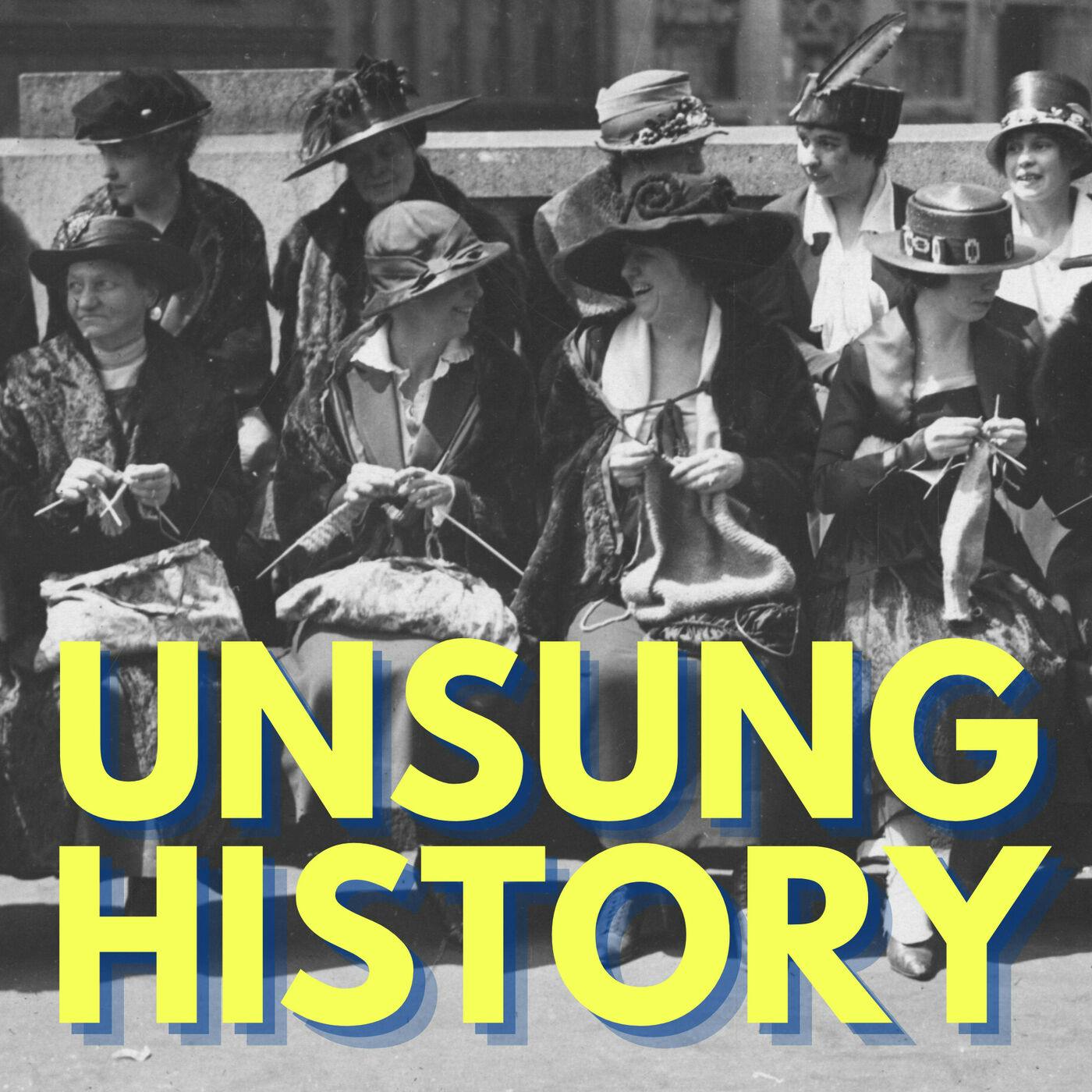
Between America’s entry into World War I and the end of the war less than two years later, Americans knit 23 million articles of clothing and bandages for soldiers overseas, directed by the American Red Cross. How was this knitting organized? Who did the knitting? And why don’t more people know about this impressive feat? Kelly digs into the story of World War I knitting efforts and interviews Holly Korda, author of The Knitting Brigades of World War I: Volunteers for Victory in America and Abro...
Guest: Holly Korda
June 3, 2021
Introducing Unsung History
A podcast about the people and events in American history you may not know much about. Yet. With host Kelly Therese Pollock. In each episode of Unsung History I’ll start us out with a short narrative answering the Who, What, When, and Where to introduce you to the topic, and then I’ll talk to someone who can help us learn the Why and How: a historian or other academic, a journalist or researcher, or someone who was there when history as history unfolded. Support the show (https://www.buymeac...