
Episodes
37
Feb. 14, 2022
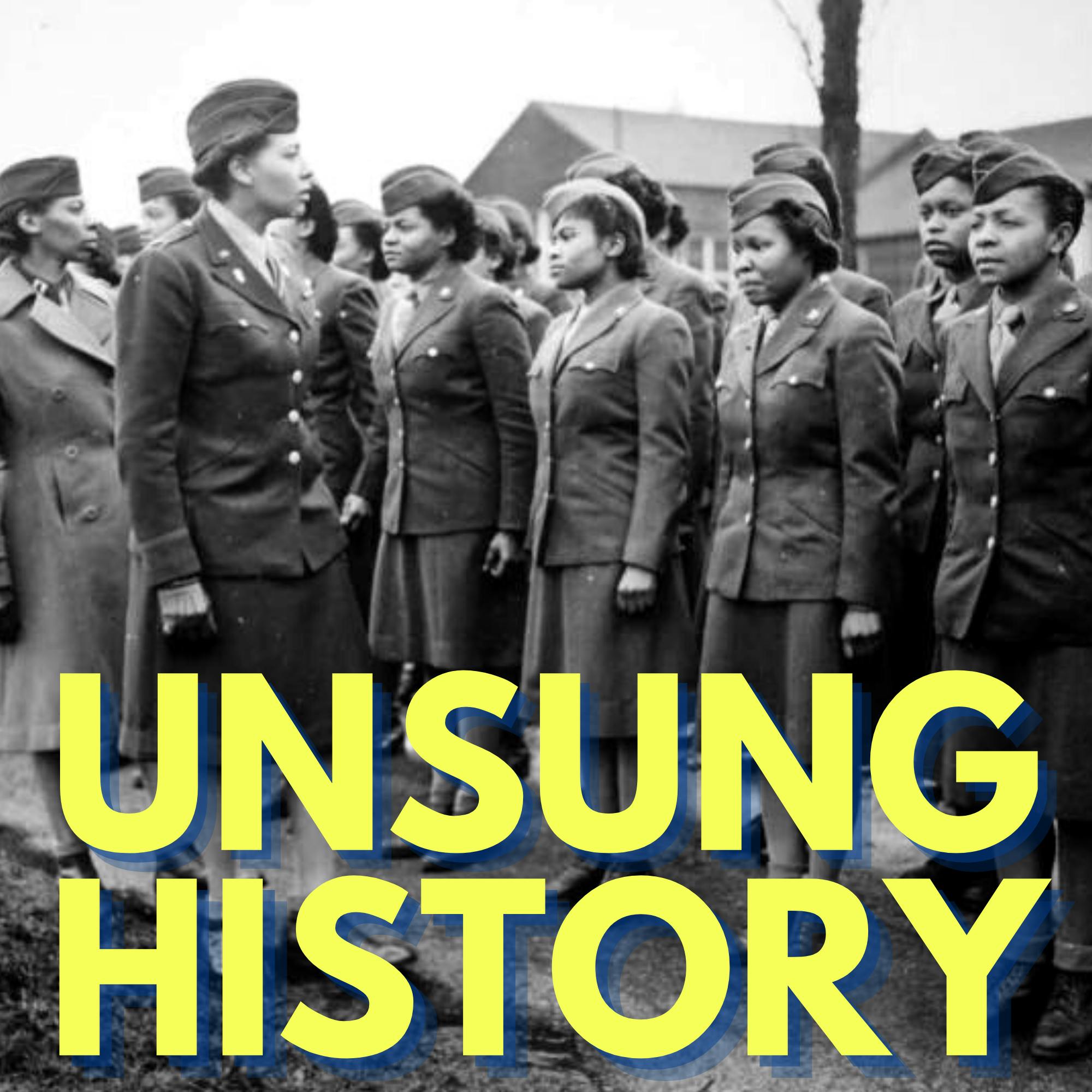
The 6888th Central Postal Directory Battalion
On February 14, 1945, after crossing the Atlantic Ocean and surviving a run-in with a Nazi U-Boat, the women of the 6888th Central Postal Directory Battalion disembarked the Île-de-France in Glasgow, Scotland. The task awaiting the only all-Black, all-female battalion overseas during World War II was daunting. There were airplane hangars filled with a backlog of millions of pieces of mail sitting in Birmingham, England, addressed from friends and family to service members stationed across Eur...
Guest: Kaia Alderson
36
Feb. 7, 2022
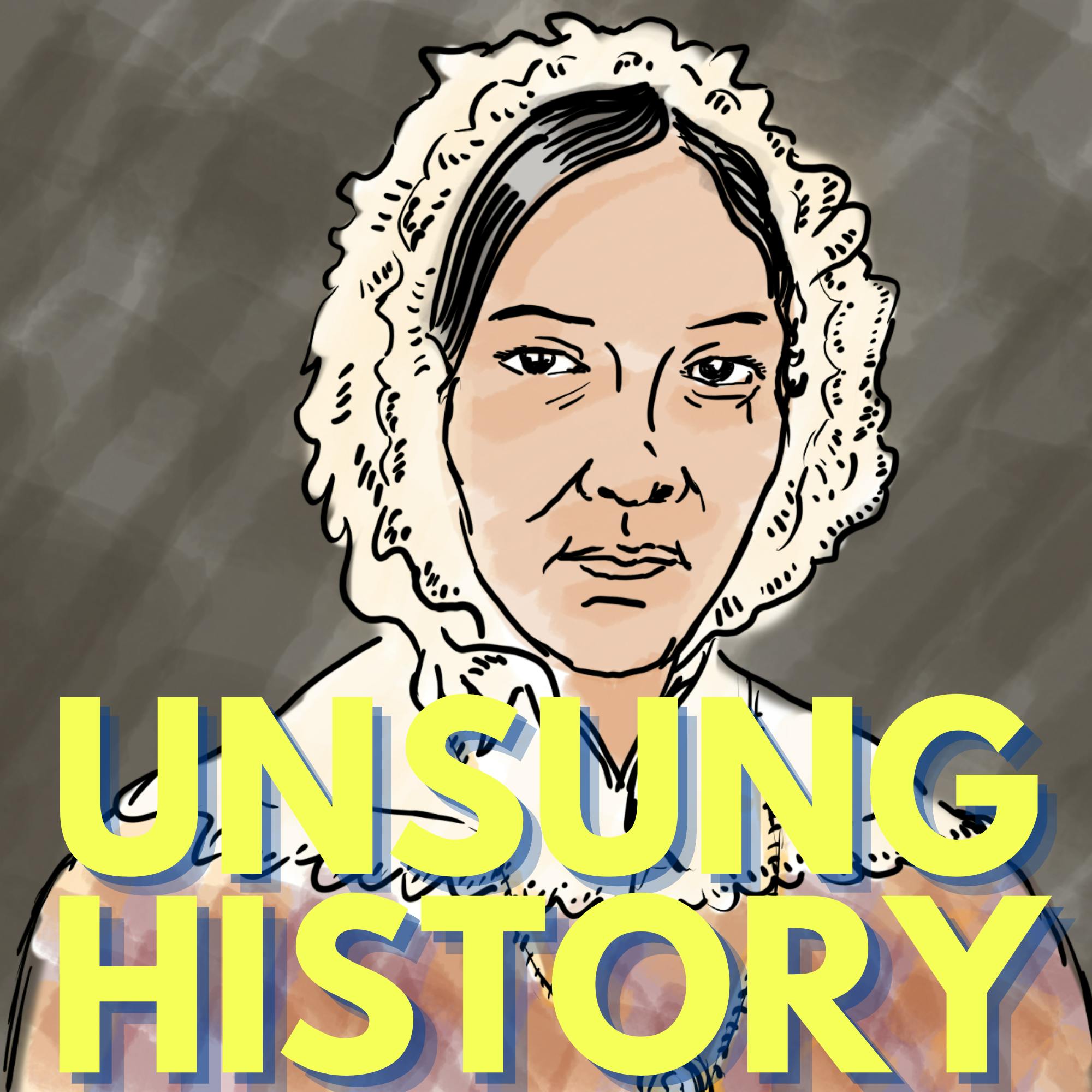
Julia Chinn
Julia Chinn was born into slavery in Kentucky at the tail end of the 18th Century. Despite laws against interracial marriage, Richard Mentor Johnson, the ninth Vice President of the United States, called Julia Chinn his wife, and he recognized their daughters together as his. Johnson left Julia in charge of his Blue Spring Farm when he was away in DC for months at a time, and Julia ran the household and plantation, managed the business affairs, and worked as both manager and nurse at the Chockta...
Guest: Amrita Chakrabarti Myers
35
Jan. 31, 2022
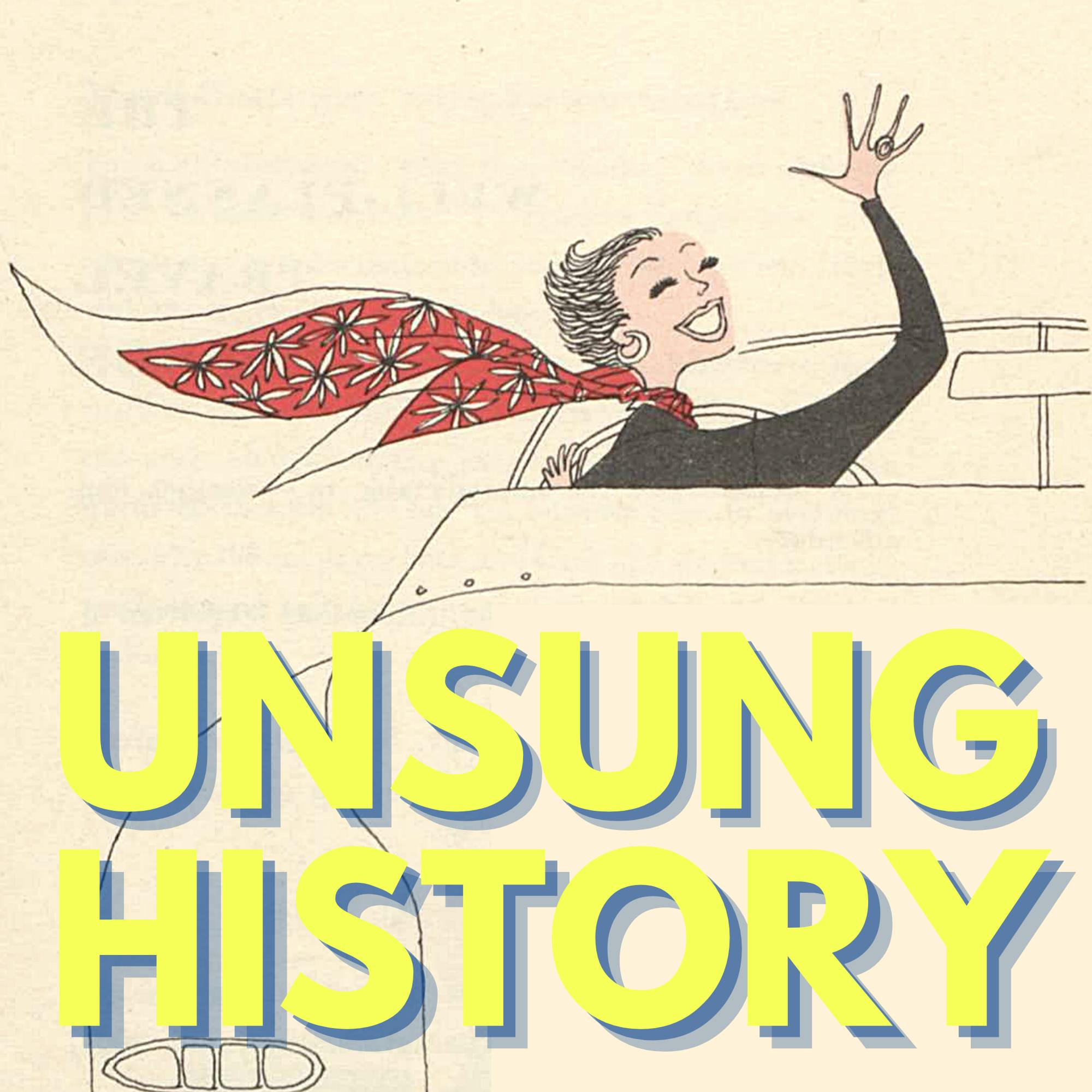
Who was Carol Lane?
In fall 1947 the Shell Oil Company hired a Women’s Travel Director named Carol Lane, who served in the role until she retired in 1974. Lane’s job was to encourage women to travel, showing them the joys of touring the country by car. Lane herself traveled around the United States and Canada, speaking to women’s clubs and on radio and TV, giving travel tips and packing demonstrations. Eventually, she even awarded women who developed local travel safety programs with the Carol Lane Award. So who...
Guest: Melissa Dollman
34
Jan. 24, 2022
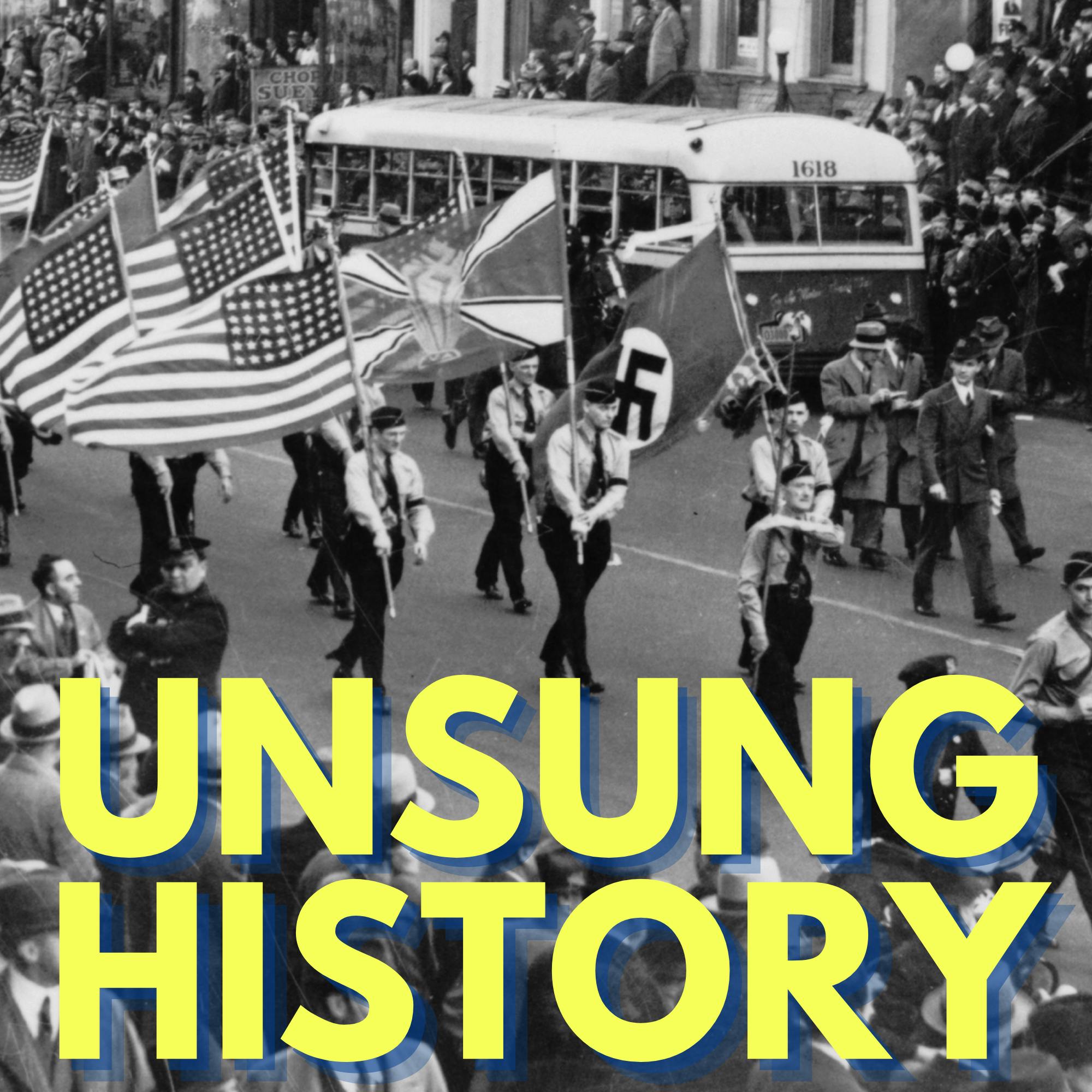
The Amerikadeutscher Volksbund & the Newark Minutemen in the 1930s
The rise of Nazism before World War II wasn’t limited to Germany. The German-Americna Bund (Amerikadeutscher Volksbund) formed in Buffalo, New York, in 1936, to promote a favorable view of Nazi Germany. It quickly grew to 70 local groups around the country, with 20 training camps where kids aged 8-18 practiced military drills and wore Nazi-style uniforms. By 1939, 20,000 people attended the Bund’s Pro American Rally in Madison Square Garden. When Prohibition ended in 1933, Jewish American gan...
Guest: Leslie K. Barry
33
Jan. 17, 2022
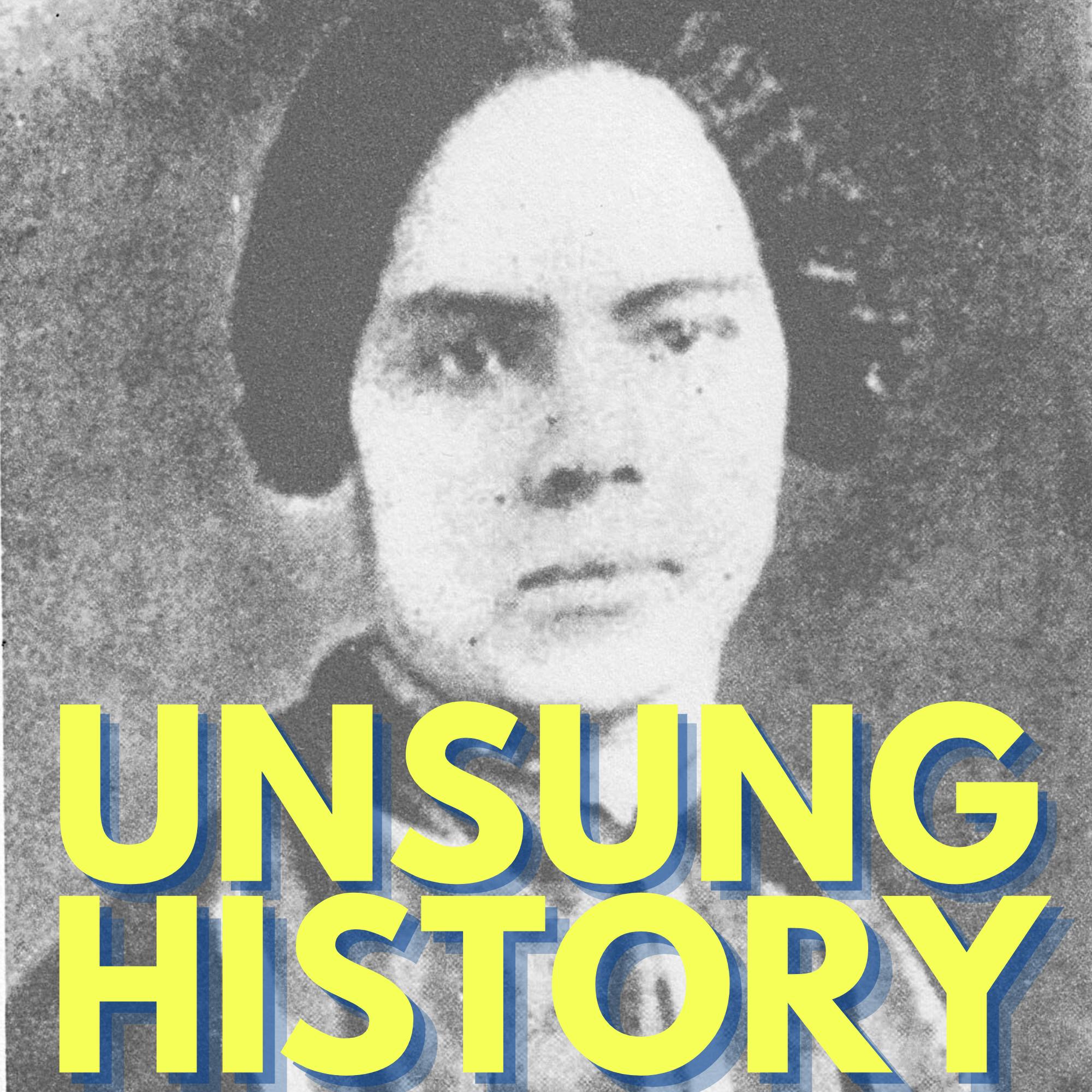
Mary Ann Shadd Cary
Mary Ann Shadd Cary, born in Delaware in 1823, was a teacher, a writer, an abolitionist, a suffragist, and a lawyer, and is considered to be the first Black woman to publish and edit a newspaper in North America, The Provincial Freeman. When abolitionist Frederick Douglass asked readers of his newspaper in 1848 for suggestions on how to improve life for African Americans, Shadd Cary answered: “We should do more and talk less,” and she spent her life following that motto in both the United States...
Guests: Kristin Moriah , Jane Rhodes
32
Jan. 10, 2022
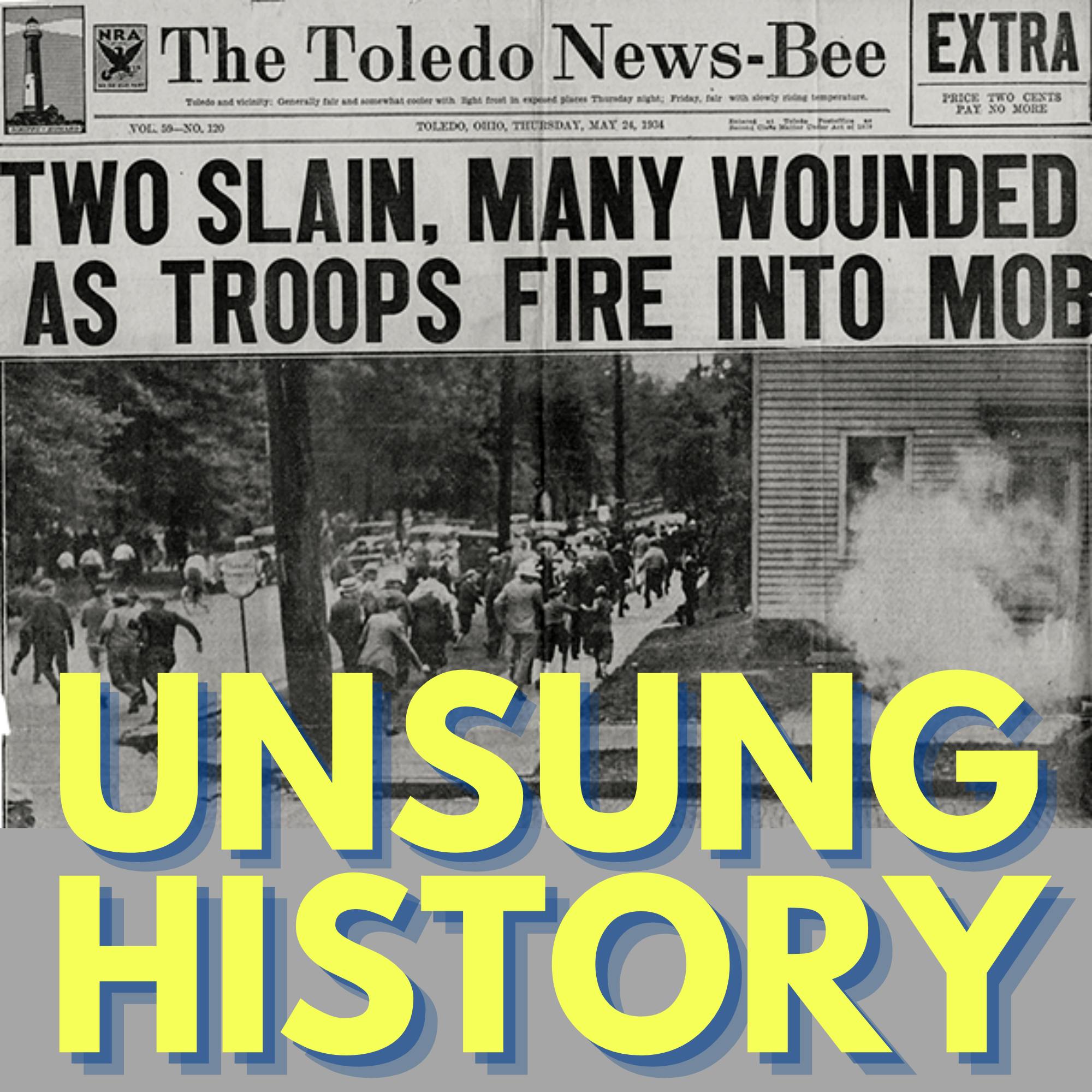
The 1934 Toledo Auto-Lite Strike
In February, 1934, in the midst of the Great Depression, a small group of unionized workers at the Electric Auto-Lite company of Toledo, Ohio, went on strike. When management failed to sign a promised contract by the April 1 deadline, more workers went on strike. And this time they had help from the Unemployed League. What started as a small walkout turned into a massive demonstration by 10,000 strikers, and a battle with the Ohio National Guard, and is now regarded as one of the most important ...
Guest: Bradley J. Sommer
31
Jan. 3, 2022
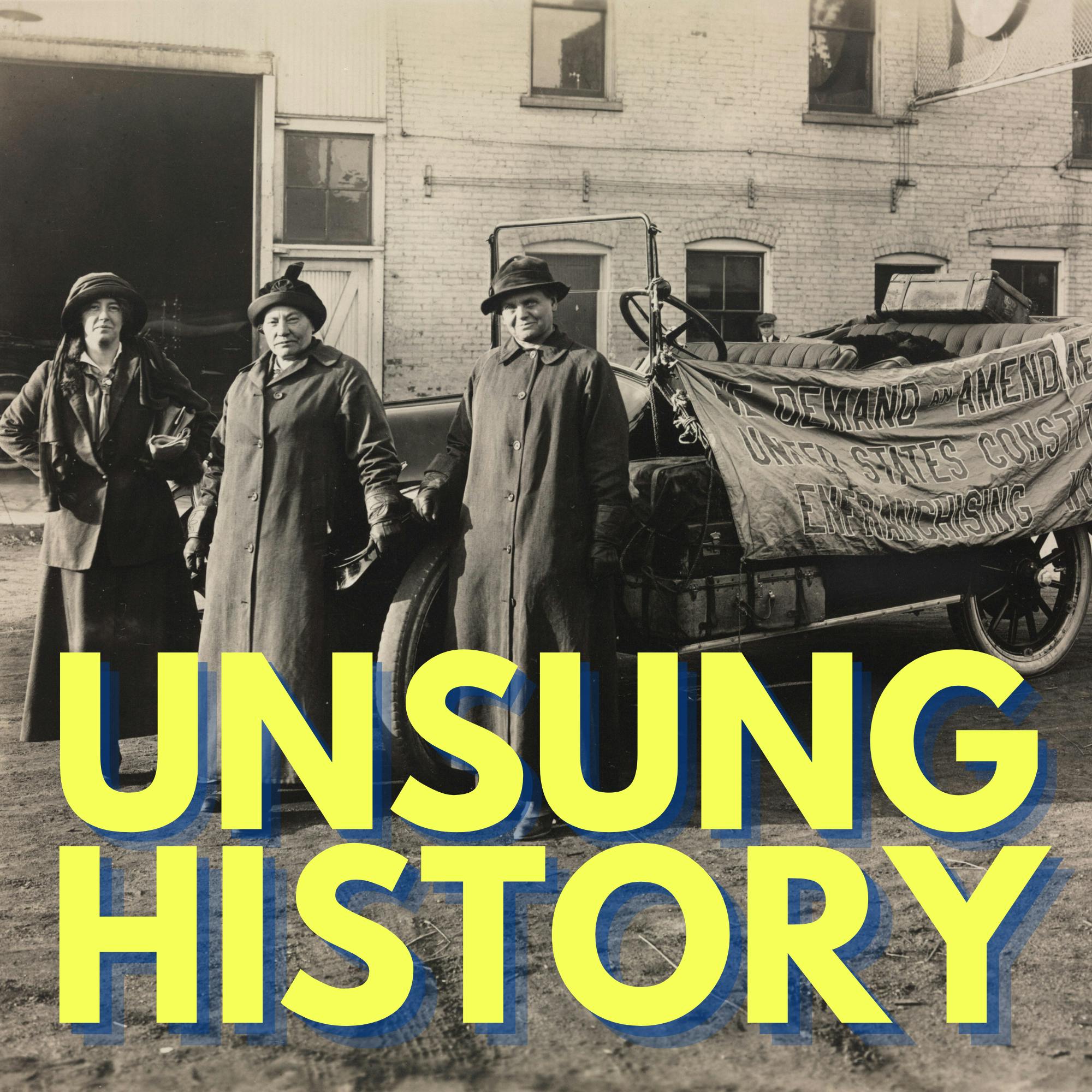
The Suffrage Road Trip of 1915
In September 1915, four suffragists set off from the Panama–Pacific International Exposition in San Francisco, California, in a brand-new Overland 6 convertible to make the 3,000-mile drive across the country to deliver a petition for women’s suffrage to President Woodrow Wilson on the opening day of Congress in December. Along the way they faced illness, terrible driving conditions, and opposition to women’s suffrage. Joining me to help us learn more about the road trip, and especially the u...
Guest: Anne Gass
30
Dec. 27, 2021
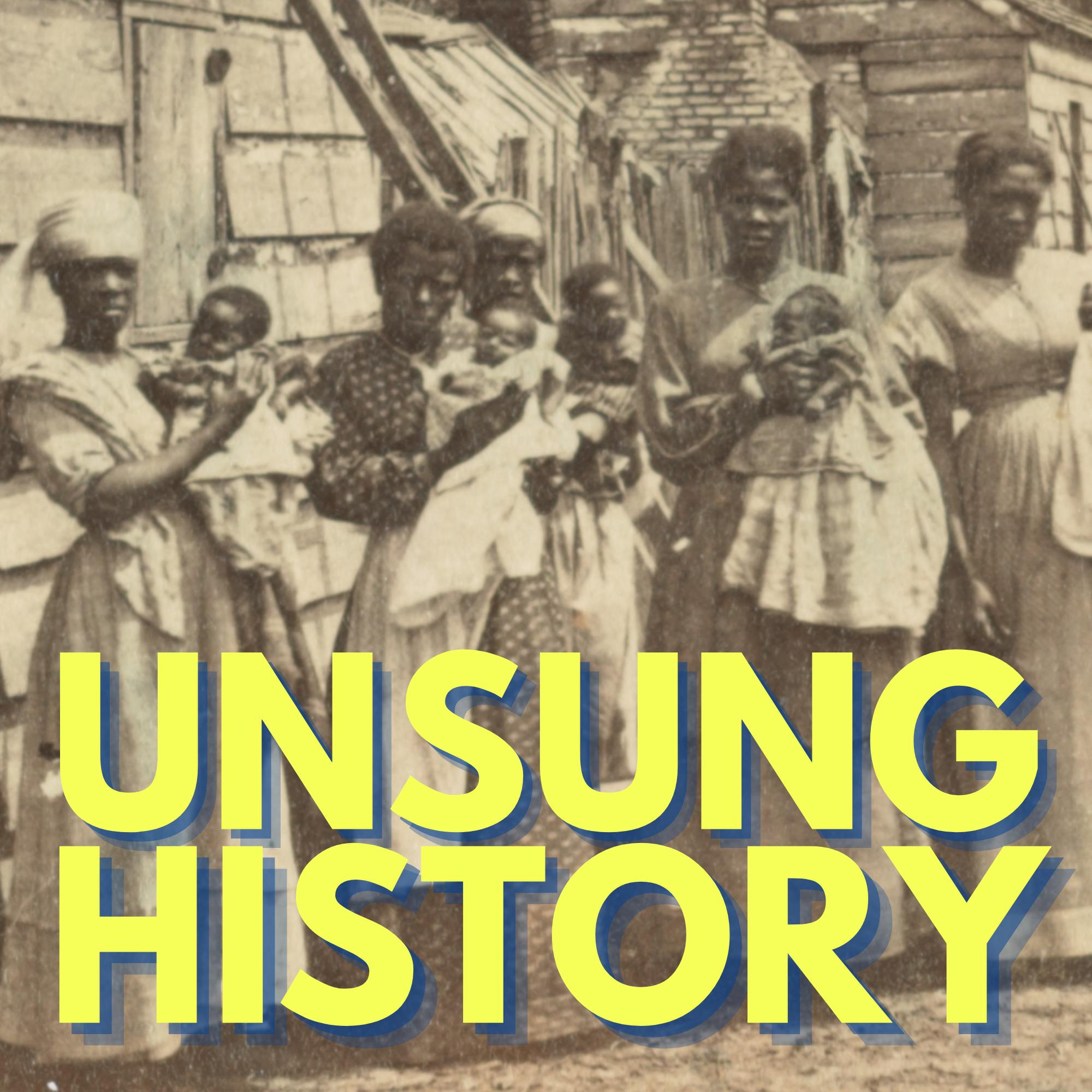
Women-Led Slave Revolts
Enslaved Africans in what is now New York State and in the Middle Passage resisted their enslavement, despite the risk of doing so. In the previously accepted history of these slave revolts, the assumption was that men led the resistance, but Dr. Rebecca Hall dug deeper into the records and read against the grain to find the women warriors who fought for their freedom. Joining me to help us learn more is Dr. Rebecca Hall, a scholar, activist and educator, who writes and speaks on the history ...
Guest: Rebecca Hall
29
Dec. 20, 2021
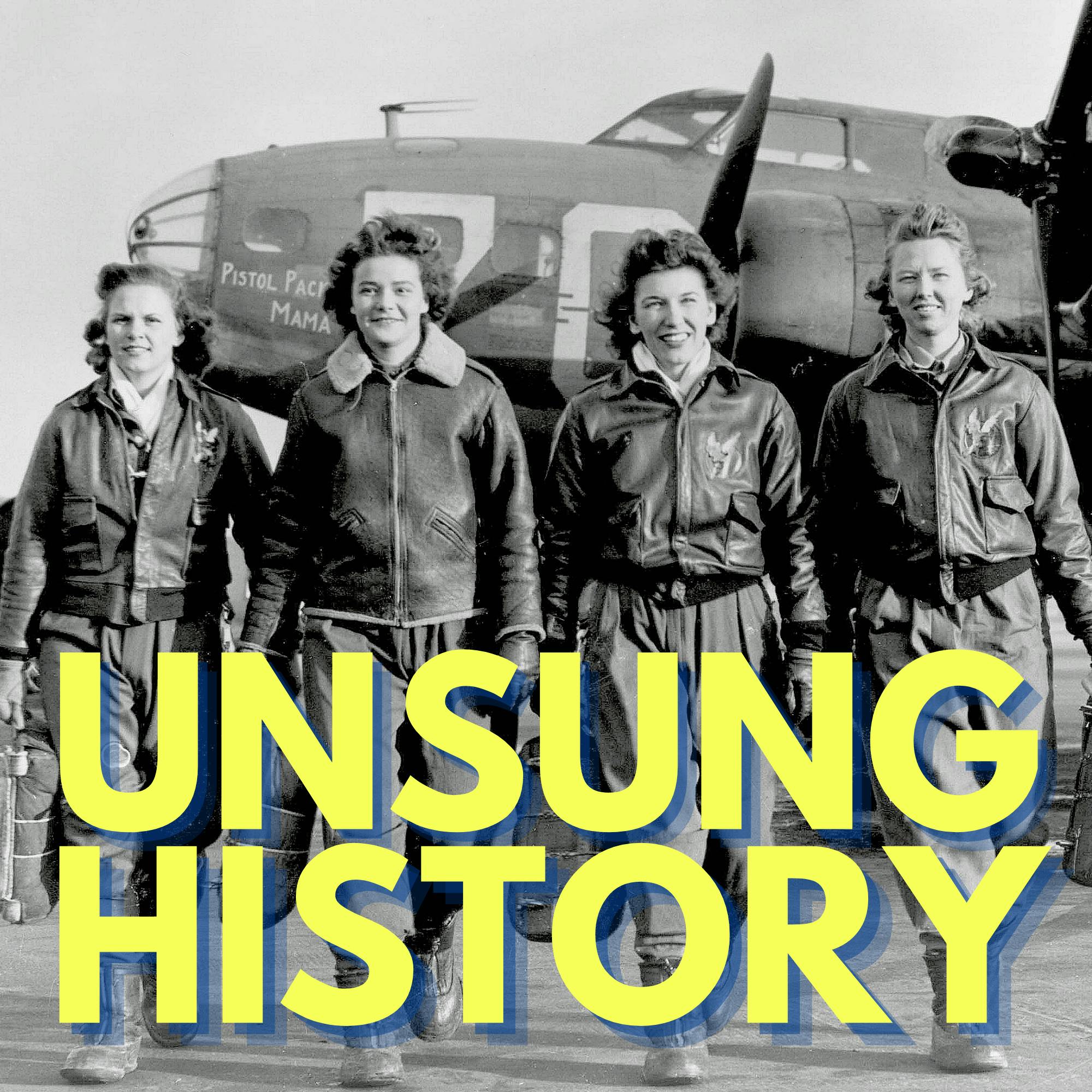
The Women Airforce Service Pilots of World War II
From September 1942 to December 1944, over 1000 American women served in the war effort as Women Airforce Service Pilots (WASP), flying 80% of all ferrying missions and delivering 12,652 aircraft of 78 types. They also transported cargo, test flew planes, demoed aircraft that the male pilots were scared to fly, simulated missions, and towed targets for live anti-aircraft artillery practice. The WASP did not fly in combat missions, but their work was dangerous, and 38 were killed in accidents. Ev...
Guest: Katherine Sharp Landdeck
28
Dec. 13, 2021
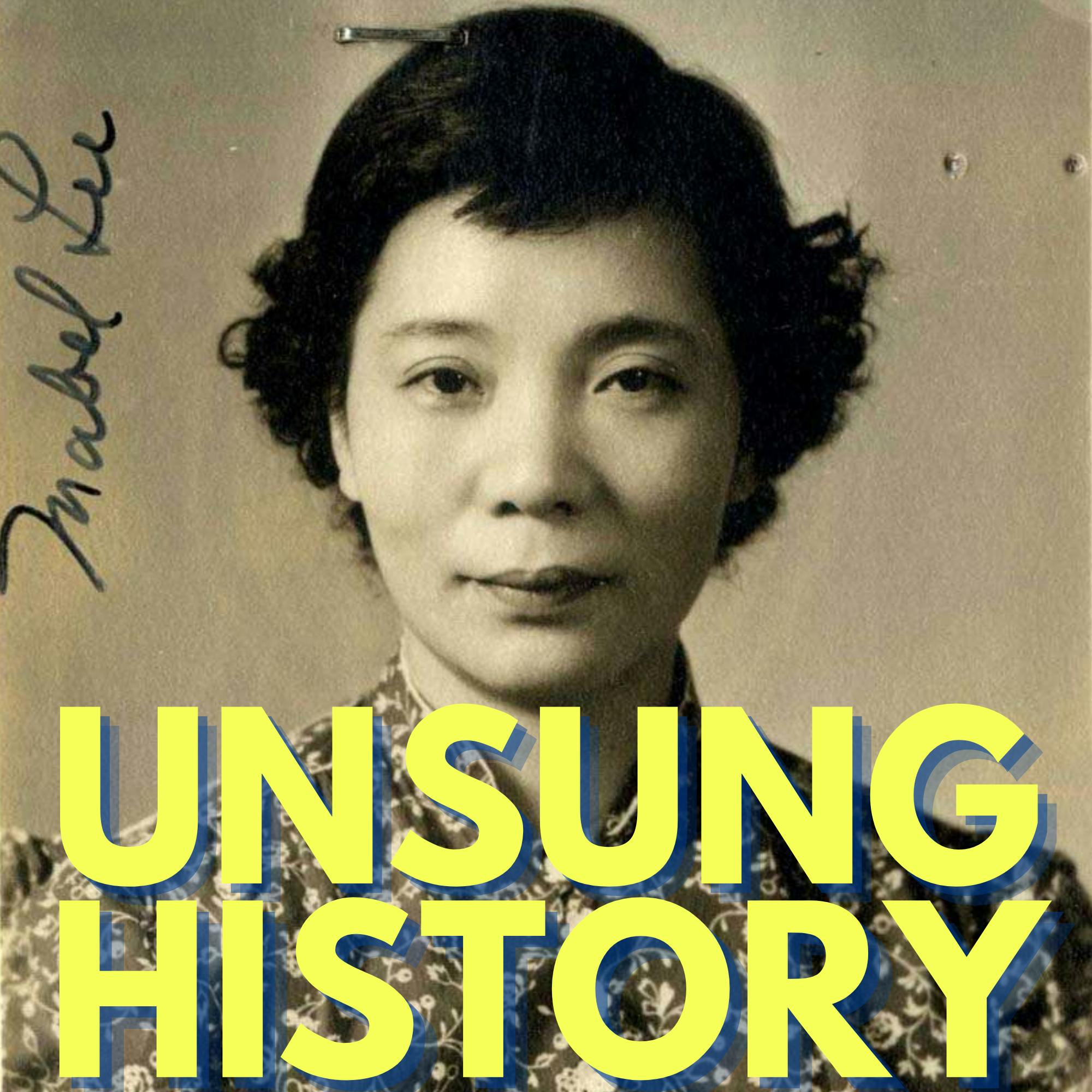
Mabel Ping-Hua Lee
Mabel Ping-Hua Lee was born in China in 1896 but lived most of her life in the United States, where, due to the Chinese Exclusion Act, she had no path to naturalization until the law changed in 1943. Even though it would not benefit her for decades, Mabel Lee worked for women’s suffrage, leading the New York City Suffrage Parade on horseback at the age of only 16. Lee was the first Chinese woman to earn a PhD in Economics in the United States, graduating from Columbia University in 1921 with a d...
Guest: Cathleen Cahill
27
Dec. 6, 2021
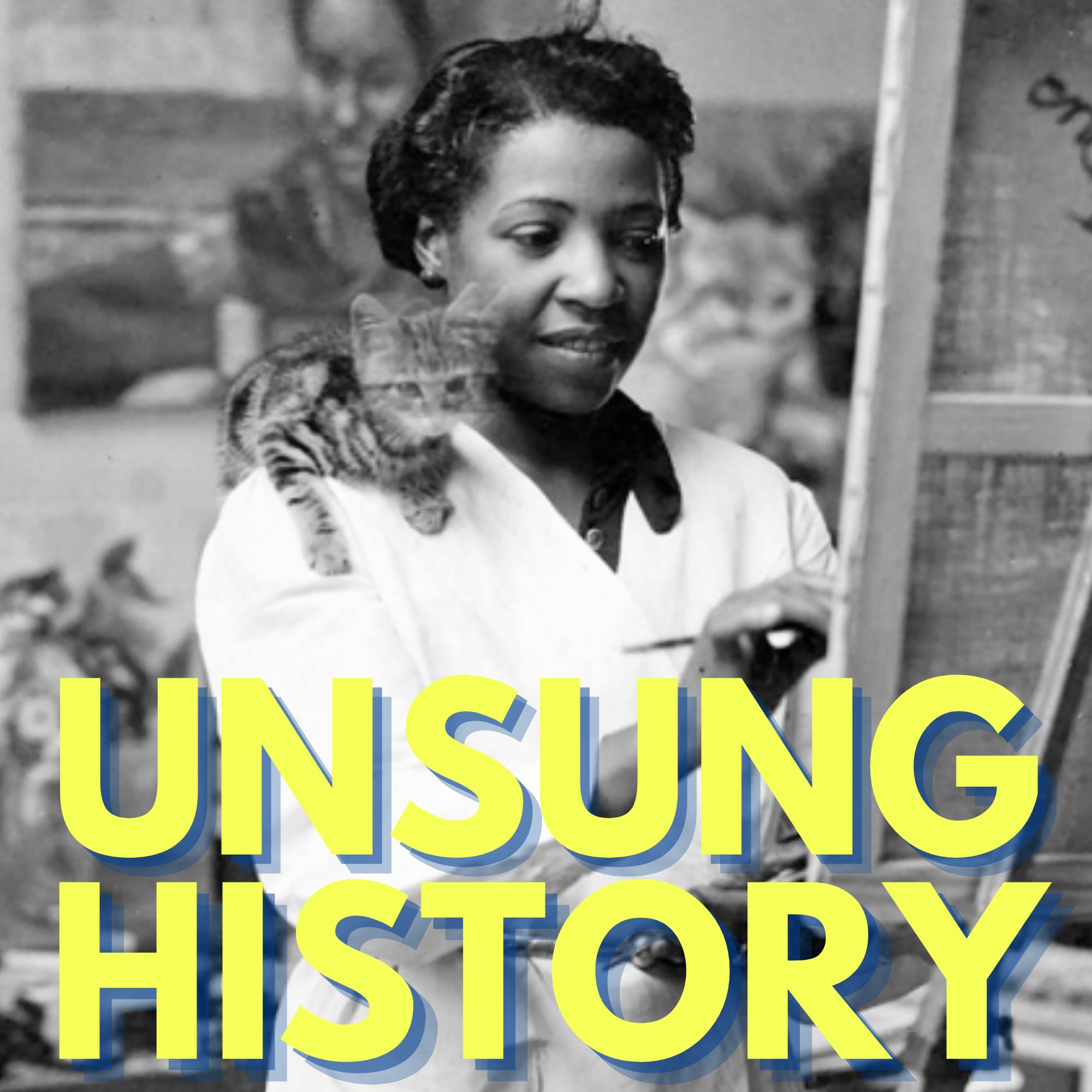
Loïs Mailou Jones
Born in Boston, Massachusetts, in 1905, artist Loïs Mailou Jones’s career spanned much of the 20th Century as both a painter and a teacher of generations of Black artists at Howard University. Jones faced racial discrimination in the US throughout much of her long life, and found refuge and inspiration in the Harlem Renaissance Movement and in the expatriate community of Black artists in Paris. Her 1953 marriage to Haitian artist Louis Vergniaud Pierre-Noel, and later research trips to Africa...
Guest: Jennifer Higgie
26
Nov. 29, 2021
The Yakama War
In October 1805, the Yakama encountered the Lewis and Clark Expedition near the confluence of the Yakima and Columbia rivers. By fifty years later, so many European and American trappers, traders, and eventually, settlers, had arrived in the area, putting demands on the land and resources, that federal government officials called a council meeting with the local tribal nations to negotiate a treaty by which the native people would move on to reservations in exchange for federal benefits. The ...
Guest: Emily Washines
25
Nov. 22, 2021
The Wampanoag & the Thanksgiving Myth
In Autumn of 1621, a group of Pilgrims from the Mayflower voyage and Wampanoag men, led by their sachem Massasoit, ate a feast together. The existence of that meal, which held little importance to either the Pilgrims or the Wampanoag, is the basis of the Thanksgiving myth. The myth, re-told in school Thanksgiving pageants and TV shows, is not accurate and is harmful to Native people, especially to the Wampanoag. In 1970, the Commonwealth of Massachusetts planned a banquet to celebrate the 350...
Guest: Kisha James
24
Nov. 15, 2021
Treaty Rights of the Red Cliff Band of Lake Superior Ojibwe
Before the arrival of Europeans, the Ojibwe nation occupied much of the Lake Superior region, including what is now Ontario in Canada and Michigan, Wisconsin, and Minnesota in the United States. In 1850, President Zachary Taylor’s administration, in response to demands from European Americans, planned to force the Ojibwe of Wisconsin west of the Mississippi in violation of signed treaties. They planned to bring the Ojibwe to Minnesota from Wisconsin in late fall so that they would have to sta...
Guest: Katrina Phillips
23
Nov. 8, 2021
Alaska Territorial Guard in World War II
Prior to World War II, most of the US military deemed the territory of Alaska as militarily unimportant, to the point where the Alaska National Guard units were stationed instead in Washington state in August of 1941. That changed when the Japanese invaded and occupied two Alaskan islands in June of 1942. The US government responded first by evacuating Unangax̂ villagers and forcibly interning them in Southeast Alaska in facilities without plumbing or electricity for two years where many died...
Guest: Holly Guise

22
Nov. 1, 2021
The Stockbridge-Munsee Community & their Removal History
The Stockbridge-Munsee Community, the People of the Waters that Are Never Still, were forced to move many times after they first encountered Europeans. In 1609, Dutch trader Henry Hudson sailed up the Mahicannituck, the River that Flows Both Ways, into Mohican land. By 1614 there was a Dutch trading post established on a nearby island to take advantage of the beaver and otter availability. The arrival of the Europeans changed the economic pattern of the Mohicans, and brought both disease and ...
Guest: Heather Bruegl
21
Oct. 25, 2021
Fashion, Feminism, and the New Woman of the late 19th Century
The late 19th Century ushered in an evolution in women’s fashion from the Victorian “True Woman” whose femininity was displayed in wide skirts and petticoats, the “New Woman” of the late 19th and early 20th centuries was modern and youthful in a shirtwaist and bell-shaped skirt. Earlier fashion experimentation by feminists in the mid-19th Century had failed to catch on and had interfered with their ability to inspire change as they were labeled radical for their sartorial choices. Feminists i...
Guest: Einav Rabinovitch-Fox

20
Oct. 18, 2021
The Original Fight for the Equal Rights Amendment
After the 19th Amendment was ratified in 1920, enfranchising (some) women, lots of questions remained. If women could vote, could they serve on juries? Could they hold public office? What about the array of state-laws that still privileged husbands and fathers over wives and daughters in regard to property and earnings rights? In February 1921, Alice Paul, head of the National Woman’s Party declared: “Now that political freedom has been won, we hope to wipe out sex discrimination in law, so t...
Guest: Rebecca DeWolf
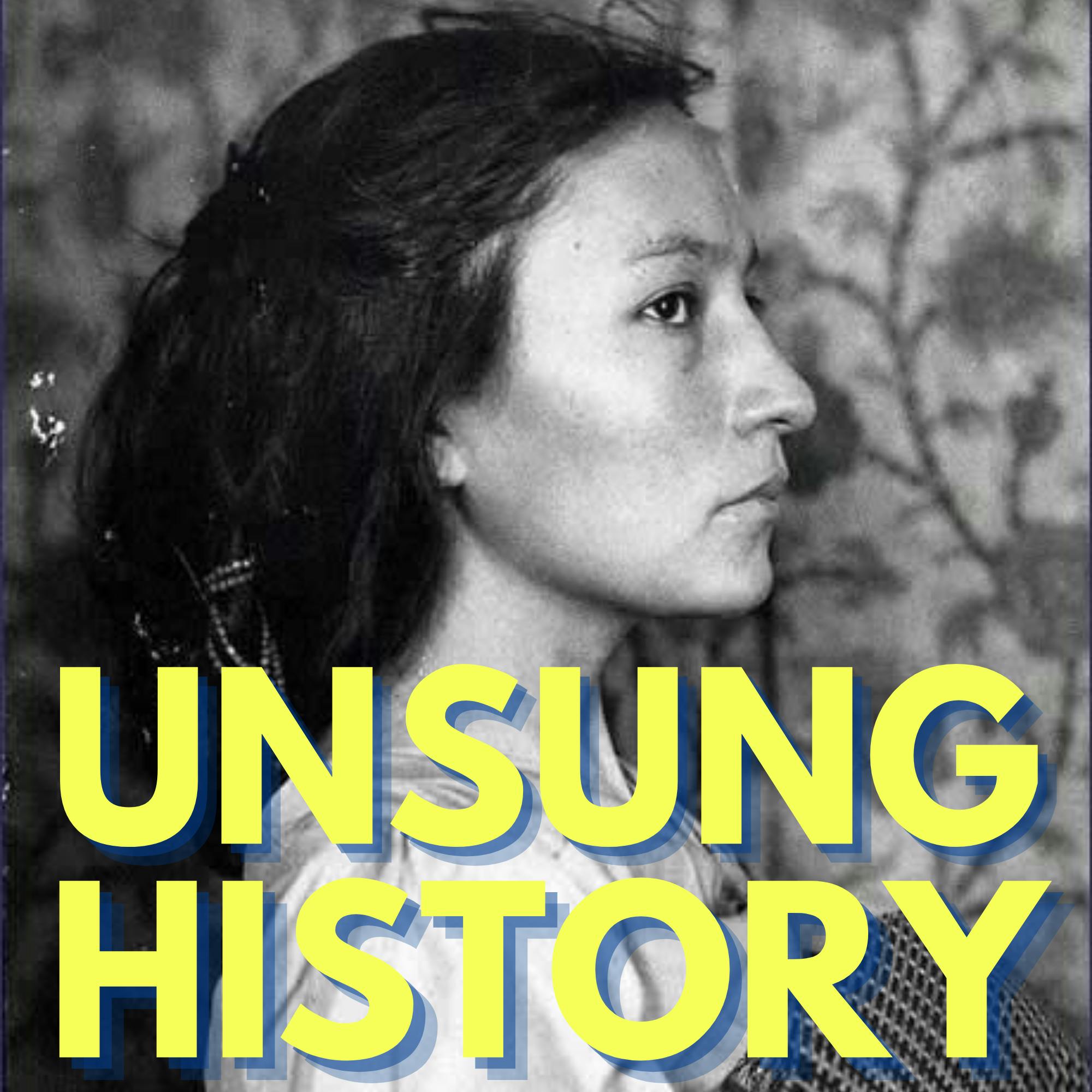
Oct. 11, 2021
Zitkála-Šá
Writer, musician, and political activist Zitkála-Šá, also known as Gertrude Simmons Bonnin, was born on February 22, 1876, on the Yankton Indian Reservation in South Dakota, where she lived until she was eight. When Zitkála-Šá was eight years old, missionaries came to the reservation to recruit children to go to White's Indiana Manual Labor Institute. Despite her mother’s pleading, Zitkála-Šá begged to go to the school with her older brother. She later wrote that she regretted the decision al...
Guest: P. Jane Hafen

18
Oct. 4, 2021
Women in the U.S. Military during the Cold War
Nearly 350,000 American women served in the US military during World War II. Although the women in the military didn’t engage in combat their presence was vital to the American effort, in clerical work as well as in driving trucks, operating radios and telephones, repairing and flying planes, and of course, in nursing. Women’s active duty was a temporary wartime measure, but when the war ended, Secretary of Defense James Forrestal, Dwight D. Eisenhower, and General Omar Bradley, among others,...
Guest: Tanya Roth
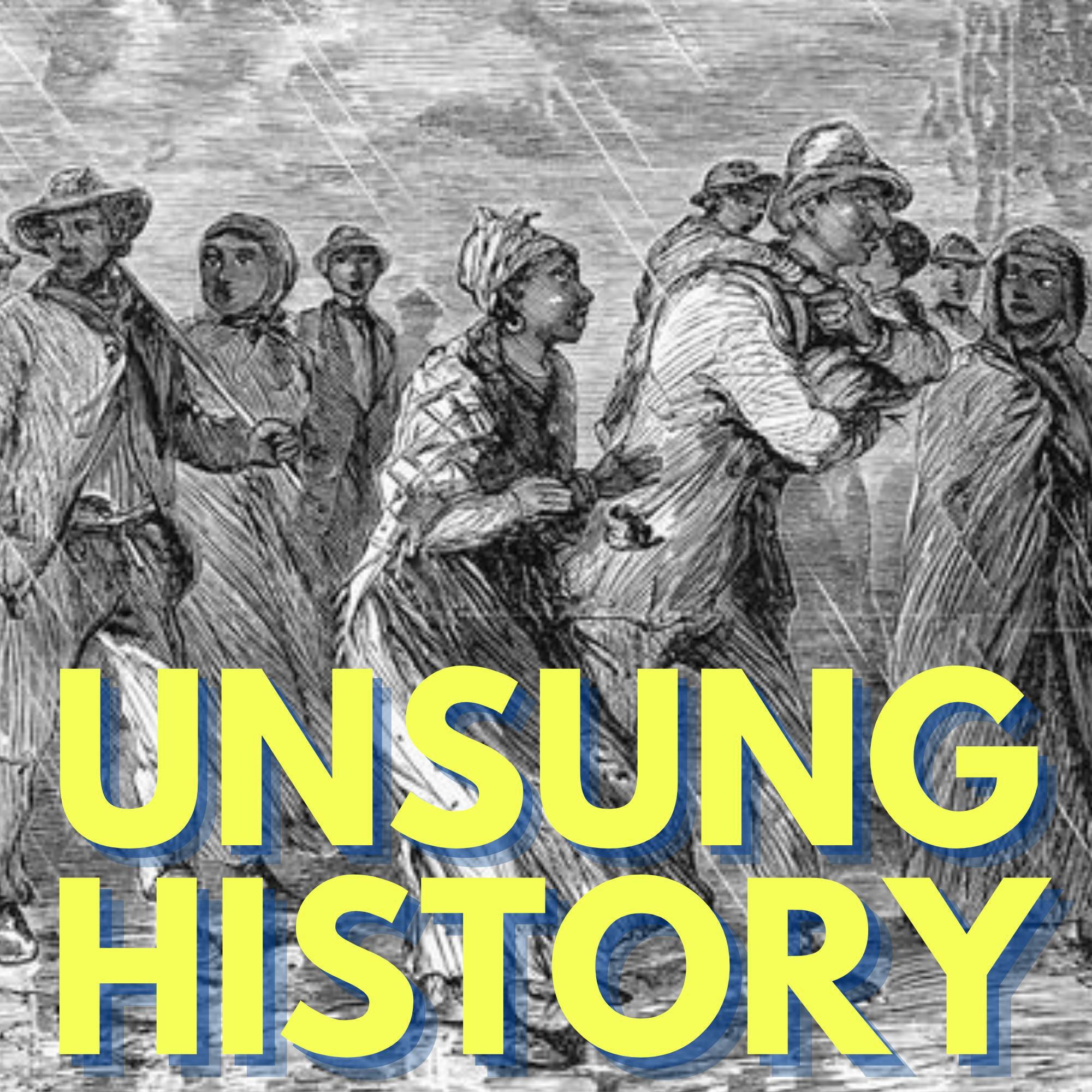
17
Sept. 27, 2021
Freedom Suits in Maryland & DC, 1790-1864
Slavery was legal in Maryland until November 1, 1864, when a new state constitution prohibited the practice of slavery. Lincoln’s Emancipation Proclamation the year before had declared slaves in the Confederate states to be free, but Maryland was in the union and not included in the proclamation. From the late 18th Century until the Civil War, enslaved families in Prince George’s County, Maryland, brought over a thousand legal suits against hundreds of slaveholding families, arguing for their fr...
Guest: William G. Thomas III

16
Sept. 20, 2021
Chef Lena Richard
Over a decade before Julia Child’s The French Chef appeared on TV, a Black woman chef hosted her own, very popular cooking show on WDSU-TV in New Orleans. At a time when families were just beginning to own televisions, Chef Lena Richard’s show was so popular that it aired twice a week. Richard started working as a cook as a teenager for the wealthy Vairin family who employed her mom as a domestic servant. When their cook left, Alice Vairin gave Richard a trial run as cook and was so impressed...
Guests: Chef Dee Lavigne , Ashley Rose Young
15
Sept. 13, 2021
African American AIDS Activism
According to the Centers for Disease Control and Prevention (the CDC), in 2018, 13% of the US population was Black and African American, but 42% of new HIV diagnoses in the US were from Black and African American people. This discrepancy is not new. On June 5, 1981, the CDC first published an article in its Morbidity and Mortality Weekly Report (MMWR) titled “Pneumocystis Pneumonia” that suggested that there might be “a cellular-immune dysfunction related to a common exposure that predisposes...
Guest: Dan Royles
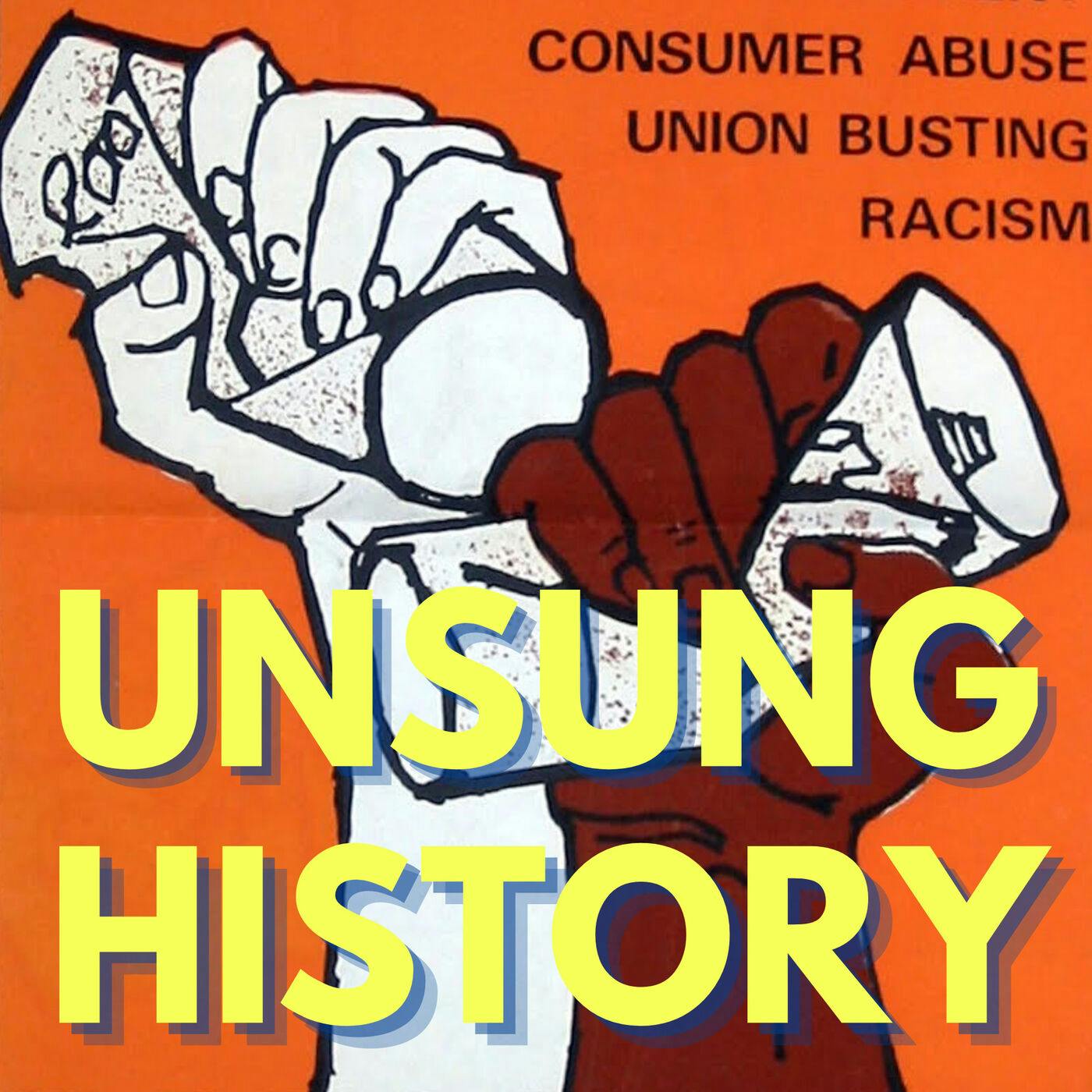
14
Sept. 6, 2021
The Coors Boycott
In the mid-1960s, to protest discriminatory hiring practices, Chicano groups in Colorado called for a boycott of the Coors Brewing Company, launching what would become a decades-long boycott that brought together a coalition of activists that would include not just Chicano and Latino groups, but also African American groups, union organizers, LGBT activists, students, environmentalists and feminists. These groups had a variety of motivations for their involvement in the boycott and varied suc...
Guest: Allyson Brantley