
Women's History Episodes
75
Nov. 7, 2022
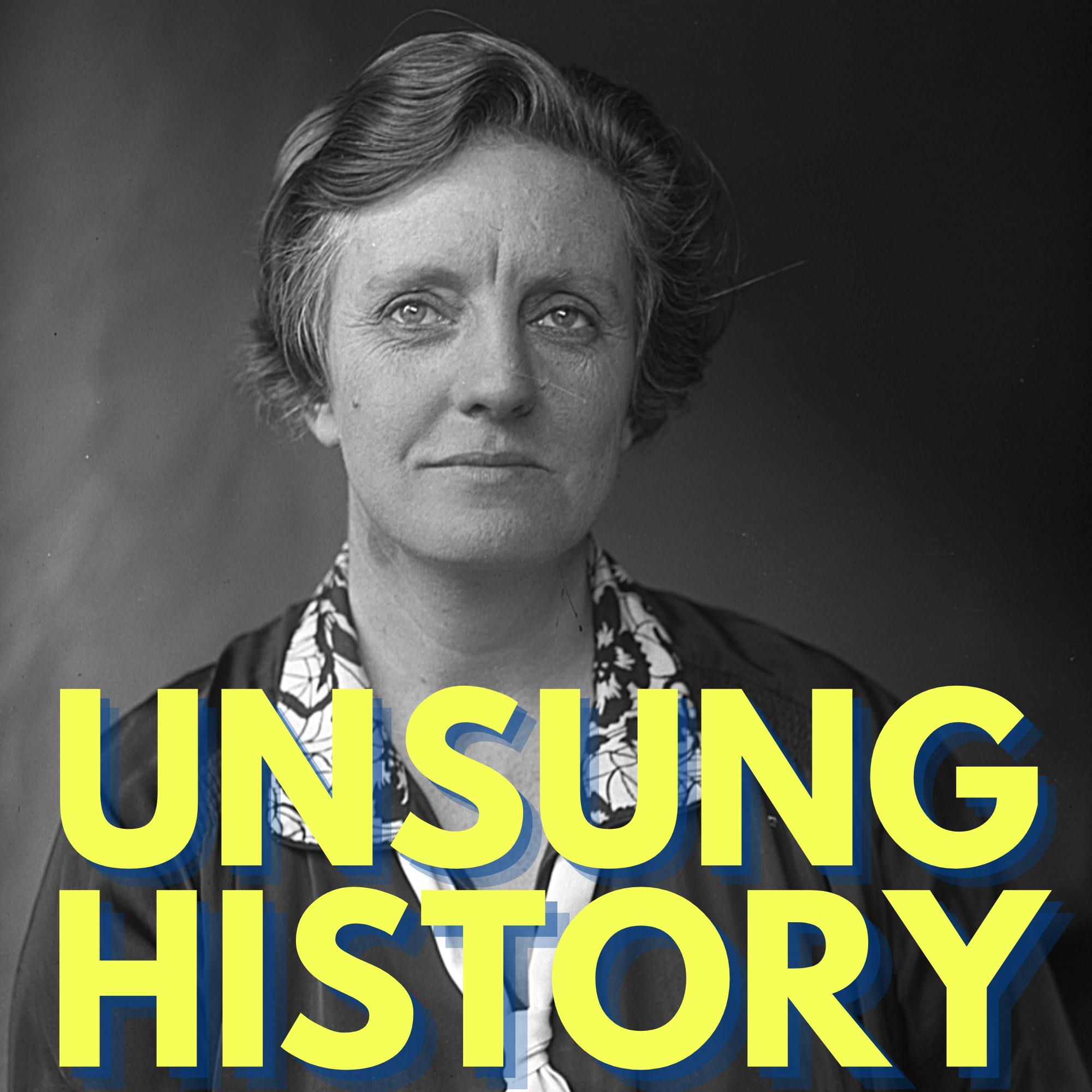
Elsie Robinson
As a girl born in 1883 to a family who couldn’t afford to send her to college, Elsie Robinson had limited options. To escape the drudgery of small-town life and then a stifling marriage, Elsie wrote. And wrote. And wrote. When her asthmatic son was home sick from school, she wrote and illustrated stories to entertain him. When she needed to make money to support herself and her son after her divorce, she wrote again. Eventually, her prolific writing caught the attention of the Hearst media empir...
Guest: Allison Gilbert
74
Oct. 31, 2022
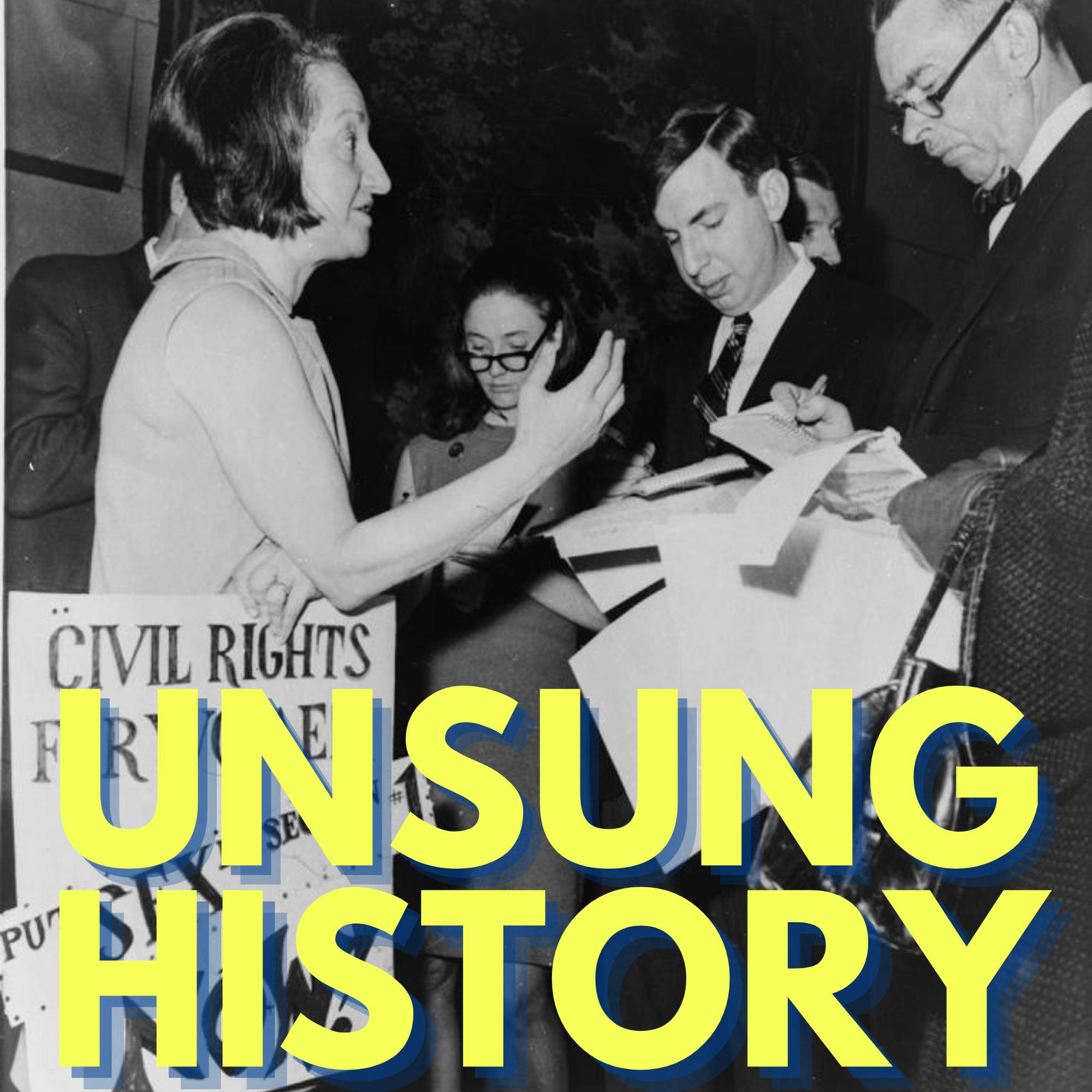
The Politics of Reproductive Rights in 1960s & 1970s New York
Prior to the Roe v. Wade decision in 1973, much of the focus of reproductive rights organizing in the US was done in the states, and nowhere was that more effective than in New York, where leftist feminists in groups like Redstockings and more mainstream activists in groups like the National Organization for Women (NOW) together pushed the state legislature to enact the most liberal abortion law in the country by early 1970. The wide range of reproductive rights activism in New York also include...
Guest: Felicia Kornbluh

69
Sept. 26, 2022
The Pacific Coast Abortion Ring
In mid-1930s, pregnant women in cities in California, Oregon, and Washington could obtain safe surgical abortions in clean facilities from professionals trained in the latest technique. The only catch? The abortions were illegal. The syndicate that provided these abortions was the Pacific Coast Abortion Ring, which operated from 1934 to 1936 with clinic locations in Seattle, Washington; Portland, Oregon; and San Diego, Long Beach, Hollywood, Los Angeles, San Francisco, Oakland, and San Jose, ...
Guest: Alicia Gutierrez-Romine
68
Sept. 19, 2022
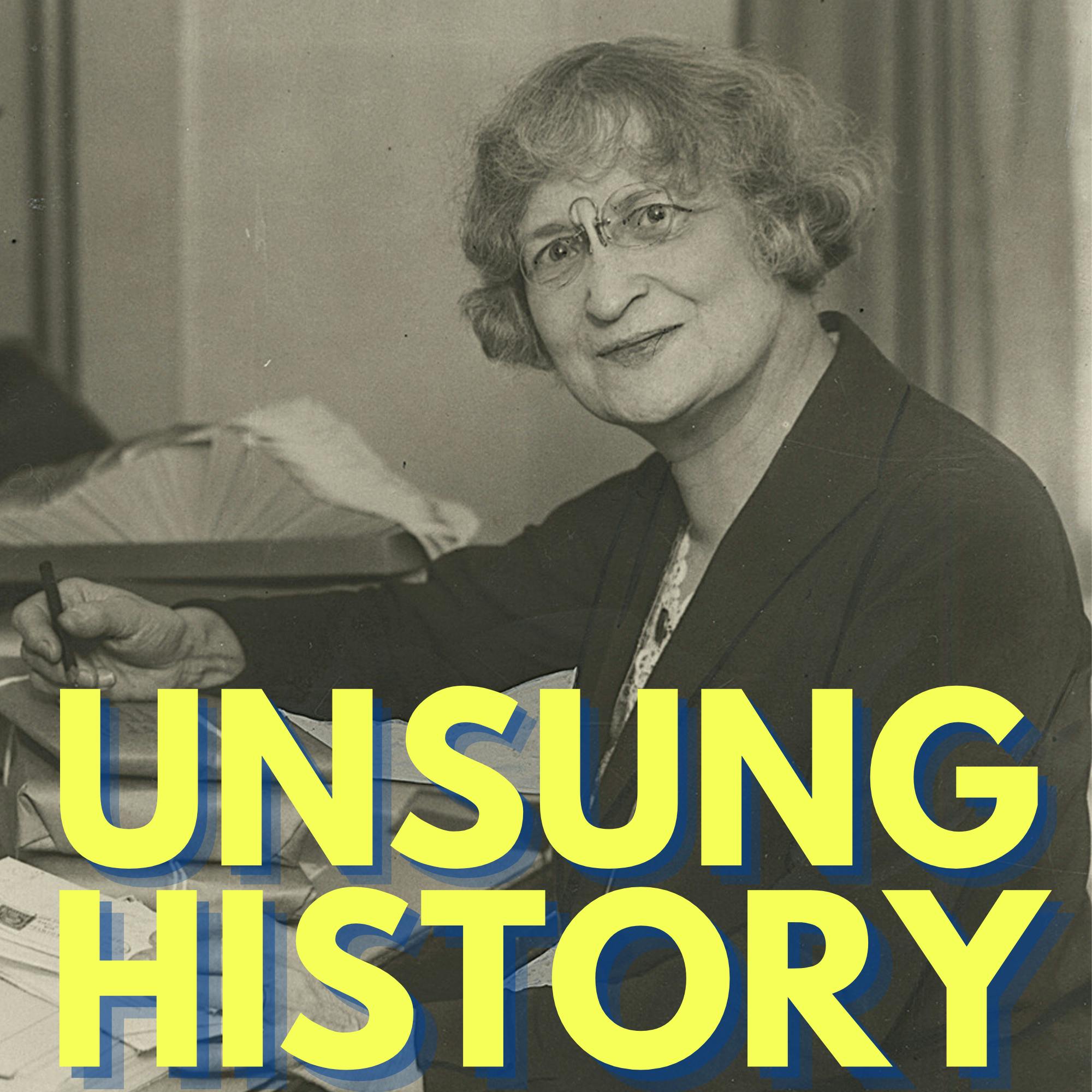
Mary Ware Dennett & the Birth Control Movement
For birth control advocate Mary Ware Dennett, the personal was political. After a difficult labor and delivery with her third child, a physician told Mary Ware Dennett she should not have any more children, but he told her nothing about how to prevent pregnancy. Dennett’s husband began an affair with a client of his architectural firm, destroying their marriage, and Dennett devoted her work to ensuring that other couples could receive information about birth control. A 1930 federal court case ag...
Guest: Lauren MacIvor Thompson
67
Sept. 12, 2022
Abortion in 18th Century New England
In 1742, in Pomfret, Connecticut, 19-year-old Sarah Grosvenor discovered she was pregnant, the result of a liaison with 27-year-old Amasa Sessions. Instead of marrying Sarah, Amasa provided her with a physician-prescribed abortifacient, what the youth of Pomfret called “taking the trade." When that didn’t work to end the pregnancy, the physician attempted a manual abortion, which led to Sarah’s death. Three years later, the physician was tried for “highhanded Misdemeanour." The surviving trial d...
Guest: Cornelia H. Dayton
66
Sept. 5, 2022
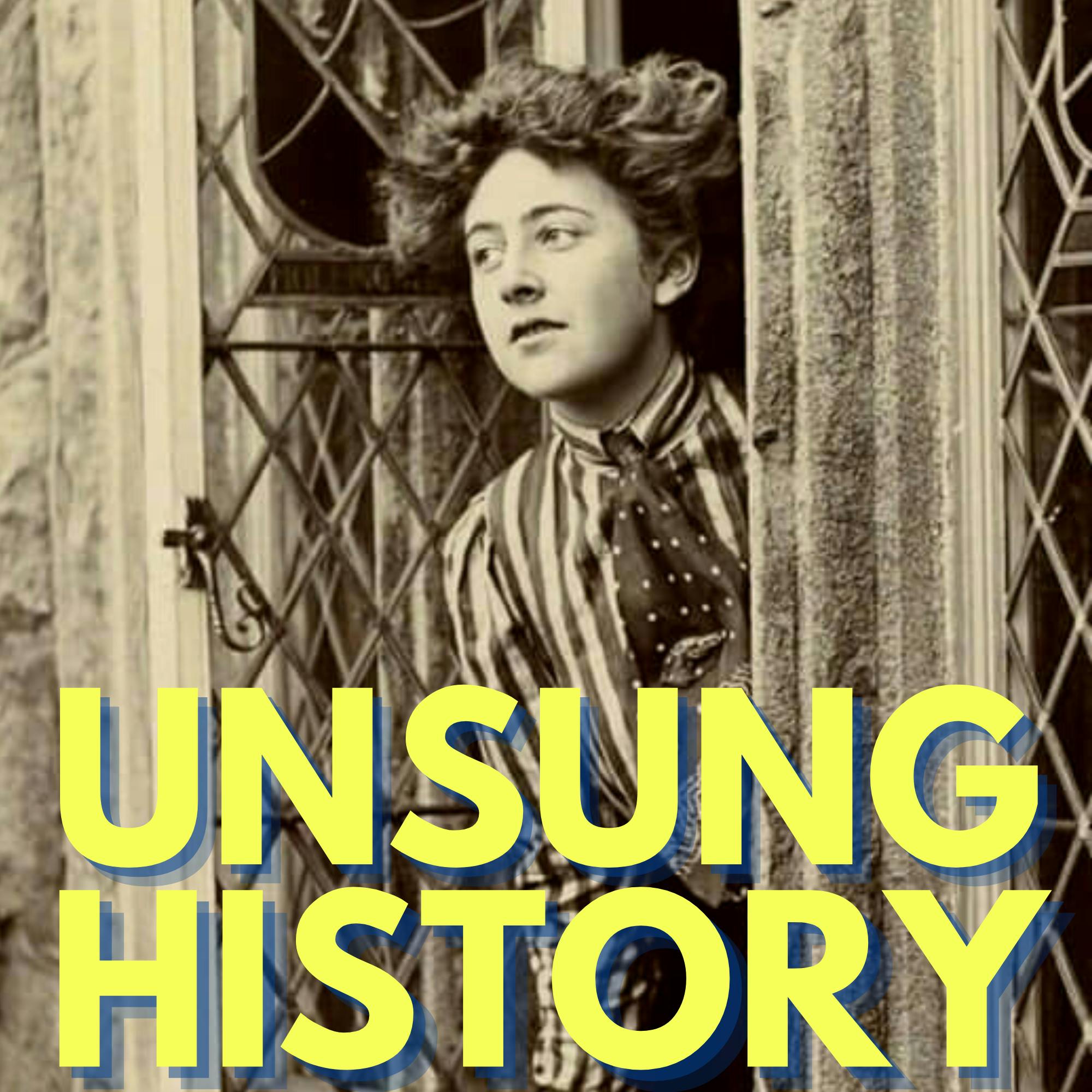
Agatha Christie
Agatha Christie is the best-selling novelist of all time, whose books have been outsold only by the Bible and Shakespeare. You can probably name several of her books and recurring characters, but how much do you know about Agatha Christie herself? In our final British History episode, we look at Agatha Christie’s life, in the hospital dispensary, at home with her daughter, abroad on archeological digs, and behind the typewriter. Joining me in this episode to help us learn more about Agatha Ch...
Guest: Lucy Worsley
65
Aug. 29, 2022
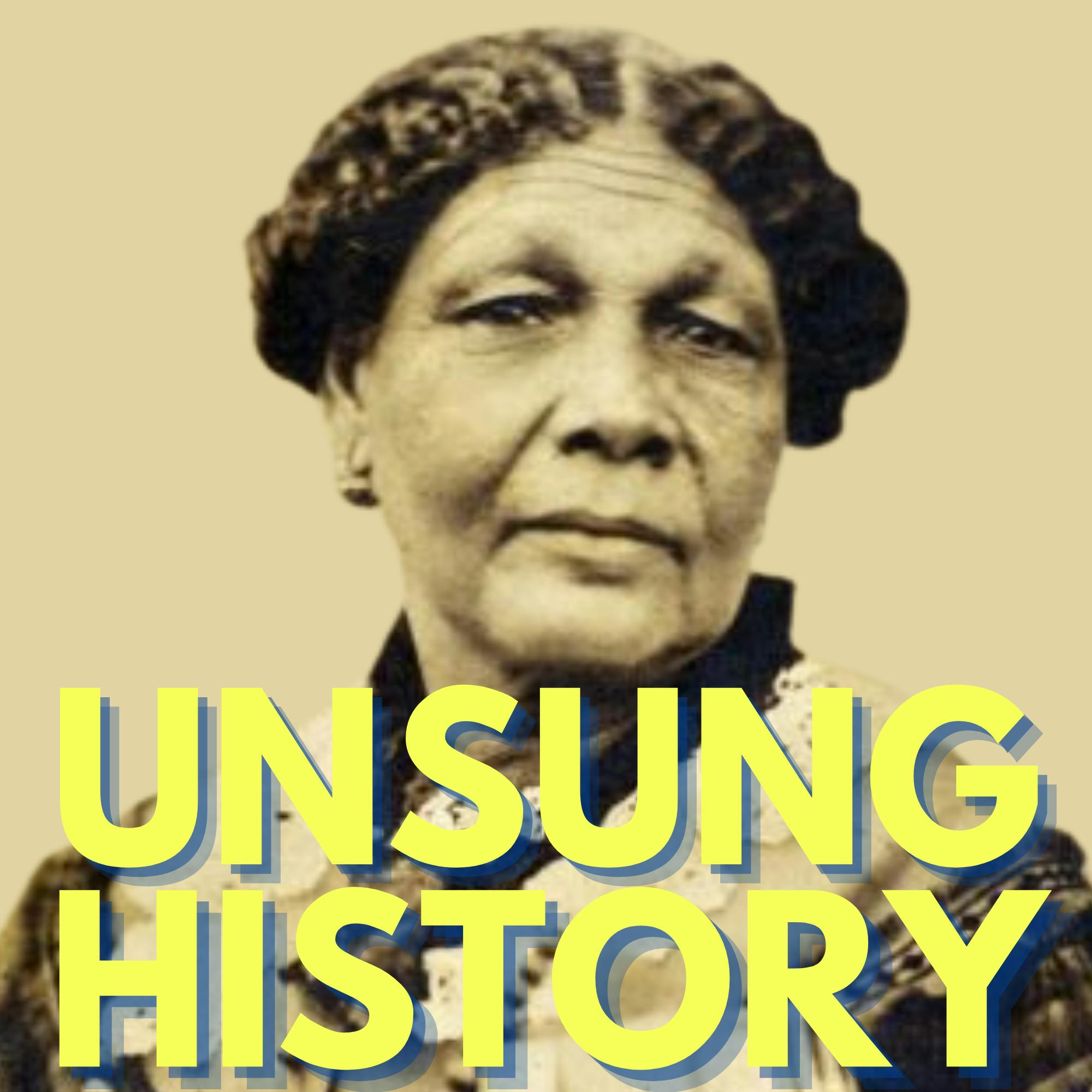
Mary Seacole
When the United Kingdom joined forces with Turkey and France to declare war on Russia in March 1854, Jamaican-Scottish nurse Mary Seacole decided her help was needed. When the British War Office declined her repeated offers of help, she headed off to Crimea anyway and set up her British Hotel near Balaklava. The British Hotel, which opened in March 1855, was a combination general store, restaurant, and first aid station, and the British soldiers and officers came to love Mary and call her “Mothe...
Guest: Helen Rappaport
64
Aug. 22, 2022
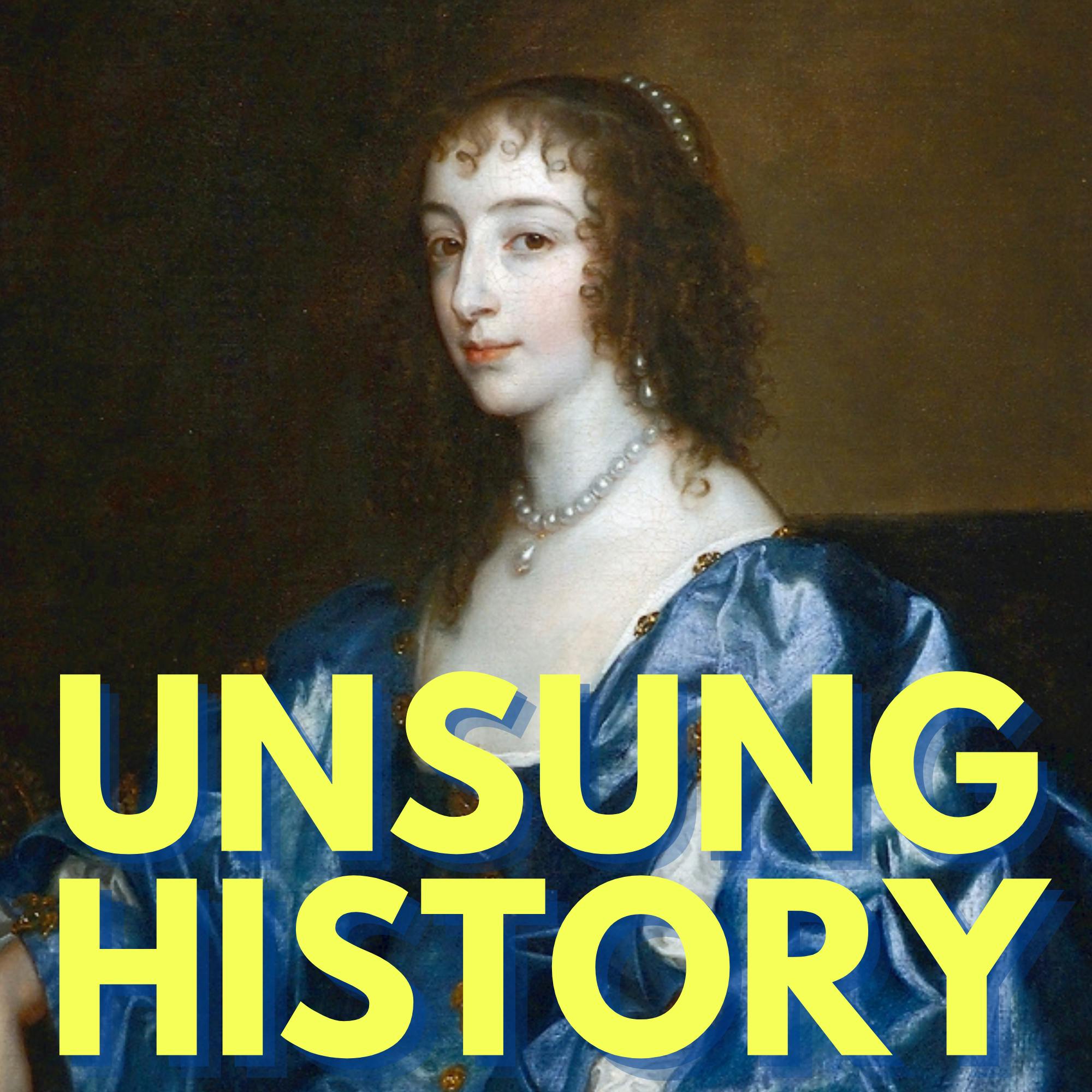
Henrietta Maria
Henrietta Maria, the French Catholic wife of King Charles I of England, Scotland, and Ireland in the 17th Century, was called a “Popish brat of France” by her British subjects, blamed for the English Civil War, and seen as a mannish and heartless mother. The reality is, of course, much more nuanced. Henrietta Maria fiercely loved Charles and their children and fought to protect them in any way she could during a time of upheaval and violence. In this episode we push past the caricature of Henrie...
Guest: Leanda de Lisle
63
Aug. 15, 2022
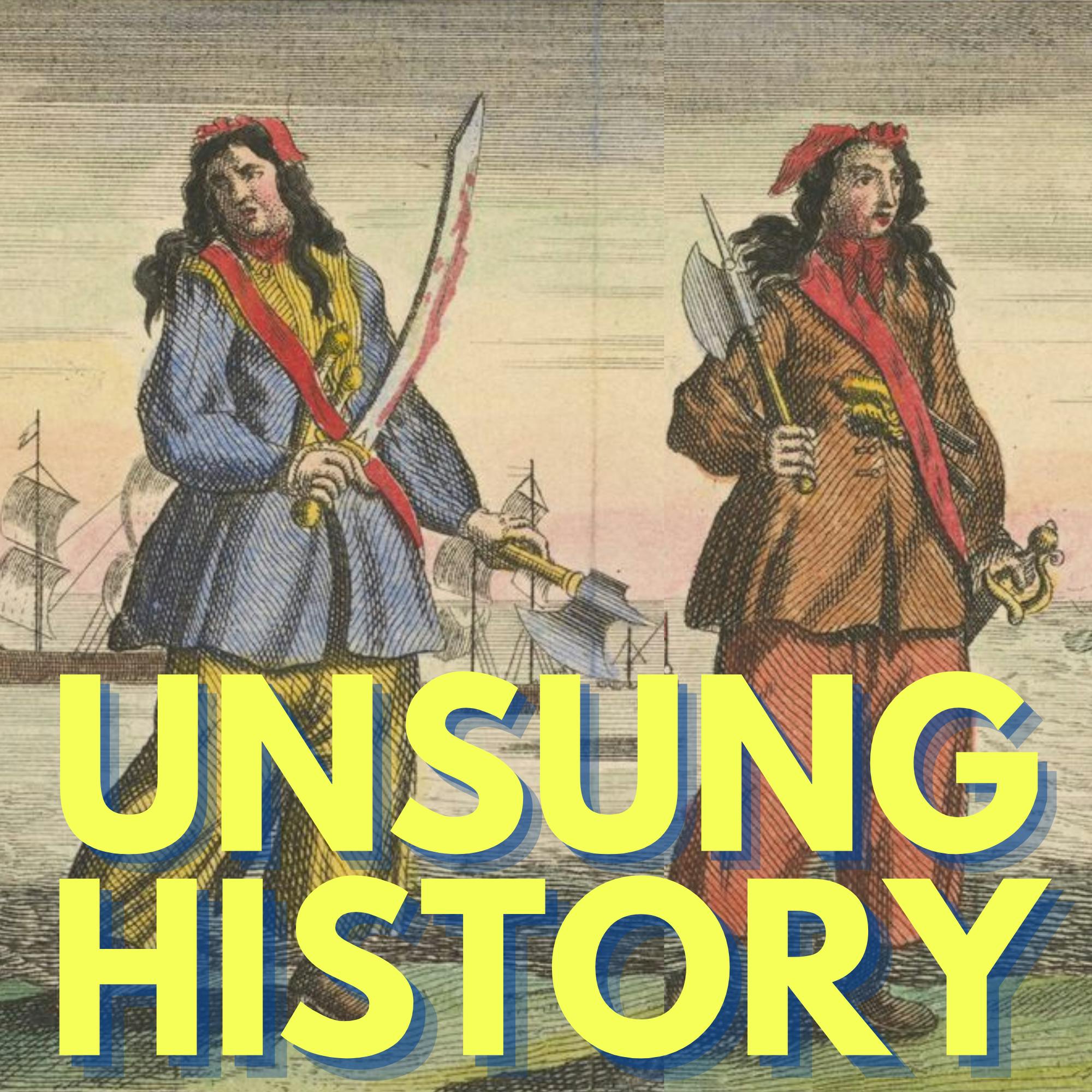
Anne Bonny & Mary Read, Pirate Queens
During the Golden Age of Pirates, two fierce and ruthless pirates stood apart from the rest, despite their brief careers. The only women in their crew, Anne Bonny and Mary Read were aggressive fighters to the end, refusing to surrender even when their captain called for quarter. Joining me to discuss Anne Bonny and Mary Read is pirate expert Dr. Rebecca Simon, author of the new book, Pirate Queens: The Lives of Anne Bonny & Mary Read. Our theme song is Frogs Legs Rag, composed by James Sco...
Guest: Rebecca Simon
62
Aug. 8, 2022
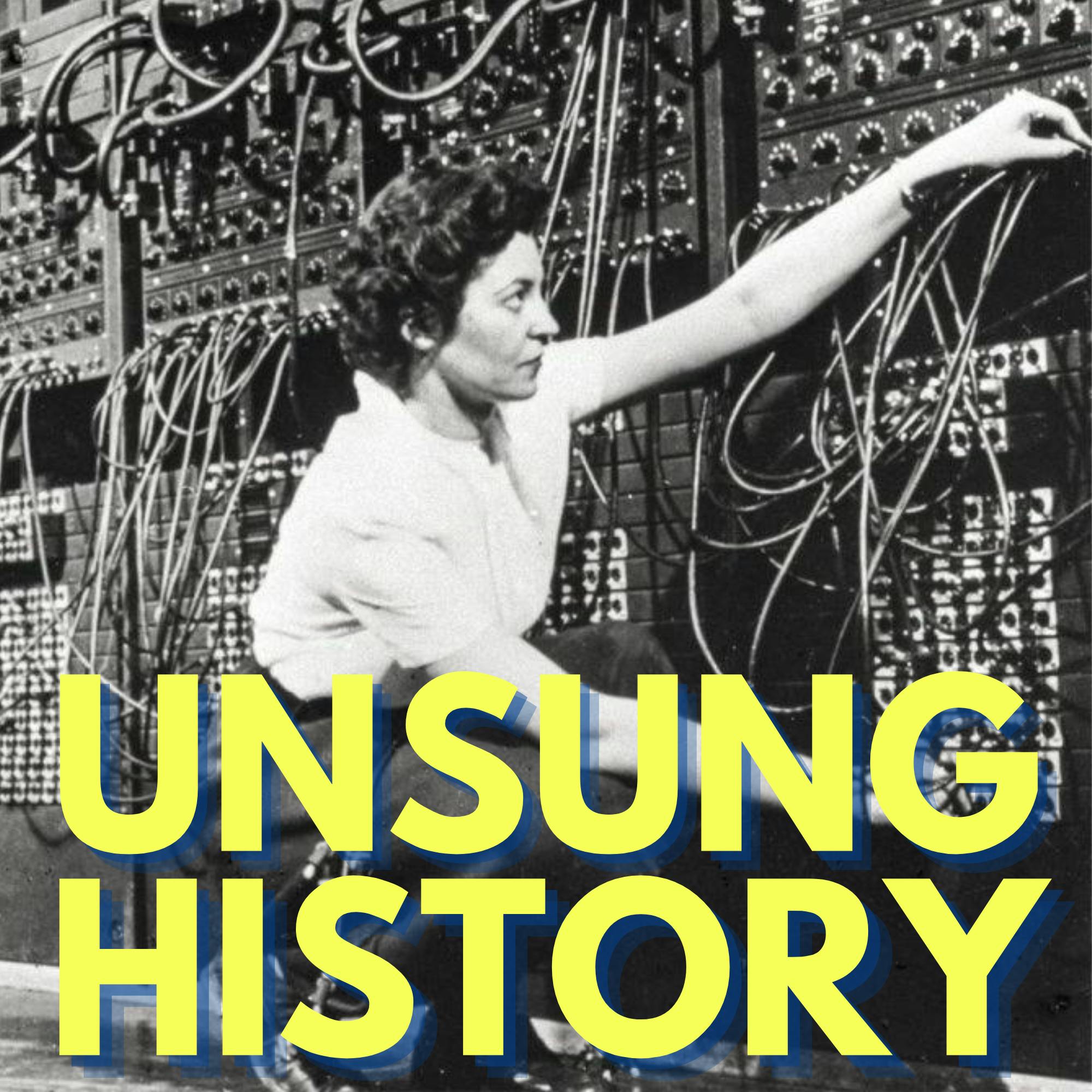
The Women who Programmed the ENIAC
During World War II, the United States Army contracted with a group of engineers at the University of Pennsylvania Moore School of Electrical Engineering to build the ENIAC, the world’s first programmable general-purpose electronic digital computer in order to more quickly calculate numbers for ballistics tables. Once the top-secret device was built, someone needed to figure out how to program the more than 17,000 vacuum tubes, 70,000 resistors, 10,000 capacitors, 6,000 switches, and 1,500 mecha...
Guest: Kathy Kleiman

58
July 11, 2022
Dale Evans, Queen of the West
Dale Evans is probably best known as the Queen of the West, the wife and co-star of the King of Cowboys, Roy Rogers. But before she ever met Roy, Dale had a successful career in singing, songwriting, and acting, and she had plans to be an even bigger star in musicals, which to Dale, meant not Westerns. This week we do a deep dive into the life of Dale Evans and how she became a cowgirl, with historian Dr. Theresa Kaminski, author of the new book, Queen of the West: The Life and Times of Dale ...
Guest: Theresa Kaminski
53
June 6, 2022
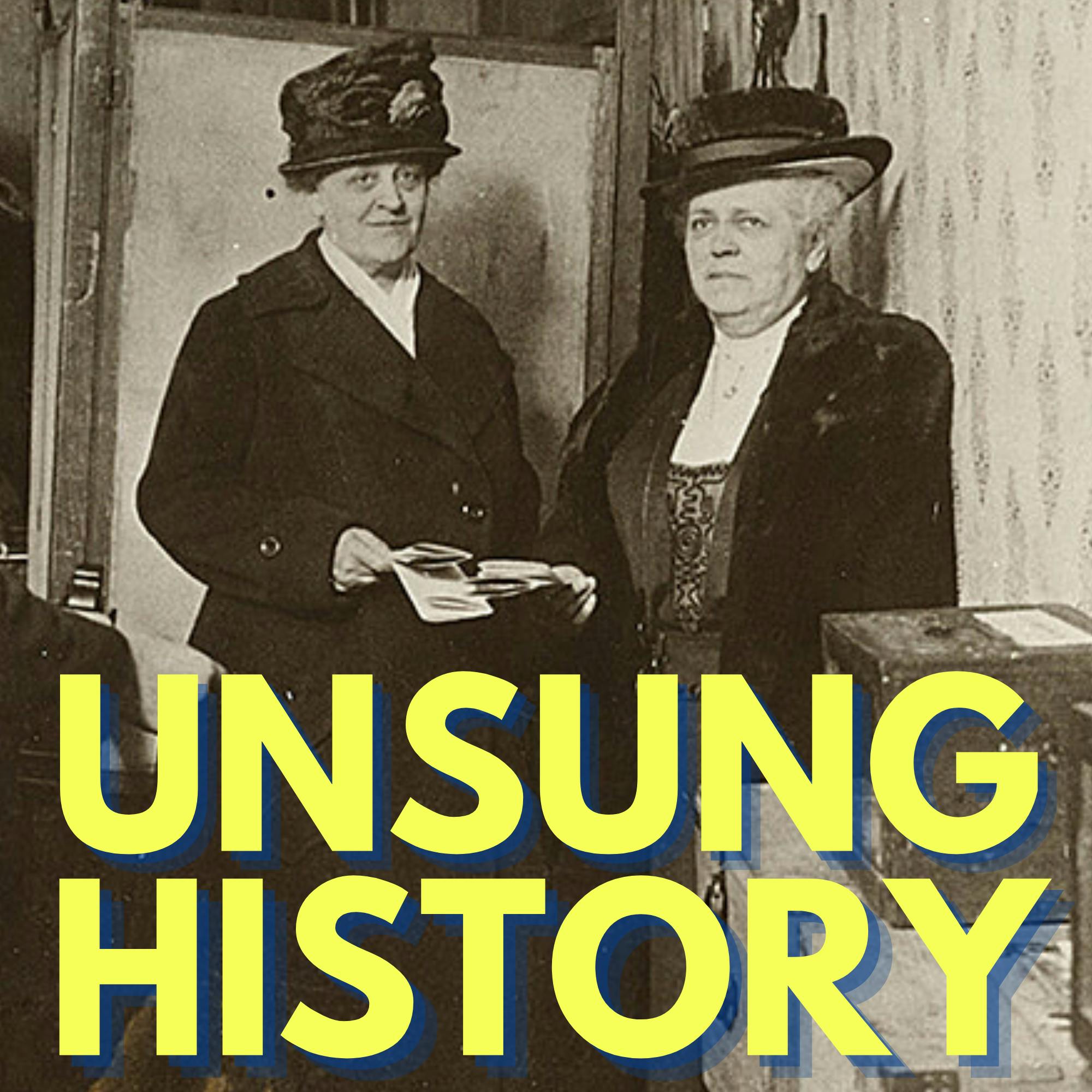
The Queer History of the Women's Suffrage Movement
Queer suffragists were central to the women’s suffrage movement in the United States from its earliest days. However, in a movement that placed great importance on public image in service of the goal of achieving the vote, queer suffragists who pushed the boundaries of “respectability” were sometimes ostracized, and others hid their queerness, or had it erased by others. Joining me to help us learn about queer suffragists is historian Dr. Wendy Rouse, Associate Professor in History at San Jos...
Guest: Wendy L. Rouse
51
May 23, 2022
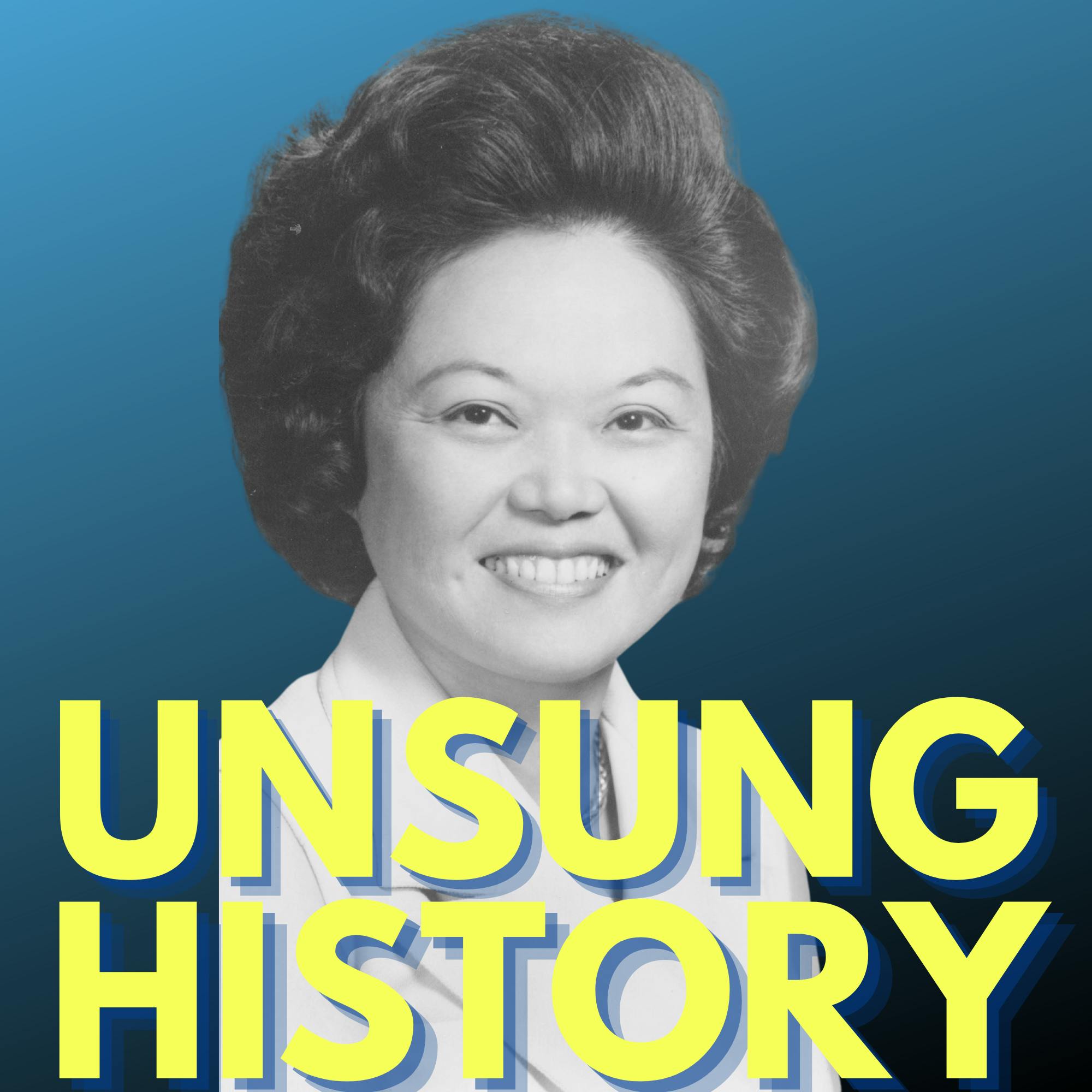
Patsy Mink
In Patsy Mink’s first term in Congress in 1965, she was one of only 11 women serving in the US House of Representatives, and she was the first woman of color to ever serve in Congress. Mink was no stranger to firsts, being the first Japanese-American woman licensed to practice law in Hawaii, after being one of only two women in her graduating class at the University of Chicago Law School. She would later be the first Asian American to run for President. Mink leaned on her own experiences of s...
Guests: Judy Tzu-Chun Wu , Gwendolyn Mink
48
May 2, 2022
Mary Paik Lee
Mary Paik Lee (Paik Kuang Sun) was born in the Korean Empire on August 17, 1900, and was baptized by American Presbyterian minister Dr. Samuel Austin Moffett, one of the first American Presbyterian missionaries to come to Korea. In 1905, her family left Korea for Hawaii, fleeing the Japanese occupation of the Korean Peninsula. Late in her life, Mary wrote a memoir, recounting her family’s struggles in Hawaii and then California, where they faced discrimination and poverty, all while striving to ...
Guest: Jane Hong
47
April 25, 2022
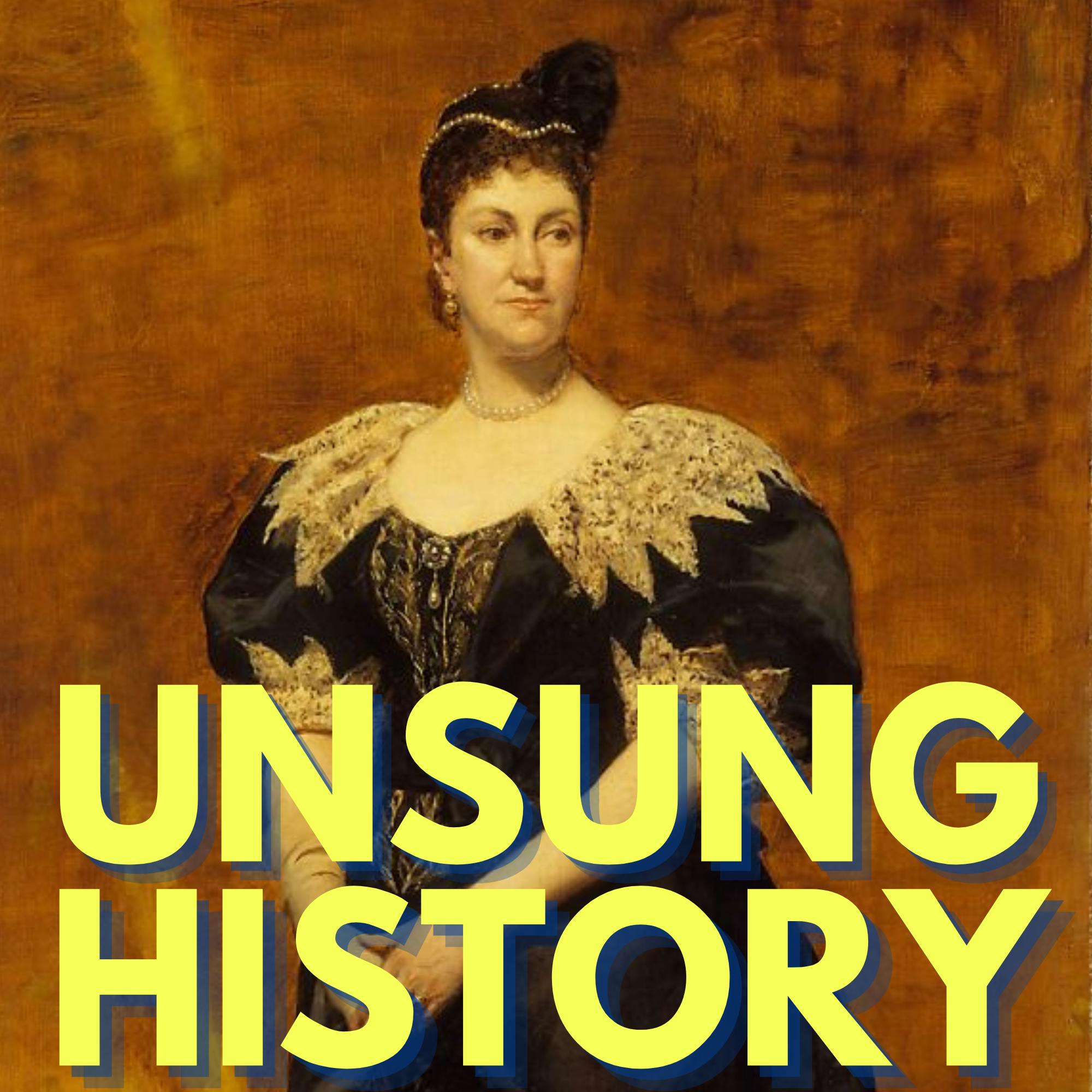
French Fashion in Gilded Age America
Paris has a long history as the fashion capital of the world. In the late 19th Century, American women, like European women, wanted the latest in French fashion. The wealthiest women traveled to Paris regularly to visit their favorite couturiers, like the House of Worth and Maison Félix, to update their wardrobes. For those women who couldn’t afford to travel, Paris came to them, via international expositions, magazines, and department stores. I’m joined in this episode by art historian Dr. E...
Guest: Elizabeth L. Block
43
March 28, 2022
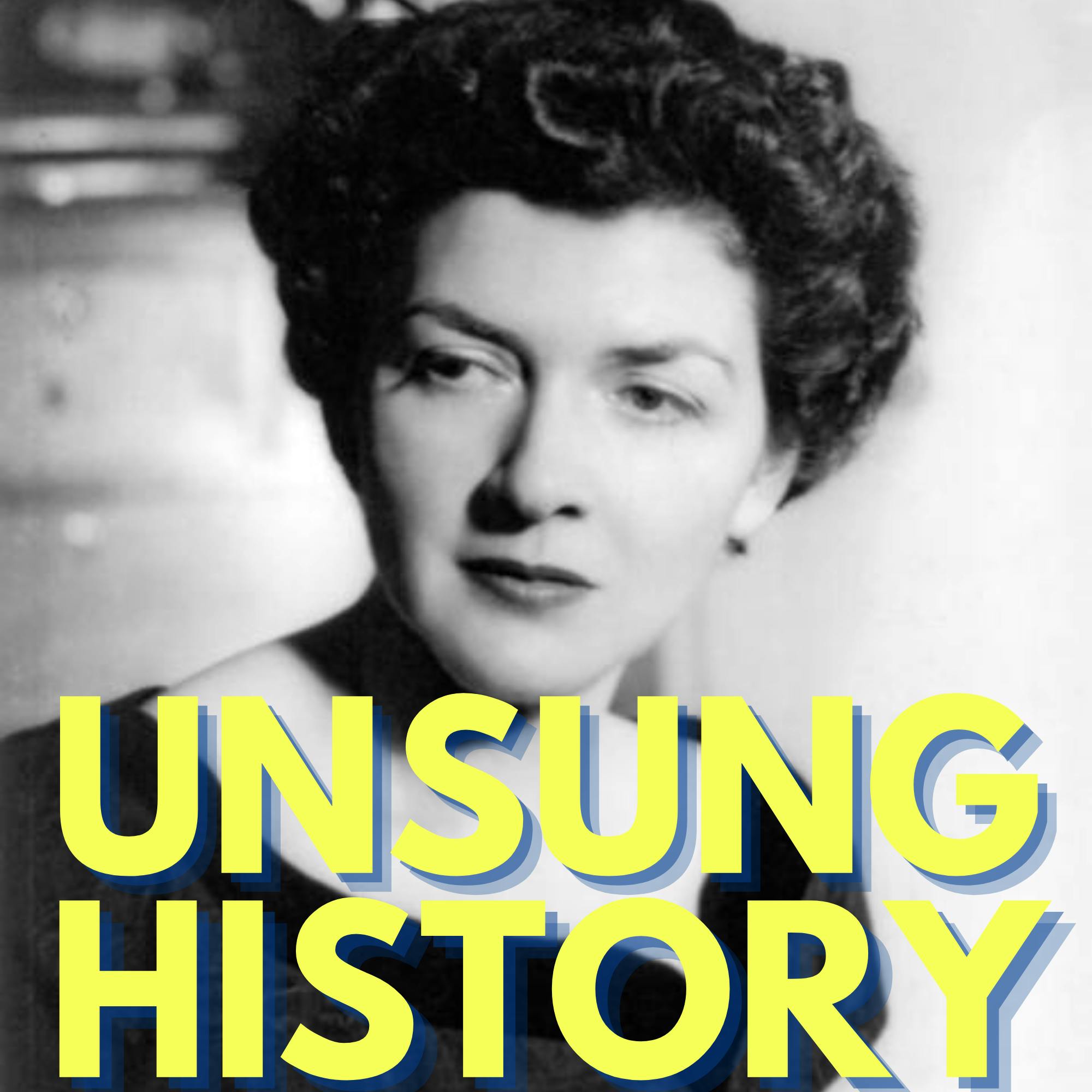
Cordelia Dodson Hood
When German troops invaded Austria in 1938, Cordelia Dodson was visiting Vienna, living with her siblings as they studied German, attended the opera, and marched with Austrian students protesting against Hitler. Even with this experience, Cordelia may have settled into academic life in the United States, but when Pearl Harbor was bombed, and the US entered the war, she felt called to serve her country. In a decades-long career in Europe, Cordelia Dodson Hood combined her linguistic skill, her...
Guest: Kathleen C. Stone
42
March 21, 2022
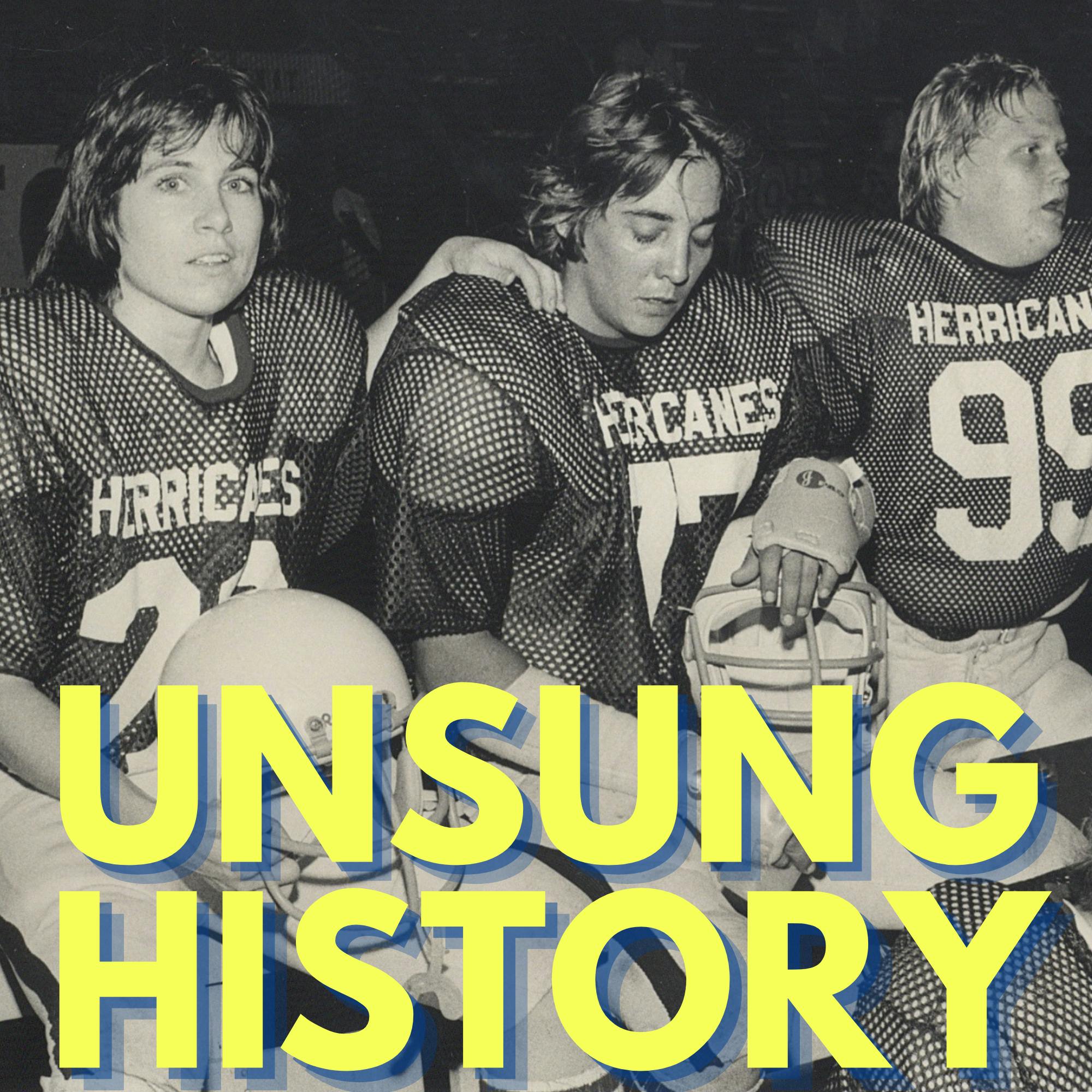
The National Women's Football League
In 1967, a Cleveland talent agent named Sid Friedman decided to capitalize on the popularity of football in the rust belt by launching a women’s football league, which he envisioned as entertainment, complete with mini-skirts and tear-away jerseys. The women he recruited had other ideas, and soon they were playing competitive tackle football, not in skirts but in football uniforms. In 1974, the owners of several teams around the country, some from Friedman’s WPFL and some independent of it, f...
Guests: Frankie de la Cretaz , Lyndsey D'Arcangelo
41
March 14, 2022
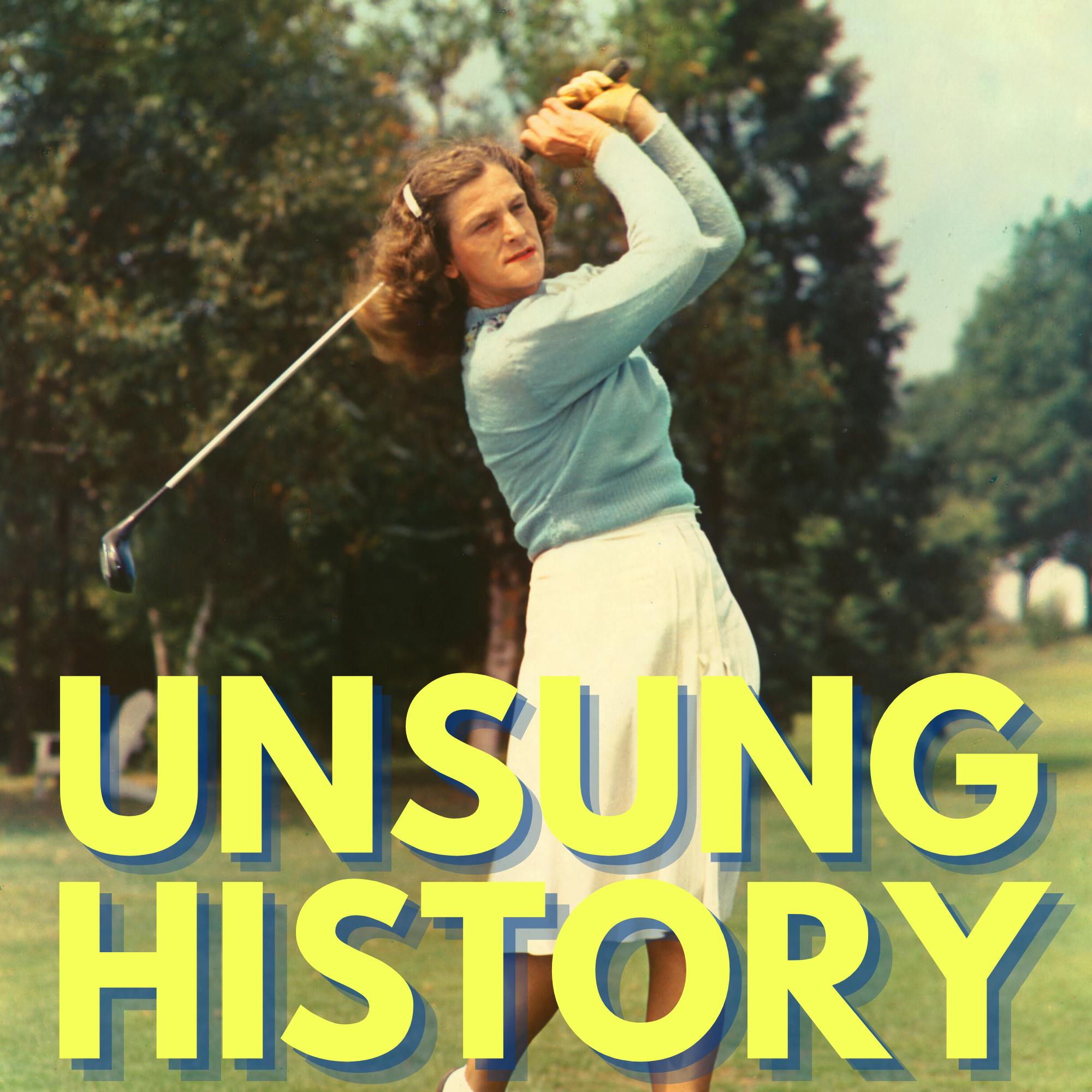
Babe Didrikson Zaharias
Born in 1911, Mildred Ella Didrikson Zaharias, who went by the nickname “Babe,” was a phenomenal, and confident athlete. Babe won Olympic gold in track and field, was an All American player in basketball, pitched in exhibition games in Major League Baseball, and won 17 straight women’s amateur golf tournaments, before turning pro and co-founding the LPGA.In a society that didn’t welcome women like Babe, she nonetheless forged her own path and won the hearts of fans along the way. I’m joined i...
Guest: Corye Perez Beene
38
Feb. 21, 2022
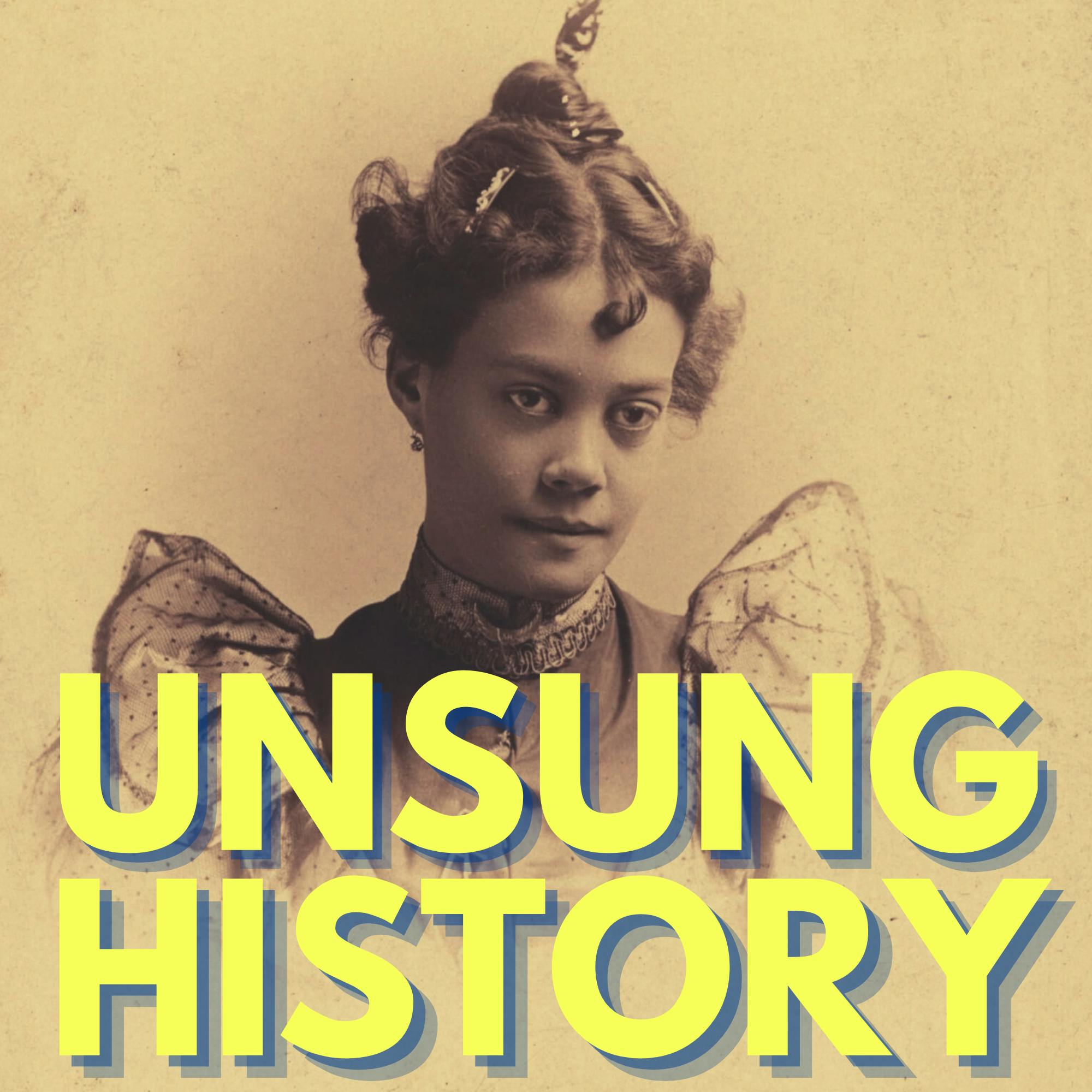
Alice Dunbar-Nelson
Poet, essayist, and activist Alice Dunbar-Nelson is perhaps best known as the widow of poet Paul Laurence Dunbar, but she is a remarkable figure in her own right. Born in New Orleans in 1875 to a mother who had only recently been freed from slavery and an unknown father, Alice graduated from Straight University (later Dillard University), became a teacher, and quickly started her own writing career. Throughout her life, Alice continued to teach and to write and to speak out on issues of women...
Guest: Tara T. Green
37
Feb. 14, 2022
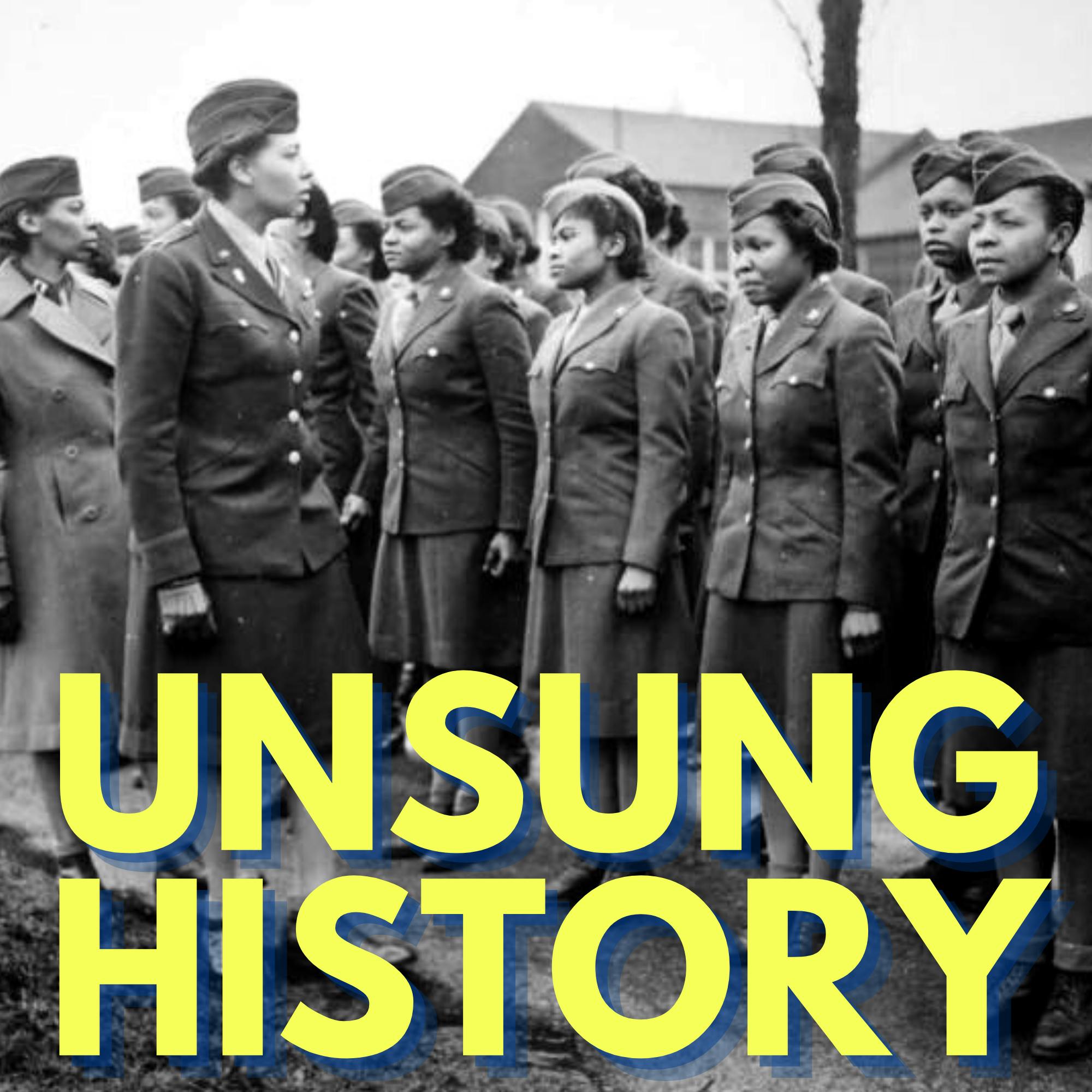
The 6888th Central Postal Directory Battalion
On February 14, 1945, after crossing the Atlantic Ocean and surviving a run-in with a Nazi U-Boat, the women of the 6888th Central Postal Directory Battalion disembarked the Île-de-France in Glasgow, Scotland. The task awaiting the only all-Black, all-female battalion overseas during World War II was daunting. There were airplane hangars filled with a backlog of millions of pieces of mail sitting in Birmingham, England, addressed from friends and family to service members stationed across Eur...
Guest: Kaia Alderson
36
Feb. 7, 2022
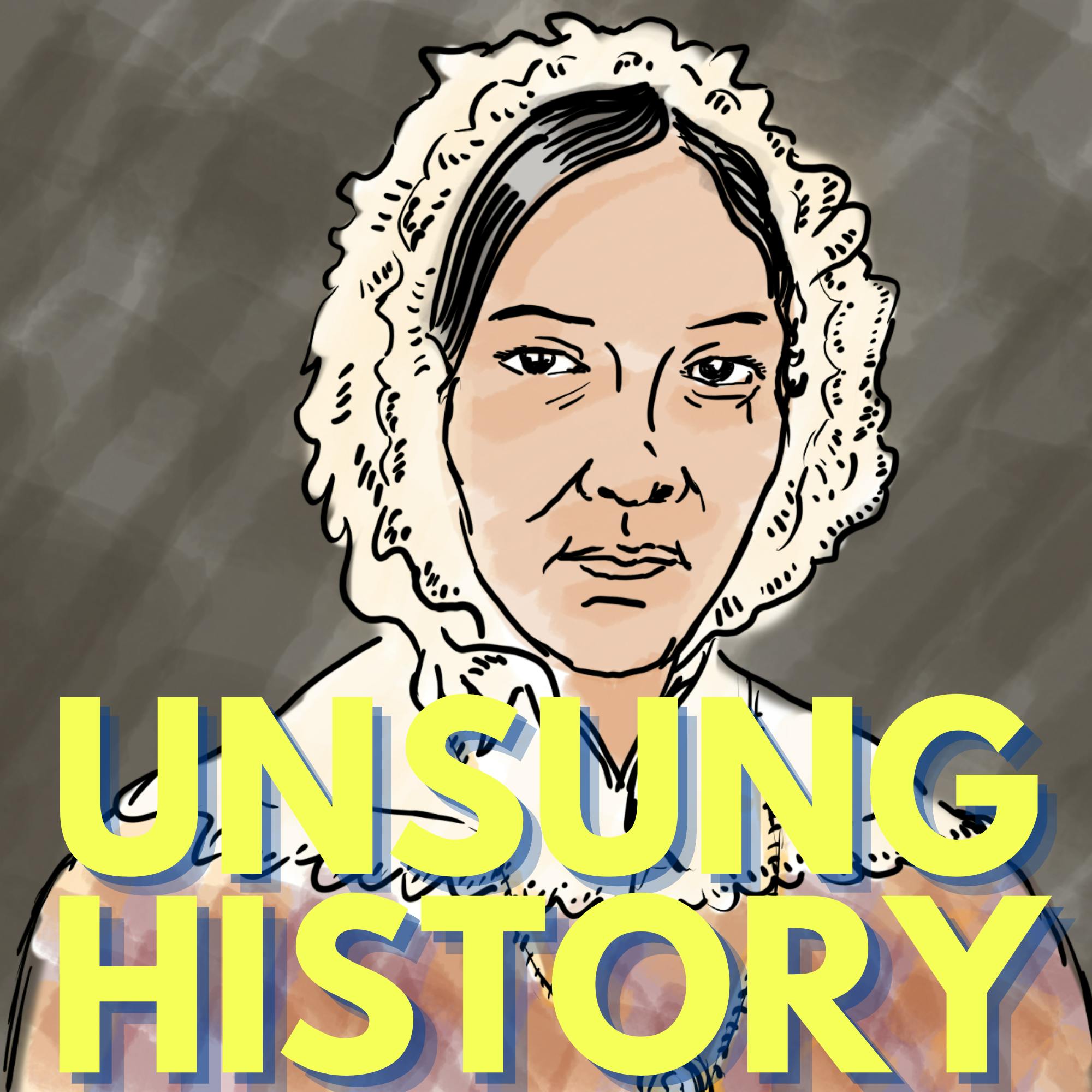
Julia Chinn
Julia Chinn was born into slavery in Kentucky at the tail end of the 18th Century. Despite laws against interracial marriage, Richard Mentor Johnson, the ninth Vice President of the United States, called Julia Chinn his wife, and he recognized their daughters together as his. Johnson left Julia in charge of his Blue Spring Farm when he was away in DC for months at a time, and Julia ran the household and plantation, managed the business affairs, and worked as both manager and nurse at the Chockta...
Guest: Amrita Chakrabarti Myers
35
Jan. 31, 2022
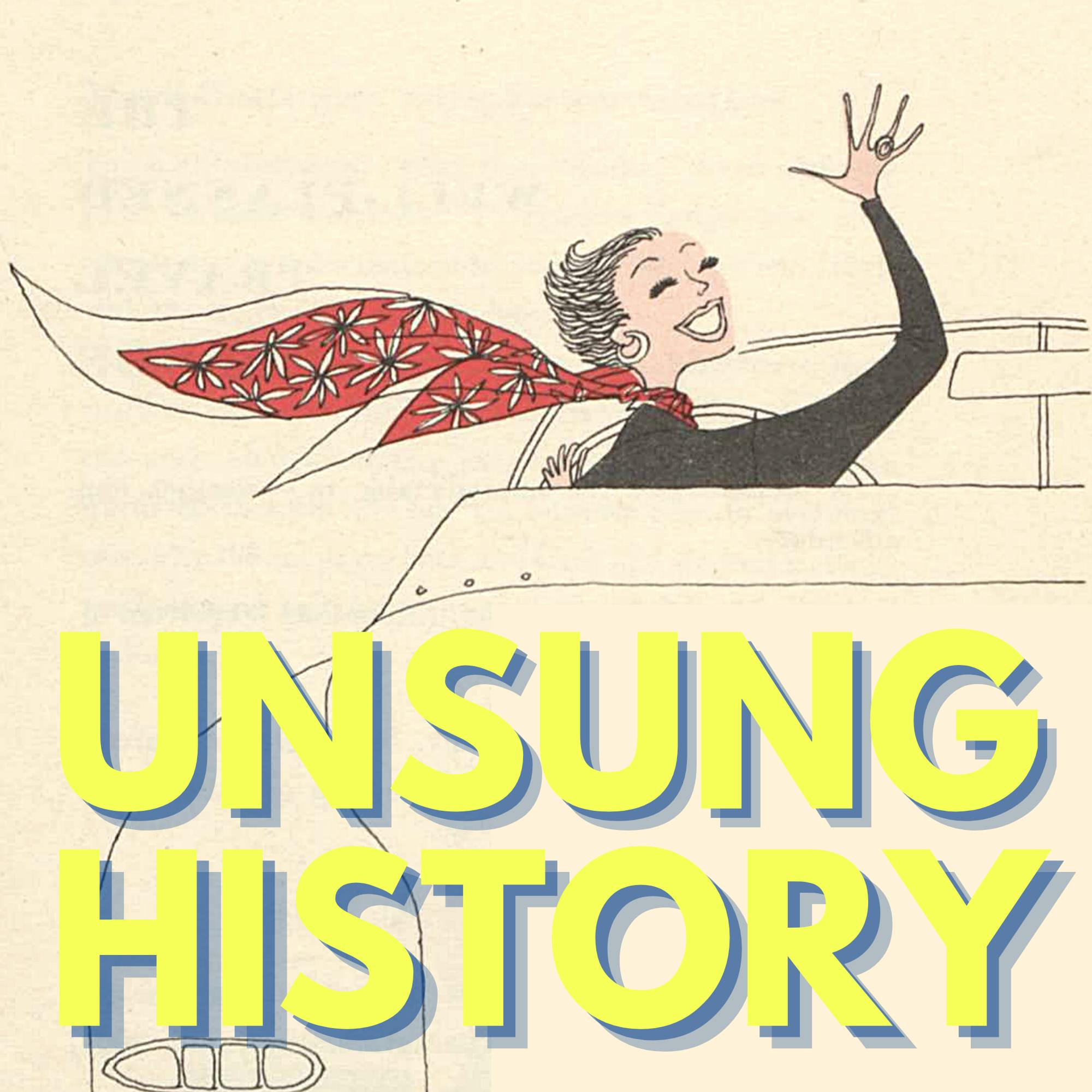
Who was Carol Lane?
In fall 1947 the Shell Oil Company hired a Women’s Travel Director named Carol Lane, who served in the role until she retired in 1974. Lane’s job was to encourage women to travel, showing them the joys of touring the country by car. Lane herself traveled around the United States and Canada, speaking to women’s clubs and on radio and TV, giving travel tips and packing demonstrations. Eventually, she even awarded women who developed local travel safety programs with the Carol Lane Award. So who...
Guest: Melissa Dollman
33
Jan. 17, 2022
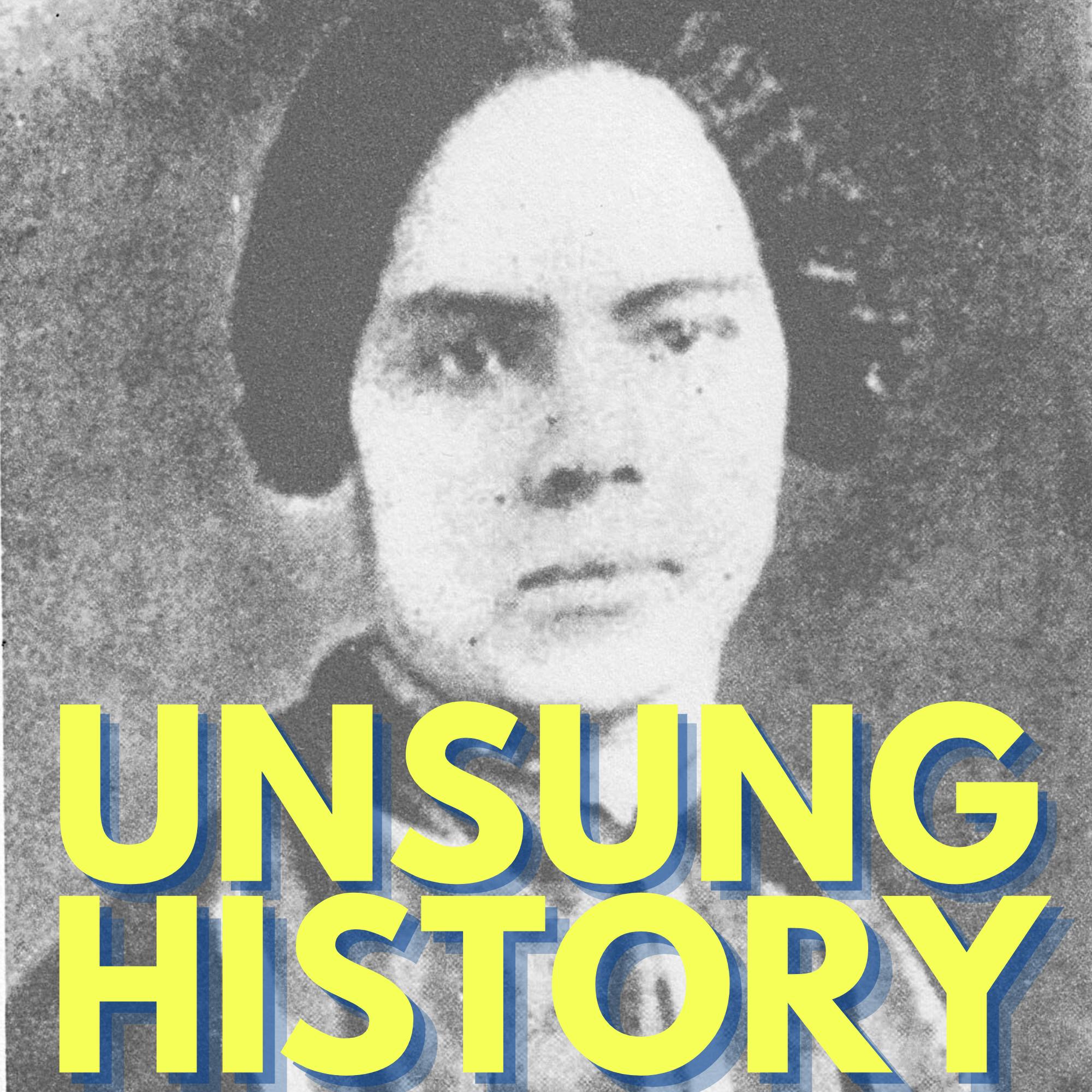
Mary Ann Shadd Cary
Mary Ann Shadd Cary, born in Delaware in 1823, was a teacher, a writer, an abolitionist, a suffragist, and a lawyer, and is considered to be the first Black woman to publish and edit a newspaper in North America, The Provincial Freeman. When abolitionist Frederick Douglass asked readers of his newspaper in 1848 for suggestions on how to improve life for African Americans, Shadd Cary answered: “We should do more and talk less,” and she spent her life following that motto in both the United States...
Guests: Kristin Moriah , Jane Rhodes
31
Jan. 3, 2022
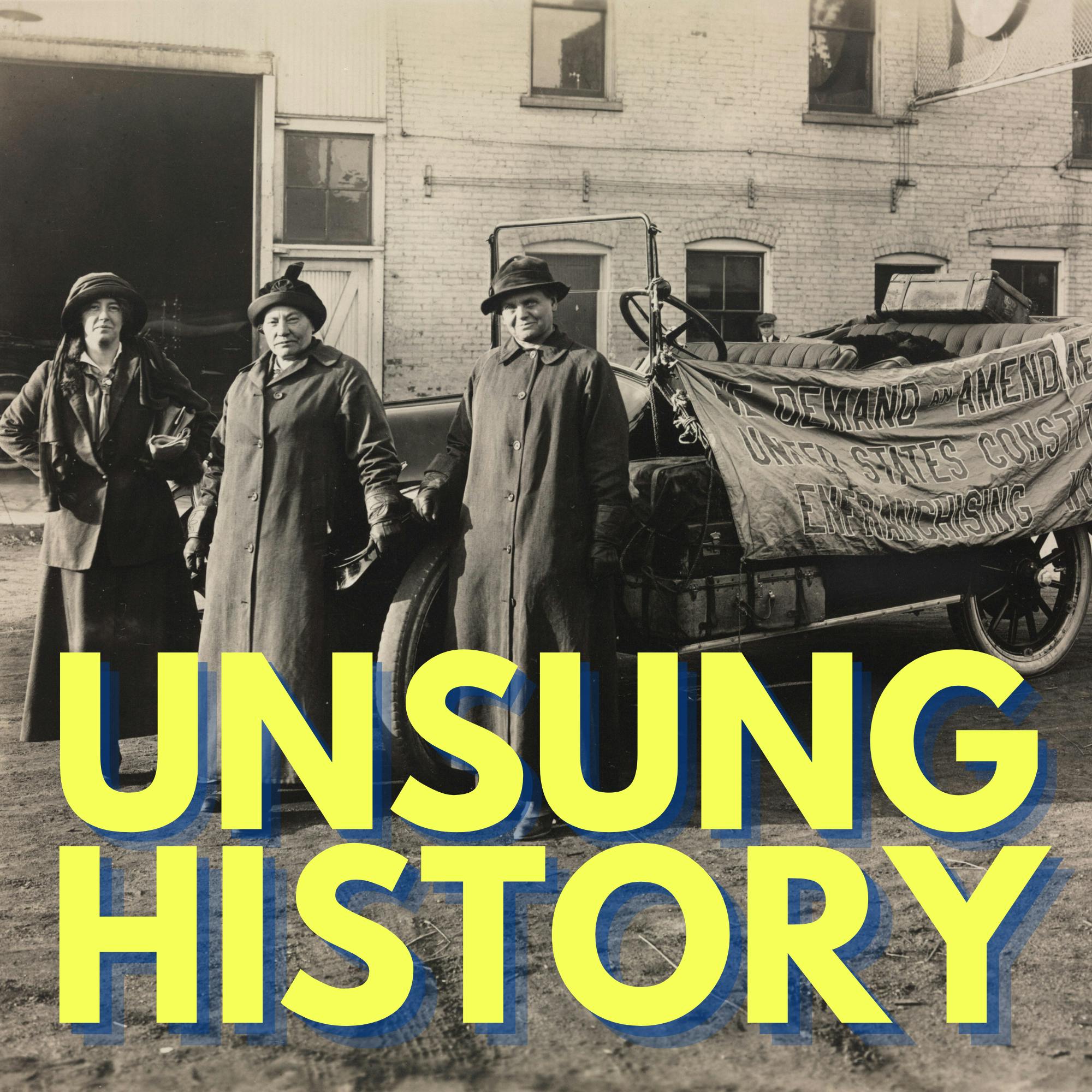
The Suffrage Road Trip of 1915
In September 1915, four suffragists set off from the Panama–Pacific International Exposition in San Francisco, California, in a brand-new Overland 6 convertible to make the 3,000-mile drive across the country to deliver a petition for women’s suffrage to President Woodrow Wilson on the opening day of Congress in December. Along the way they faced illness, terrible driving conditions, and opposition to women’s suffrage. Joining me to help us learn more about the road trip, and especially the u...
Guest: Anne Gass