
Women's History Episodes
30
Dec. 27, 2021
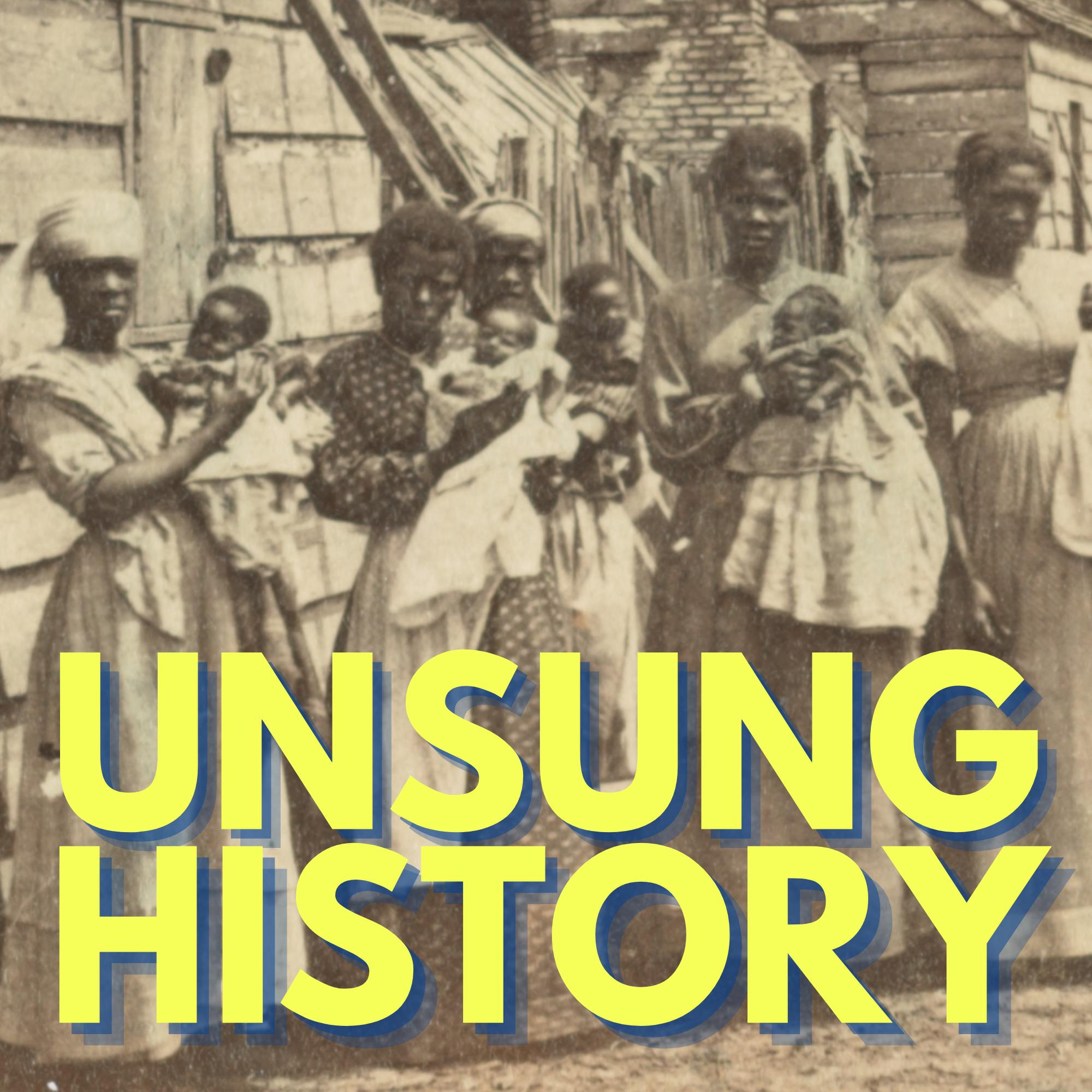
Women-Led Slave Revolts
Enslaved Africans in what is now New York State and in the Middle Passage resisted their enslavement, despite the risk of doing so. In the previously accepted history of these slave revolts, the assumption was that men led the resistance, but Dr. Rebecca Hall dug deeper into the records and read against the grain to find the women warriors who fought for their freedom. Joining me to help us learn more is Dr. Rebecca Hall, a scholar, activist and educator, who writes and speaks on the history ...
Guest: Rebecca Hall
29
Dec. 20, 2021
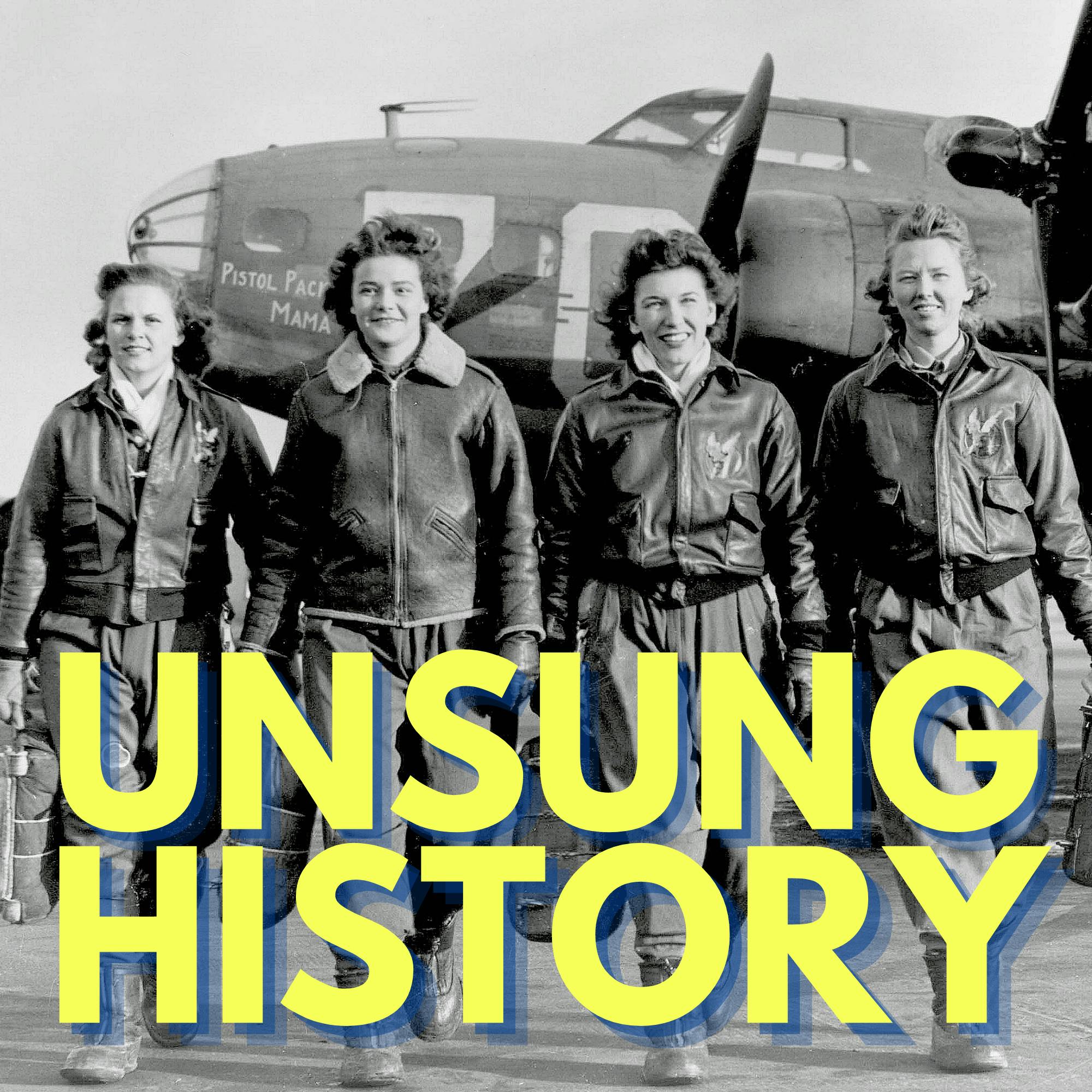
The Women Airforce Service Pilots of World War II
From September 1942 to December 1944, over 1000 American women served in the war effort as Women Airforce Service Pilots (WASP), flying 80% of all ferrying missions and delivering 12,652 aircraft of 78 types. They also transported cargo, test flew planes, demoed aircraft that the male pilots were scared to fly, simulated missions, and towed targets for live anti-aircraft artillery practice. The WASP did not fly in combat missions, but their work was dangerous, and 38 were killed in accidents. Ev...
Guest: Katherine Sharp Landdeck
28
Dec. 13, 2021
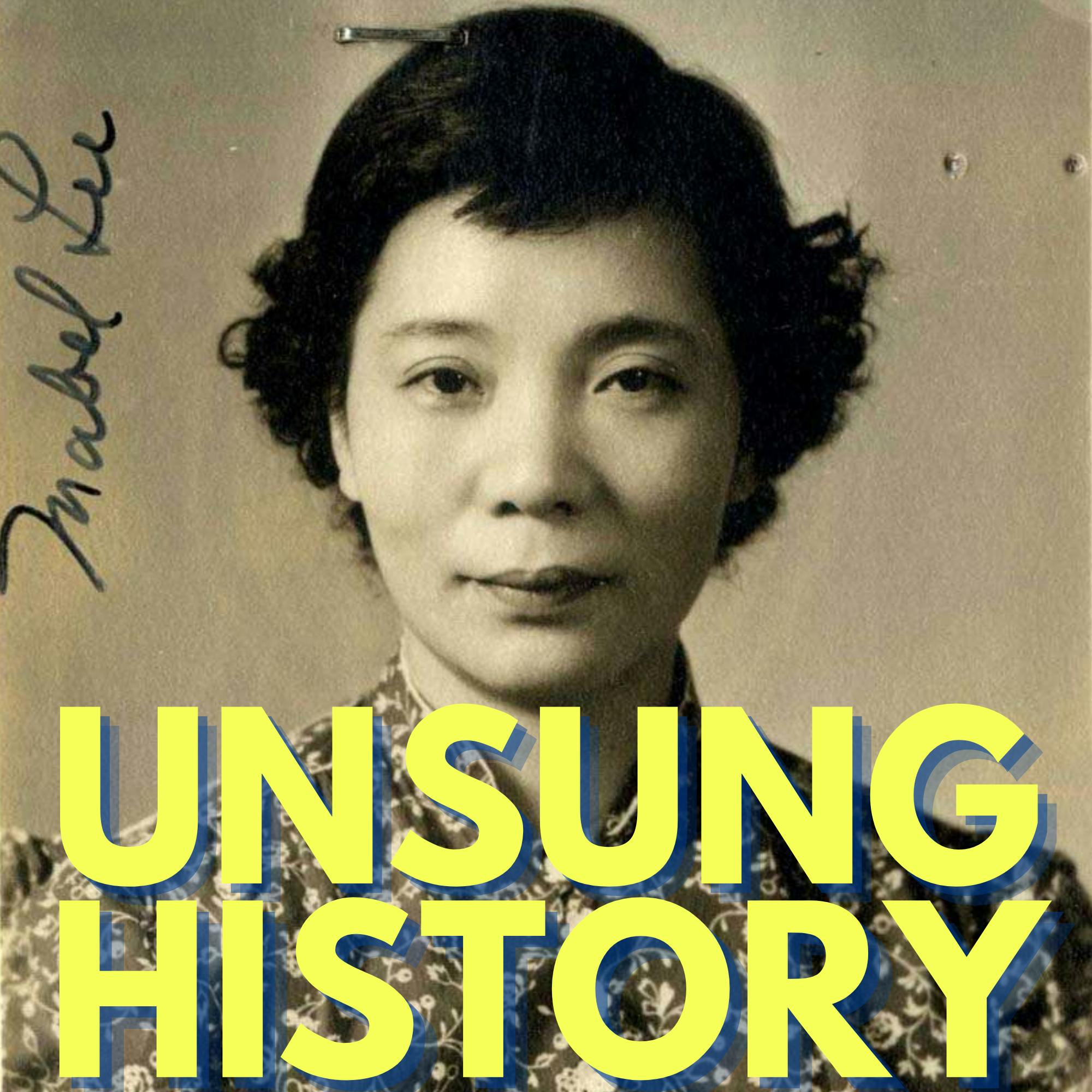
Mabel Ping-Hua Lee
Mabel Ping-Hua Lee was born in China in 1896 but lived most of her life in the United States, where, due to the Chinese Exclusion Act, she had no path to naturalization until the law changed in 1943. Even though it would not benefit her for decades, Mabel Lee worked for women’s suffrage, leading the New York City Suffrage Parade on horseback at the age of only 16. Lee was the first Chinese woman to earn a PhD in Economics in the United States, graduating from Columbia University in 1921 with a d...
Guest: Cathleen Cahill
27
Dec. 6, 2021
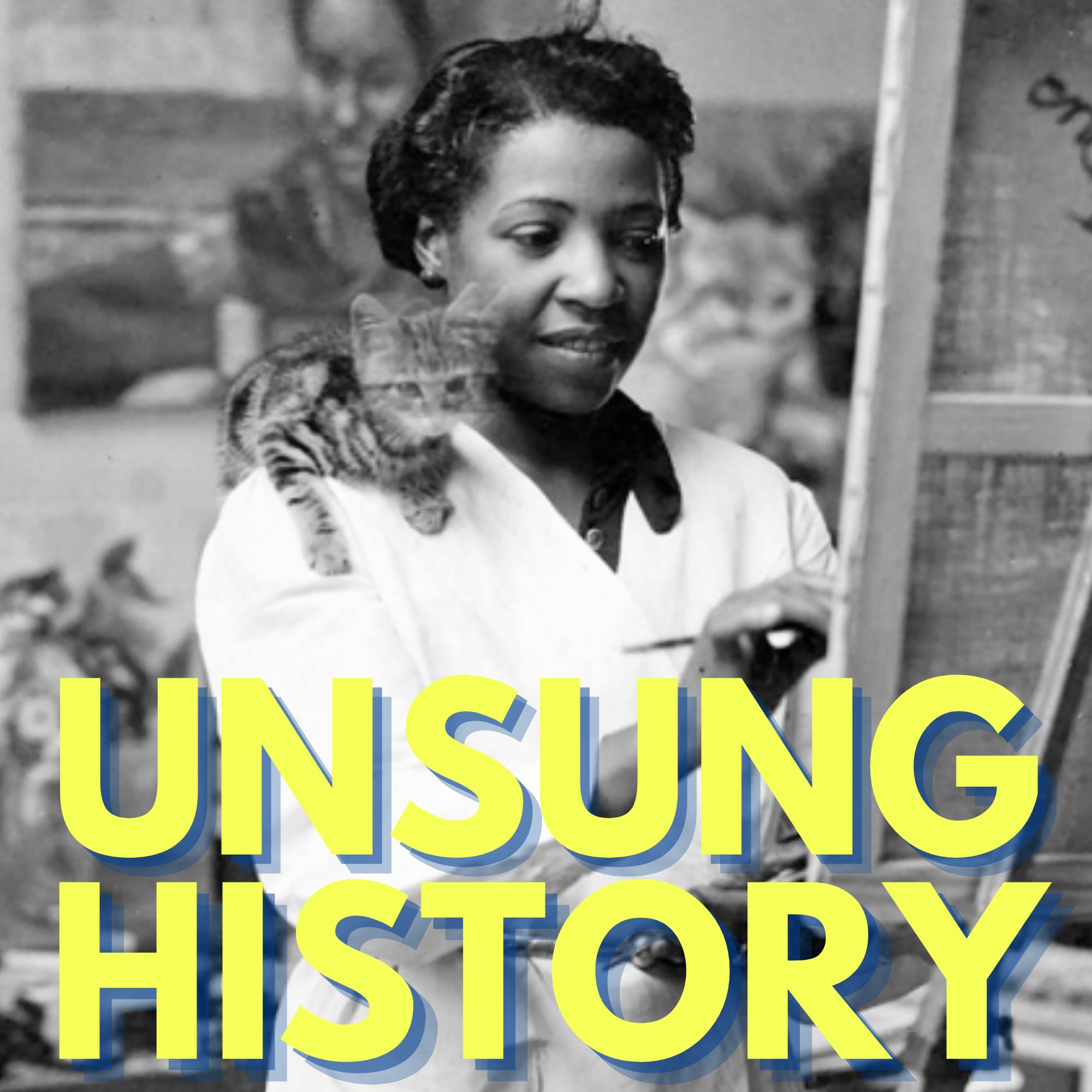
Loïs Mailou Jones
Born in Boston, Massachusetts, in 1905, artist Loïs Mailou Jones’s career spanned much of the 20th Century as both a painter and a teacher of generations of Black artists at Howard University. Jones faced racial discrimination in the US throughout much of her long life, and found refuge and inspiration in the Harlem Renaissance Movement and in the expatriate community of Black artists in Paris. Her 1953 marriage to Haitian artist Louis Vergniaud Pierre-Noel, and later research trips to Africa...
Guest: Jennifer Higgie
21
Oct. 25, 2021
Fashion, Feminism, and the New Woman of the late 19th Century
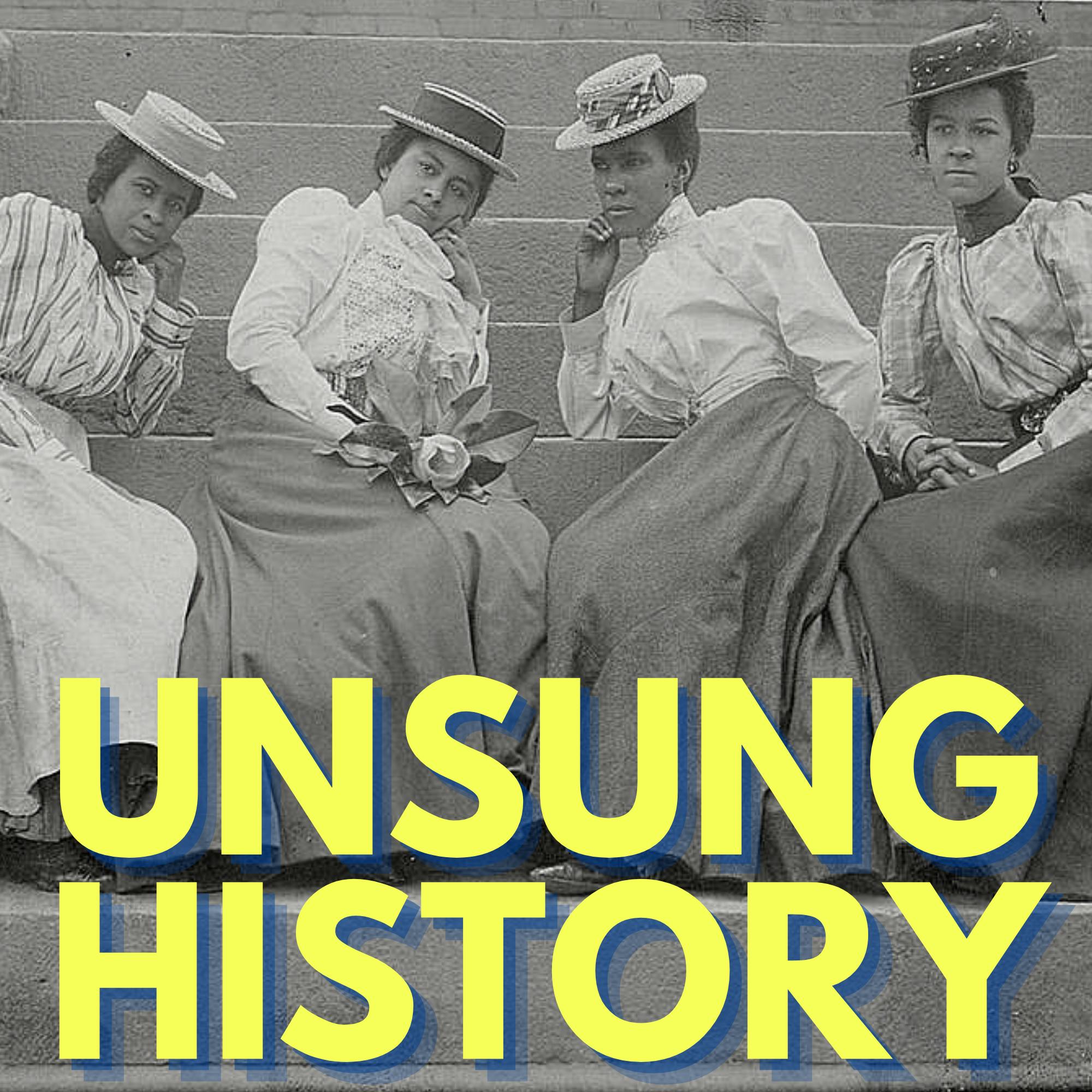
The late 19th Century ushered in an evolution in women’s fashion from the Victorian “True Woman” whose femininity was displayed in wide skirts and petticoats, the “New Woman” of the late 19th and early 20th centuries was modern and youthful in a shirtwaist and bell-shaped skirt. Earlier fashion experimentation by feminists in the mid-19th Century had failed to catch on and had interfered with their ability to inspire change as they were labeled radical for their sartorial choices. Feminists i...
Guest: Einav Rabinovitch-Fox

20
Oct. 18, 2021
The Original Fight for the Equal Rights Amendment
After the 19th Amendment was ratified in 1920, enfranchising (some) women, lots of questions remained. If women could vote, could they serve on juries? Could they hold public office? What about the array of state-laws that still privileged husbands and fathers over wives and daughters in regard to property and earnings rights? In February 1921, Alice Paul, head of the National Woman’s Party declared: “Now that political freedom has been won, we hope to wipe out sex discrimination in law, so t...
Guest: Rebecca DeWolf
Oct. 11, 2021
Zitkála-Šá
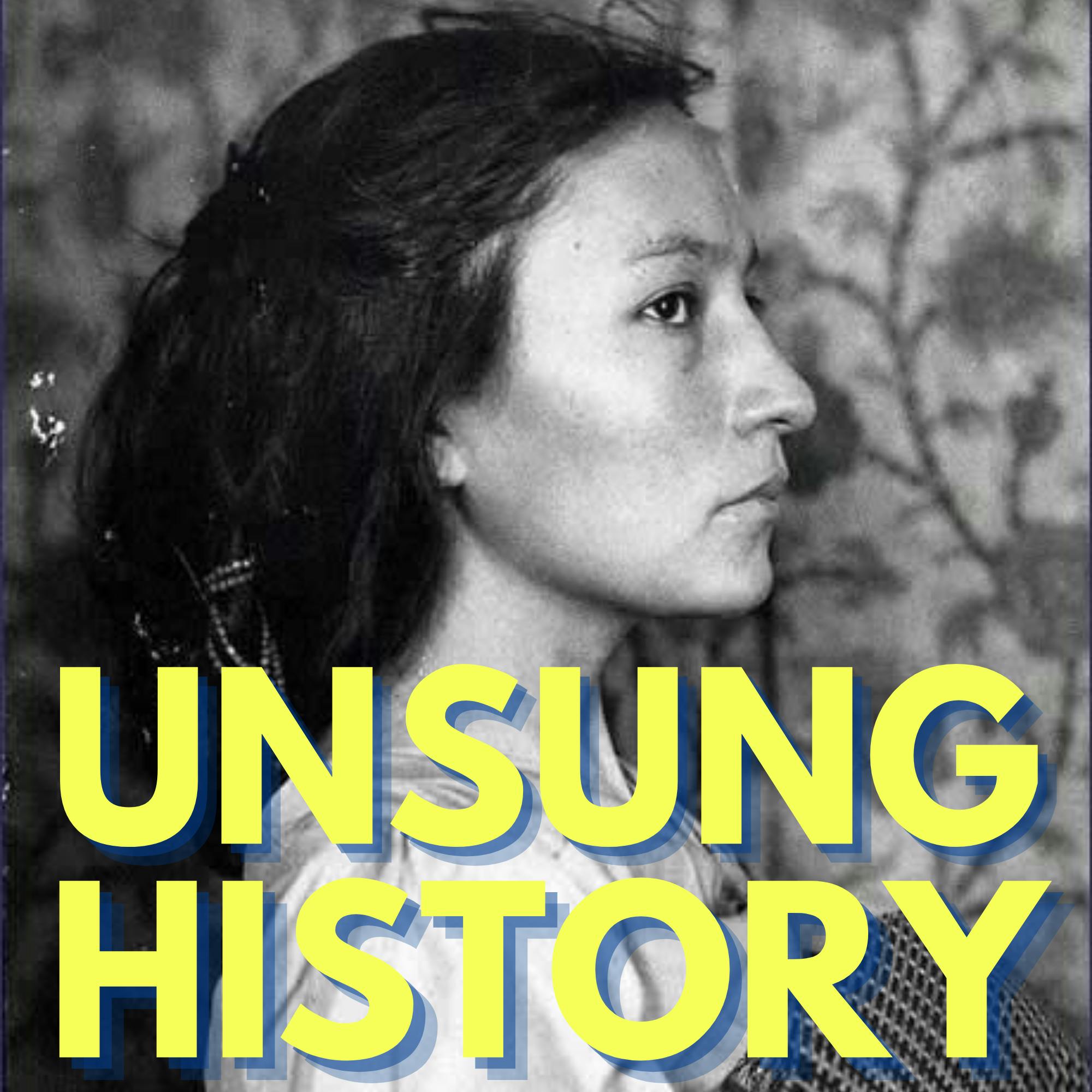
Writer, musician, and political activist Zitkála-Šá, also known as Gertrude Simmons Bonnin, was born on February 22, 1876, on the Yankton Indian Reservation in South Dakota, where she lived until she was eight. When Zitkála-Šá was eight years old, missionaries came to the reservation to recruit children to go to White's Indiana Manual Labor Institute. Despite her mother’s pleading, Zitkála-Šá begged to go to the school with her older brother. She later wrote that she regretted the decision al...
Guest: P. Jane Hafen

18
Oct. 4, 2021
Women in the U.S. Military during the Cold War
Nearly 350,000 American women served in the US military during World War II. Although the women in the military didn’t engage in combat their presence was vital to the American effort, in clerical work as well as in driving trucks, operating radios and telephones, repairing and flying planes, and of course, in nursing. Women’s active duty was a temporary wartime measure, but when the war ended, Secretary of Defense James Forrestal, Dwight D. Eisenhower, and General Omar Bradley, among others,...
Guest: Tanya Roth

16
Sept. 20, 2021
Chef Lena Richard
Over a decade before Julia Child’s The French Chef appeared on TV, a Black woman chef hosted her own, very popular cooking show on WDSU-TV in New Orleans. At a time when families were just beginning to own televisions, Chef Lena Richard’s show was so popular that it aired twice a week. Richard started working as a cook as a teenager for the wealthy Vairin family who employed her mom as a domestic servant. When their cook left, Alice Vairin gave Richard a trial run as cook and was so impressed...
Guests: Chef Dee Lavigne , Ashley Rose Young
9
Aug. 2, 2021
Elizabeth Packard
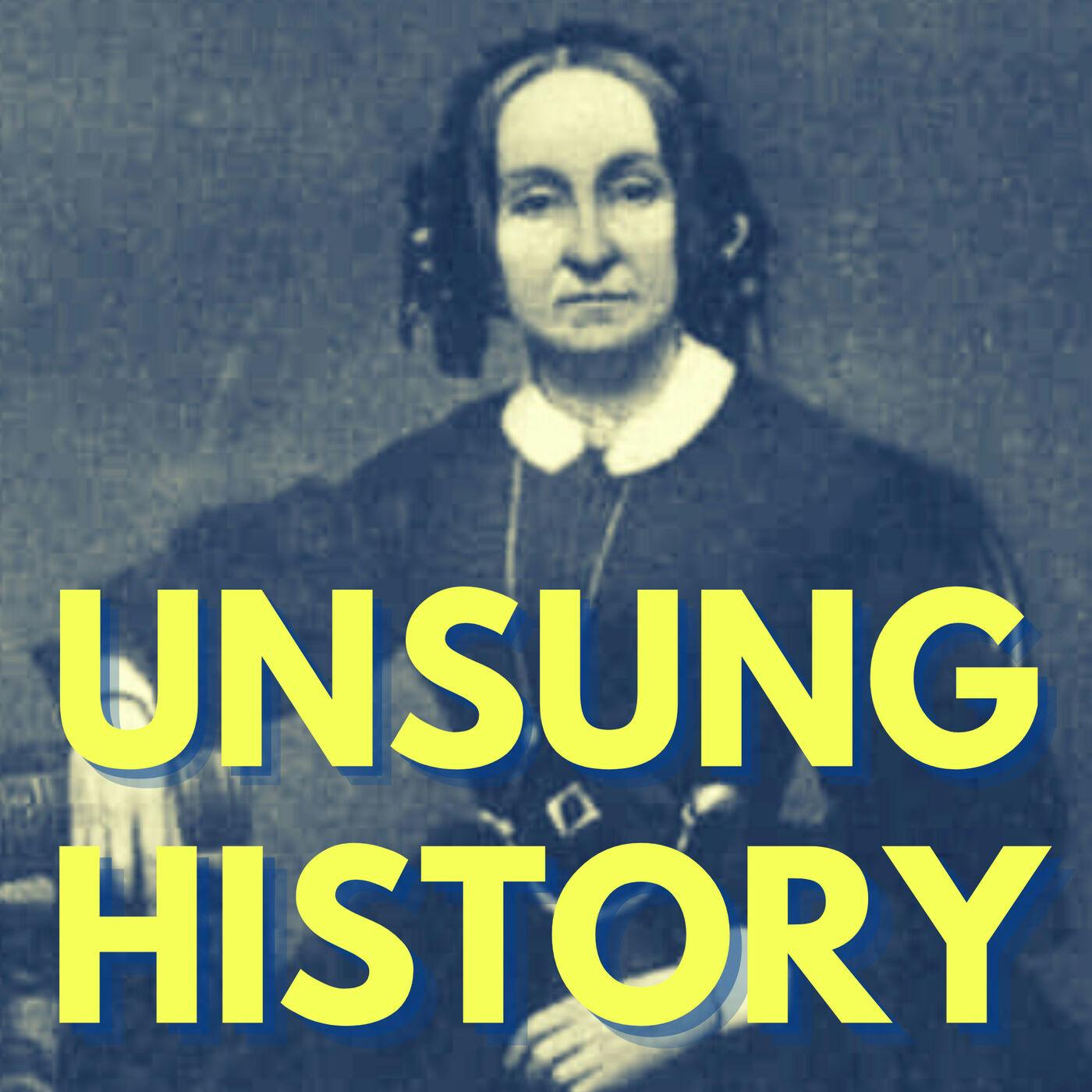
Elizabeth Packard was born in Massachusetts in 1816 into a comfortable home where her parents were able to provide for her education. She taught briefly at a girls’ school before at age 23 agreeing at her parents’ urging to marry 37-year-old Calvinist minister Theophilus Packard. Over the next 20 years Elizabeth was a devoted mother and housewife who grew the family’s vegetables and sewed clothes for their six children. To the outside world, it appeared to be a contented marriage, until Eliza...
Guest: Kate Moore
4
June 28, 2021
Sophonisba Breckinridge
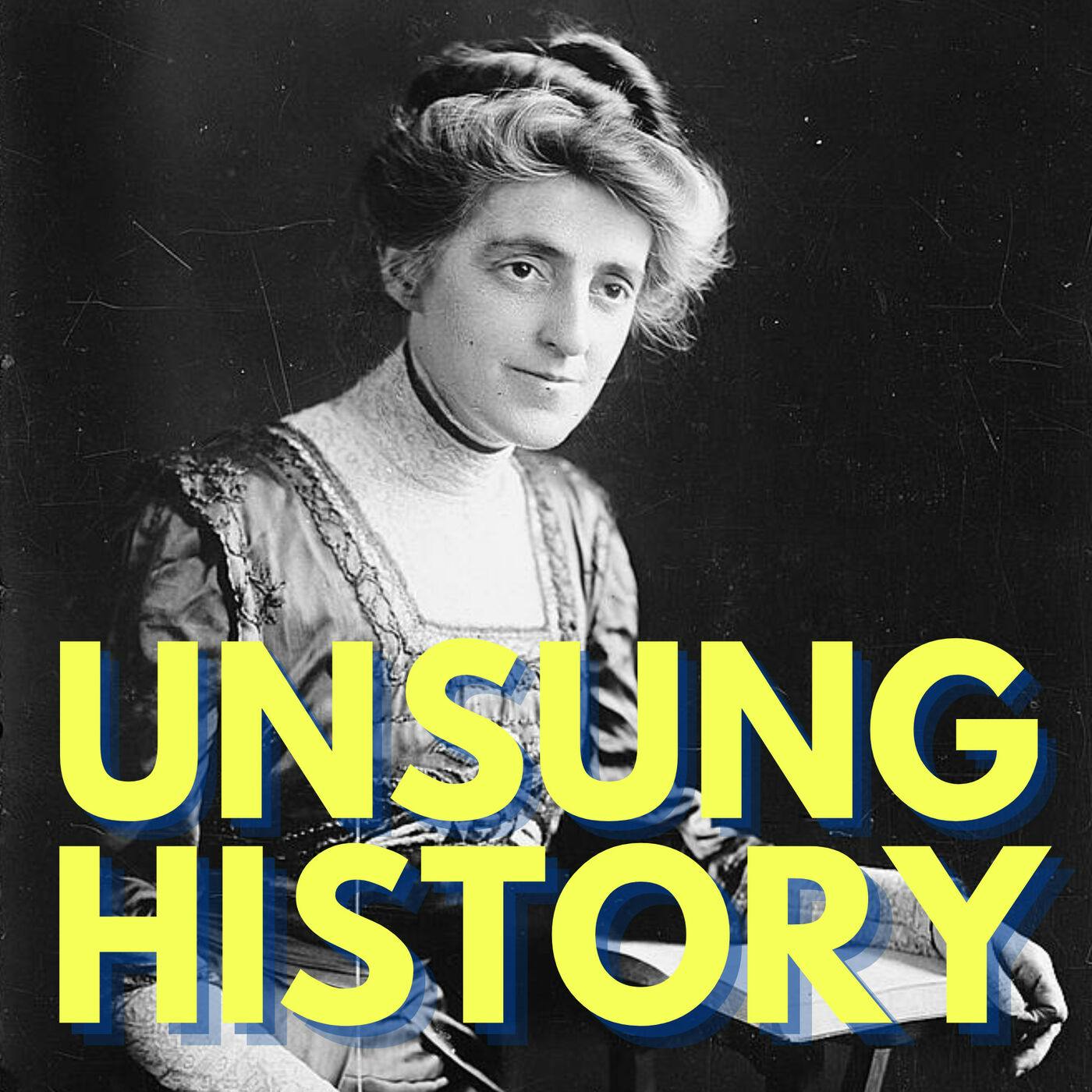
Sophonisba “Nisba” Preston Breckinridge, born April 1, 1866, was a woman of firsts. Breckinridge was the first woman admitted to the Kentucky bar to practice law in 1895; the first woman to earn a PhD in Political Science at the University of Chicago in 1901; the first woman to earn a JD at the University of Chicago Law School in 1904; the first woman professor granted a named professorship at the University of Chicago in 1929; and the first woman to serve as U.S. representative to a high-level ...
Guest: Anya Jabour

3
June 21, 2021
Susie King Taylor
Susie King Taylor was born into slavery in Georgia in 1848. With the help of family members, she was educated and escaped, joining the Union army at the age of 14, to serve ostensibly as a laundress, but in reality as a nurse, teacher, and even musket preparer. In 1902, Taylor published Reminiscences of My Life in Camp with the 33d United States Colored Troops, an autobiography that covers not just her experiences during the Civil War, but also her childhood and her later years. Taylor includes ...
Guest: Ben Railton
1
June 7, 2021
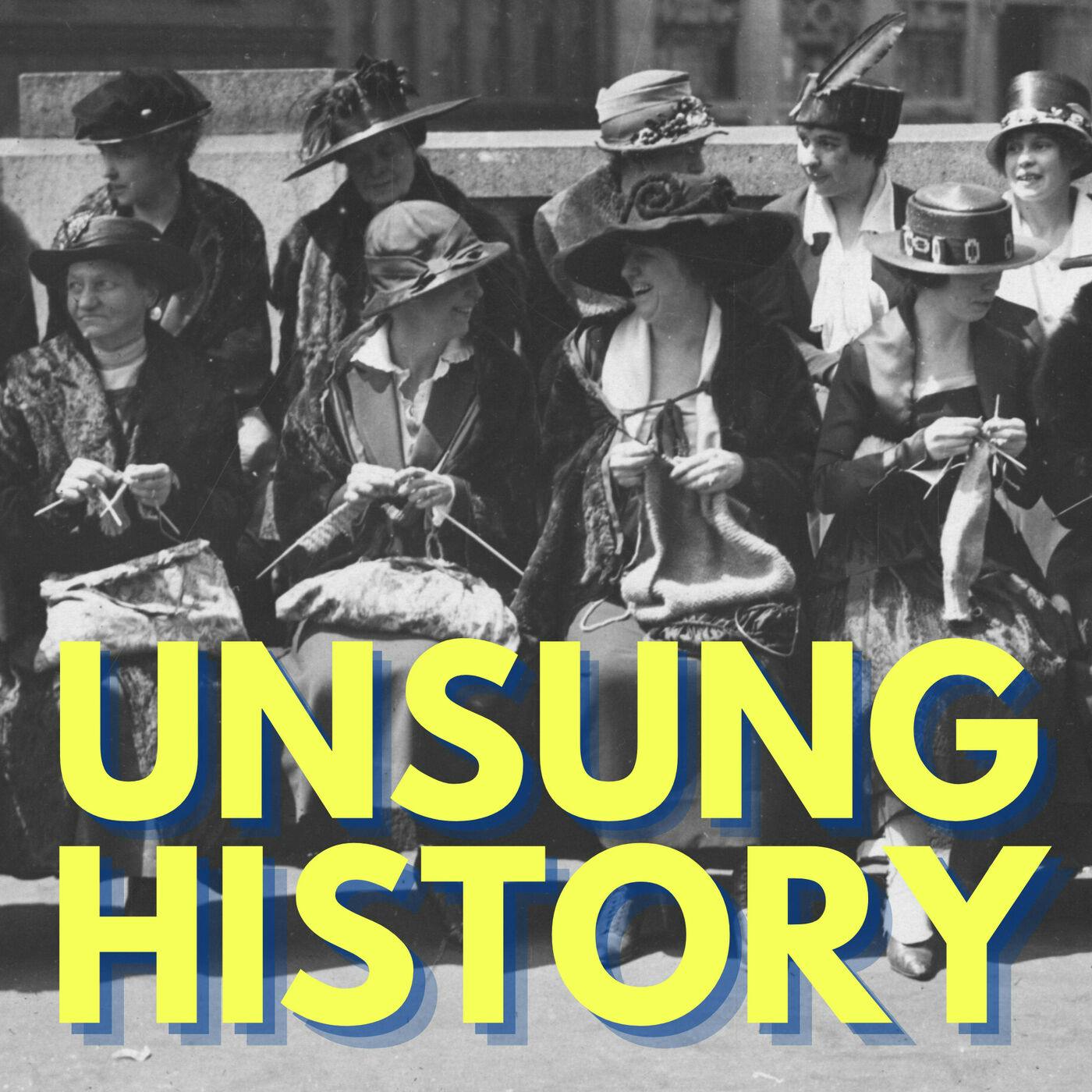
Knitting Brigades of World War I
Between America’s entry into World War I and the end of the war less than two years later, Americans knit 23 million articles of clothing and bandages for soldiers overseas, directed by the American Red Cross. How was this knitting organized? Who did the knitting? And why don’t more people know about this impressive feat? Kelly digs into the story of World War I knitting efforts and interviews Holly Korda, author of The Knitting Brigades of World War I: Volunteers for Victory in America and Abro...
Guest: Holly Korda