
20TH Century Episodes
150
April 15, 2024
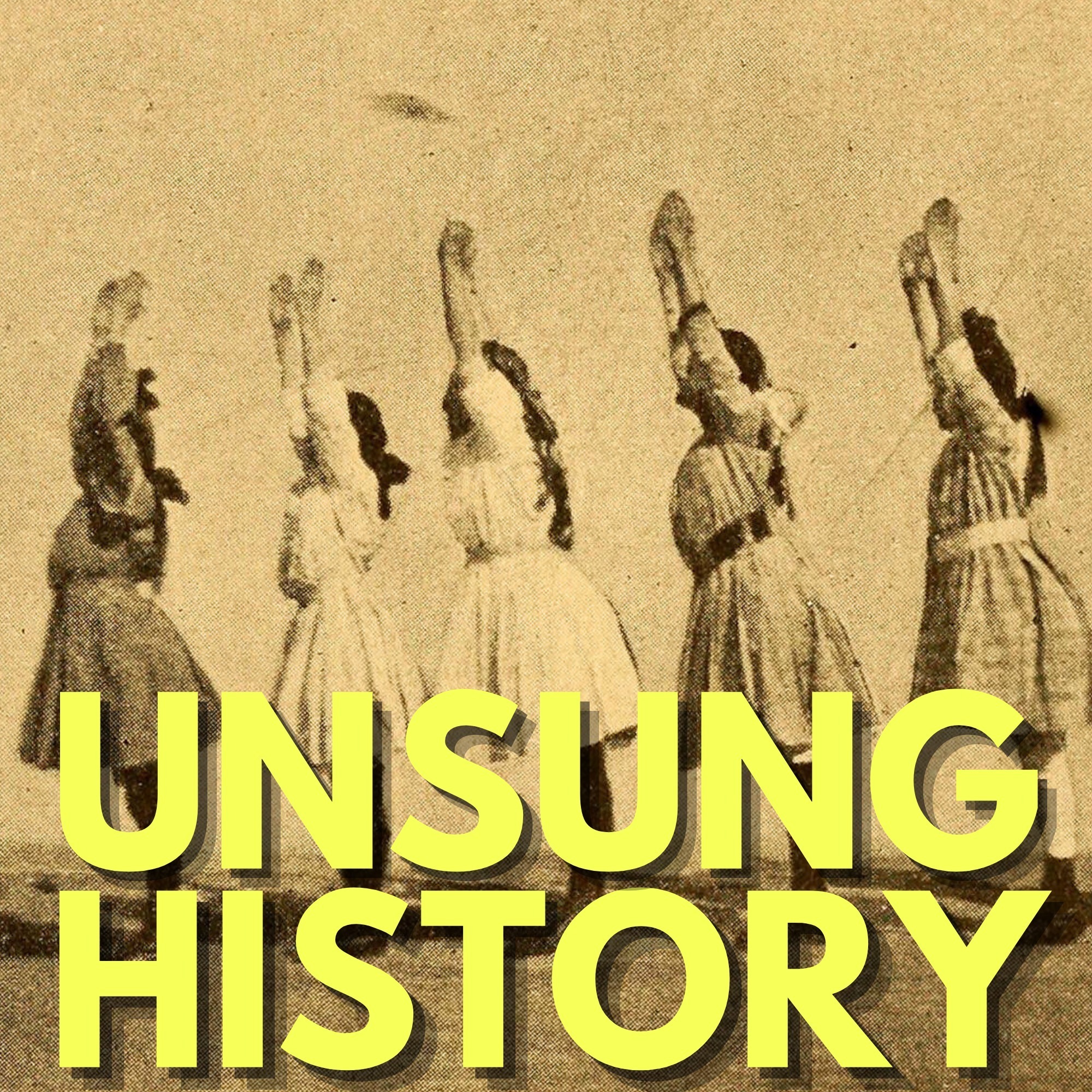
American Posture Panic
For several decades in the 20th Century, American universities, including elite institutions, took nude photos of their students, sometimes as often as twice a year, in order to evaluate their posture. In some cases students had to achieve a minimum posture grade in order to graduate. How did that practice develop, and how did it end? This week we’re discussing Americans’ obsession with posture with Dr. Beth Linker, the Samuel H. Preston Endowed Term Professor in the Department of the History an...
Guest: Beth Linker
149
April 8, 2024
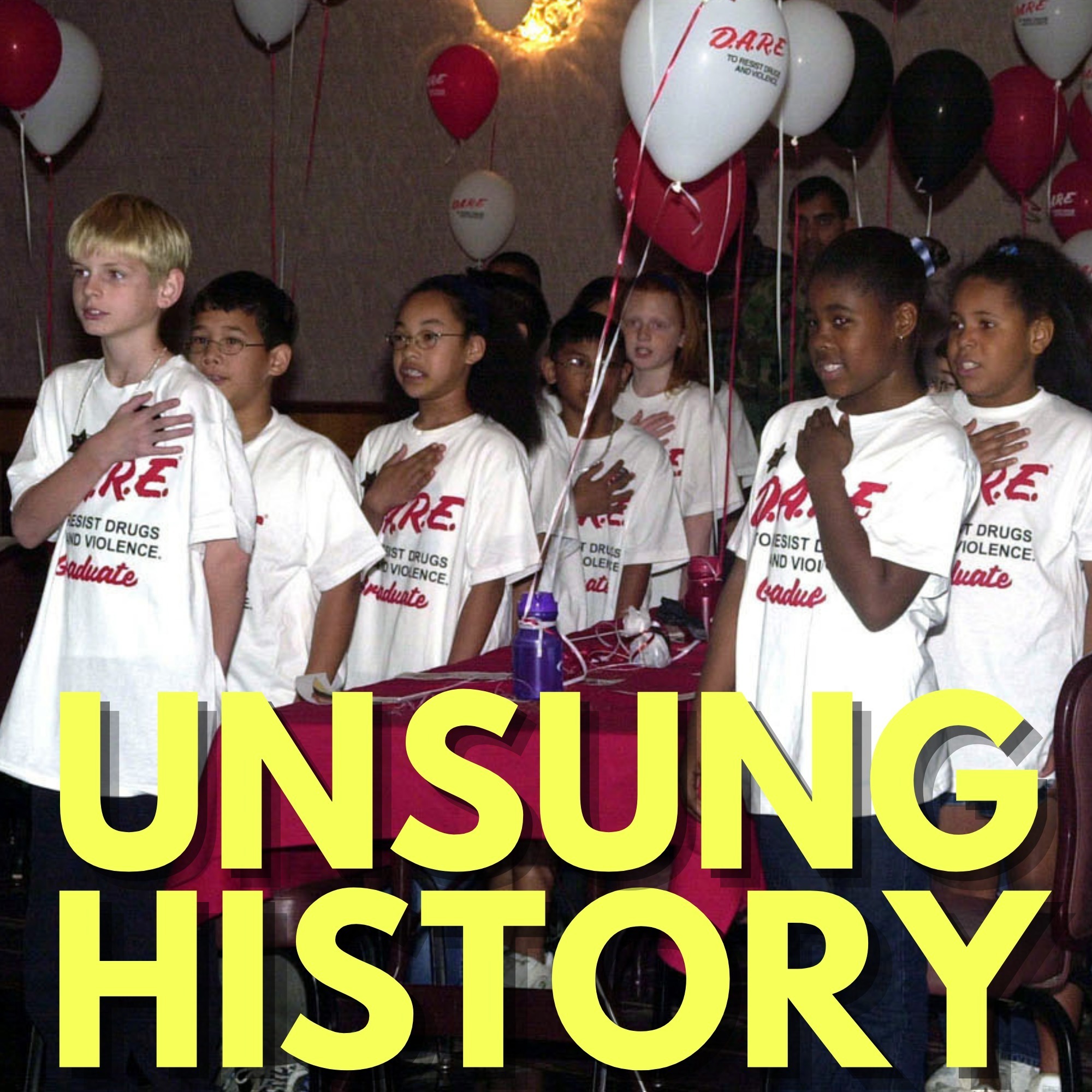
The History of DARE
In the fall of 1983, the LAPD, under Chief of Police Darryl Gates and in collaboration with the LA Unified School District, launched Project DARE (Drug Abuse Resistance Education), sending 10 police officers into 50 elementary schools to teach kids how to say no to drugs. By the time DARE celebrated its 10-year anniversary, there were DARE officers in all 50 states, teaching 4.5 million students. The program was praised by presidents and supported by major corporate sponsors, but in the 1990s so...
Guest: Max Felker-Kantor
148
April 1, 2024
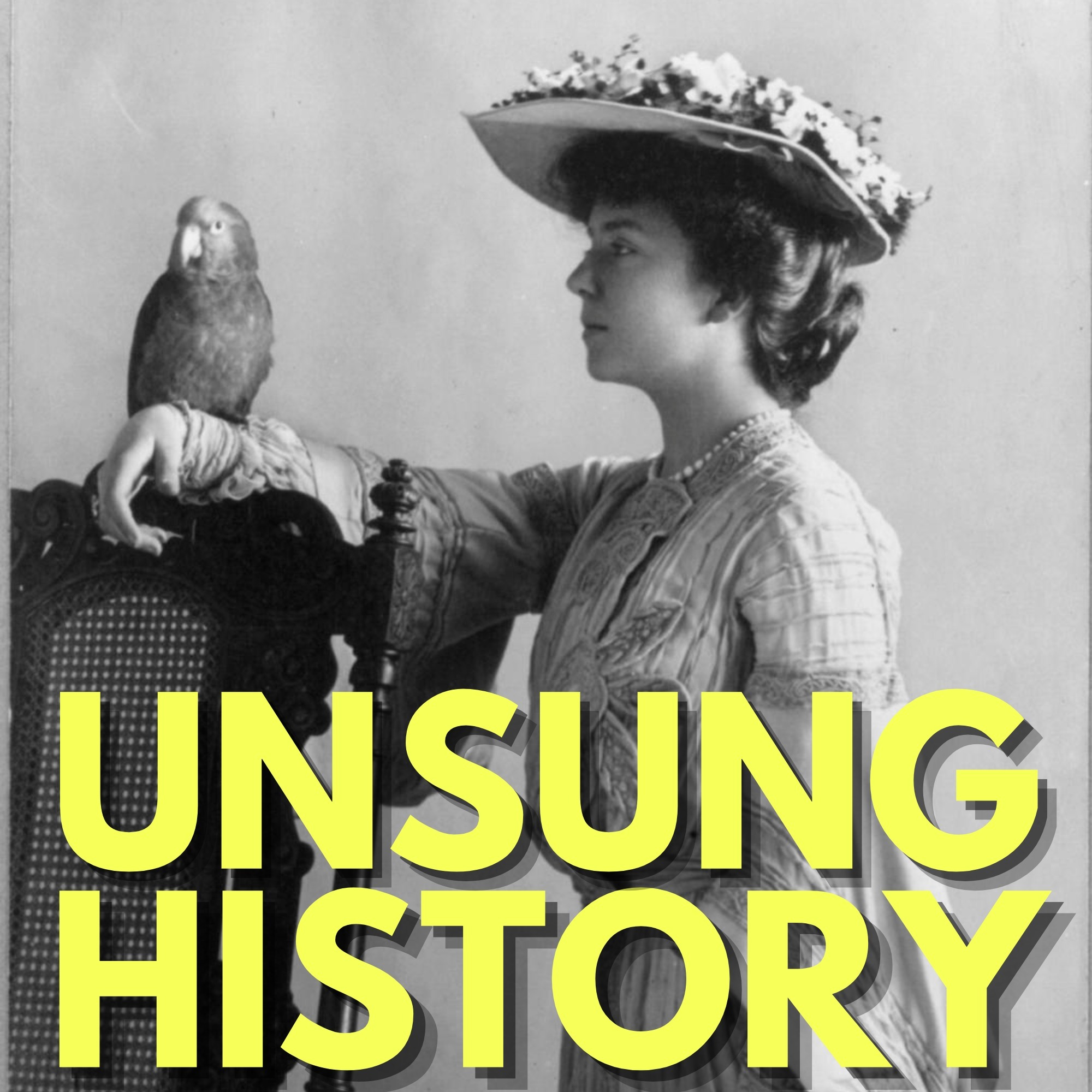
Alice Roosevelt Longworth
When Theodore Roosevelt became president in 1901, his eldest child, 17-year-old Alice, rose quickly to celebrity status. The public loved hearing about the exploits of the poker-playing, gum-chewing “Princess Alice,” who kept a small green snake in her purse. By the time she died at age 96, Alice, whose Dupont Circle home included an embroidered pillow with the phrase “If you can’t say something good about someone, sit right here by me,” was such an institution in DC politics that she was known ...
Guest: Michael Patrick Cullinane
147
March 25, 2024
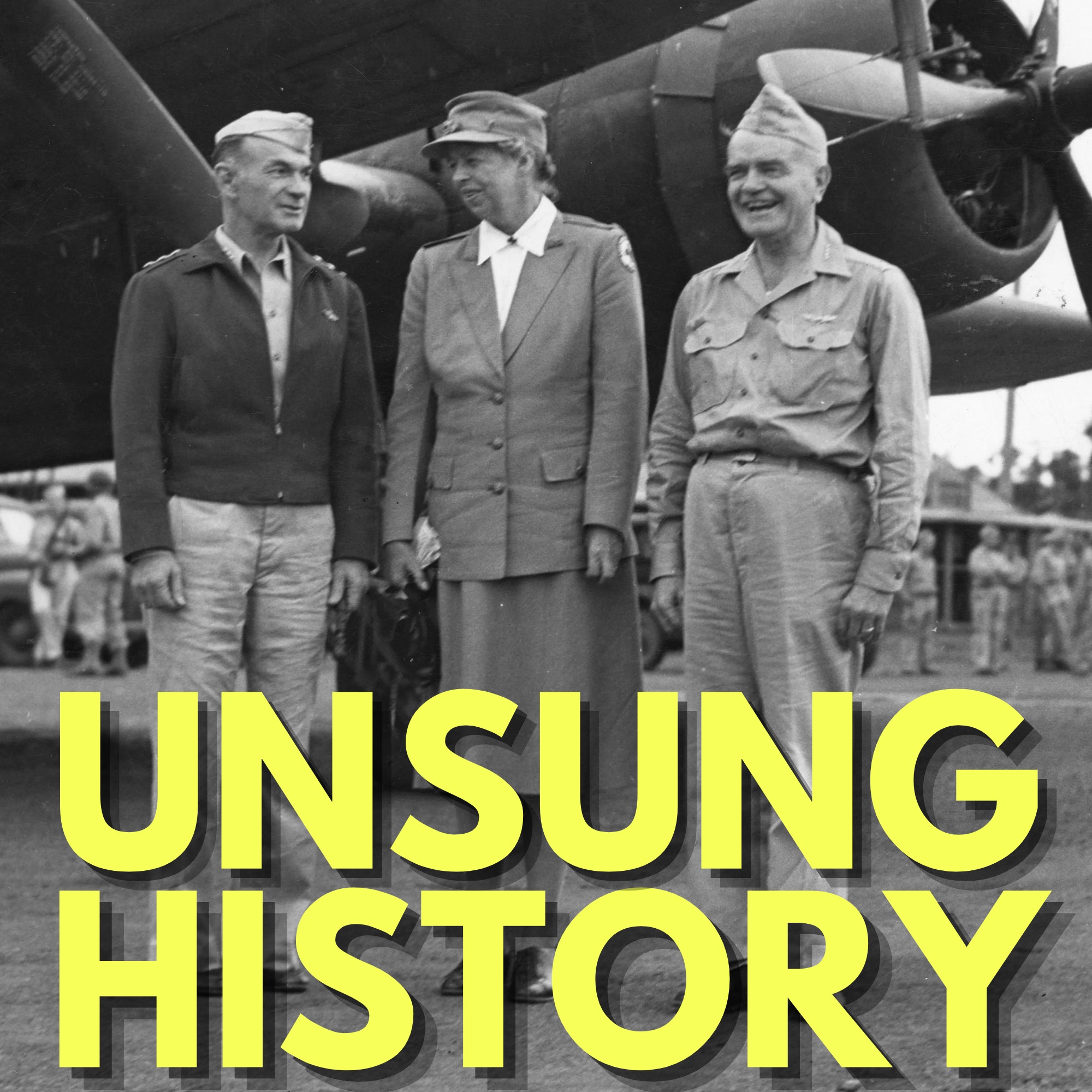
Eleanor Roosevelt's Visit to the Pacific Theatre during World War II
In August 1943, First Lady Eleanor Roosevelt set off in secrecy from San Francisco on a military transport plane, flying across the Pacific Ocean. It wasn’t until she showed up in New Zealand 10 days later that the public learned about her trip, a mission to the frontlines of the Pacific Theater in World War II to serve as "the President's eyes, ears and legs." Eleanor returned to New York five weeks and nearly 26,000 miles later, having seen an estimated 400,000 troops on her trip and producing...
Guest: Shannon McKenna Schmidt
146
March 18, 2024
Eliza Scidmore
Journalist Eliza Ruhamah Scidmore traveled the world in the late 19th and early 20th Centuries, writing books and hundreds of articles about such places as Alaska, Japan, China, India, and helping shape the journal of the National Geographic Society into the photograph-heavy magazine it is today. Scidmore is perhaps best known today for her long-running and eventually successful campaign to bring Japanese cherry trees to Potomac Park in Washington, DC. Joining me in this episode is writer ...
Guest: Diana Parsell
144
March 4, 2024
Tammany Hall, FDR & the Murder of Vivian Gordon
In 1931, Judge Samuel Seabury was leading an investigation for Governor Franklin D. Roosevelt into corruption in New York’s magistrate courts when a witness in the investigation named Vivian Gordon was found murdered in the Bronx. Because of the public demand for answers in this high-profile murder case, FDR could no longer keep his uneasy peace with Tammany Hall and expanded the scope of Seabury’s investigation. What Seabury’s team uncovered brought down Mayor Jimmy Walker and began to topple t...
Guest: Michael Wolraich
142
Feb. 19, 2024
The History of Ice in the United States
Today, Americans consume 400 pounds of ice a year, each. That would have been unfathomable to people in the 18th century, but a number of innovators and ice barons in the 19th and 20th centuries changed the way we think about the slippery substance. Joining me in this episode is writer Dr. Amy Brady, author of Ice: From Mixed Drinks to Skating Rinks–A Cool History of a Hot Commodity. Our theme song is Frogs Legs Rag, composed by James Scott and performed by Kevin MacLeod, licensed under Cr...
Guest: Amy Brady
141
Feb. 12, 2024
The History of Blue Jeans
If you’re like most Americans – or most people on earth – you have a pair of jeans, or maybe five, in your wardrobe. There’s a decent chance you’re wearing jeans right now. These humble pants were invented by a Reno tailor in the 1870s in response to a frustrated customer whose husband kept wearing through his pants too quickly. How, then, did they become a global phenomenon expected to exceed $100 billion in sales by 2025? Joining me to help answer that question is historian, writer, and screen...
Guest: Carolyn Purnell

140
Feb. 5, 2024
The History of Pinball
In January 1942, Mayor Fiorello La Guardia sent New York City police out on an important mission; their objective: to find and destroy tens of thousands of pinball machines. But some of pinball’s most important innovations, including the development of flippers, happened in the decades that it was banned in New York and many other US cities. This week we dig in to the fun – and sometimes surprising – history of pinball. Joining me in this episode is illustrator and cartoonist Jon Chad, aut...
Guest: Jon Chad
136
Jan. 29, 2024
The History of US Foreign Disaster Relief
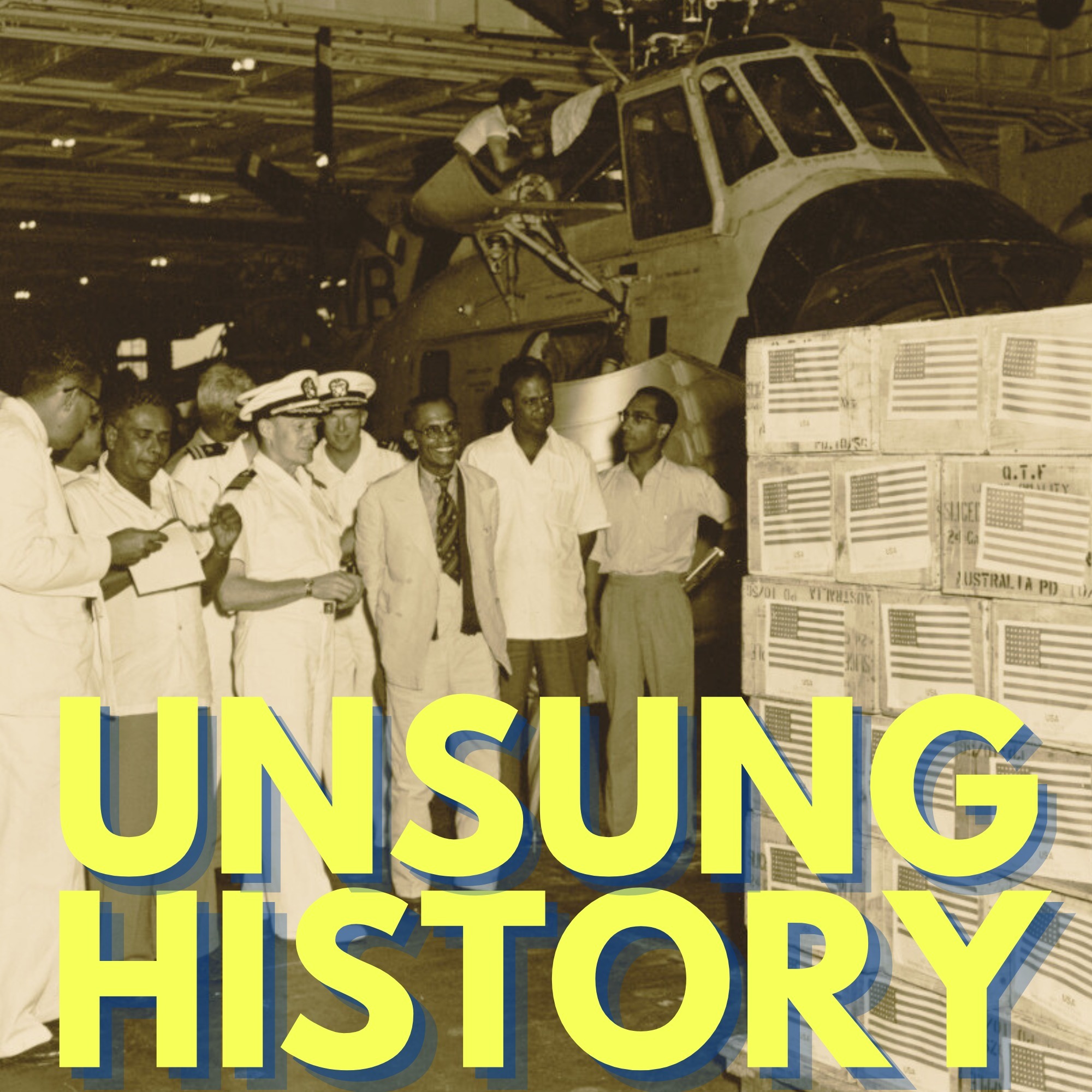
In 1812, the United States Congress voted to provide $50,000 to assist victims of a horrific earthquake in the far-away country of Venezuela. It would be another nine decades before the US again provided aid for recovery efforts after a foreign rapid-onset natural disaster, but over time it became much more common for the US to help in such emergencies. This disaster relief, provided via a three-pronged response from the State Department, the military, and the voluntary sector, especially repres...
Guest: Julia Irwin
138
Jan. 22, 2024
LSD, the CIA & the History of Psychedelic Science
In 1938, Swiss chemist Albert Hofmann accidentally developed the potent psychedelic LSD, although it would be several years before Hofmann realized what he’d created. During the Cold War, the CIA launched a top-secret mind control project, code-named MKUltra, experimenting with LSD and other psychedelic substances, drugging military personnel, CIA employees, and civilians, often without their consent or even their knowledge. At the same time, the CIA was funding university research on psychedeli...
Guest: Benjamin Breen

136
Jan. 8, 2024
The History of Mormonism
In 1830, amid the Second Great Awakening in the burned-over district of New York State, Joseph Smith, Jr., and Oliver Cowdery ordained each other as the first two elders in what they then called the Church of Christ. Within eight years, the Governor of Missouri issued an executive order that members of the church, by then known as The Church of Jesus Christ of Latter-day Saints “must be treated as enemies and must be exterminated or driven from the state,” driving 10,000 of the faithful to flee ...
Guest: Benjamin Park

135
Jan. 1, 2024
The History of College Radio
Almost as soon as there were radio stations, there were college radio stations. In 1948, to popularize FM radio, the FCC introduced class D non commercial education licenses for low-watt college radio stations. By 1967, 326 FM radio signals in the United States operated as “educational radio,” 220 of which were owned and operated by colleges and universities. The type of programming that these stations offered varied widely, from lectures and sporting events, to various kinds of musical shows, b...
Guest: Katherine Rye Jewell

134
Dec. 25, 2023
Love Actually & the Healing Power of Christmas Films
What makes a Christmas movie a Christmas movie? How do Christmas movies react to – and help us heal from – collective trauma? How can a British Christmas movie feel quintessentially American? We discuss all that and more this week at the 20th Anniversary of Love Actually, with G. Vaughn Joy, a film historian, writer, podcast host, and PhD candidate at University College London. Our theme song is Frogs Legs Rag, composed by James Scott and performed by Kevin MacLeod, licensed under Creative Co...
Guest: Vaughn Joy

133
Dec. 18, 2023
Mollie Moon
Stories of the Civil Rights Movement don’t often center the fundraisers, often Black women, whose tireless efforts made the movement possible; today we’re featuring one of those women. Mollie Moon, born in 1907, the founder and first chairperson of the National Council of Urban League Guilds, raised millions of dollars for the Civil Rights Movement, using her charm and connections to throw charity galas, like her famed Beaux Arts Ball, where everyone wanted to be seen. Her long service to the mo...
Guest: Tanisha C. Ford

132
Dec. 11, 2023
Jewish War Brides of World War II
In the ravages of post-World War II Europe, some Jewish women survivors of the Holocaust found the beginnings of a new life when they met – and married – American (and Canadian and British) men serving with the Allied forces. These women were part of a much larger group of war brides, who came to the United States in such large numbers that they required a change in immigration law, but these Jewish war brides faced additional challenges, from language barriers to the memory of the trauma they’d...
Guest: Robin Judd

131
Dec. 4, 2023
Merze Tate
Scholar Merze Tate, born in Michigan in 1905, overcame the odds in what she called a “sex and race discriminating world,” to earn graduate degrees from Oxford University and Harvard University on her way to becoming the first Black woman to teach in the History Department at Howard University. During her long career, Tate published 5 books, 34 journal articles and 45 review essays in the fields of diplomatic history and international relations. Her legacy extends beyond her publications, as the ...
Guest: Barbara Savage

130
Nov. 27, 2023
Black Civil Rights before the Civil Rights Movement
The beginning of the Civil Rights Movement is often dated to sometime in the middle of the 1950s, but the roots of it stretch back much further. The NAACP, which calls itself “the nation's largest and most widely recognized civil rights organization,” was founded near the beginning of the 20th Century, on February 12, 1909. As today’s guest demonstrates, though, Black Americans were exercising civil rights far earlier than that, in many cases even before the Civil War. Joining me in this epis...
Guest: Dylan C. Penningroth
128
Nov. 13, 2023
The Haudenosaunee Confederacy
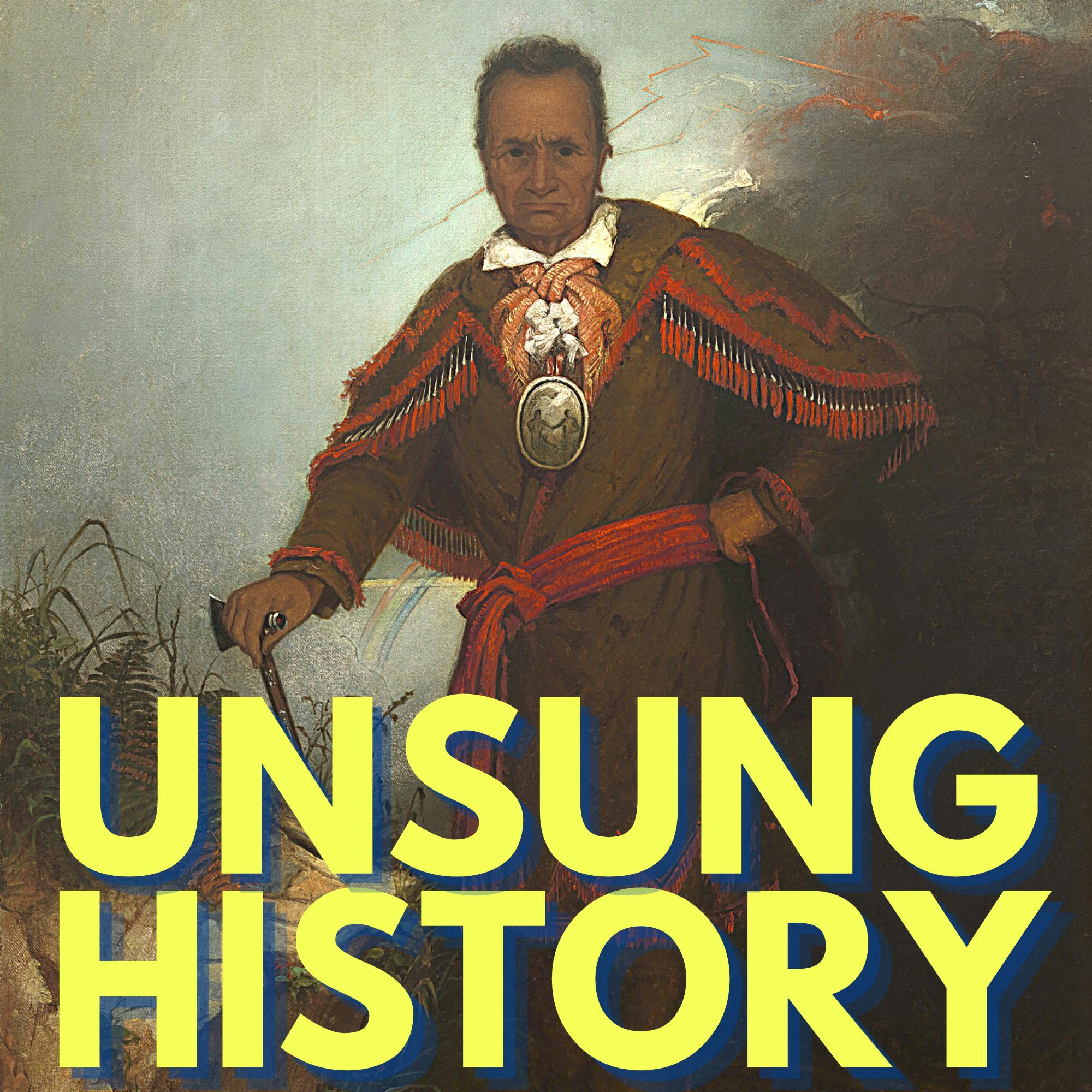
Before Europeans landed in North America, five Indigenous nations around what would become New York State came together to form the Haudenosaunee Confederacy. When the Europeans arrived, the French called them the Iroquois Confederacy, and the English called them the League of Five Nations. Those Five Nations were the Mohawks, Oneidas, Onondagas, Cayugas, and Senecas; the Tuscaroras joined the Confederacy in 1722. Some founding father of the United States, including George Washington and Benjami...
Guest: John C. Winters

127
Nov. 6, 2023
Gun Capitalism & Gun Control in the U.S. after World War II
In 1945, the population of the United States was around 140 million people, and those Americans owned an estimated 45 million guns, or about one gun for every three people. By 2023, the population of the United States stood at just over 330 million people, and according to historical data from the US Bureau of Alcohol, Tobacco, Firearms and Explosives, the number of guns produced and imported for the US market since 1899 exceeds 474 million firearms. Even assuming some of those guns have broken ...
Guest: Drew McKevitt

126
Oct. 30, 2023
The History of the Nutrition Facts Label
If you go to a grocery store in the United States and pick up a box of cereal, you expect to find a white box on the back of the package with information in Helvetica Black about the food’s macronutrients (things like fat and protein) and micronutrients (vitamins and minerals). The Nutrition Facts label is so ubiquitous that you may not even notice it. But how did it get there and why does it look the way it does? The history of that label is our story this week. Joining me to discuss the his...
Guest: Xaq Frolich

124
Oct. 16, 2023
The Borinqueneers of the Korean War
In 1950, President Harry Truman ordered US troops to the Korean peninsula to help the South Koreans repel the invading North Korean People’s Army, which was supported by the communist regimes of the Soviet Union and China. One of the regiments shipped overseas to fight was the 65th Infantry Regiment, the Borinqueneers, made up of soldiers from Puerto Rico. In Korea, the Borinqueneers served heroically, despite harsh conditions and racist treatment. Joining me in this episode to help us learn ...
Guest: Talia Aikens-Nuñez
123
Oct. 9, 2023
The Student Right in the late 1960s
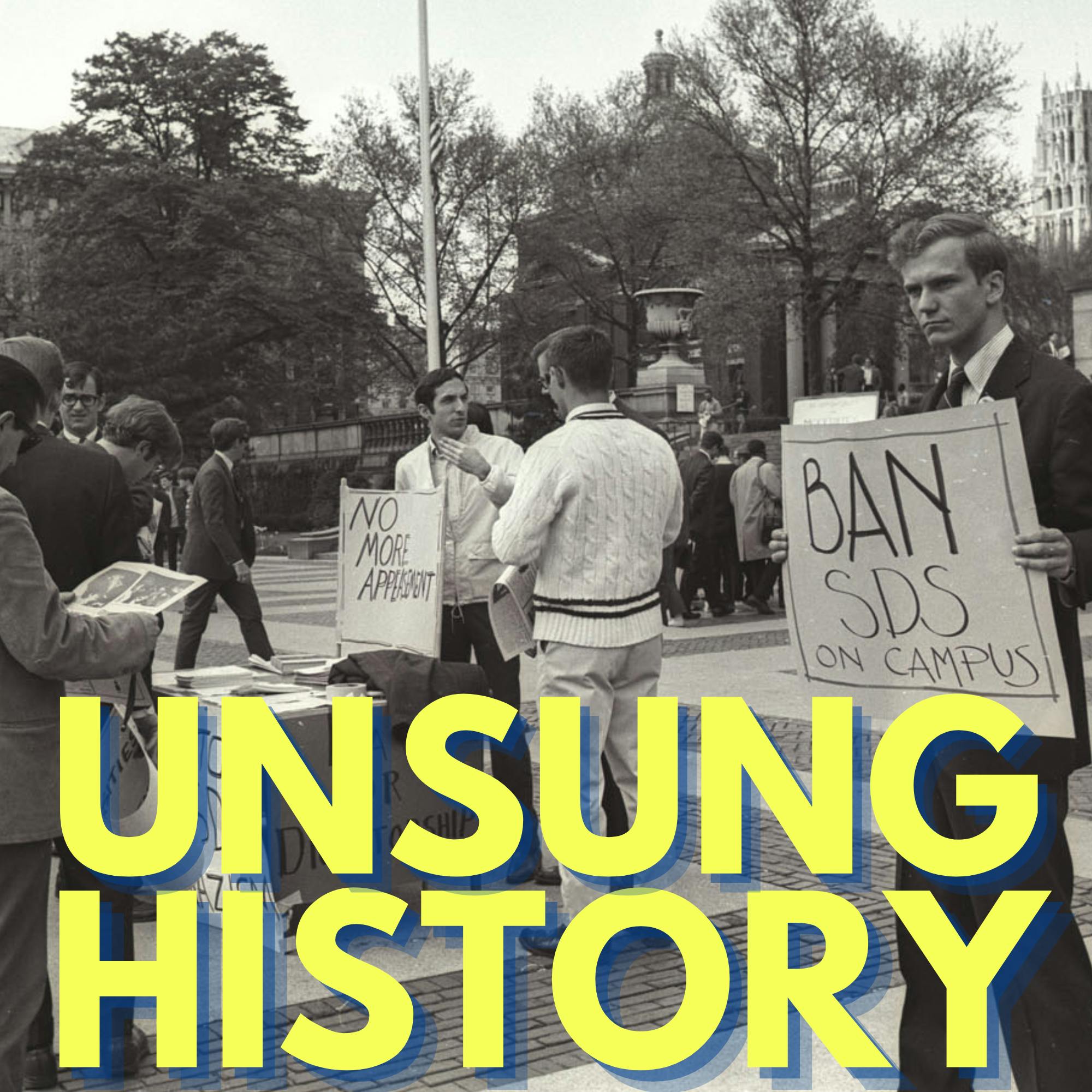
In the late 1960s, as college campuses became hotbeds of liberal protest, conservative college groups, like the Intercollegiate Society of Individualists (ISI), the Young Americans for Freedom (YAF), and College Republicans, backed by powerful conservative elders and their deep pockets, fought back, staging counter protests, publishing conservative newspapers, taking over student governments, and suing colleges to remain open. Joining me in this episode to discuss the campus right in more det...
Guest: Lauren Lassabe Shepherd

122
Oct. 2, 2023
The History of the National Organization for Women (NOW)
At the Third National Conference of Commissions on the Status of Women, a group of women, led by writer Betty Friedan and organizer and attorney Pauli Murray, decided that to make progress they needed to form an independent national civil rights organization for women. Within months, the National Organization for Women had 300 founding members, a slate of officers, and a statement of purpose. By 1974, NOW boasted 40,000 members in over 700 chapters, and today NOW claims hundreds of thousands of ...
Guest: Katherine Turk