
Episodes

109
July 3, 2023
"What, to the American slave, is your 4th of July?"
When Thomas Jefferson wrote in the Declaration of Independence that all men were endowed with the rights of “Life, Liberty and the pursuit of Happiness,” he did not have in mind the rights of the hundreds of human beings he enslaved. But the enslaved population of the United States, and the abolitionists who supported them, like Frederick Douglass and John Brown, adopted the American symbols of revolution and freedom in their own fight for liberty. Joining me on this episode to discuss the po...
Guest: Matthew Clavin
108
June 26, 2023
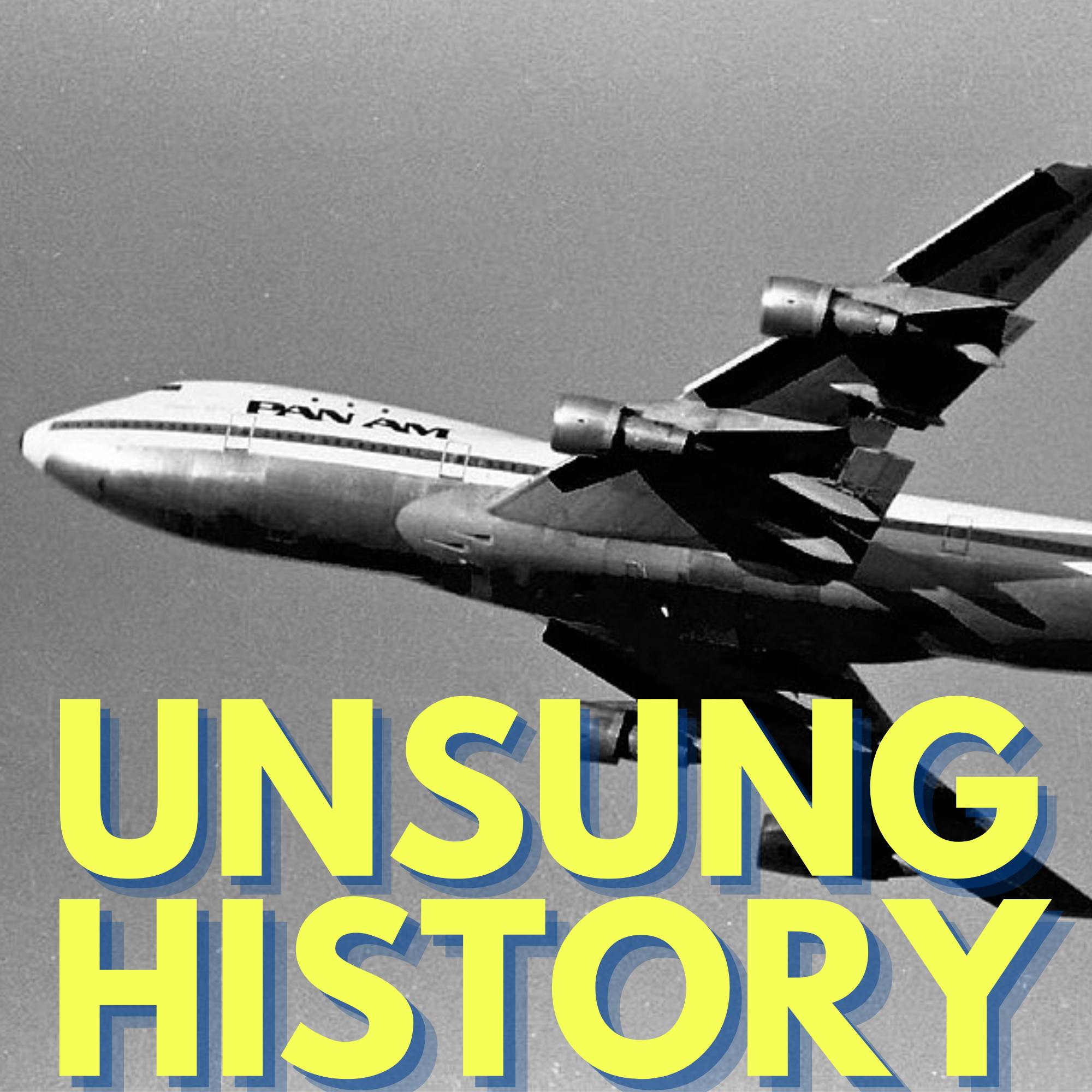
1970 Hijackings by the Popular Front for the Liberation of Palestine
In September 1970, commandos from the Popular Front for the Liberation of Palestine (PFLP) hijacked five planes, landing three of them near Zarqua, Jordan, at a remote desert airstrip called Dawson’s Field, which the commandos renamed Revolution Airport. While they held hundreds of passengers and flight crew hostage in the desert, the PFLP issued their demands for release of Palestinian militants who were imprisoned in Europe. Joining me on this episode to help us understand more is American ...
Guest: Martha Hodes
107
June 19, 2023
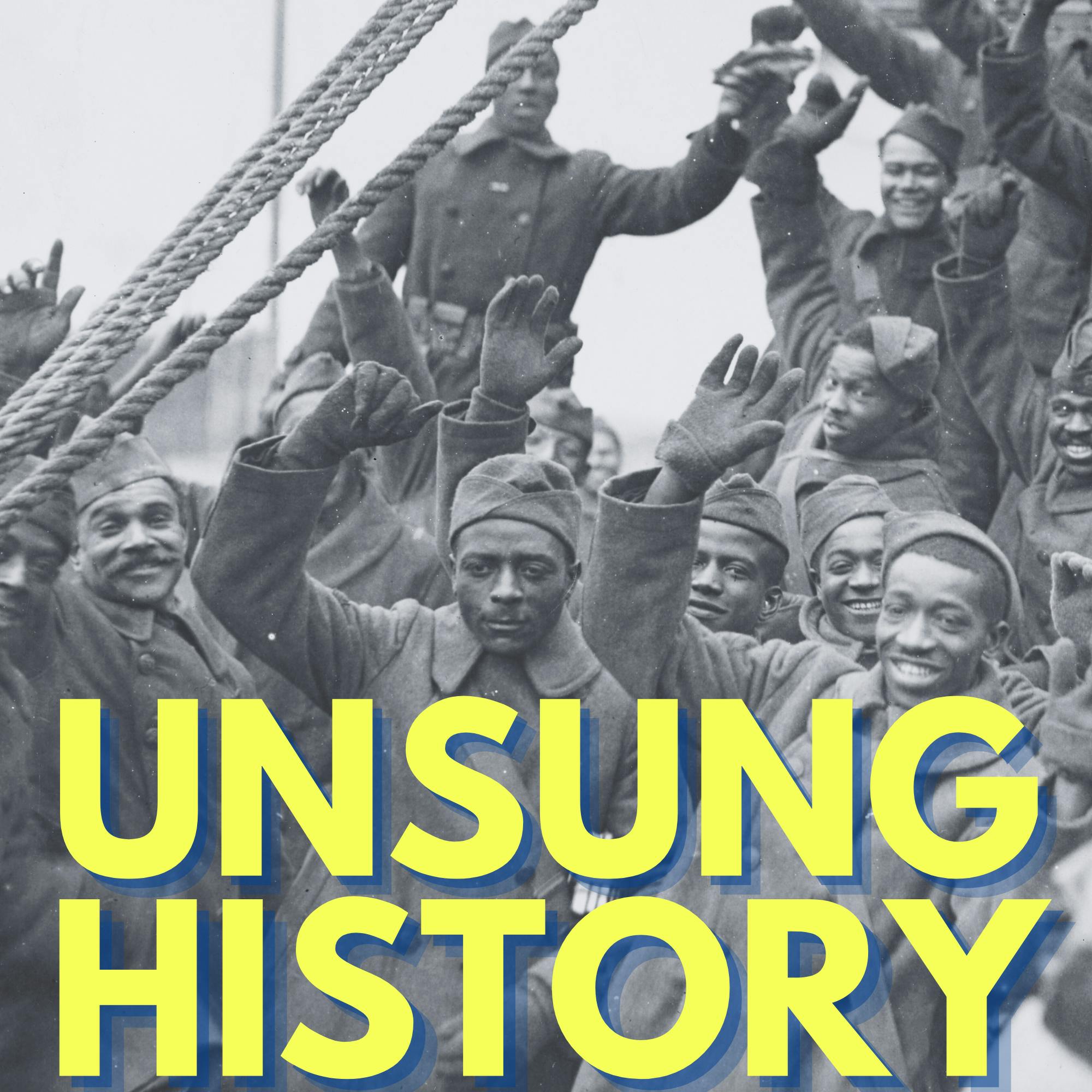
W. E. B. Du Bois & African American Contributions to World War I
Over 350,000 African American men joined the United States military during World War I, serving valiantly despite discrimination and slander. Historian and civil rights activist W. E. B. Du Bois had hoped that their patriotism would help them gain respect and equality, but after the war it was quickly evident that would not be the case. Du Bois spent the next several decades attempting to tell the full story of Black soldiers in the Great War, but despite a vast archive of materials entrusted to...
Guest: Chad L. Williams

106
June 12, 2023
The Internment of Japanese Americans during World War II & the Role of Attorneys at the Relocation Centers
During World War II, over 120,000 Japanese Americans, most of whom were US citizens, were forcibly removed from their homes in California, Washington, and Oregon, and imprisoned in relocation centers, small towns surrounded by barbed wire and armed guards. The War Relocation Authority, the government agency created by FDR that oversaw the mass relocation and internment, appointed a project attorney for each of the 10 camps. These white attorneys served the conflicted position of both advising th...
Guest: Eric L. Muller

105
June 5, 2023
Racial Conflict in the U.S. Army During the Vietnam War Era
In September 1969, African American journalist Wallace Terry reported on “another war being fought in Vietnam — between black and white Americans.” After the 1948 integration of the military, the U.S. Army had tried to be color blind, seeing not Black or white but just olive drab, but by 1970, the Deputy Chief of Staff for Personnel, Gen. Walter T. Kerwin, noted: “In the past year racial discord has surfaced as one of the most serious problems facing Army leadership.” So in the midst of fighting...
Guest: Beth Bailey

104
May 29, 2023
Black Soldiers & their Families in the Civil War
As soon as the first shots of the Civil War were fired at Fort Sumter, free Black men in the North rushed to enlist, but they were turned away, as President Lincoln worried that arming Black soldiers would lead to secession by the border states. With the 1863 Emancipation Proclamation and the dire need for more recruits to the Union Army, Black soldiers were formally welcomed into the armed forces, eventually comprising 10% of the Union Army. It wasn’t just the Black soldiers who fought and sacr...
Guest: Holly Pinheiro, Jr.

103
May 22, 2023
The Oneida Perfectionist Religious Community
In 1848, a group of religious perfectionists, led by John Humphrey Noyes, established a commune in Oneida, New York, where they lived and worked together. Women in the community had certain freedoms compared to the outside world, in both dress and occupation. What captured the attention of the outside world, though, were the sexual practices of the Oneidans, who believed in complex marriage where every man and every woman in the community were married to each other and where birth control was ac...
Guest: Susan Wels

102
May 15, 2023
The Diversity Visa Lottery
In the 1980s undocumented Irish immigrants convinced United States lawmakers to create a program that would provide a path to citizenship for individuals without family connections in the United States. That program eventually became the Diversity Visa Lottery, established as part of the Immigration Act of 1990. Despite the program’s roots in demand from Irish immigrants, the majority of the recipients of diversity visas have been awarded to immigrants from Africa, with more than 480,000 individ...
Guest: Carly Goodman
101
May 8, 2023
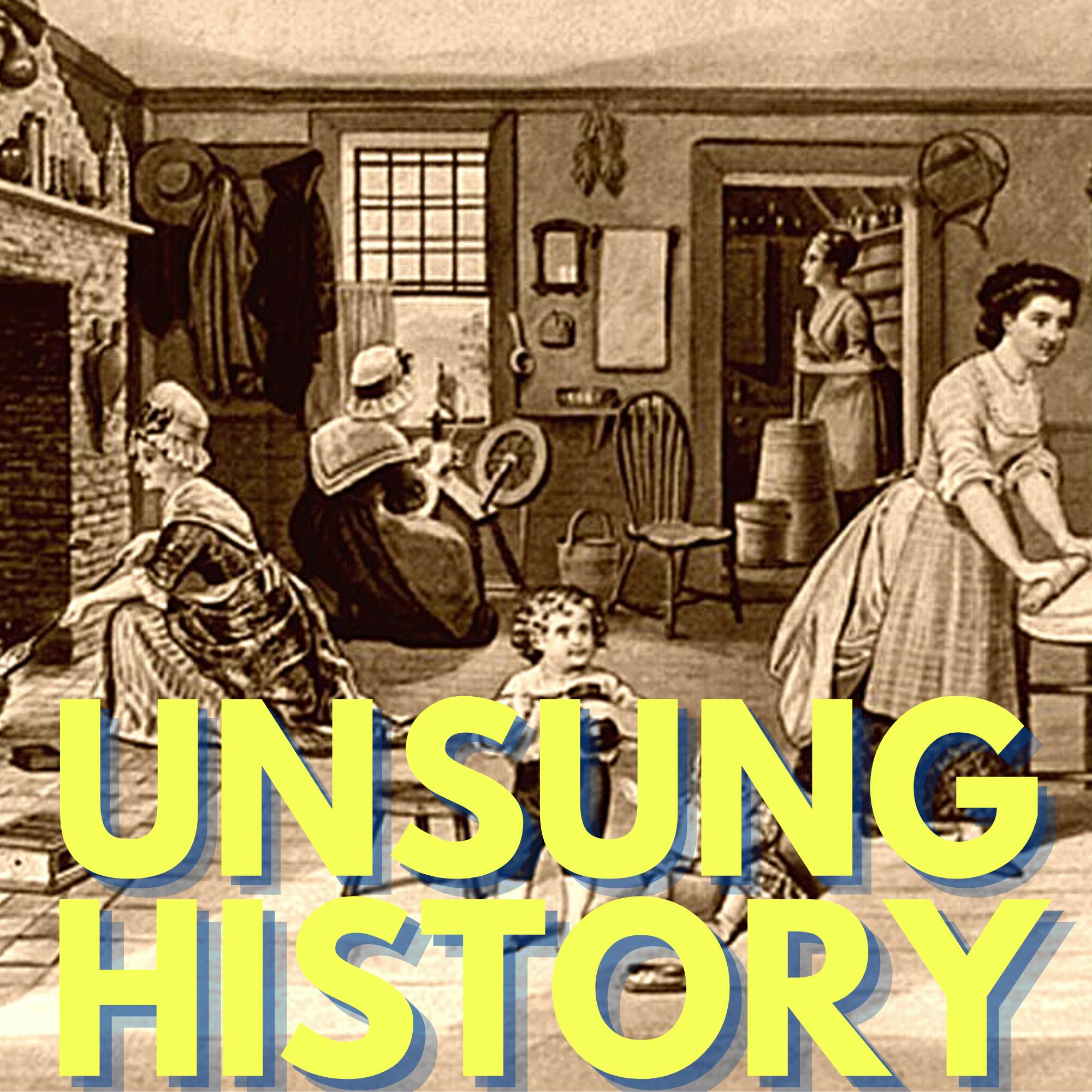
Women & the Law in Revolutionary America
Despite a plea from Abigail Adams to her husband to “Remember the Ladies,” women, especially married women, didn’t have many legal rights in the Early Republic. Even so, women used existing legal structures to advocate for themselves and their children, leaning on their dependent status and the obligations of their husbands and the state to provide for them. I’m joined this week by Dr. Jacqueline Beatty, Assistant Professor of History at York College of Pennsylvania, and author of In Depend...
Guest: Jacqueline Beatty
100
May 1, 2023
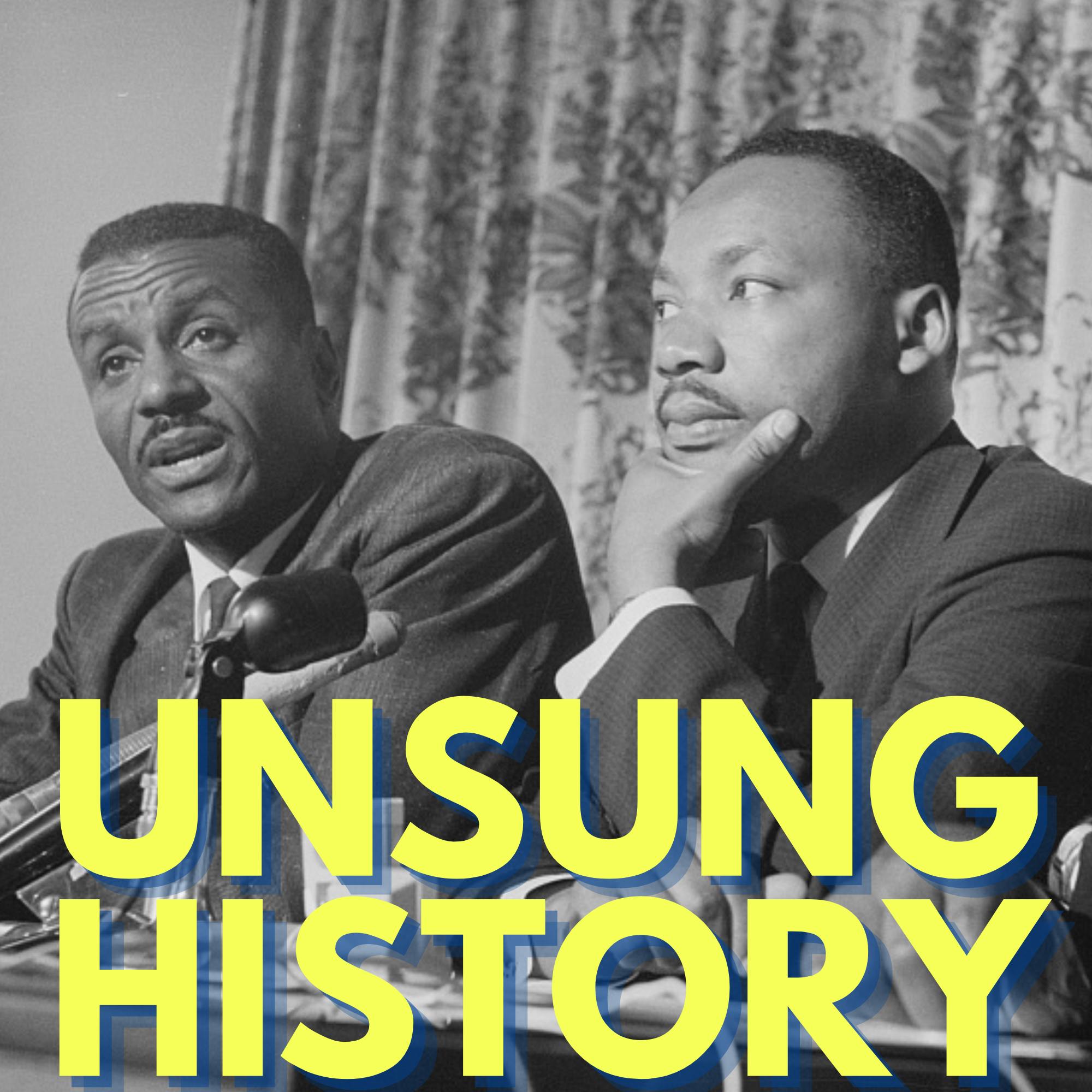
Project Confrontation: The Birmingham Campaign of 1963
In 1963, on the heels of a failed desegregation campaign in Albany, Georgia, Martin Luther King., Jr., and the Southern Christian Leadership Conference decided to take a stand for Civil Rights in “the Most Segregated City in America,” Birmingham, Alabama. In Project Confrontation, the plan was to escalate, and escalate, and escalate. And escalate they did, until even President John F. Kennedy couldn’t look away. Joining me now to help us learn more about the Birmingham campaign is journalist ...
Guest: Paul Kix
99
April 24, 2023
The Plant Revolution and 19th Century American Literature
During the 19th Century, growing international trade and imperialist conquest combined with new technologies to transport and care for flora led to a burgeoning fascination with plant life. American writers, from Emily Dickinson to Frederick Douglass played with plant imagery to make sense of their world and their country and to bolster their political arguments. Joining me in this episode is Dr. Mary Kuhn, Assistant Professor of English at the University of Virginia, and author of The Garden...
Guest: Mary Kuhn

98
April 17, 2023
The 1972 Occupation of the Bureau of Indian Affairs
While voters were casting their ballots in the 1972 presidential election, Native demonstrators had taken over the Bureau of Indian Affairs building in Washington, DC, barricading themselves in with office furniture and preparing to fight with makeshift weapons. The occupation marked the finale of a cross-country caravan, the Trail of Broken Treaties, and the activists were demanding the consideration of their Twenty-Point Position Paper, which called for a restoration of Indigenous rights and r...
Guest: Elizabeth Rule
97
April 10, 2023
The Southern Strategy
In the decades following the Civil War, African Americans reliably voted for the Republican Party, which had led the efforts to outlaw slavery and enfranchise Black voters; and white southerners reliably voted for the Democratic Party. When Black voters started to vote for Democratic candidates in larger numbers, starting with the 1936 re-election of FDR, whose New Deal policies had helped poor African Americans, Republicans began to turn their sights toward white Southern voters. By the 1964 Pr...
Guest: Kevin M. Kruse
96
April 3, 2023
Harold Washington
In 1983, Harold Washington took on the Chicago machine and won, with the help of a multiracial coalition, becoming the first Black mayor of Chicago. Winning the mayoral election was only the first fight, and 29 of the 50 alderpersons on City Council, led by the “the Eddies,” Aldermen Ed Vrdolyak and Edward M. Burke, opposed Washington’s every move. This week we look at Washington’s rise to the 5th floor of City Hall, who helped him get there, and the struggles he faced once elected. Joining m...
Guest: Gordon Mantler

95
March 27, 2023
The 1968 White House Fashion Show
On February 29, 1968, Lady Bird Johnson hosted the first–and last–White House Fashion Show. The fashion show, intended both to highlight the fourth largest industry in the United States and to promote domestic tourism, inadvertently became one of the many PR missteps of the Johnson administration, as it occurred in the midst of the Tet Offensive. Just one month later LBJ announced on national television that he would not seek reelection, and today the fashion show is largely forgotten. Joinin...
Guest: Kimberly Chrisman-Campbell
94
March 20, 2023
Madame Restell, "The Wickedest Woman in New York"
In 19th Century New York, everyone knew who to go to to end an unwanted pregnancy: the French-trained, sophisticated Madame Restell, who lived in a posh mansion on 5th Avenue. In reality, Madame Restell was English immigrant Ann Trow Lohman, and she had never even been to France, but she managed to combine medical skill with her carefully crafted public persona to become tremendously wealthy, while providing a much-needed service. As the legal landscape of the United States grew ever more conser...
Guest: Jennifer Wright
93
March 13, 2023
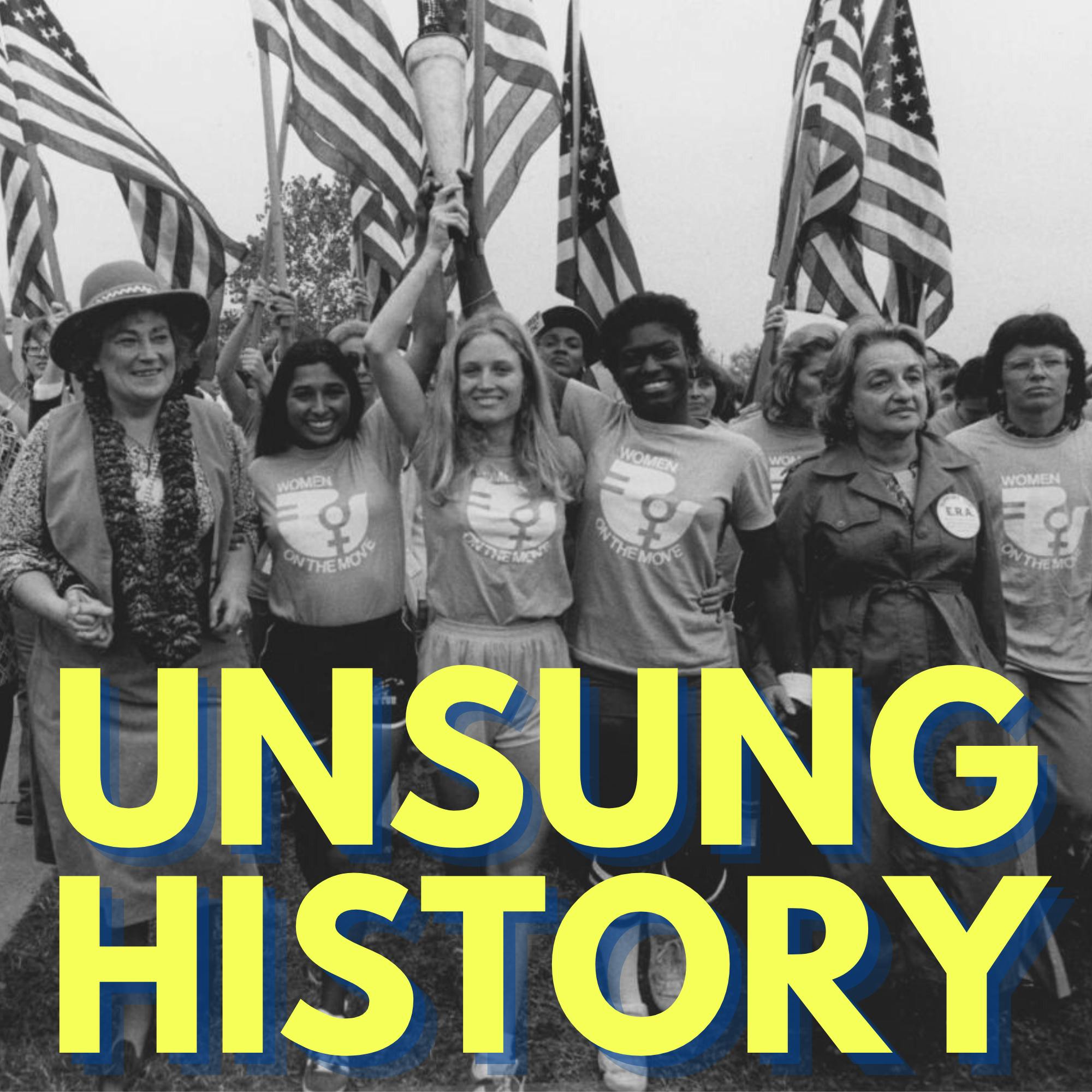
The National Women's Conference of 1977
In her 2015 book, Gloria Steinem described the National Women’s Conference of 1977 as “the most important event nobody knows about.” The four-day event in Houston, Texas, which brought together 2,000 delegates and another 15,000-20,000 observers was the culmination of a commission appointed first by President Ford and then by President Carter, and was and funded by Congress for $5 million to investigate how federal legislation could best help women. The excited delegates believed that the confer...
Guests: Nancy Beck Young , Elizabeth Rodwell
92
March 6, 2023
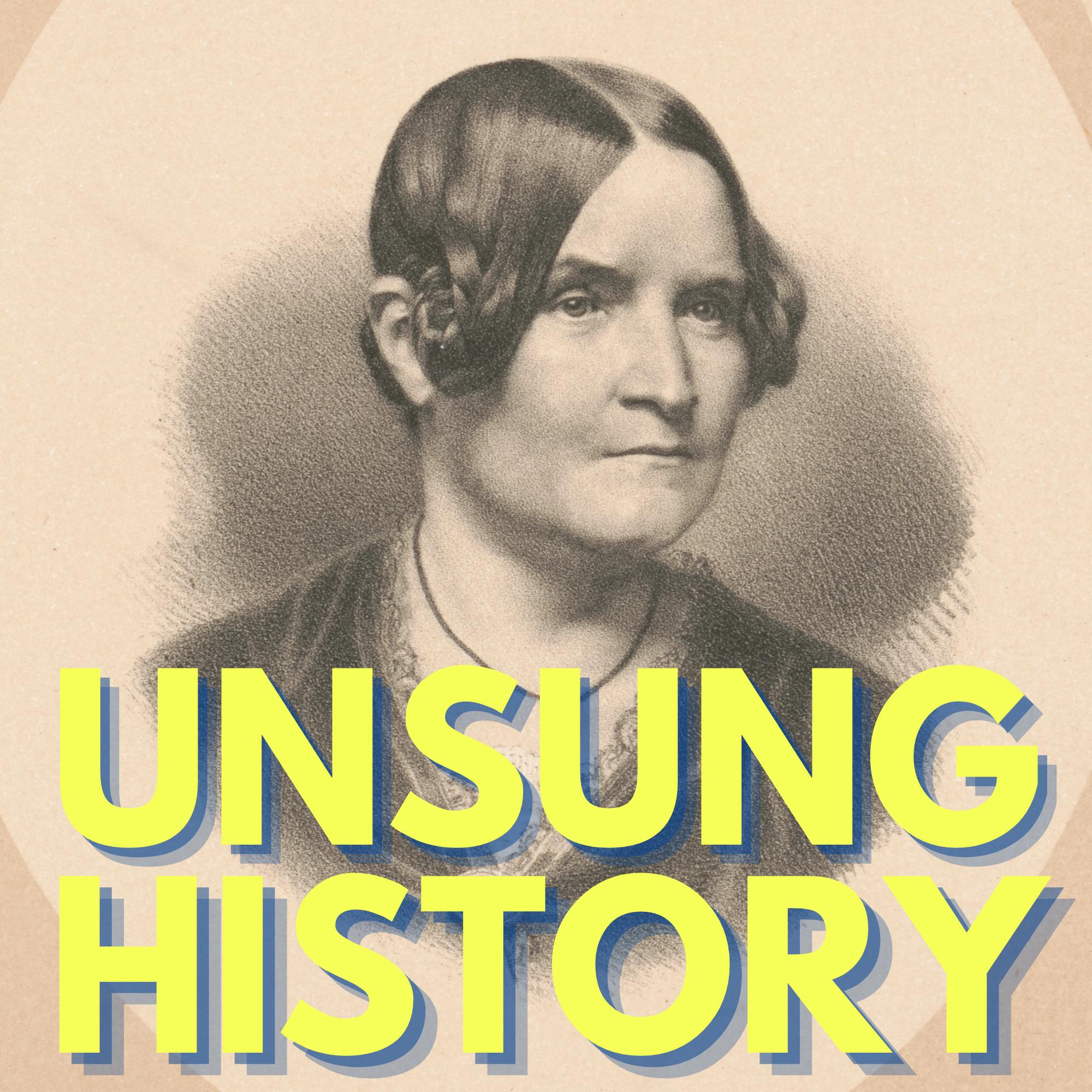
Lydia Maria Child
By 1833, Lydia Maria Child was a popular author, having published both fiction and nonfiction, including the wildly successful advice book The Frugal Housewife: Dedicated to those who are not ashamed of Economy. And she had been editing a beloved monthly periodical for children called Juvenile Miscellany for seven years. But her popularity crumbled precipitously when she published An Appeal in Favor of that Class of Americans Called Africans, arguing for the immediate emancipation of enslaved pe...
Guest: Lydia Moland

91
Feb. 27, 2023
The Eastland Disaster
On the morning of July 24, 1915, employees of the Western Electric Company and their families excitedly boarded the SS Eastland near the Clark Street Bridge in Chicago, eager to set off for a day of fun in Michigan City, Indiana, during their annual company picnic. Tragically, the ship capsized just 19 feet from the wharf in the Chicago River, killing 844 people in one of the worst maritime disasters in United States history. Joining me on this episode to help us understand more about the tra...
Guest: Barb and Ted Wachholz

90
Feb. 20, 2023
The History of Polish Chicago
If you’ve ever lived in Chicago, you’ve probably heard at some point that Chicago has the largest Polish population outside of Warsaw. While that’s an exaggeration it’s certainly the case that the Chicagoland region has a large population of people of Polish descent and that Chicago is important historically to American Polonia. From the earliest Polish immigrants to Chicago in the 1830s through today, Poles have helped shape the culture, politics, religion, and food of Chicago. This week we div...
Guest: Dominic A. Pacyga
89
Feb. 13, 2023
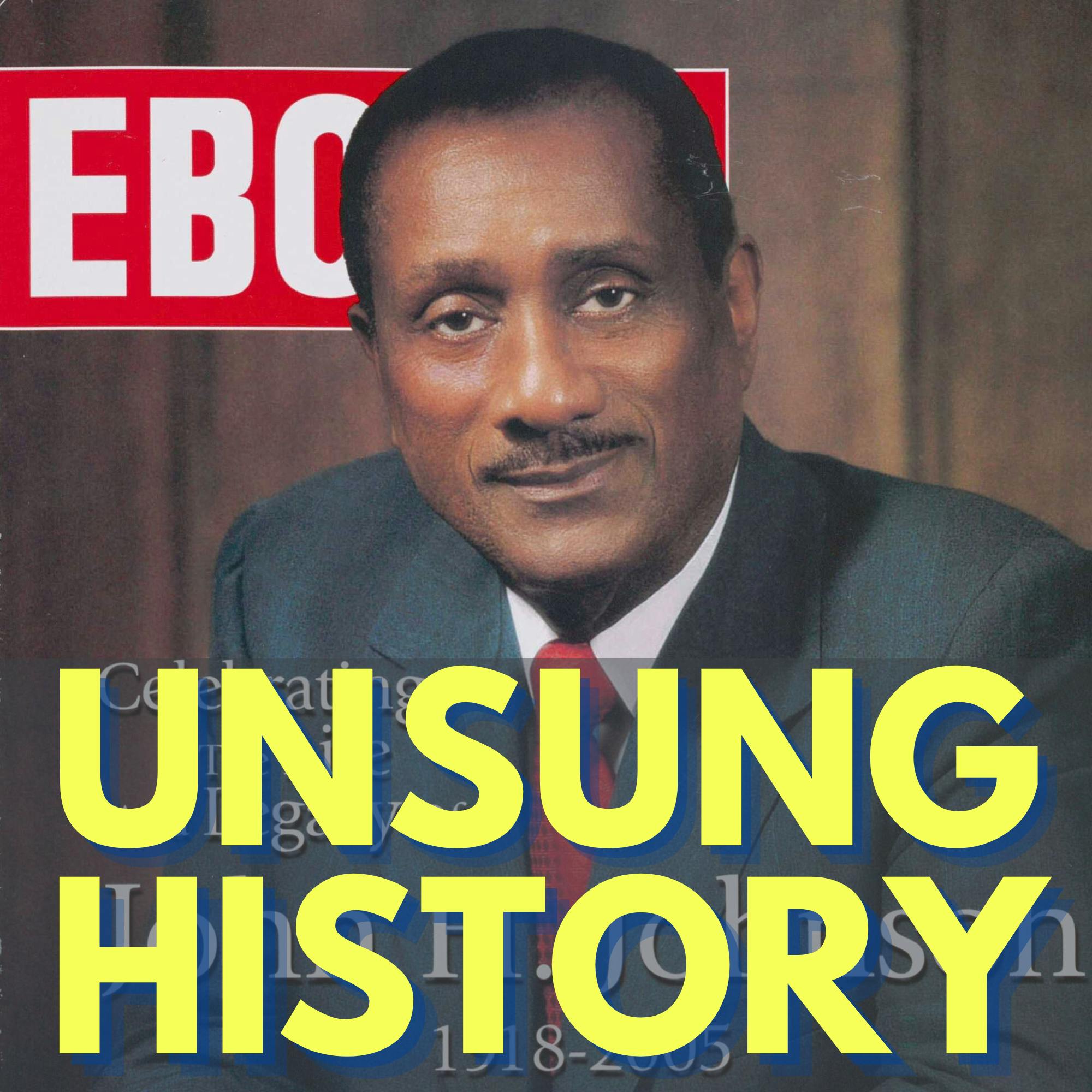
John H. Johnson & Ebony Magazine
When businessman John H. Johnson died in 2005, Ebony Magazine, the monthly photo-editorial magazine that he launched in 1945, reached an estimated 10 million readers. Under the direction of executive editor Lerone Bennet Jr. for several decades, Ebony helped shape Black culture and perceptions of Black history. Johnson Publishing Company helped shape Chicago history, too, when they opened their Loop location in 1972, at 820 S. Michigan Ave. The now-iconic 11-story, 110,000 square-foot building w...
Guest: E. James West

88
Feb. 6, 2023
The History of the Cook County Jail
The first Cook County Jail was a wooden stockade, built in 1833 in Chicago, which was then a town of around 250 people. Today, the Cook County Department of Corrections, which takes up 8 city blocks on the Southwest Side of Chicago, is one of the largest single-site jails in the country and incarcerates nearly 100,000 people a year. The history of the jail’s expansion is a story of urban politics and patronage, battles over criminal justice reform, and the racist underpinnings of mass incarcerat...
Guest: Melanie Newport
87
Jan. 30, 2023
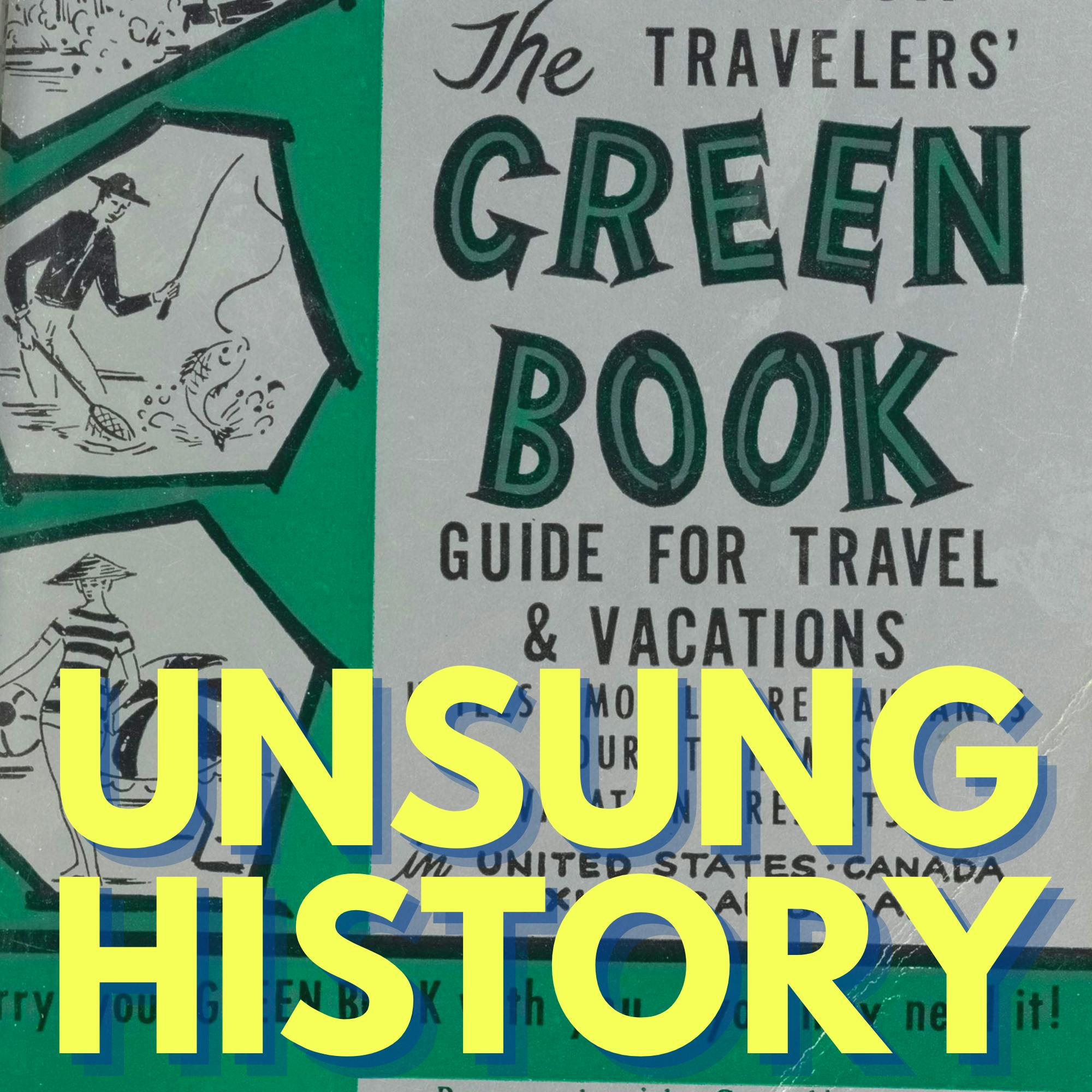
The Green Book
In 1936, Victor Hugo Green published the first edition of what he called The Negro Motorist Green Book, a 16-page listing of businesses in the New York metropolitan area that would welcome African American customers. By its final printing in 1966, the Green Book had gone international, with a 100-page book that included not just friendly businesses throughout the United States but also hotels and resorts that would be safe for African American travelers in Canada, the Caribbean, Latin America, E...
Guest: Alvin Hall
86
Jan. 23, 2023
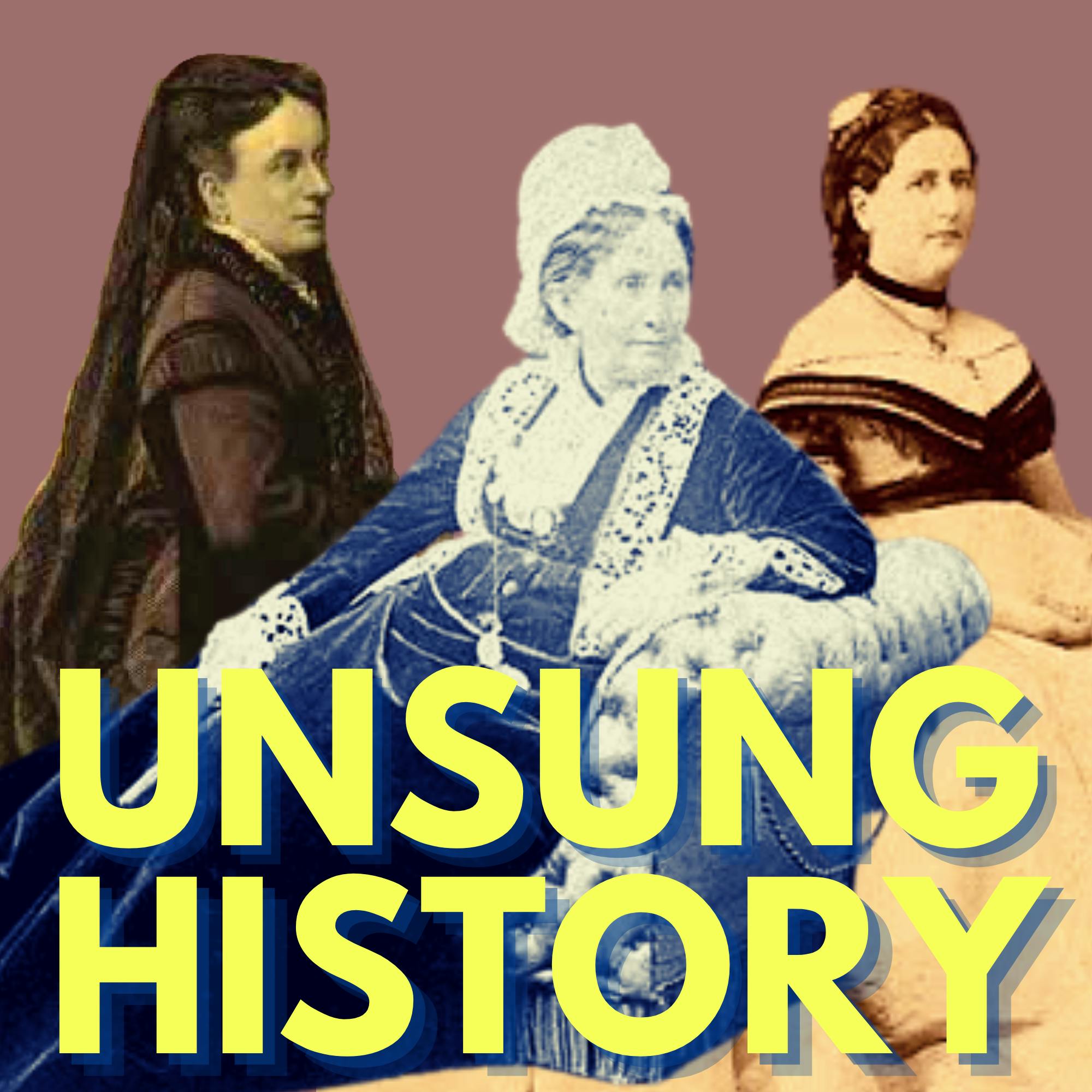
American Women Writers in Italy in the 19th Century
The second half of the nineteenth century was a momentous time in Italian history, marked by the unification of the peninsula and the formation of the Kingdom of Italy. Three American women writers had a front-seat view of this history while they lived in Italy: Caroline Crane Marsh, the wife of the United States Minister; journalist Anne Hampton Brewster; and Emily Bliss Gould, founder of a vocational school for Italian children. Joining me to help us learn more about these American women in...
Guest: Etta Madden