
Episodes

133
Dec. 18, 2023
Mollie Moon
Stories of the Civil Rights Movement don’t often center the fundraisers, often Black women, whose tireless efforts made the movement possible; today we’re featuring one of those women. Mollie Moon, born in 1907, the founder and first chairperson of the National Council of Urban League Guilds, raised millions of dollars for the Civil Rights Movement, using her charm and connections to throw charity galas, like her famed Beaux Arts Ball, where everyone wanted to be seen. Her long service to the mo...
Guest: Tanisha C. Ford

132
Dec. 11, 2023
Jewish War Brides of World War II
In the ravages of post-World War II Europe, some Jewish women survivors of the Holocaust found the beginnings of a new life when they met – and married – American (and Canadian and British) men serving with the Allied forces. These women were part of a much larger group of war brides, who came to the United States in such large numbers that they required a change in immigration law, but these Jewish war brides faced additional challenges, from language barriers to the memory of the trauma they’d...
Guest: Robin Judd

131
Dec. 4, 2023
Merze Tate
Scholar Merze Tate, born in Michigan in 1905, overcame the odds in what she called a “sex and race discriminating world,” to earn graduate degrees from Oxford University and Harvard University on her way to becoming the first Black woman to teach in the History Department at Howard University. During her long career, Tate published 5 books, 34 journal articles and 45 review essays in the fields of diplomatic history and international relations. Her legacy extends beyond her publications, as the ...
Guest: Barbara Savage

130
Nov. 27, 2023
Black Civil Rights before the Civil Rights Movement
The beginning of the Civil Rights Movement is often dated to sometime in the middle of the 1950s, but the roots of it stretch back much further. The NAACP, which calls itself “the nation's largest and most widely recognized civil rights organization,” was founded near the beginning of the 20th Century, on February 12, 1909. As today’s guest demonstrates, though, Black Americans were exercising civil rights far earlier than that, in many cases even before the Civil War. Joining me in this epis...
Guest: Dylan C. Penningroth
129
Nov. 20, 2023
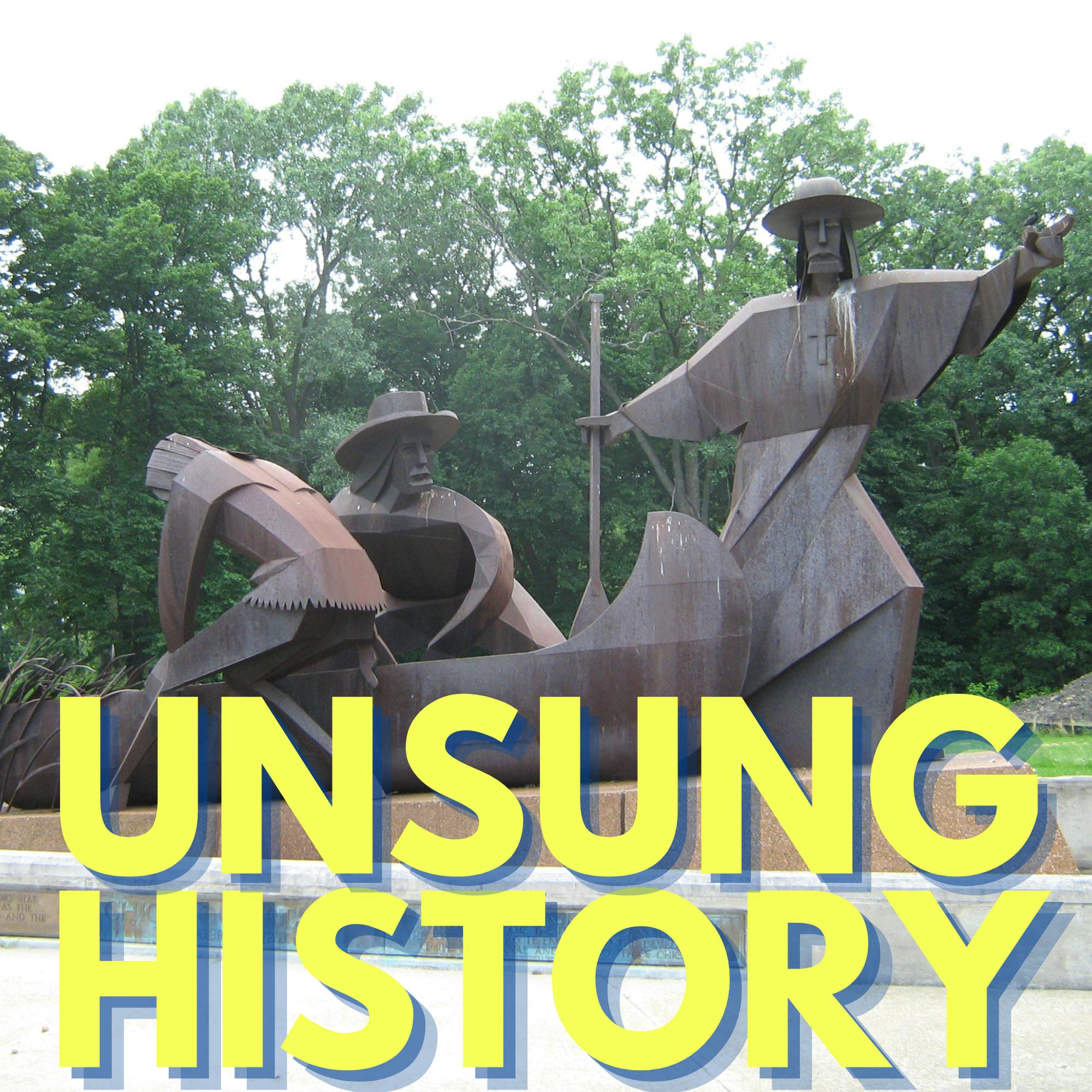
The Long History of the Chicago Portage
When Europeans arrived in the Great Lakes region, they learned from the Indigenous people living there of a route from Canada to the Gulf of Mexico, made possible by a portage connecting the Chicago River and the Des Plaines River. That portage, sometimes called Mud Lake, provided both opportunity and challenge to European powers who struggled to use European naval technology in a region better suited to Indigenous birchbark canoes. In the early 19th century, however, the Americans remade the re...
Guest: John William Nelson
128
Nov. 13, 2023
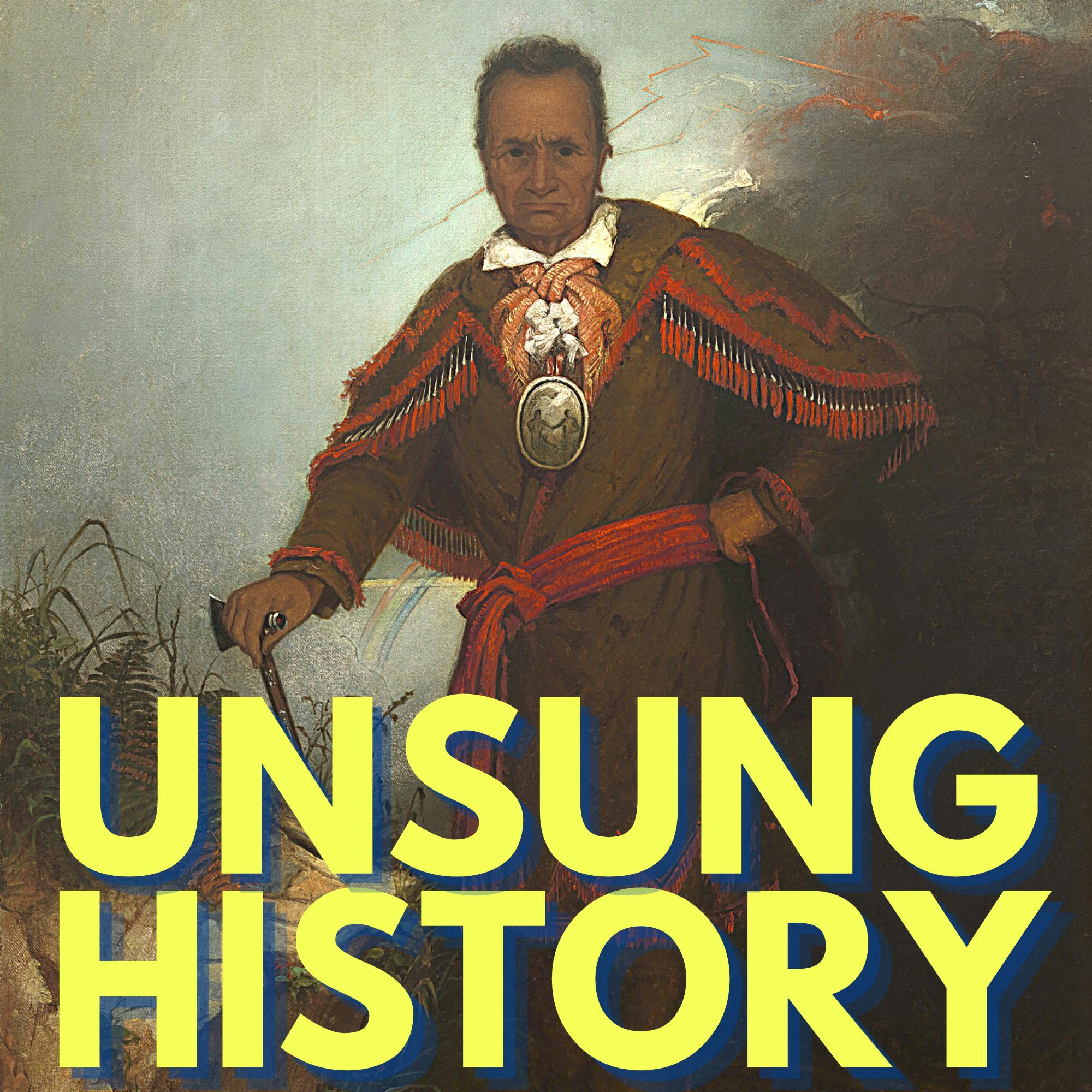
The Haudenosaunee Confederacy
Before Europeans landed in North America, five Indigenous nations around what would become New York State came together to form the Haudenosaunee Confederacy. When the Europeans arrived, the French called them the Iroquois Confederacy, and the English called them the League of Five Nations. Those Five Nations were the Mohawks, Oneidas, Onondagas, Cayugas, and Senecas; the Tuscaroras joined the Confederacy in 1722. Some founding father of the United States, including George Washington and Benjami...
Guest: John C. Winters

127
Nov. 6, 2023
Gun Capitalism & Gun Control in the U.S. after World War II
In 1945, the population of the United States was around 140 million people, and those Americans owned an estimated 45 million guns, or about one gun for every three people. By 2023, the population of the United States stood at just over 330 million people, and according to historical data from the US Bureau of Alcohol, Tobacco, Firearms and Explosives, the number of guns produced and imported for the US market since 1899 exceeds 474 million firearms. Even assuming some of those guns have broken ...
Guest: Drew McKevitt

126
Oct. 30, 2023
The History of the Nutrition Facts Label
If you go to a grocery store in the United States and pick up a box of cereal, you expect to find a white box on the back of the package with information in Helvetica Black about the food’s macronutrients (things like fat and protein) and micronutrients (vitamins and minerals). The Nutrition Facts label is so ubiquitous that you may not even notice it. But how did it get there and why does it look the way it does? The history of that label is our story this week. Joining me to discuss the his...
Guest: Xaq Frolich

125
Oct. 23, 2023
The History & the Present of the Northern Cheyenne Tribe
During the 19th Century, the Northern Cheyenne people made a number of treaties with the United States government, but the U.S. repeatedly failed to honor its end of the treaties. In November 1876, the U.S. Army, still fuming over their crushing defeat by the Lakota and Northern Cheyenne at the Battle of Little Bighorn, attacked a village of Northern Cheyenne, destroying 200 lodges and driving the survivors, including women and children, into the freezing cold with few supplies. When the weakene...
Guest: Gerry Robinson

124
Oct. 16, 2023
The Borinqueneers of the Korean War
In 1950, President Harry Truman ordered US troops to the Korean peninsula to help the South Koreans repel the invading North Korean People’s Army, which was supported by the communist regimes of the Soviet Union and China. One of the regiments shipped overseas to fight was the 65th Infantry Regiment, the Borinqueneers, made up of soldiers from Puerto Rico. In Korea, the Borinqueneers served heroically, despite harsh conditions and racist treatment. Joining me in this episode to help us learn ...
Guest: Talia Aikens-Nuñez
123
Oct. 9, 2023
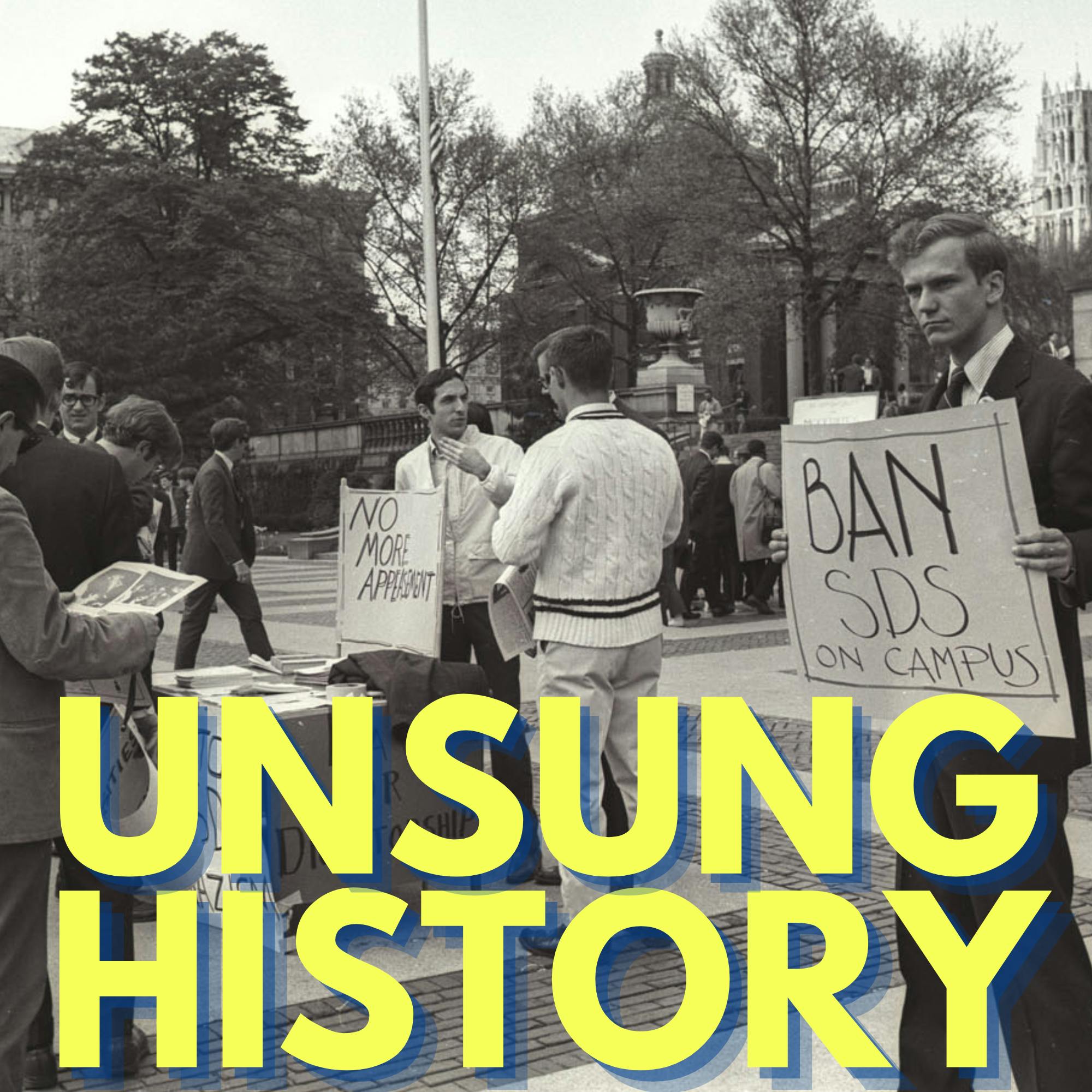
The Student Right in the late 1960s
In the late 1960s, as college campuses became hotbeds of liberal protest, conservative college groups, like the Intercollegiate Society of Individualists (ISI), the Young Americans for Freedom (YAF), and College Republicans, backed by powerful conservative elders and their deep pockets, fought back, staging counter protests, publishing conservative newspapers, taking over student governments, and suing colleges to remain open. Joining me in this episode to discuss the campus right in more det...
Guest: Lauren Lassabe Shepherd

122
Oct. 2, 2023
The History of the National Organization for Women (NOW)
At the Third National Conference of Commissions on the Status of Women, a group of women, led by writer Betty Friedan and organizer and attorney Pauli Murray, decided that to make progress they needed to form an independent national civil rights organization for women. Within months, the National Organization for Women had 300 founding members, a slate of officers, and a statement of purpose. By 1974, NOW boasted 40,000 members in over 700 chapters, and today NOW claims hundreds of thousands of ...
Guest: Katherine Turk
121
Sept. 25, 2023
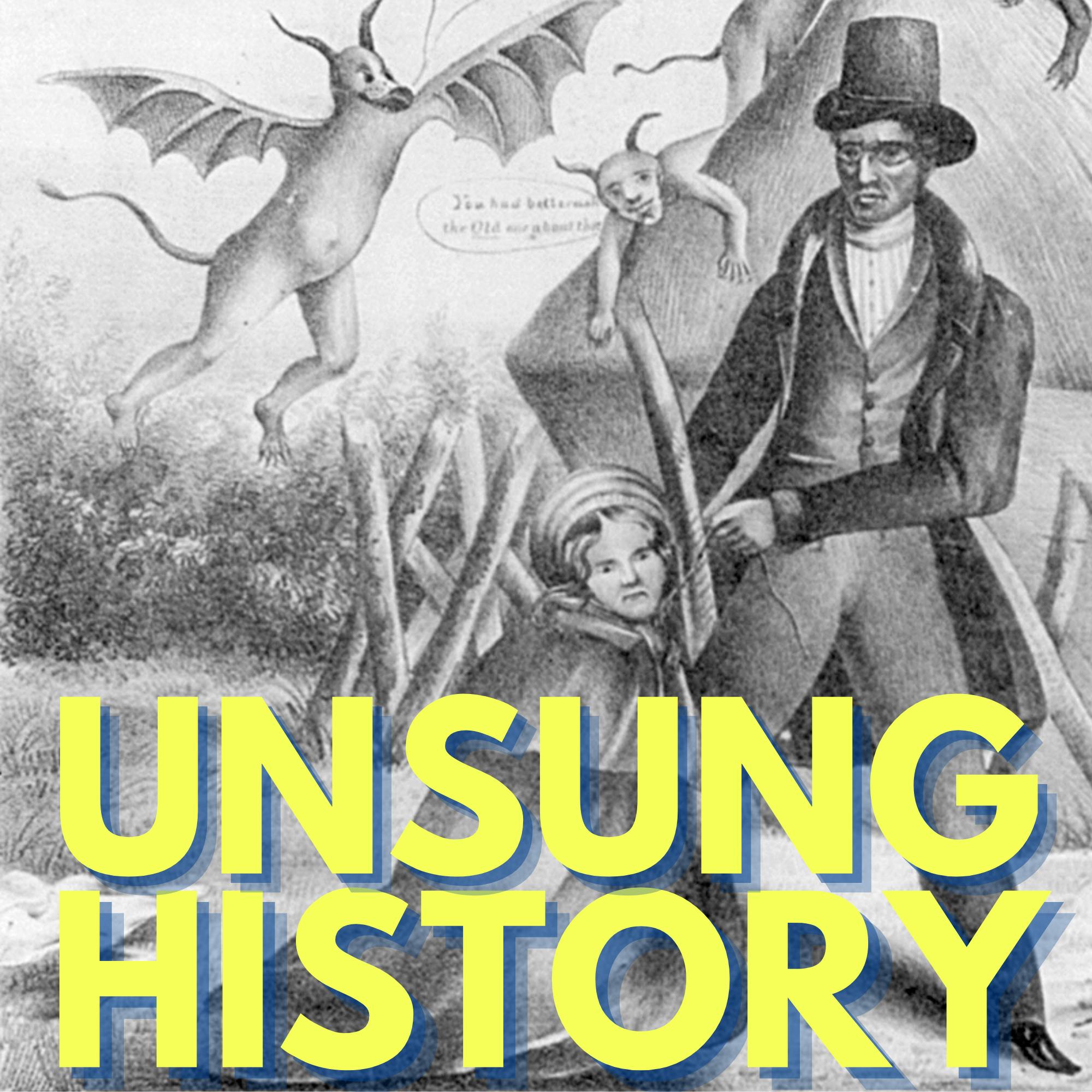
The Murder of Maria Cornell
When farmer John Durfee found the body of a local factory girl hanging from a fence post on his property on the morning of December 21, 1832, he and the rest of the townspeople assumed she had died by suicide. But a cryptic note she had left among her possessions pointed the investigation in a different direction, and the ensuing murder trial captured the public imagination. Joining me to discuss the murder of Maria Cornell and the shifting cultural milieu of New England in the 1830s is Dr. B...
Guest: Bruce Dorsey
120
Sept. 18, 2023
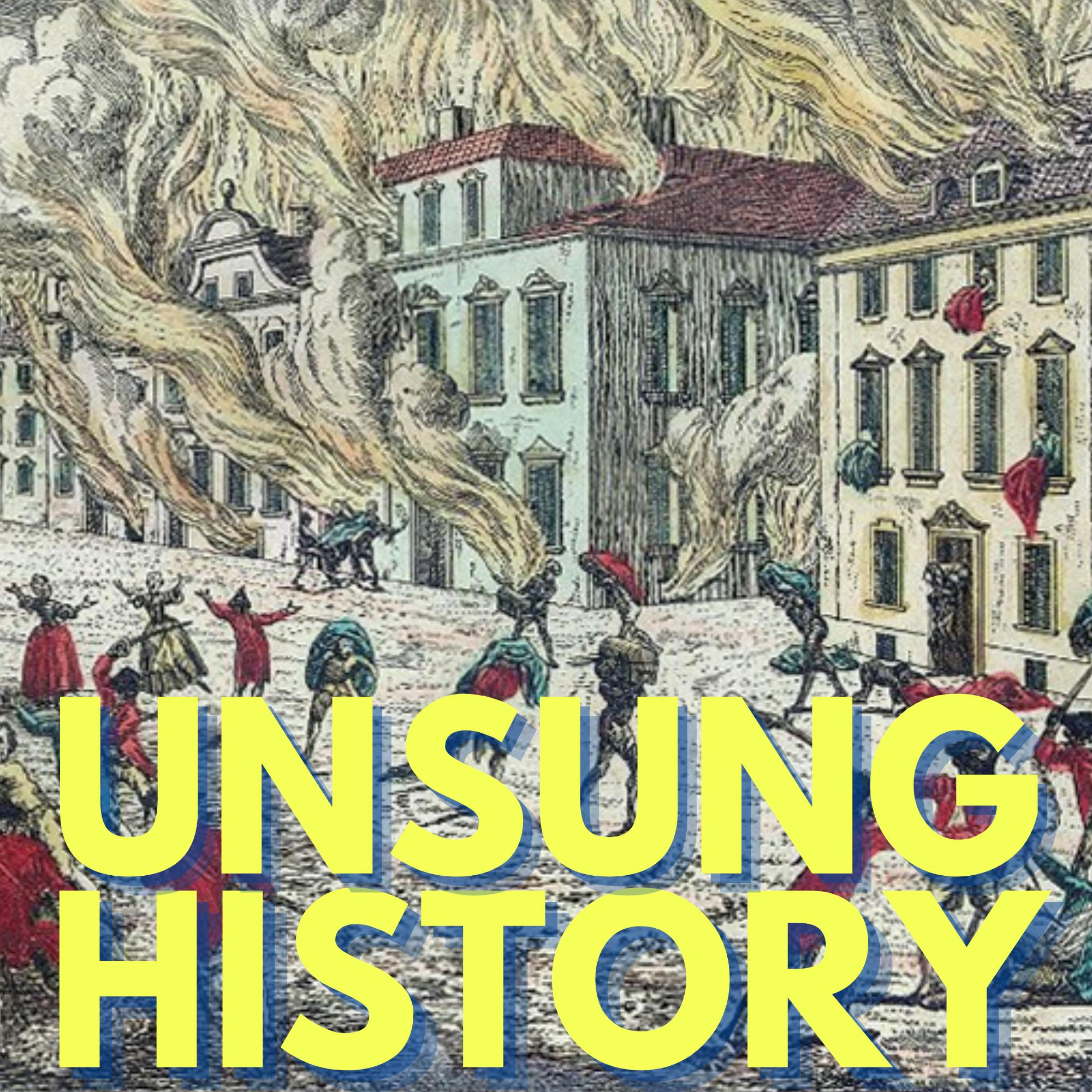
The Great New York City Fire of 1776
Just days after British troops captured New York City from General Washington and his army in September 1776, fire broke out, destroying a fifth of the city. The British blamed rebels who had remained hidden in Manhattan, but Washington, who had been ordered by Congress to leave the city standing on his retreat, never claimed responsibility, though he complained that the blaze hadn’t caused more destruction. So who did start the fire and why? Joining me this week to discuss the New York fire ...
Guest: Benjamin L. Carp

119
Sept. 11, 2023
The History of Drag in New York City
RuPaul’s Drag Race first aired on TV in 2009, but the New York City drag scene that launched RuPaul started over a century earlier. From drag balls to Wigstock, New York has long been considered the capital of drag culture. Joining me in this episode to discuss New York City’s rich history of drag is writer Elyssa Maxx Goodman, author of Glitter and Concrete: A Cultural History of Drag in New York City. Our theme song is Frogs Legs Rag, composed by James Scott and performed by Kevin MacLeo...
Guest: Elyssa Maxx Goodman
118
Sept. 4, 2023
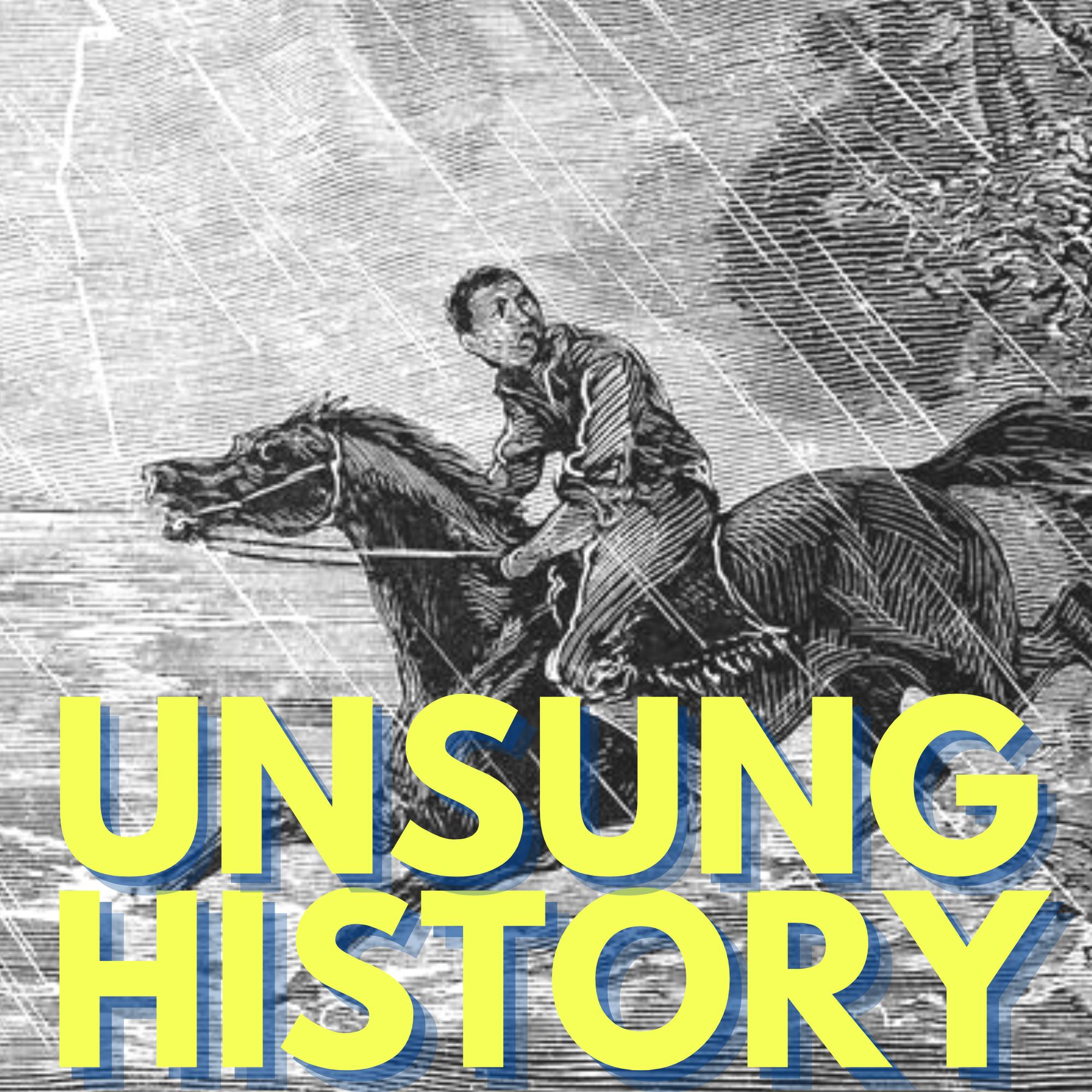
Thomas Smallwood and the Underground Railroad
Over the course of just one year in the early 1840s, Thomas Smallwood, a recently emancipated Black man, with the assistance of the New England educated white abolitionist Charles Torrey, arranged for around 400 enslaved people to escape the Baltimore and DC area for freedom in Canada. While the abolition movement was still debating the best path forward, Smallwood and Torrey put their beliefs into action, establishing the Underground Railroad, and using the press to taunt the slaveowners whose ...
Guest: Scott Shane
117
Aug. 28, 2023
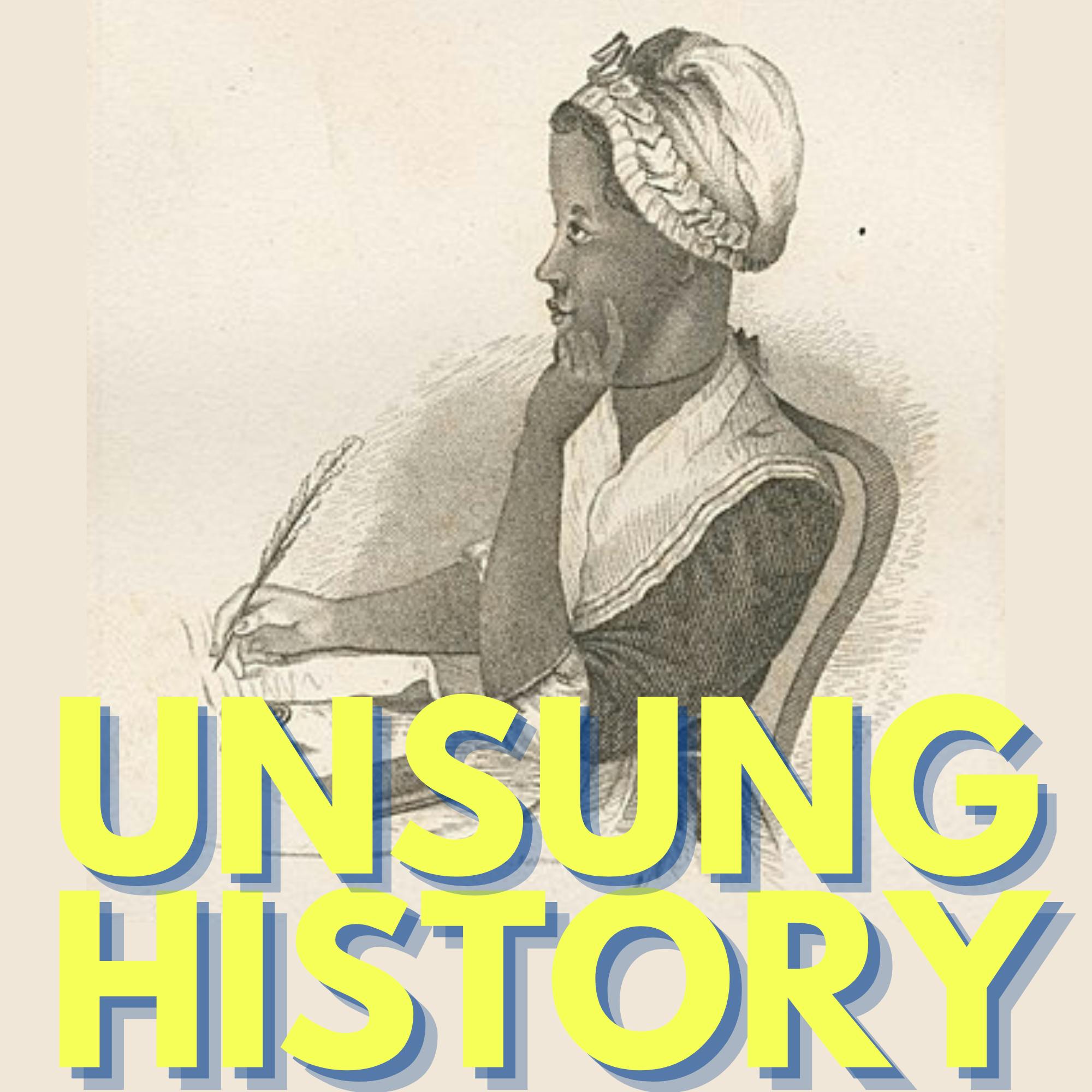
Phillis Wheatley
One of the best known poets of Revolutionary New England was an enslaved Black girl named Phillis Wheatley, who was only emancipated after she published a book of 39 of her poems in London. Wheatley, who met with Benjamin Franklin and corresponded with George Washington, was the first person of African descent to publish a book in English. Wheatley achieved literary success and helped drive the abolition movement, but she died young and penniless, and many of her poems were lost to history. J...
Guest: David Waldstreicher
116
Aug. 21, 2023
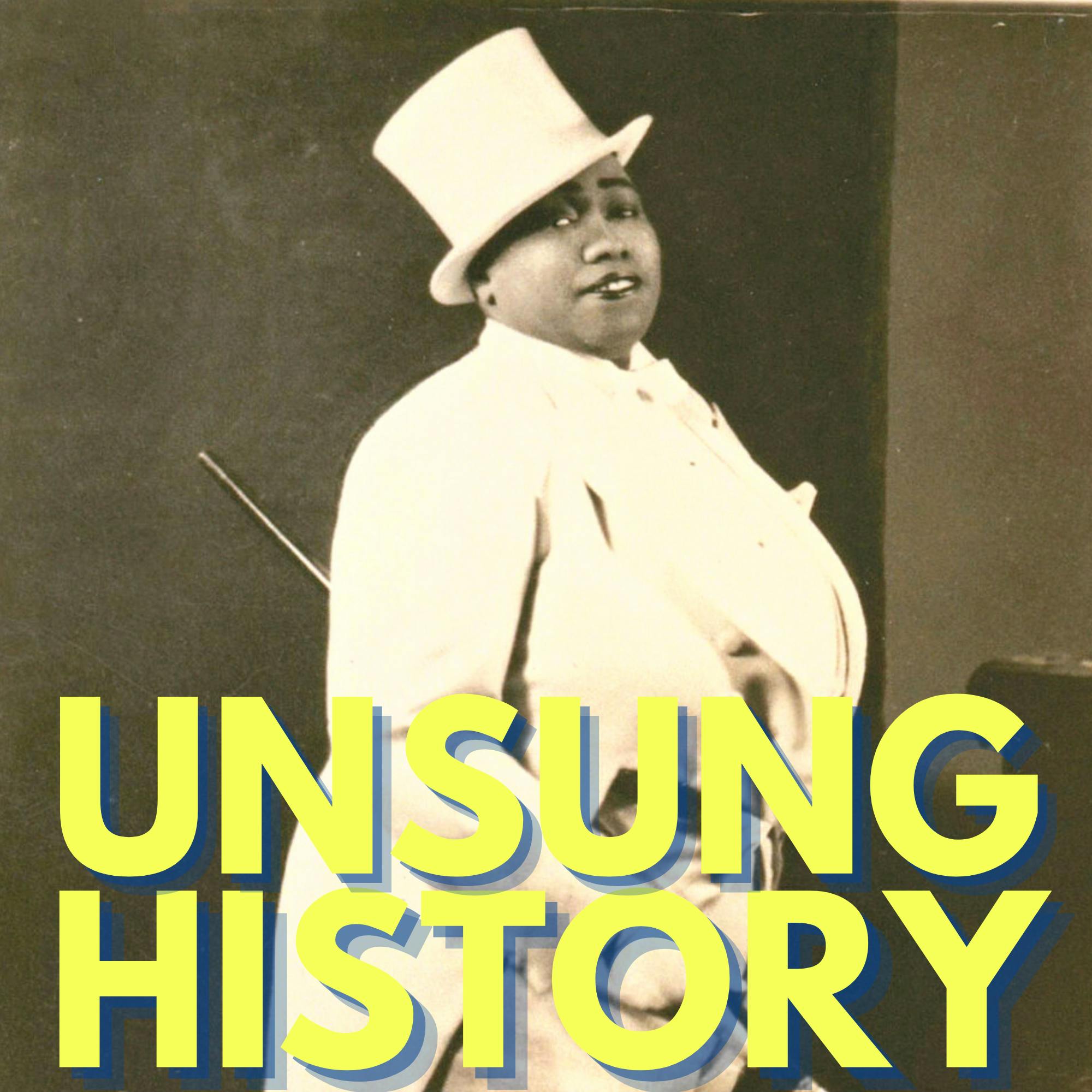
Gladys Bentley
One of the biggest stars in Prohibition Age New York was blues singer Gladys Bentley, who caused a stir in Harlem, wearing a top hat and tails, flirting with women in the audience, and singing raunchy lyrics. Despite Bentley’s phenomenal talent, the repeal of Prohibition and the end of the jazz age led to waning interest in the type of bawdy performance for which she was known. Despite attempts to change with the times, Bentley was never again able to reach the level of fame she had once enjoyed...
Guest: Cookie Woolner

115
Aug. 14, 2023
Anna May Wong
As a child in Los Angeles, Wong Liu Tsong knew she wanted to be an actress. Adopting the screen name Anna May Wong and dropping out of school to pursue her passion, Wong landed her first lead role at age 17. Despite Hollywood racism that would limit the types of roles she would receive, Wong’s impressive career spanned over 60 films, in addition to stage and television work, and she was the first Asian American woman to be awarded a star on the Hollywood Walk of Fame. Joining me in this episo...
Guest: Yunte Huang

114
Aug. 7, 2023
Anna Rosenberg
When Anna Rosenberg Hoffman died in 1983, the New York Times called her “one of the most influential women in the country's public affairs for a quarter of a century.” A skilled labor mediator and advisor to four U.S. presidents, Rosenberg, a Jewish immigrant from Hungary, stood up to Senator Joe McCarthy and was confirmed by the Senate as Assistant Secretary of Defense in 1950, making her the then-highest ranking woman in the history of the Department of Defense. It was only one of many firsts ...
Guest: Christopher C. Gorham
113
July 31, 2023
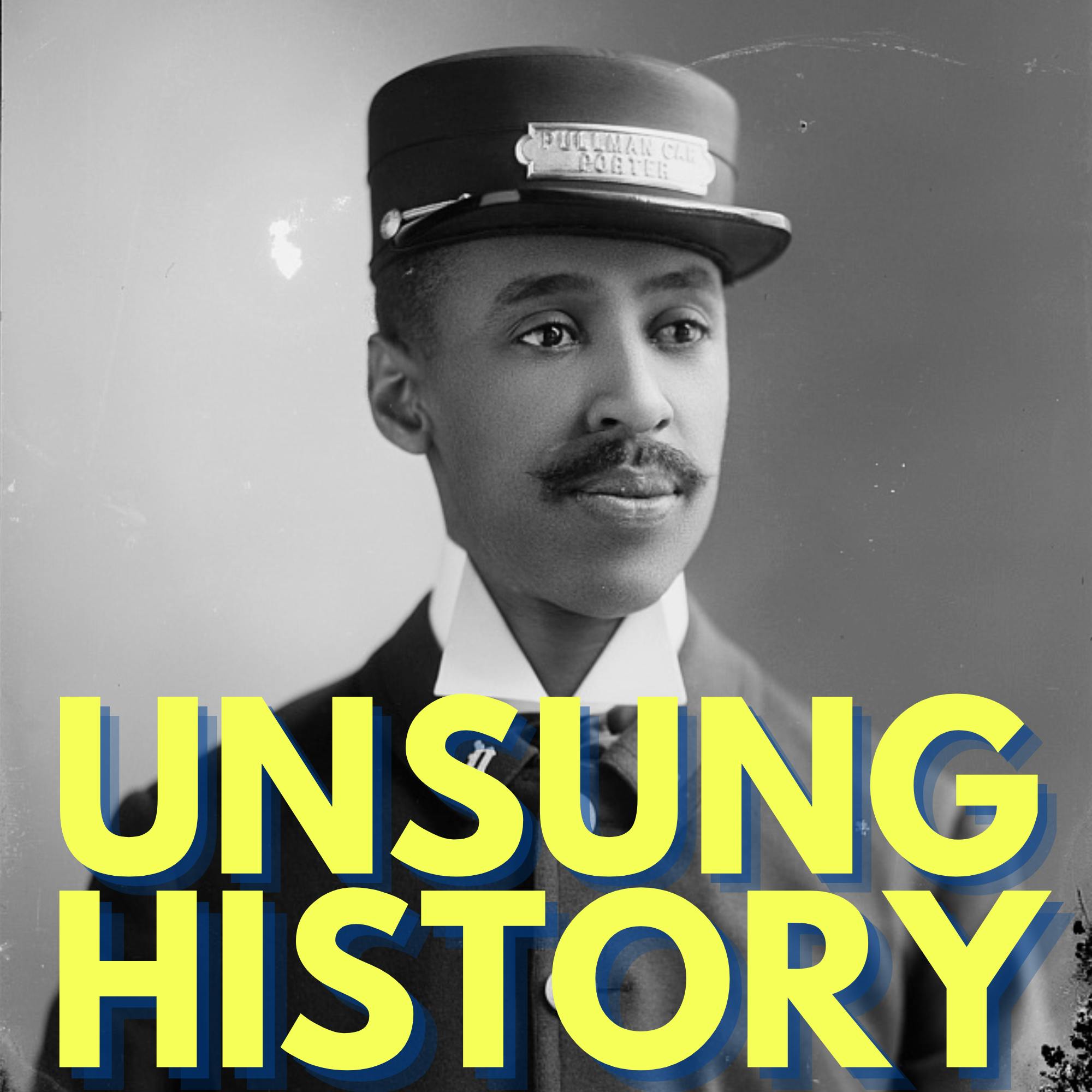
Pullman Porters & the History of the Black Working Class
In the early 20th century, career options for Black workers were limited, and the jobs often came with low pay and poor conditions. Ironically, because they were concentrated in certain jobs, Black workers sometimes monopolized those jobs and had collective power to demand better conditions and higher pay. The Pullman Company, founded in 1862, hired only Black men to serve as porters on Pullman cars, since George M. Pullman thought that formerly enslaved men would know how to be good, invisible ...
Guest: Blair LM Kelley

112
July 24, 2023
History of Black Women & Physical Fitness in the United States
In 1894, Mary P. Evans, wrote in the Woman’s Era, a Black women’s magazine, that exercise: “enables you to keep in the best condition for work with the hands or with the brain… It prepares you to meet disappointment, sorrow, ill treatment, and great suffering as the strong, courageous and splendid woman meets them. It is a great aid to clear, quick, and right thinking.” She wasn’t the only Black woman of the day encouraging Black women and girls to exercise as a way of improving not just themsel...
Guest: Ava Purkiss
111
July 17, 2023
Enslaved Women who Murdered their Enslavers
In the American colonies and then in the antebellum United States, the legal system reinforced the power and authority of slaveholders by allowing them to physically abuse the people they enslaved while severely punishing enslaved people for even minor offenses. Some enslaved women, who could find no justice in the courts, sought their own justice through lethal resistance, murdering their enslavers. Joining me now to help us understand the enslaved women who chose lethal resistance, what dro...
Guest: Nikki M. Taylor

110
July 10, 2023
Jean-Baptiste Pointe DuSable, the Founder of Chicago
Sometime in the mid-1780s, Jean-Baptiste Pointe DuSable, a Black man from Saint-Domingue, and his Potawatomi wife, Kitihawa, settled with their family on a swampy site near Lake Michigan called Eschecagou, “land of the wild onions.” The homestead and trading post they built on the mouth of the Chicago River, with a comfortably appointed cabin, workshop, bake house, stable, smokehouse, and more, was the first settlement on what would become the city of Chicago. Their importance was long forgotten...
Guest: Courtney P. Joseph