
Black History Episodes
87
Jan. 30, 2023
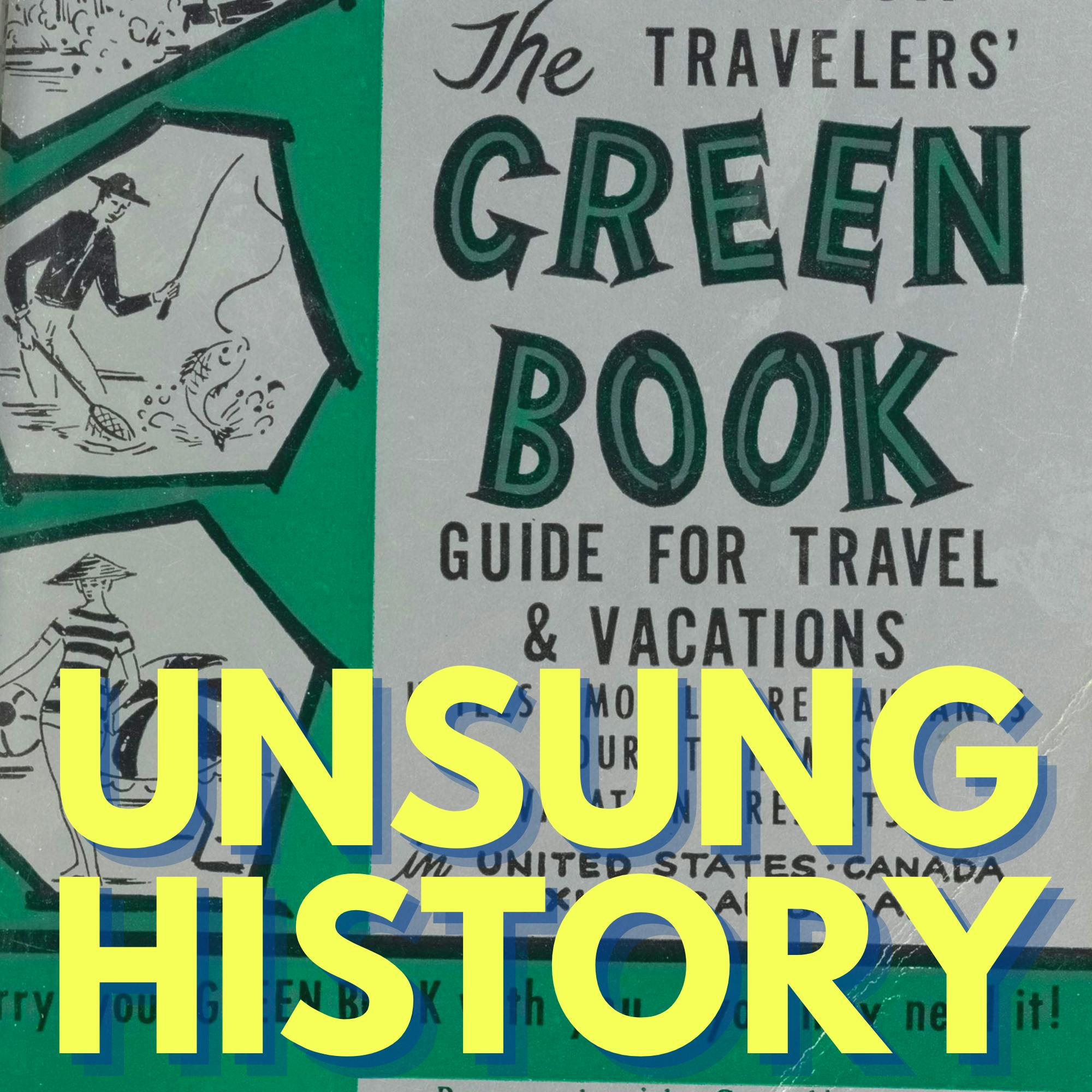
The Green Book
In 1936, Victor Hugo Green published the first edition of what he called The Negro Motorist Green Book, a 16-page listing of businesses in the New York metropolitan area that would welcome African American customers. By its final printing in 1966, the Green Book had gone international, with a 100-page book that included not just friendly businesses throughout the United States but also hotels and resorts that would be safe for African American travelers in Canada, the Caribbean, Latin America, E...
Guest: Alvin Hall

85
Jan. 16, 2023
The 1968 Student Uprising at Tuskegee Institute
Days after the assassination of Martin Luther King, Jr., and after months of increasing tension on campus, the students at Tuskegee Institute in Alabama occupied a building on campus where the Trustees were meeting, demanding a number of reforms, including a role for students in college governance, the end of mandatory ROTC participation, athletic scholarships, African American studies curriculum, and a higher quality of instruction in engineering courses. Joining me to tell the story of the ...
Guest: Brian Jones
84
Jan. 9, 2023
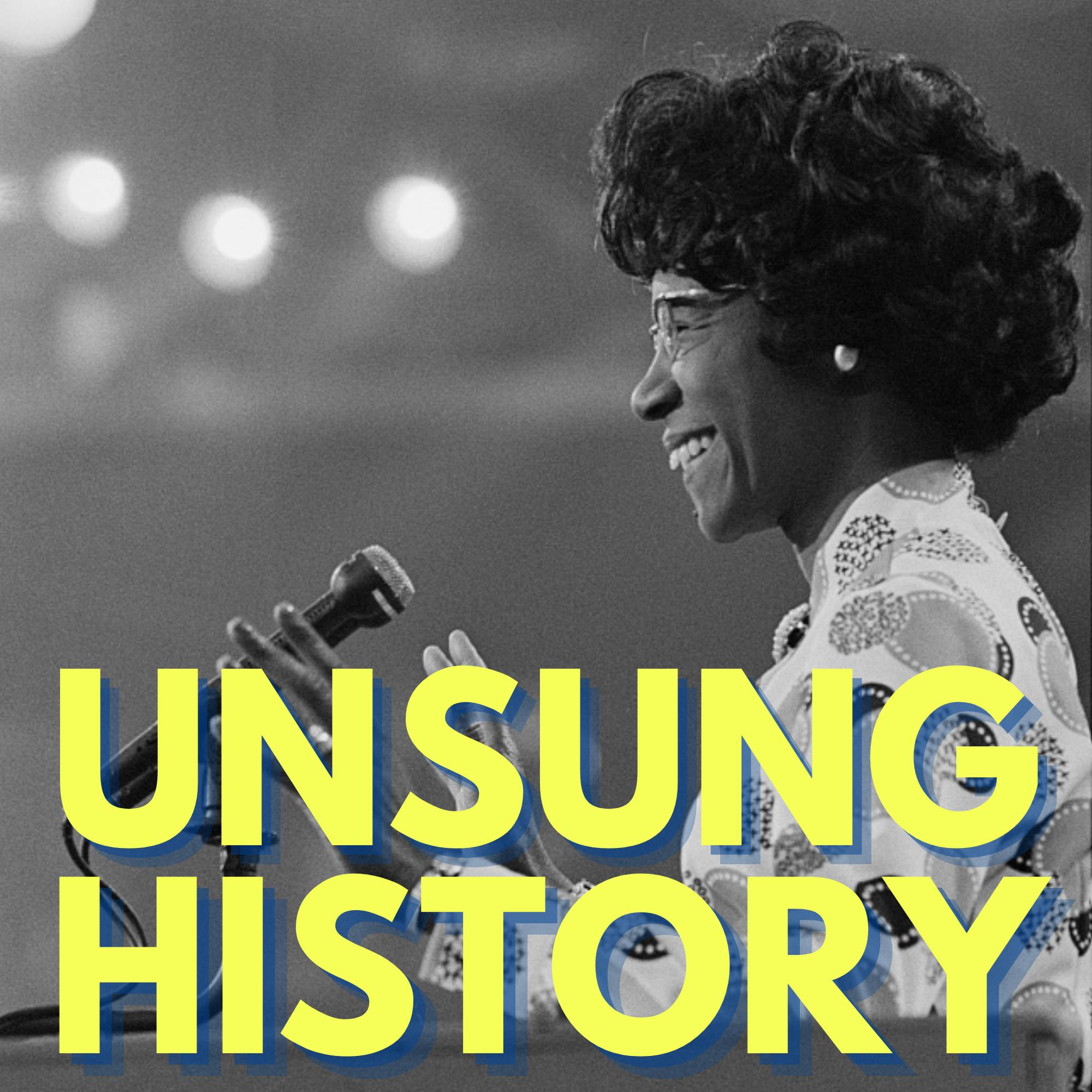
Shirley Chisholm
Throughout her life, Shirley Chisholm fought for coalitional change. She was the first Black woman elected to the United States Congress in 1968, the first Black woman to run for President of the United States in 1972, co-founder of both the Congressional Black Caucus and the National Women’s Political Caucus, both in 1971, and co-founder of the National Congress of Black Women in 1984. Toward the end of her life, Chisholm told an interviewer: “I want history to remember me … as a Black woman wh...
Guest: Anastasia Curwood
80
Dec. 12, 2022
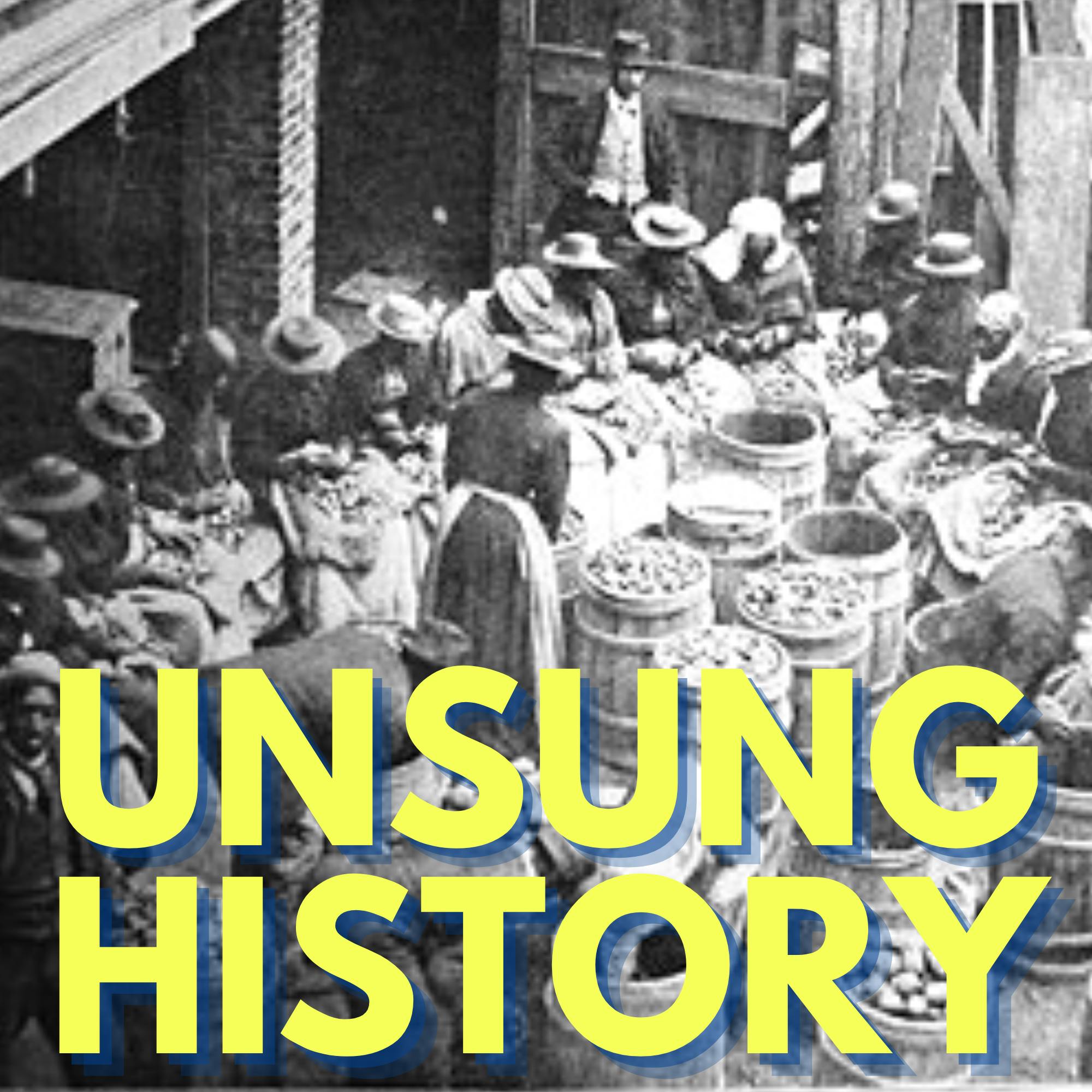
The Sea Islands Hurricane of 1893
On August 27, 1893, a massive hurricane struck the coast of South Carolina and Georgia, battering the Sea Islands and Lowcountry through the next morning. Around 2,000 people in the thriving African American community perished that night, and many more died in the coming days and weeks as the impacts of the storm continued to be felt. The Red Cross, led by Clara Barton, organized relief efforts in conjunction with the local communities but with little money, as both the state legislature and the...
Guest: Caroline Grego
65
Aug. 29, 2022
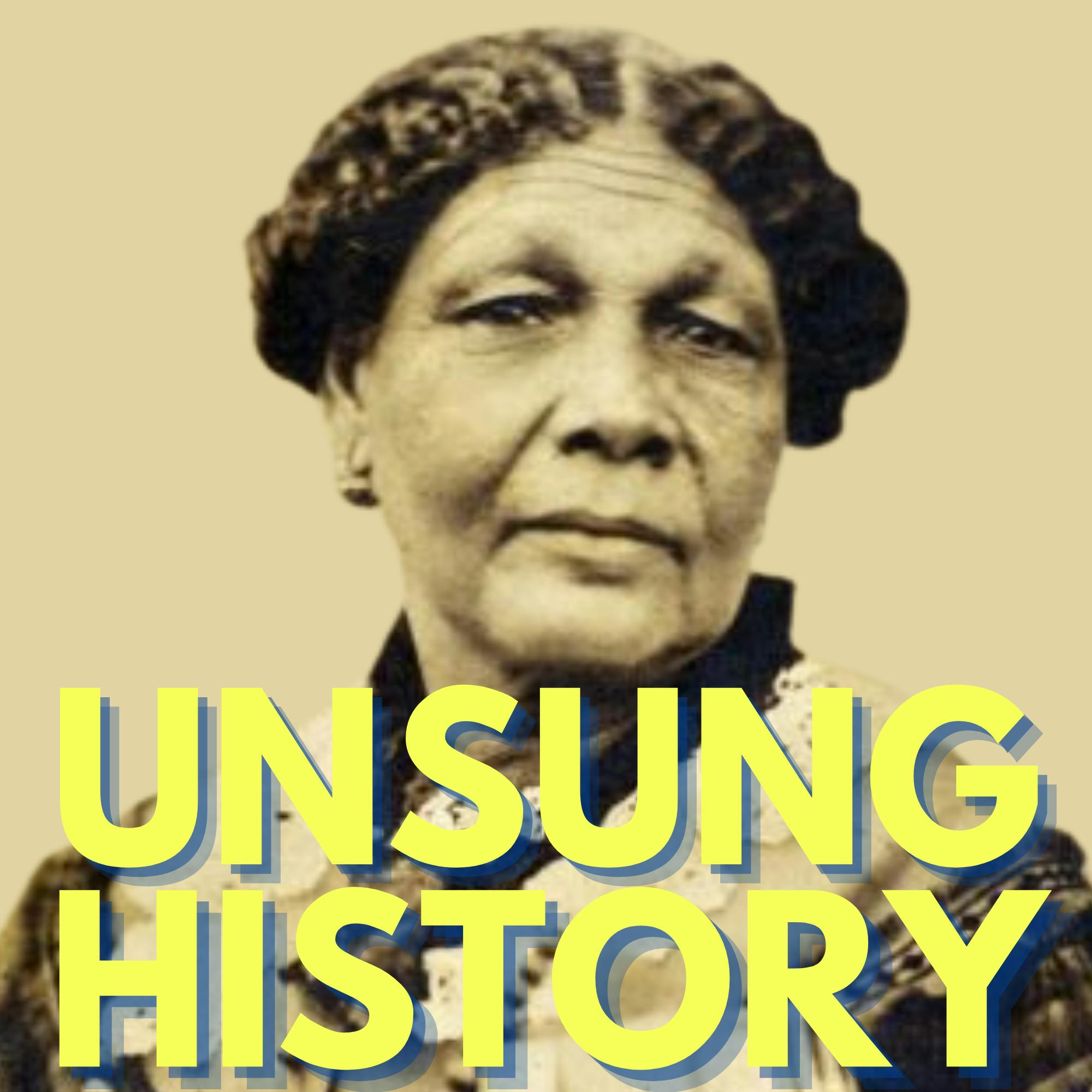
Mary Seacole
When the United Kingdom joined forces with Turkey and France to declare war on Russia in March 1854, Jamaican-Scottish nurse Mary Seacole decided her help was needed. When the British War Office declined her repeated offers of help, she headed off to Crimea anyway and set up her British Hotel near Balaklava. The British Hotel, which opened in March 1855, was a combination general store, restaurant, and first aid station, and the British soldiers and officers came to love Mary and call her “Mothe...
Guest: Helen Rappaport

60
July 25, 2022
The Townsend Family Legacy
When Alabama plantation owner Samuel Townsend died in 1856, he willed his vast fortune to his children and his nieces. What seems like an ordinary bequest was anything but, since Townsend’s children and nieces were his enslaved property. Townsend, who knew the will would be challenged in court, left nothing to chance, hiring the best lawyer he could find to ensure that his legatees received both their freedom and the resources they would need to survive in a country that was often hostile to fre...
Guest: R. Isabela Morales
45
April 11, 2022
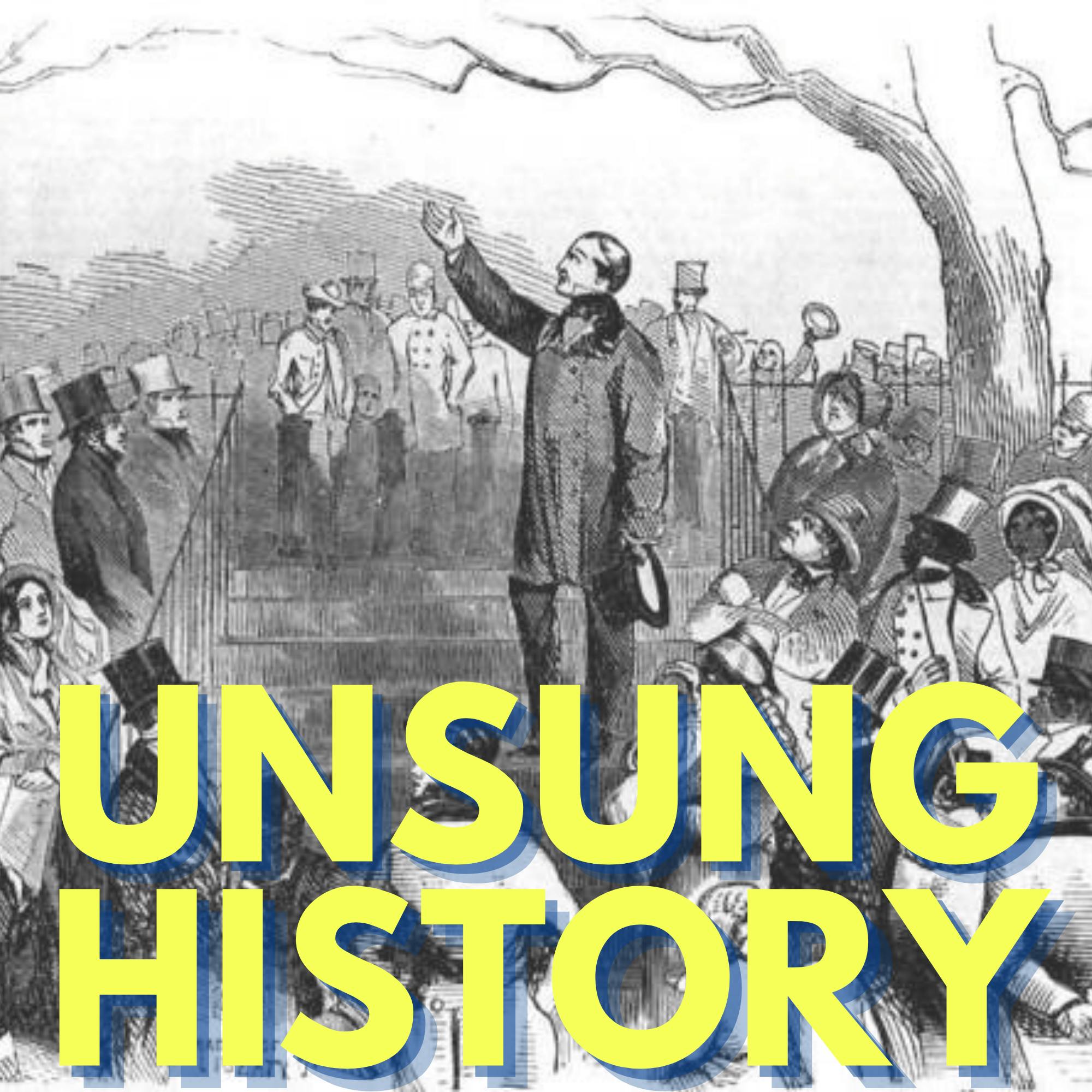
The Abolition Movement of the 1830s
From the founding of the United States, there were people who opposed slavery, but many who grappled with the concept, including slave owner Thomas Jefferson, envisioned a plan of gradual emancipation for the country. In 1817, after the establishment of the American Colonization Society, free Blacks in Philadelphia and elsewhere began to fight for immediate abolition for all enslaved people in the United States. By the 1830s, they were joined in these efforts by white allies. Although not as ...
Guest: J. D. Dickey
39
Feb. 28, 2022
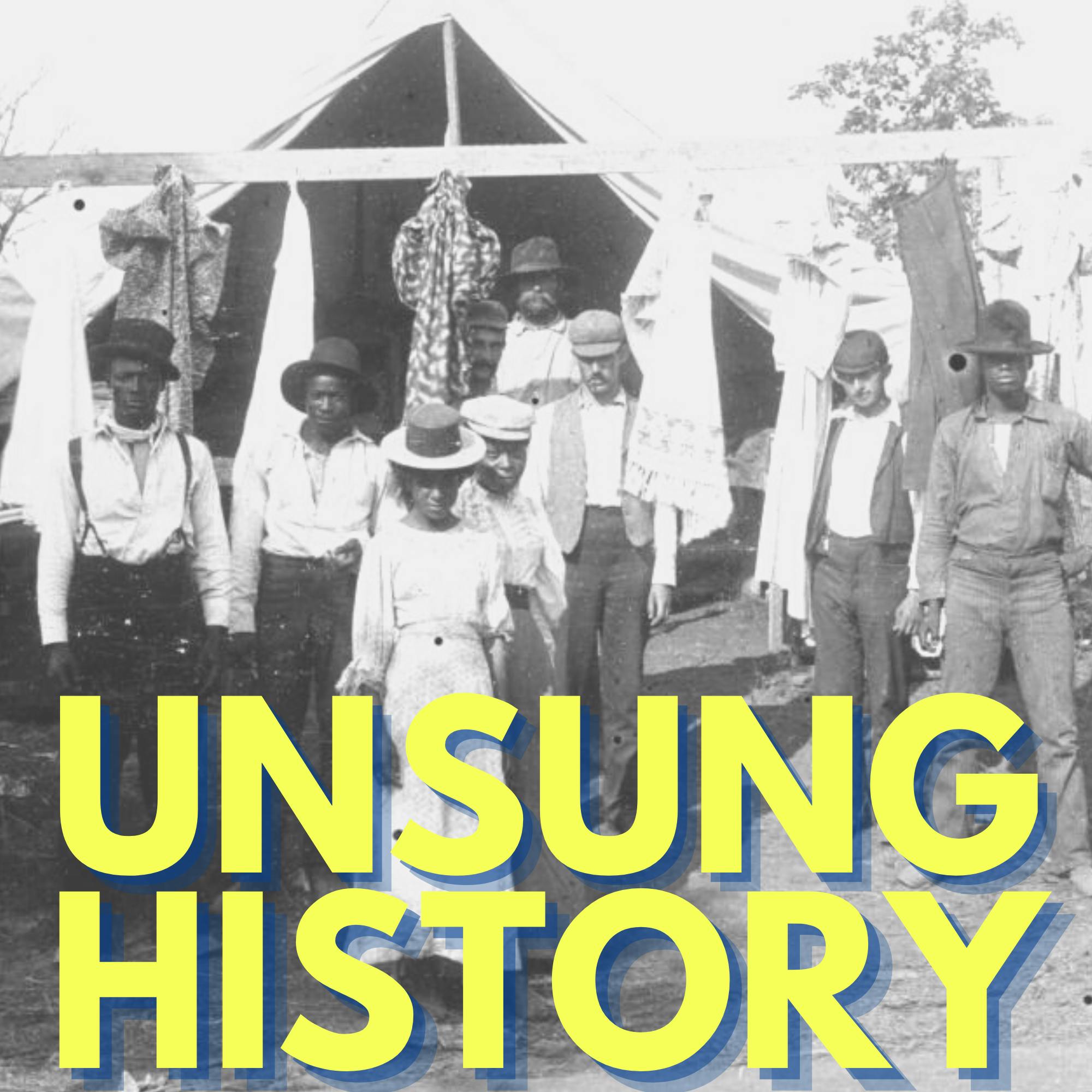
Freedpeople in Indian Territory
When the Cherokee, Chickasaw, Choctaw, Muskogee (or Creek), and Seminole Nations – known as “The Five Civilized Tribes” by white settlers – were forcibly moved from their lands in the Southeastern United States to Indian Territory (present-day Oklahoma), they brought their possessions with them, including the people of African descent whom they had enslaved. After the Civil War, these slaves were freed and freedpeople were included in the allocation of Native lands undertaken by the Dawes Com...
Guest: Alaina Roberts
38
Feb. 21, 2022
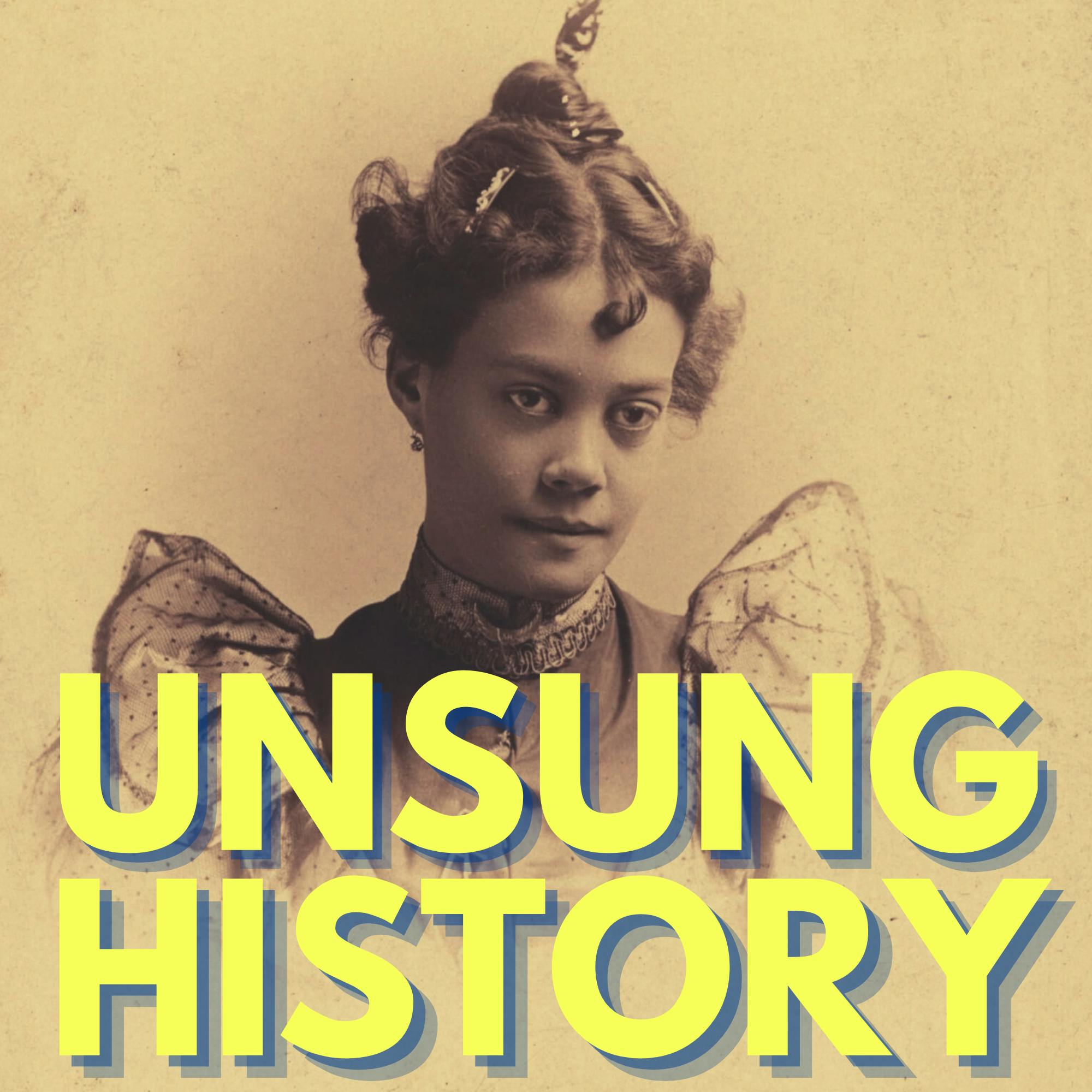
Alice Dunbar-Nelson
Poet, essayist, and activist Alice Dunbar-Nelson is perhaps best known as the widow of poet Paul Laurence Dunbar, but she is a remarkable figure in her own right. Born in New Orleans in 1875 to a mother who had only recently been freed from slavery and an unknown father, Alice graduated from Straight University (later Dillard University), became a teacher, and quickly started her own writing career. Throughout her life, Alice continued to teach and to write and to speak out on issues of women...
Guest: Tara T. Green
37
Feb. 14, 2022
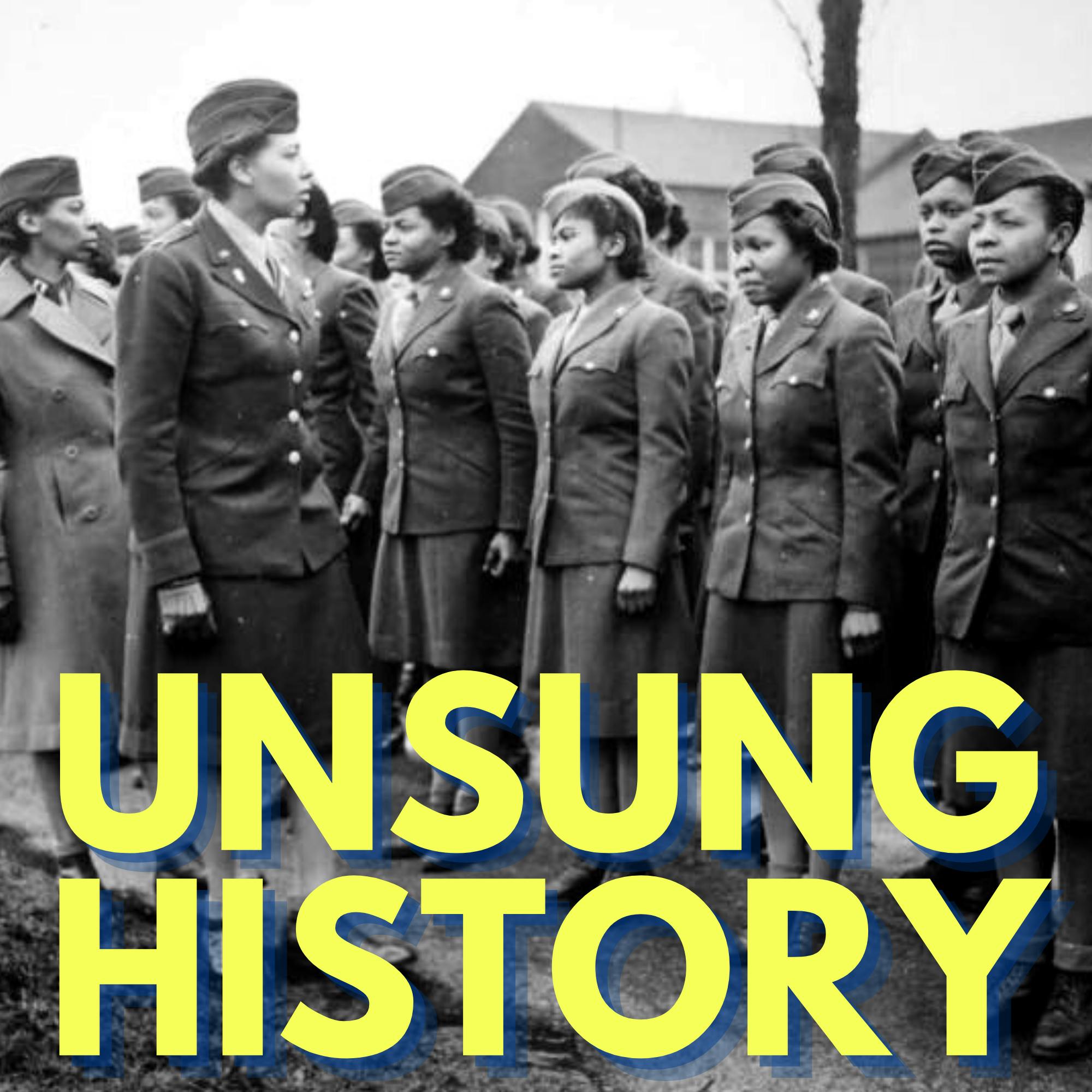
The 6888th Central Postal Directory Battalion
On February 14, 1945, after crossing the Atlantic Ocean and surviving a run-in with a Nazi U-Boat, the women of the 6888th Central Postal Directory Battalion disembarked the Île-de-France in Glasgow, Scotland. The task awaiting the only all-Black, all-female battalion overseas during World War II was daunting. There were airplane hangars filled with a backlog of millions of pieces of mail sitting in Birmingham, England, addressed from friends and family to service members stationed across Eur...
Guest: Kaia Alderson
36
Feb. 7, 2022
Julia Chinn
Julia Chinn was born into slavery in Kentucky at the tail end of the 18th Century. Despite laws against interracial marriage, Richard Mentor Johnson, the ninth Vice President of the United States, called Julia Chinn his wife, and he recognized their daughters together as his. Johnson left Julia in charge of his Blue Spring Farm when he was away in DC for months at a time, and Julia ran the household and plantation, managed the business affairs, and worked as both manager and nurse at the Chockta...
Guest: Amrita Chakrabarti Myers
33
Jan. 17, 2022
Mary Ann Shadd Cary
Mary Ann Shadd Cary, born in Delaware in 1823, was a teacher, a writer, an abolitionist, a suffragist, and a lawyer, and is considered to be the first Black woman to publish and edit a newspaper in North America, The Provincial Freeman. When abolitionist Frederick Douglass asked readers of his newspaper in 1848 for suggestions on how to improve life for African Americans, Shadd Cary answered: “We should do more and talk less,” and she spent her life following that motto in both the United States...
Guests: Kristin Moriah , Jane Rhodes
30
Dec. 27, 2021
Women-Led Slave Revolts
Enslaved Africans in what is now New York State and in the Middle Passage resisted their enslavement, despite the risk of doing so. In the previously accepted history of these slave revolts, the assumption was that men led the resistance, but Dr. Rebecca Hall dug deeper into the records and read against the grain to find the women warriors who fought for their freedom. Joining me to help us learn more is Dr. Rebecca Hall, a scholar, activist and educator, who writes and speaks on the history ...
Guest: Rebecca Hall
27
Dec. 6, 2021
Loïs Mailou Jones
Born in Boston, Massachusetts, in 1905, artist Loïs Mailou Jones’s career spanned much of the 20th Century as both a painter and a teacher of generations of Black artists at Howard University. Jones faced racial discrimination in the US throughout much of her long life, and found refuge and inspiration in the Harlem Renaissance Movement and in the expatriate community of Black artists in Paris. Her 1953 marriage to Haitian artist Louis Vergniaud Pierre-Noel, and later research trips to Africa...
Guest: Jennifer Higgie
17
Sept. 27, 2021
Freedom Suits in Maryland & DC, 1790-1864
Slavery was legal in Maryland until November 1, 1864, when a new state constitution prohibited the practice of slavery. Lincoln’s Emancipation Proclamation the year before had declared slaves in the Confederate states to be free, but Maryland was in the union and not included in the proclamation. From the late 18th Century until the Civil War, enslaved families in Prince George’s County, Maryland, brought over a thousand legal suits against hundreds of slaveholding families, arguing for their fr...
Guest: William G. Thomas III

16
Sept. 20, 2021
Chef Lena Richard
Over a decade before Julia Child’s The French Chef appeared on TV, a Black woman chef hosted her own, very popular cooking show on WDSU-TV in New Orleans. At a time when families were just beginning to own televisions, Chef Lena Richard’s show was so popular that it aired twice a week. Richard started working as a cook as a teenager for the wealthy Vairin family who employed her mom as a domestic servant. When their cook left, Alice Vairin gave Richard a trial run as cook and was so impressed...
Guests: Chef Dee Lavigne , Ashley Rose Young
15
Sept. 13, 2021
African American AIDS Activism
According to the Centers for Disease Control and Prevention (the CDC), in 2018, 13% of the US population was Black and African American, but 42% of new HIV diagnoses in the US were from Black and African American people. This discrepancy is not new. On June 5, 1981, the CDC first published an article in its Morbidity and Mortality Weekly Report (MMWR) titled “Pneumocystis Pneumonia” that suggested that there might be “a cellular-immune dysfunction related to a common exposure that predisposes...
Guest: Dan Royles

6
July 12, 2021
Black Teachers & The Civil Rights Movement in South Carolina
On May 17, 1954, the Supreme Court decided unanimously in Brown v. Board of Education of Topeka Kansas that that racial segregation of children in public schools was unconstitutional. Although the process was slow and contentious, the SCOTUS decisions in Brown and Brown II required that desegregation must occur "with all deliberate speed" to provide Black students with the equal protection under the law required by the 14th Amendment. Black teachers had no protections or guarantees under the ...
Guest: Candace Cunningham

3
June 21, 2021
Susie King Taylor
Susie King Taylor was born into slavery in Georgia in 1848. With the help of family members, she was educated and escaped, joining the Union army at the age of 14, to serve ostensibly as a laundress, but in reality as a nurse, teacher, and even musket preparer. In 1902, Taylor published Reminiscences of My Life in Camp with the 33d United States Colored Troops, an autobiography that covers not just her experiences during the Civil War, but also her childhood and her later years. Taylor includes ...
Guest: Ben Railton
2
June 14, 2021
The Jackson State Shootings in May 1970
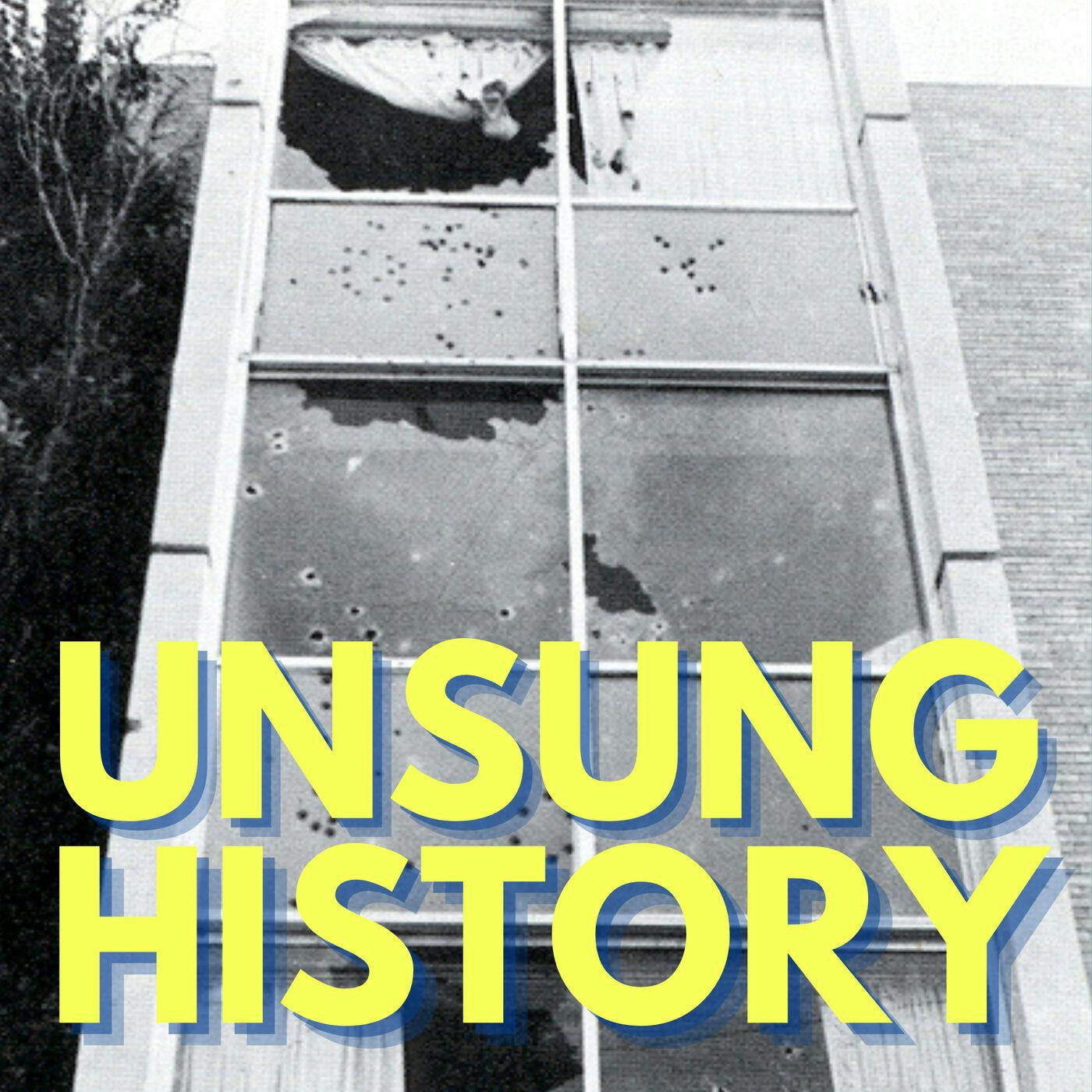
Just after midnight on May 15, 1970, officers opened fire on a group of unarmed students milling in front of a dorm on the campus of Jackson State College in Jackson, Mississippi, killing two and wounding twelve. Although the shootings took place just a week and a half after the shootings at Kent State University, the Jackson State shootings never got the attention of those at Kent State, and when they did they were often described as a second Kent State, erasing the context of white supremacy a...
Guest: Nancy K. Bristow