
20TH Century Episodes
14
Sept. 6, 2021
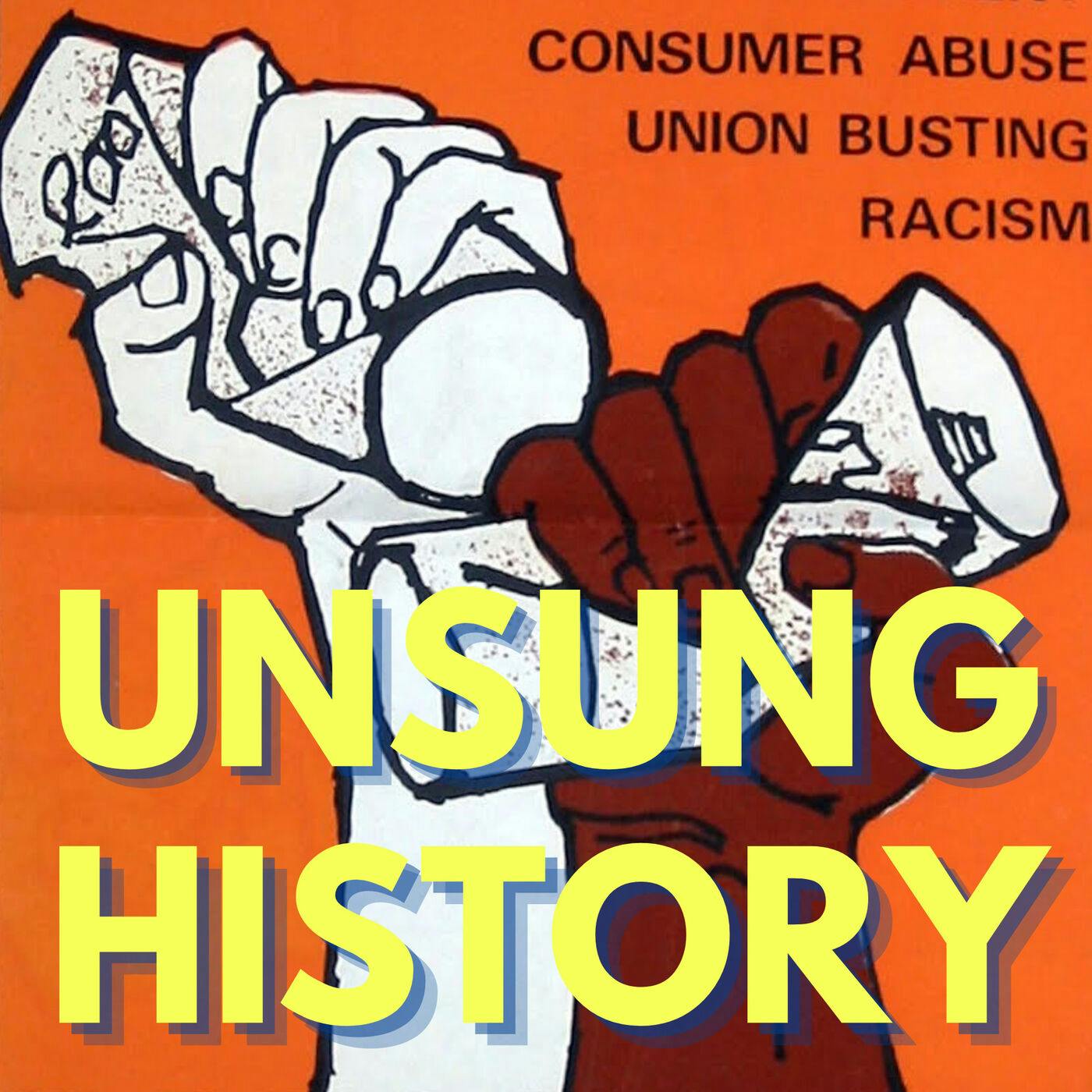
The Coors Boycott
In the mid-1960s, to protest discriminatory hiring practices, Chicano groups in Colorado called for a boycott of the Coors Brewing Company, launching what would become a decades-long boycott that brought together a coalition of activists that would include not just Chicano and Latino groups, but also African American groups, union organizers, LGBT activists, students, environmentalists and feminists. These groups had a variety of motivations for their involvement in the boycott and varied suc...
Guest: Allyson Brantley

8
July 26, 2021
Mary Mallon (The Sad & Complicated Story of "Typhoid Mary")
Mary Mallon, known to history as Typhoid Mary, immigrated from Northern Ireland to New York City at age 15, around 1883. She found work as a cook, a well paying job for an immigrant woman and worked for number of different families in the early 20th Century. In March 1907, civil engineer George Soper burst into the kitchen of the home where she was cooking and told her that she was spreading typhoid via her cooking. He demanded samples of her feces, urine, and blood to test. Mallon, who belie...
Guest: Kari Nixon
7
July 19, 2021
The El Centro Hunger Strike of 1985
In 1945, United States immigration officials opened the El Centro Immigration Detention Camp in El Centro, California, to be an administrative holding center for unauthorized Mexican migrants, many of whom had been working on local farms and ranches. From the beginning, migrants were often detained for long periods of time while they served as the unpaid labor force of the center. Conditions were poor in the facility in the decades that followed, and in 1985 the incarcerated migrants (by this...
Guest: Jessica Ordaz

6
July 12, 2021
Black Teachers & The Civil Rights Movement in South Carolina
On May 17, 1954, the Supreme Court decided unanimously in Brown v. Board of Education of Topeka Kansas that that racial segregation of children in public schools was unconstitutional. Although the process was slow and contentious, the SCOTUS decisions in Brown and Brown II required that desegregation must occur "with all deliberate speed" to provide Black students with the equal protection under the law required by the 14th Amendment. Black teachers had no protections or guarantees under the ...
Guest: Candace Cunningham

5
July 5, 2021
Homosexuality and the Left Before 1960
Political activism of queer people in the United States started long before the Stonewall riots in 1969. One surprising place that queer people found a home for their activism was in the Communist Party. The Communist Party of the United States was established in 1919, and from the 1920s to the 1940s the Party was influential in American politics, at the forefront of labor organizing and opposition to racism. It was the first political party in the US to be racially integrated. Some queer folks ...
Guest: Aaron Lecklider
4
June 28, 2021
Sophonisba Breckinridge
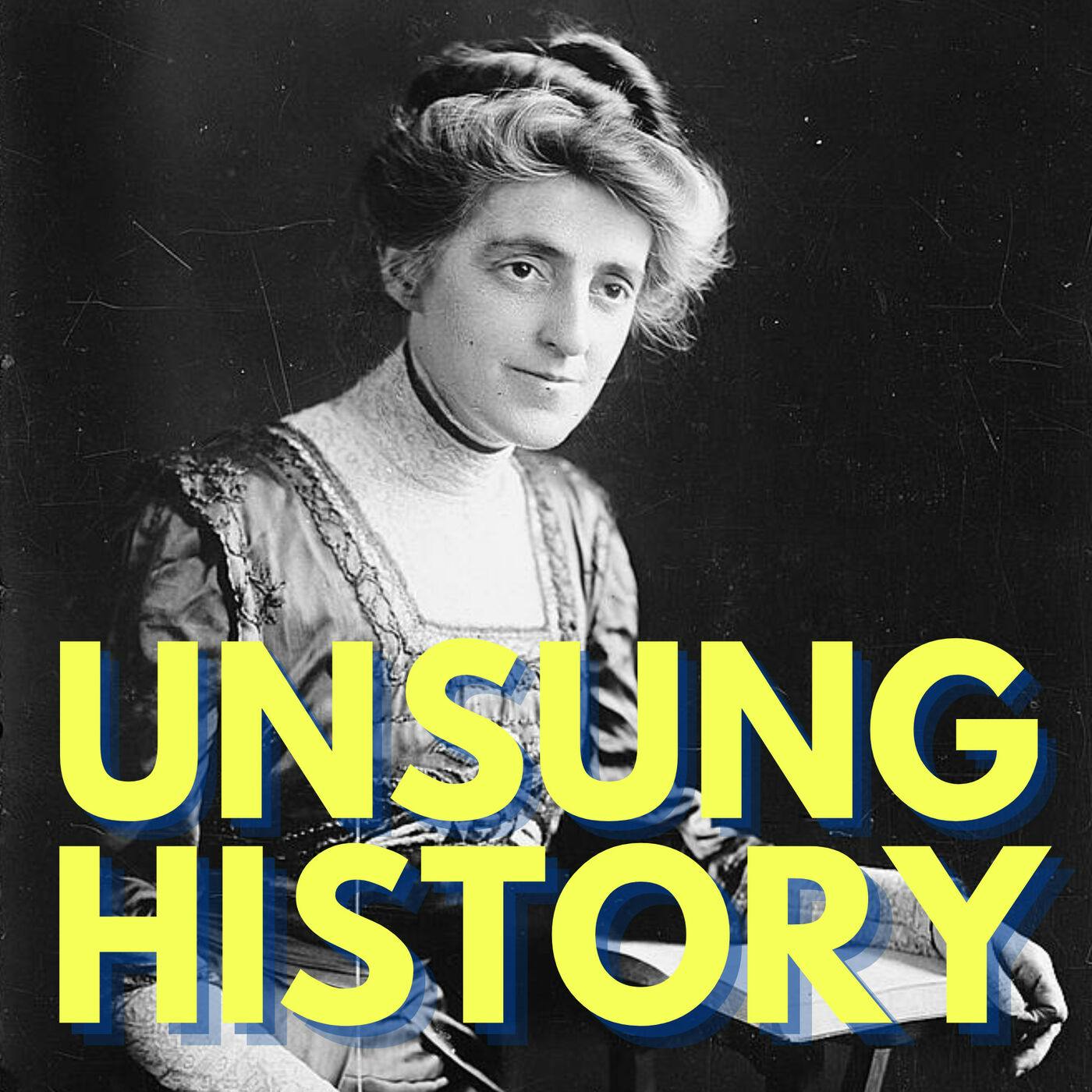
Sophonisba “Nisba” Preston Breckinridge, born April 1, 1866, was a woman of firsts. Breckinridge was the first woman admitted to the Kentucky bar to practice law in 1895; the first woman to earn a PhD in Political Science at the University of Chicago in 1901; the first woman to earn a JD at the University of Chicago Law School in 1904; the first woman professor granted a named professorship at the University of Chicago in 1929; and the first woman to serve as U.S. representative to a high-level ...
Guest: Anya Jabour

3
June 21, 2021
Susie King Taylor
Susie King Taylor was born into slavery in Georgia in 1848. With the help of family members, she was educated and escaped, joining the Union army at the age of 14, to serve ostensibly as a laundress, but in reality as a nurse, teacher, and even musket preparer. In 1902, Taylor published Reminiscences of My Life in Camp with the 33d United States Colored Troops, an autobiography that covers not just her experiences during the Civil War, but also her childhood and her later years. Taylor includes ...
Guest: Ben Railton
2
June 14, 2021
The Jackson State Shootings in May 1970
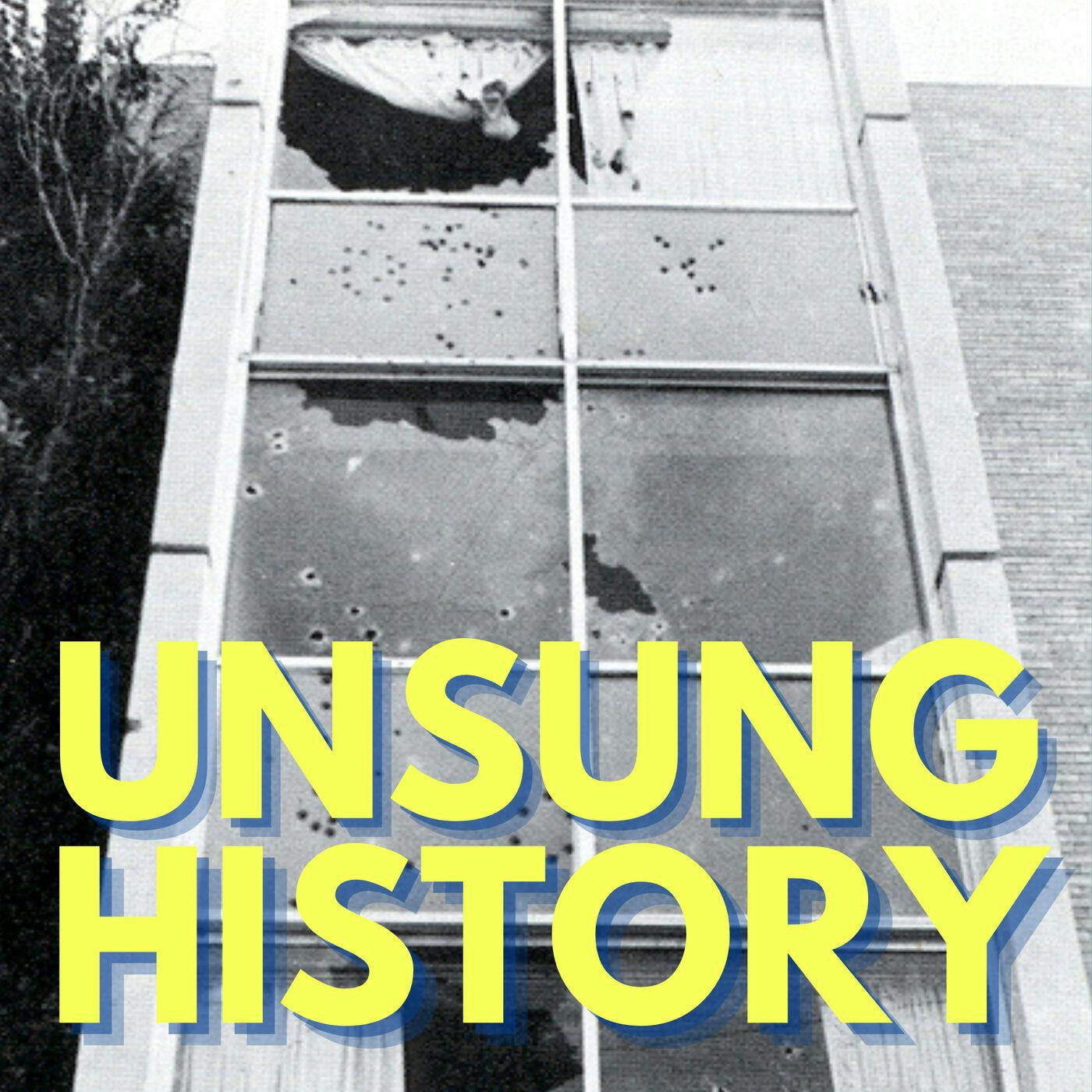
Just after midnight on May 15, 1970, officers opened fire on a group of unarmed students milling in front of a dorm on the campus of Jackson State College in Jackson, Mississippi, killing two and wounding twelve. Although the shootings took place just a week and a half after the shootings at Kent State University, the Jackson State shootings never got the attention of those at Kent State, and when they did they were often described as a second Kent State, erasing the context of white supremacy a...
Guest: Nancy K. Bristow
1
June 7, 2021
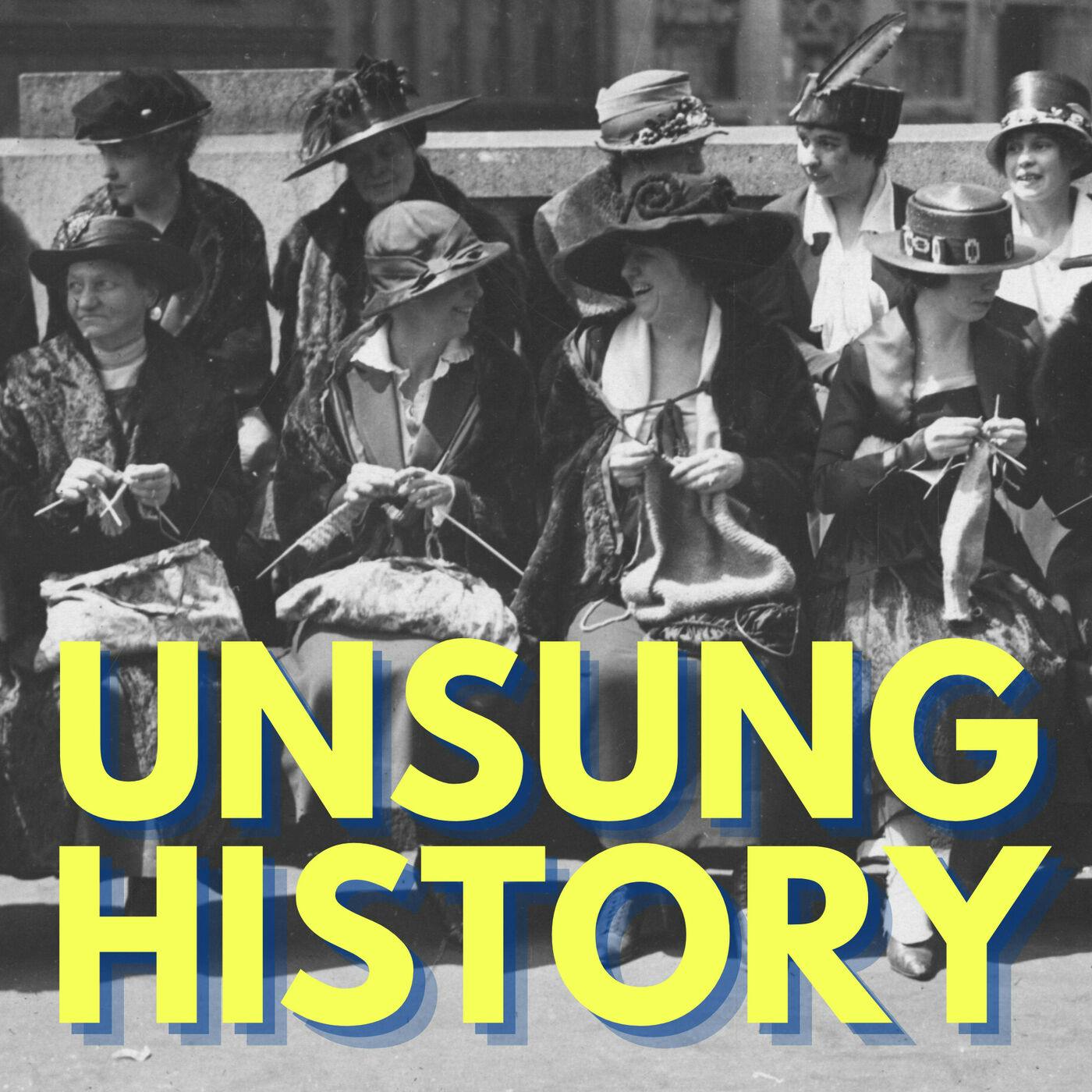
Knitting Brigades of World War I
Between America’s entry into World War I and the end of the war less than two years later, Americans knit 23 million articles of clothing and bandages for soldiers overseas, directed by the American Red Cross. How was this knitting organized? Who did the knitting? And why don’t more people know about this impressive feat? Kelly digs into the story of World War I knitting efforts and interviews Holly Korda, author of The Knitting Brigades of World War I: Volunteers for Victory in America and Abro...
Guest: Holly Korda