
19TH Century Episodes
36
Feb. 7, 2022
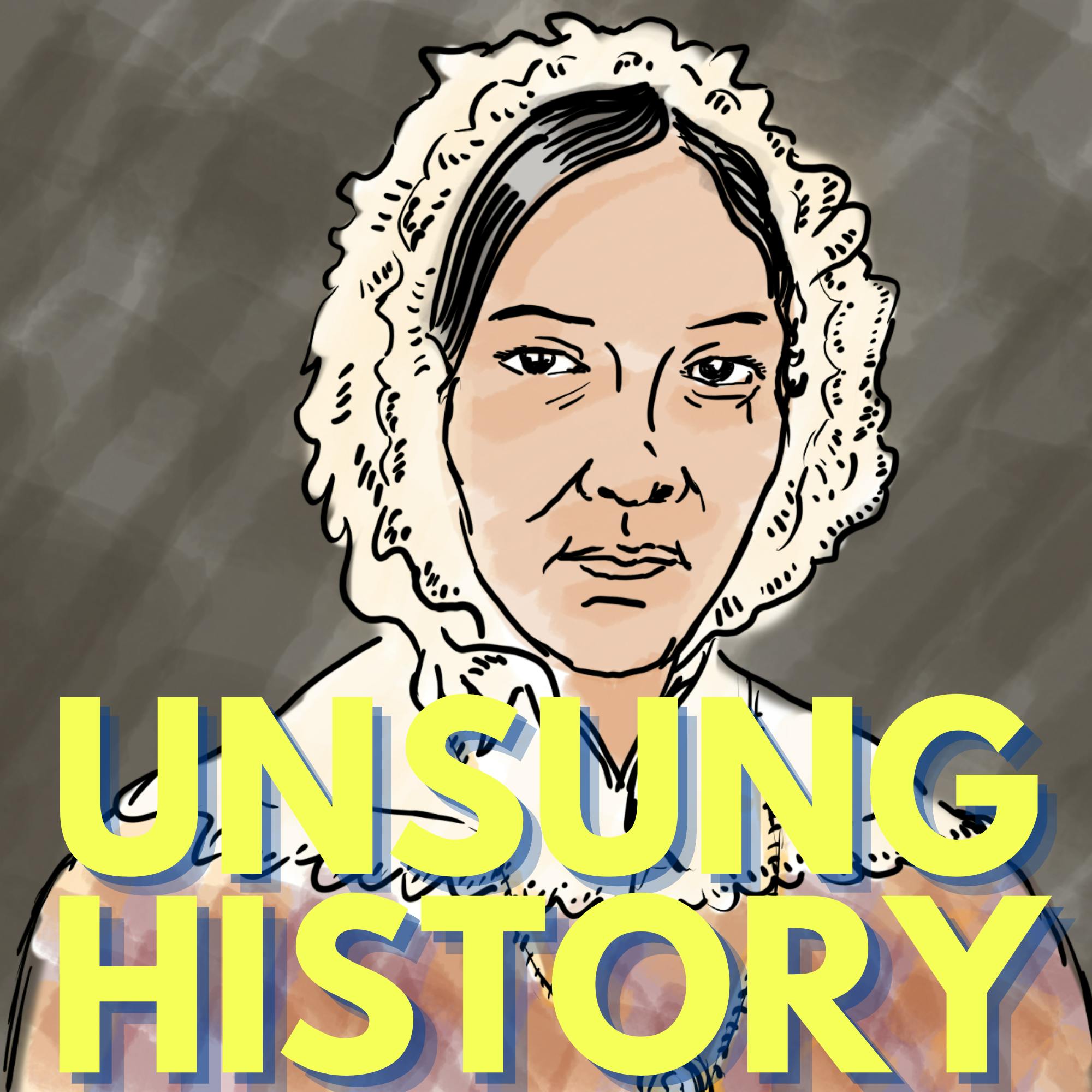
Julia Chinn
Julia Chinn was born into slavery in Kentucky at the tail end of the 18th Century. Despite laws against interracial marriage, Richard Mentor Johnson, the ninth Vice President of the United States, called Julia Chinn his wife, and he recognized their daughters together as his. Johnson left Julia in charge of his Blue Spring Farm when he was away in DC for months at a time, and Julia ran the household and plantation, managed the business affairs, and worked as both manager and nurse at the Chockta...
Guest: Amrita Chakrabarti Myers
33
Jan. 17, 2022
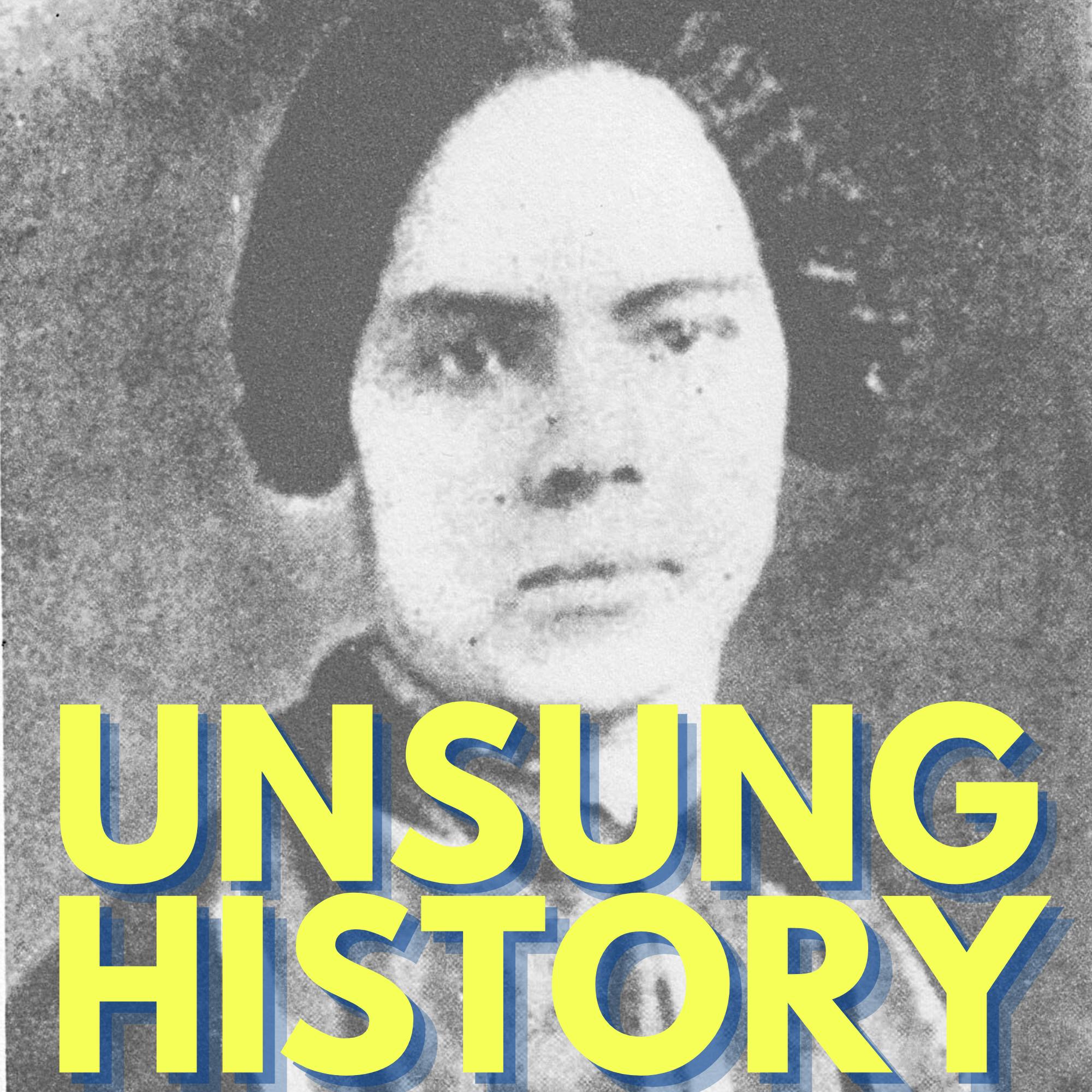
Mary Ann Shadd Cary
Mary Ann Shadd Cary, born in Delaware in 1823, was a teacher, a writer, an abolitionist, a suffragist, and a lawyer, and is considered to be the first Black woman to publish and edit a newspaper in North America, The Provincial Freeman. When abolitionist Frederick Douglass asked readers of his newspaper in 1848 for suggestions on how to improve life for African Americans, Shadd Cary answered: “We should do more and talk less,” and she spent her life following that motto in both the United States...
Guests: Kristin Moriah , Jane Rhodes
26
Nov. 29, 2021
The Yakama War
In October 1805, the Yakama encountered the Lewis and Clark Expedition near the confluence of the Yakima and Columbia rivers. By fifty years later, so many European and American trappers, traders, and eventually, settlers, had arrived in the area, putting demands on the land and resources, that federal government officials called a council meeting with the local tribal nations to negotiate a treaty by which the native people would move on to reservations in exchange for federal benefits. The ...
Guest: Emily Washines
24
Nov. 15, 2021
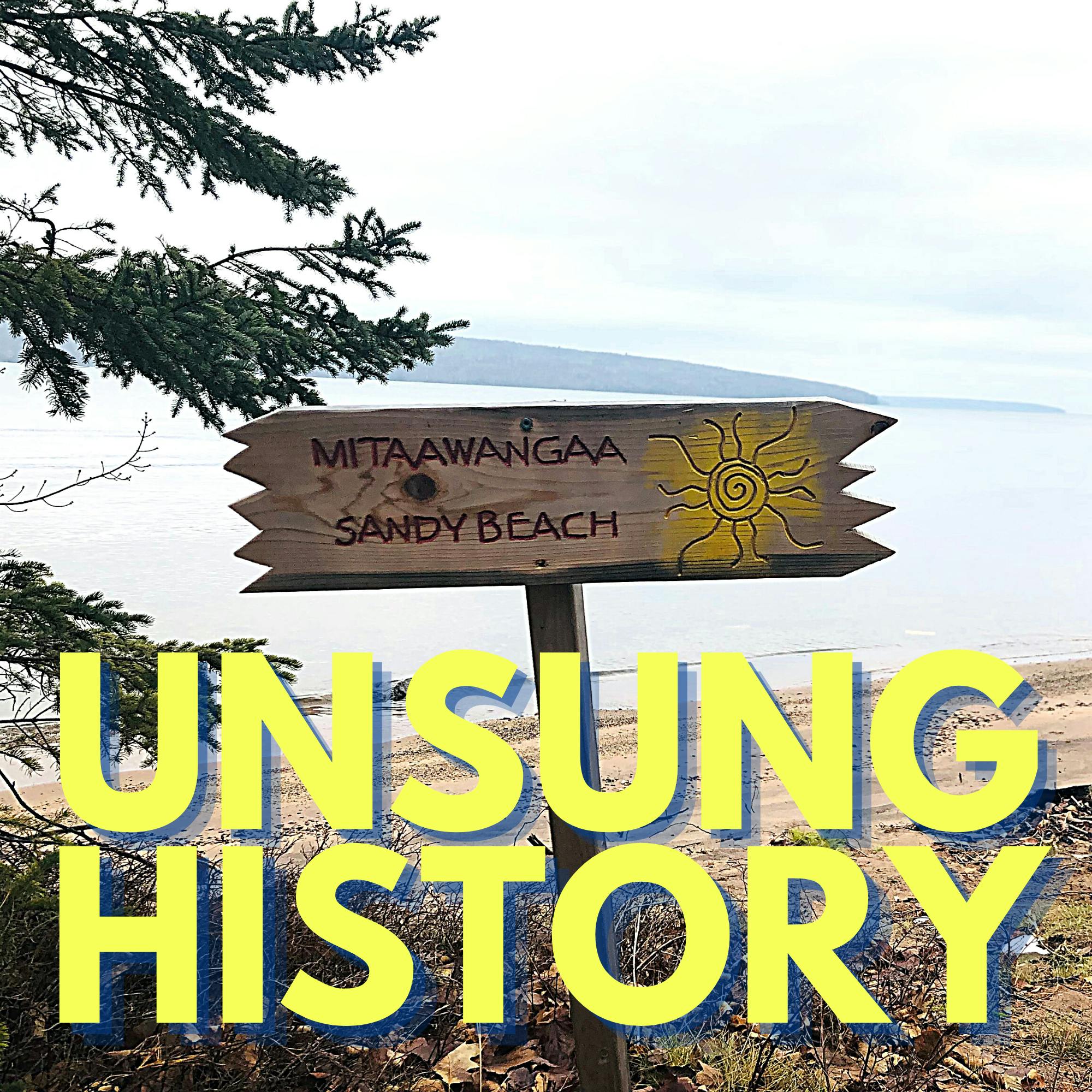
Treaty Rights of the Red Cliff Band of Lake Superior Ojibwe
Before the arrival of Europeans, the Ojibwe nation occupied much of the Lake Superior region, including what is now Ontario in Canada and Michigan, Wisconsin, and Minnesota in the United States. In 1850, President Zachary Taylor’s administration, in response to demands from European Americans, planned to force the Ojibwe of Wisconsin west of the Mississippi in violation of signed treaties. They planned to bring the Ojibwe to Minnesota from Wisconsin in late fall so that they would have to sta...
Guest: Katrina Phillips

22
Nov. 1, 2021
The Stockbridge-Munsee Community & their Removal History
The Stockbridge-Munsee Community, the People of the Waters that Are Never Still, were forced to move many times after they first encountered Europeans. In 1609, Dutch trader Henry Hudson sailed up the Mahicannituck, the River that Flows Both Ways, into Mohican land. By 1614 there was a Dutch trading post established on a nearby island to take advantage of the beaver and otter availability. The arrival of the Europeans changed the economic pattern of the Mohicans, and brought both disease and ...
Guest: Heather Bruegl
21
Oct. 25, 2021
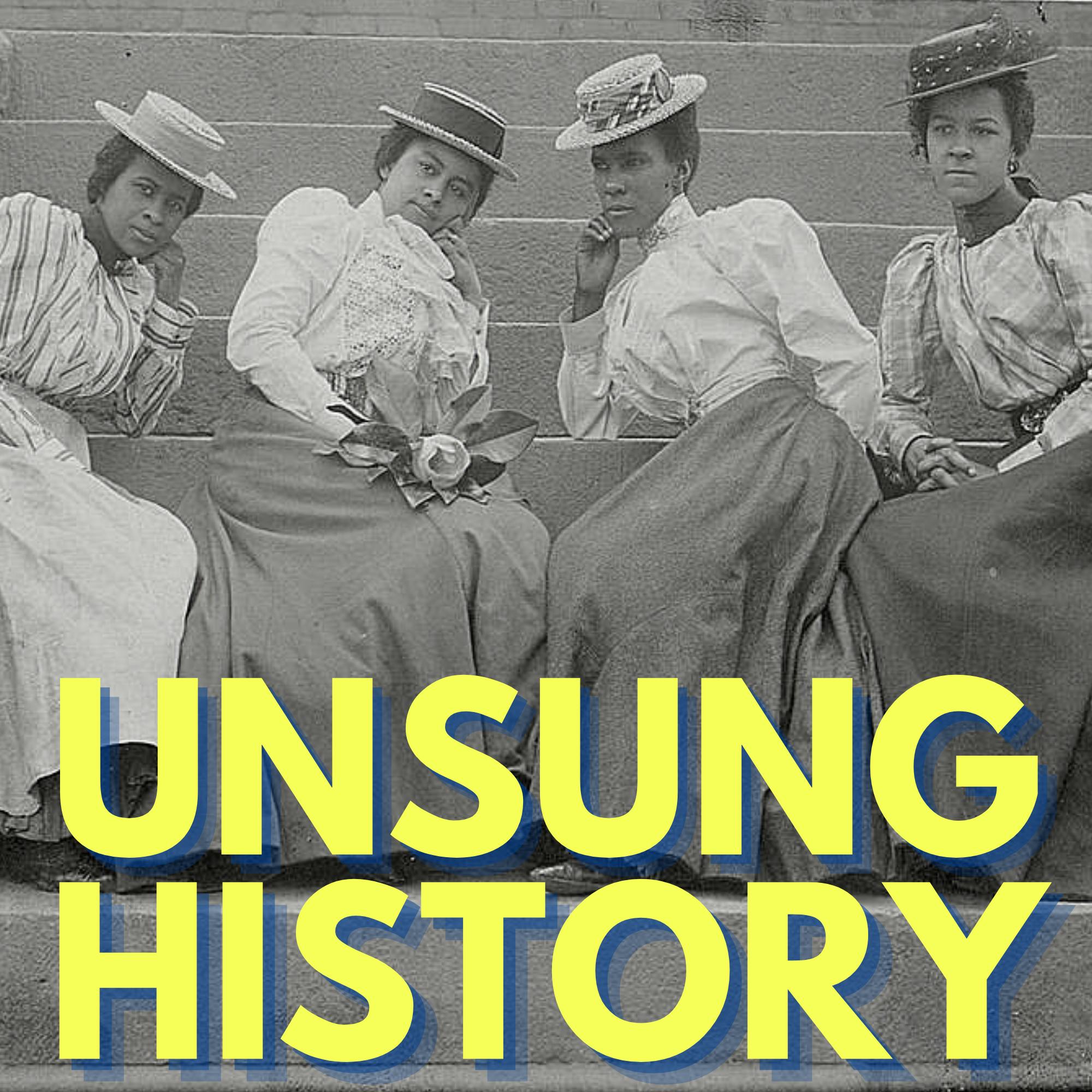
Fashion, Feminism, and the New Woman of the late 19th Century
The late 19th Century ushered in an evolution in women’s fashion from the Victorian “True Woman” whose femininity was displayed in wide skirts and petticoats, the “New Woman” of the late 19th and early 20th centuries was modern and youthful in a shirtwaist and bell-shaped skirt. Earlier fashion experimentation by feminists in the mid-19th Century had failed to catch on and had interfered with their ability to inspire change as they were labeled radical for their sartorial choices. Feminists i...
Guest: Einav Rabinovitch-Fox
Oct. 11, 2021
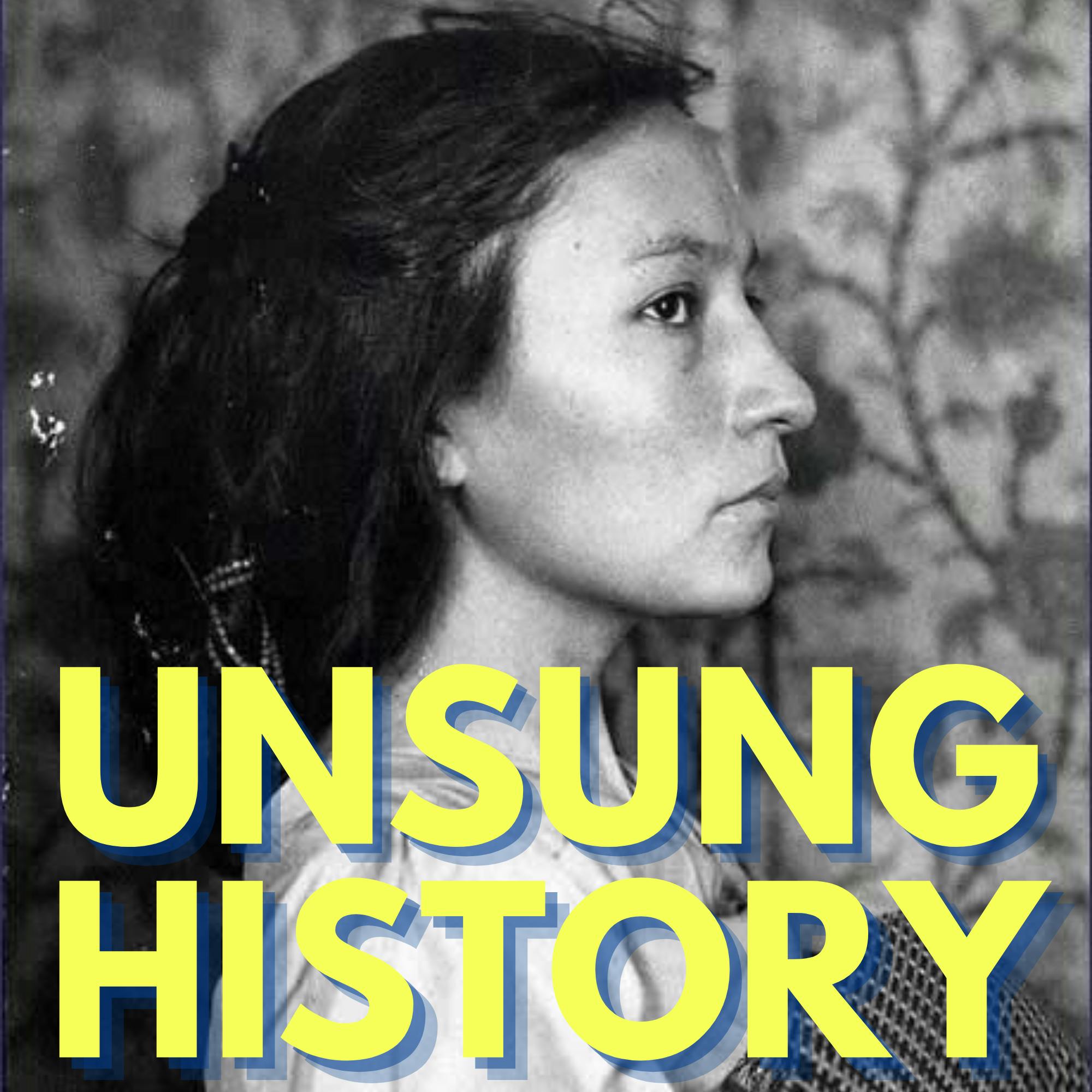
Zitkála-Šá
Writer, musician, and political activist Zitkála-Šá, also known as Gertrude Simmons Bonnin, was born on February 22, 1876, on the Yankton Indian Reservation in South Dakota, where she lived until she was eight. When Zitkála-Šá was eight years old, missionaries came to the reservation to recruit children to go to White's Indiana Manual Labor Institute. Despite her mother’s pleading, Zitkála-Šá begged to go to the school with her older brother. She later wrote that she regretted the decision al...
Guest: P. Jane Hafen
17
Sept. 27, 2021
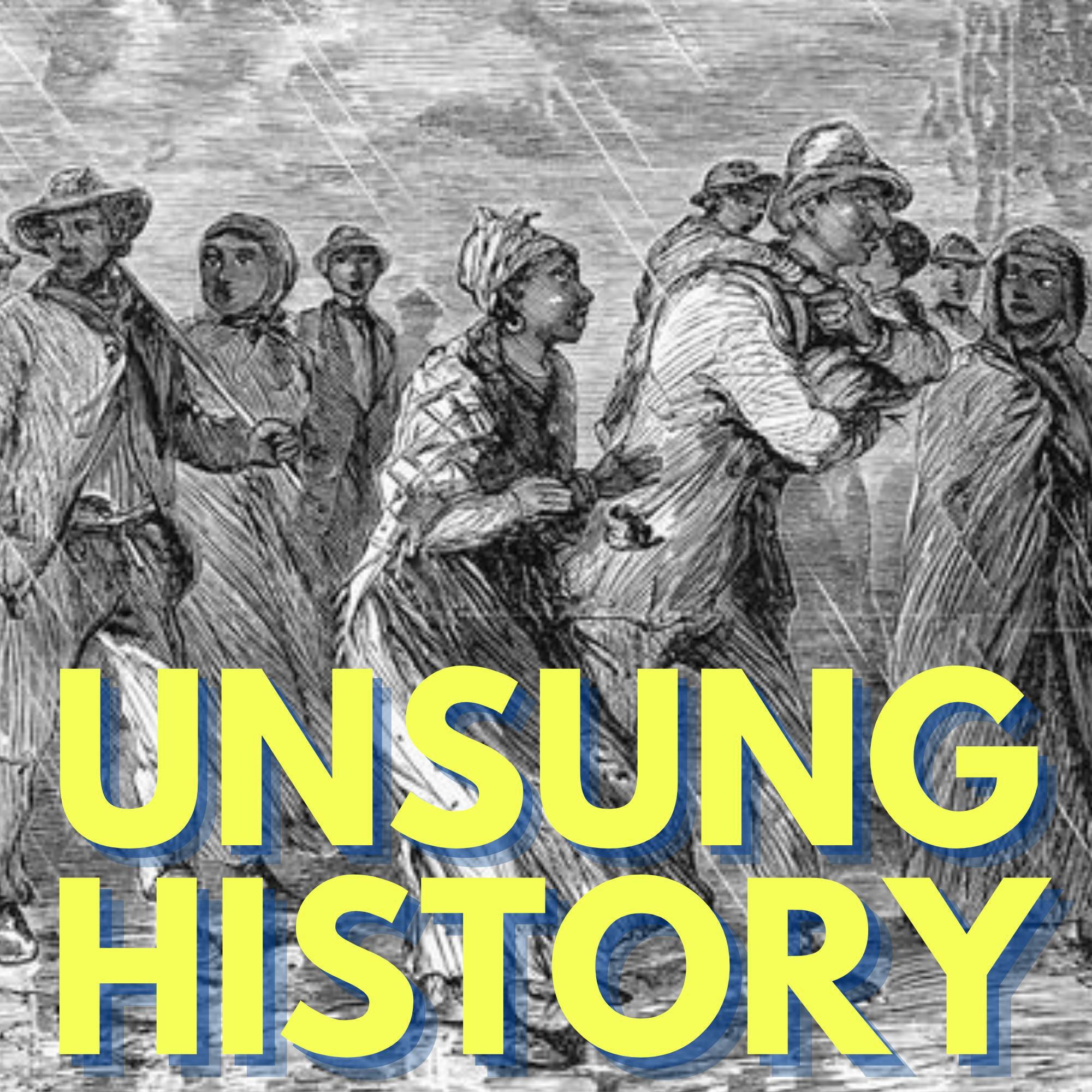
Freedom Suits in Maryland & DC, 1790-1864
Slavery was legal in Maryland until November 1, 1864, when a new state constitution prohibited the practice of slavery. Lincoln’s Emancipation Proclamation the year before had declared slaves in the Confederate states to be free, but Maryland was in the union and not included in the proclamation. From the late 18th Century until the Civil War, enslaved families in Prince George’s County, Maryland, brought over a thousand legal suits against hundreds of slaveholding families, arguing for their fr...
Guest: William G. Thomas III

13
Aug. 30, 2021
Phrenology & Crime in 19th Century America
In Nineteenth Century America there was a strong reformist push to know and improve the self. One key tactic Americans used to learn more about themselves was phrenological readings. They would pay practical phrenologists, like Orson Squire Fowler and his younger brother, Lorenzo Niles Fowler for readings of their skulls or their children’s skulls. In Lorenzo Fowler’s reading of Emily Sawyer, he concluded a thirteen-page analysis by saying: “Cultivate as much as you can the organs marked smal...
Guest: Courtney Thompson
12
Aug. 23, 2021
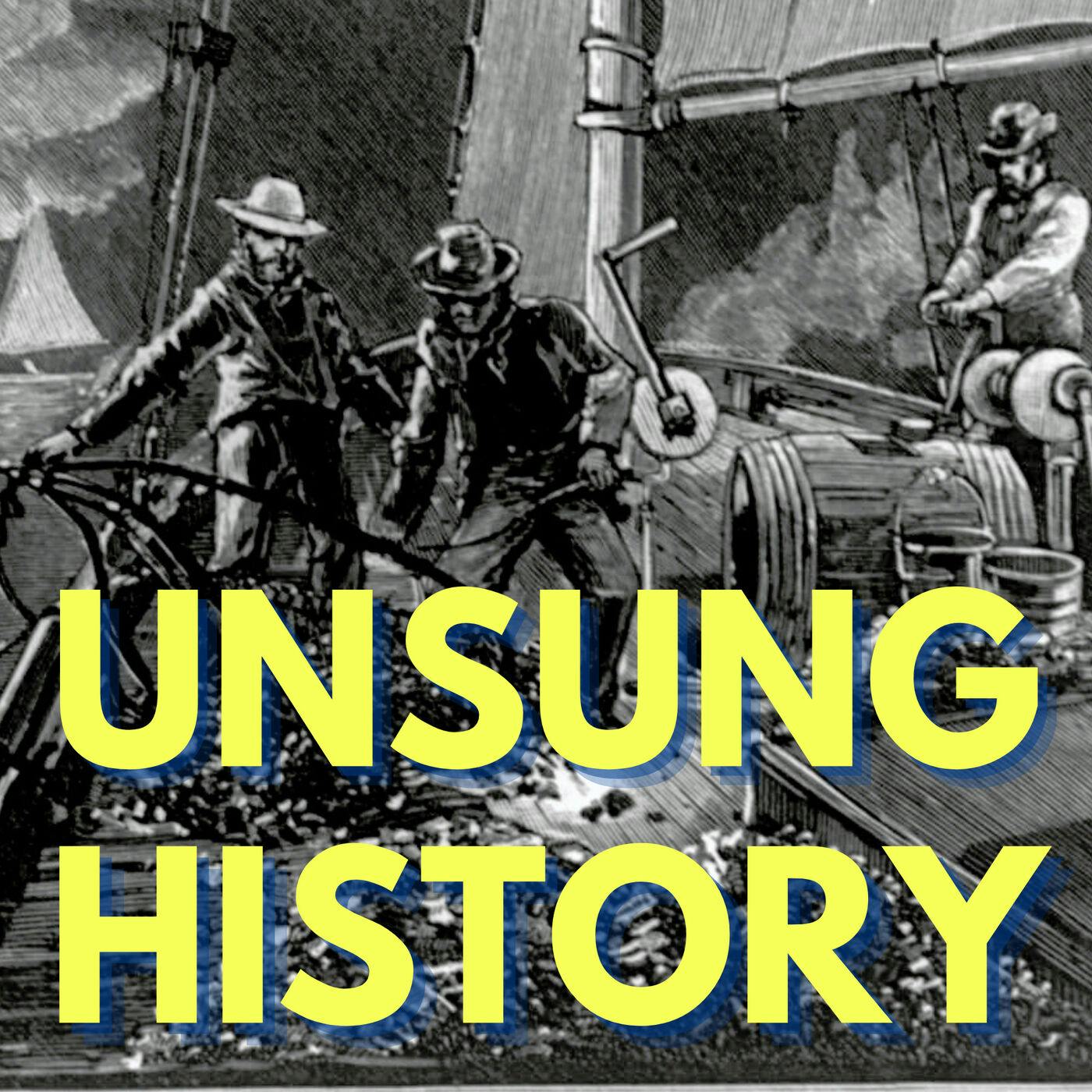
Chesapeake Bay Pirates & the 19th Century Oyster Wars
In Chesapeake Bay in the late 19th century, oyster harvesting was a big business. There were so many oyster harvesters harvesting so many oysters that the legislatures of Maryland and Virginia had to start regulating who could harvest oysters and how they could do so. Creating the regulations was the easy part; enforcing them was much harder. The illegal harvesting of oysters by oyster pirates continued, even after the creation of the Maryland State Oyster Police Force in 1868 and a similar forc...
Guest: Jamie L. H. Goodall
11
Aug. 16, 2021
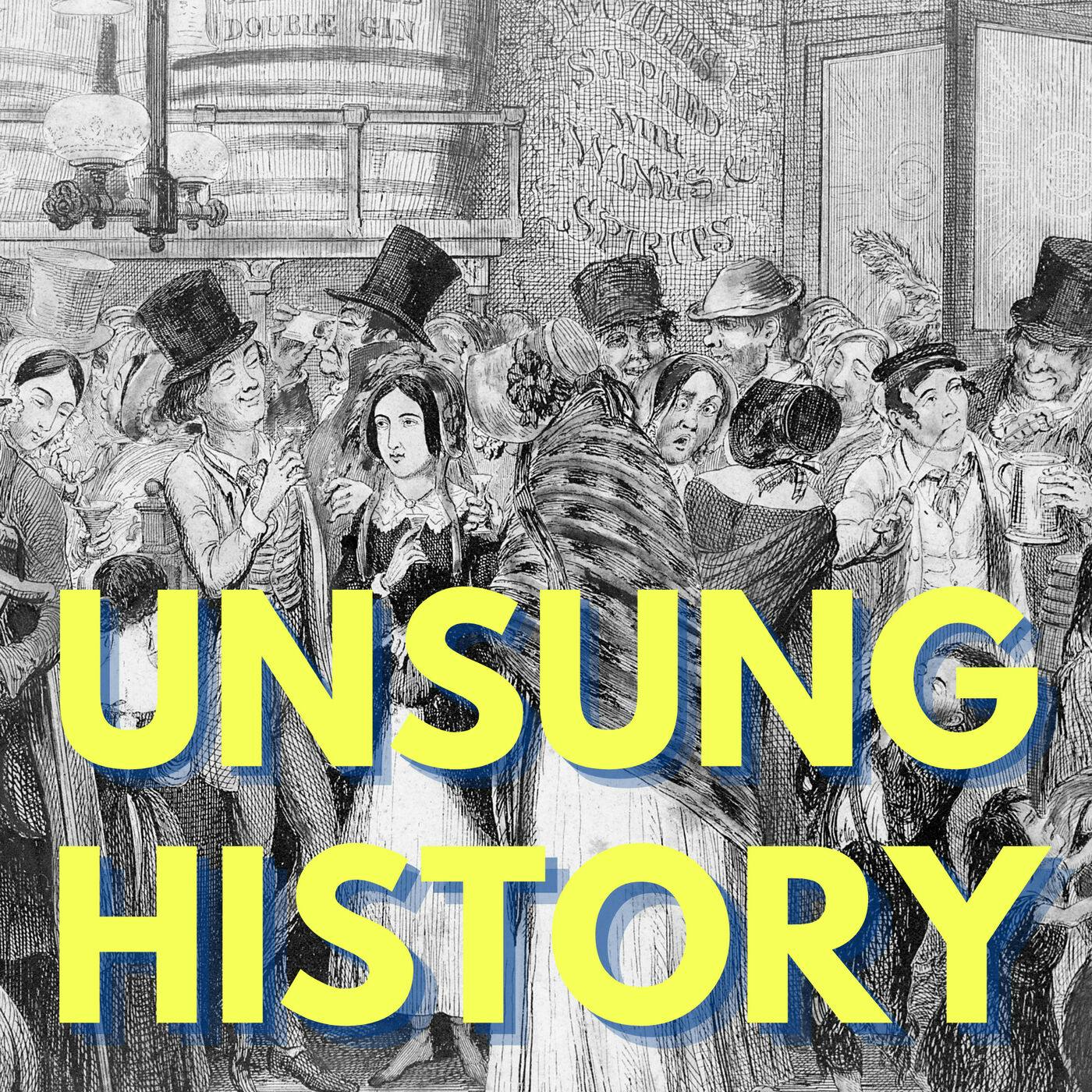
Prohibition in the 1850s
Popular depictions of prohibition in the United States usually show the speakeasies, bootleggers, flappers, and bathtub gin of the Roaring Twenties, but earlier attempts at prohibition stretch back far into the 19th century. In 1851, Maine passed the first statewide prohibition law, and 12 other states quickly followed as temperance societies preached the evils of alcohol. Anti-prohibitionists, especially liquor dealers and hotel owners, decried the “tyranny of the majority” and fought back w...
Guest: Kyle Volk
10
Aug. 9, 2021
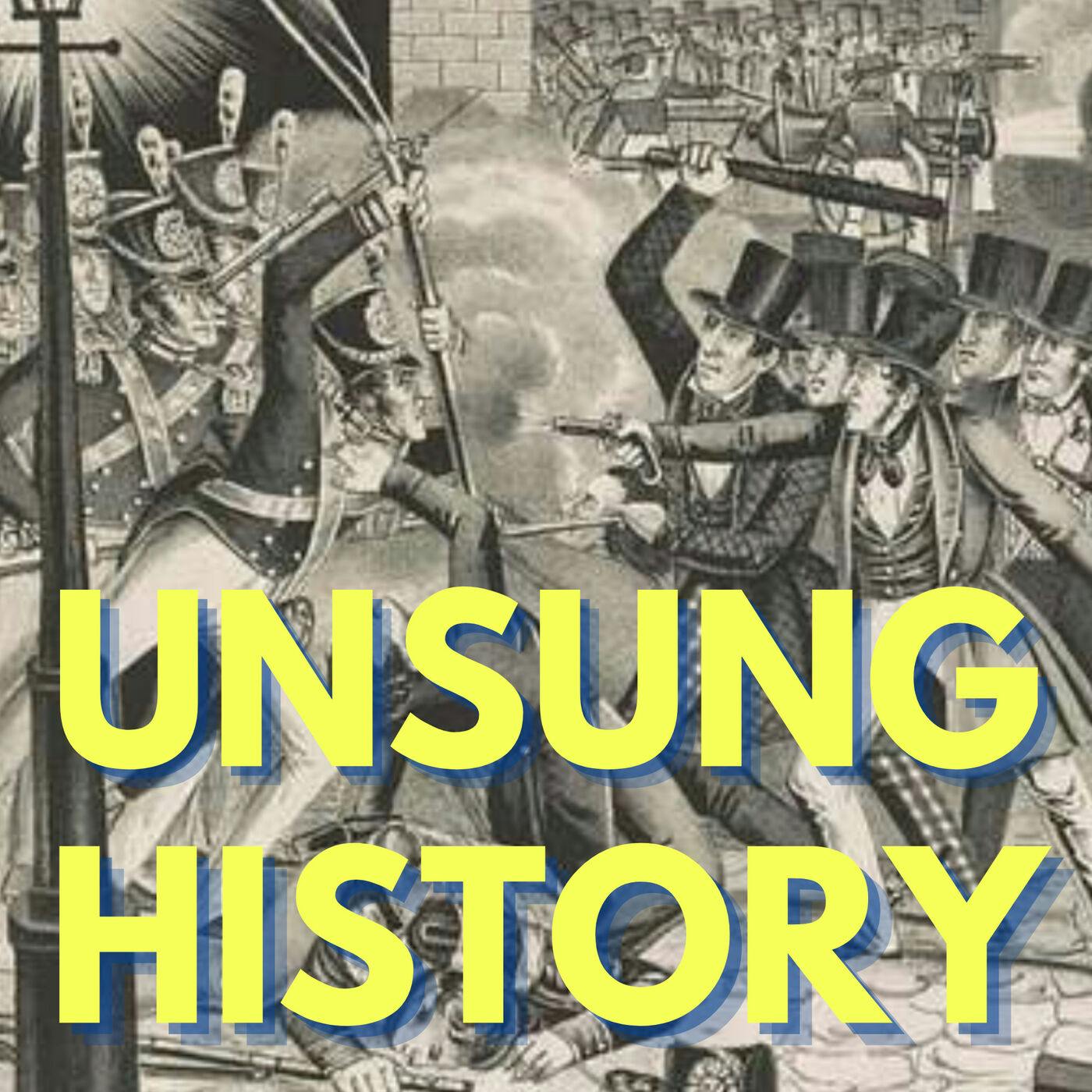
The Nativist Riots of Philadelphia in 1844
In May of 1844, growing tensions between nativists and Irish Catholic immigrants in Philadelphia erupted into violence in the streets of the Irish Catholic Kensington district, prompted in part by a disagreement over whether the King James Bible should be read in public schools. A citizen posse called by county sheriff Morton McMichael was unable to quell the violence, and the local state militia, under the command of General George Cadwalader stepped in to help, as homes and churches were de...
Guest: Zachary M. Schrag
9
Aug. 2, 2021
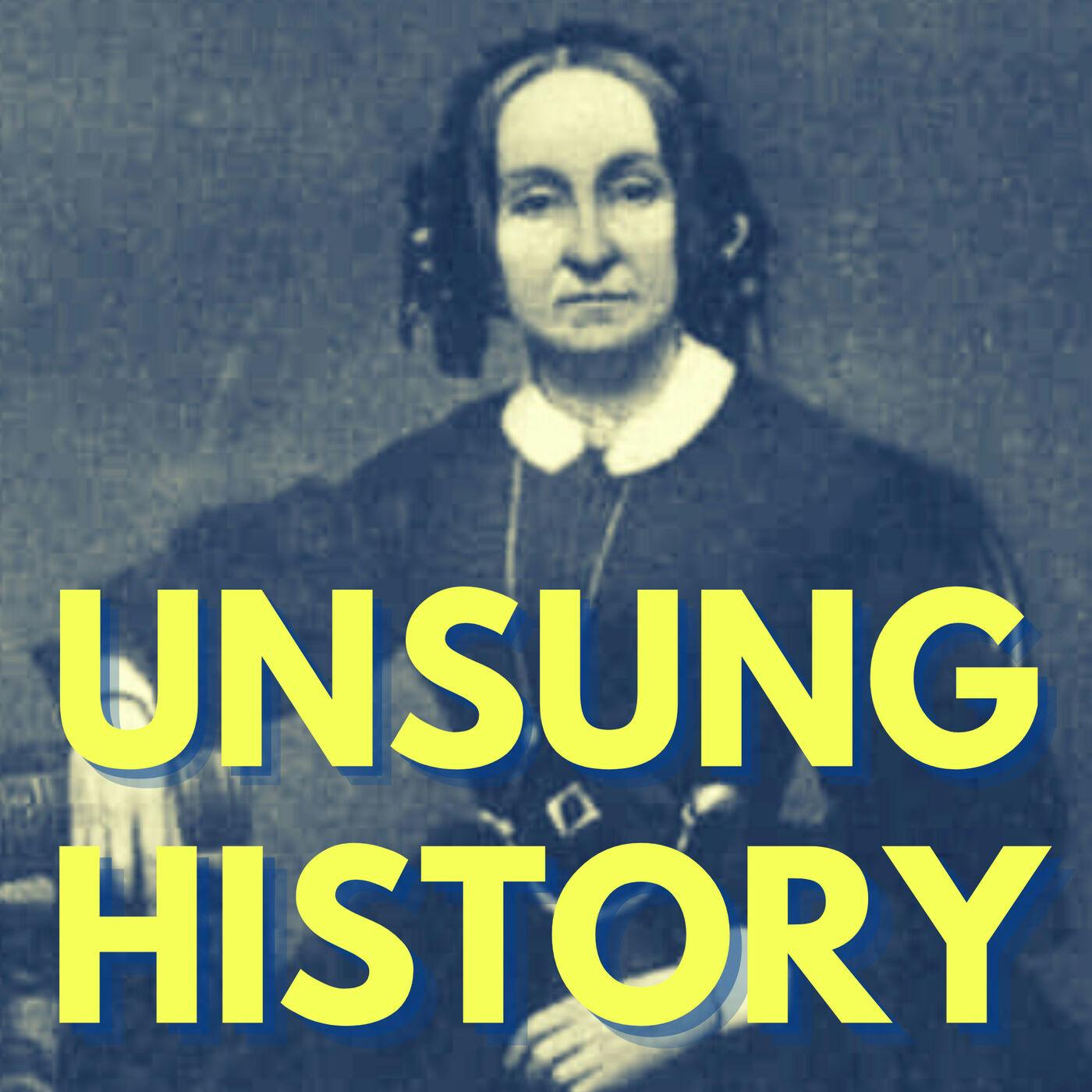
Elizabeth Packard
Elizabeth Packard was born in Massachusetts in 1816 into a comfortable home where her parents were able to provide for her education. She taught briefly at a girls’ school before at age 23 agreeing at her parents’ urging to marry 37-year-old Calvinist minister Theophilus Packard. Over the next 20 years Elizabeth was a devoted mother and housewife who grew the family’s vegetables and sewed clothes for their six children. To the outside world, it appeared to be a contented marriage, until Eliza...
Guest: Kate Moore
4
June 28, 2021
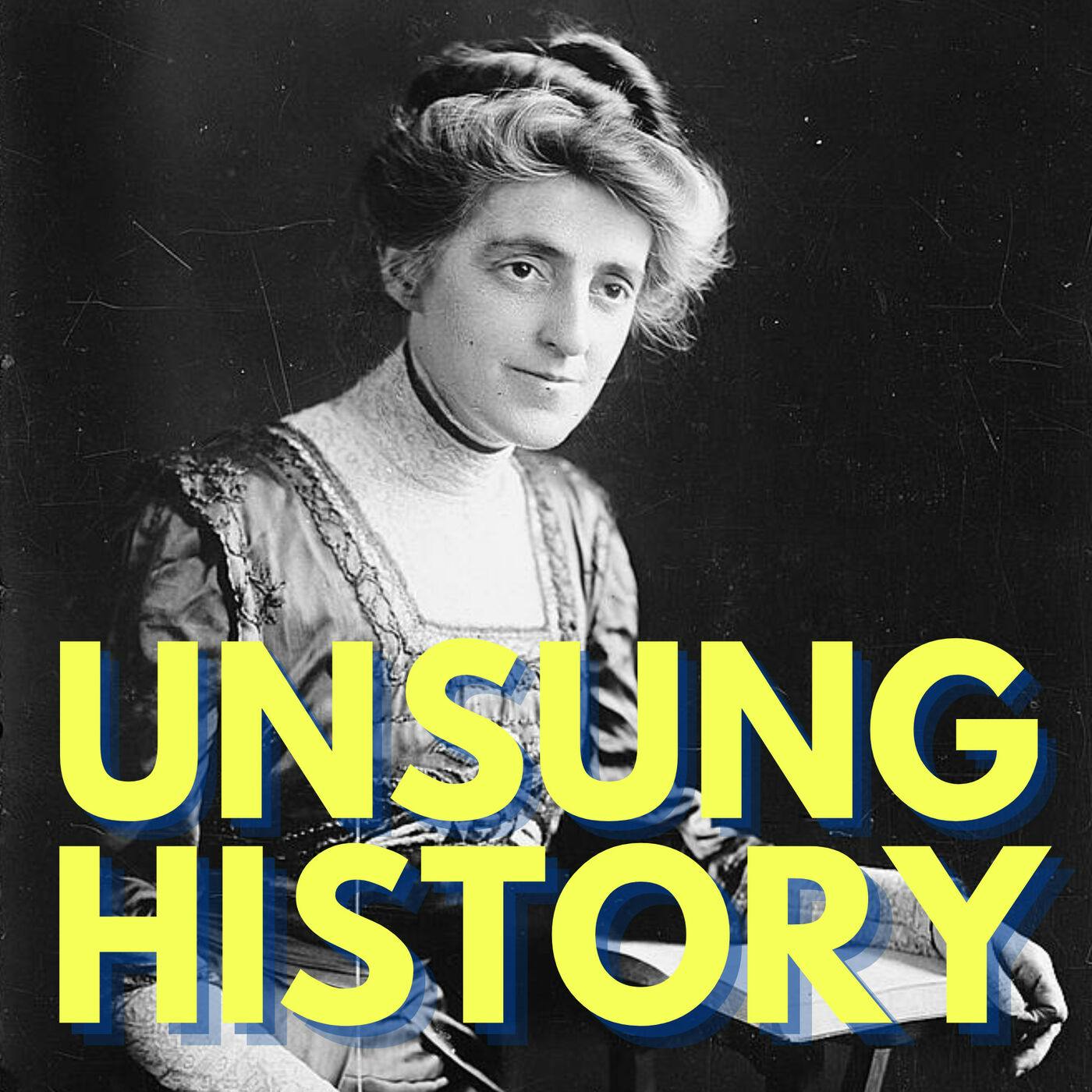
Sophonisba Breckinridge
Sophonisba “Nisba” Preston Breckinridge, born April 1, 1866, was a woman of firsts. Breckinridge was the first woman admitted to the Kentucky bar to practice law in 1895; the first woman to earn a PhD in Political Science at the University of Chicago in 1901; the first woman to earn a JD at the University of Chicago Law School in 1904; the first woman professor granted a named professorship at the University of Chicago in 1929; and the first woman to serve as U.S. representative to a high-level ...
Guest: Anya Jabour

3
June 21, 2021
Susie King Taylor
Susie King Taylor was born into slavery in Georgia in 1848. With the help of family members, she was educated and escaped, joining the Union army at the age of 14, to serve ostensibly as a laundress, but in reality as a nurse, teacher, and even musket preparer. In 1902, Taylor published Reminiscences of My Life in Camp with the 33d United States Colored Troops, an autobiography that covers not just her experiences during the Civil War, but also her childhood and her later years. Taylor includes ...
Guest: Ben Railton