
Episodes
157
June 3, 2024
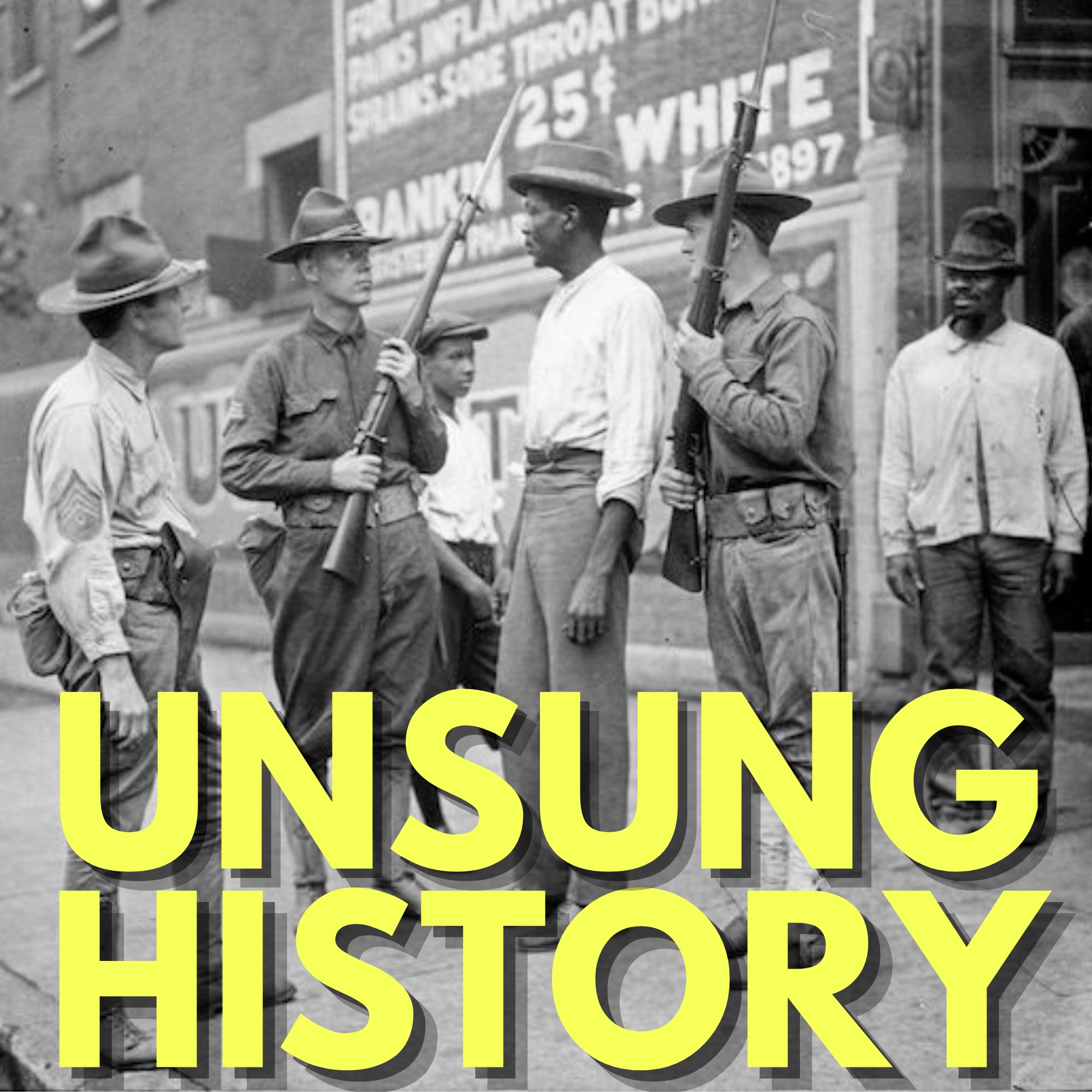
The Red Summer of 1919 & Black Resistance
In 1919, racial tensions in the US, exacerbated by changes brought about by the first wave of the Great Migration and by the return of Black soldiers who demanded equal citizenship from the country they’d fought for, boiled over into a summer of violence. In Washington, DC, 39 people died after days of fighting between white mobs and Black citizens who stood their ground and fought back. The events of the Red Summer are just one example of the ways that Black Americans have resisted white suprem...
Guest: Kellie Carter Jackson
156
May 27, 2024
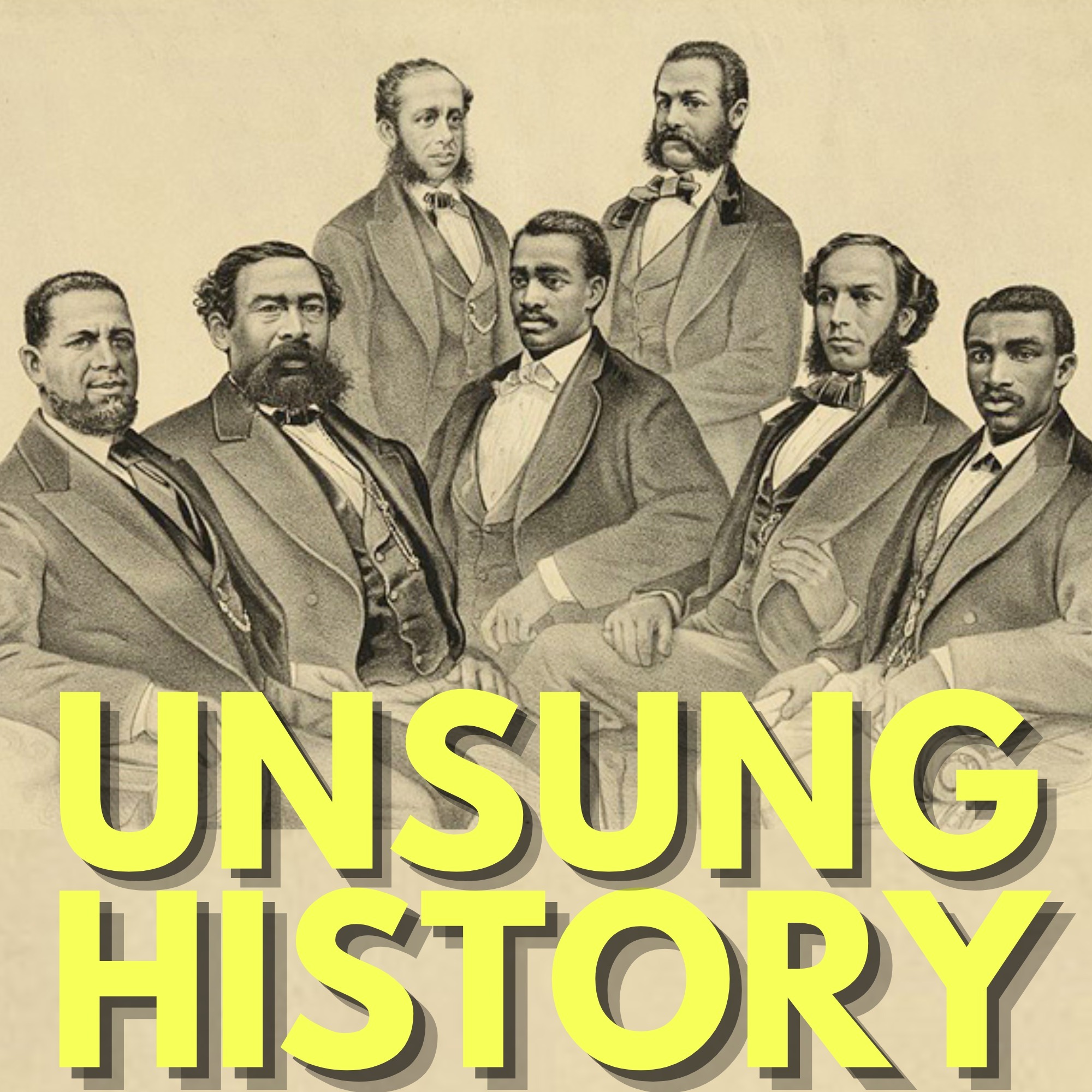
The Reconstruction Era & its Aftermath
As the Civil War was drawing to a close, President Lincoln was preparing for what came after, with plans for reunification of the country, and he began to advocate for limited suffrage for Black Americans. John Wilkes Booth’s bullet cut short those plans, and Southerner Andrew Johnson, who was much more sympathetic to the former Confederacy, succeeded Lincoln. It wasn’t until Congress passed the Reconstruction Act of 1867, over Johnson’s veto, that federal troops enforced a true remaking of the ...
Guest: Manisha Sinha
155
May 20, 2024
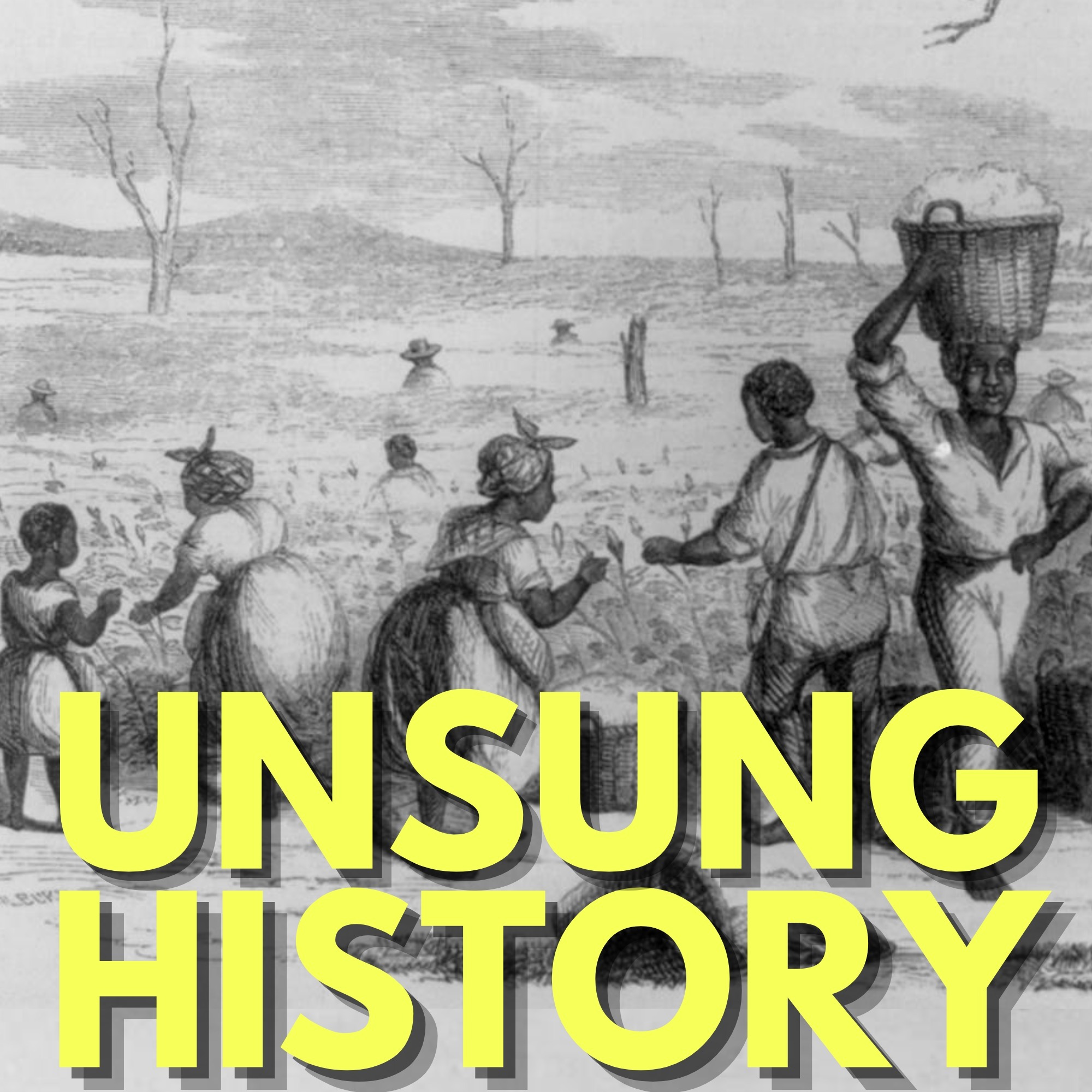
The Southern Plantation System
Fictional depictions of Southern plantations often present romanticized visions of genteel country life, but for the people enslaved on plantations the reality was that of a forced labor camp. At the same time the plantation was also their home. And although they had no choice in where or how they lived, enslaved people did work to make their residences home, for instance by sweeping their yards, keeping items like books and ceramics, and even hiding personal objects in the walls or under the fl...
Guest: Whitney Nell Stewart
154
May 13, 2024
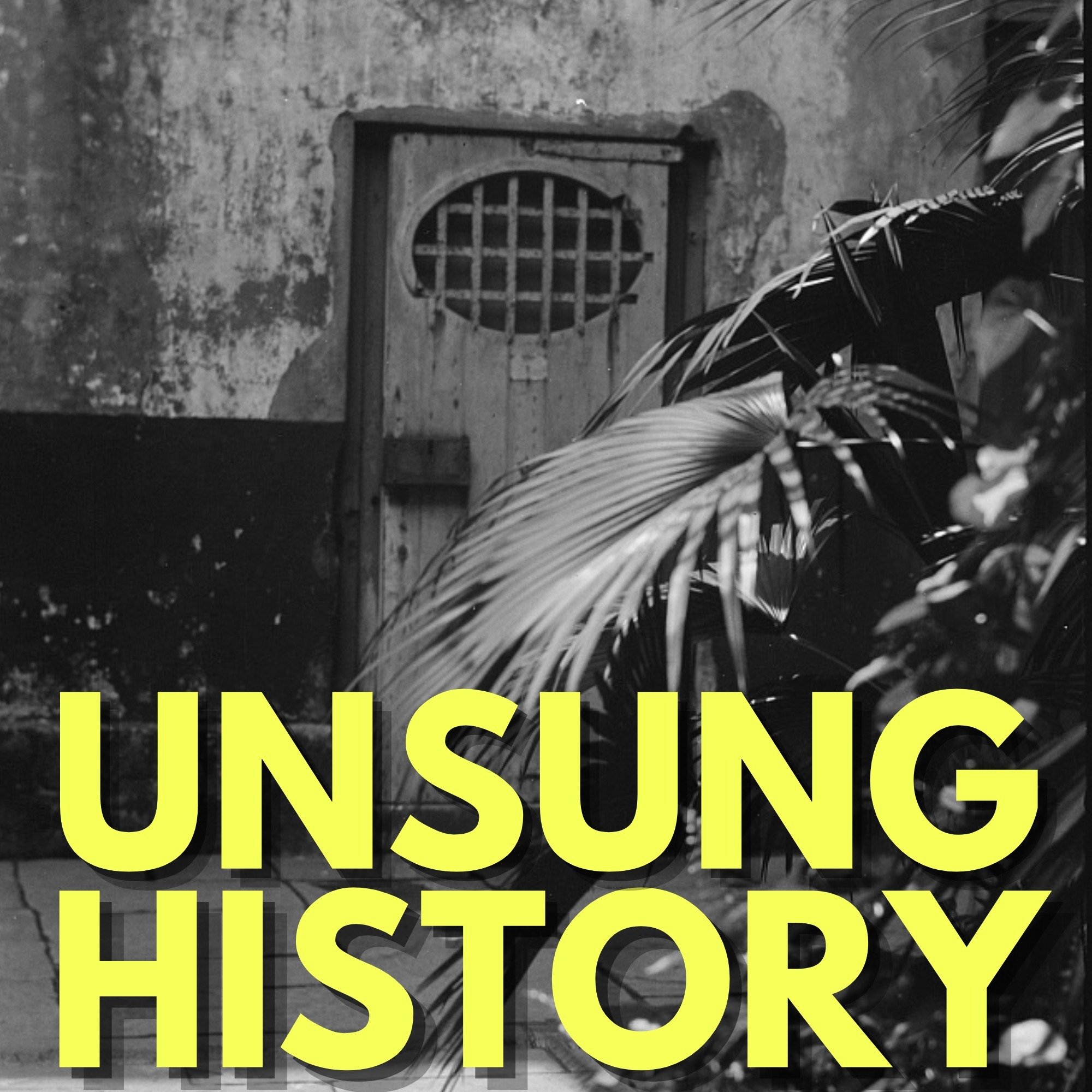
Slavery & Incarceration in New Orleans
Shortly after New Orleans became a US city (via the Louisiana Purchase), the municipal council established one of the country’s first professional salaried police forces and began operation of Police Jail, both efforts aimed at the capture and control of enslaved people who had run away from or otherwise disobeyed their enslavers. The history of New Orleans and Louisiana is an intertwined history of slavery and incarceration, the effects of which can still be felt today. Joining me in this...
Guest: John Bardes
153
May 6, 2024
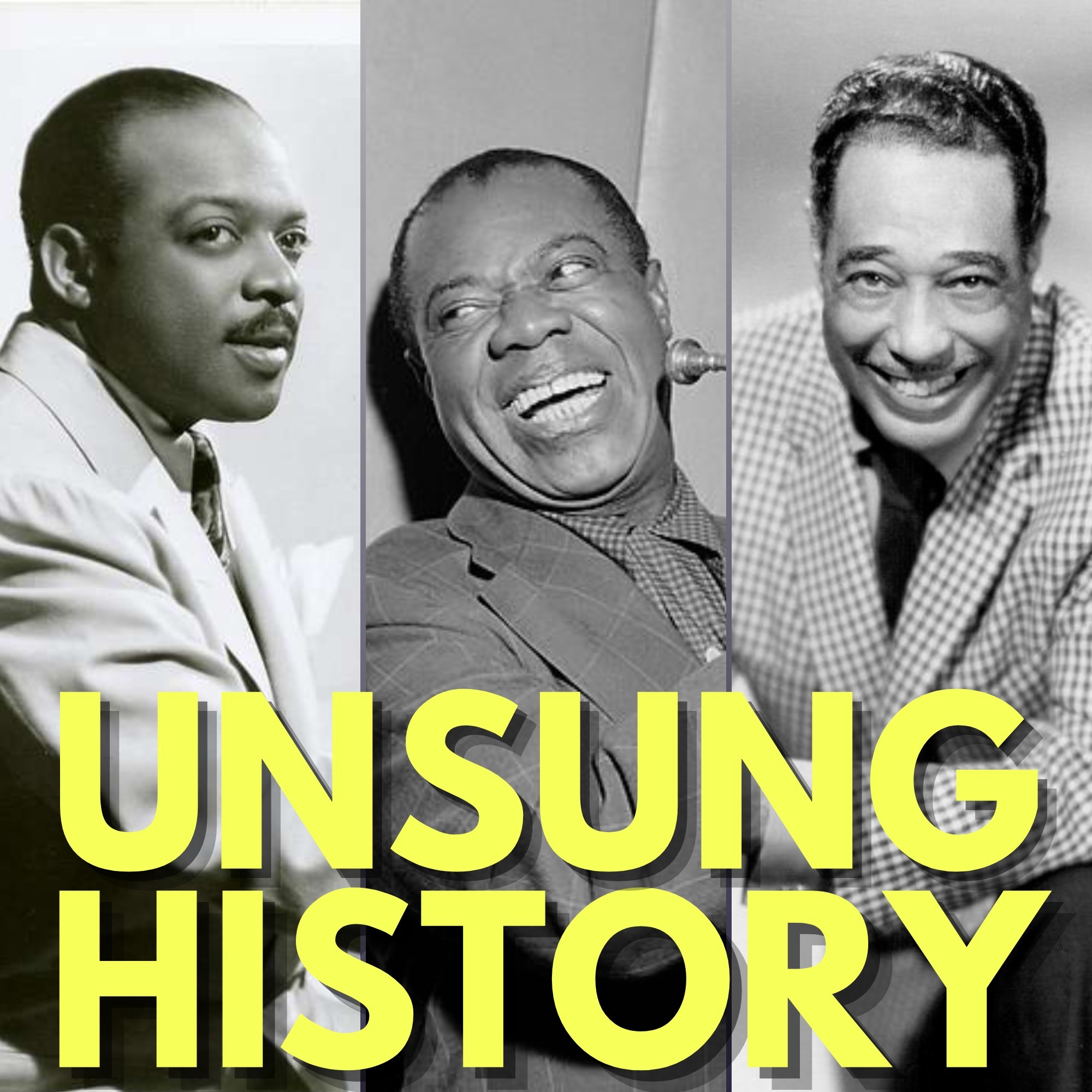
The Jazz Maestros of Jim Crow America
Duke Ellington, Louis Armstrong, and Count Basie came of age in a deeply segregated country, battling racism to become celebrated musicians, composers, and band leaders whose music lives on. Joining me this week to discuss the lives and careers of these three musical geniuses is writer and journalist Larry Tye, author of The Jazzmen: How Duke Ellington, Louis Armstrong, and Count Basie Transformed America. Our theme song is Frogs Legs Rag, composed by James Scott and performed by Kevin Mac...
Guest: Larry Tye
152
April 29, 2024
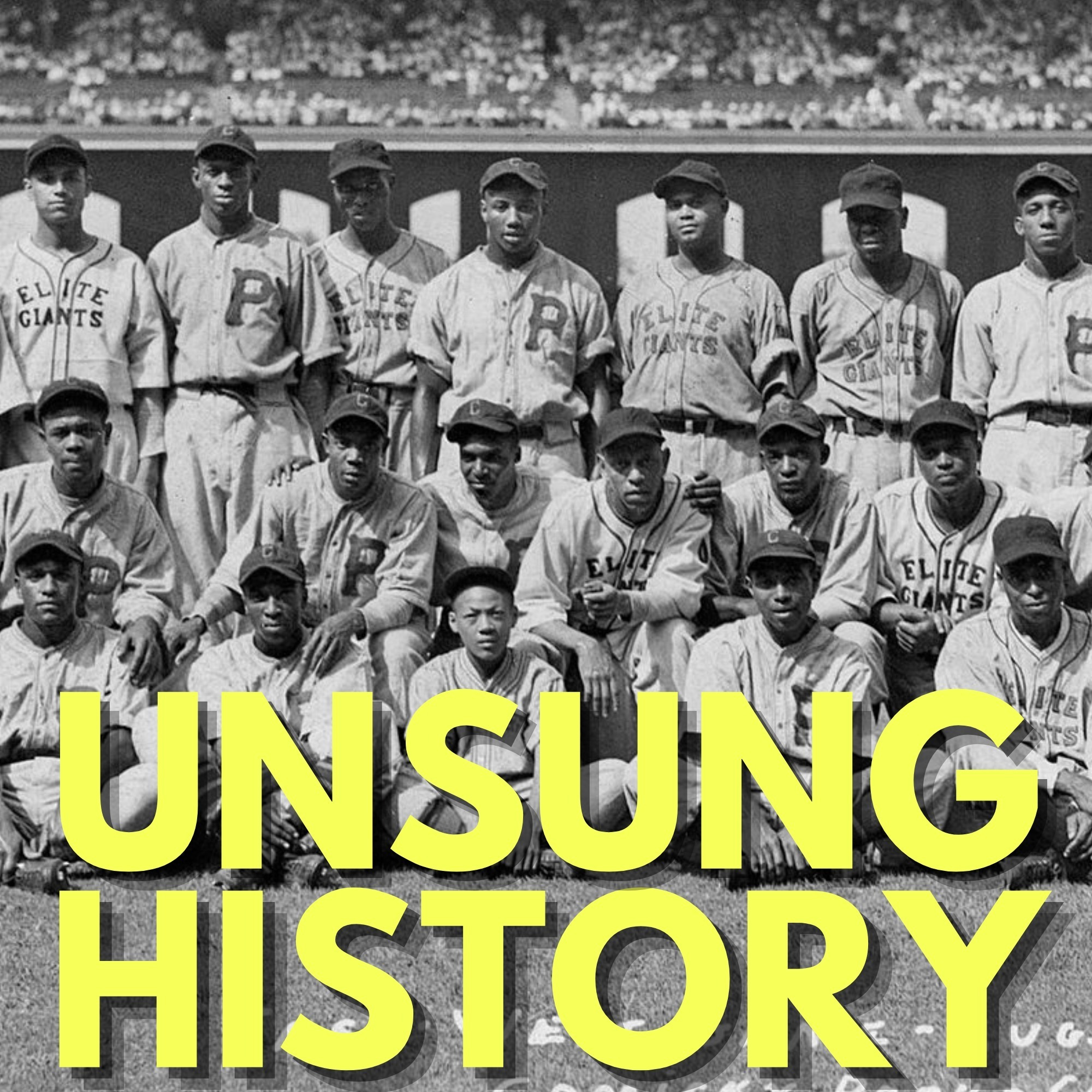
Negro League Baseball
In its earliest years, the National League was not segregated, and a few teams included Black ballplayers, but in 1887 major and minor league owners adopted a so-called “gentlemen’s agreement” that no new contracts would be given to Black players. In 1920, pitcher and manager Rube Foster founded the first of the Negro Leagues, the Negro National League, to organize professional Black baseball, which was played at a very high level. Other professional Negro leagues followed, and for decades the s...
Guest: Leslie Heaphy
151
April 22, 2024
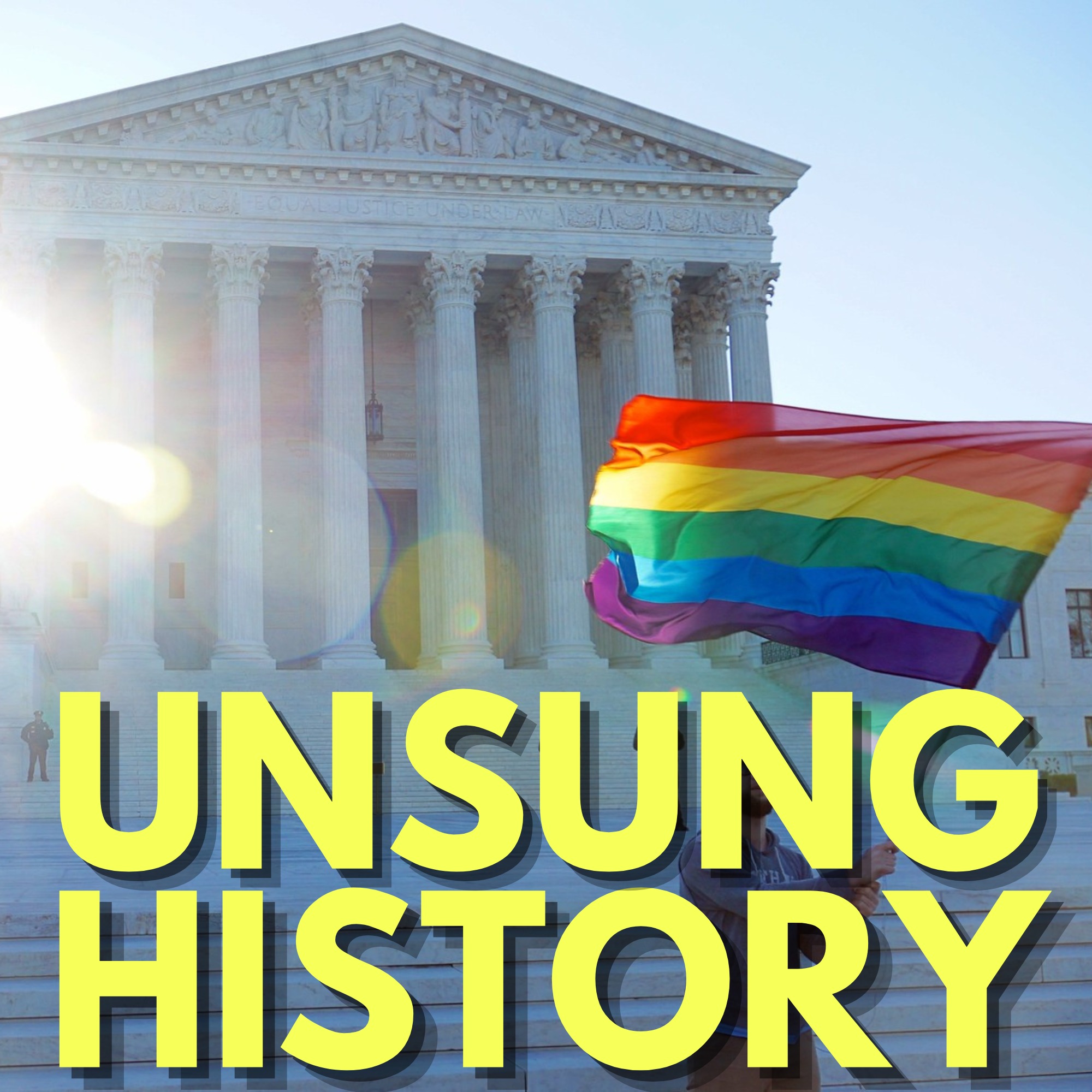
Log Cabin Republicans and the Gay Right
In 1977, a California state senator named John Briggs took to the steps of City Hall in San Francisco to announce a ballot initiative that would empower school boards to fire gay teachers based only on their sexual orientation. In response, gay activists around California mobilized, including gay Republicans, who formed among the first gay Republican organizations. In 1990, several of those California groups, together with groups across the country, combined into the Log Cabin Federation, which ...
Guest: Neil J. Young
150
April 15, 2024
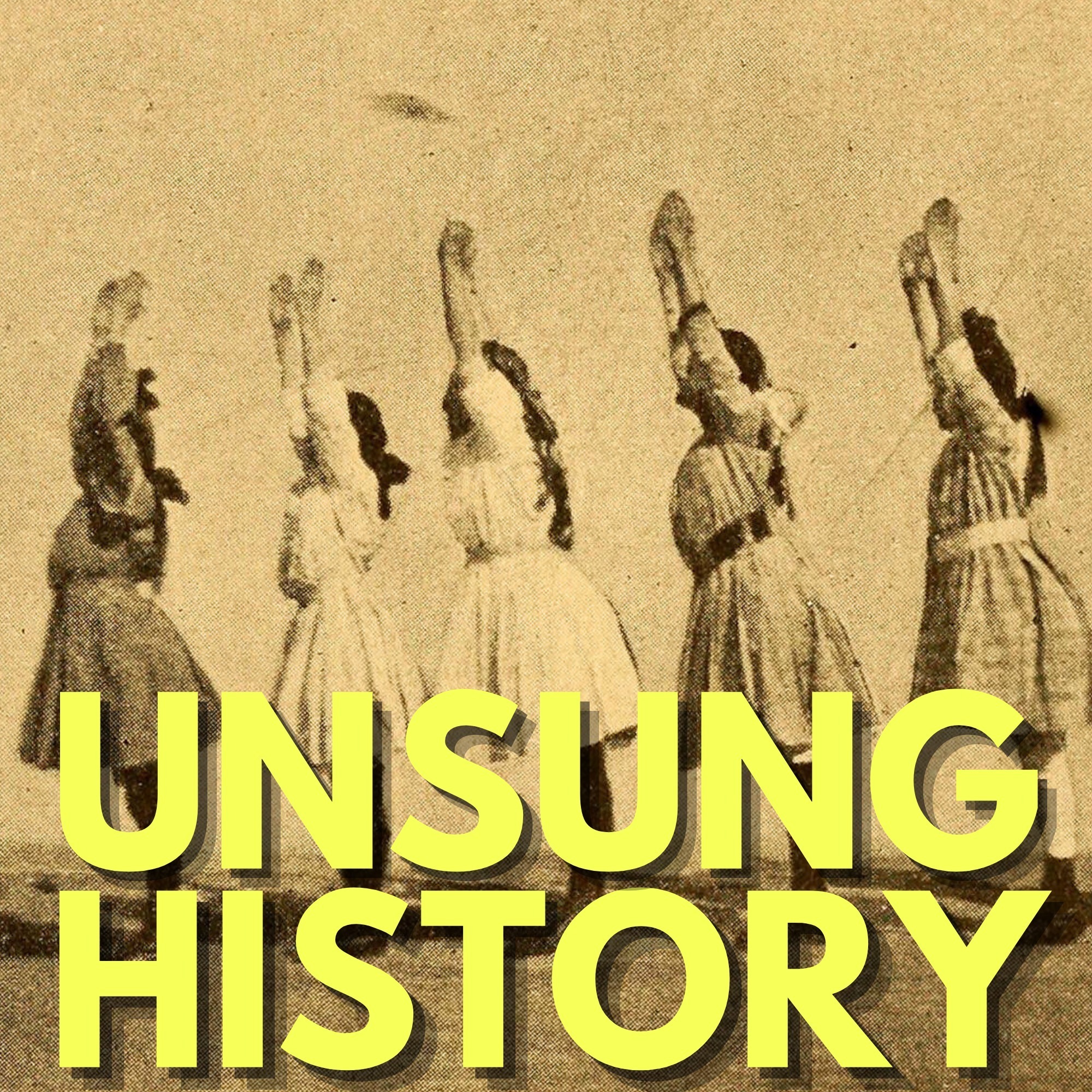
American Posture Panic
For several decades in the 20th Century, American universities, including elite institutions, took nude photos of their students, sometimes as often as twice a year, in order to evaluate their posture. In some cases students had to achieve a minimum posture grade in order to graduate. How did that practice develop, and how did it end? This week we’re discussing Americans’ obsession with posture with Dr. Beth Linker, the Samuel H. Preston Endowed Term Professor in the Department of the History an...
Guest: Beth Linker
149
April 8, 2024
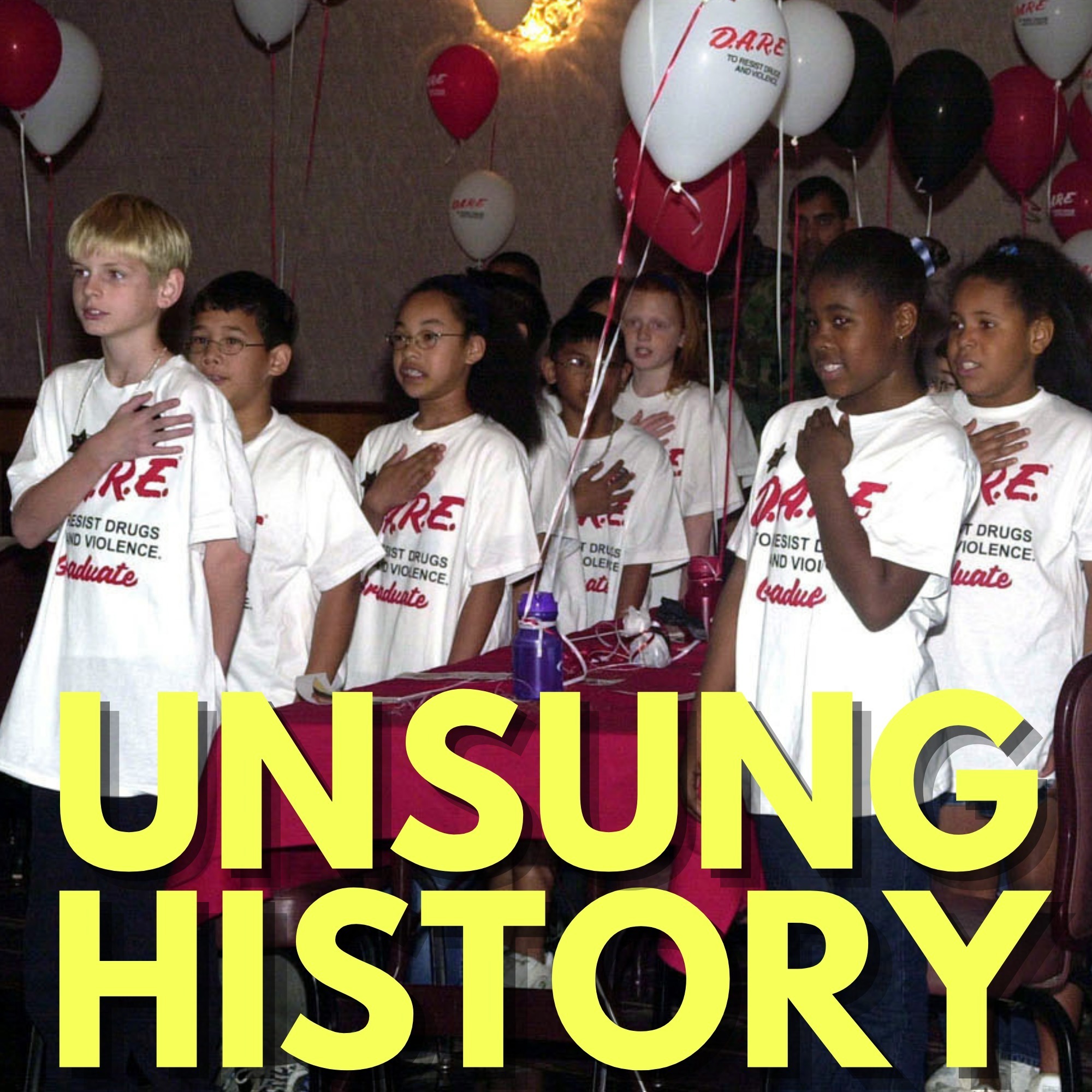
The History of DARE
In the fall of 1983, the LAPD, under Chief of Police Darryl Gates and in collaboration with the LA Unified School District, launched Project DARE (Drug Abuse Resistance Education), sending 10 police officers into 50 elementary schools to teach kids how to say no to drugs. By the time DARE celebrated its 10-year anniversary, there were DARE officers in all 50 states, teaching 4.5 million students. The program was praised by presidents and supported by major corporate sponsors, but in the 1990s so...
Guest: Max Felker-Kantor
148
April 1, 2024
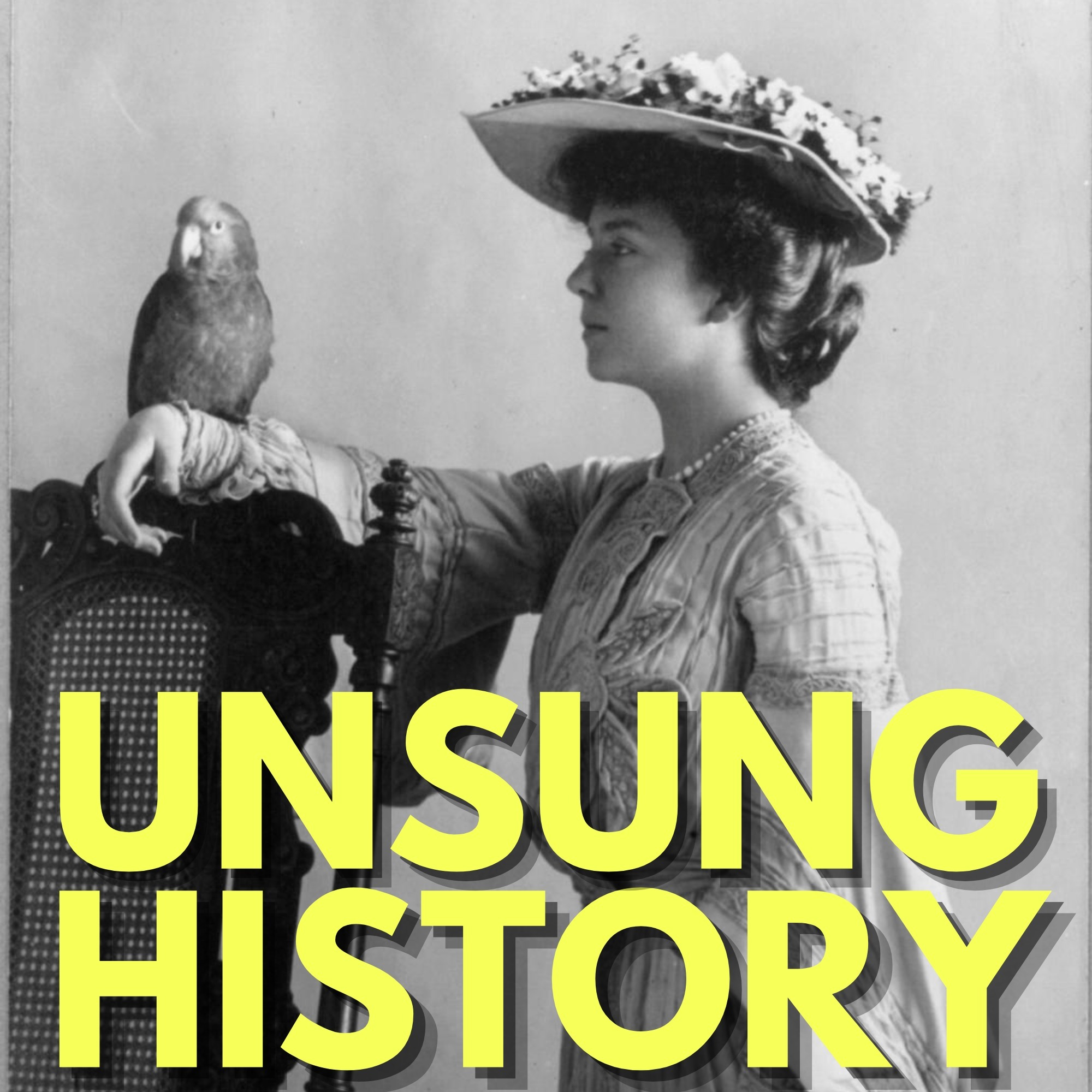
Alice Roosevelt Longworth
When Theodore Roosevelt became president in 1901, his eldest child, 17-year-old Alice, rose quickly to celebrity status. The public loved hearing about the exploits of the poker-playing, gum-chewing “Princess Alice,” who kept a small green snake in her purse. By the time she died at age 96, Alice, whose Dupont Circle home included an embroidered pillow with the phrase “If you can’t say something good about someone, sit right here by me,” was such an institution in DC politics that she was known ...
Guest: Michael Patrick Cullinane
147
March 25, 2024
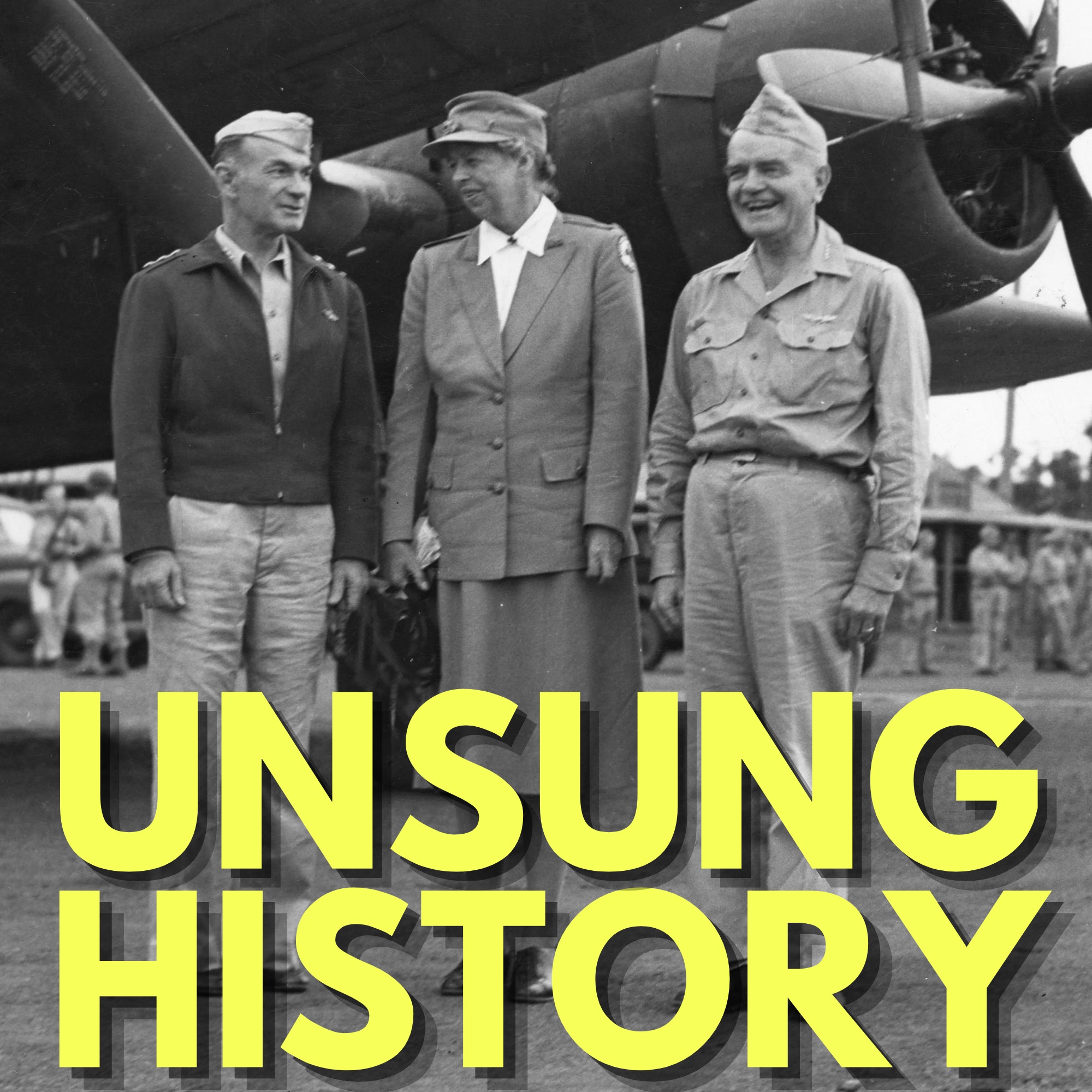
Eleanor Roosevelt's Visit to the Pacific Theatre during World War II
In August 1943, First Lady Eleanor Roosevelt set off in secrecy from San Francisco on a military transport plane, flying across the Pacific Ocean. It wasn’t until she showed up in New Zealand 10 days later that the public learned about her trip, a mission to the frontlines of the Pacific Theater in World War II to serve as "the President's eyes, ears and legs." Eleanor returned to New York five weeks and nearly 26,000 miles later, having seen an estimated 400,000 troops on her trip and producing...
Guest: Shannon McKenna Schmidt
146
March 18, 2024
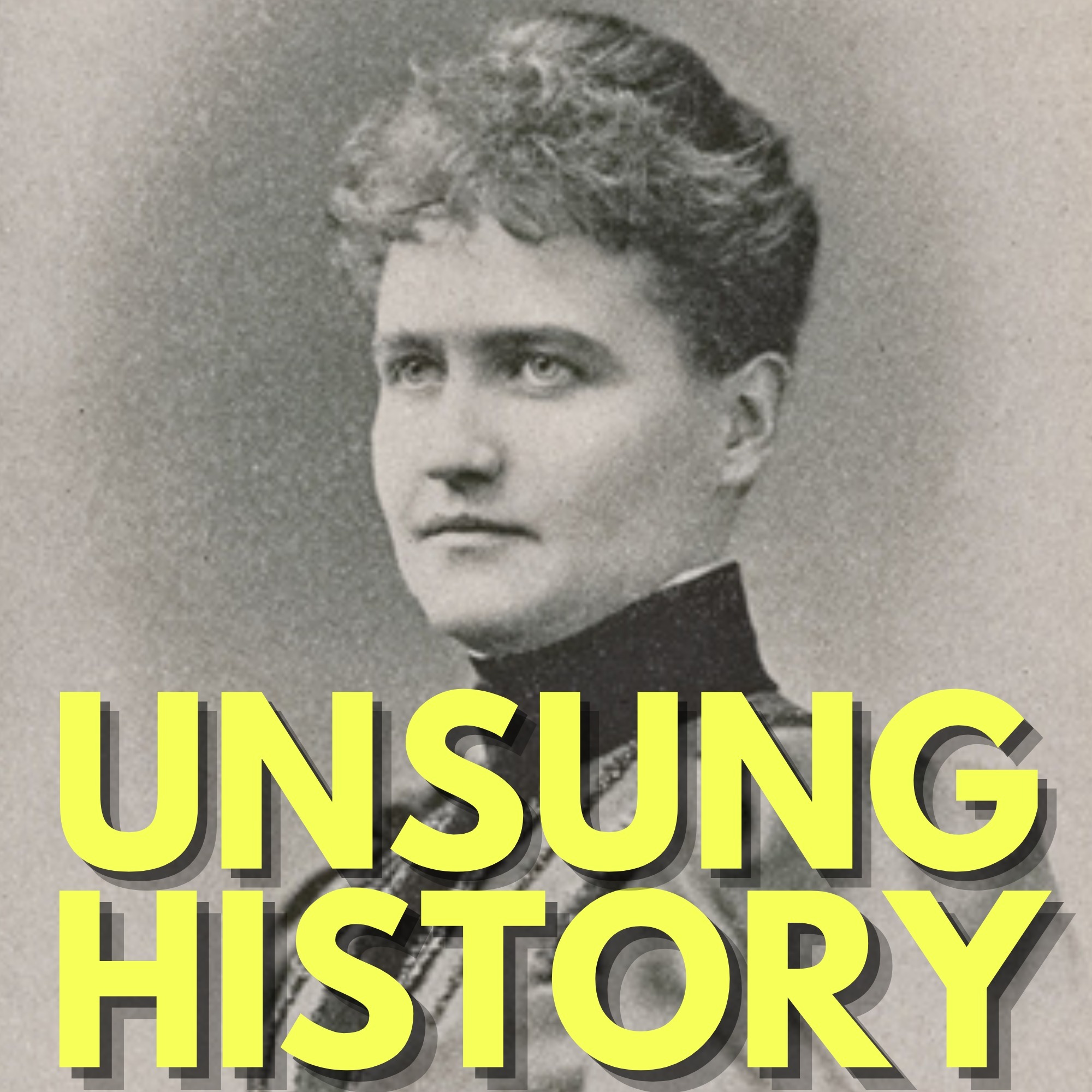
Eliza Scidmore
Journalist Eliza Ruhamah Scidmore traveled the world in the late 19th and early 20th Centuries, writing books and hundreds of articles about such places as Alaska, Japan, China, India, and helping shape the journal of the National Geographic Society into the photograph-heavy magazine it is today. Scidmore is perhaps best known today for her long-running and eventually successful campaign to bring Japanese cherry trees to Potomac Park in Washington, DC. Joining me in this episode is writer ...
Guest: Diana Parsell
145
March 11, 2024
Foreign Missionaries & American Diplomacy in the 19th Century
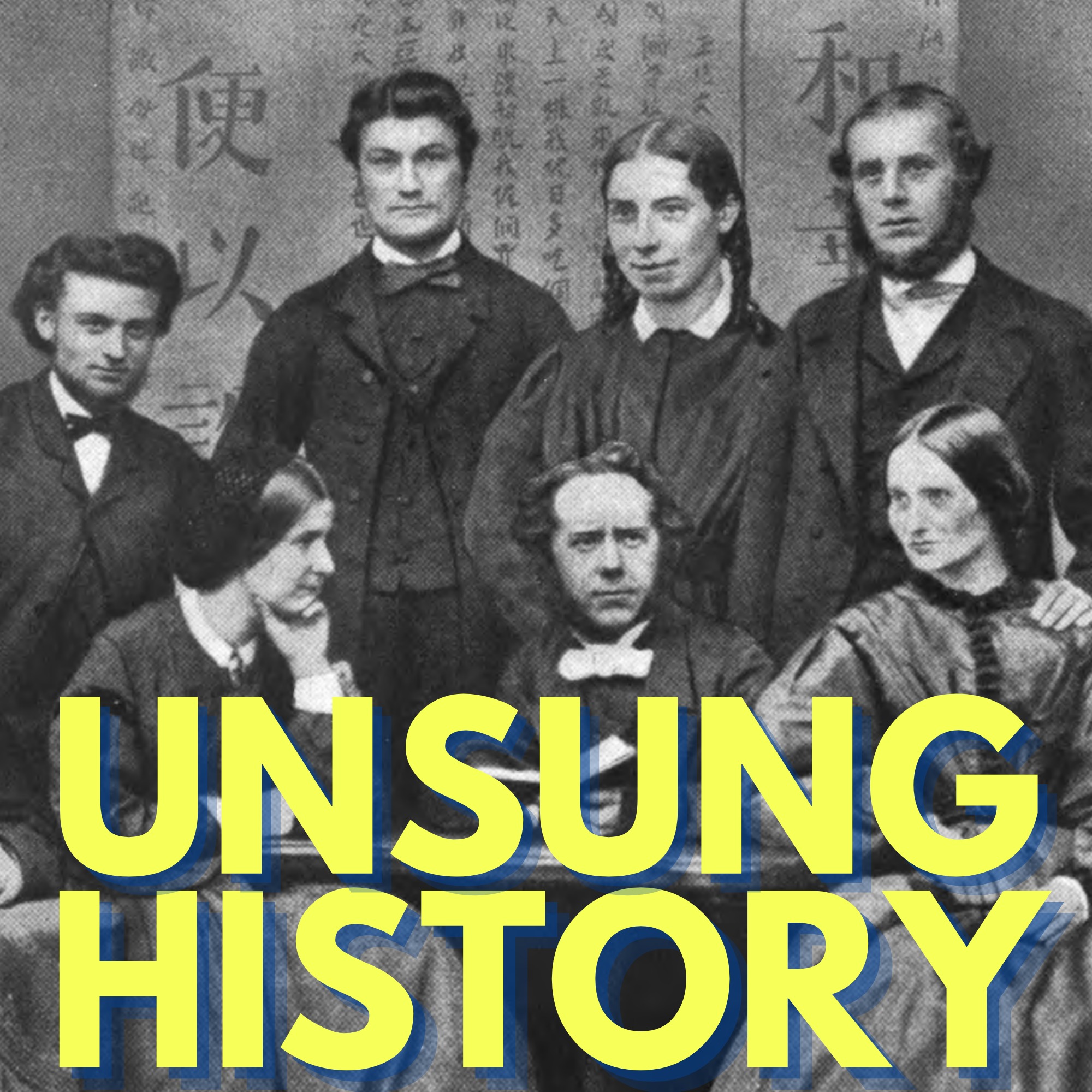
In 1812, when the United States was still a young nation and its State Department was tiny, American citizens began heading around the world as Christian missionaries. Early in the 19th Century, the US government often saw missionaries as experts on the politics, culture, and language of regions like China and the Sandwich Islands, but as the State Department expanded its own global footprint, it became increasingly concerned about missionary troubles. Joining me in this episode is Dr. Emi...
Guest: Emily Conroy-Krutz
144
March 4, 2024
Tammany Hall, FDR & the Murder of Vivian Gordon
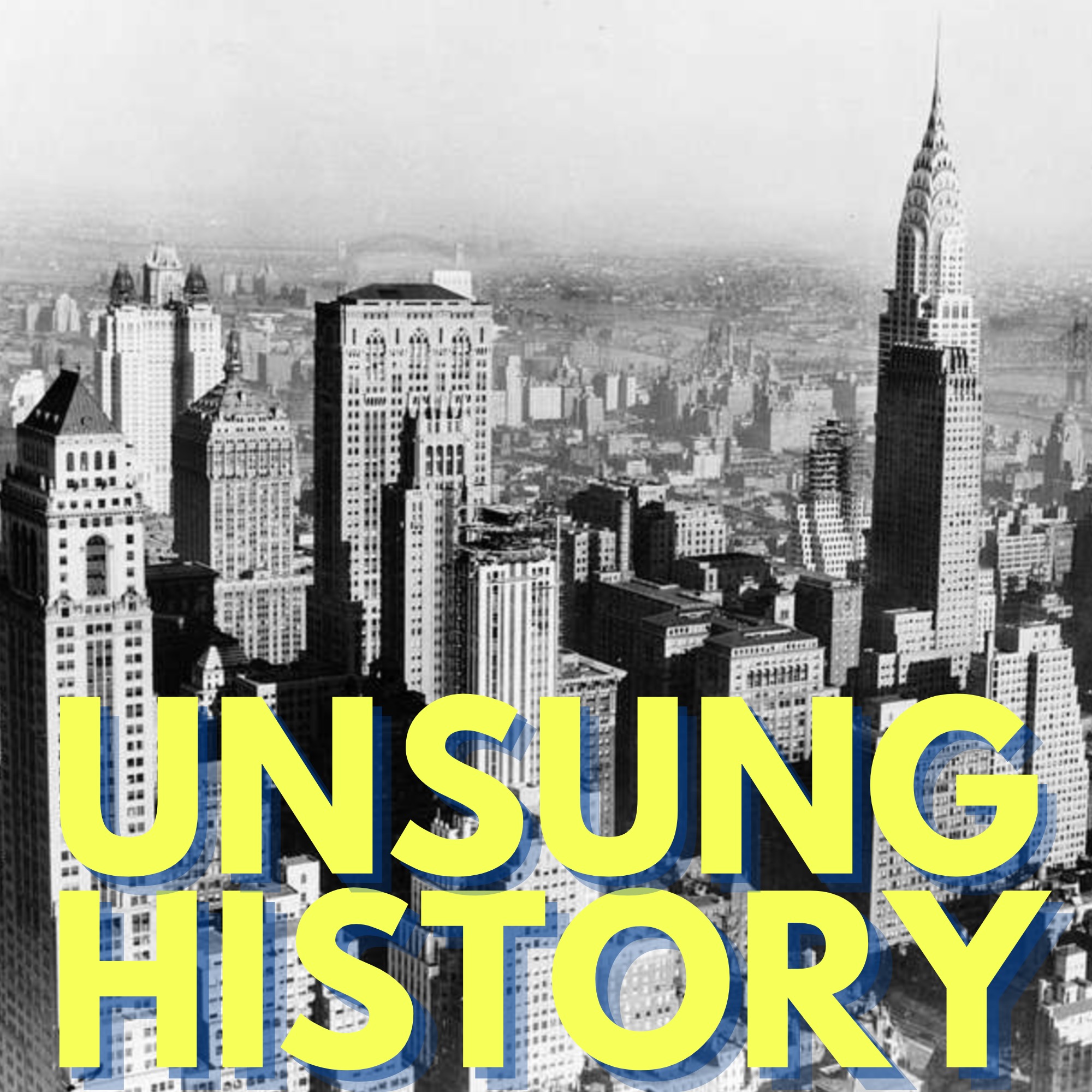
In 1931, Judge Samuel Seabury was leading an investigation for Governor Franklin D. Roosevelt into corruption in New York’s magistrate courts when a witness in the investigation named Vivian Gordon was found murdered in the Bronx. Because of the public demand for answers in this high-profile murder case, FDR could no longer keep his uneasy peace with Tammany Hall and expanded the scope of Seabury’s investigation. What Seabury’s team uncovered brought down Mayor Jimmy Walker and began to topple t...
Guest: Michael Wolraich
143
Feb. 26, 2024
The Combahee River Raid of 1863
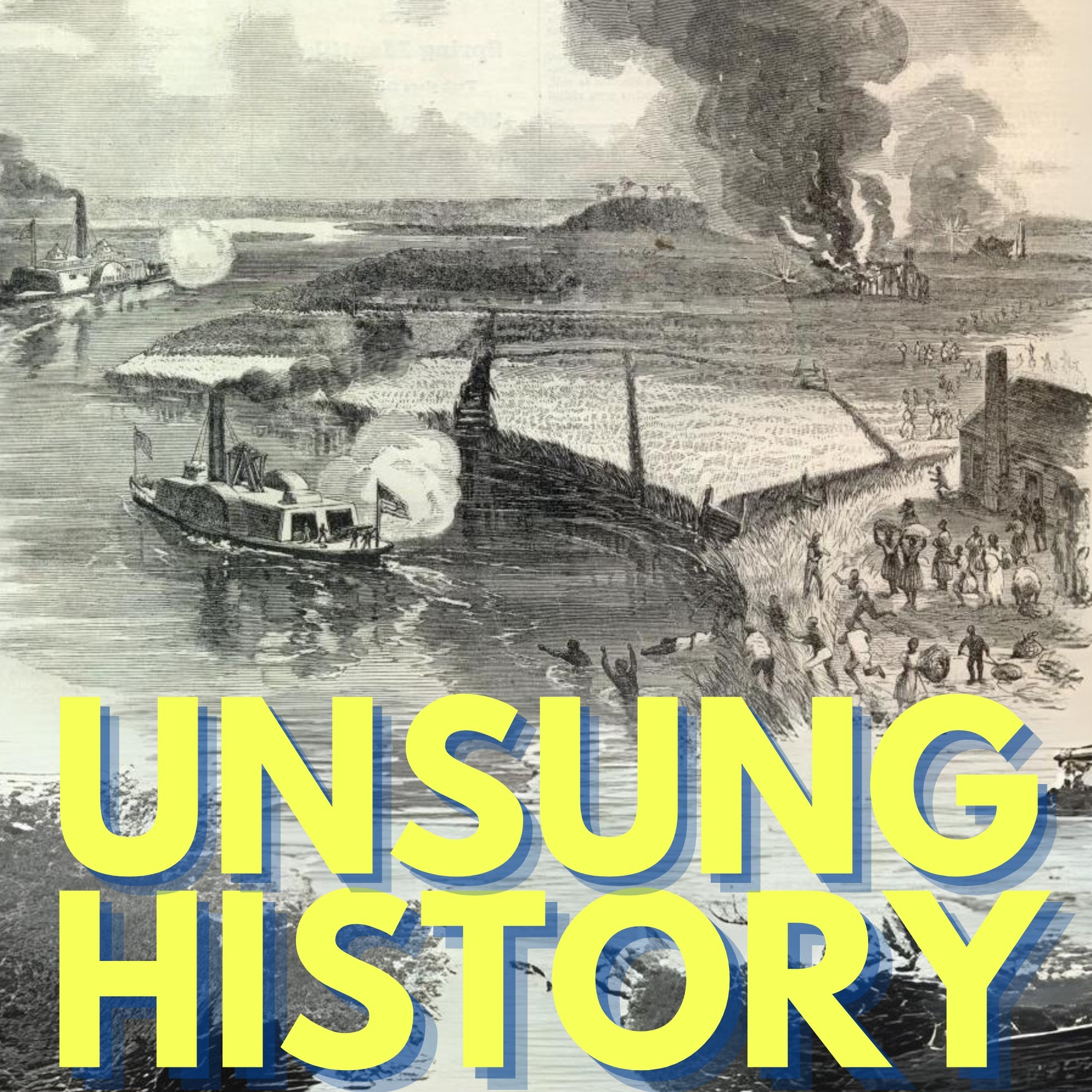
Starting in November 1861, the Union Army held the city of Beaufort, South Carolina, using the Sea Islands as a southern base of operations in the Civil War. Harriet Tubman joined the Army there, debriefing freedom seekers who fled enslavement in nearby regions and ran to seek the Union Army’s protection in Beaufort. With the intelligence Tubman gathered, she and Colonel James Montgomery led 150 Black soldiers on a daring raid along the Combahee RIver in June 1863, destroying seven rice plantati...
Guest: Edda L. Fields-Black
142
Feb. 19, 2024
The History of Ice in the United States
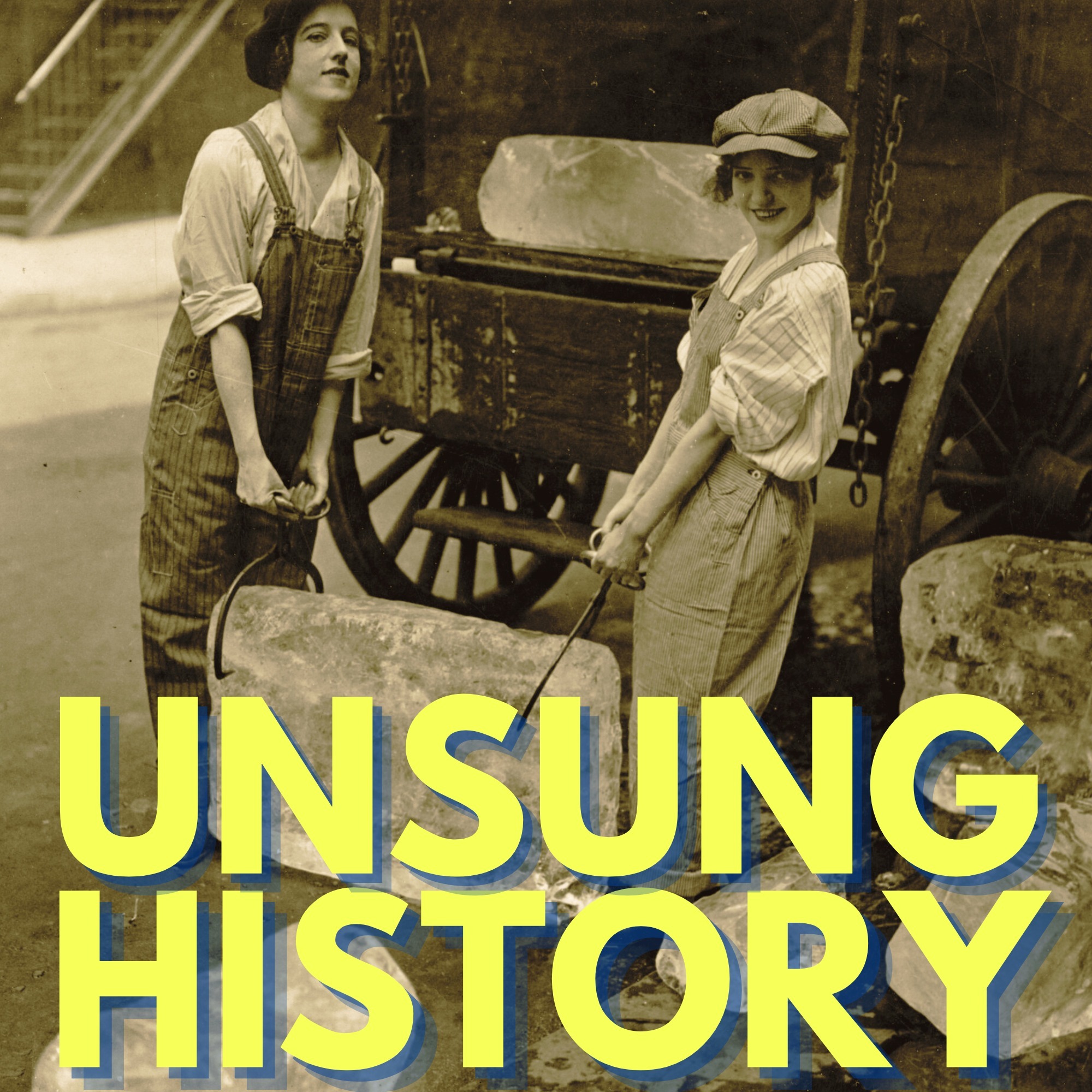
Today, Americans consume 400 pounds of ice a year, each. That would have been unfathomable to people in the 18th century, but a number of innovators and ice barons in the 19th and 20th centuries changed the way we think about the slippery substance. Joining me in this episode is writer Dr. Amy Brady, author of Ice: From Mixed Drinks to Skating Rinks–A Cool History of a Hot Commodity. Our theme song is Frogs Legs Rag, composed by James Scott and performed by Kevin MacLeod, licensed under Cr...
Guest: Amy Brady
141
Feb. 12, 2024
The History of Blue Jeans
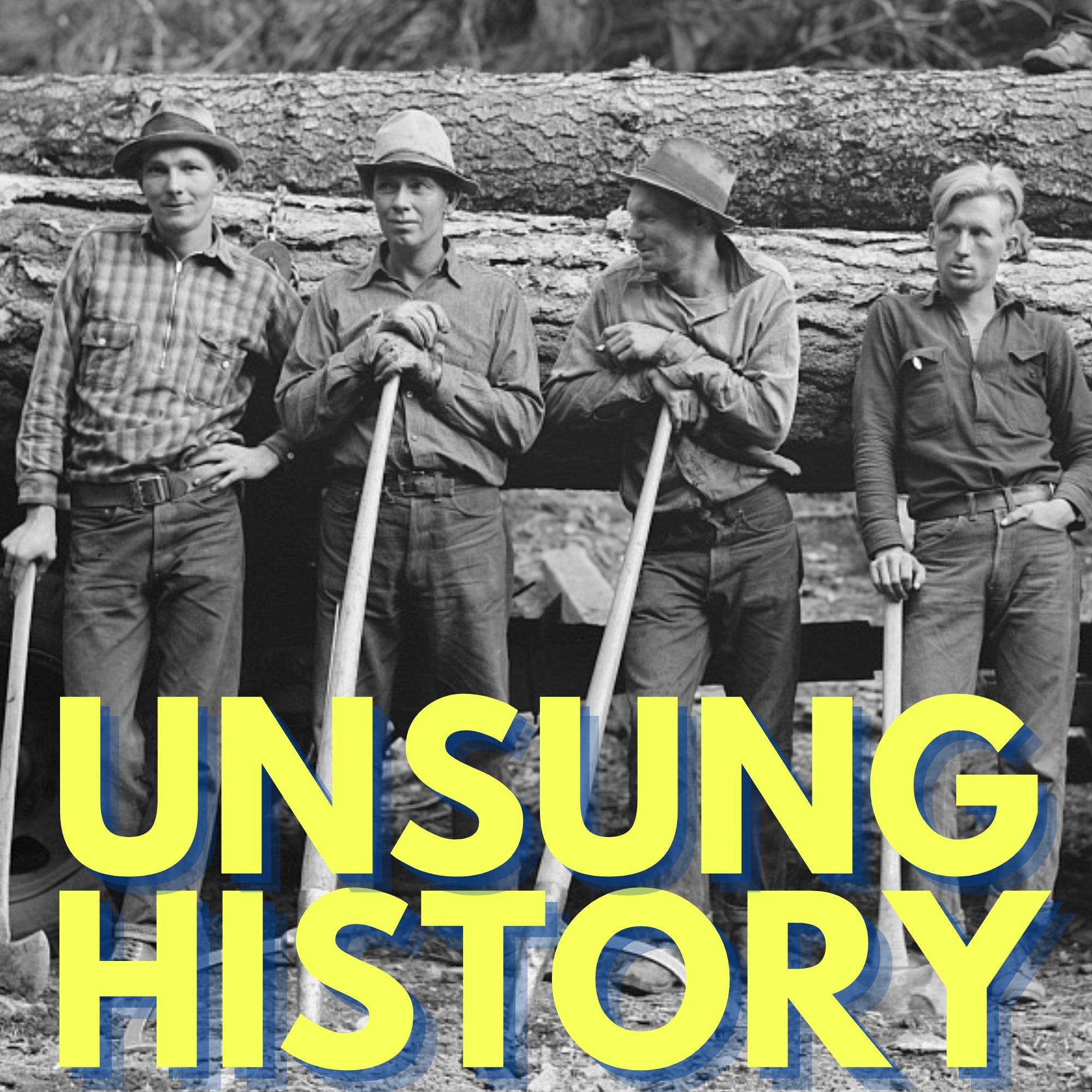
If you’re like most Americans – or most people on earth – you have a pair of jeans, or maybe five, in your wardrobe. There’s a decent chance you’re wearing jeans right now. These humble pants were invented by a Reno tailor in the 1870s in response to a frustrated customer whose husband kept wearing through his pants too quickly. How, then, did they become a global phenomenon expected to exceed $100 billion in sales by 2025? Joining me to help answer that question is historian, writer, and screen...
Guest: Carolyn Purnell

140
Feb. 5, 2024
The History of Pinball
In January 1942, Mayor Fiorello La Guardia sent New York City police out on an important mission; their objective: to find and destroy tens of thousands of pinball machines. But some of pinball’s most important innovations, including the development of flippers, happened in the decades that it was banned in New York and many other US cities. This week we dig in to the fun – and sometimes surprising – history of pinball. Joining me in this episode is illustrator and cartoonist Jon Chad, aut...
Guest: Jon Chad
136
Jan. 29, 2024
The History of US Foreign Disaster Relief
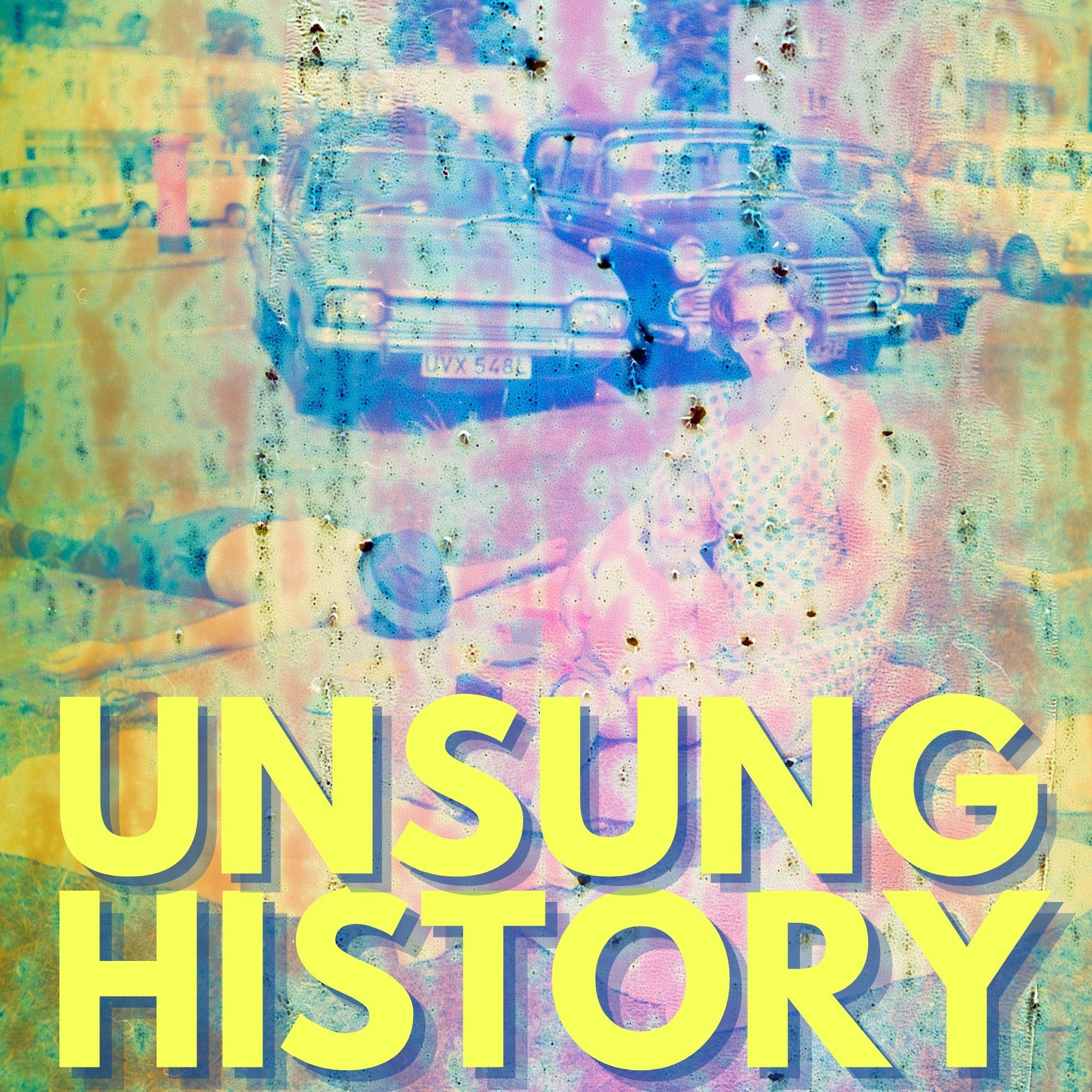
In 1812, the United States Congress voted to provide $50,000 to assist victims of a horrific earthquake in the far-away country of Venezuela. It would be another nine decades before the US again provided aid for recovery efforts after a foreign rapid-onset natural disaster, but over time it became much more common for the US to help in such emergencies. This disaster relief, provided via a three-pronged response from the State Department, the military, and the voluntary sector, especially repres...
Guest: Julia Irwin
138
Jan. 22, 2024
LSD, the CIA & the History of Psychedelic Science
In 1938, Swiss chemist Albert Hofmann accidentally developed the potent psychedelic LSD, although it would be several years before Hofmann realized what he’d created. During the Cold War, the CIA launched a top-secret mind control project, code-named MKUltra, experimenting with LSD and other psychedelic substances, drugging military personnel, CIA employees, and civilians, often without their consent or even their knowledge. At the same time, the CIA was funding university research on psychedeli...
Guest: Benjamin Breen

137
Jan. 15, 2024
Clotilda: The Last U.S. Slave Ship
In 1860, on the eve of the Civil War, the last slave ship landed in the United States from Africa. The transatlantic slave trade had been illegal in the US since 1808, but Alabama enslaver Timothy Meaher and his friends were so sure they could get away with it that they made a bet and hired Meaher’s neighbor, William Foster, to captain a voyage to Africa. Foster and his crew smuggled 110 terrified kidnapped Africans to Mobile Bay, taking them from a homeland they loved to cruel enslavement in th...
Guest: Hannah Durkin

136
Jan. 8, 2024
The History of Mormonism
In 1830, amid the Second Great Awakening in the burned-over district of New York State, Joseph Smith, Jr., and Oliver Cowdery ordained each other as the first two elders in what they then called the Church of Christ. Within eight years, the Governor of Missouri issued an executive order that members of the church, by then known as The Church of Jesus Christ of Latter-day Saints “must be treated as enemies and must be exterminated or driven from the state,” driving 10,000 of the faithful to flee ...
Guest: Benjamin Park

135
Jan. 1, 2024
The History of College Radio
Almost as soon as there were radio stations, there were college radio stations. In 1948, to popularize FM radio, the FCC introduced class D non commercial education licenses for low-watt college radio stations. By 1967, 326 FM radio signals in the United States operated as “educational radio,” 220 of which were owned and operated by colleges and universities. The type of programming that these stations offered varied widely, from lectures and sporting events, to various kinds of musical shows, b...
Guest: Katherine Rye Jewell

134
Dec. 25, 2023
Love Actually & the Healing Power of Christmas Films
What makes a Christmas movie a Christmas movie? How do Christmas movies react to – and help us heal from – collective trauma? How can a British Christmas movie feel quintessentially American? We discuss all that and more this week at the 20th Anniversary of Love Actually, with G. Vaughn Joy, a film historian, writer, podcast host, and PhD candidate at University College London. Our theme song is Frogs Legs Rag, composed by James Scott and performed by Kevin MacLeod, licensed under Creative Co...
Guest: Vaughn Joy