
Civil Rights Movement Episodes
214
Jan. 12, 2026
Charles C. Diggs, Jr.
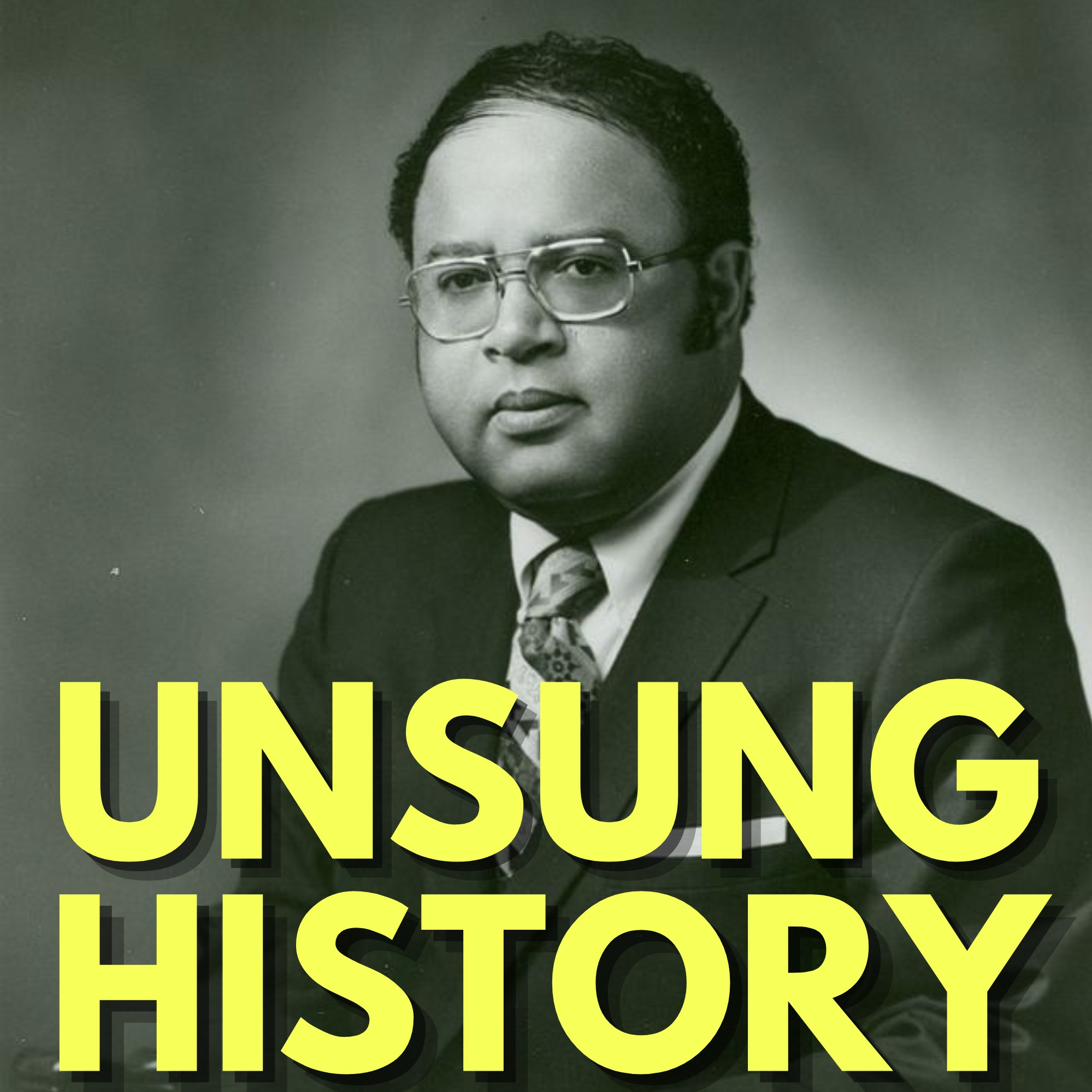
Charles C. Diggs, Jr., founder of the Congressional Black Caucus, spent 25 years in Congress, pushing for change, on issues from segregation in commercial aviation to home-rule for the residents of Washington, DC, to the anti-apartheid movement. His legislative accomplishments were overshadowed by his downfall, and today his story doesn’t receive the attention of other Civil Rights heroes. Joining me in this episode is Dr. Marion Orr, Frederick Lippitt Professor of Public Policy and Professor of...
Guest: Marion Orr

133
Dec. 18, 2023
Mollie Moon
Stories of the Civil Rights Movement don’t often center the fundraisers, often Black women, whose tireless efforts made the movement possible; today we’re featuring one of those women. Mollie Moon, born in 1907, the founder and first chairperson of the National Council of Urban League Guilds, raised millions of dollars for the Civil Rights Movement, using her charm and connections to throw charity galas, like her famed Beaux Arts Ball, where everyone wanted to be seen. Her long service to the mo...
Guest: Tanisha C. Ford

130
Nov. 27, 2023
Black Civil Rights before the Civil Rights Movement
The beginning of the Civil Rights Movement is often dated to sometime in the middle of the 1950s, but the roots of it stretch back much further. The NAACP, which calls itself “the nation's largest and most widely recognized civil rights organization,” was founded near the beginning of the 20th Century, on February 12, 1909. As today’s guest demonstrates, though, Black Americans were exercising civil rights far earlier than that, in many cases even before the Civil War. Joining me in this epis...
Guest: Dylan C. Penningroth
100
May 1, 2023
Project Confrontation: The Birmingham Campaign of 1963
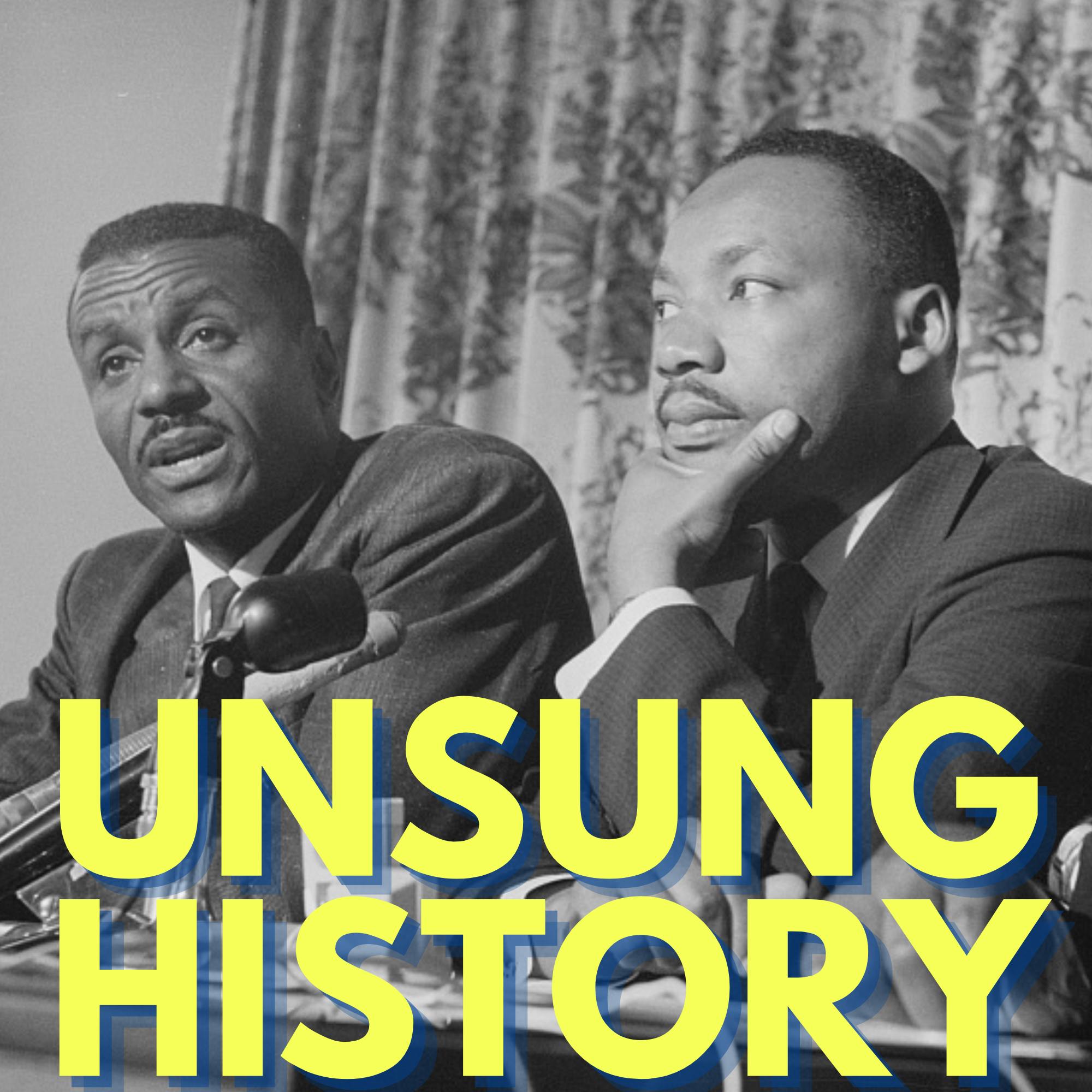
In 1963, on the heels of a failed desegregation campaign in Albany, Georgia, Martin Luther King., Jr., and the Southern Christian Leadership Conference decided to take a stand for Civil Rights in “the Most Segregated City in America,” Birmingham, Alabama. In Project Confrontation, the plan was to escalate, and escalate, and escalate. And escalate they did, until even President John F. Kennedy couldn’t look away. Joining me now to help us learn more about the Birmingham campaign is journalist ...
Guest: Paul Kix

98
April 17, 2023
The 1972 Occupation of the Bureau of Indian Affairs
While voters were casting their ballots in the 1972 presidential election, Native demonstrators had taken over the Bureau of Indian Affairs building in Washington, DC, barricading themselves in with office furniture and preparing to fight with makeshift weapons. The occupation marked the finale of a cross-country caravan, the Trail of Broken Treaties, and the activists were demanding the consideration of their Twenty-Point Position Paper, which called for a restoration of Indigenous rights and r...
Guest: Elizabeth Rule

85
Jan. 16, 2023
The 1968 Student Uprising at Tuskegee Institute
Days after the assassination of Martin Luther King, Jr., and after months of increasing tension on campus, the students at Tuskegee Institute in Alabama occupied a building on campus where the Trustees were meeting, demanding a number of reforms, including a role for students in college governance, the end of mandatory ROTC participation, athletic scholarships, African American studies curriculum, and a higher quality of instruction in engineering courses. Joining me to tell the story of the ...
Guest: Brian Jones
73
Oct. 24, 2022
The 1966 Division Street Uprising & the Puerto Rican community in Chicago
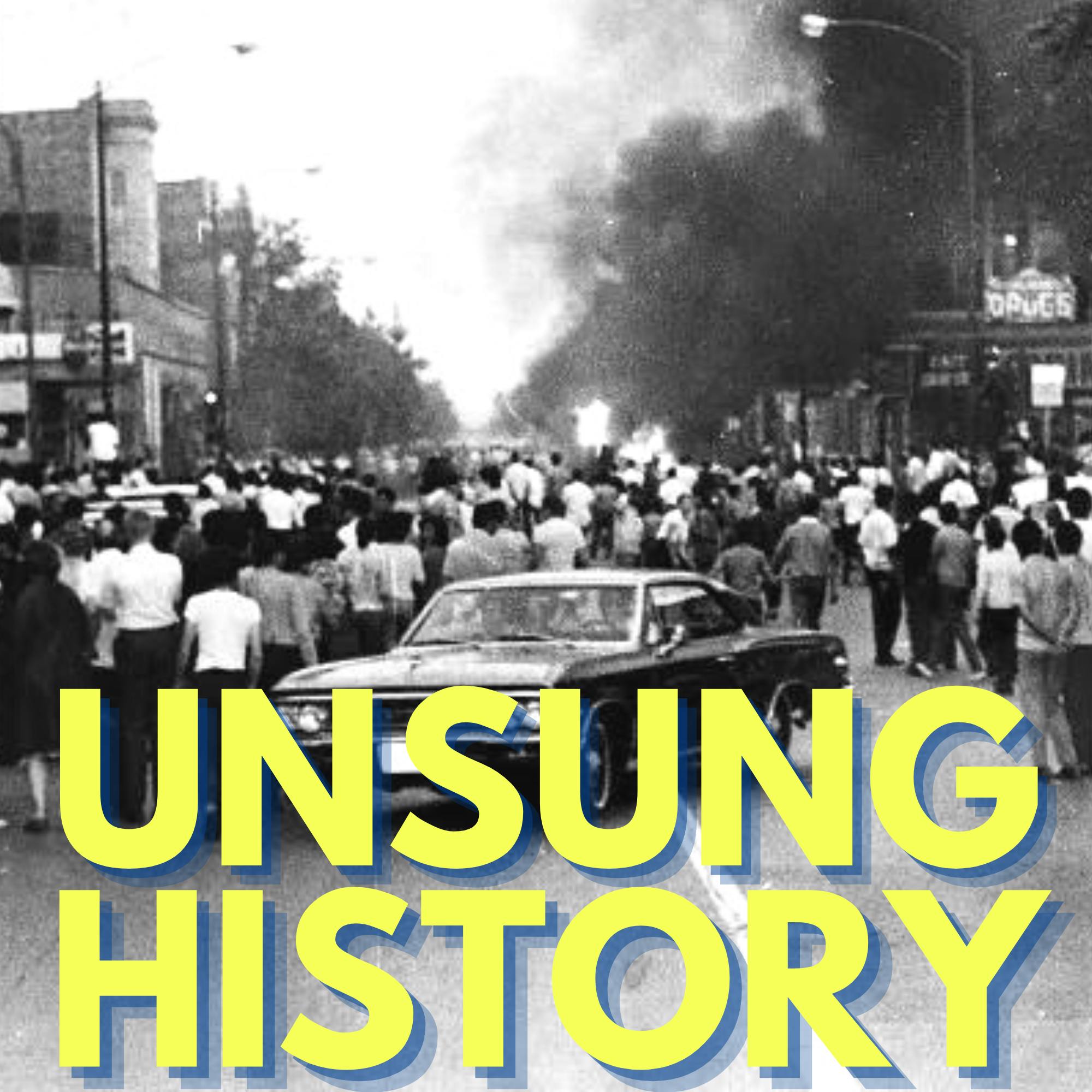
In 1966, Chicago Mayor Richard J. Daley declared that the first week of June would be known as “Puerto Rican Week,” culminating in the first Puerto Rican Parade, to honor the growing Puerto Rican population in the city. After the parade, while people were still celebrating, police shot a Puerto Rican man in the leg, following a pattern of police violence against the Puerto Rican community, which sparked a three-day uprising in the Humboldt Park neighborhood that changed Puerto Rican history in C...
Guest: Mirelsie Velázquez

6
July 12, 2021
Black Teachers & The Civil Rights Movement in South Carolina
On May 17, 1954, the Supreme Court decided unanimously in Brown v. Board of Education of Topeka Kansas that that racial segregation of children in public schools was unconstitutional. Although the process was slow and contentious, the SCOTUS decisions in Brown and Brown II required that desegregation must occur "with all deliberate speed" to provide Black students with the equal protection under the law required by the 14th Amendment. Black teachers had no protections or guarantees under the ...
Guest: Candace Cunningham
2
June 14, 2021
The Jackson State Shootings in May 1970
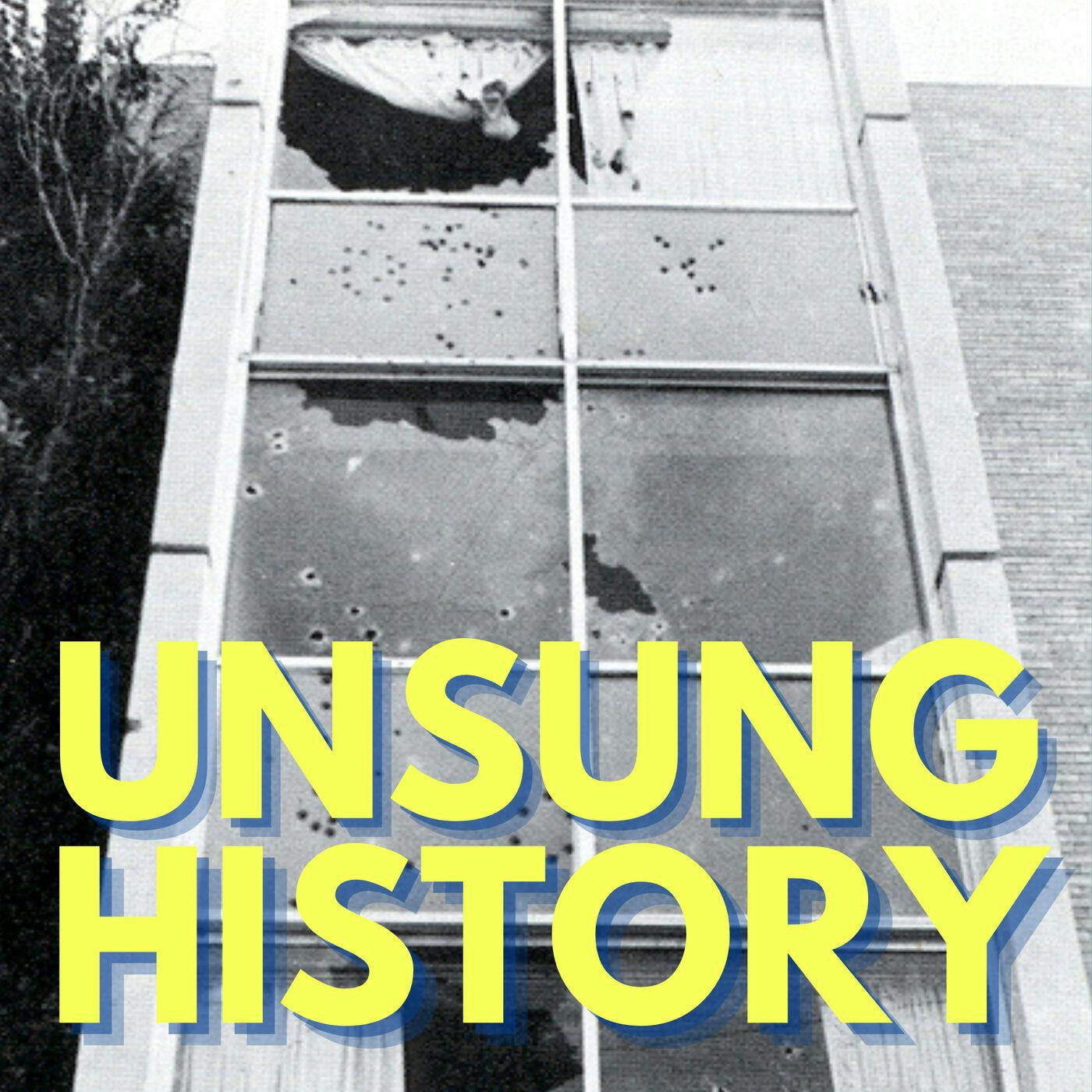
Just after midnight on May 15, 1970, officers opened fire on a group of unarmed students milling in front of a dorm on the campus of Jackson State College in Jackson, Mississippi, killing two and wounding twelve. Although the shootings took place just a week and a half after the shootings at Kent State University, the Jackson State shootings never got the attention of those at Kent State, and when they did they were often described as a second Kent State, erasing the context of white supremacy a...
Guest: Nancy K. Bristow