
20TH Century Episodes

192
Feb. 3, 2025
Land Displacement & the Agua Caliente Band of Cahuilla Indians
Thousands of years ago, a band of Cahuilla Indians migrated south into the Coachella Valley, calling the area Séc-he, meaning boiling water. The Mexicans translated this as agua caliente (hot water), which is the name still used today. As the United States extended its territory into California, the Agua Caliente were forced onto a reservation, and then, as the Southern Pacific Railroad was granted land in the region, the reservation was carved up into a checkerboard pattern. It took decades of ...
Guest: Michael Albertus

191
Jan. 27, 2025
The History of Interracial Marriage in Mississippi
In 1865, when Black people in Mississippi first gained the legal right to marriage, so-called Black Codes outlawed interracial marriage, punishable by life in prison. Five years later, Republicans in the Mississippi state legislature repealed the Black Codes and legalized interracial marriage, but the law was reversed again ten years later when Democrats took control. In 1890, a new state Constitution, erasing all the racial progress of the 1868 one, enshrined a prohibition on interracial marria...
Guest: Kathryn Schumaker

190
Jan. 20, 2025
The Panama Canal
The completion of the Panama Canal in 1914 positioned the United States as a global power, but the U.S. didn’t complete the feat single-handedly. It required land from Panama, equipment and information from the failed earlier effort by the French, and, importantly, tens of thousands of laborers from around the Caribbean. Decades later the Panamanians finally gained control of the canal zone and then the canal itself, but the labor – and sacrifice – of the Afro-Caribbean workers still deserves gr...
Guest: Julie Greene

186
Dec. 23, 2024
Frances Perkins
On March 4, 1933, Frances Perkins was sworn in as the 4th Secretary of Labor. It was the first time in United States history that a woman served in the Cabinet, only 13 years after the ratification of the 19th Amendment gave women the right to vote. Perkins came into office with a long list of to-do items, and she succeeded in accomplishing nearly all of them in her long tenure, as a central architect of many of the programs of the New Deal, especially the Social Security Act. More quietly, but ...
Guest: Rebecca Brenner Graham

185
Dec. 16, 2024
Florence Price & the Black Chicago Renaissance
On June 15, 1933, the all-white, all-male Chicago Symphony Orchestra performed Florence Price’s award-winning Symphony Number 1 in E minor, the first institution of its caliber to play the work of a Black woman composer. It was a monumental achievement, but not one that Price achieved alone. She was supported by a sisterhood of Black women who created an environment in Chicago in which composers and performers like Price and Margaret Bonds could find success. Joining me in this episode is musico...
Guest: Samantha Ege

181
Nov. 18, 2024
Lily Dale
In 1879, a group of Spiritualists purchased 20 acres of land, halfway between Buffalo, New York, and Erie, Pennsylvania. The gated community they created, now a hamlet of Pomfret, New York, became known as Lily Dale. Each summer, people came to Lily Dale (and still come) to speak with the dead through Lily Dale’s many licensed mediums. In its early years, modern Spiritualism, which began with the young Fox sisters (Maggie and Kate), often intersected with Women’s Suffrage, and suffragists like S...
Guest: Averill Earls

180
Nov. 11, 2024
Isabel Kelly
Isabel Truesdell Kelly earned her PhD in Anthropology from the University of California, Berkeley, in 1932, with a dissertation on the “Fundamentals of Great Basin Culture,” having researched the Northern Paiute and Coast Miwok Indigenous cultures of Northern California. After graduating she led excavations in Mexico and then began a career as an anthropologist with the US State Department, which had a growing interest in assisting the scientific and technological development of countries like M...
Guest: Stephanie Baker Opperman

177
Oct. 21, 2024
Ryan White & the CARE Act of 1990
Shortly after he was born in 1971, Ryan White was diagnosed with severe hemophilia. Ryan was able to reduce his hospitalizations from the disease through the use of in-home injections of Factor VIII concentrate, something he and other people with hemophilia saw as a lifeline. The downside of this lifeline was that it pooled blood and plasma from thousands of donors, increasing the user’s risk of exposure to diseases like HIV. In 1984, Ryan was diagnosed with AIDS. His fight to be allowed to atte...
Guest: Paul Renfro

174
Sept. 30, 2024
A History of Postpartum Depression in the United States
In his bestselling childcare manual American pediatrician Dr. Benjamin Spock advised new moms:“If you begin to feel at all depressed, go to a movie, or to the beauty parlor, or to get yourself a new hat or dress.” Although puerperal insanity had been a recognized diagnosis at the end of the 19th Century, doctors in the early 20th century dismissed the postpartum onset of psychiatric symptoms as “pure coincidence.” It would take decades of activism by both parent groups and clinicians for the eff...
Guest: Rachel Louise Moran

173
Sept. 23, 2024
Segregation Scholarships
Between 1921 and 1948, every Southern and border state, except Delaware, set up scholarship programs to send Black students out of state for graduate study rather than admit them to historically white public colleges or build graduate programs in the public HBCUs. While the individual Black students often benefited from graduate education at top-tier universities, the segregation scholarships created hardships for those same students and took money that could have been used to build up the publi...
Guest: Crystal Sanders

172
Sept. 16, 2024
Doug Williams, Vince Evans & the History of Black Quarterbacks in the NFL
In 1946, the National Football League began the process of reintegration after a “gentleman’s agreement” had stopped teams from hiring Black players for over a decade. Even as the NFL began to re-integrate, though, racist stereotypes kept teams from drafting Black players into so-called “thinking” positions like quarterback. Black players who started at quarterback in college would be drafted into the NFL, only to be converted into running backs or wide receivers. On September 30, 1979, for the ...
Guest: Louis Moore

168
Aug. 19, 2024
Margaret Chase Smith
At the Republican National Convention in July 1964, Maine Senator Margaret Chase Smith’s name was placed in nomination for the presidency, and she received votes from 27 delegates, the first time a woman was placed in nomination at a major party’s presidential convention in the United States. It was only one of many firsts Smith would achieve in her remarkable decades-long career that included speaking out against McCathyism on the floor of the Senate in 1950 and being the first woman of Congres...
Guest: Teri Finneman

167
Aug. 12, 2024
The 1968 Democratic National Convention in Chicago
Even before Democrats met in Chicago in August to choose their presidential nominee, the year 1968 had been a turbulent, and often violent, time in the United States. In Chicago, the tumult of an open convention inside the International Amphitheatre was matched by the huge anti-war protests downtown. While the Democrats inside the convention hall voted down a peace plank and nominated the incumbent vice president, despite objections, the police on the streets, given free reign by Mayor Richard J...
Guest: Heather Hendershot

166
Aug. 5, 2024
Sigrid Schultz
In 1926, American Sigrid Schultz became one of the first women to head a foreign bureau for a US newspaper when she was named the chief correspondent for the Berlin bureau of the Chicago Tribune. In her 26 years with the Tribune, Schultz, using her command of German and French, her knowledge of German politics and history, and her wide range of contacts, reported on the rise of Nazism and warned American readers to take Hitler seriously. Joining me in this episode to tell the story of Sigrid Sch...
Guest: Pamela Toler

165
July 29, 2024
The History of Synchronized Swimming
When the 1934 World’s Fair in Chicago was looking for an aquatic act to complement their new underwater lights, organizers turned to physical educator Katherine Curtis, who put together a wildly popular show called the Modern Mermaids. No one could quite figure out what to call it, trying out water ballet and figure swimming until a radio announcer landed on “synchronized swimming.” Soon synchronized swimming teams were forming and competing, but while the Amateur Athletic Union (AAU) quickly em...
Guest: Vicki Valosik
164
July 22, 2024
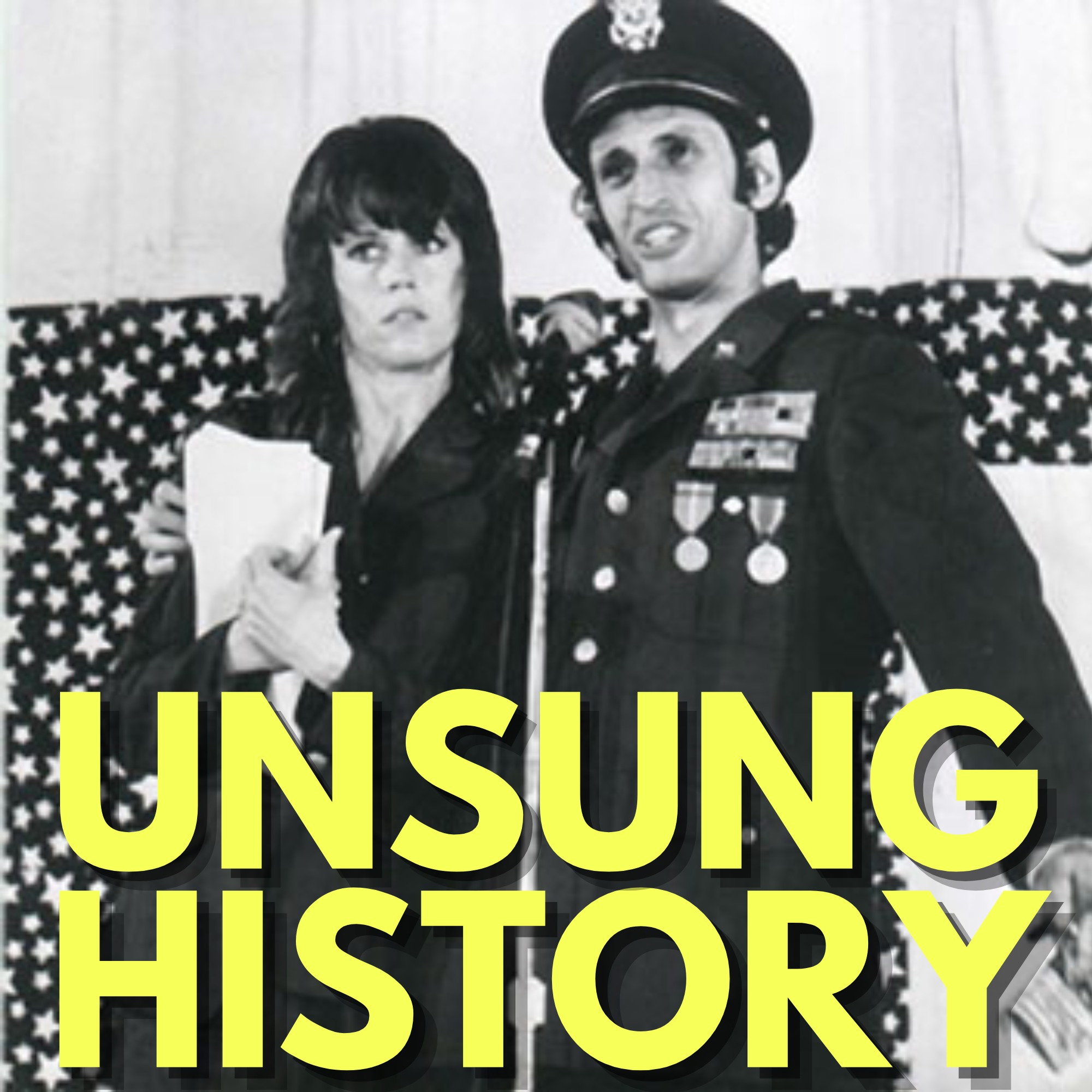
The FTA & Antiwar Protests in 1971
In 1971, a group of performers calling themselves the Free Theatre Associates (FTA), including Jane Fonda and Donald Sutherland, began putting on popular antiwar shows for audiences of active-duty GIs. Over 10 months they performed near military bases all over the United States and in the Pacific Rim. The Pacific Rim tour led to a documentary, which was released briefly in July 1972 and then quickly yanked from theaters. To help us learn about the FTA, I’m joined by theater historian Dr. Lindsay...
Guest: Lindsay Goss

163
July 15, 2024
The Incorruptibles & Organized Jewish Crime in New York City in the Early 20th Century
In 1912, a group of wealthy and influential German Jews in uptown New York funded an effort to root out organized crime on the lower East Side, then the most densely populated neighborhood on Earth, home to half a million people, many of them recent Jewish Russian immigrants. As a result, a Jewish investigator and a Jewish lawyer joined the NYPD and pulled together a group of cops who refused to be paid off. The Incorruptibles, as the vice squad came to be known, quickly quashed the criminal ele...
Guest: Dan Slater

162
July 8, 2024
Dr. Claudia Hampton & the History of Affirmative Action in California
In 1974, Republican governor Ronald Reagan appointed educator Dr. Claudia Hampton, a Democrat active in her local NAACP, as the first Black woman trustee to the board of California State University. For the next twenty years Hampton would be known as the affirmative action trustee as she advocated for policies and budgets that would help support and diversify the CSU faculty, staff, and students. To discuss Dr. Hampton’s legacy, and the history of affirmative action in California, I’m joined in ...
Guest: Donna J. Nicol
159
June 17, 2024
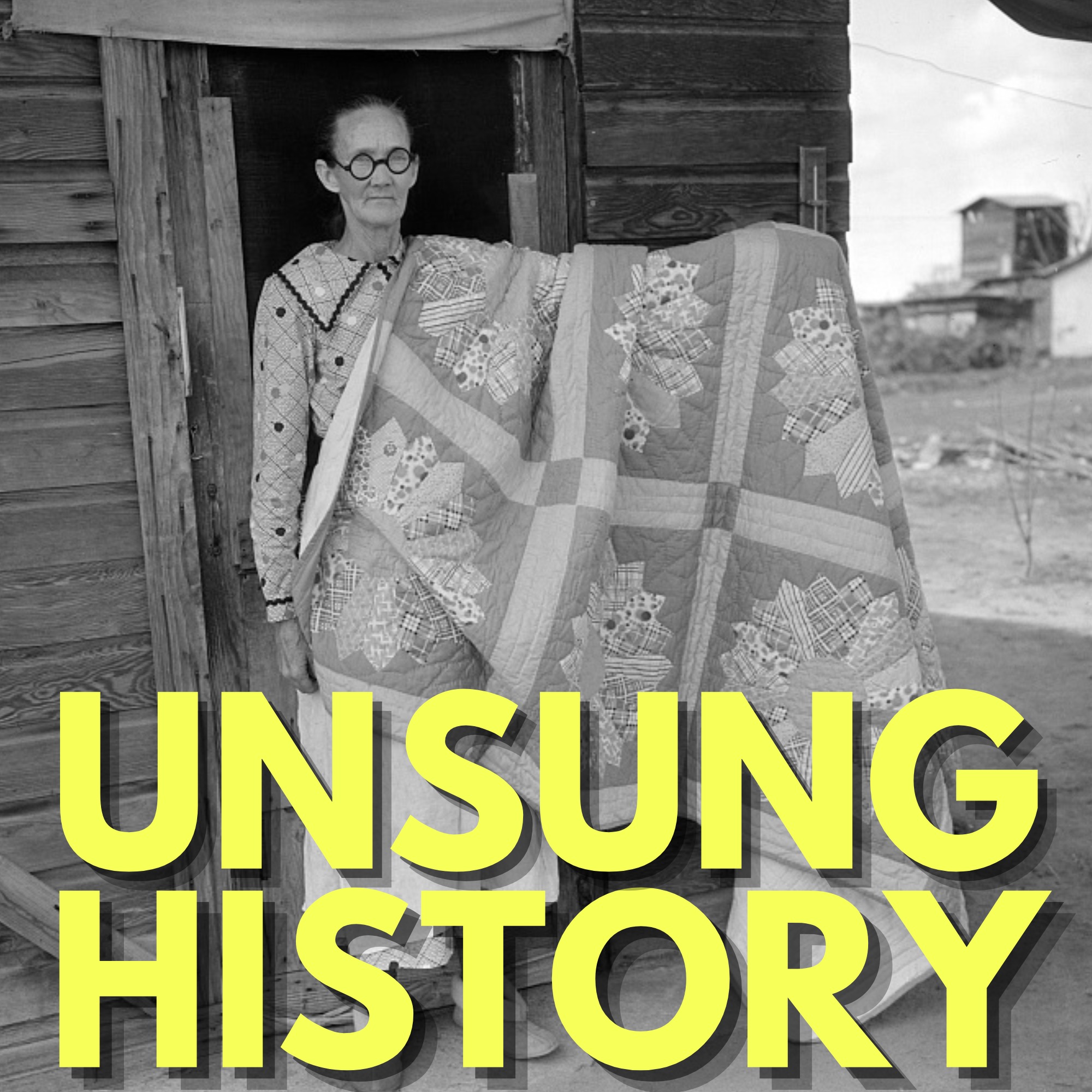
Quilting & the New Deal
As part of the Works Progress Administration (WPA), so-called “unskilled” women were put to work in over 10,000 sewing rooms across the country, producing both garments and home goods for people in need. Those home goods included quilts, sometimes quickly-made utilitarian bedcoverings, but also artistic quilts worthy of exhibition. Quilts were featured in other New Deal Projects, too, like the WPA Handicraft Projects, part of the Women’s and Professional Projects Division. Throughout the Great D...
Guest: Janneken Smucker
158
June 10, 2024
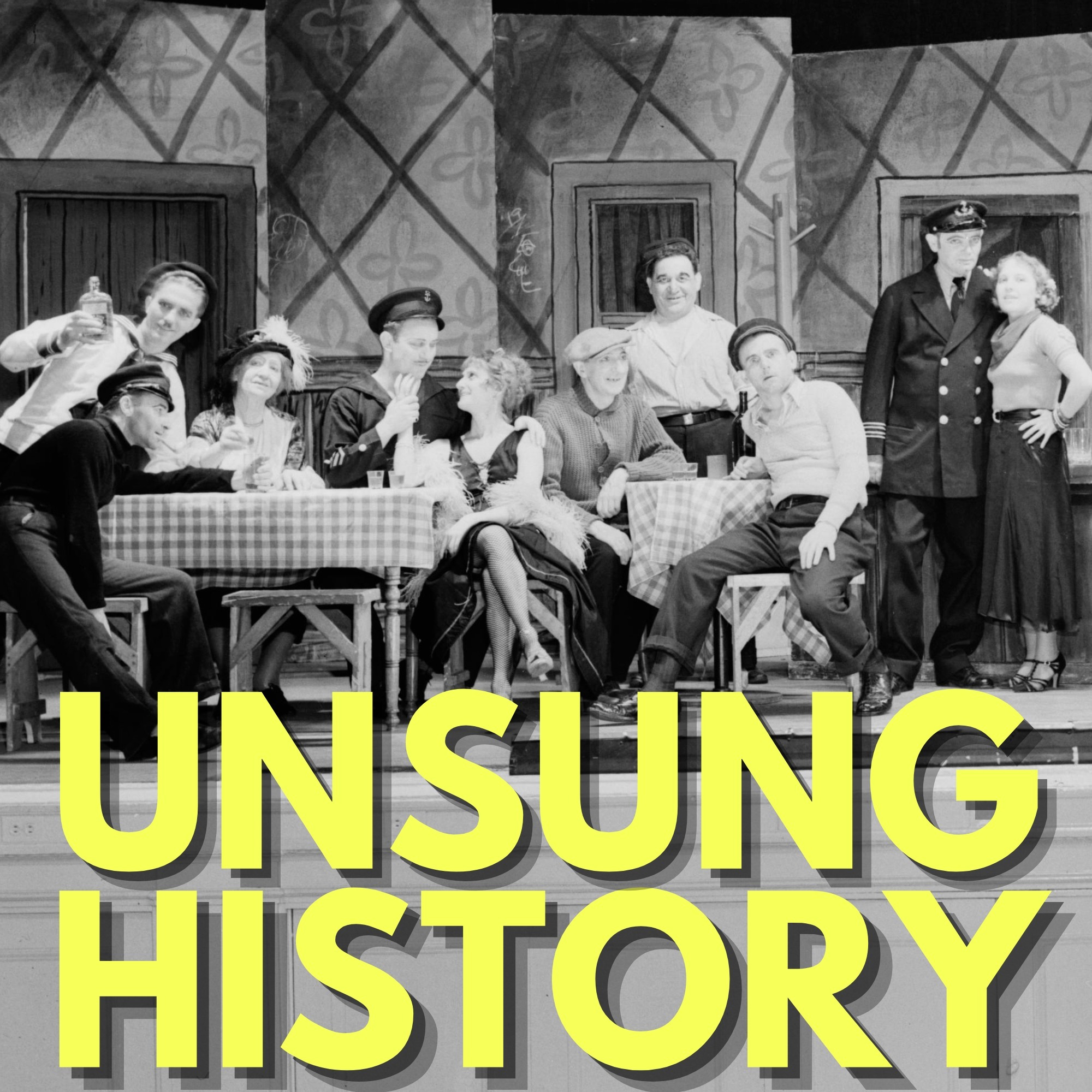
The Federal Theatre Project
Between 1935 and 1939, the Federal Theatre Project, part of the Works Progress Administration (WPA), employed over 12,000 actors and put on over 1200 productions in 29 states. Led by Hallie Flanagan, the FTP, using only a small fraction of the total WPA budget, employed theater professionals; entertained audiences, some two-third of whom had never attended theater before the FTP; and helped launch the careers of people like director Orson Welles and playwright Arthur Miller. However, despite its...
Guest: Paul Gagliardi
157
June 3, 2024
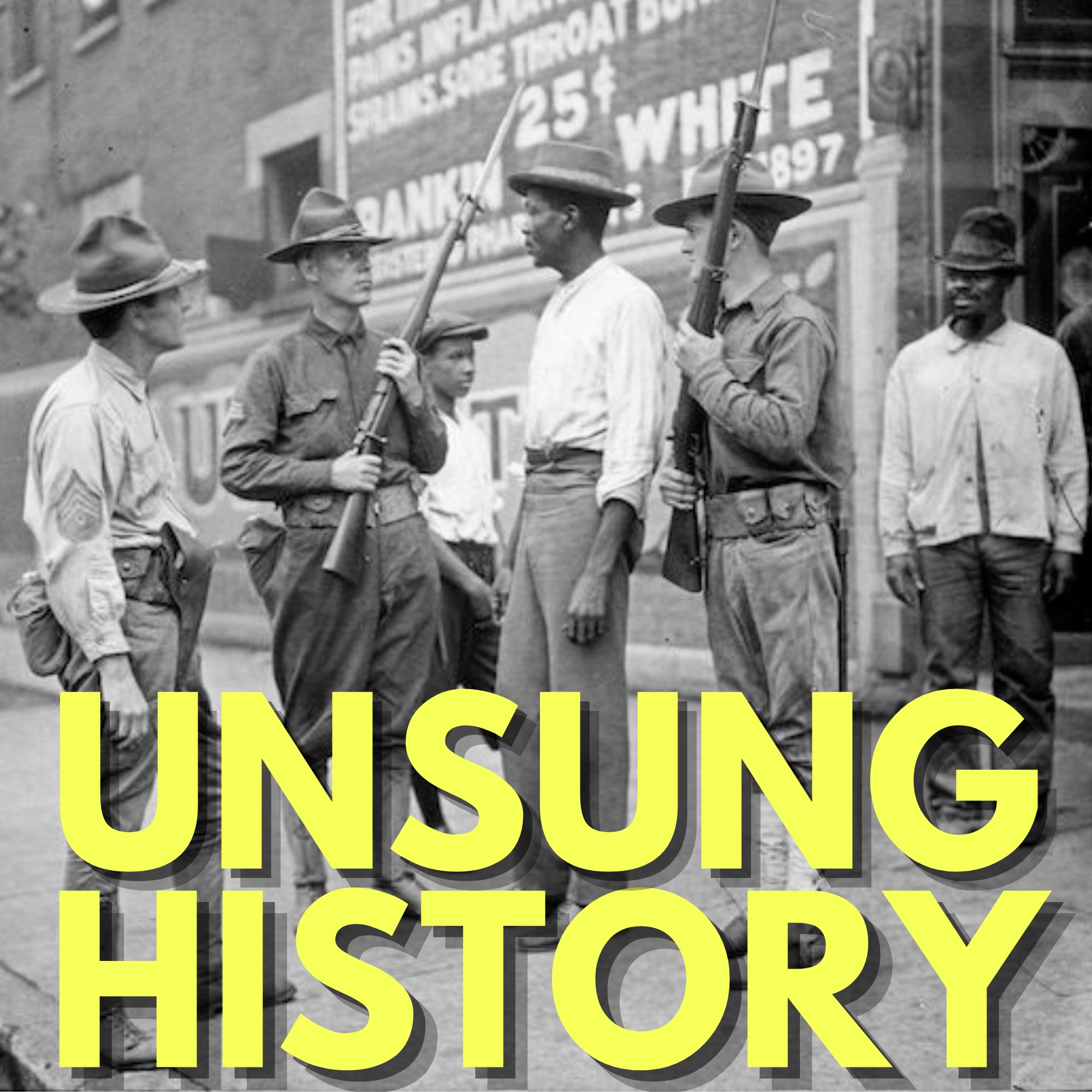
The Red Summer of 1919 & Black Resistance
In 1919, racial tensions in the US, exacerbated by changes brought about by the first wave of the Great Migration and by the return of Black soldiers who demanded equal citizenship from the country they’d fought for, boiled over into a summer of violence. In Washington, DC, 39 people died after days of fighting between white mobs and Black citizens who stood their ground and fought back. The events of the Red Summer are just one example of the ways that Black Americans have resisted white suprem...
Guest: Kellie Carter Jackson
153
May 6, 2024
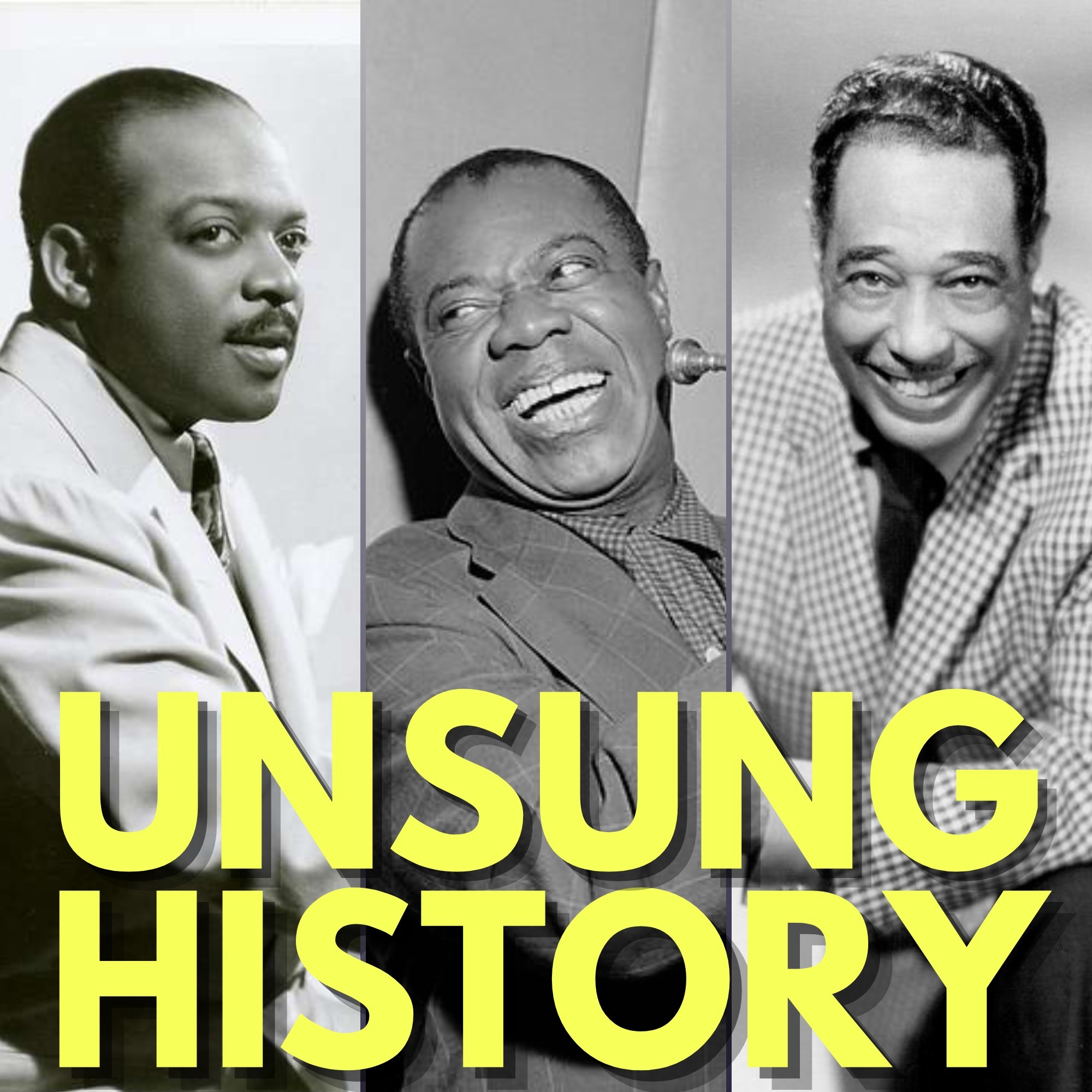
The Jazz Maestros of Jim Crow America
Duke Ellington, Louis Armstrong, and Count Basie came of age in a deeply segregated country, battling racism to become celebrated musicians, composers, and band leaders whose music lives on. Joining me this week to discuss the lives and careers of these three musical geniuses is writer and journalist Larry Tye, author of The Jazzmen: How Duke Ellington, Louis Armstrong, and Count Basie Transformed America. Our theme song is Frogs Legs Rag, composed by James Scott and performed by Kevin Mac...
Guest: Larry Tye
152
April 29, 2024
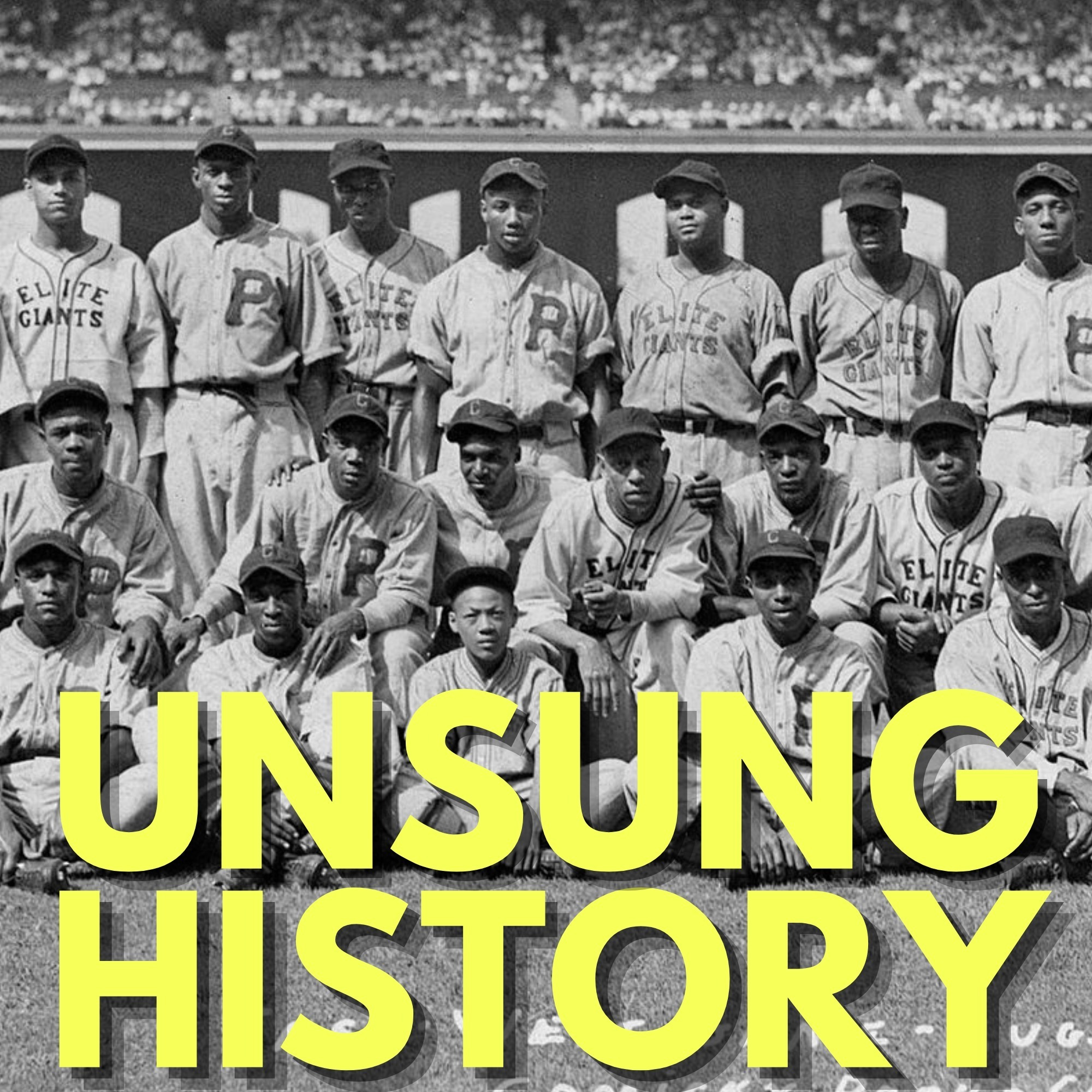
Negro League Baseball
In its earliest years, the National League was not segregated, and a few teams included Black ballplayers, but in 1887 major and minor league owners adopted a so-called “gentlemen’s agreement” that no new contracts would be given to Black players. In 1920, pitcher and manager Rube Foster founded the first of the Negro Leagues, the Negro National League, to organize professional Black baseball, which was played at a very high level. Other professional Negro leagues followed, and for decades the s...
Guest: Leslie Heaphy
151
April 22, 2024
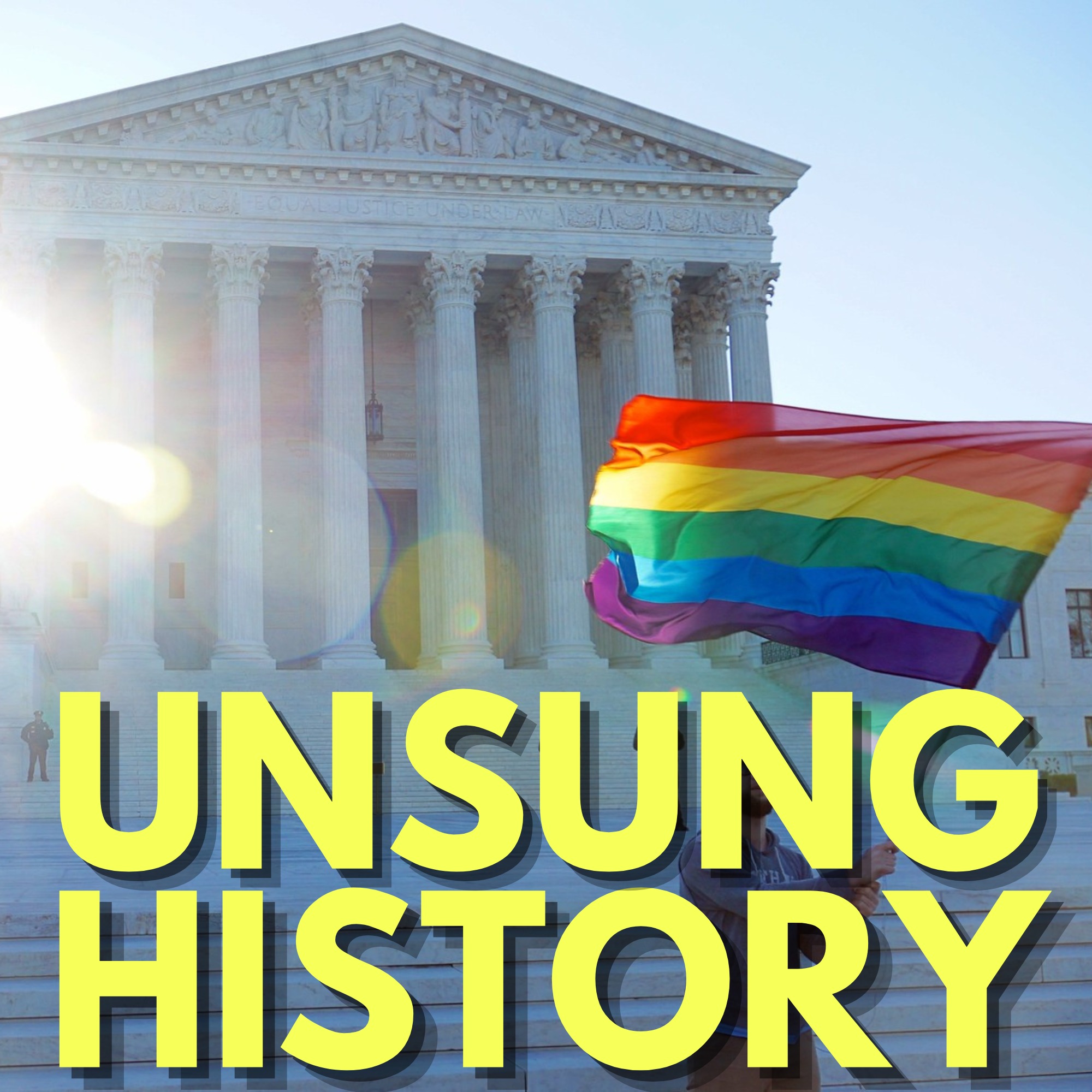
Log Cabin Republicans and the Gay Right
In 1977, a California state senator named John Briggs took to the steps of City Hall in San Francisco to announce a ballot initiative that would empower school boards to fire gay teachers based only on their sexual orientation. In response, gay activists around California mobilized, including gay Republicans, who formed among the first gay Republican organizations. In 1990, several of those California groups, together with groups across the country, combined into the Log Cabin Federation, which ...
Guest: Neil J. Young