
Reconstruction Episodes

175
Oct. 7, 2024
Education & Reconstruction in the Washington DC Region
At the dedication for a school for African American students in Manassas, Virginia, in 1894, Frederick Douglass said: “no greater benefit can be bestowed upon a long benighted people, than giving to them, as we are here earnestly this day endeavoring to do, the means of an education.” In the Reconstruction Era, throughout the South, and especially in the Washington, DC, region, formerly enslaved people fought for educational opportunities. Even as other advances of Reconstruction were clawed bac...
Guest: Kate Masur
156
May 27, 2024
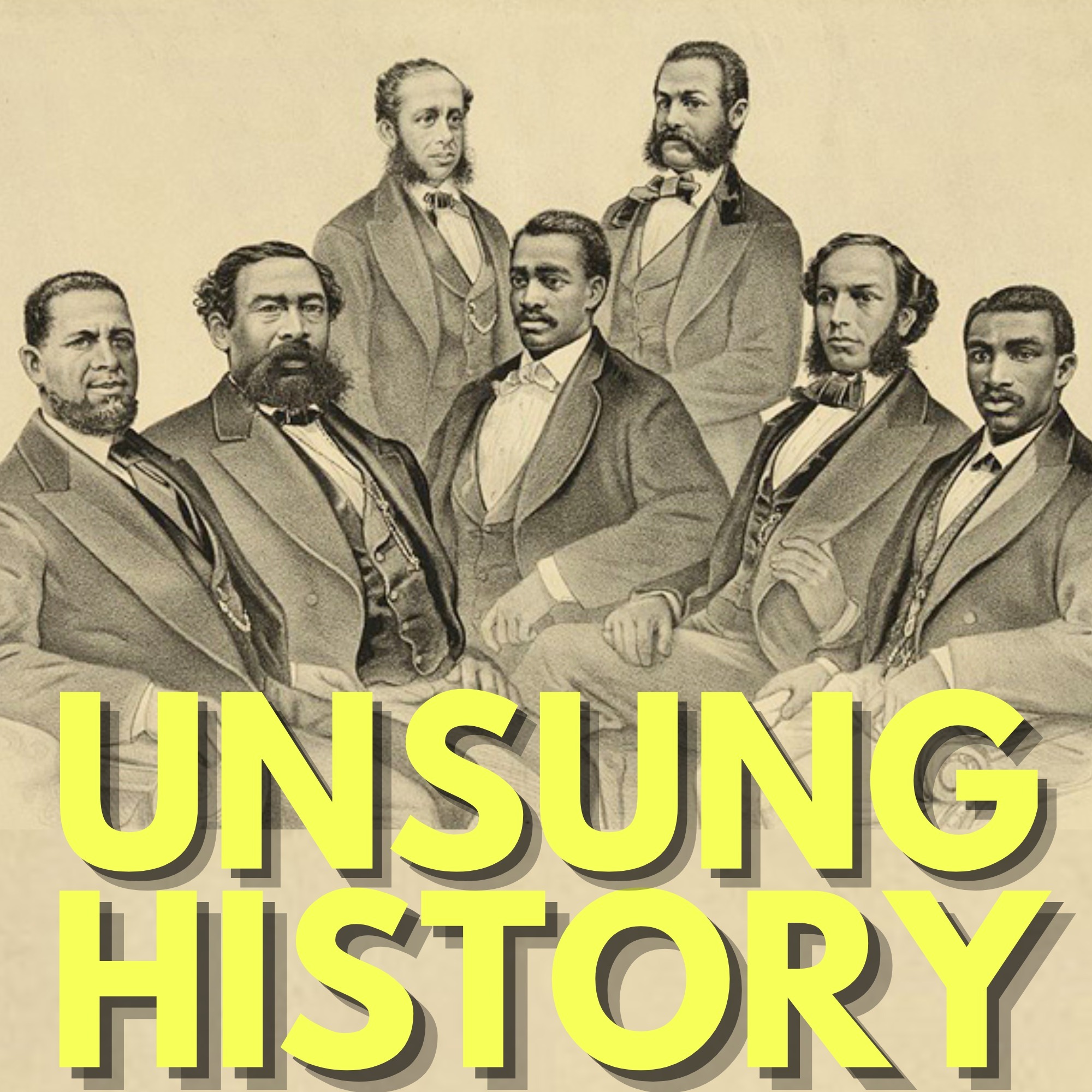
The Reconstruction Era & its Aftermath
As the Civil War was drawing to a close, President Lincoln was preparing for what came after, with plans for reunification of the country, and he began to advocate for limited suffrage for Black Americans. John Wilkes Booth’s bullet cut short those plans, and Southerner Andrew Johnson, who was much more sympathetic to the former Confederacy, succeeded Lincoln. It wasn’t until Congress passed the Reconstruction Act of 1867, over Johnson’s veto, that federal troops enforced a true remaking of the ...
Guest: Manisha Sinha

137
Jan. 15, 2024
Clotilda: The Last U.S. Slave Ship
In 1860, on the eve of the Civil War, the last slave ship landed in the United States from Africa. The transatlantic slave trade had been illegal in the US since 1808, but Alabama enslaver Timothy Meaher and his friends were so sure they could get away with it that they made a bet and hired Meaher’s neighbor, William Foster, to captain a voyage to Africa. Foster and his crew smuggled 110 terrified kidnapped Africans to Mobile Bay, taking them from a homeland they loved to cruel enslavement in th...
Guest: Hannah Durkin
113
July 31, 2023
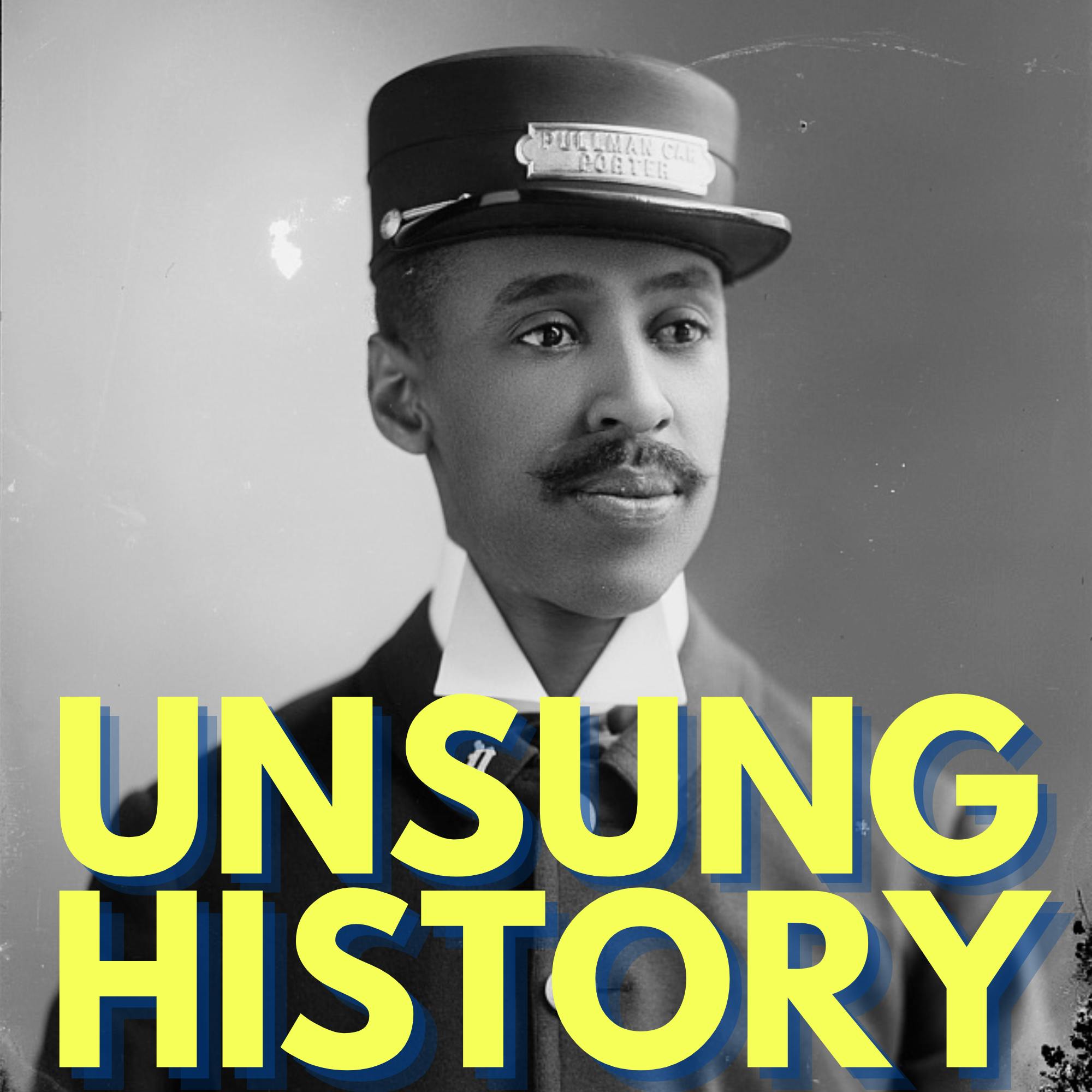
Pullman Porters & the History of the Black Working Class
In the early 20th century, career options for Black workers were limited, and the jobs often came with low pay and poor conditions. Ironically, because they were concentrated in certain jobs, Black workers sometimes monopolized those jobs and had collective power to demand better conditions and higher pay. The Pullman Company, founded in 1862, hired only Black men to serve as porters on Pullman cars, since George M. Pullman thought that formerly enslaved men would know how to be good, invisible ...
Guest: Blair LM Kelley
80
Dec. 12, 2022
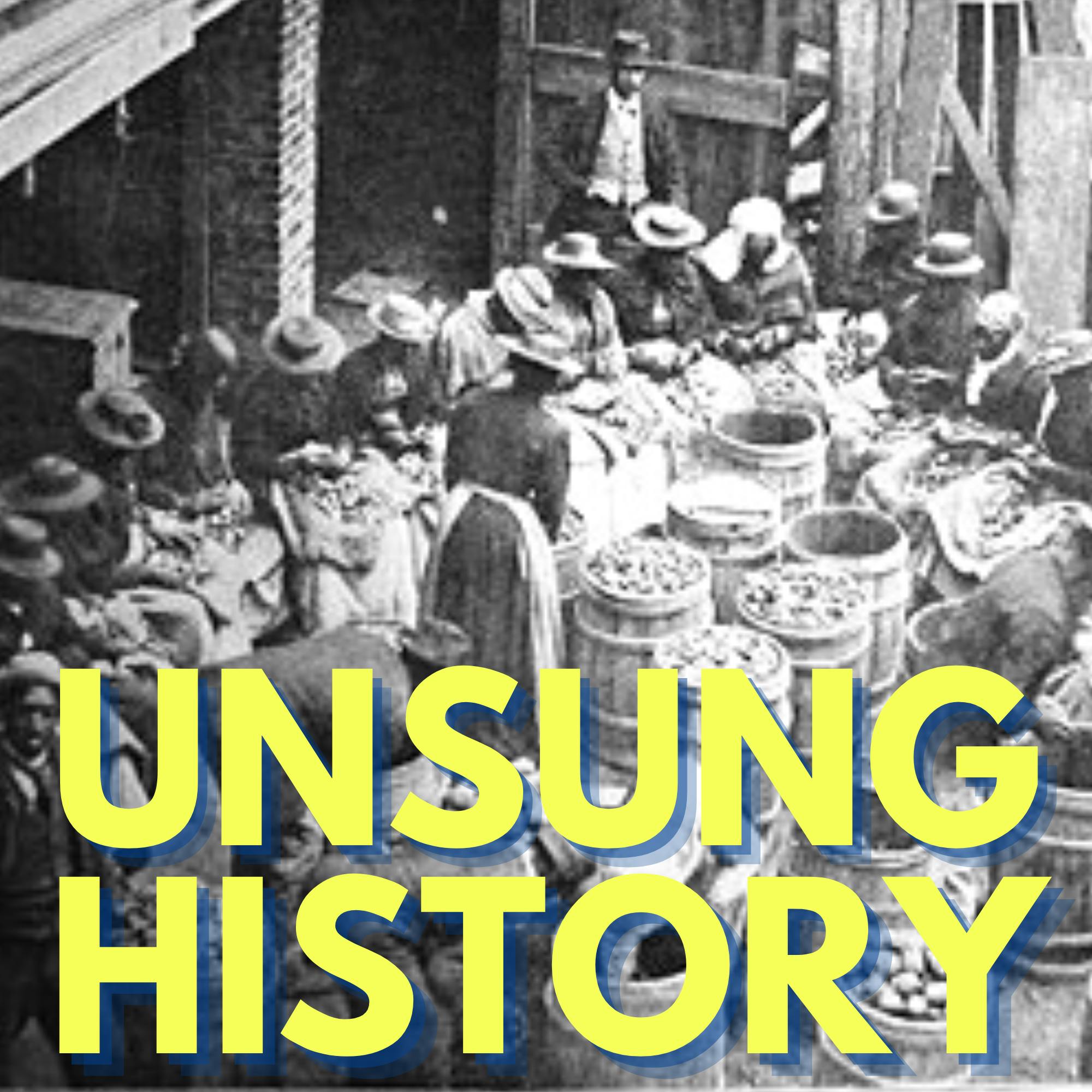
The Sea Islands Hurricane of 1893
On August 27, 1893, a massive hurricane struck the coast of South Carolina and Georgia, battering the Sea Islands and Lowcountry through the next morning. Around 2,000 people in the thriving African American community perished that night, and many more died in the coming days and weeks as the impacts of the storm continued to be felt. The Red Cross, led by Clara Barton, organized relief efforts in conjunction with the local communities but with little money, as both the state legislature and the...
Guest: Caroline Grego
79
Dec. 5, 2022
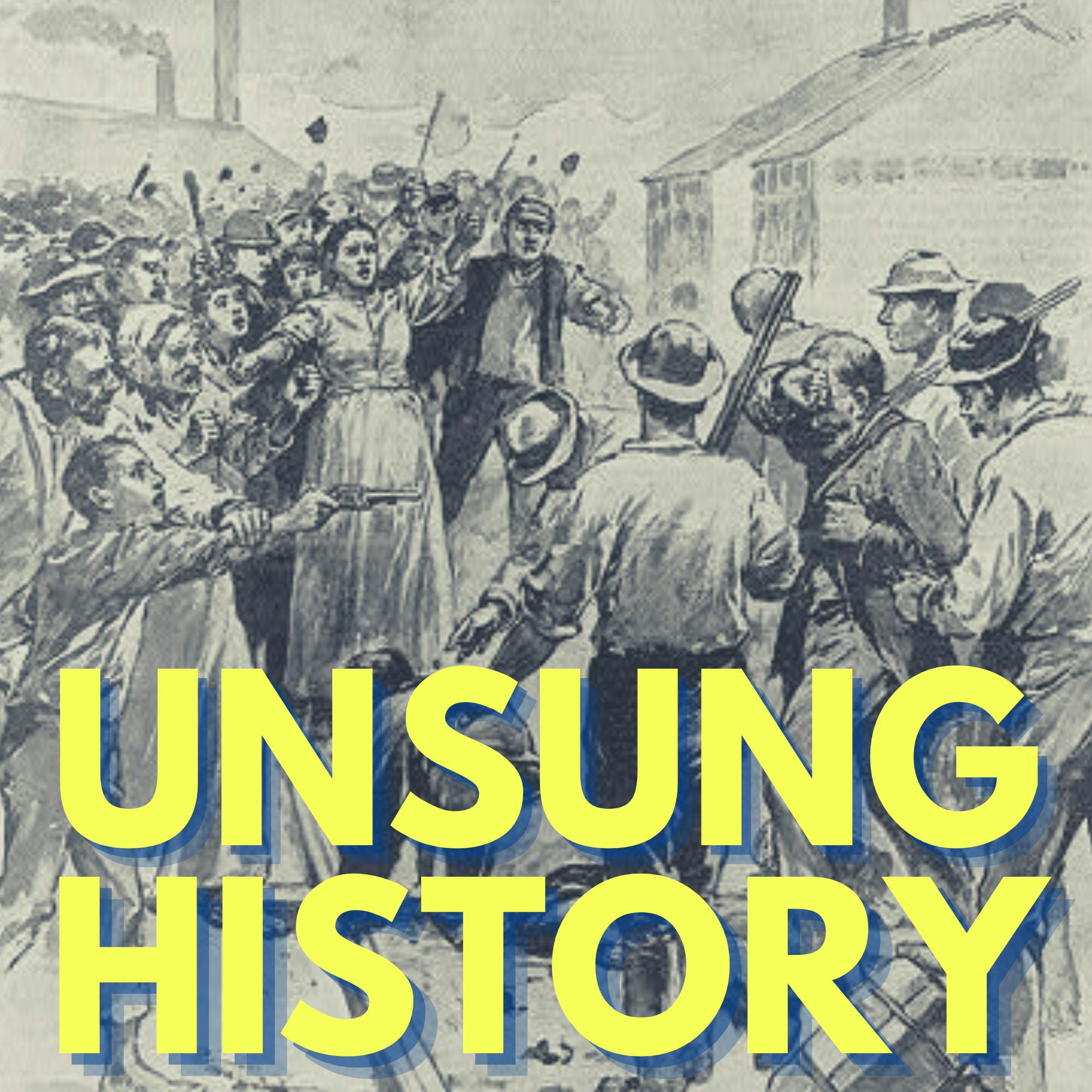
The Rise of the Labor Movement & Employer Resistance in the Late 19th Century
After the Civil War, the simultaneous shift in the labor economy of the Southern United States and the second industrial revolution led to a growing interest in labor organizing. Newly formed labor organizations led a combined 23,000 strikes between 1881 and 1900. Employers noticed, and fought back, sometimes literally, employing Pinkerton agents to break strikes, rounding up and imprisoning or deporting union employees, and using various forms of intimidation against workers. Joining me to h...
Guest: Chad Pearson

60
July 25, 2022
The Townsend Family Legacy
When Alabama plantation owner Samuel Townsend died in 1856, he willed his vast fortune to his children and his nieces. What seems like an ordinary bequest was anything but, since Townsend’s children and nieces were his enslaved property. Townsend, who knew the will would be challenged in court, left nothing to chance, hiring the best lawyer he could find to ensure that his legatees received both their freedom and the resources they would need to survive in a country that was often hostile to fre...
Guest: R. Isabela Morales
52
May 30, 2022
Chinese Grocery Stores in the Mississippi Delta
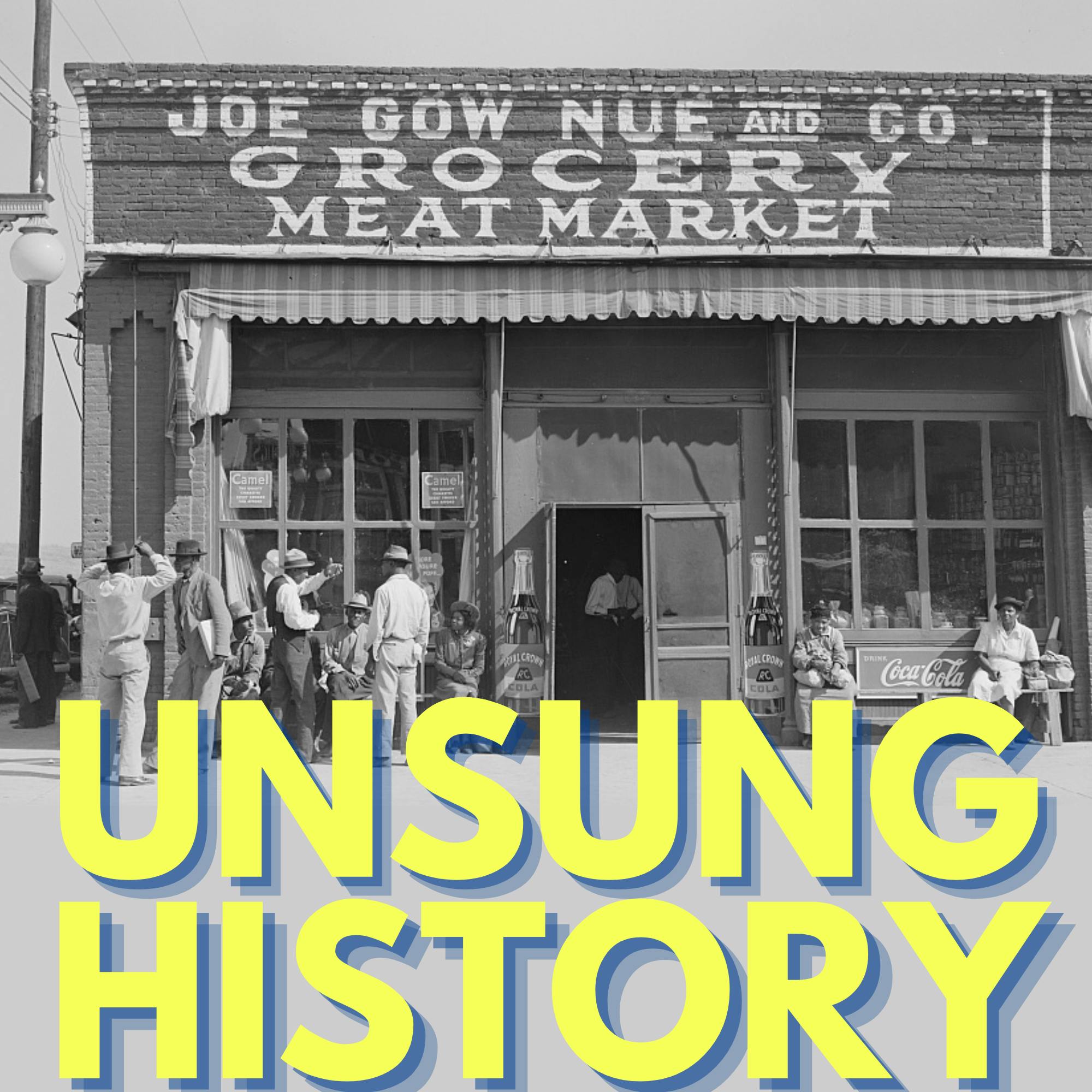
During Reconstruction, cotton planters in the Mississippi Delta recruited Chinese laborers to work on their plantations, to replace the emancipated slaves who had previously done the hard labor. However, the Chinese workers quickly learned that they couldn’t earn enough money picking cotton to send back to their families, and they turned instead to running small grocery stores, filling a niche in the market of the Deep South. At one point, the city of Greenville, Mississippi, had 40,000 resident...
Guest: Larissa Lam

40
March 7, 2022
Yellowstone National Park
One hundred fifty years ago, President Ulysses S. Grant signed an act establishing Yellowstone National Park into law, making it the first national park in the United States, and a cause for celebration in a country still recovering from the devastating Civil War. Not everyone celebrated, though, including Native Americans who had called the land home for thousands of years before white trappers and explorers first experienced the wild majesty of the landscape. To learn more about the men who...
Guest: Megan Kate Nelson
39
Feb. 28, 2022
Freedpeople in Indian Territory
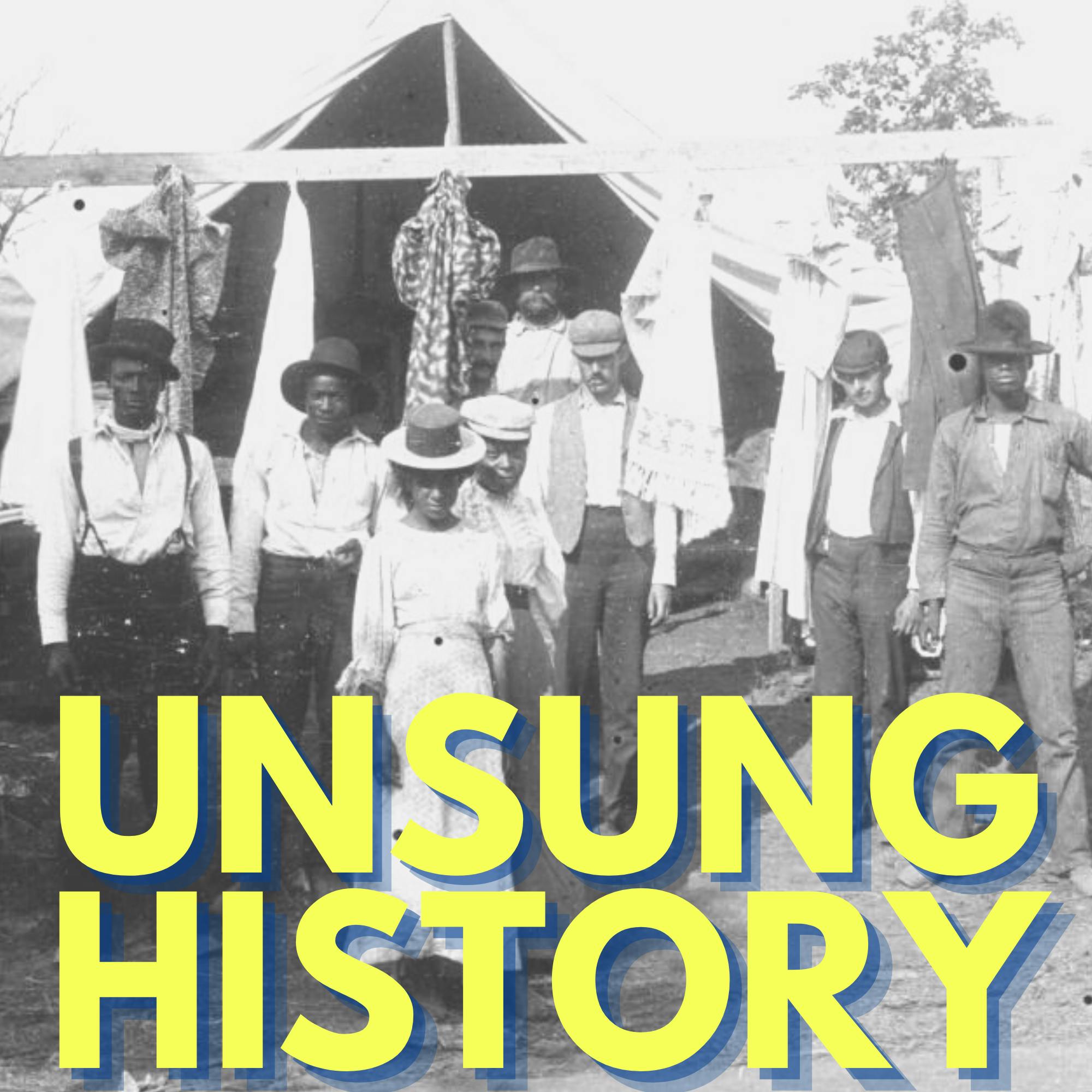
When the Cherokee, Chickasaw, Choctaw, Muskogee (or Creek), and Seminole Nations – known as “The Five Civilized Tribes” by white settlers – were forcibly moved from their lands in the Southeastern United States to Indian Territory (present-day Oklahoma), they brought their possessions with them, including the people of African descent whom they had enslaved. After the Civil War, these slaves were freed and freedpeople were included in the allocation of Native lands undertaken by the Dawes Com...
Guest: Alaina Roberts

3
June 21, 2021
Susie King Taylor
Susie King Taylor was born into slavery in Georgia in 1848. With the help of family members, she was educated and escaped, joining the Union army at the age of 14, to serve ostensibly as a laundress, but in reality as a nurse, teacher, and even musket preparer. In 1902, Taylor published Reminiscences of My Life in Camp with the 33d United States Colored Troops, an autobiography that covers not just her experiences during the Civil War, but also her childhood and her later years. Taylor includes ...
Guest: Ben Railton