
Latino/a History Episodes

124
Oct. 16, 2023
The Borinqueneers of the Korean War
In 1950, President Harry Truman ordered US troops to the Korean peninsula to help the South Koreans repel the invading North Korean People’s Army, which was supported by the communist regimes of the Soviet Union and China. One of the regiments shipped overseas to fight was the 65th Infantry Regiment, the Borinqueneers, made up of soldiers from Puerto Rico. In Korea, the Borinqueneers served heroically, despite harsh conditions and racist treatment. Joining me in this episode to help us learn ...
Guest: Talia Aikens-Nuñez
73
Oct. 24, 2022
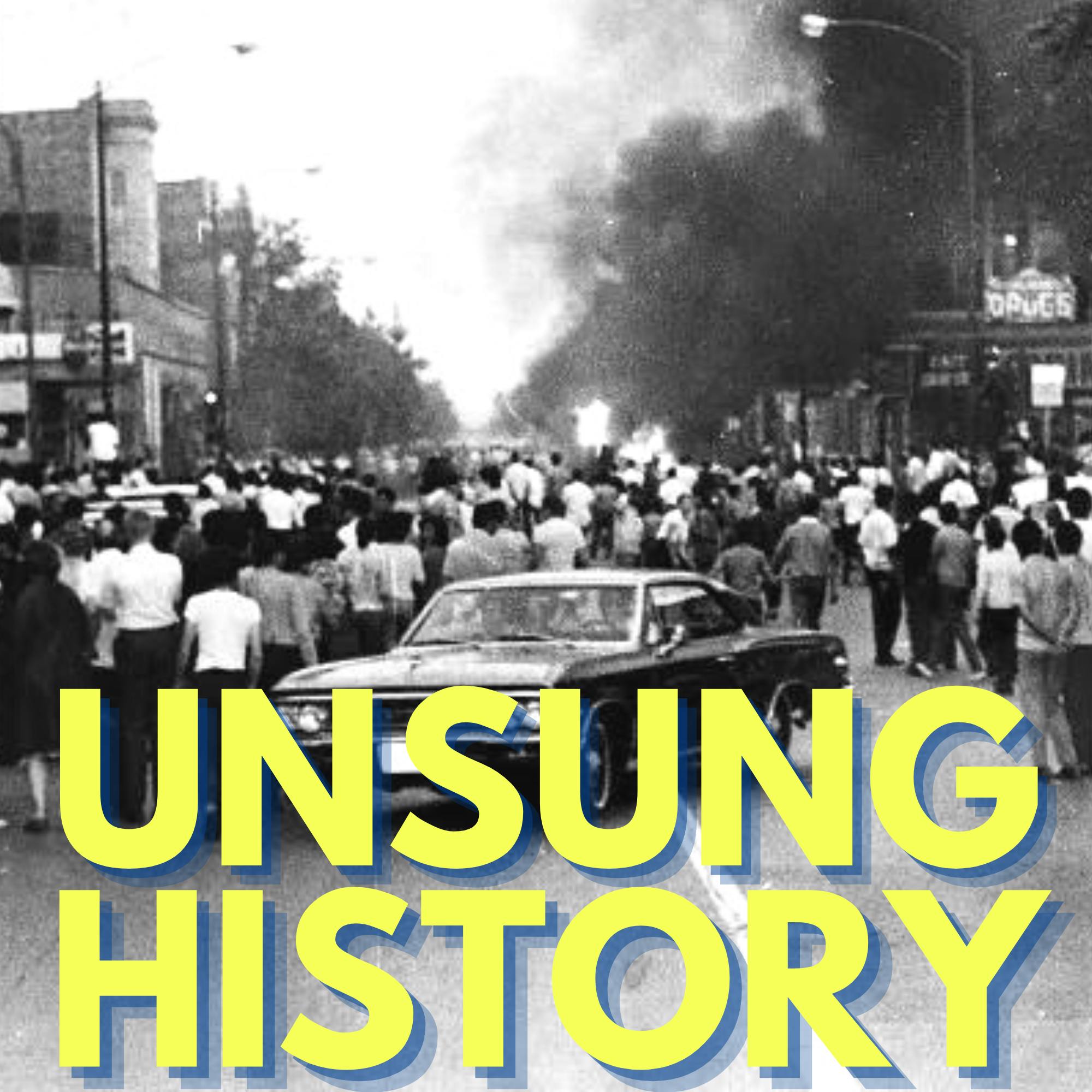
The 1966 Division Street Uprising & the Puerto Rican community in Chicago
In 1966, Chicago Mayor Richard J. Daley declared that the first week of June would be known as “Puerto Rican Week,” culminating in the first Puerto Rican Parade, to honor the growing Puerto Rican population in the city. After the parade, while people were still celebrating, police shot a Puerto Rican man in the leg, following a pattern of police violence against the Puerto Rican community, which sparked a three-day uprising in the Humboldt Park neighborhood that changed Puerto Rican history in C...
Guest: Mirelsie Velázquez
72
Oct. 17, 2022
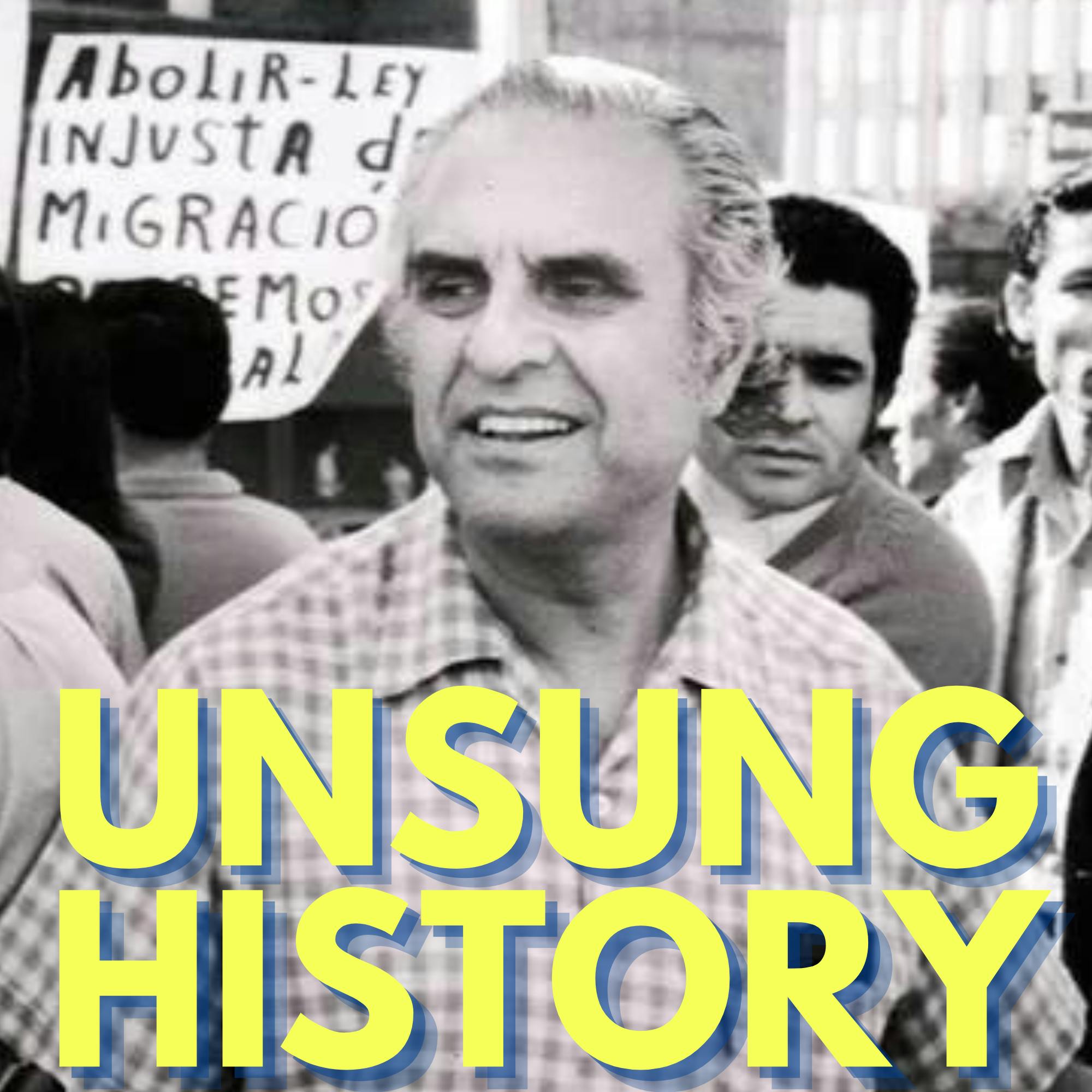
Bert Corona
Labor leader and immigrant rights activist Bert Corona viewed Mexican Americans and Mexican immigrants in the United States, both with and without documentation, as one people without borders, and he understood that their struggles were connected. While other Mexican American labor leaders were campaigning against undocumented workers, Corona fought to shift the opinions of Mexican Americans toward support for the undocumented and helped create a pro-immigrant consciousness among Latinos in the ...
Guest: Eladio B. Bobadilla
71
Oct. 10, 2022
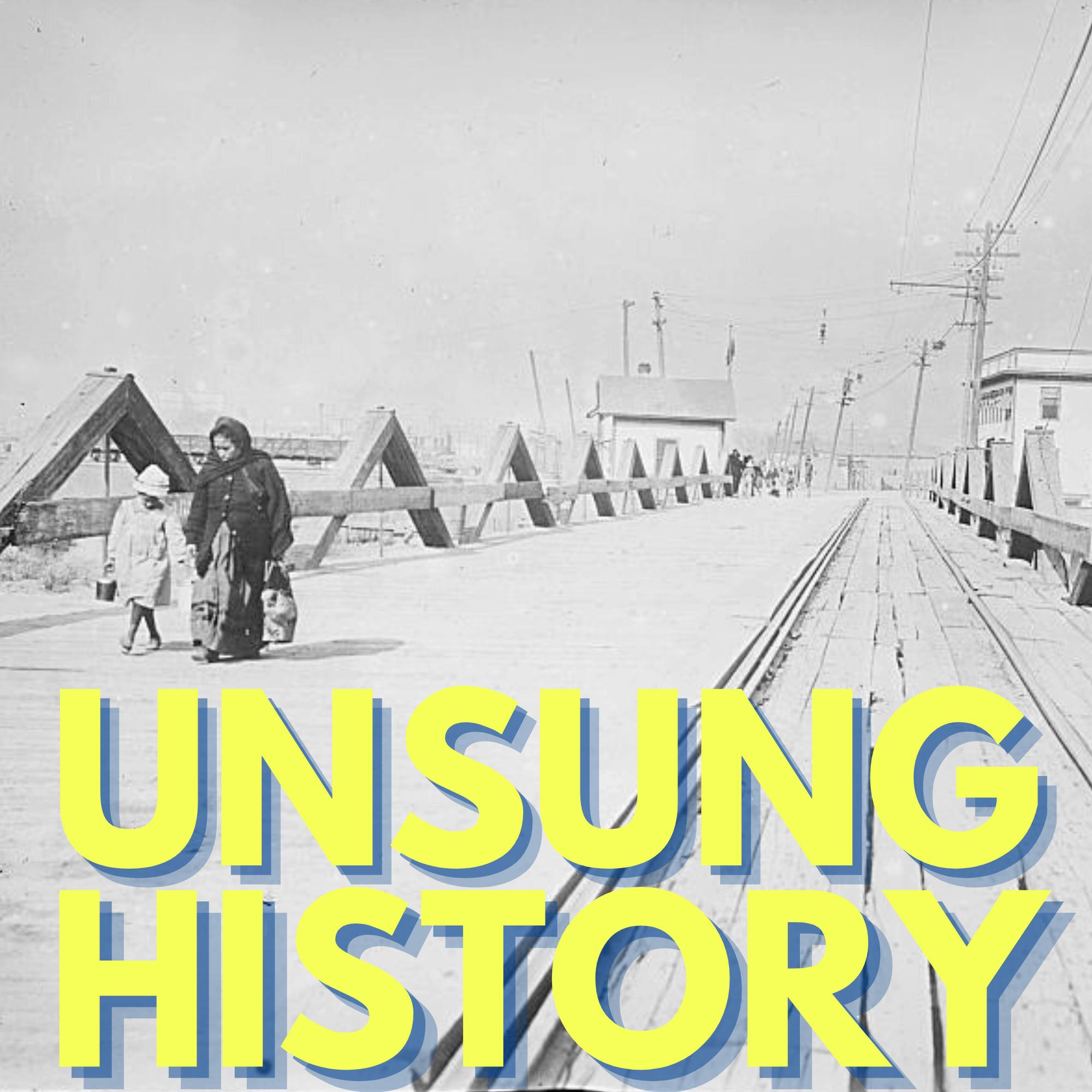
The Effect of the Mexican Revolution on Mexican Immigration to the U.S.
The Mexican Revolution in the early 20th Century was a pivotal moment in Mexican history, and it was also a pivotal moment in United States history, as huge numbers of Mexicans fled war-torn Mexico and headed to the US border. Many Mexican Americans in the US today are the descendants of refugees fleeing the Revolution. To understand more about the experience of immigrants who came to the United States during the Mexican Revolution, I’m speaking in this episode with writer Alda P. Dobbs, auth...
Guest: Alda Dobbs
70
Oct. 3, 2022
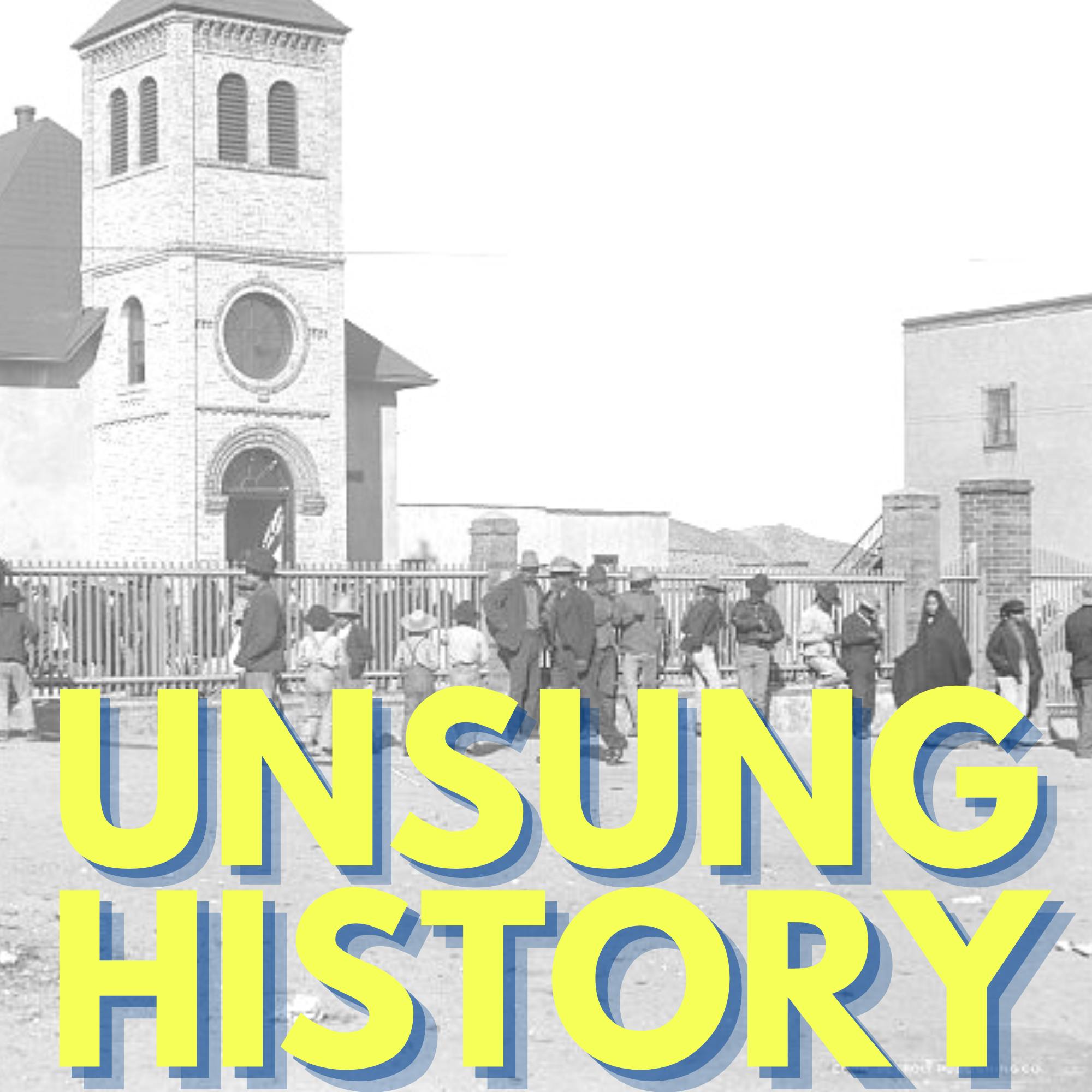
Southwest Borderlands in the 19th Century
Through the 19th Century, the US-Mexico border moved repeatedly, and the shifting borderlands were a space of cultural and economic transition that often gave rise to racialized gendered violence. In this episode I speak with Dr. Bernadine Hernández, Associate Professor of American Literary Studies at the University of New Mexico, an activist with fronteristxs, and author of Border Bodies: Racialized Sexuality, Sexual Capital, and Violence in the Nineteenth-Century Borderlands. Our theme s...
Guest: Bernadine Hernandez
7
July 19, 2021
The El Centro Hunger Strike of 1985
In 1945, United States immigration officials opened the El Centro Immigration Detention Camp in El Centro, California, to be an administrative holding center for unauthorized Mexican migrants, many of whom had been working on local farms and ranches. From the beginning, migrants were often detained for long periods of time while they served as the unpaid labor force of the center. Conditions were poor in the facility in the decades that followed, and in 1985 the incarcerated migrants (by this...
Guest: Jessica Ordaz