
Military History Episodes
147
March 25, 2024
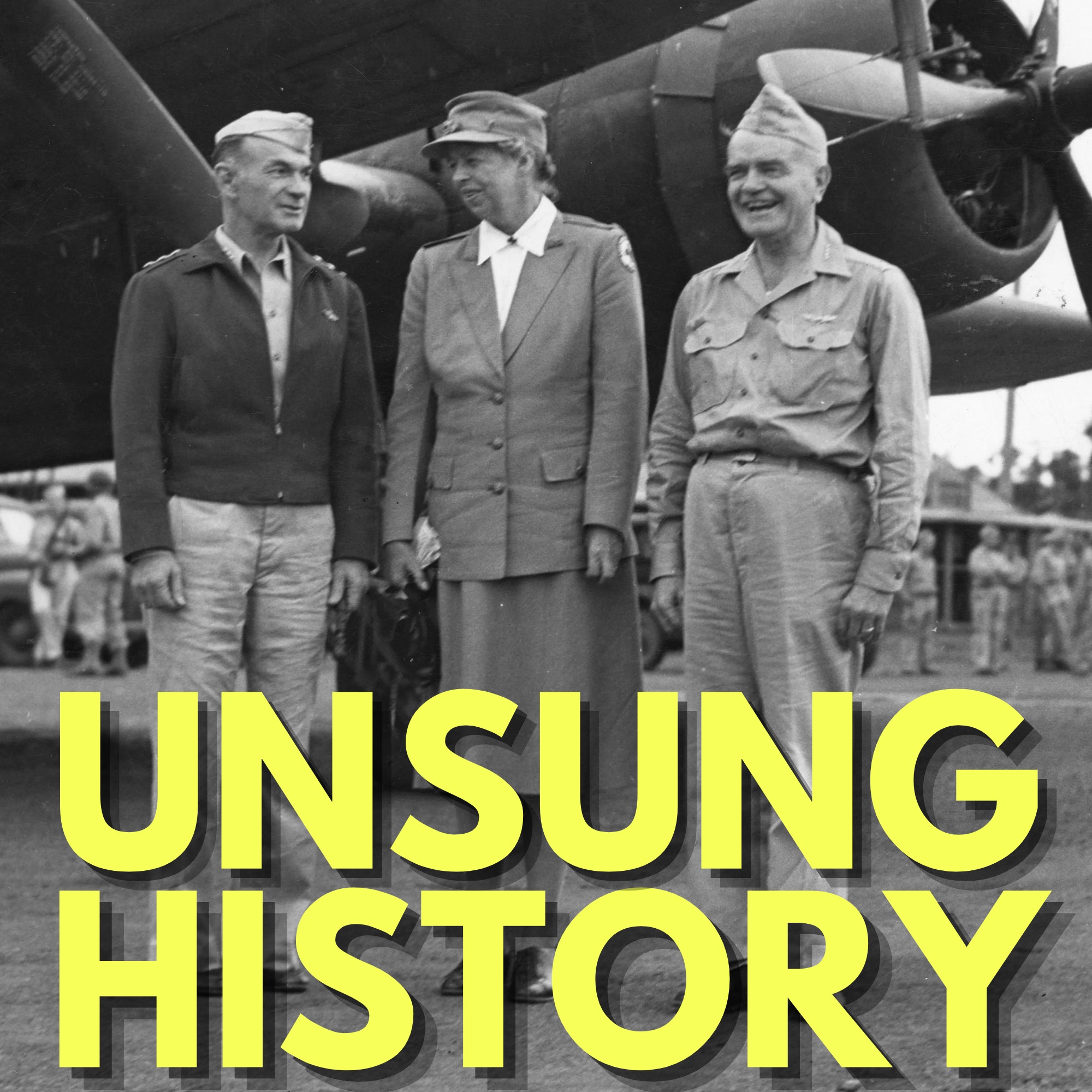
Eleanor Roosevelt's Visit to the Pacific Theatre during World War II
In August 1943, First Lady Eleanor Roosevelt set off in secrecy from San Francisco on a military transport plane, flying across the Pacific Ocean. It wasn’t until she showed up in New Zealand 10 days later that the public learned about her trip, a mission to the frontlines of the Pacific Theater in World War II to serve as "the President's eyes, ears and legs." Eleanor returned to New York five weeks and nearly 26,000 miles later, having seen an estimated 400,000 troops on her trip and producing...
Guest: Shannon McKenna Schmidt

125
Oct. 23, 2023
The History & the Present of the Northern Cheyenne Tribe
During the 19th Century, the Northern Cheyenne people made a number of treaties with the United States government, but the U.S. repeatedly failed to honor its end of the treaties. In November 1876, the U.S. Army, still fuming over their crushing defeat by the Lakota and Northern Cheyenne at the Battle of Little Bighorn, attacked a village of Northern Cheyenne, destroying 200 lodges and driving the survivors, including women and children, into the freezing cold with few supplies. When the weakene...
Guest: Gerry Robinson

124
Oct. 16, 2023
The Borinqueneers of the Korean War
In 1950, President Harry Truman ordered US troops to the Korean peninsula to help the South Koreans repel the invading North Korean People’s Army, which was supported by the communist regimes of the Soviet Union and China. One of the regiments shipped overseas to fight was the 65th Infantry Regiment, the Borinqueneers, made up of soldiers from Puerto Rico. In Korea, the Borinqueneers served heroically, despite harsh conditions and racist treatment. Joining me in this episode to help us learn ...
Guest: Talia Aikens-Nuñez
107
June 19, 2023
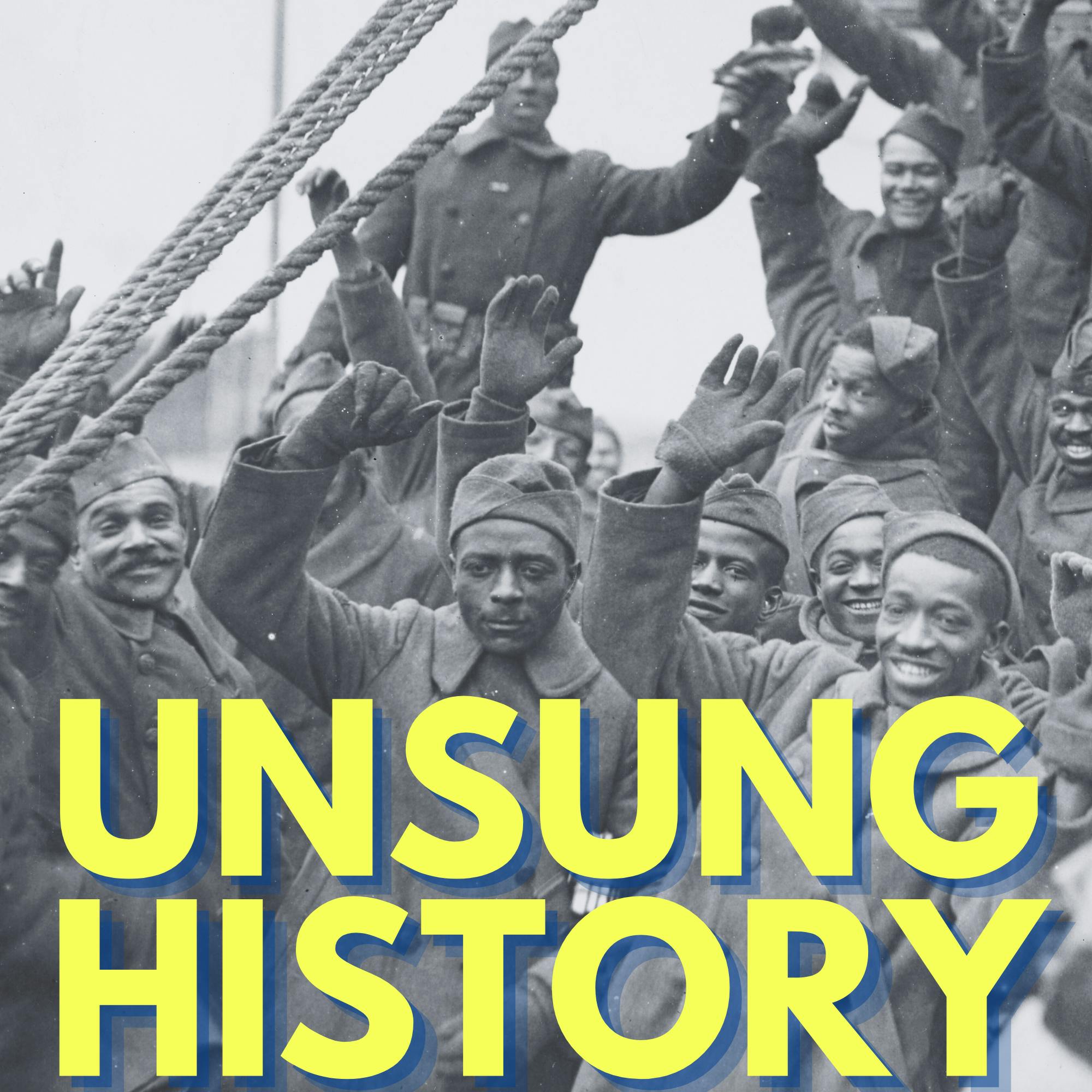
W. E. B. Du Bois & African American Contributions to World War I
Over 350,000 African American men joined the United States military during World War I, serving valiantly despite discrimination and slander. Historian and civil rights activist W. E. B. Du Bois had hoped that their patriotism would help them gain respect and equality, but after the war it was quickly evident that would not be the case. Du Bois spent the next several decades attempting to tell the full story of Black soldiers in the Great War, but despite a vast archive of materials entrusted to...
Guest: Chad L. Williams

105
June 5, 2023
Racial Conflict in the U.S. Army During the Vietnam War Era
In September 1969, African American journalist Wallace Terry reported on “another war being fought in Vietnam — between black and white Americans.” After the 1948 integration of the military, the U.S. Army had tried to be color blind, seeing not Black or white but just olive drab, but by 1970, the Deputy Chief of Staff for Personnel, Gen. Walter T. Kerwin, noted: “In the past year racial discord has surfaced as one of the most serious problems facing Army leadership.” So in the midst of fighting...
Guest: Beth Bailey

104
May 29, 2023
Black Soldiers & their Families in the Civil War
As soon as the first shots of the Civil War were fired at Fort Sumter, free Black men in the North rushed to enlist, but they were turned away, as President Lincoln worried that arming Black soldiers would lead to secession by the border states. With the 1863 Emancipation Proclamation and the dire need for more recruits to the Union Army, Black soldiers were formally welcomed into the armed forces, eventually comprising 10% of the Union Army. It wasn’t just the Black soldiers who fought and sacr...
Guest: Holly Pinheiro, Jr.
62
Aug. 8, 2022
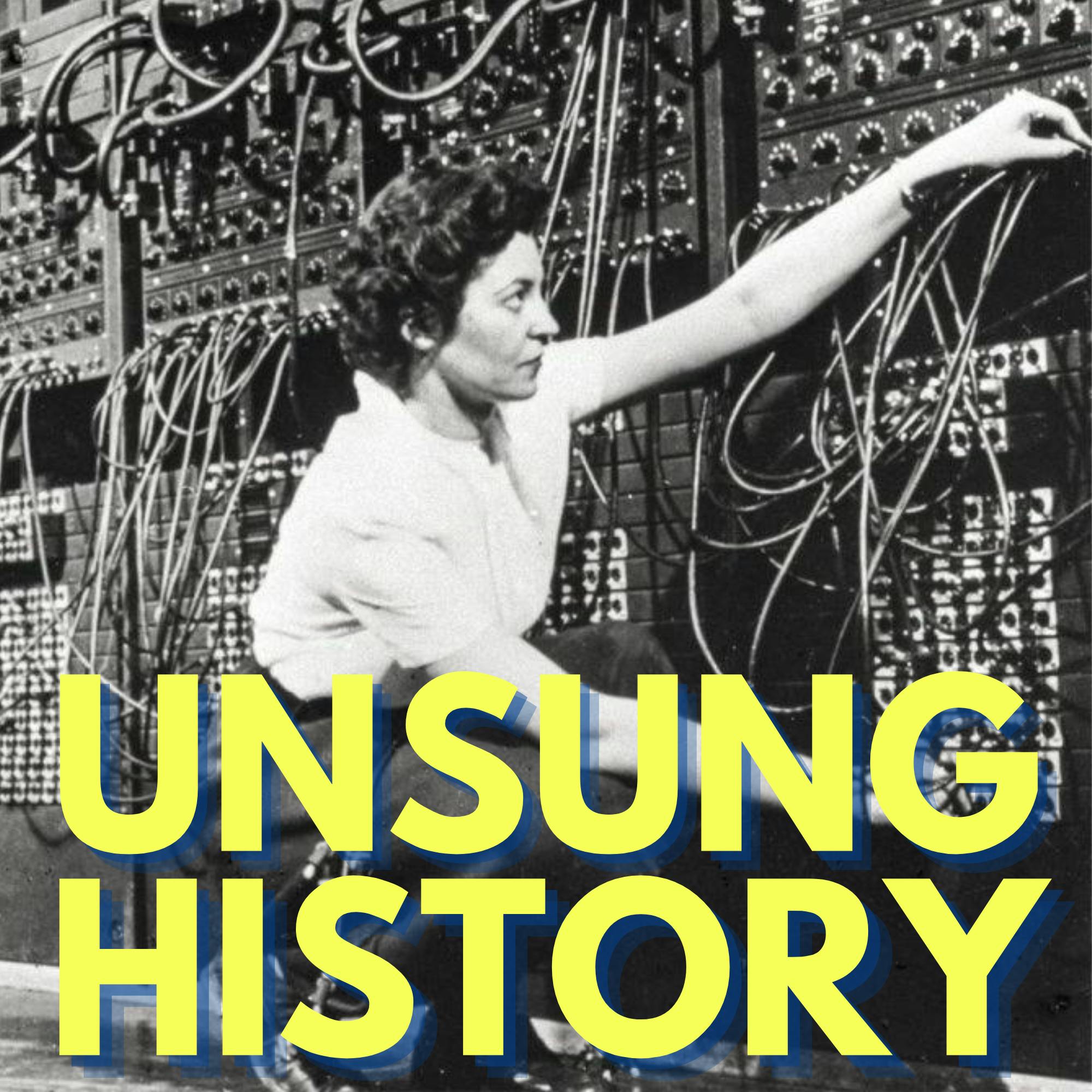
The Women who Programmed the ENIAC
During World War II, the United States Army contracted with a group of engineers at the University of Pennsylvania Moore School of Electrical Engineering to build the ENIAC, the world’s first programmable general-purpose electronic digital computer in order to more quickly calculate numbers for ballistics tables. Once the top-secret device was built, someone needed to figure out how to program the more than 17,000 vacuum tubes, 70,000 resistors, 10,000 capacitors, 6,000 switches, and 1,500 mecha...
Guest: Kathy Kleiman
37
Feb. 14, 2022
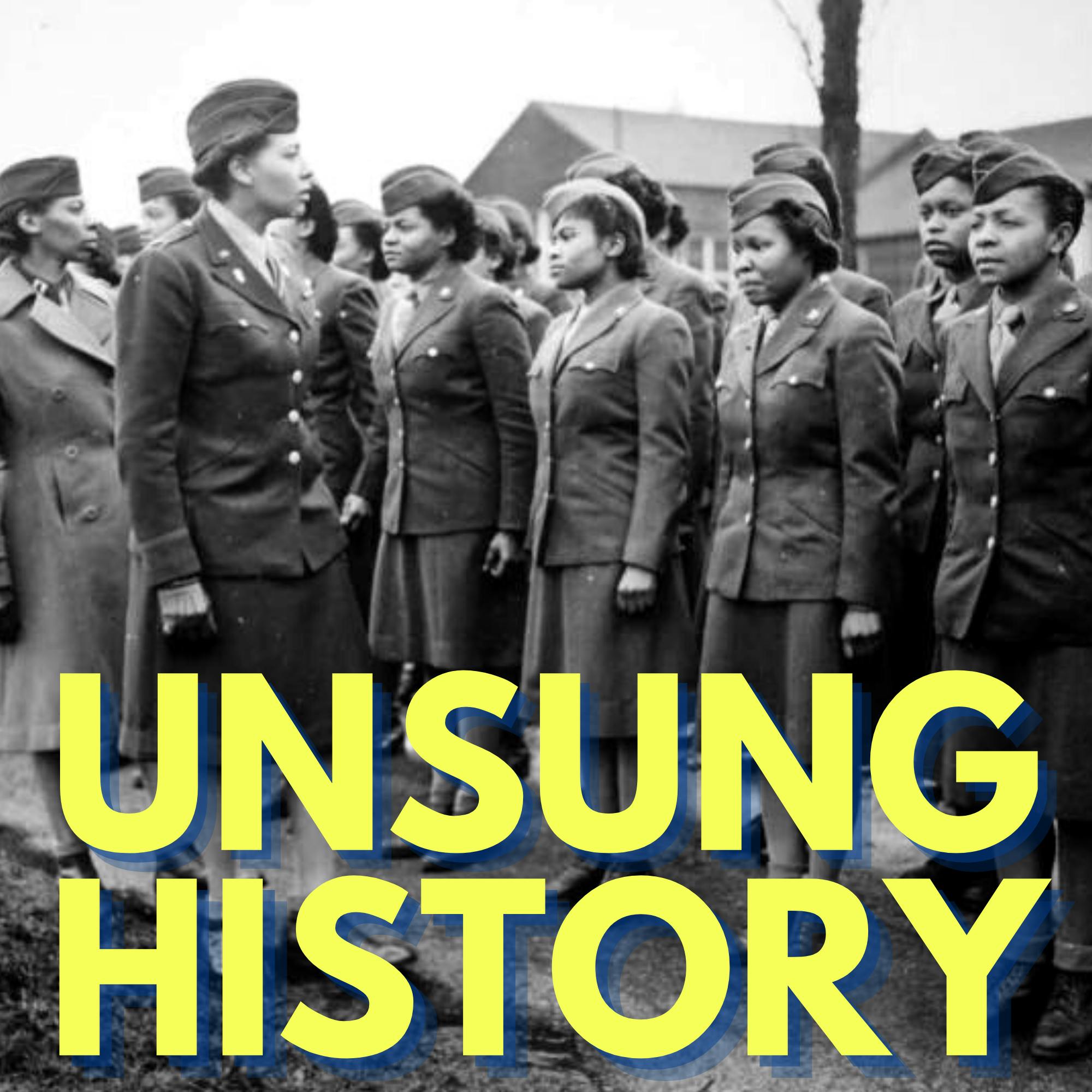
The 6888th Central Postal Directory Battalion
On February 14, 1945, after crossing the Atlantic Ocean and surviving a run-in with a Nazi U-Boat, the women of the 6888th Central Postal Directory Battalion disembarked the Île-de-France in Glasgow, Scotland. The task awaiting the only all-Black, all-female battalion overseas during World War II was daunting. There were airplane hangars filled with a backlog of millions of pieces of mail sitting in Birmingham, England, addressed from friends and family to service members stationed across Eur...
Guest: Kaia Alderson
29
Dec. 20, 2021
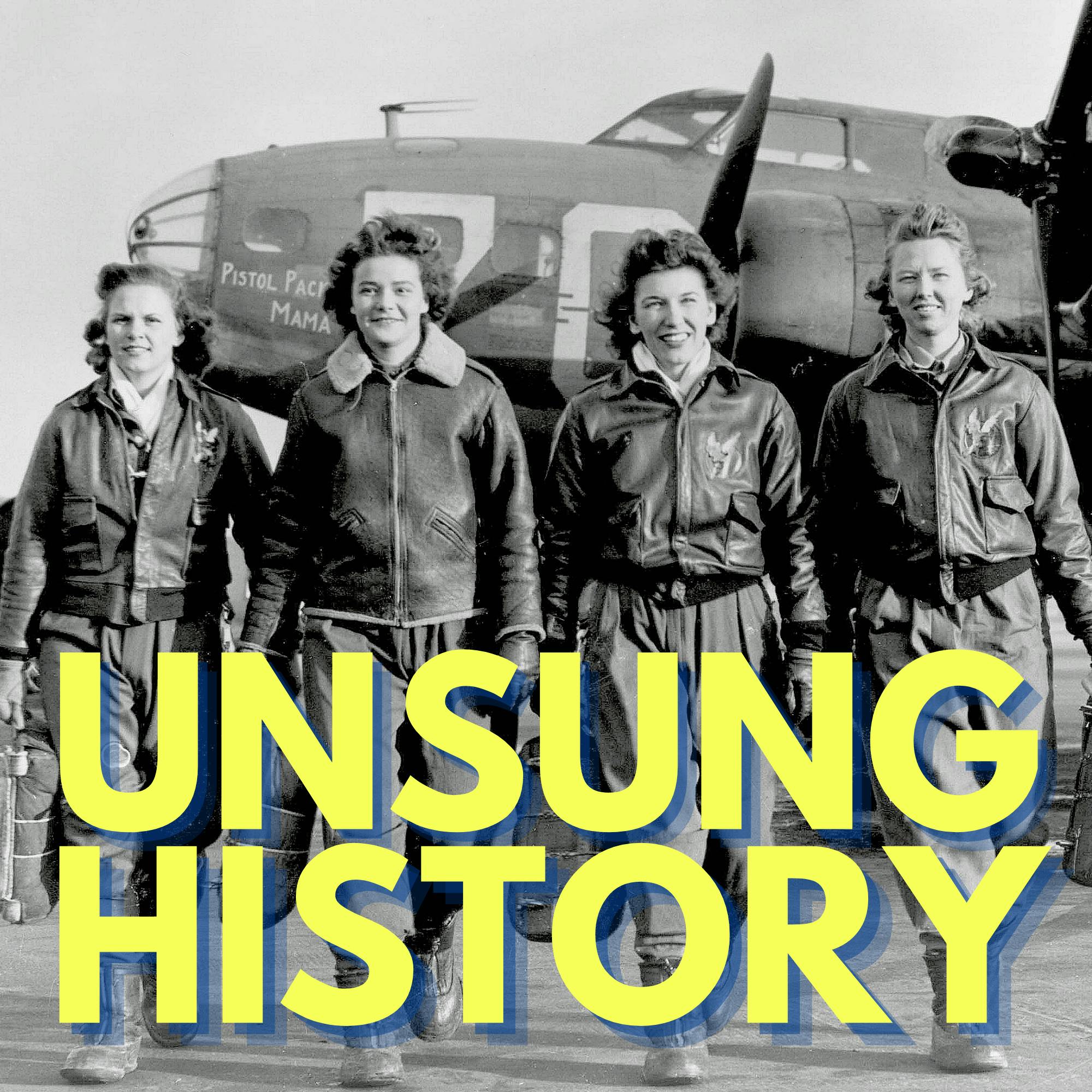
The Women Airforce Service Pilots of World War II
From September 1942 to December 1944, over 1000 American women served in the war effort as Women Airforce Service Pilots (WASP), flying 80% of all ferrying missions and delivering 12,652 aircraft of 78 types. They also transported cargo, test flew planes, demoed aircraft that the male pilots were scared to fly, simulated missions, and towed targets for live anti-aircraft artillery practice. The WASP did not fly in combat missions, but their work was dangerous, and 38 were killed in accidents. Ev...
Guest: Katherine Sharp Landdeck
26
Nov. 29, 2021
The Yakama War
In October 1805, the Yakama encountered the Lewis and Clark Expedition near the confluence of the Yakima and Columbia rivers. By fifty years later, so many European and American trappers, traders, and eventually, settlers, had arrived in the area, putting demands on the land and resources, that federal government officials called a council meeting with the local tribal nations to negotiate a treaty by which the native people would move on to reservations in exchange for federal benefits. The ...
Guest: Emily Washines
23
Nov. 8, 2021
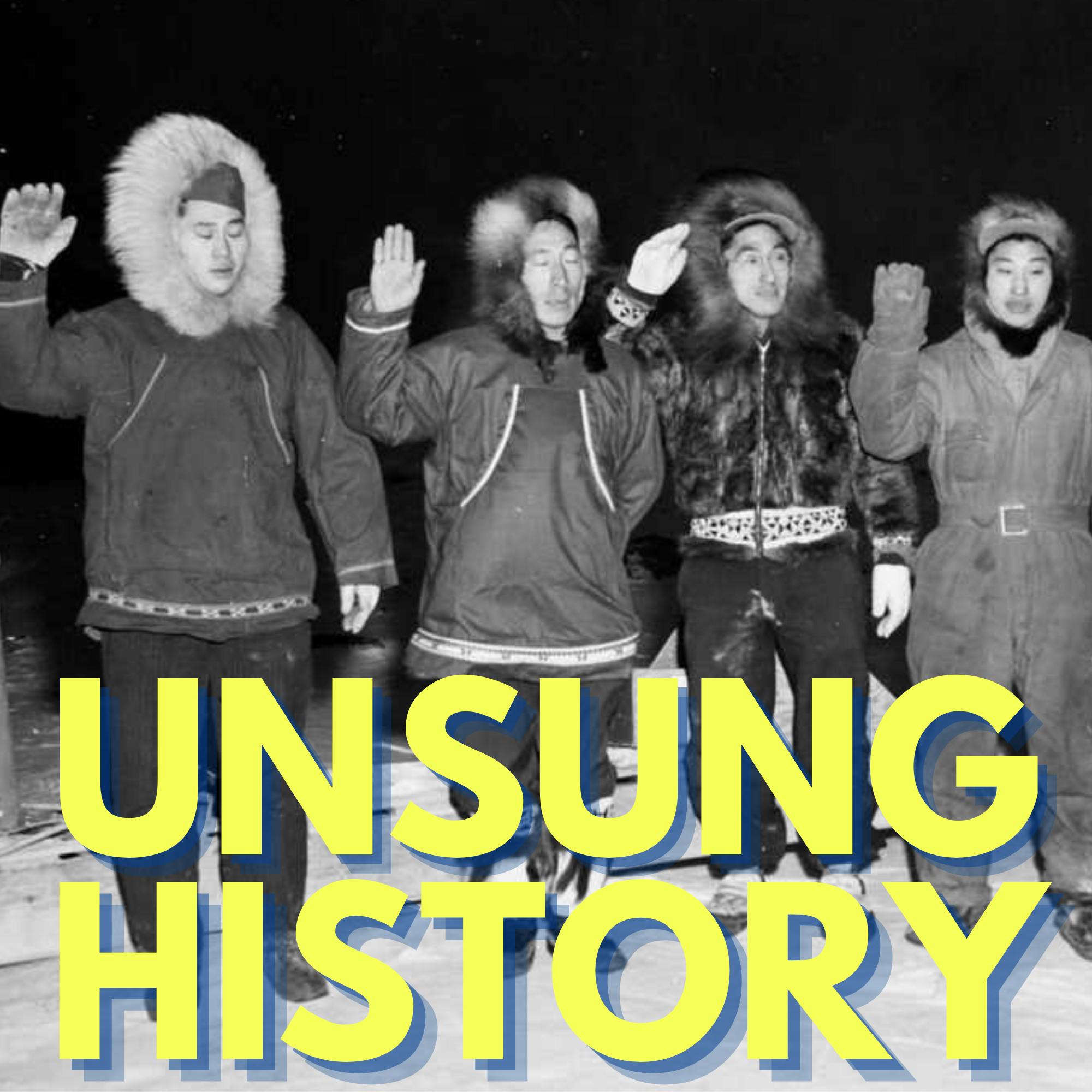
Alaska Territorial Guard in World War II
Prior to World War II, most of the US military deemed the territory of Alaska as militarily unimportant, to the point where the Alaska National Guard units were stationed instead in Washington state in August of 1941. That changed when the Japanese invaded and occupied two Alaskan islands in June of 1942. The US government responded first by evacuating Unangax̂ villagers and forcibly interning them in Southeast Alaska in facilities without plumbing or electricity for two years where many died...
Guest: Holly Guise

18
Oct. 4, 2021
Women in the U.S. Military during the Cold War
Nearly 350,000 American women served in the US military during World War II. Although the women in the military didn’t engage in combat their presence was vital to the American effort, in clerical work as well as in driving trucks, operating radios and telephones, repairing and flying planes, and of course, in nursing. Women’s active duty was a temporary wartime measure, but when the war ended, Secretary of Defense James Forrestal, Dwight D. Eisenhower, and General Omar Bradley, among others,...
Guest: Tanya Roth
1
June 7, 2021
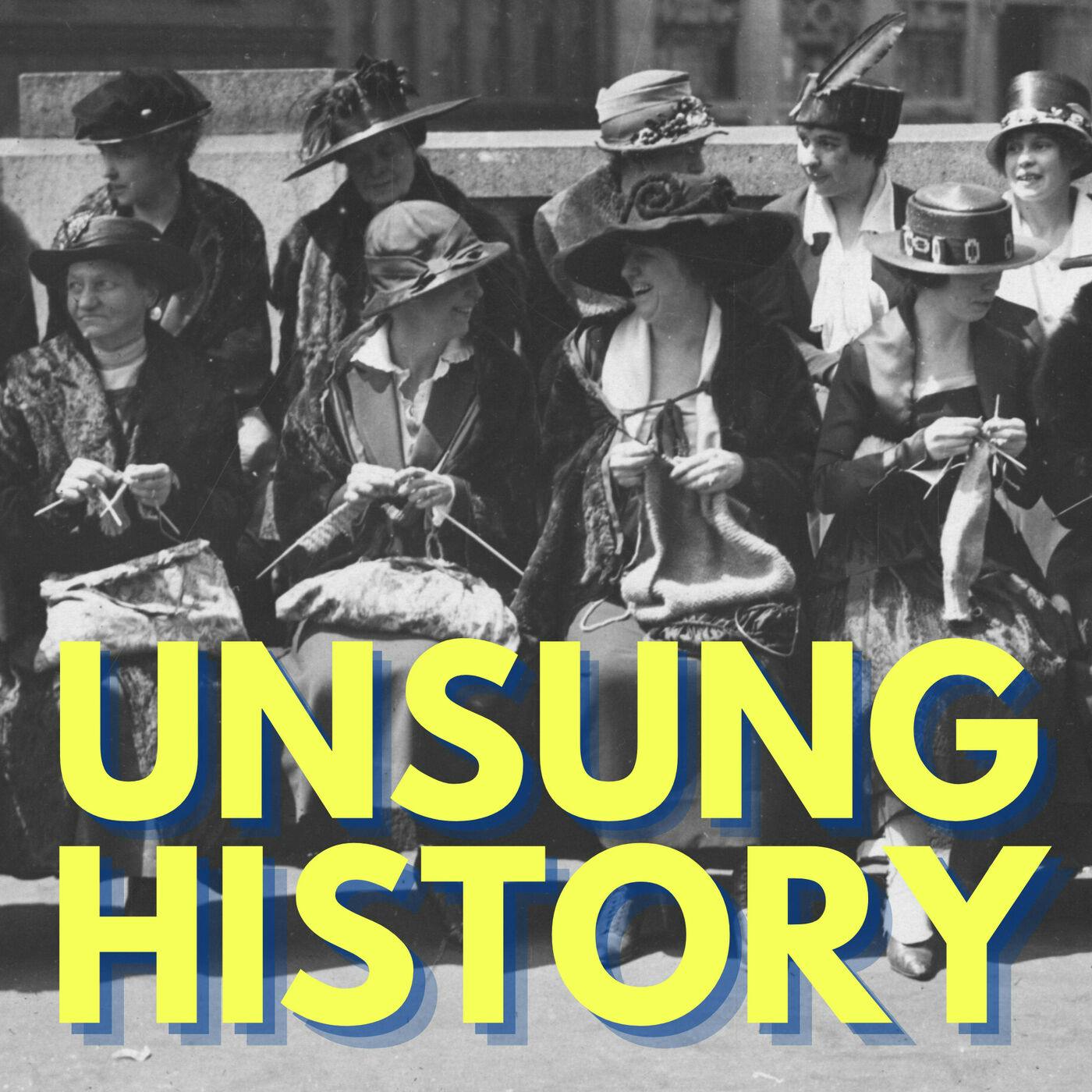
Knitting Brigades of World War I
Between America’s entry into World War I and the end of the war less than two years later, Americans knit 23 million articles of clothing and bandages for soldiers overseas, directed by the American Red Cross. How was this knitting organized? Who did the knitting? And why don’t more people know about this impressive feat? Kelly digs into the story of World War I knitting efforts and interviews Holly Korda, author of The Knitting Brigades of World War I: Volunteers for Victory in America and Abro...
Guest: Holly Korda