
Legal History Episodes
222
May 4, 2026
Policing Slavery & Black Rebellion in the American South
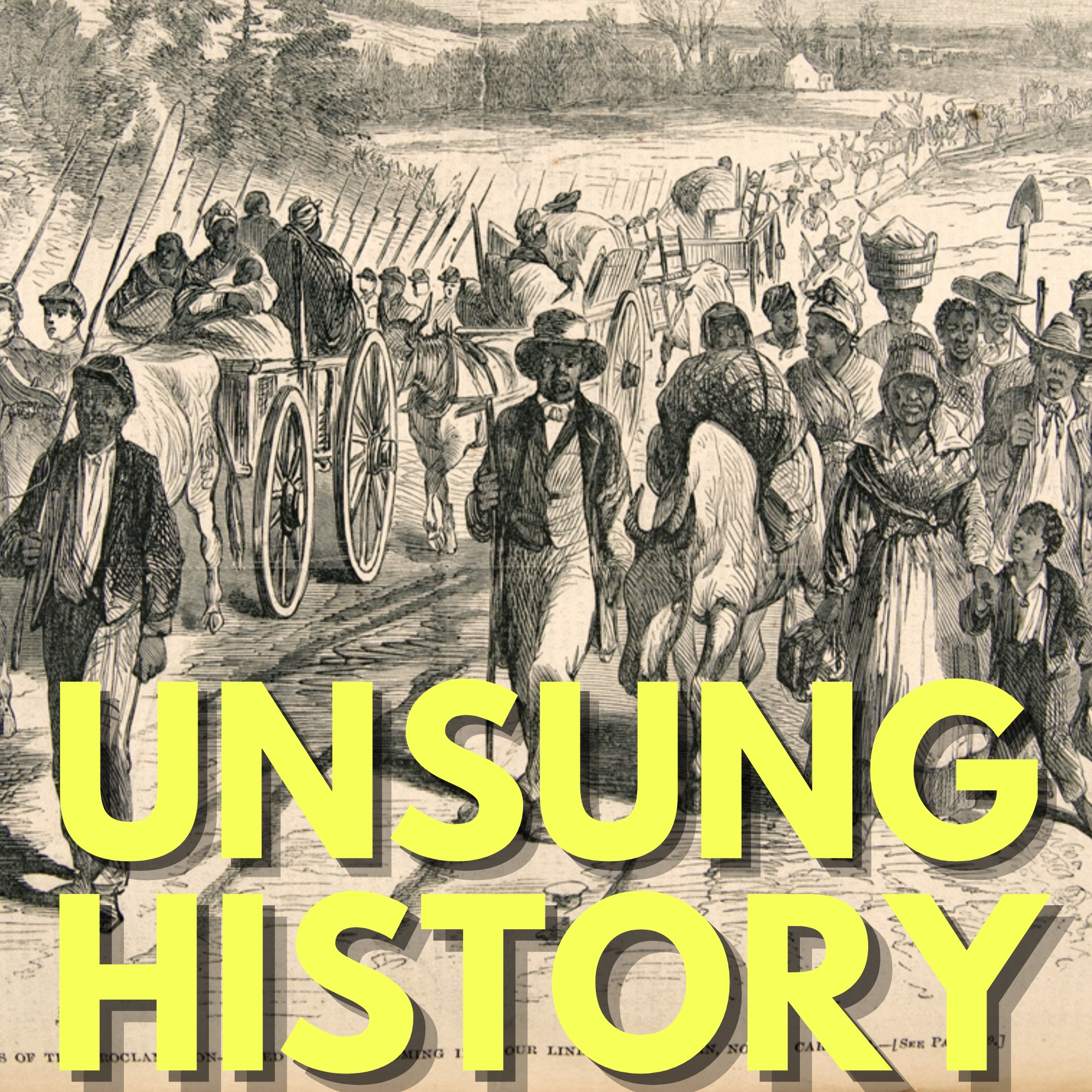
Enslaved Africans were forcibly shipped to Virginia starting in 1619 in response to a severe labor shortage. From the beginning, enslaved laborers resisted by fleeing and through violence, and white enslavers reacted by creating a racialized system of brutal policing, granting themselves authority based on skin color and a sense of superiority. Joining me in this episode is Dr. Gautham Rao, Associate Professor of History at American University in Washington, D.C., and author of White Power: Poli...
Guest: Gautham Rao
204
Aug. 25, 2025
Ideological Exclusion & Deportation
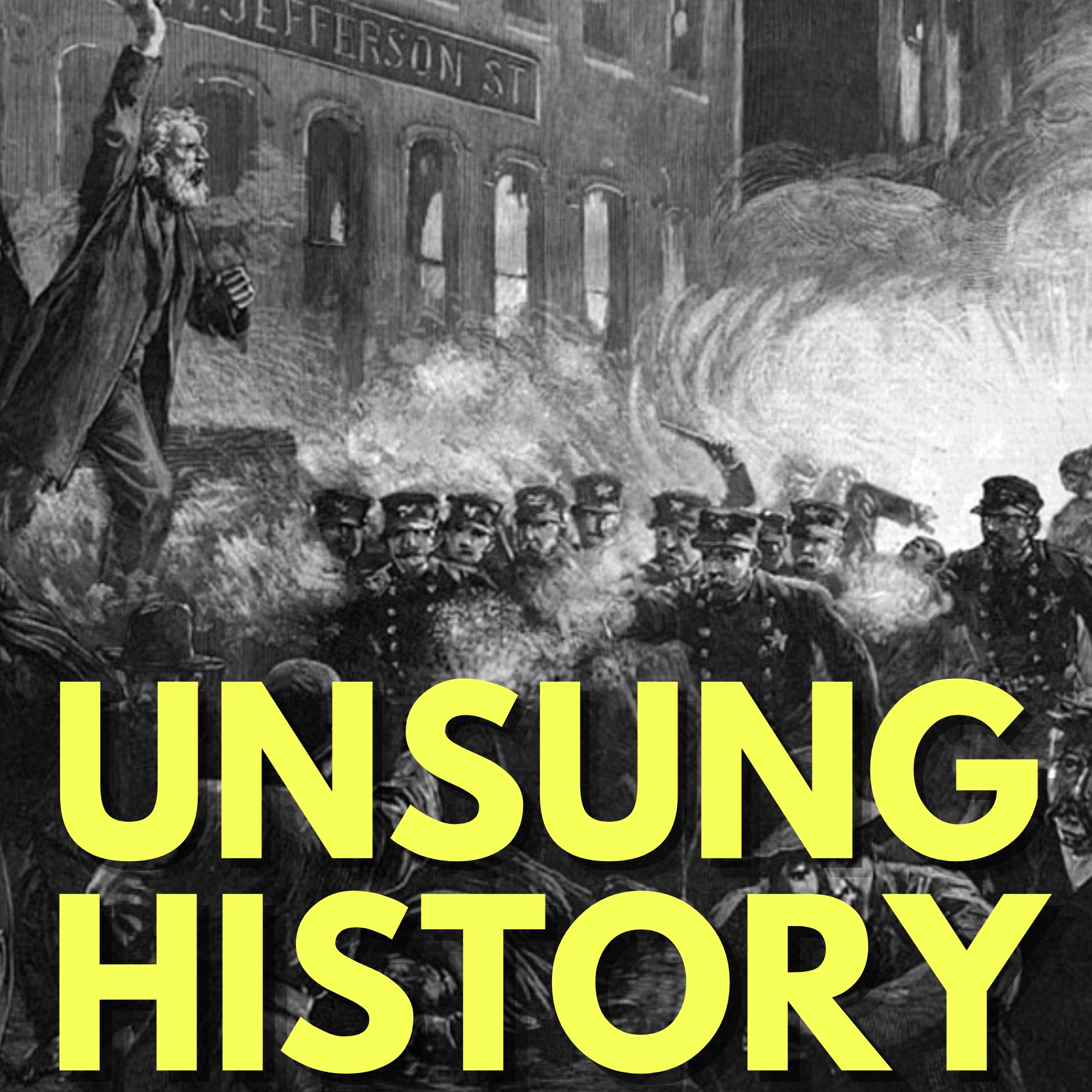
The First Amendment to the US Constitution says that Congress cannot make law abridging the freedom of speech, but by as early at 1798, Congress was restricting immigration to the country on the basis of the ideological beliefs of the people who wanted to immigrate. While the reasons for restrictions have changed over time, as has the mechanism by which they’re enforced, the basic principle continues to today. Joining me in this episode is Dr. Julia Rose Kraut, legal historian and author of Thre...
Guest: Julia Rose Kraut

130
Nov. 27, 2023
Black Civil Rights before the Civil Rights Movement
The beginning of the Civil Rights Movement is often dated to sometime in the middle of the 1950s, but the roots of it stretch back much further. The NAACP, which calls itself “the nation's largest and most widely recognized civil rights organization,” was founded near the beginning of the 20th Century, on February 12, 1909. As today’s guest demonstrates, though, Black Americans were exercising civil rights far earlier than that, in many cases even before the Civil War. Joining me in this epis...
Guest: Dylan C. Penningroth

106
June 12, 2023
The Internment of Japanese Americans during World War II & the Role of Attorneys at the Relocation Centers
During World War II, over 120,000 Japanese Americans, most of whom were US citizens, were forcibly removed from their homes in California, Washington, and Oregon, and imprisoned in relocation centers, small towns surrounded by barbed wire and armed guards. The War Relocation Authority, the government agency created by FDR that oversaw the mass relocation and internment, appointed a project attorney for each of the 10 camps. These white attorneys served the conflicted position of both advising th...
Guest: Eric L. Muller

102
May 15, 2023
The Diversity Visa Lottery
In the 1980s undocumented Irish immigrants convinced United States lawmakers to create a program that would provide a path to citizenship for individuals without family connections in the United States. That program eventually became the Diversity Visa Lottery, established as part of the Immigration Act of 1990. Despite the program’s roots in demand from Irish immigrants, the majority of the recipients of diversity visas have been awarded to immigrants from Africa, with more than 480,000 individ...
Guest: Carly Goodman
101
May 8, 2023
Women & the Law in Revolutionary America
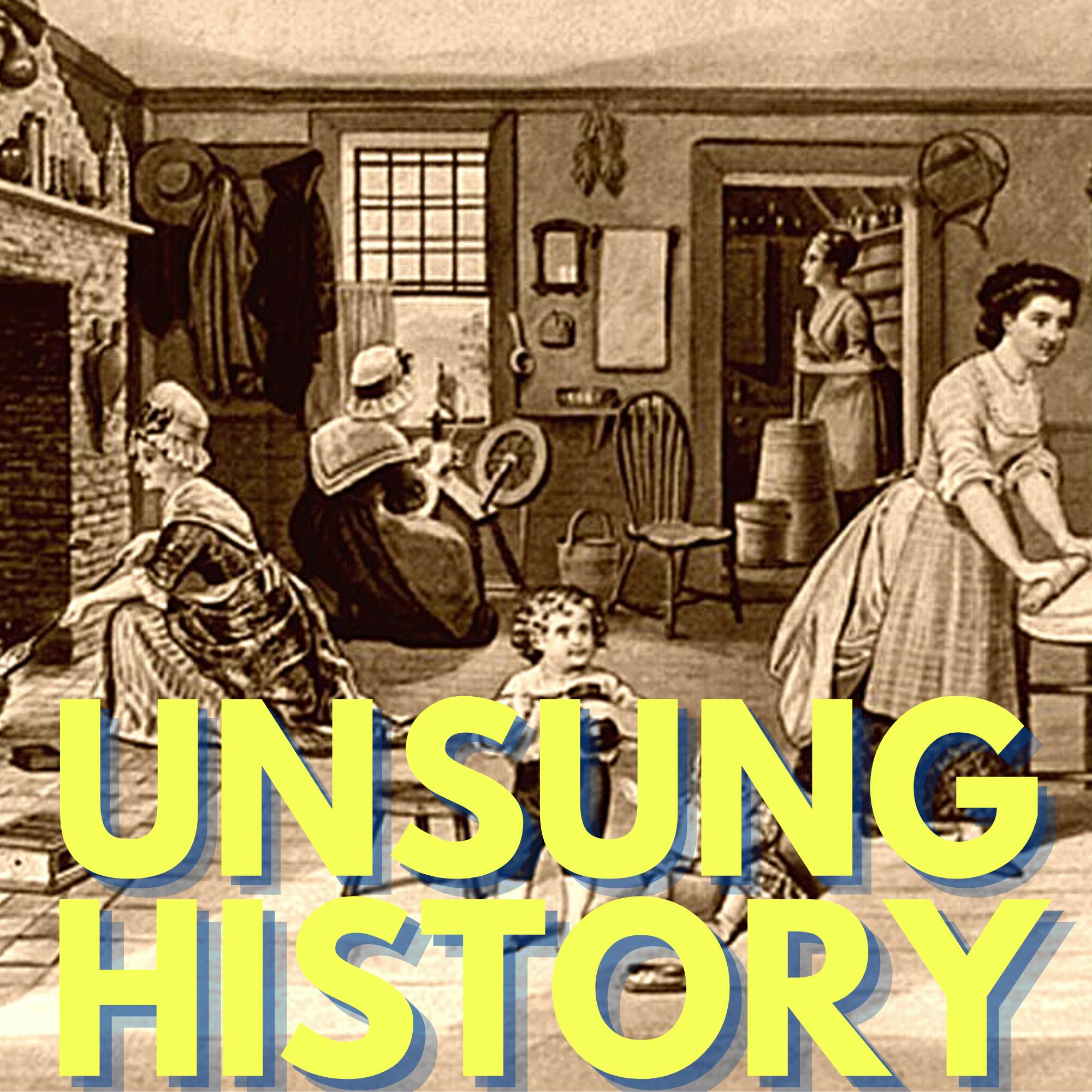
Despite a plea from Abigail Adams to her husband to “Remember the Ladies,” women, especially married women, didn’t have many legal rights in the Early Republic. Even so, women used existing legal structures to advocate for themselves and their children, leaning on their dependent status and the obligations of their husbands and the state to provide for them. I’m joined this week by Dr. Jacqueline Beatty, Assistant Professor of History at York College of Pennsylvania, and author of In Depend...
Guest: Jacqueline Beatty
67
Sept. 12, 2022
Abortion in 18th Century New England
In 1742, in Pomfret, Connecticut, 19-year-old Sarah Grosvenor discovered she was pregnant, the result of a liaison with 27-year-old Amasa Sessions. Instead of marrying Sarah, Amasa provided her with a physician-prescribed abortifacient, what the youth of Pomfret called “taking the trade." When that didn’t work to end the pregnancy, the physician attempted a manual abortion, which led to Sarah’s death. Three years later, the physician was tried for “highhanded Misdemeanour." The surviving trial d...
Guest: Cornelia H. Dayton

60
July 25, 2022
The Townsend Family Legacy
When Alabama plantation owner Samuel Townsend died in 1856, he willed his vast fortune to his children and his nieces. What seems like an ordinary bequest was anything but, since Townsend’s children and nieces were his enslaved property. Townsend, who knew the will would be challenged in court, left nothing to chance, hiring the best lawyer he could find to ensure that his legatees received both their freedom and the resources they would need to survive in a country that was often hostile to fre...
Guest: R. Isabela Morales

59
July 18, 2022
The Unusual Codicil in Benjamin Franklin's Will
When Benjamin Franklin died in April 1790, his last will contained an unusual codicil, leaving 1000 pounds sterling each to Philadelphia and Boston, to be used in a very specific way that he hoped would both help tradesmen in the two cities and eventually leave the cities, and their respective states, with fortunes to spend on public works 200 years later. At a moment when it wasn’t clear whether the United States would survive at all, Franklin made a gamble on the American spirit. To learn m...
Guest: Michael Meyer
17
Sept. 27, 2021
Freedom Suits in Maryland & DC, 1790-1864
Slavery was legal in Maryland until November 1, 1864, when a new state constitution prohibited the practice of slavery. Lincoln’s Emancipation Proclamation the year before had declared slaves in the Confederate states to be free, but Maryland was in the union and not included in the proclamation. From the late 18th Century until the Civil War, enslaved families in Prince George’s County, Maryland, brought over a thousand legal suits against hundreds of slaveholding families, arguing for their fr...
Guest: William G. Thomas III