
Labor History Episodes

190
Jan. 20, 2025
The Panama Canal
The completion of the Panama Canal in 1914 positioned the United States as a global power, but the U.S. didn’t complete the feat single-handedly. It required land from Panama, equipment and information from the failed earlier effort by the French, and, importantly, tens of thousands of laborers from around the Caribbean. Decades later the Panamanians finally gained control of the canal zone and then the canal itself, but the labor – and sacrifice – of the Afro-Caribbean workers still deserves gr...
Guest: Julie Greene

183
Dec. 2, 2024
The Women who Entered the Federal Workforce during the Civil War Era
As the federal workforce grew during the Civil War, department heads began employing women, without any explicit authorization from Congress that they could do so. When Congress finally acknowledged the employment of women in federal departments in 1864, it set their salary at $600 a year, half of what the lowest-paid men clerks were making. Surprisingly, though, a few years later Congress debated – and nearly passed – a resolution requiring equal pay for women employed by the federal government...
Guest: Jessica Ziparo McHugh

182
Nov. 25, 2024
The Northern Manufacturers of Southern Plantation Goods
Plantation owners in the Southern United States regularly furnished their enslaved workers with goods – clothing, shoes, axes, and shovels, that had been manufactured in the North. Many Northern manufacturers specifically targeted the Southern plantation market, enticed by the prospect of selling cheap goods on a regular schedule. While in some cases the Northern manufacturers supported surprising politics – joining the Republican Party and donating to Abolitionist causes – they had no qualms ab...
Guest: Seth Rockman
160
June 24, 2024
The Auburn Prison System & the Case of William Freeman
In 1817, the second state prison in New York opened in Auburn, situated on a fast-flowing river so waterpower could be used to run machinery in the factories that would be housed in the prison. In a new practice of incarceration that would come to be known as the Auburn System, the prisoners labored in silence during the day for the profit of the prison, stayed in solitary confinement every night, and lived under the constant threat of brutal violence from the guards. One prisoner, a man named W...
Guest: Robin Bernstein
159
June 17, 2024
Quilting & the New Deal
As part of the Works Progress Administration (WPA), so-called “unskilled” women were put to work in over 10,000 sewing rooms across the country, producing both garments and home goods for people in need. Those home goods included quilts, sometimes quickly-made utilitarian bedcoverings, but also artistic quilts worthy of exhibition. Quilts were featured in other New Deal Projects, too, like the WPA Handicraft Projects, part of the Women’s and Professional Projects Division. Throughout the Great D...
Guest: Janneken Smucker

114
Aug. 7, 2023
Anna Rosenberg
When Anna Rosenberg Hoffman died in 1983, the New York Times called her “one of the most influential women in the country's public affairs for a quarter of a century.” A skilled labor mediator and advisor to four U.S. presidents, Rosenberg, a Jewish immigrant from Hungary, stood up to Senator Joe McCarthy and was confirmed by the Senate as Assistant Secretary of Defense in 1950, making her the then-highest ranking woman in the history of the Department of Defense. It was only one of many firsts ...
Guest: Christopher C. Gorham
113
July 31, 2023
Pullman Porters & the History of the Black Working Class
In the early 20th century, career options for Black workers were limited, and the jobs often came with low pay and poor conditions. Ironically, because they were concentrated in certain jobs, Black workers sometimes monopolized those jobs and had collective power to demand better conditions and higher pay. The Pullman Company, founded in 1862, hired only Black men to serve as porters on Pullman cars, since George M. Pullman thought that formerly enslaved men would know how to be good, invisible ...
Guest: Blair LM Kelley
79
Dec. 5, 2022
The Rise of the Labor Movement & Employer Resistance in the Late 19th Century
After the Civil War, the simultaneous shift in the labor economy of the Southern United States and the second industrial revolution led to a growing interest in labor organizing. Newly formed labor organizations led a combined 23,000 strikes between 1881 and 1900. Employers noticed, and fought back, sometimes literally, employing Pinkerton agents to break strikes, rounding up and imprisoning or deporting union employees, and using various forms of intimidation against workers. Joining me to h...
Guest: Chad Pearson
72
Oct. 17, 2022
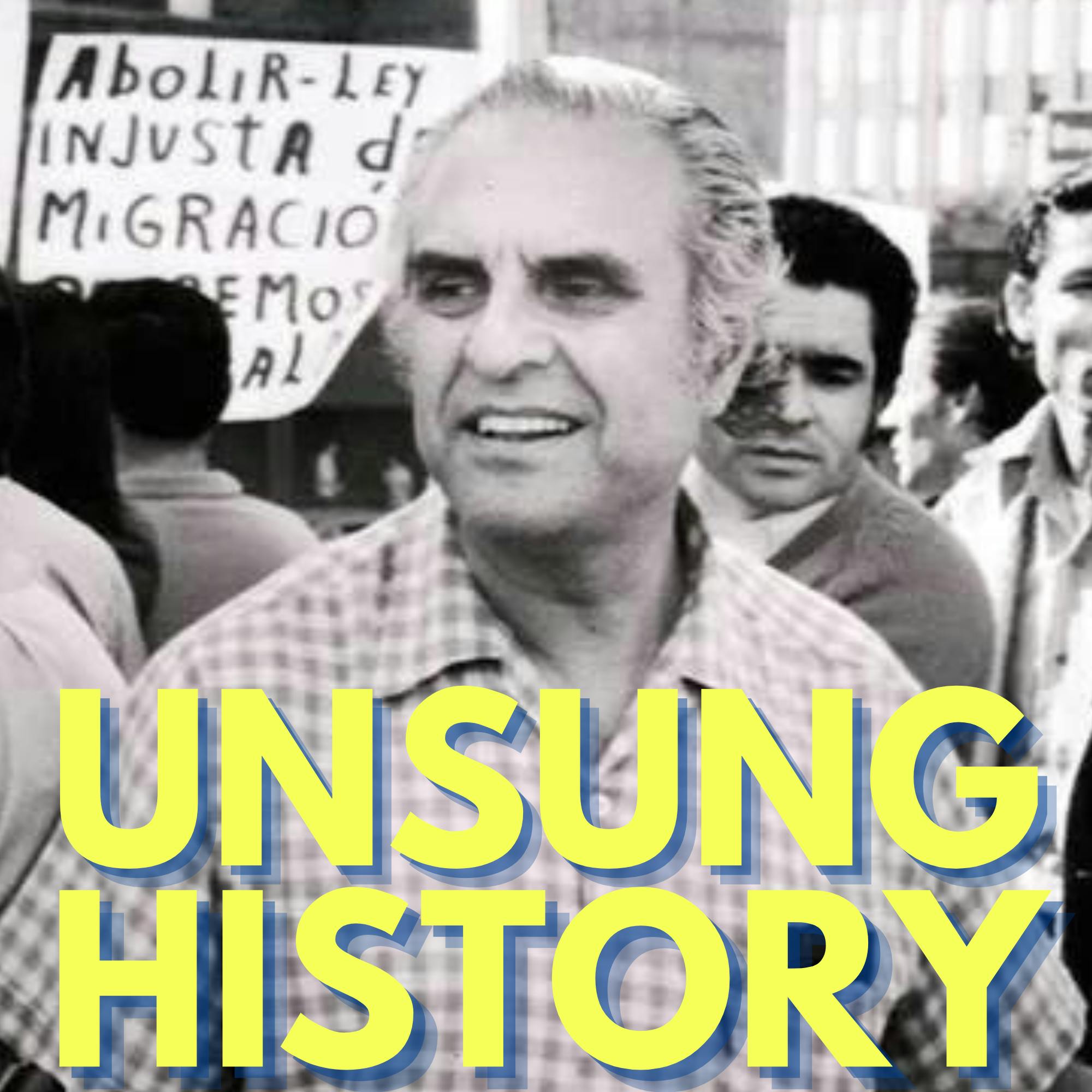
Bert Corona
Labor leader and immigrant rights activist Bert Corona viewed Mexican Americans and Mexican immigrants in the United States, both with and without documentation, as one people without borders, and he understood that their struggles were connected. While other Mexican American labor leaders were campaigning against undocumented workers, Corona fought to shift the opinions of Mexican Americans toward support for the undocumented and helped create a pro-immigrant consciousness among Latinos in the ...
Guest: Eladio B. Bobadilla
32
Jan. 10, 2022
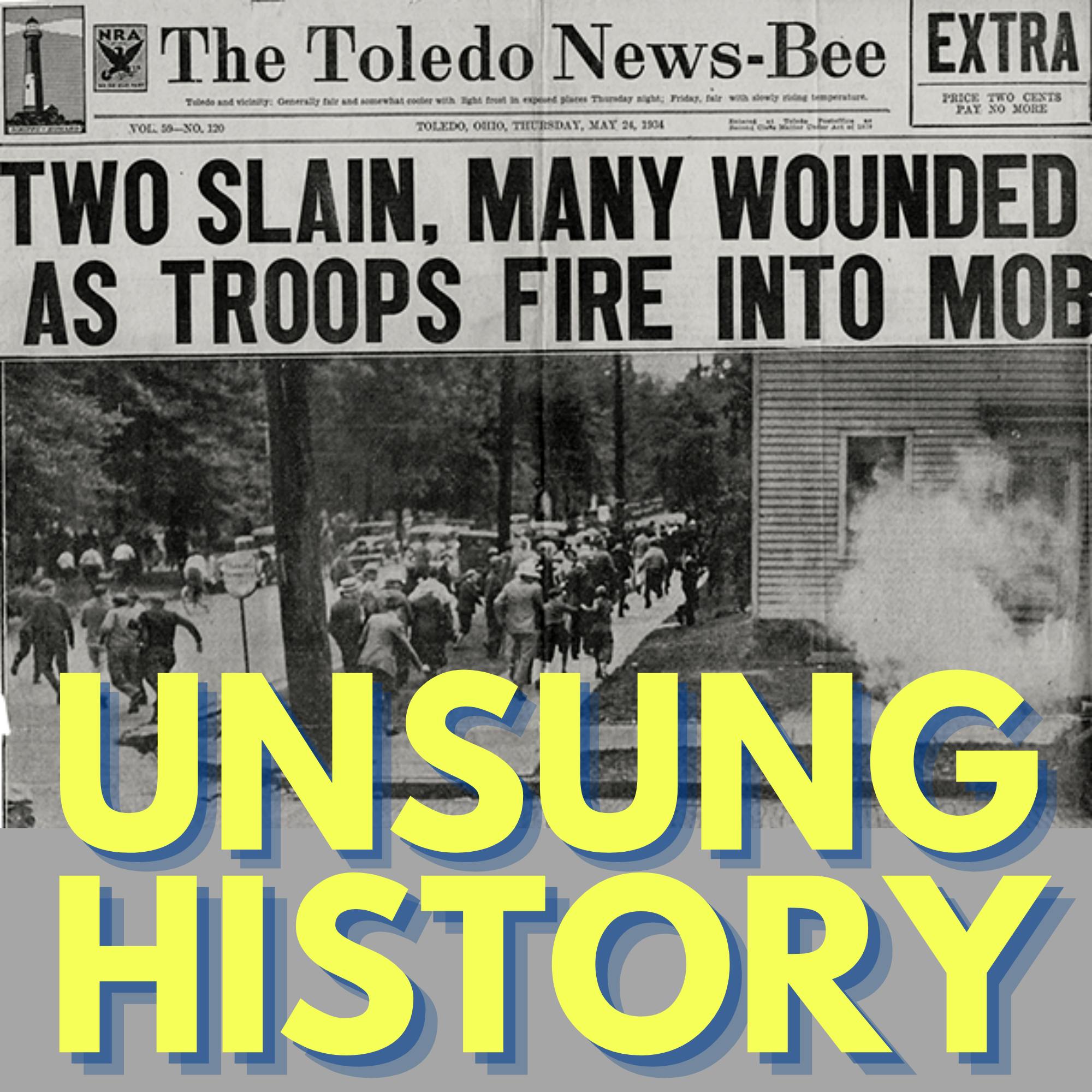
The 1934 Toledo Auto-Lite Strike
In February, 1934, in the midst of the Great Depression, a small group of unionized workers at the Electric Auto-Lite company of Toledo, Ohio, went on strike. When management failed to sign a promised contract by the April 1 deadline, more workers went on strike. And this time they had help from the Unemployed League. What started as a small walkout turned into a massive demonstration by 10,000 strikers, and a battle with the Ohio National Guard, and is now regarded as one of the most important ...
Guest: Bradley J. Sommer
14
Sept. 6, 2021
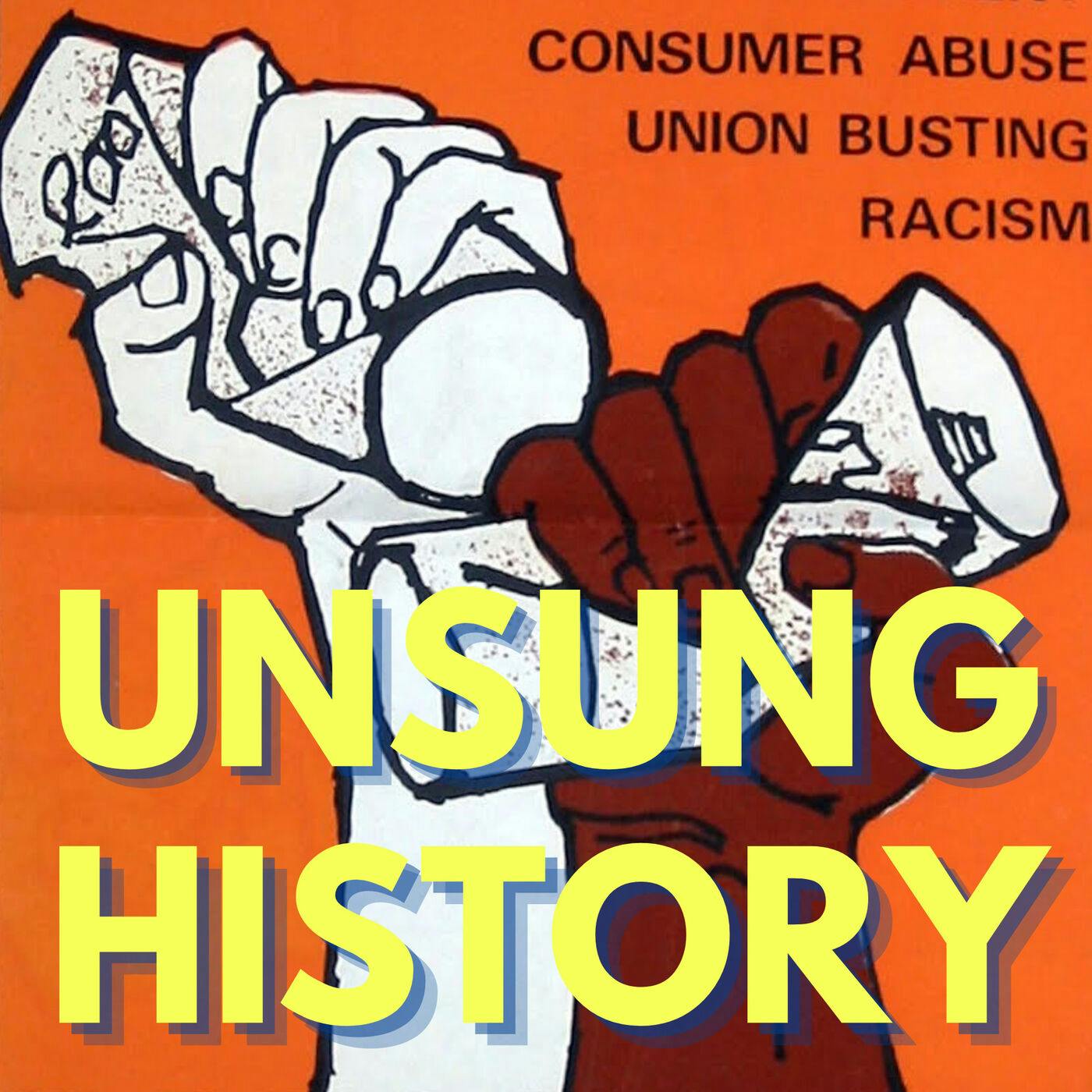
The Coors Boycott
In the mid-1960s, to protest discriminatory hiring practices, Chicano groups in Colorado called for a boycott of the Coors Brewing Company, launching what would become a decades-long boycott that brought together a coalition of activists that would include not just Chicano and Latino groups, but also African American groups, union organizers, LGBT activists, students, environmentalists and feminists. These groups had a variety of motivations for their involvement in the boycott and varied suc...
Guest: Allyson Brantley