
Native American History Episodes
221
April 20, 2026
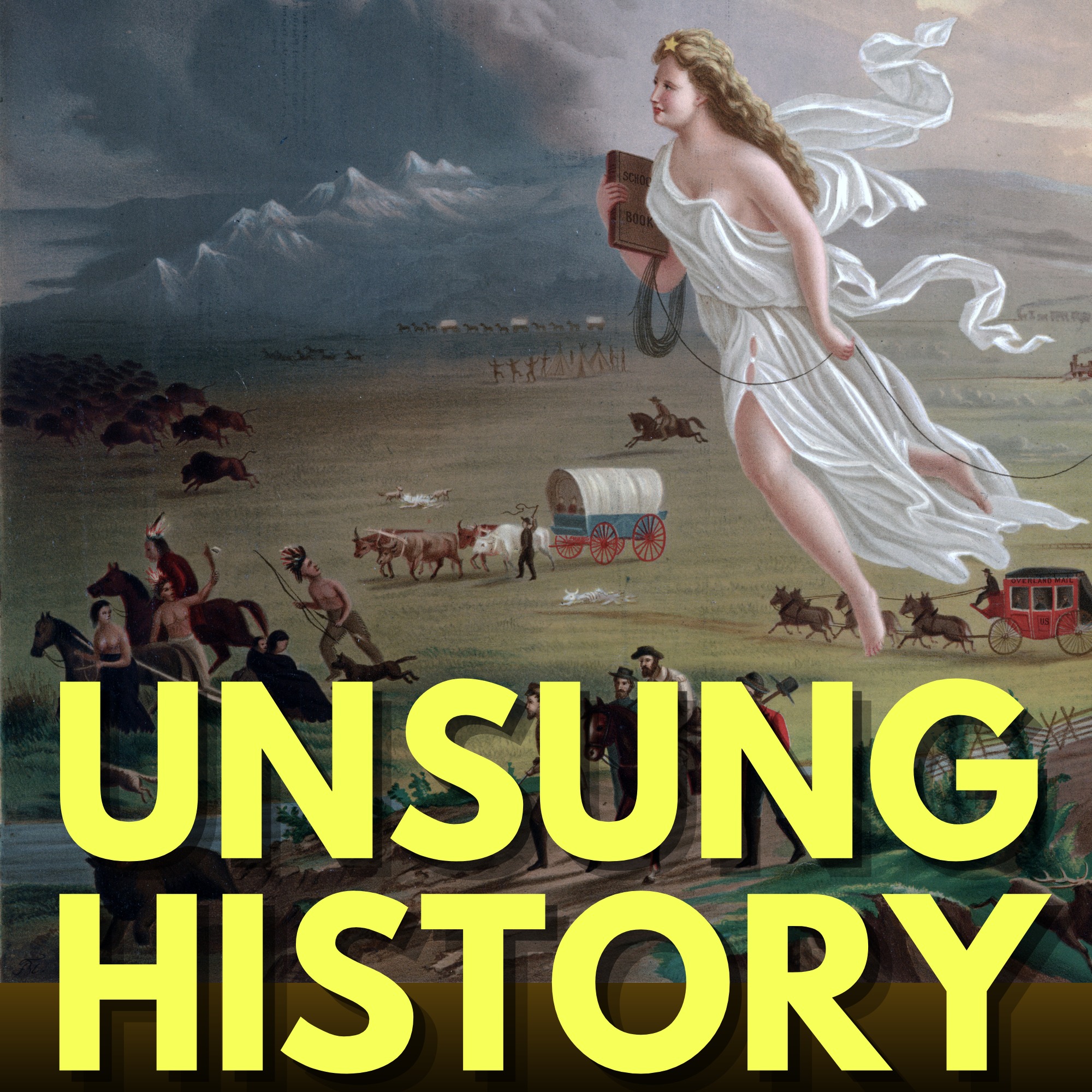
The Frontier Myth and the People of the Western United States
In 1893, historian Frederick Jackson Turner advanced his now-famous Frontier Theory, arguing that the American identity was forged through the process of exploring and adapting to new environments in the frontier west. Key to both Turner’s theory and the myth of the frontier that pre-dated it was the idea that brave white American men conquered a previously empty land through their grit in a relentless march west, but the land was populated long before white Americans arrived, and the people who...
Guest: Megan Kate Nelson

192
Feb. 3, 2025
Land Displacement & the Agua Caliente Band of Cahuilla Indians
Thousands of years ago, a band of Cahuilla Indians migrated south into the Coachella Valley, calling the area Séc-he, meaning boiling water. The Mexicans translated this as agua caliente (hot water), which is the name still used today. As the United States extended its territory into California, the Agua Caliente were forced onto a reservation, and then, as the Southern Pacific Railroad was granted land in the region, the reservation was carved up into a checkerboard pattern. It took decades of ...
Guest: Michael Albertus
129
Nov. 20, 2023
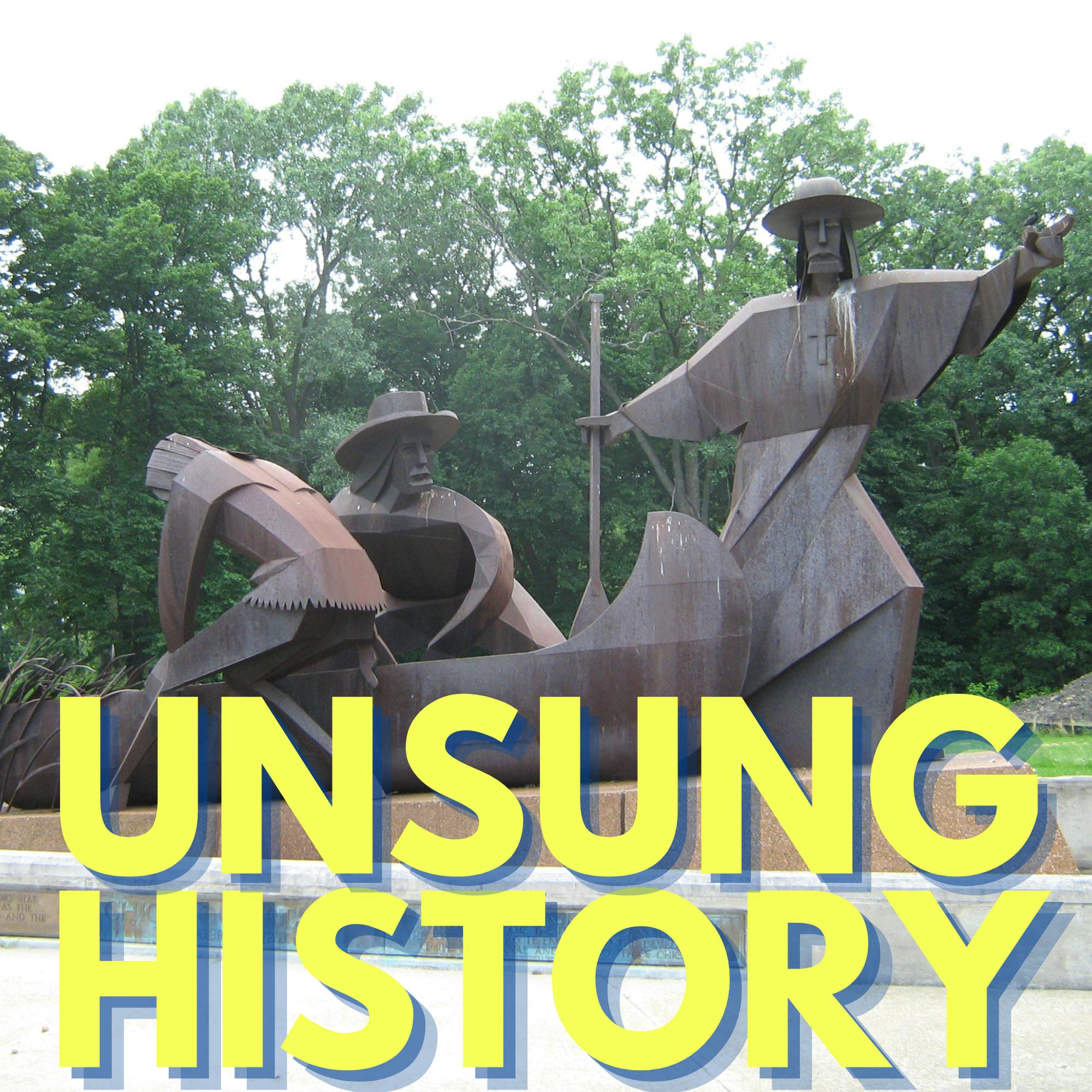
The Long History of the Chicago Portage
When Europeans arrived in the Great Lakes region, they learned from the Indigenous people living there of a route from Canada to the Gulf of Mexico, made possible by a portage connecting the Chicago River and the Des Plaines River. That portage, sometimes called Mud Lake, provided both opportunity and challenge to European powers who struggled to use European naval technology in a region better suited to Indigenous birchbark canoes. In the early 19th century, however, the Americans remade the re...
Guest: John William Nelson
128
Nov. 13, 2023
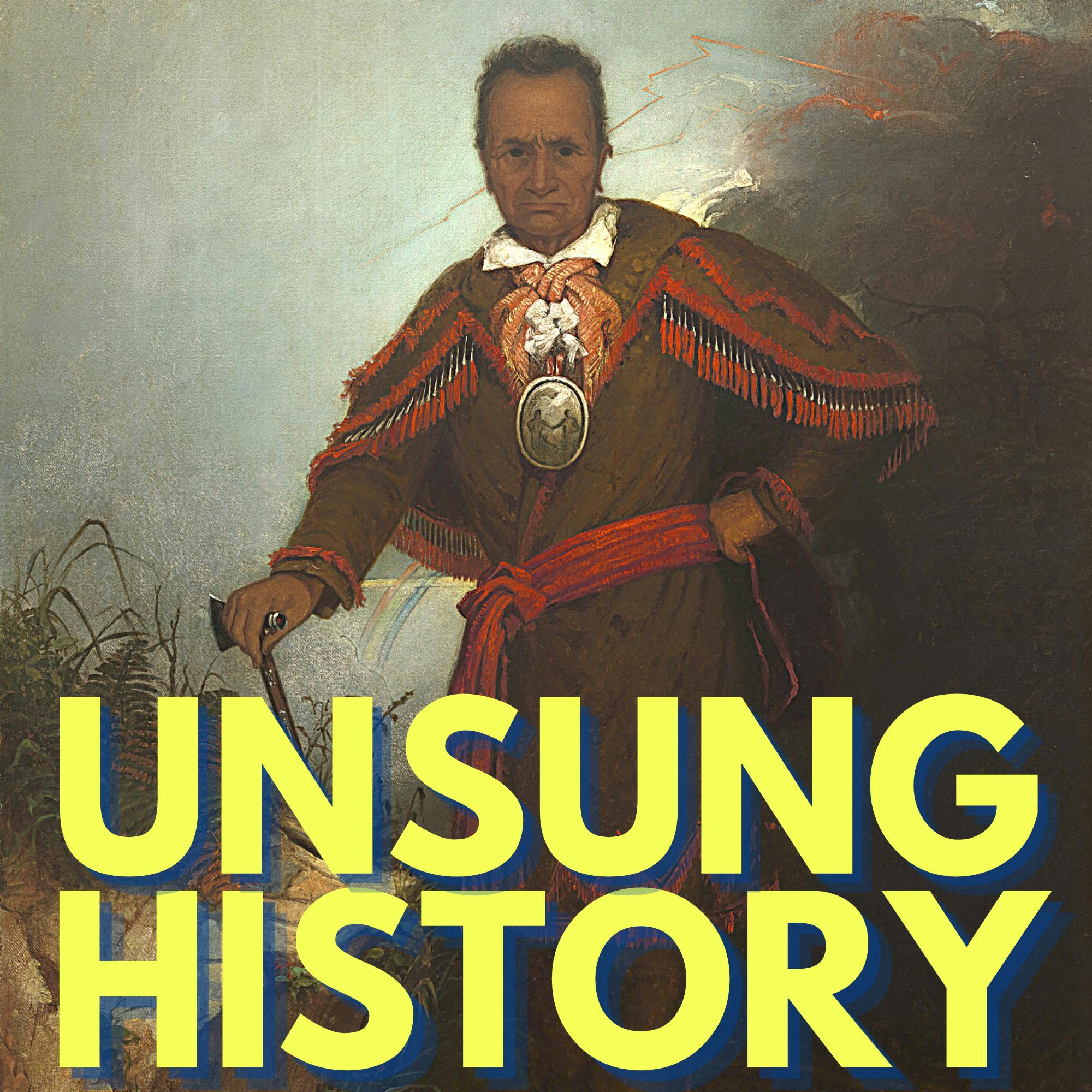
The Haudenosaunee Confederacy
Before Europeans landed in North America, five Indigenous nations around what would become New York State came together to form the Haudenosaunee Confederacy. When the Europeans arrived, the French called them the Iroquois Confederacy, and the English called them the League of Five Nations. Those Five Nations were the Mohawks, Oneidas, Onondagas, Cayugas, and Senecas; the Tuscaroras joined the Confederacy in 1722. Some founding father of the United States, including George Washington and Benjami...
Guest: John C. Winters

125
Oct. 23, 2023
The History & the Present of the Northern Cheyenne Tribe
During the 19th Century, the Northern Cheyenne people made a number of treaties with the United States government, but the U.S. repeatedly failed to honor its end of the treaties. In November 1876, the U.S. Army, still fuming over their crushing defeat by the Lakota and Northern Cheyenne at the Battle of Little Bighorn, attacked a village of Northern Cheyenne, destroying 200 lodges and driving the survivors, including women and children, into the freezing cold with few supplies. When the weakene...
Guest: Gerry Robinson

98
April 17, 2023
The 1972 Occupation of the Bureau of Indian Affairs
While voters were casting their ballots in the 1972 presidential election, Native demonstrators had taken over the Bureau of Indian Affairs building in Washington, DC, barricading themselves in with office furniture and preparing to fight with makeshift weapons. The occupation marked the finale of a cross-country caravan, the Trail of Broken Treaties, and the activists were demanding the consideration of their Twenty-Point Position Paper, which called for a restoration of Indigenous rights and r...
Guest: Elizabeth Rule

55
June 20, 2022
Two-Spirit People in Native American Cultures
In the summer of 1990, at the third annual Native American/First Nations gay and lesbian conference, in Winnipeg, Manitoba, the term Two Spirit was established. An English translation of the Northern Algonquin term niizh manitoag, Two Spirit describes masculine and feminine qualities within a single person. As a pan tribal term, Two Spirit both connected organizers across different Native nations and also helped them re-discover the traditional terminology used in their own cultural history. ...
Guest: Gregory Smithers

40
March 7, 2022
Yellowstone National Park
One hundred fifty years ago, President Ulysses S. Grant signed an act establishing Yellowstone National Park into law, making it the first national park in the United States, and a cause for celebration in a country still recovering from the devastating Civil War. Not everyone celebrated, though, including Native Americans who had called the land home for thousands of years before white trappers and explorers first experienced the wild majesty of the landscape. To learn more about the men who...
Guest: Megan Kate Nelson
39
Feb. 28, 2022
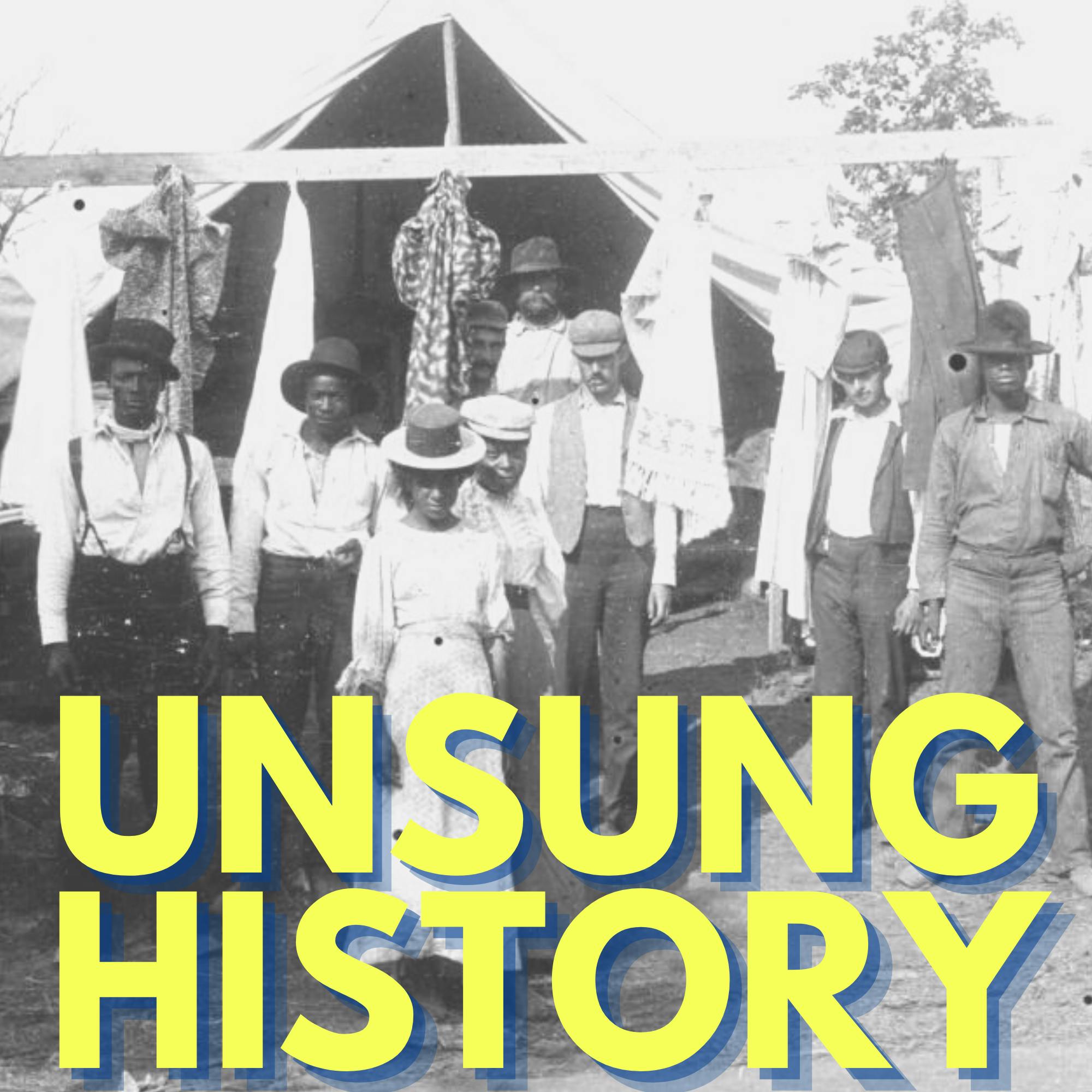
Freedpeople in Indian Territory
When the Cherokee, Chickasaw, Choctaw, Muskogee (or Creek), and Seminole Nations – known as “The Five Civilized Tribes” by white settlers – were forcibly moved from their lands in the Southeastern United States to Indian Territory (present-day Oklahoma), they brought their possessions with them, including the people of African descent whom they had enslaved. After the Civil War, these slaves were freed and freedpeople were included in the allocation of Native lands undertaken by the Dawes Com...
Guest: Alaina Roberts
26
Nov. 29, 2021
The Yakama War
In October 1805, the Yakama encountered the Lewis and Clark Expedition near the confluence of the Yakima and Columbia rivers. By fifty years later, so many European and American trappers, traders, and eventually, settlers, had arrived in the area, putting demands on the land and resources, that federal government officials called a council meeting with the local tribal nations to negotiate a treaty by which the native people would move on to reservations in exchange for federal benefits. The ...
Guest: Emily Washines
25
Nov. 22, 2021
The Wampanoag & the Thanksgiving Myth
In Autumn of 1621, a group of Pilgrims from the Mayflower voyage and Wampanoag men, led by their sachem Massasoit, ate a feast together. The existence of that meal, which held little importance to either the Pilgrims or the Wampanoag, is the basis of the Thanksgiving myth. The myth, re-told in school Thanksgiving pageants and TV shows, is not accurate and is harmful to Native people, especially to the Wampanoag. In 1970, the Commonwealth of Massachusetts planned a banquet to celebrate the 350...
Guest: Kisha James
24
Nov. 15, 2021
Treaty Rights of the Red Cliff Band of Lake Superior Ojibwe
Before the arrival of Europeans, the Ojibwe nation occupied much of the Lake Superior region, including what is now Ontario in Canada and Michigan, Wisconsin, and Minnesota in the United States. In 1850, President Zachary Taylor’s administration, in response to demands from European Americans, planned to force the Ojibwe of Wisconsin west of the Mississippi in violation of signed treaties. They planned to bring the Ojibwe to Minnesota from Wisconsin in late fall so that they would have to sta...
Guest: Katrina Phillips
23
Nov. 8, 2021
Alaska Territorial Guard in World War II
Prior to World War II, most of the US military deemed the territory of Alaska as militarily unimportant, to the point where the Alaska National Guard units were stationed instead in Washington state in August of 1941. That changed when the Japanese invaded and occupied two Alaskan islands in June of 1942. The US government responded first by evacuating Unangax̂ villagers and forcibly interning them in Southeast Alaska in facilities without plumbing or electricity for two years where many died...
Guest: Holly Guise

22
Nov. 1, 2021
The Stockbridge-Munsee Community & their Removal History
The Stockbridge-Munsee Community, the People of the Waters that Are Never Still, were forced to move many times after they first encountered Europeans. In 1609, Dutch trader Henry Hudson sailed up the Mahicannituck, the River that Flows Both Ways, into Mohican land. By 1614 there was a Dutch trading post established on a nearby island to take advantage of the beaver and otter availability. The arrival of the Europeans changed the economic pattern of the Mohicans, and brought both disease and ...
Guest: Heather Bruegl
Oct. 11, 2021
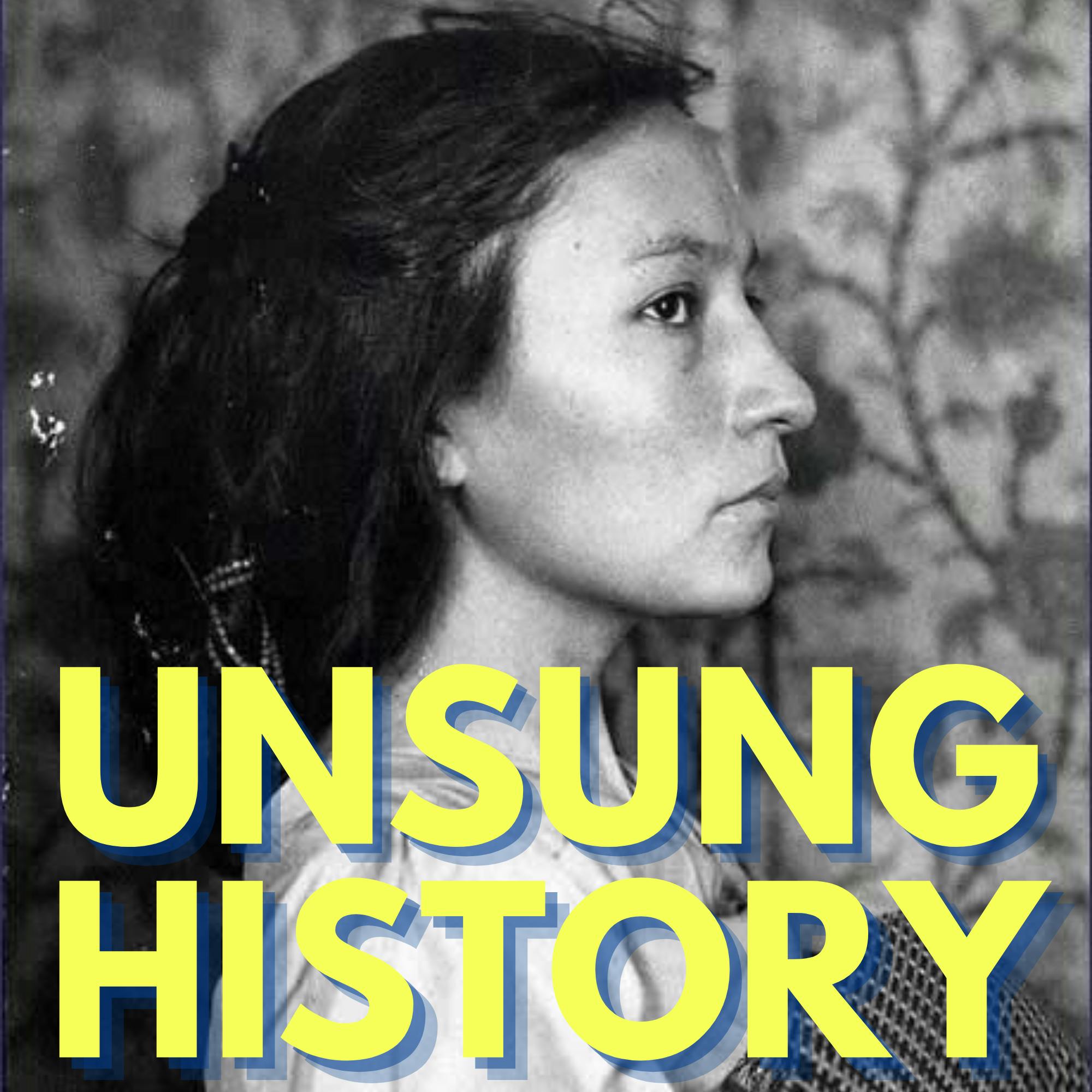
Zitkála-Šá
Writer, musician, and political activist Zitkála-Šá, also known as Gertrude Simmons Bonnin, was born on February 22, 1876, on the Yankton Indian Reservation in South Dakota, where she lived until she was eight. When Zitkála-Šá was eight years old, missionaries came to the reservation to recruit children to go to White's Indiana Manual Labor Institute. Despite her mother’s pleading, Zitkála-Šá begged to go to the school with her older brother. She later wrote that she regretted the decision al...
Guest: P. Jane Hafen