
World War II Episodes
227
July 13, 2026
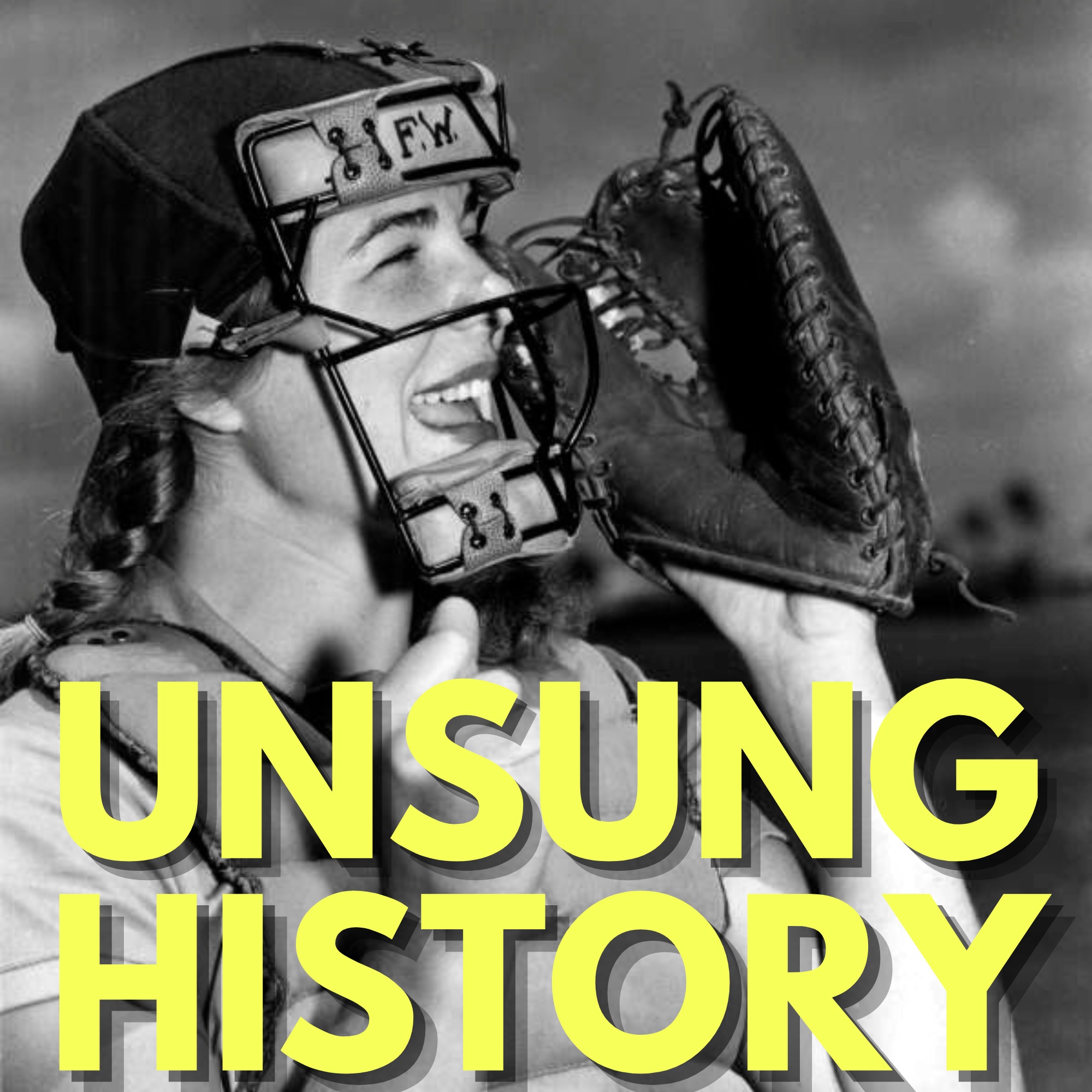
The All-American Girls Professional Baseball League
During World War II, afraid that major league baseball would need to pause while men were overseas fighting, Philip K. Wrigley, chewing gum mogul and owner of the Chicago Cubs, spearheaded a new professional ball league, this one made up of women players. In the twelve years of All-American Girls' Professional Baseball League play, over 600 women had the chance to play professionally, earning substantial salaries and delighting fans across the Midwest. Joining me in this episode is baseball hist...
Guest: Leslie Heaphy
215
Jan. 26, 2026
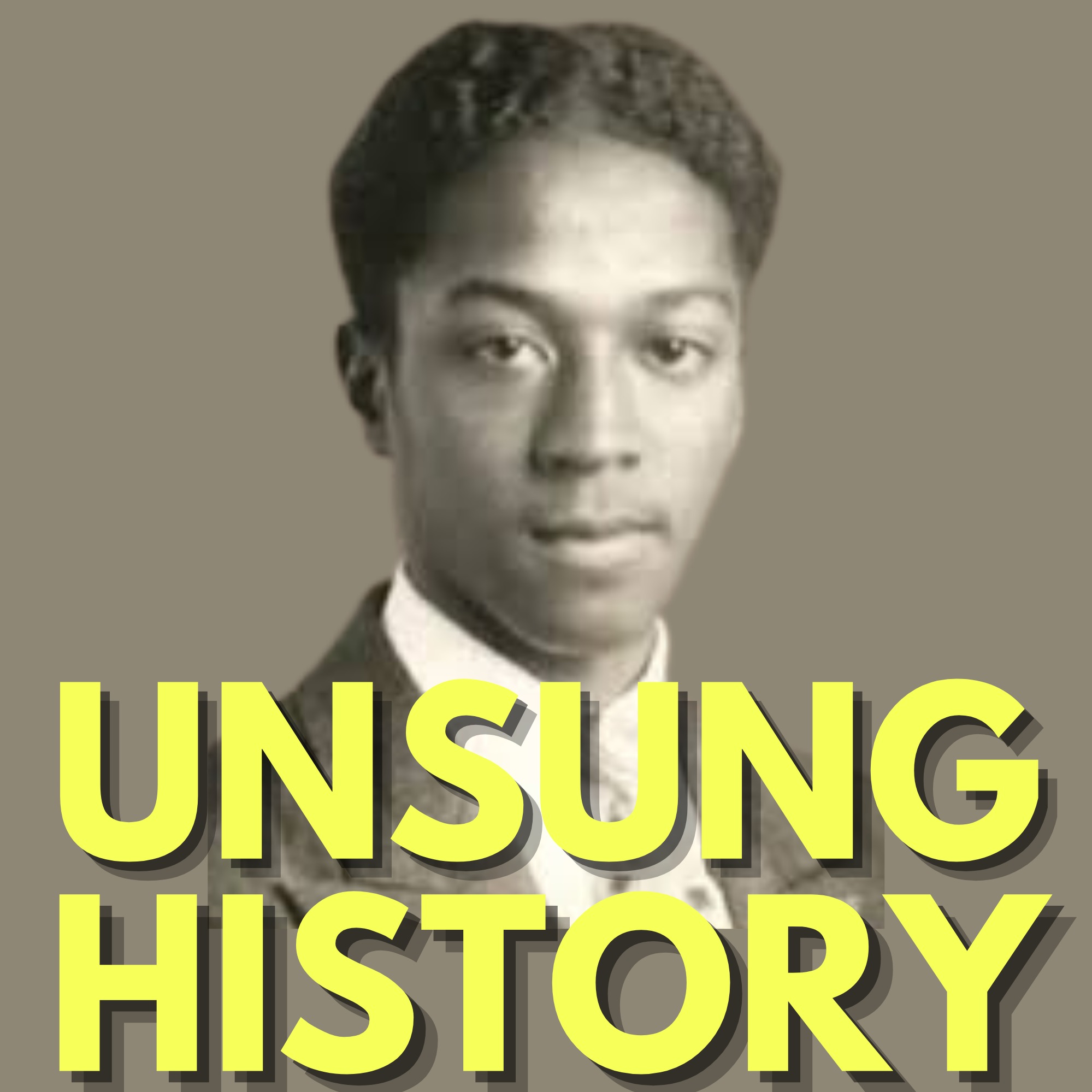
Reed Peggram
Reed Peggram, born in Boston in 1914, a gay Black man in a world that put up barriers to his success, excelled at Harvard before heading to a Europe on the brink of war. In Europe he fell in love with a Danist artist, and despite pleas from everyone in his life and from the US government to leave the war-torn continent, Reed refused to depart without Arne, leading to his imprisonment in an Italian concentration camp. Even then, Reed overcame the barriers in his way, escaping with Arne and surviv...
Guest: Ethelene Whitmire

184
Dec. 9, 2024
The Women Physicists who Fled Nazi Germany
As the Nazis rose to power in Germany, life became increasingly hostile for women scientists, especially women of Jewish descent, but also those who expressed anti-Nazi sentiments. The sexism in academic that had held them back in their careers also made escape from Germany difficult, as they didn’t look as strong on paper as their male counterparts. But four women physicists – Hertha Sponer, Hildegard Stücklen, Hedwig Kohn, and Lise Meitner – managed to flee, taking their scientific knowledge a...
Guest: Olivia Campbell
147
March 25, 2024
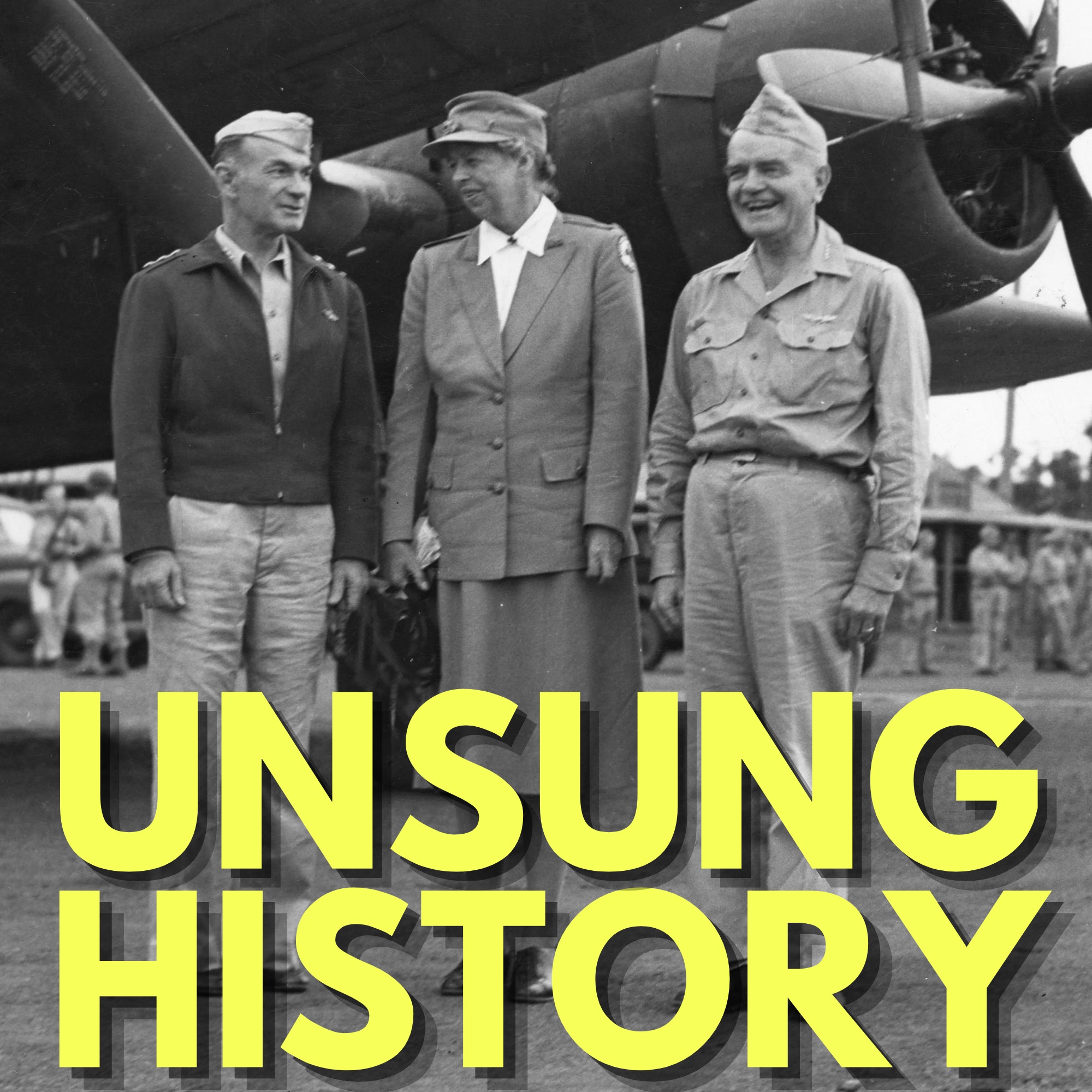
Eleanor Roosevelt's Visit to the Pacific Theatre during World War II
In August 1943, First Lady Eleanor Roosevelt set off in secrecy from San Francisco on a military transport plane, flying across the Pacific Ocean. It wasn’t until she showed up in New Zealand 10 days later that the public learned about her trip, a mission to the frontlines of the Pacific Theater in World War II to serve as "the President's eyes, ears and legs." Eleanor returned to New York five weeks and nearly 26,000 miles later, having seen an estimated 400,000 troops on her trip and producing...
Guest: Shannon McKenna Schmidt

132
Dec. 11, 2023
Jewish War Brides of World War II
In the ravages of post-World War II Europe, some Jewish women survivors of the Holocaust found the beginnings of a new life when they met – and married – American (and Canadian and British) men serving with the Allied forces. These women were part of a much larger group of war brides, who came to the United States in such large numbers that they required a change in immigration law, but these Jewish war brides faced additional challenges, from language barriers to the memory of the trauma they’d...
Guest: Robin Judd

106
June 12, 2023
The Internment of Japanese Americans during World War II & the Role of Attorneys at the Relocation Centers
During World War II, over 120,000 Japanese Americans, most of whom were US citizens, were forcibly removed from their homes in California, Washington, and Oregon, and imprisoned in relocation centers, small towns surrounded by barbed wire and armed guards. The War Relocation Authority, the government agency created by FDR that oversaw the mass relocation and internment, appointed a project attorney for each of the 10 camps. These white attorneys served the conflicted position of both advising th...
Guest: Eric L. Muller

62
Aug. 8, 2022
The Women who Programmed the ENIAC
During World War II, the United States Army contracted with a group of engineers at the University of Pennsylvania Moore School of Electrical Engineering to build the ENIAC, the world’s first programmable general-purpose electronic digital computer in order to more quickly calculate numbers for ballistics tables. Once the top-secret device was built, someone needed to figure out how to program the more than 17,000 vacuum tubes, 70,000 resistors, 10,000 capacitors, 6,000 switches, and 1,500 mecha...
Guest: Kathy Kleiman

43
March 28, 2022
Cordelia Dodson Hood
When German troops invaded Austria in 1938, Cordelia Dodson was visiting Vienna, living with her siblings as they studied German, attended the opera, and marched with Austrian students protesting against Hitler. Even with this experience, Cordelia may have settled into academic life in the United States, but when Pearl Harbor was bombed, and the US entered the war, she felt called to serve her country. In a decades-long career in Europe, Cordelia Dodson Hood combined her linguistic skill, her...
Guest: Kathleen C. Stone
37
Feb. 14, 2022
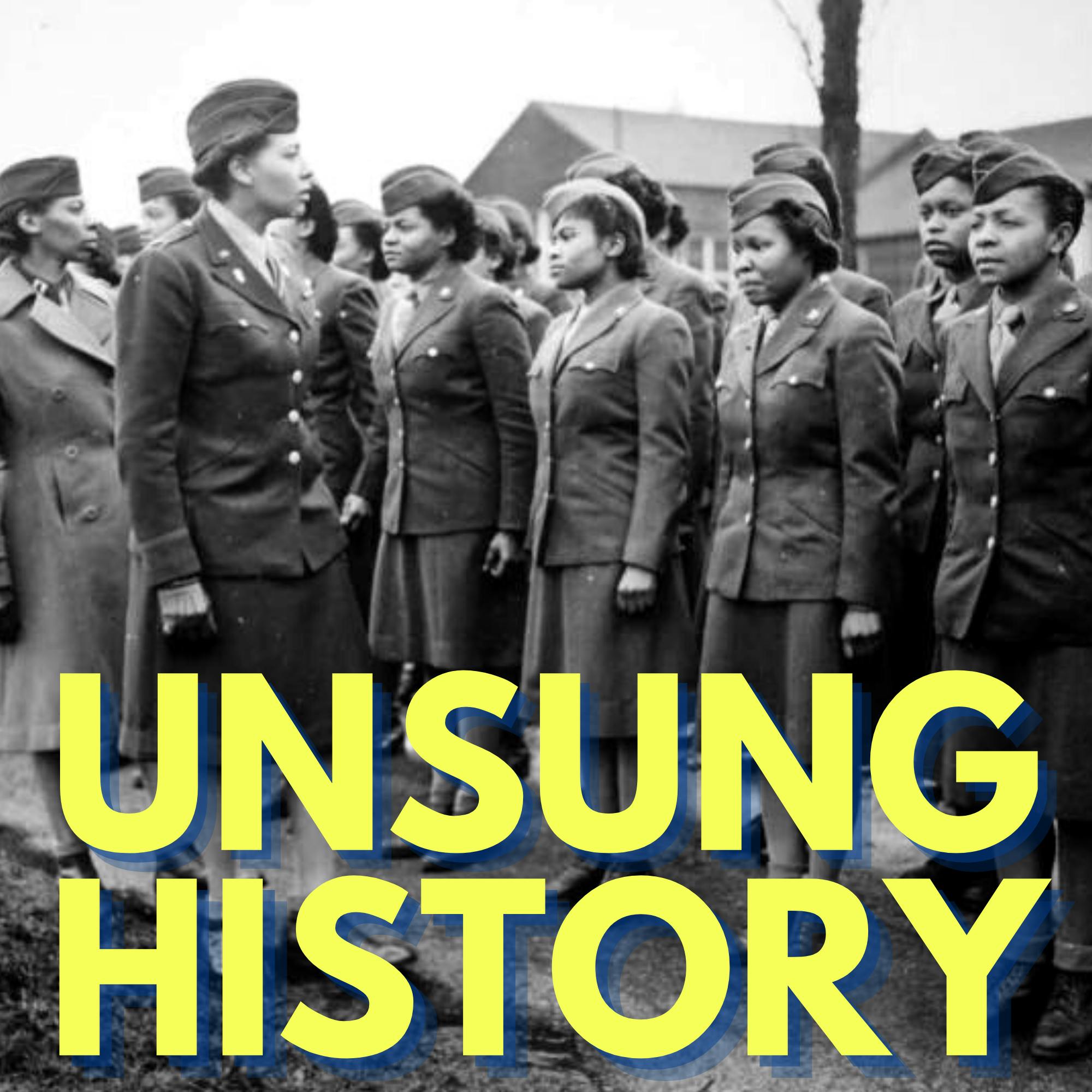
The 6888th Central Postal Directory Battalion
On February 14, 1945, after crossing the Atlantic Ocean and surviving a run-in with a Nazi U-Boat, the women of the 6888th Central Postal Directory Battalion disembarked the Île-de-France in Glasgow, Scotland. The task awaiting the only all-Black, all-female battalion overseas during World War II was daunting. There were airplane hangars filled with a backlog of millions of pieces of mail sitting in Birmingham, England, addressed from friends and family to service members stationed across Eur...
Guest: Kaia Alderson
29
Dec. 20, 2021
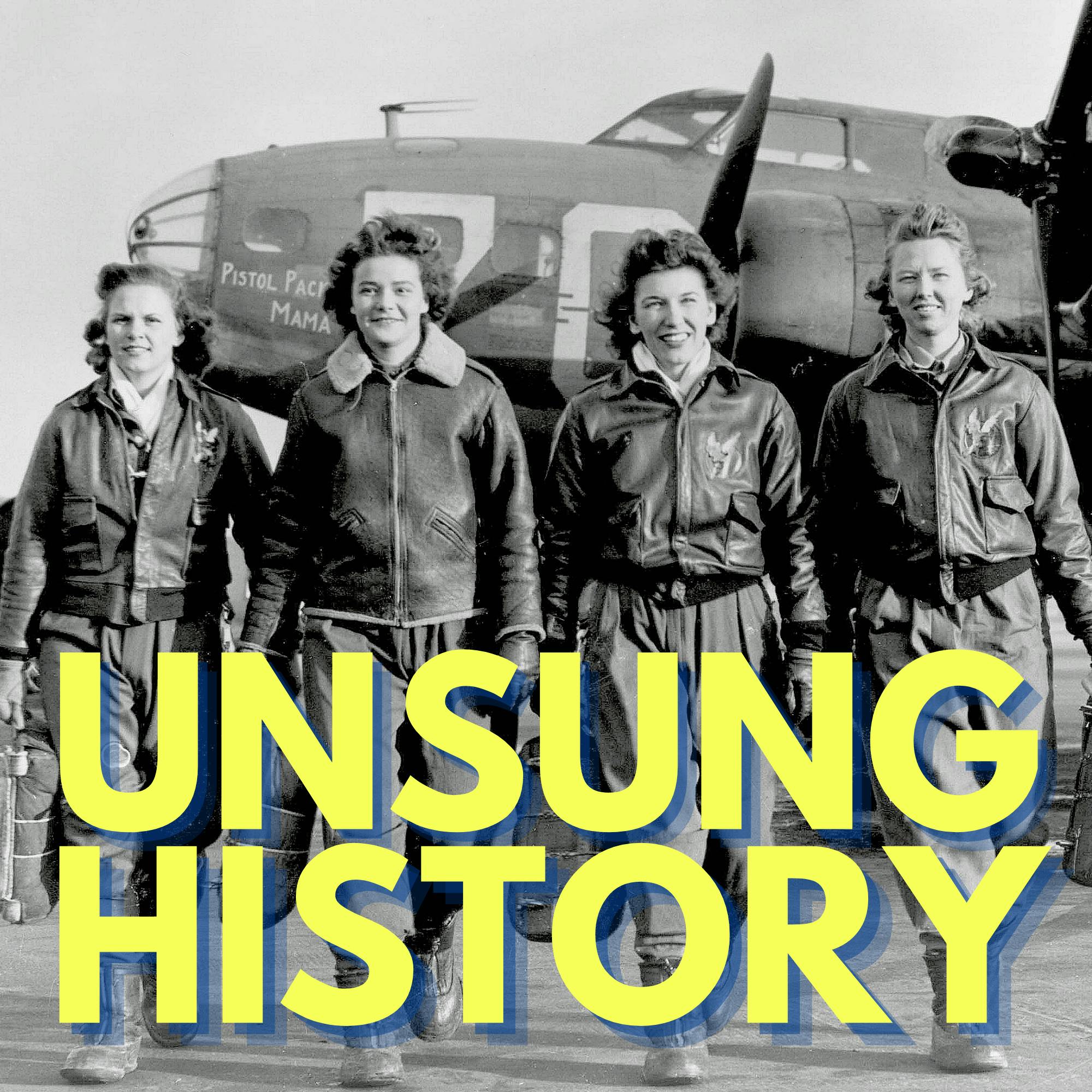
The Women Airforce Service Pilots of World War II
From September 1942 to December 1944, over 1000 American women served in the war effort as Women Airforce Service Pilots (WASP), flying 80% of all ferrying missions and delivering 12,652 aircraft of 78 types. They also transported cargo, test flew planes, demoed aircraft that the male pilots were scared to fly, simulated missions, and towed targets for live anti-aircraft artillery practice. The WASP did not fly in combat missions, but their work was dangerous, and 38 were killed in accidents. Ev...
Guest: Katherine Sharp Landdeck
23
Nov. 8, 2021
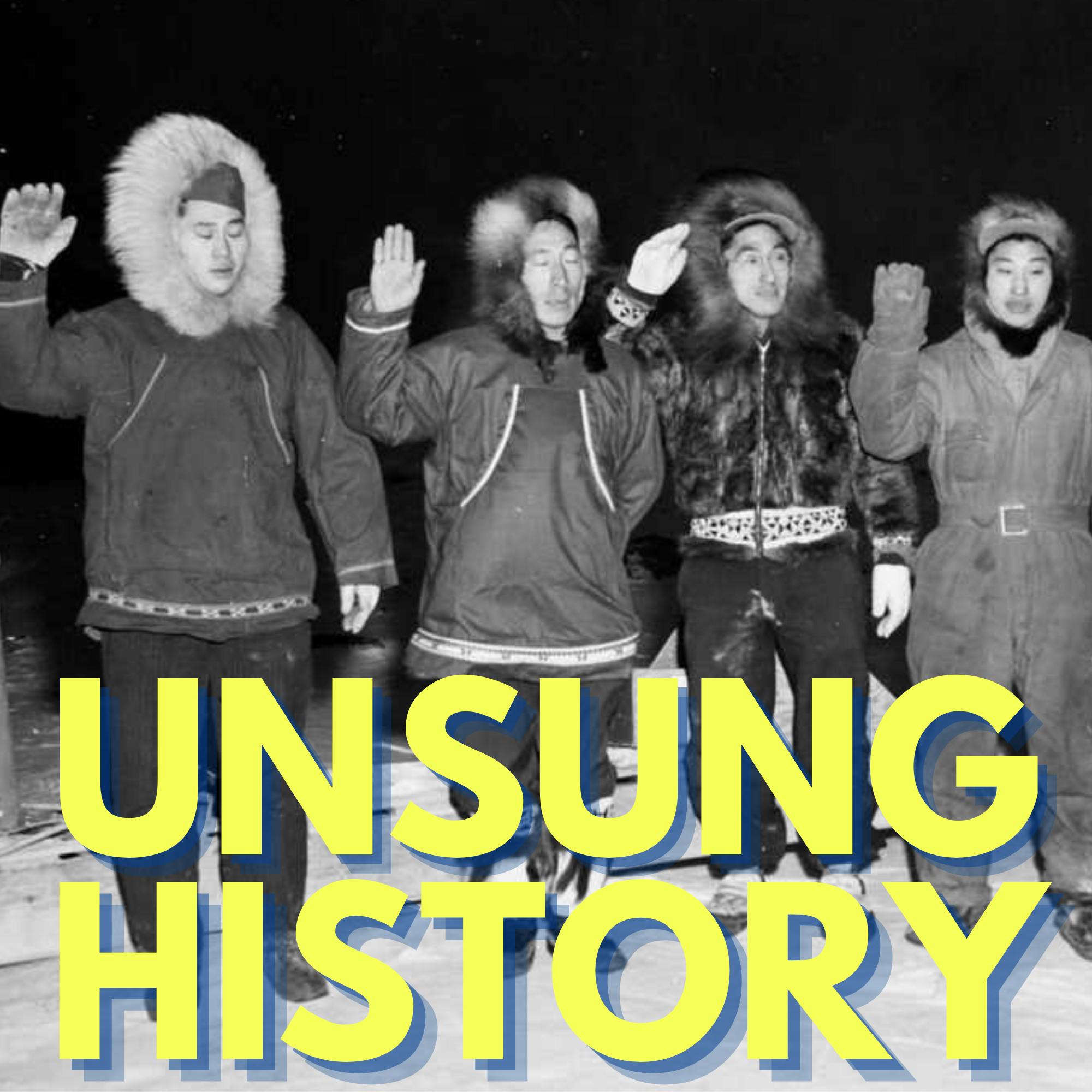
Alaska Territorial Guard in World War II
Prior to World War II, most of the US military deemed the territory of Alaska as militarily unimportant, to the point where the Alaska National Guard units were stationed instead in Washington state in August of 1941. That changed when the Japanese invaded and occupied two Alaskan islands in June of 1942. The US government responded first by evacuating Unangax̂ villagers and forcibly interning them in Southeast Alaska in facilities without plumbing or electricity for two years where many died...
Guest: Holly Guise