
Political History Episodes
223
May 18, 2026
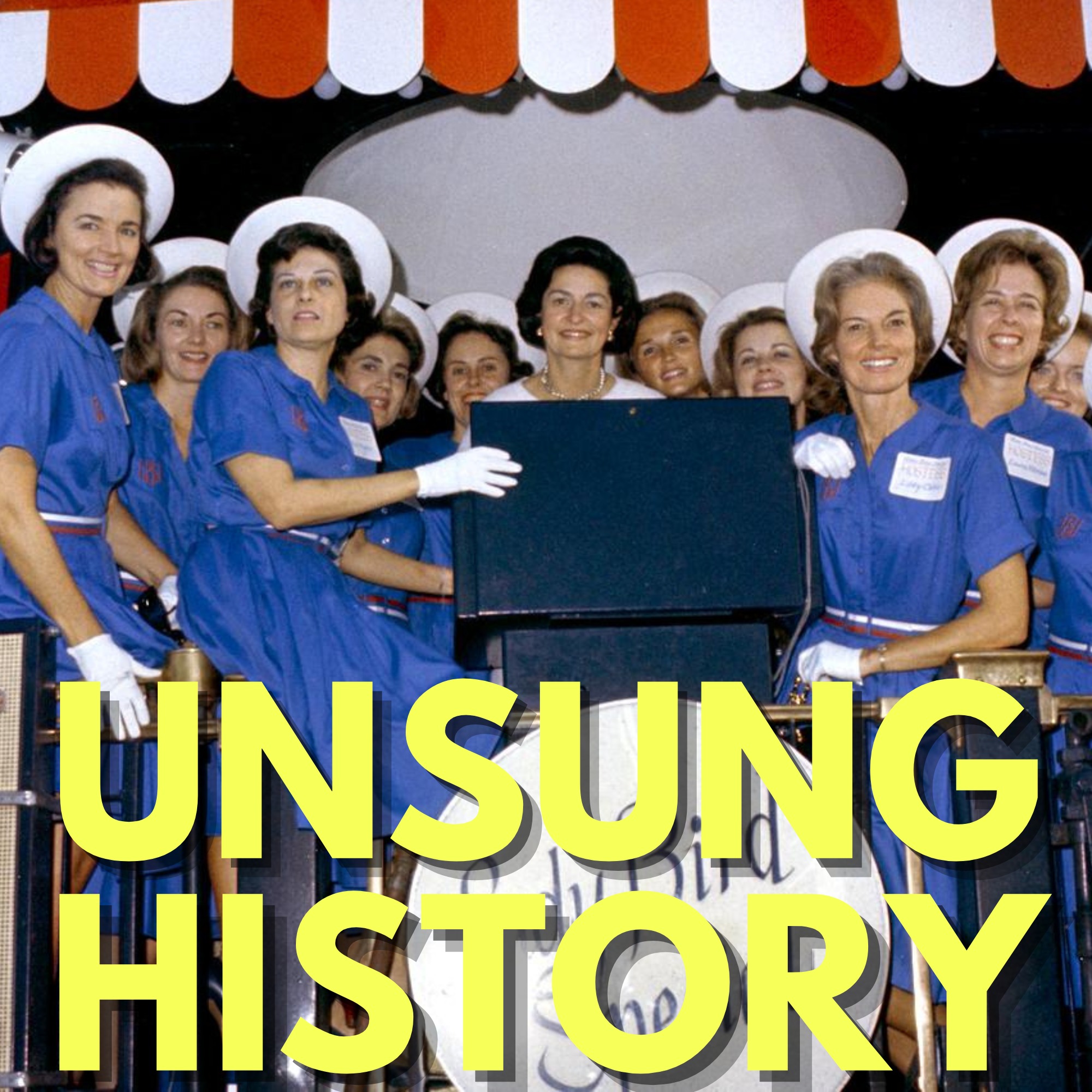
The Lady Bird Special
On the morning of Tuesday, October 6, 1964, the Lady Bird Special, a 19-car train carrying First Lady Claudia “Lady Bird” Johnson, her supporters, members of the press, and a security detail, departed Union Station in Washington, DC, for an ambitious 1,682-mile whistle-stop campaign tour of Southern States. In four days, Lady Bird gave 47 speeches to over 200,000 people, demonstrating that despite the growing resentment of white Southern Democrats to President Johnson’s signing of the Civil Righ...
Guest: Shannon McKenna Schmidt
214
Jan. 12, 2026
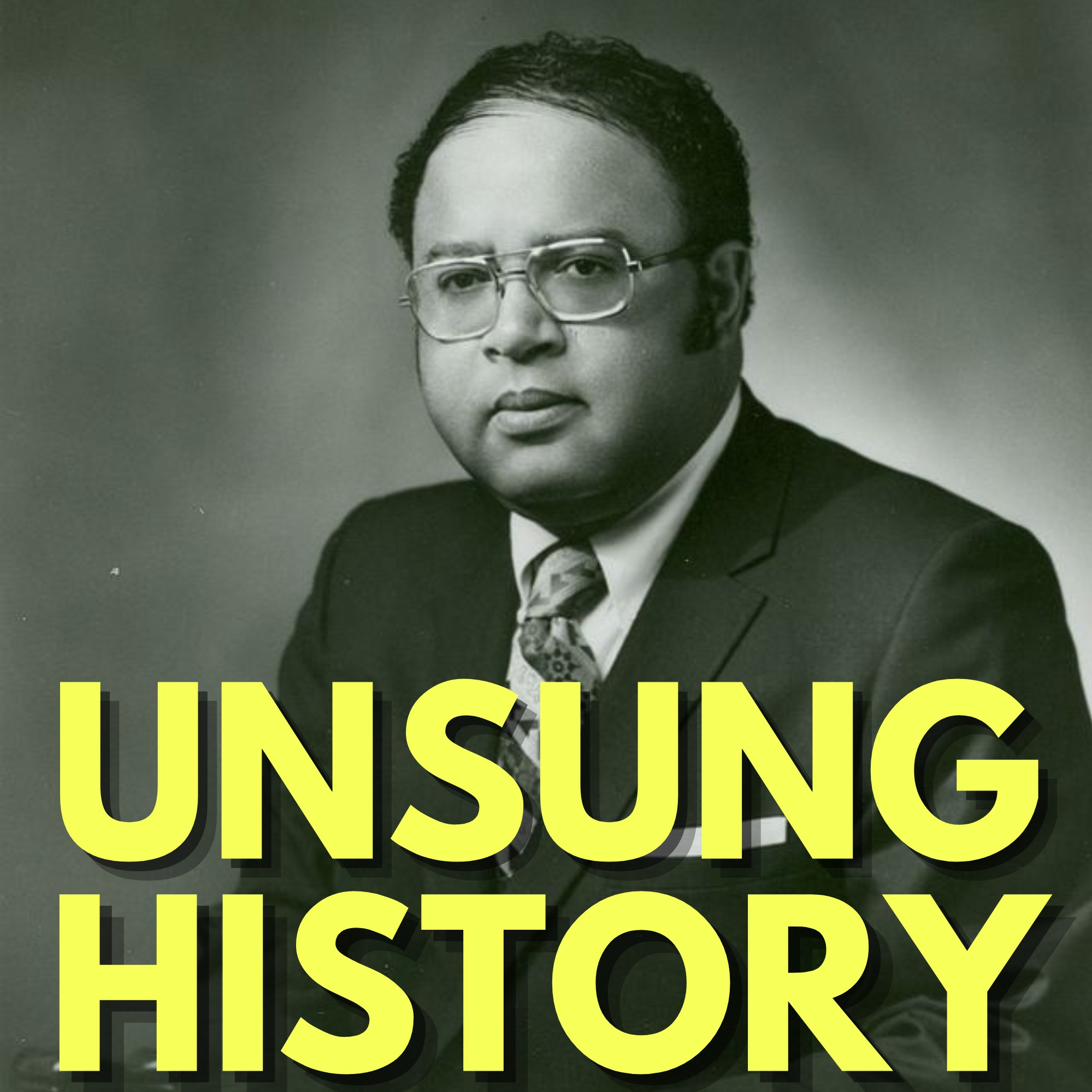
Charles C. Diggs, Jr.
Charles C. Diggs, Jr., founder of the Congressional Black Caucus, spent 25 years in Congress, pushing for change, on issues from segregation in commercial aviation to home-rule for the residents of Washington, DC, to the anti-apartheid movement. His legislative accomplishments were overshadowed by his downfall, and today his story doesn’t receive the attention of other Civil Rights heroes. Joining me in this episode is Dr. Marion Orr, Frederick Lippitt Professor of Public Policy and Professor of...
Guest: Marion Orr
213
Dec. 30, 2025
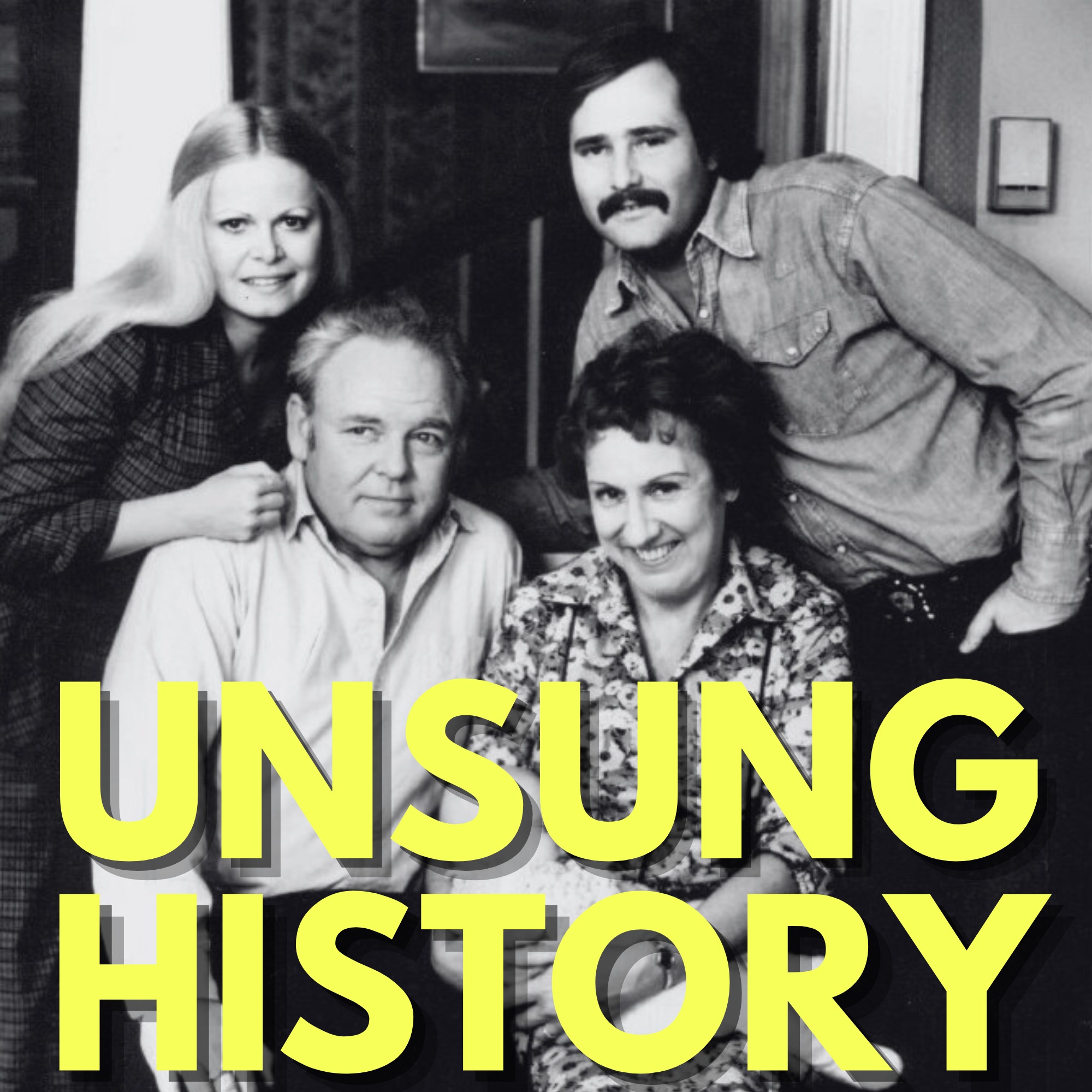
All in the Family
When All in the Family premiered in January 1971, CBS was nervous enough about the content that they added an advisory message at the beginning. Despite their fears, the show was a success, quickly garnering both awards and top Nielsen ratings. All in the Family not only changed television in the United States but also the practice of politics. Joining me in this episode is Dr. Oscar Winberg, Postdoctoral Fellow at the Turku Institute for Advanced Studies and the John Morton Center for North Ame...
Guest: Oscar Winberg

201
July 14, 2025
Madeleine Pollard, Jane Tucker, and the Sex Scandal that Brought Down a Congressman
In August of 1893, Madeleine Pollard sued Congressman William C.P. Breckinridge of Kentucky for breach of promise, claiming that he had promised to marry her but then had married another woman. By the time of the trial, Pollard and the much-older Breckinridge had been involved in an affair for nearly a decade. Breckinridge’s legal team attempted to paint Pollard as an “adventuress,” going so far as to hire an undercover detective – Jane Tucker – to get dirt on Pollard, but it was Breckinridge’s ...
Guest: Elizabeth DeWolfe

199
March 24, 2025
Ruth Reynolds & Puerto Rican Independence
Ruth Reynolds, born in the Black Hills of South Dakota in 1916 to a strict Methodist family, may have seemed an unlikely ally to the cause of Puerto Rican independence, but she devoted her life to what she saw as her “sacred and patriotic duty” as an American to convincing her country to withdraw from Puerto Rico “so that our nation may stand before the world free from any suggestion of imperialist ambition.” Facing surveillance by the FBI and insular police and even incarceration for her views,...
Guest: Lisa Materson

194
Feb. 17, 2025
The Racist History of Property Taxes in the United States
After emancipation, formerly enslaved Black Americans knew that the key to economic freedom was land ownership, but as soon as they began to acquire land, local tax assessors began to overassess their land and exact steep penalties if they couldn’t pay the resulting inflated property taxes. For the past 150 years, all over the country, the same story has played out, with African Americans paying disproportionately higher property taxes, whether due to systemic inequities or corrupt local officia...
Guest: Andrew W. Kahrl

192
Feb. 3, 2025
Land Displacement & the Agua Caliente Band of Cahuilla Indians
Thousands of years ago, a band of Cahuilla Indians migrated south into the Coachella Valley, calling the area Séc-he, meaning boiling water. The Mexicans translated this as agua caliente (hot water), which is the name still used today. As the United States extended its territory into California, the Agua Caliente were forced onto a reservation, and then, as the Southern Pacific Railroad was granted land in the region, the reservation was carved up into a checkerboard pattern. It took decades of ...
Guest: Michael Albertus

186
Dec. 23, 2024
Frances Perkins
On March 4, 1933, Frances Perkins was sworn in as the 4th Secretary of Labor. It was the first time in United States history that a woman served in the Cabinet, only 13 years after the ratification of the 19th Amendment gave women the right to vote. Perkins came into office with a long list of to-do items, and she succeeded in accomplishing nearly all of them in her long tenure, as a central architect of many of the programs of the New Deal, especially the Social Security Act. More quietly, but ...
Guest: Rebecca Brenner Graham

183
Dec. 2, 2024
The Women who Entered the Federal Workforce during the Civil War Era
As the federal workforce grew during the Civil War, department heads began employing women, without any explicit authorization from Congress that they could do so. When Congress finally acknowledged the employment of women in federal departments in 1864, it set their salary at $600 a year, half of what the lowest-paid men clerks were making. Surprisingly, though, a few years later Congress debated – and nearly passed – a resolution requiring equal pay for women employed by the federal government...
Guest: Jessica Ziparo McHugh

179
Nov. 4, 2024
The History of the Electoral College
At the end of August 1787, after three long months of debate and deliberation, the Constitutional Convention had neared the end of its work. They were poised at that time to write into the Constitution that the President of the United States would be elected by the legislature, but at the last minute they referred the matter to the Committee on Unfinished Parts to resolve. It was that committee, guided by future president James Madison, that drafted a compromise Electors plan, answering the conc...
Guest: Carolyn Dupont

178
Oct. 28, 2024
Baseball & the Chinese Educational Mission of the 1870s
In the 1870s, 120 Chinese boys came to New England as part of the Chinese Educational Mission. The boys studied at prep schools and colleges, and while they continued their lessons in Chinese language and culture, they also learned about the culture of their adopted homeland, including the local sports, like baseball. By the mid-1870s, some of the Chinese students had formed a semi-pro baseball team called the Celestials that competed on the regional circuit. With growing anti-Chinese sentiment ...
Guest: Ben Railton

177
Oct. 21, 2024
Ryan White & the CARE Act of 1990
Shortly after he was born in 1971, Ryan White was diagnosed with severe hemophilia. Ryan was able to reduce his hospitalizations from the disease through the use of in-home injections of Factor VIII concentrate, something he and other people with hemophilia saw as a lifeline. The downside of this lifeline was that it pooled blood and plasma from thousands of donors, increasing the user’s risk of exposure to diseases like HIV. In 1984, Ryan was diagnosed with AIDS. His fight to be allowed to atte...
Guest: Paul Renfro

174
Sept. 30, 2024
A History of Postpartum Depression in the United States
In his bestselling childcare manual American pediatrician Dr. Benjamin Spock advised new moms:“If you begin to feel at all depressed, go to a movie, or to the beauty parlor, or to get yourself a new hat or dress.” Although puerperal insanity had been a recognized diagnosis at the end of the 19th Century, doctors in the early 20th century dismissed the postpartum onset of psychiatric symptoms as “pure coincidence.” It would take decades of activism by both parent groups and clinicians for the eff...
Guest: Rachel Louise Moran

173
Sept. 23, 2024
Segregation Scholarships
Between 1921 and 1948, every Southern and border state, except Delaware, set up scholarship programs to send Black students out of state for graduate study rather than admit them to historically white public colleges or build graduate programs in the public HBCUs. While the individual Black students often benefited from graduate education at top-tier universities, the segregation scholarships created hardships for those same students and took money that could have been used to build up the publi...
Guest: Crystal Sanders

170
Sept. 2, 2024
Abigail Adams
Abigail Smith Adams, wife to the second U.S. president and mother of the sixth U.S. president, may be best known for exhorting her husband to “remember the ladies” as he worked with his colleagues to form a new government, but that was just one of her many strongly-held political views. Adams, who lacked formed education and whose legal status was subsumed under that of her husband, never stopped arguing for greater educational opportunities and legal rights for women. Because of her prolific co...
Guest: Lindsay M. Chervinsky

169
Aug. 26, 2024
Hair and the American Presidency
In March 1778, while he was camped at Valley Forge, Commander in Chief George Washington sent a lock of his hair to the daughter of the New Jersey Governor. It wasn’t a romantic gift; rather, Washington was responding to a common request made to celebrities of his time, similar to the autographed photo one might request today. Because hair is so long-lasting, people of the 18th and 19th centuries often collected, wore, and displayed the hair of their loved ones and the notable people they met or...
Guest: Theodore Pappas

168
Aug. 19, 2024
Margaret Chase Smith
At the Republican National Convention in July 1964, Maine Senator Margaret Chase Smith’s name was placed in nomination for the presidency, and she received votes from 27 delegates, the first time a woman was placed in nomination at a major party’s presidential convention in the United States. It was only one of many firsts Smith would achieve in her remarkable decades-long career that included speaking out against McCathyism on the floor of the Senate in 1950 and being the first woman of Congres...
Guest: Teri Finneman

167
Aug. 12, 2024
The 1968 Democratic National Convention in Chicago
Even before Democrats met in Chicago in August to choose their presidential nominee, the year 1968 had been a turbulent, and often violent, time in the United States. In Chicago, the tumult of an open convention inside the International Amphitheatre was matched by the huge anti-war protests downtown. While the Democrats inside the convention hall voted down a peace plank and nominated the incumbent vice president, despite objections, the police on the streets, given free reign by Mayor Richard J...
Guest: Heather Hendershot
158
June 10, 2024
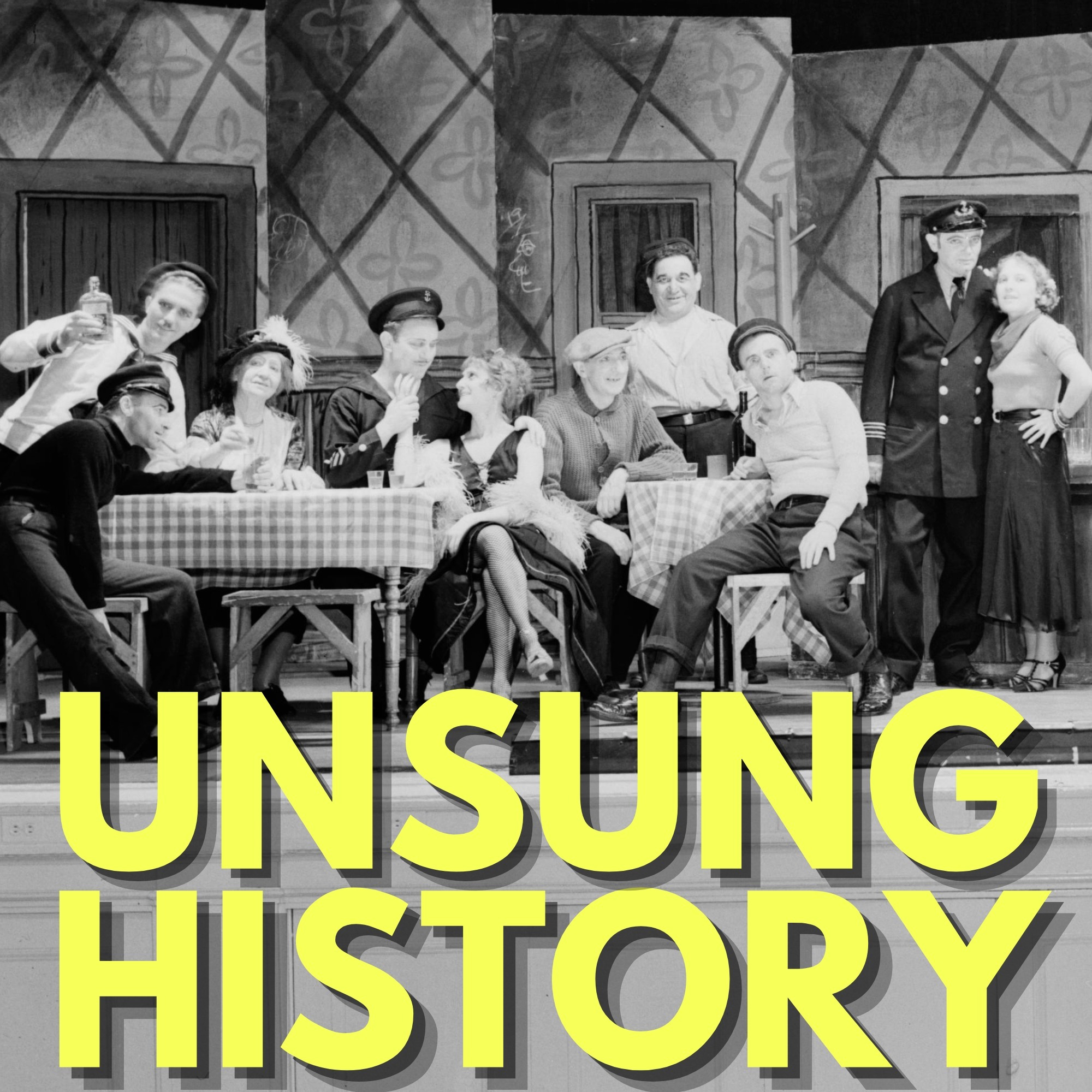
The Federal Theatre Project
Between 1935 and 1939, the Federal Theatre Project, part of the Works Progress Administration (WPA), employed over 12,000 actors and put on over 1200 productions in 29 states. Led by Hallie Flanagan, the FTP, using only a small fraction of the total WPA budget, employed theater professionals; entertained audiences, some two-third of whom had never attended theater before the FTP; and helped launch the careers of people like director Orson Welles and playwright Arthur Miller. However, despite its...
Guest: Paul Gagliardi
156
May 27, 2024
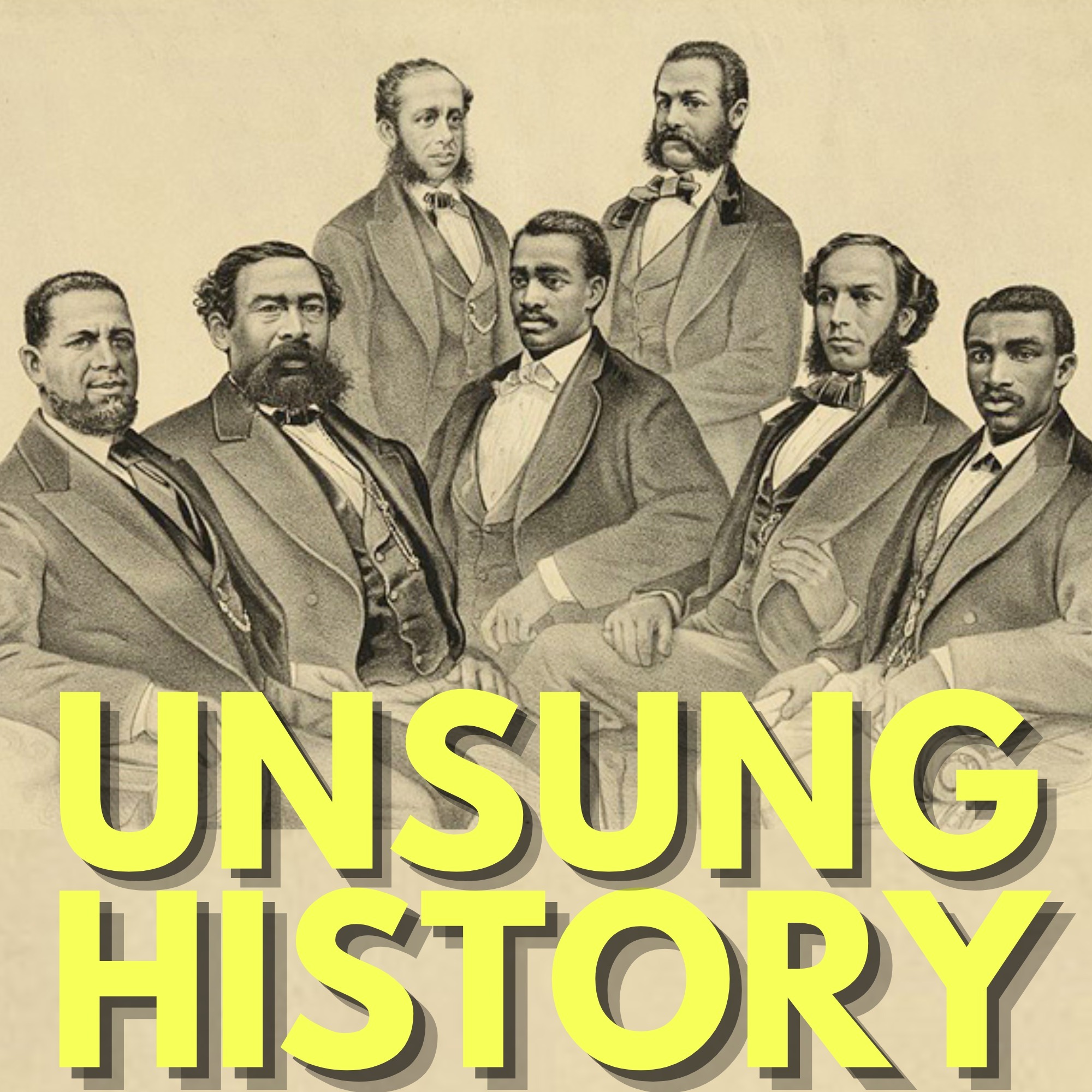
The Reconstruction Era & its Aftermath
As the Civil War was drawing to a close, President Lincoln was preparing for what came after, with plans for reunification of the country, and he began to advocate for limited suffrage for Black Americans. John Wilkes Booth’s bullet cut short those plans, and Southerner Andrew Johnson, who was much more sympathetic to the former Confederacy, succeeded Lincoln. It wasn’t until Congress passed the Reconstruction Act of 1867, over Johnson’s veto, that federal troops enforced a true remaking of the ...
Guest: Manisha Sinha
151
April 22, 2024
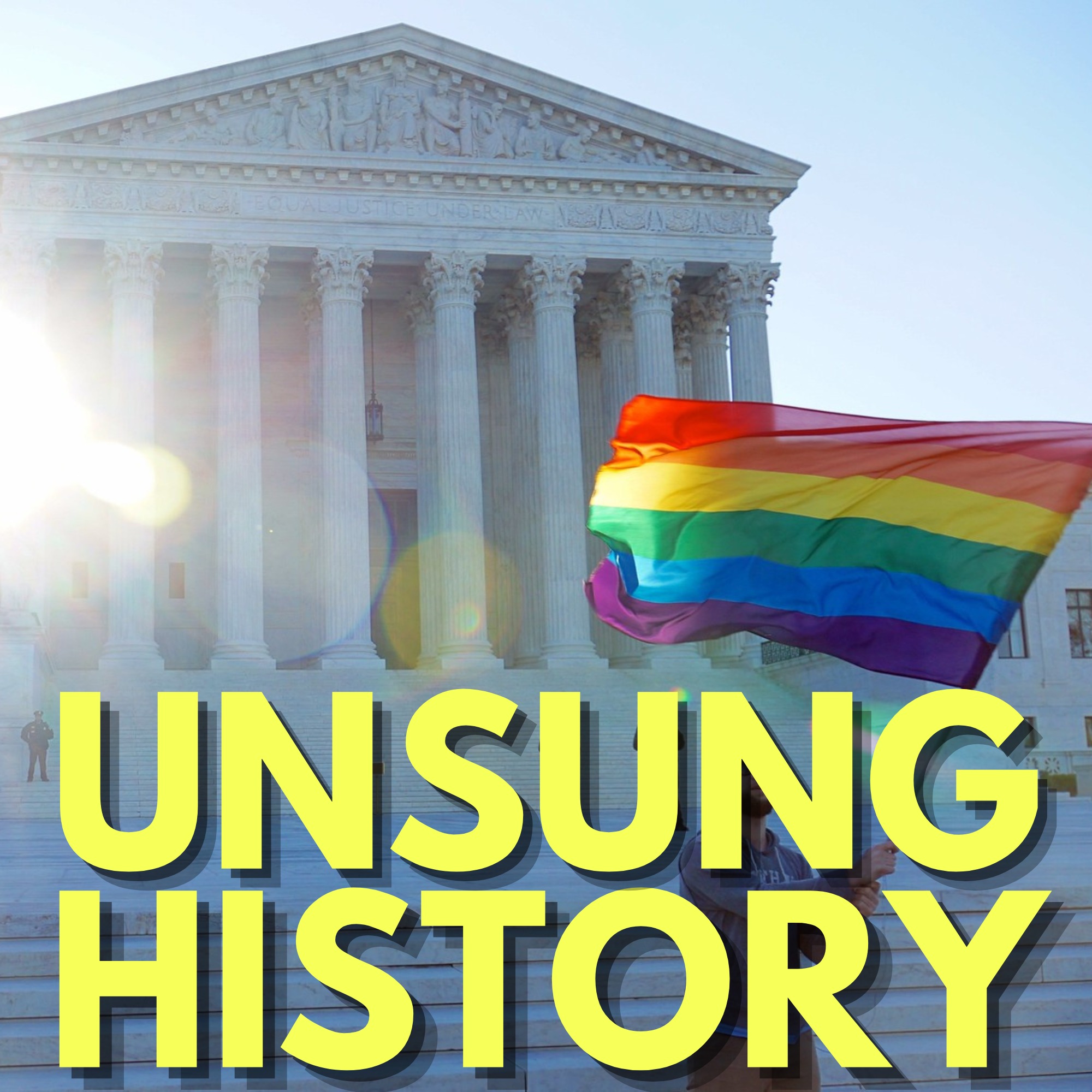
Log Cabin Republicans and the Gay Right
In 1977, a California state senator named John Briggs took to the steps of City Hall in San Francisco to announce a ballot initiative that would empower school boards to fire gay teachers based only on their sexual orientation. In response, gay activists around California mobilized, including gay Republicans, who formed among the first gay Republican organizations. In 1990, several of those California groups, together with groups across the country, combined into the Log Cabin Federation, which ...
Guest: Neil J. Young
149
April 8, 2024
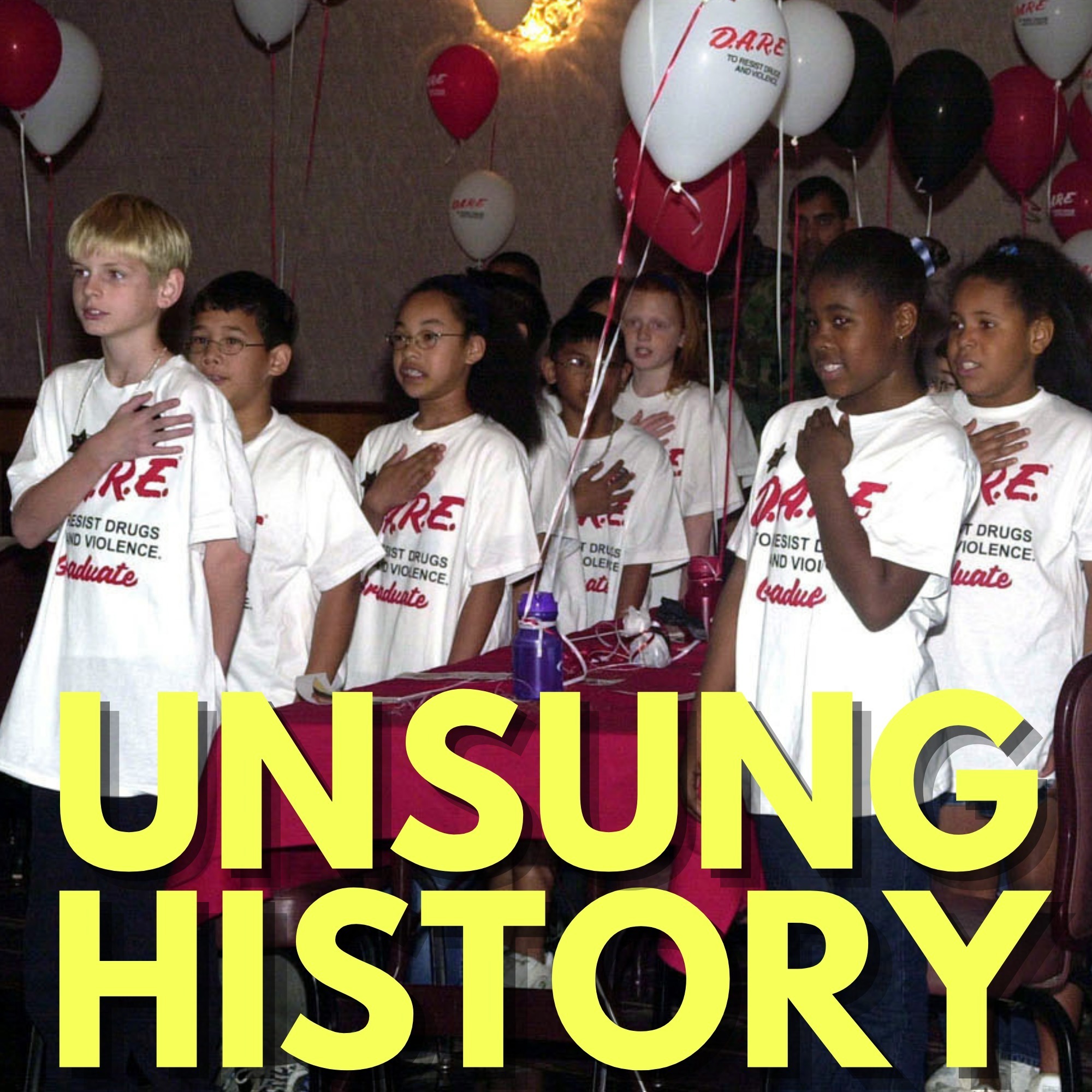
The History of DARE
In the fall of 1983, the LAPD, under Chief of Police Darryl Gates and in collaboration with the LA Unified School District, launched Project DARE (Drug Abuse Resistance Education), sending 10 police officers into 50 elementary schools to teach kids how to say no to drugs. By the time DARE celebrated its 10-year anniversary, there were DARE officers in all 50 states, teaching 4.5 million students. The program was praised by presidents and supported by major corporate sponsors, but in the 1990s so...
Guest: Max Felker-Kantor
148
April 1, 2024
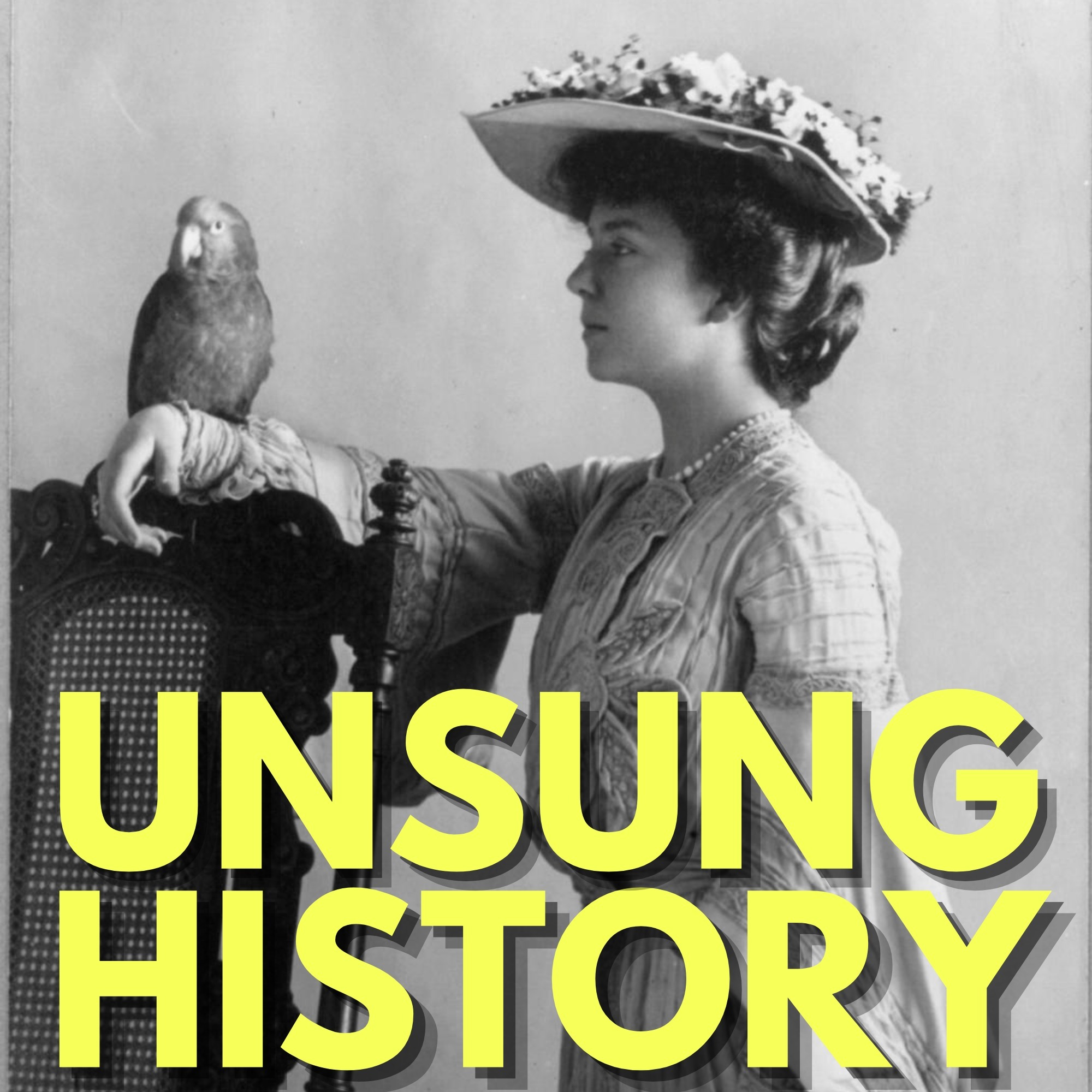
Alice Roosevelt Longworth
When Theodore Roosevelt became president in 1901, his eldest child, 17-year-old Alice, rose quickly to celebrity status. The public loved hearing about the exploits of the poker-playing, gum-chewing “Princess Alice,” who kept a small green snake in her purse. By the time she died at age 96, Alice, whose Dupont Circle home included an embroidered pillow with the phrase “If you can’t say something good about someone, sit right here by me,” was such an institution in DC politics that she was known ...
Guest: Michael Patrick Cullinane
145
March 11, 2024
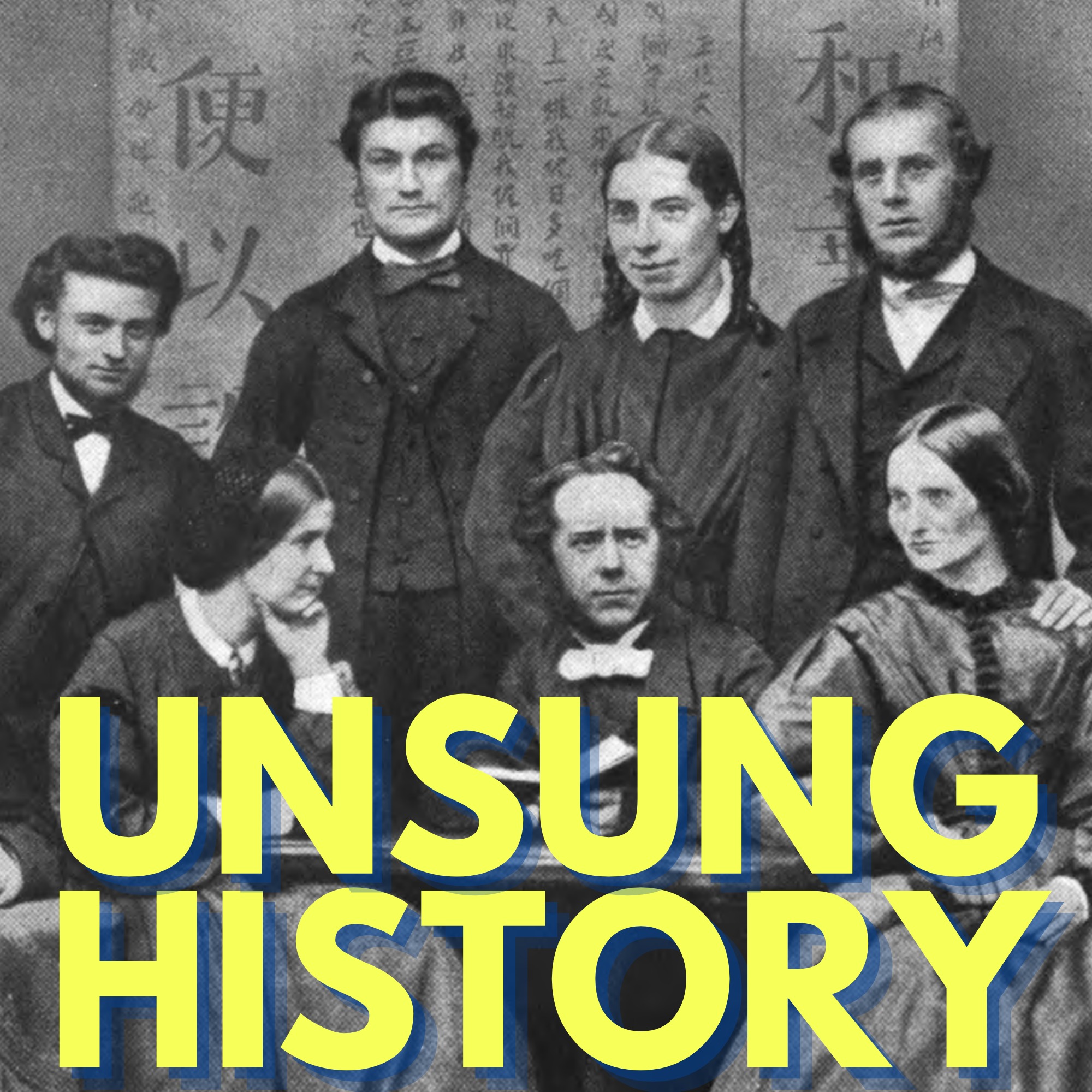
Foreign Missionaries & American Diplomacy in the 19th Century
In 1812, when the United States was still a young nation and its State Department was tiny, American citizens began heading around the world as Christian missionaries. Early in the 19th Century, the US government often saw missionaries as experts on the politics, culture, and language of regions like China and the Sandwich Islands, but as the State Department expanded its own global footprint, it became increasingly concerned about missionary troubles. Joining me in this episode is Dr. Emi...
Guest: Emily Conroy-Krutz