
Food & Drink History Episodes
211
Dec. 1, 2025
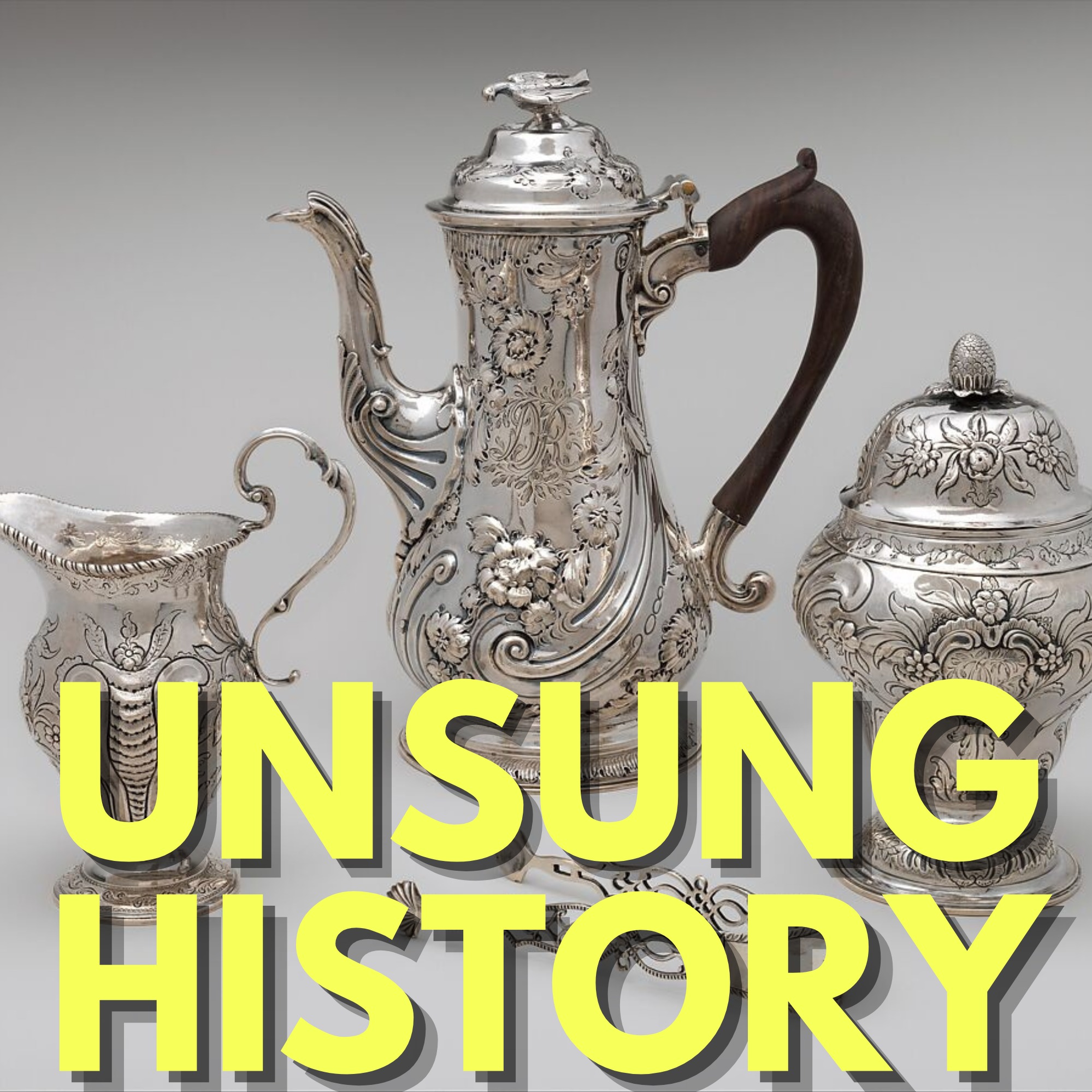
An American History of Coffee
Americans love their coffee; according to the Fall 2025 National Coffee Data Trends Report, 66% of adult Americans drink coffee every day, averaging three cups per day. This devotion to the caffeinated beverage is nothing new. Even before Bostonians dumped over 90,000 pounds of tea in the harbor, Americans were sipping cups of joe. George and Martha Washington served tea at the President’s House in New York, and after he stepped down as president, George Washington even tried growing coffee tree...
Guest: Michelle Craig McDonald

210
Nov. 17, 2025
The History of Rum
Global rum sales are expected to reach nearly $28 billion USD by the year 2033, making it one of the ten most popular alcoholic beverages in the world. In this episode we look at the early history of rum, how its invention and production were intertwined with the transatlantic slave trade, and how abolitionists tried to find free-labor sources of the popular liquor. Joining me in this episode is Dr. Jordan B. Smith, Associate Professor of History at Widener University, and author of The Inventio...
Guest: Jordan B. Smith
209
Nov. 3, 2025
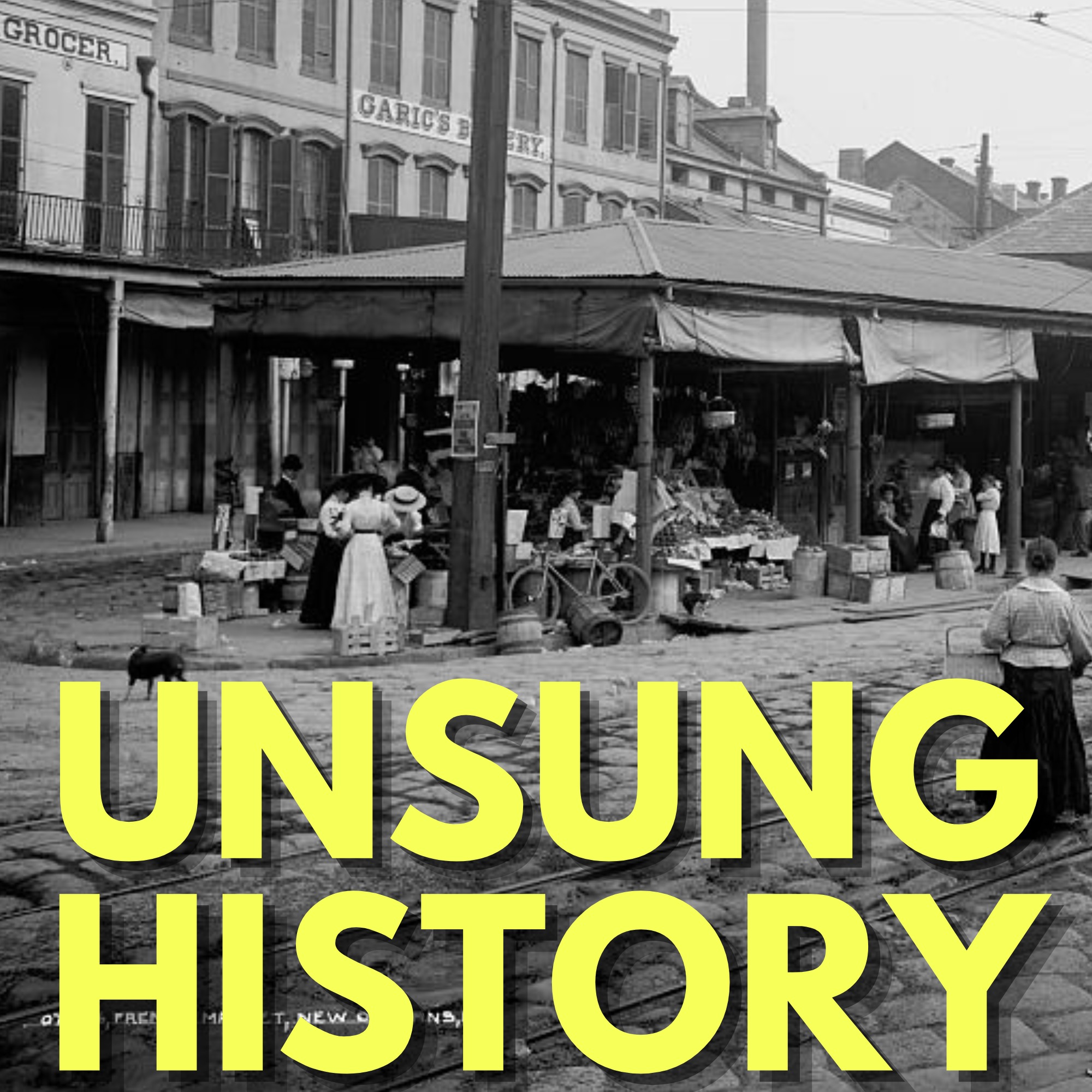
Street Food and Public Markets in New Orleans
New Orleans is known for its unique cuisine that blends and highlights the many cultural roots of the city and its residents. The history of food distribution in New Orleans is just as unique within the American landscape, relying heavily on public food systems, both street vendors and municipally-run public markets. Joining me in this episode is Dr. Ashley Rose Young, a curator and public historian who serves as the American History Curator in the Rare Book and Special Collections Division at t...
Guest: Ashley Rose Young

187
Dec. 30, 2024
The Surprisingly Salacious History of the Modern Restaurant
If you were to head to Paris in the mid-eighteenth Century and ask for a restaurant, you might be handed a bowl of meat bouillon, prepared in such a way as to improve vigor and perhaps even sperm production. Restaurant referred first to the broth itself and then to the eateries in which men, and less frequently women, could eat said broth. As restaurant came to mean the luxurious establishment at one which could eat an elaborate menu of delicate food items prepared by talented chefs, sex stayed ...
Guest: Rachel Hope Cleves

126
Oct. 30, 2023
The History of the Nutrition Facts Label
If you go to a grocery store in the United States and pick up a box of cereal, you expect to find a white box on the back of the package with information in Helvetica Black about the food’s macronutrients (things like fat and protein) and micronutrients (vitamins and minerals). The Nutrition Facts label is so ubiquitous that you may not even notice it. But how did it get there and why does it look the way it does? The history of that label is our story this week. Joining me to discuss the his...
Guest: Xaq Frolich

49
May 9, 2022
Thai Americans & the Rise of Thai Food in the United States
There are around 300,000 Thai Americans but almost 5,000 Thai restaurants in the United States. To understand how Thai restaurants became so ubiquitous in the US, we dive into the history of how Thai cuisine arrived in the US before Thai immigrants started to arrive in large numbers, and how Thai Americans capitalized on the popularity of their food to find their niche in the US economy. I’m joined in this episode by Associate Professor of Asian and Asian American Studies at the University of...
Guest: Mark Padoongpatt

16
Sept. 20, 2021
Chef Lena Richard
Over a decade before Julia Child’s The French Chef appeared on TV, a Black woman chef hosted her own, very popular cooking show on WDSU-TV in New Orleans. At a time when families were just beginning to own televisions, Chef Lena Richard’s show was so popular that it aired twice a week. Richard started working as a cook as a teenager for the wealthy Vairin family who employed her mom as a domestic servant. When their cook left, Alice Vairin gave Richard a trial run as cook and was so impressed...
Guests: Chef Dee Lavigne , Ashley Rose Young
14
Sept. 6, 2021
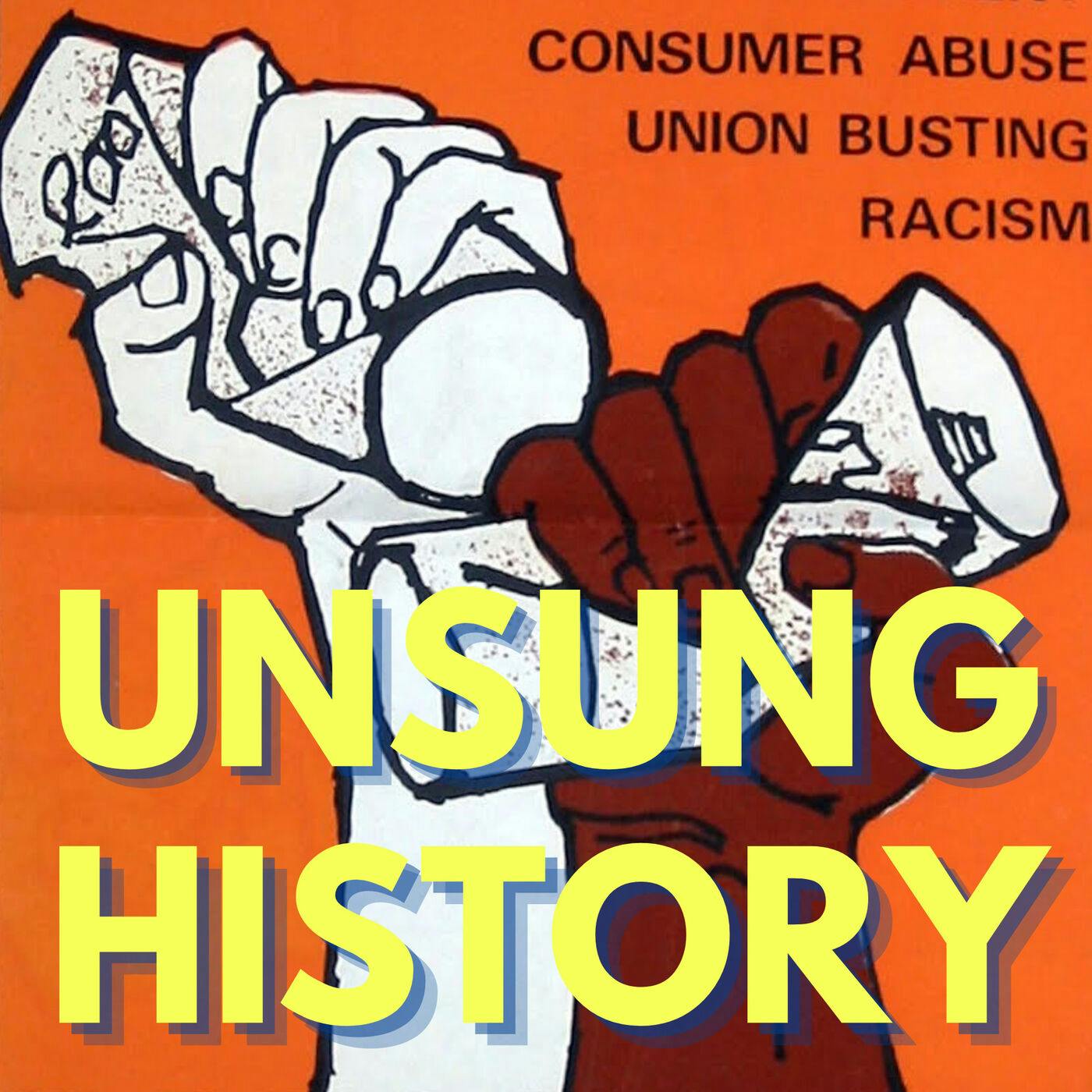
The Coors Boycott
In the mid-1960s, to protest discriminatory hiring practices, Chicano groups in Colorado called for a boycott of the Coors Brewing Company, launching what would become a decades-long boycott that brought together a coalition of activists that would include not just Chicano and Latino groups, but also African American groups, union organizers, LGBT activists, students, environmentalists and feminists. These groups had a variety of motivations for their involvement in the boycott and varied suc...
Guest: Allyson Brantley
11
Aug. 16, 2021
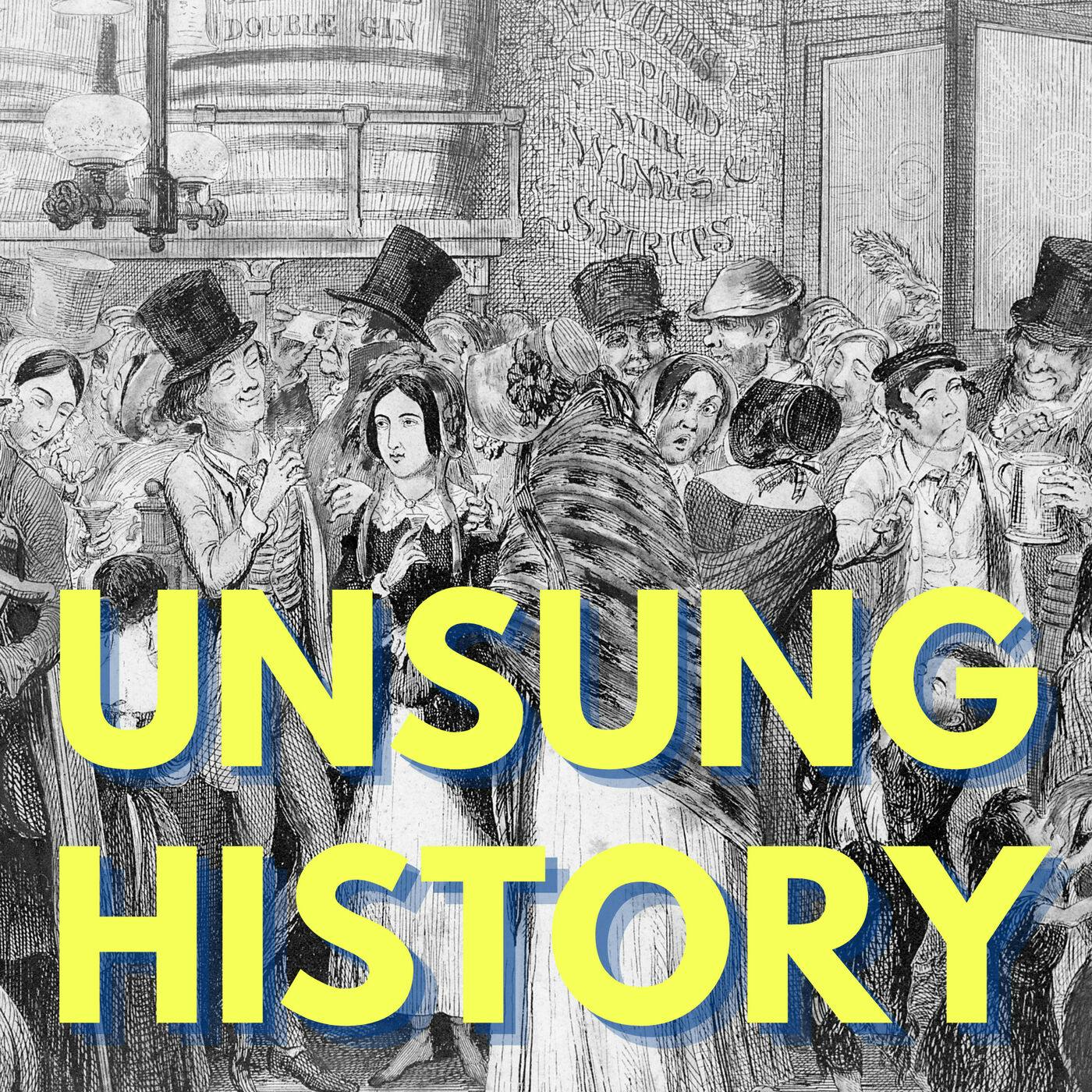
Prohibition in the 1850s
Popular depictions of prohibition in the United States usually show the speakeasies, bootleggers, flappers, and bathtub gin of the Roaring Twenties, but earlier attempts at prohibition stretch back far into the 19th century. In 1851, Maine passed the first statewide prohibition law, and 12 other states quickly followed as temperance societies preached the evils of alcohol. Anti-prohibitionists, especially liquor dealers and hotel owners, decried the “tyranny of the majority” and fought back w...
Guest: Kyle Volk